Test Ride: Lauf Cycles eElja
A lighter-weight solution to electric mountain bikes
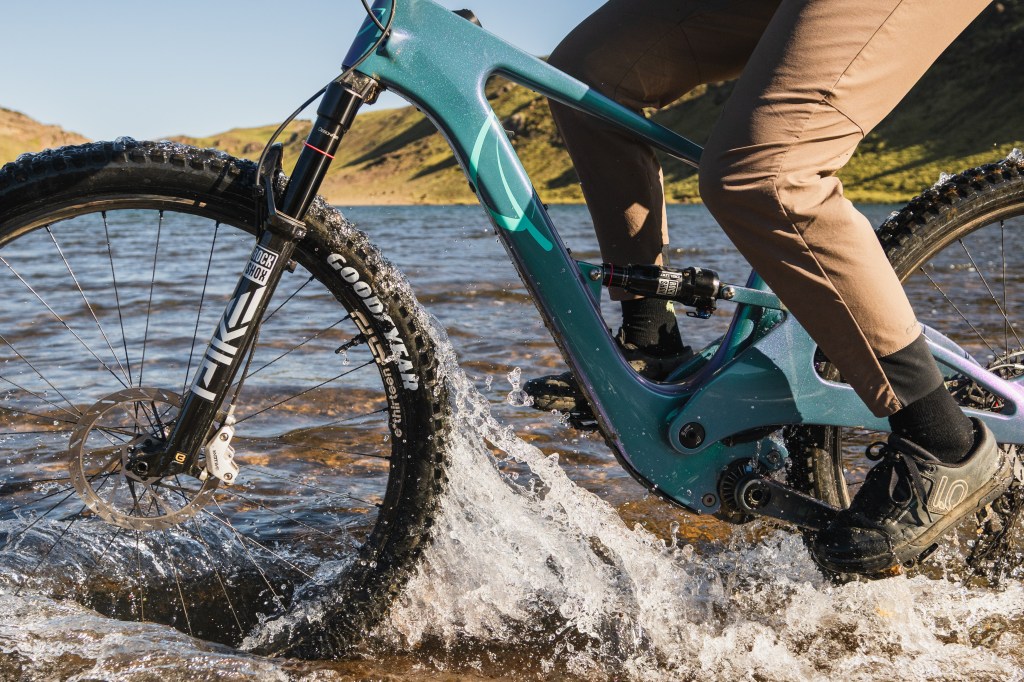
If you want a little peek at where the electrification revolution is happening faster, don’t look at cars, look at bicycles. They have two unique advantages, especially when compared to automobiles and even electric motorcycles. They don’t need massive batteries to move their payload or safety cells to protect their passengers.
However, to date, they’ve also been exceptionally heavy. Beefy batteries and motors increase the need for a larger, more rigid superstructure to prevent all that added torque—and weight—from twisting the frame and contorting handling. Bike brands have definitely conquered the engineering challenges, and high-performance e-bikes for road, mountain and gravel are relatively easy to find. But they come at an exceedingly high price, often north of $10,000. And, they still tend to be heavier or suffer from too-short of a range.
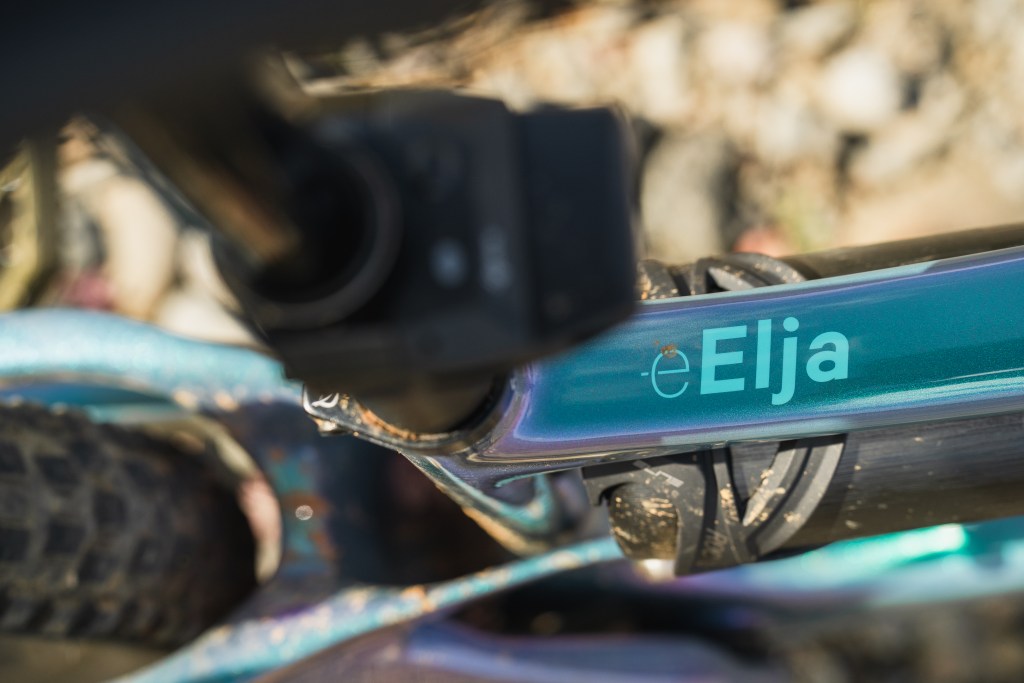
Iceland-based Lauf is striking a middle path. The brand’s suggesting that most riders don’t need 6 to 8 hours of pedaling battery life, and the new eElja starts at a mid-range price (for high-end electric mountain bikes) of $6,990. But the amazing part is that it weighs about 37 pounds, depending on size. That’s about the same price as the recently dropped Santa Cruz Vala Alu—but 15 pounds lighter.
We love that Santa Cruz, but test-riding the eElja recently at a bike park in New York City (yes, actually, New York has excellent mountain biking), we found a playfulness that’s ultra-rare for anything electrified. Here’s how Lauf made that happen.
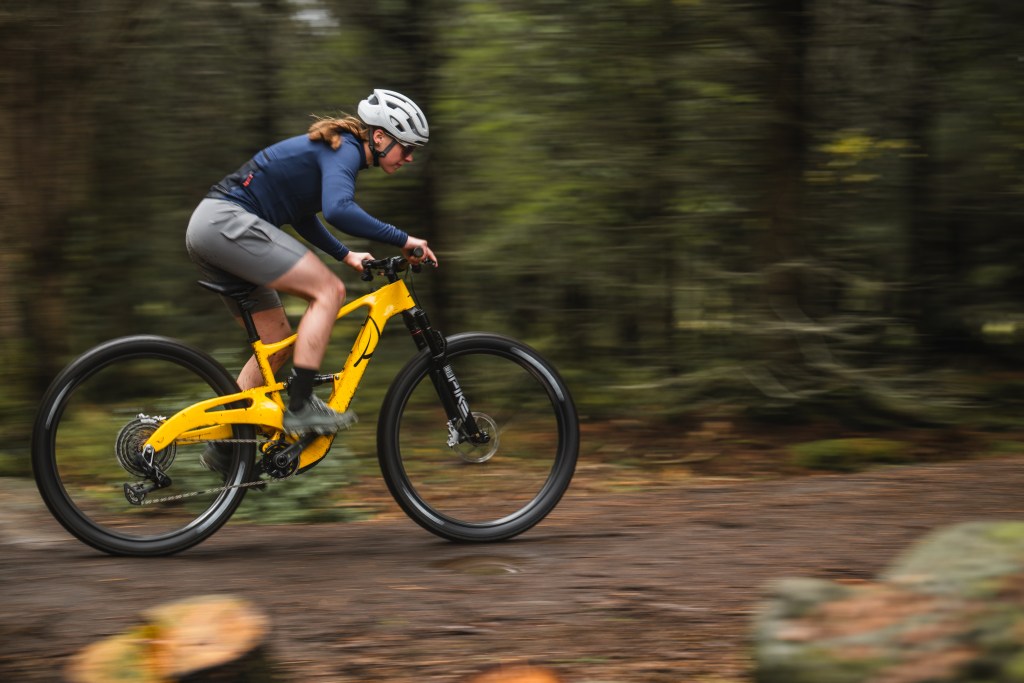
First, they focus on the rear suspension. Like the non-electrified Elja, it has a single-pivot design. As Lauf CEO Benedikt Skúlason explains, legacy bike brands seem more worried about the IP of their historic suspension designs than revising them to keep up with modern shock components. That all comes to a head at the back of the eElja, where Lauf leaned on the fact that newer shocks don’t bounce up and down from pedaling forces. Skúlason says that competing makers are still using overly complex multilink suspensions to keep their systems proprietary—or, he says, using single-link designs for e-mountain bikes that aren’t stiff enough to resist torsion.
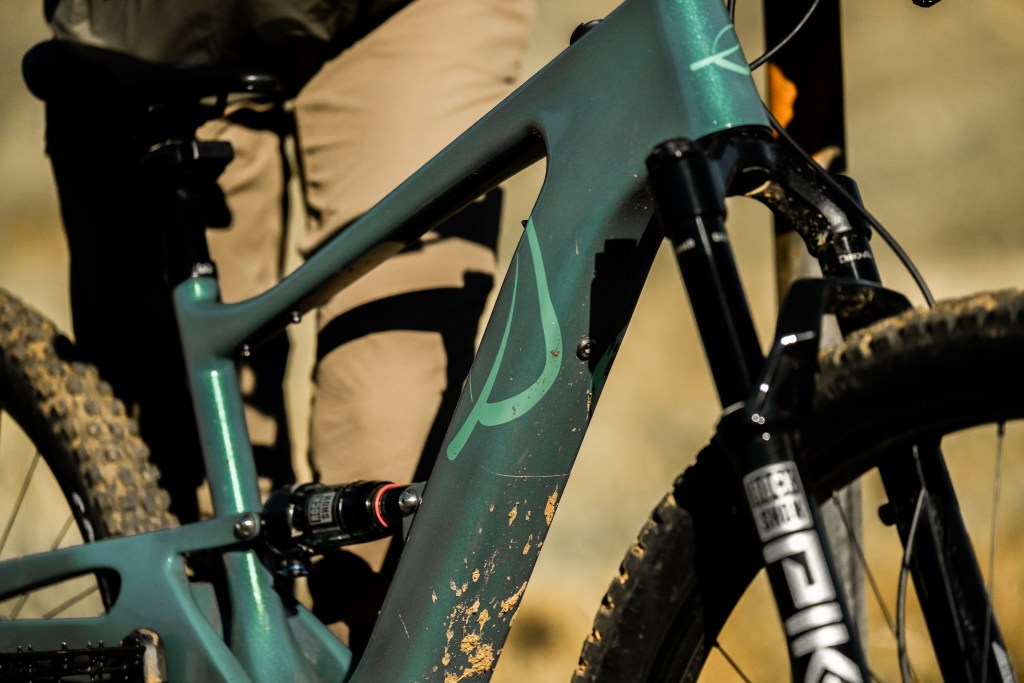
By contrast, Lauf’s rear triangle uses an ultra-stuff bottom-bracket bearing to secure the rigidity of the front mounting point, plus a cross brace. In total, there are six contact points to stiffen the rear swingarm, and the result is a super snappy feel to acceleration and very agile cornering, thanks to a very short wheelbase for a bike with five inches of suspension cushion.
Skúlason says the stiffer swingarm counters the twist caused by pedaling forces, or in this case, the combined energy of the electric powertrain and your legs. “It’s like a whole different game. So, it’s not just like 10% stiffer than what other brands are doing; it’s like 300% stiffer.”
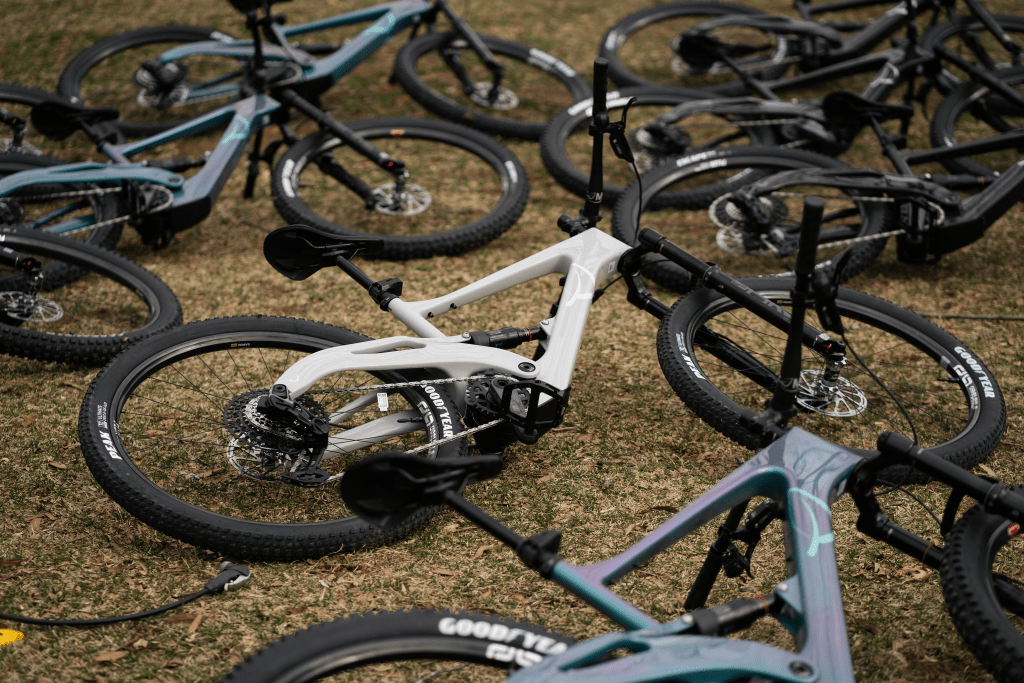
But the other magic ingredient is Lauf’s use of a compact battery and motor from a company called TQ, which first came on the market with Trek. TQ’s notable because its motors are almost entirely silent, so the typical whir-whir of assist is nonexistent when you pedal the eElja. Still, you’re getting help, and importantly, there’s no throttle; you’re only boosted when you pedal.
And while the system is considered a “mid-power” or even “low-power” e-bike— depending on whose metrics you’re using—with up to 60Nm of torque, this Lauf is actually more powerful than some e-MTBs that cost $12,000 or more. Lauf measures the range of the 360Wh integrated battery in terms of feet you can climb with 100-percent assist, rather than in miles, and says that amounts to 4,600 feet for a 170-pound rider, or 6,600 feet of climbing if you also add an optional range-extending battery that fits in the water bottle holder of the frame. Lauf adds a second location to mount a water bottle, even if you’re using the range extender battery; this is a thoughtful detail that many other brands don’t offer.
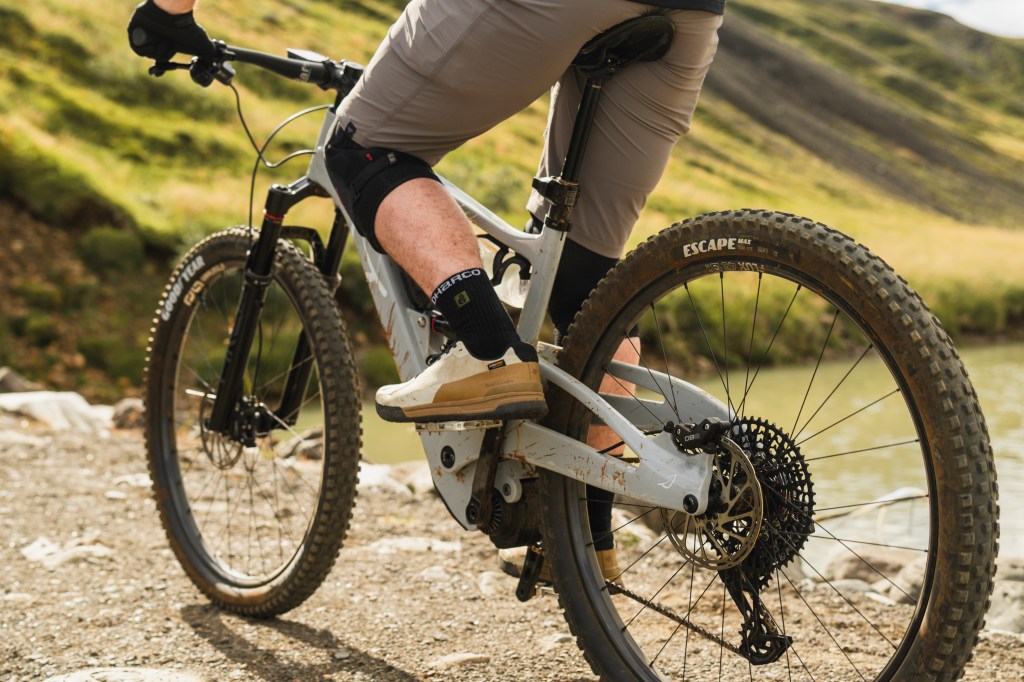
One design element that Skúlason stresses is having a very low-key interface. There’s only one digital readout on the top tube, and you control the level of assist via a small toggle on the handlebar. While riders can tweak aspects of the bike’s assist system via TQ’s app, Skúlason says they didn’t want a big digital readout on the bike’s bars. “You don’t want to look like a stockbroker,” he says, and that in thinking about electrification, the goal wasn’t to distract from the joy of riding. This is in part why Lauf chose the most minimal display and focused on the slimmed-down TQ powertrain, so the bike weight won’t overwhelm an owner trying to carry it up a flight of stairs. Also, he says, this is why they limited assistance to what’s called Class 1, which means no throttle, and power is governed to cut off at 20-miles-per-hour.
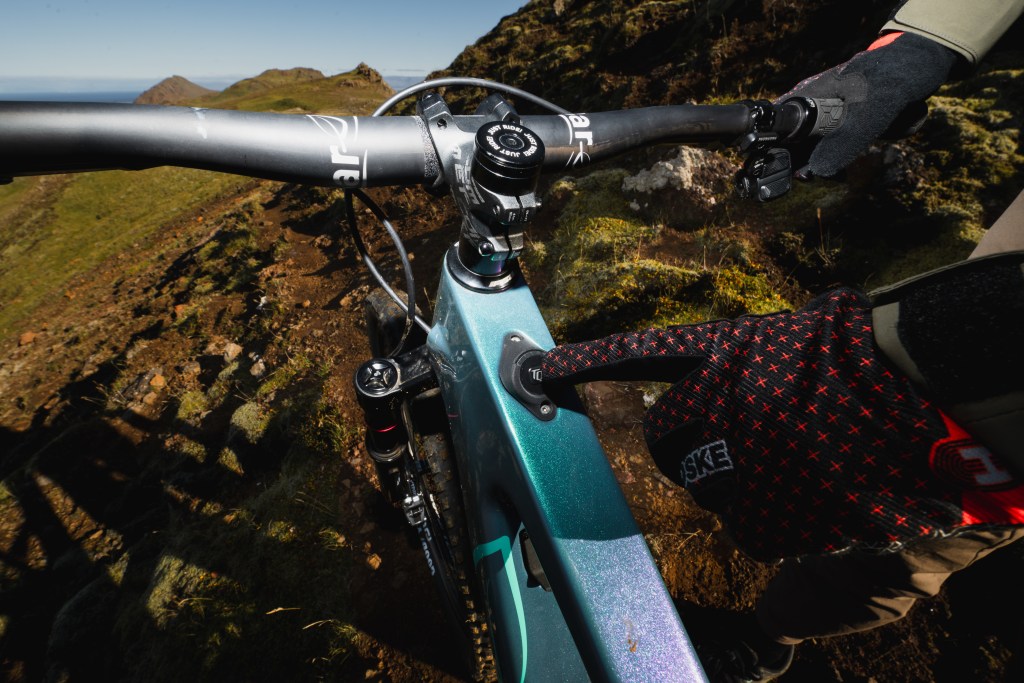
Lauf made some key interface decisions that matter as well, like including wireless SRAM shifters—the entire frame looks cleaner, with fewer cables snaking around, and wireless shifting is quicker—and using shorter crank arms. These provide a nearly invisible benefit. Simply put, a shorter arm makes for a smoother ride as it makes a tighter circle that prevents your pedals from slamming into rocks or roots. They’re a good idea because you don’t need the longer leverage from the crank that you might on a non-electric bicycle. As a result, your pedaling can be smoother, and that enables the bike’s assist system to evenly mete out power in smaller, even bites.
And if there’s a simplified takeaway from the quietly revolutionary eElja, it’s that somewhat lower power in a lighter, ultra-quiet electrified mountain bike feels eerily close to riding without any assistance at all. And that’s a joyful happy medium that seems perfectly consistent with Lauf’s Icelandic vibe.








What are your thoughts?