The Business Literacy Gap in Design Leadership
iF DESIGN ACADEMY is building the curriculum design schools never offered
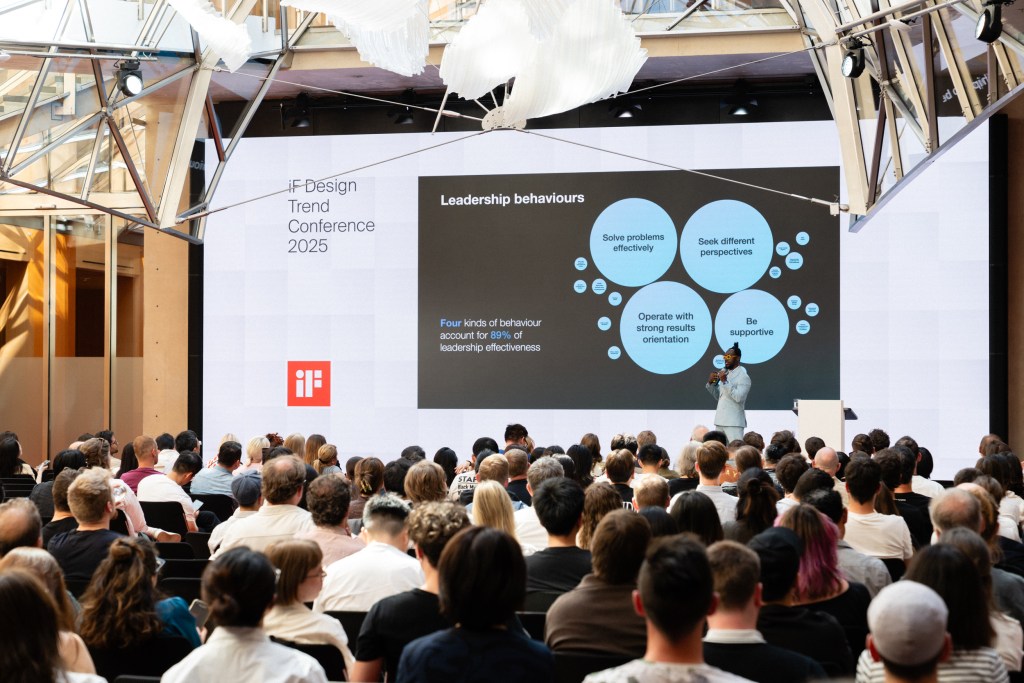
The design industry has experienced rapid and massive growth in the last 20 years, largely as a result of broader industry understanding the financial growth that good design can create. As a result, the career arc of a design professional has expanded well beyond the studio. Those in middle and upper management are now expected to navigate enterprise strategy—guiding executive decisions, securing departmental budgets, stewarding complex organizational transitions and articulating their discipline’s value to colleagues who speak an entirely different language.
Mastery of craft, however deep, is no longer sufficient. Business fluency and managerial acuity have become non-negotiable currencies for advancement as a designer.
The industry’s educational infrastructure has yet to catch up. Conventional curricula sidestep these realities almost entirely, leaving design professionals without the tools to manage personnel or contribute meaningfully to long-term company vision. Graduate business programs present the inverse problem: rigorous in commercial thinking, but largely blind to the specific demands of creative leadership.
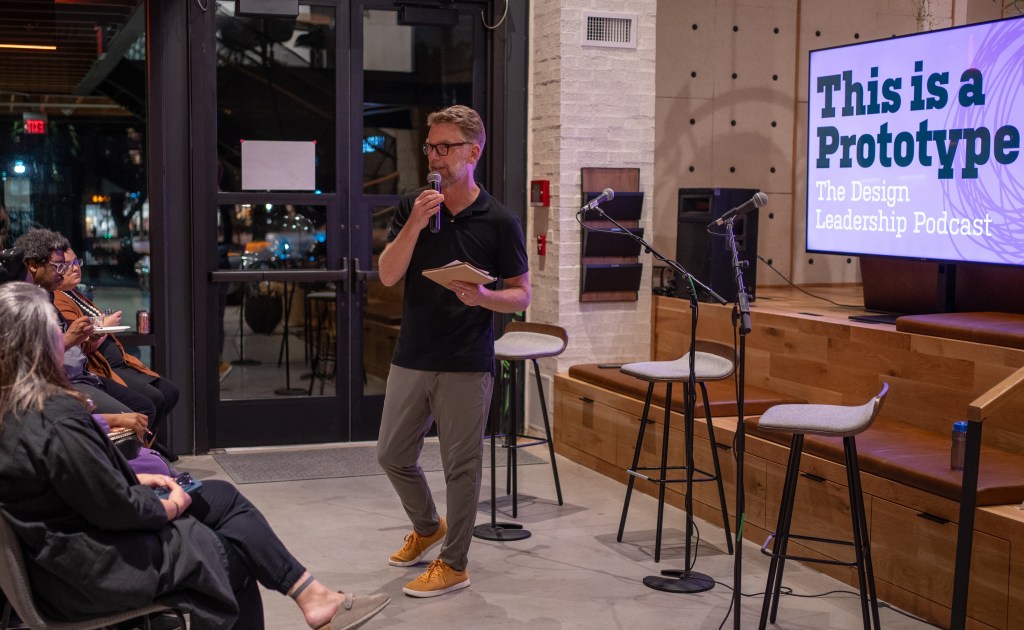
Doug Powell—who has led creative organizations at both IBM and Expedia Group—captures the stakes with precision:
“Design leaders are struggling with an unthinkably rapid pace of change in the current business, technology and cultural environment. AI has changed the business and technology landscape in the blink of an eye, and when you add in economic threats, political volatility and climate change, many businesses are in the midst of an existential crisis. This puts tremendous pressure on leaders across disciplines, including design. I believe that the essential skill for design leaders in the profession’s next era will be corporate change management.”
Established last Fall to address exactly this gap, the iF DESIGN ACADEMY draws on the institutional authority of an organization that has championed design excellence for nearly 75 years. Its programs offer a genuinely global vantage point on where the discipline is heading—and what it will demand of those who lead it.

Rather than isolated study, the model is built around collaborative online cohorts where participants exchange perspectives with international peers across sectors. The curriculum is designed to develop foresight, commercial awareness and enterprise-wide impact. Crucially, courses are taught by working design executives with substantive, practitioner-level expertise—not theorists.
The Academy is currently accepting registrations for several online programs:
Elevating Your Design Team, Seven week program starting 7 April 2026
Led by Peter Merholz. Focused on building functional department structures, aligning creative output with organizational priorities and sharpening hiring practices.
Expanding Organizational Influence, Seven week program starting 23 April 2026
Led by Doug Powell. Equips senior practitioners to communicate in executive terms, collaborate on high-level roadmaps and move stakeholders without relying on positional authority.
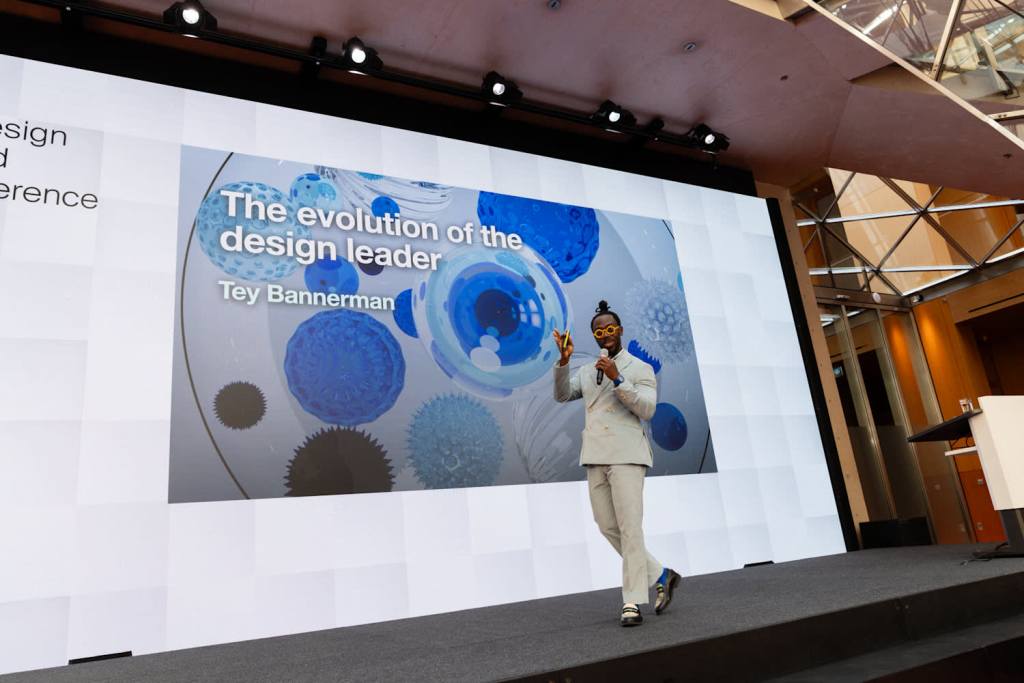
AI Strategy for Design Leaders, One week program starting 18 June 2026
Led by Tey Bannerman. A foundational course for managers looking to critically evaluate AI tools, cut through the marketing noise and build actionable implementation frameworks.
Design has always been a discipline about solving problems—and the most consequential problems facing creative professionals today are not visual ones. They are structural, political and strategic. The iF DESIGN ACADEMY exists to equip designers with exactly that vocabulary. Spring cohorts begin 7 April 2026—explore the full catalog
iF Design is an active member of the international design community committed to excellence, objectivity, transparency and impact since 1953. Owned by the iF Design Foundation, a German non-profit organization, the iF DESIGN AWARD is one of the world’s most prestigious design awards.











What are your thoughts?