Though the technology needed to transform a concrete building into a rechargeable battery has existed since the early 20th century, new research from Sweden’s Chalmers University of Technology affirms that it’s possible …
Materials engineer Nzambi Matee—the founder of Nairobi-based Gjenge Makers—not only invented a brick made from plastic waste that’s stronger than concrete, but she also set up the factory after losing patience waiting …
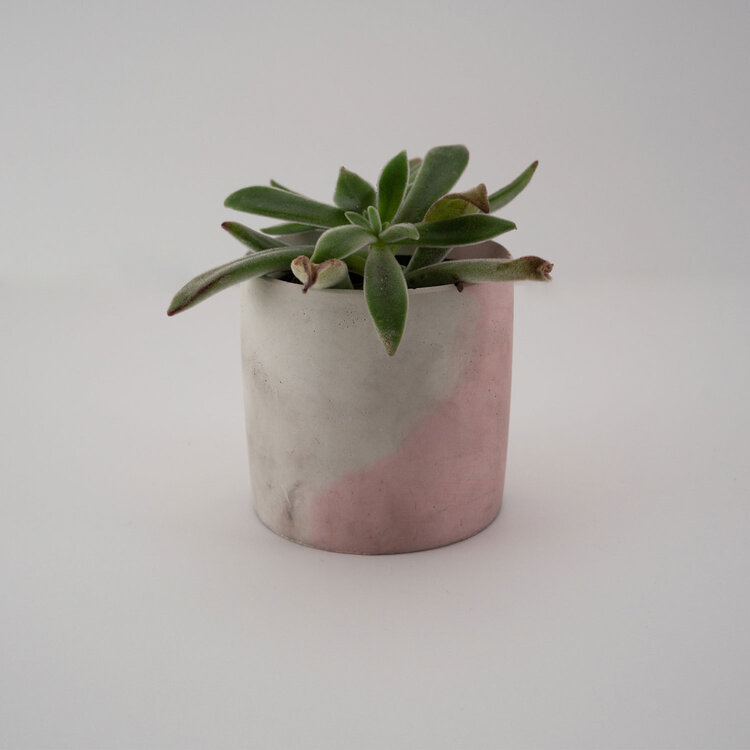
LA-based Uno Atelier’s Medium Planter (which measures 3 by 3 inches) utilizes the brand’s favorite material: concrete. The planters have drainage holes to better accommodate all kinds of plants, and are available …
Concrete may be synonymous with its common gray hue, but pigment experimentation with the material has taken place since the ’50s. While rare, black concrete can be made by adding iron oxide, …
Developed by researchers at the University of Colorado, a new concrete alternative could provide a carbon-free option for buildings in remote places—where lugging traditional concrete ingredients proves difficult. Only two components—photosynthetic bacteria …
Researchers at MIT have developed a way (though admittedly experimental) to produce emissions-free cement—that means the manufacturing process “releases no carbon dioxide into the atmosphere.” This is a hugely significant breakthrough, as …
Developed for Washington DC’s John F Kennedy Center for Performing Arts, Steven Holl Architects’ experimental “crinkle concrete” treatment gives walls in the new expansion, known as The Reach, the appearance of crumpled …