The Design Restraint of the Inn at Sundance Mountain Resort
The new 63-room hotel quietly nods to the history of the property and boasts year-round, expansive views of Mount Timpanogos
Some places carry a cultural weight that’s difficult to articulate. Sundance Mountain Resort is one of them. Tucked away at the base of Utah’s Mount Timpanogos, it’s imbued with the quiet, considered spirit of Robert Redford. Redford understood that the land wasn’t a backdrop for a film or a development, but the point entirely. Building on the land and ultimately laying the foundation for what would become the world-renowned Sundance Film Festival was just his way of sharing this special place. Redford’s choices also ensured that the land that he first fell in love with in the 1950s would not look all that much different in 2026.
The new Inn at Sundance, designed by acclaimed international firm Fettle, is the resort’s most significant evolution in decades. We recently spent four days soaking up all that the resort has to offer, each of them bookended by time next to our favorite fireplace on the property in The Living Room. That we even had the option of deciding on a favorite fireplace speaks volumes about the space.
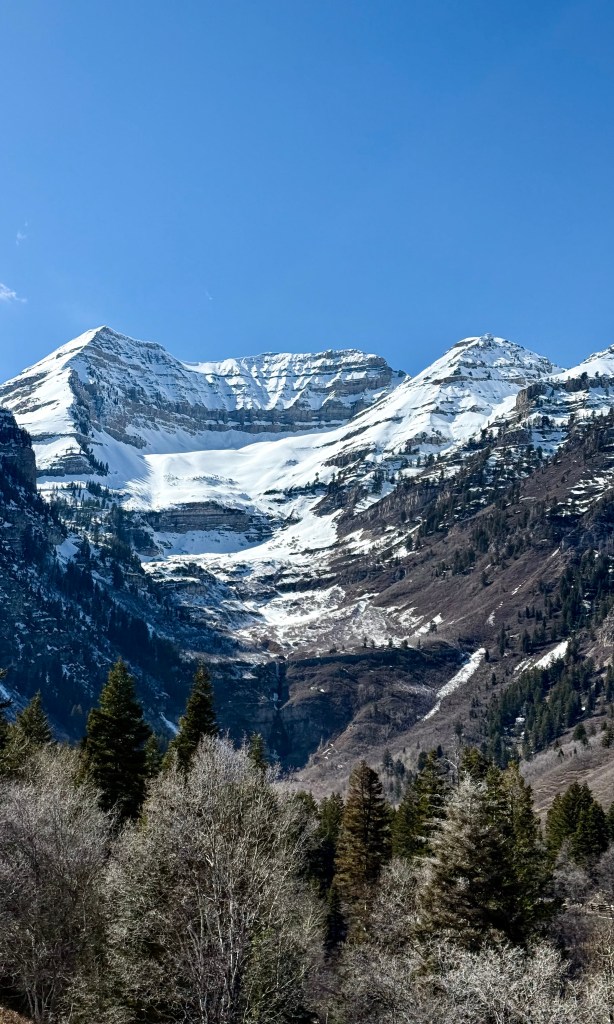
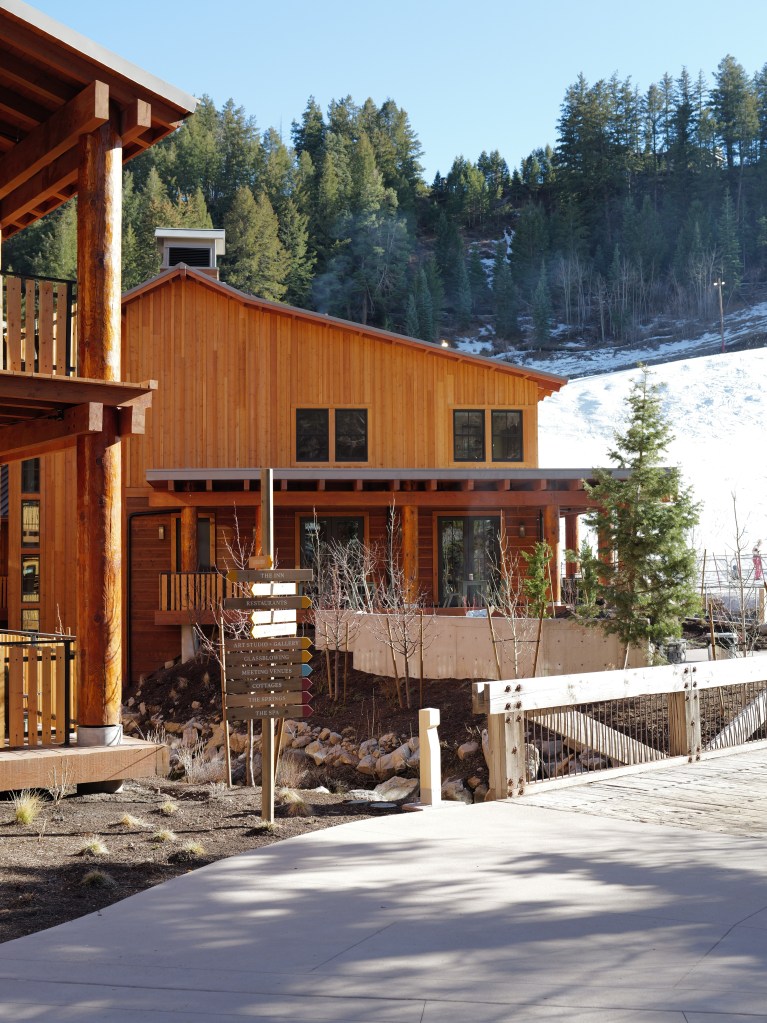
The story begins, as most good ones do, with restraint. Fettle co-founder Tom Parker described the five-year project as “an opportunity to honor Redford’s ethos while thoughtfully evolving it for a new generation.” That intention was evident in every corner of the property. The two-building, 63-room inn blends in seamlessly with the existing property. It settles into the stunning landscape the way the original cabins and private homes do. Each building respects the tree line, yielding to the topography, keeping Mount Timpanogos gloriously unobstructed.
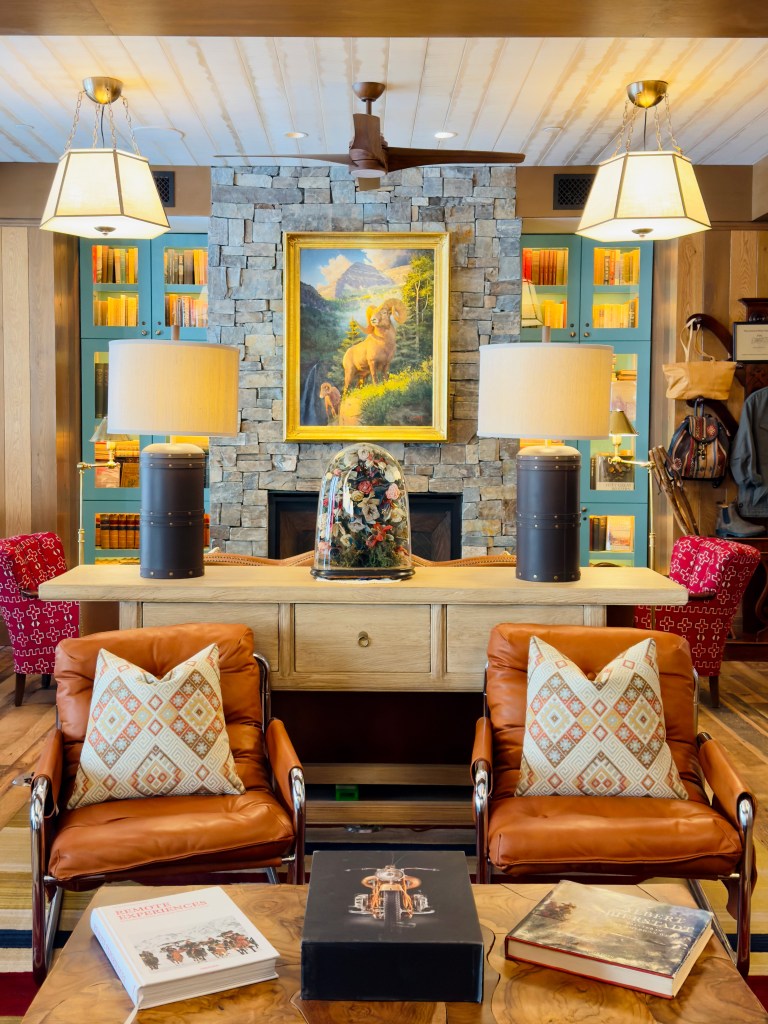
Walking into the welcome area, it’s immediately apparent that the design team had a deep well of inspiration to dip into. The tartan-fronted reception desk and stacked stone fireplace recall the era of Scottish land ownership, a theme that’s found throughout the inn. Juxtaposed to the neutral stone are pops of color in the bookcases on either side of the fireplace, the chairs in front of them, and pillows and flowers housed under a bell jar. Reclaimed timber underfoot, hand-distressed tongue-and-groove walls, leather stitch details and Western-inflected patterns layer the space with warmth that feels earned rather than staged. A small library sits just beyond, framed in custom millwork and filled with character pieces that practically demand you linger a moment before seeing the rest of the inn.
And linger we did. The welcome area set the tone for the rest of the property, which asks you to slow down, not just to appreciate the design details, but to let them take hold of you.
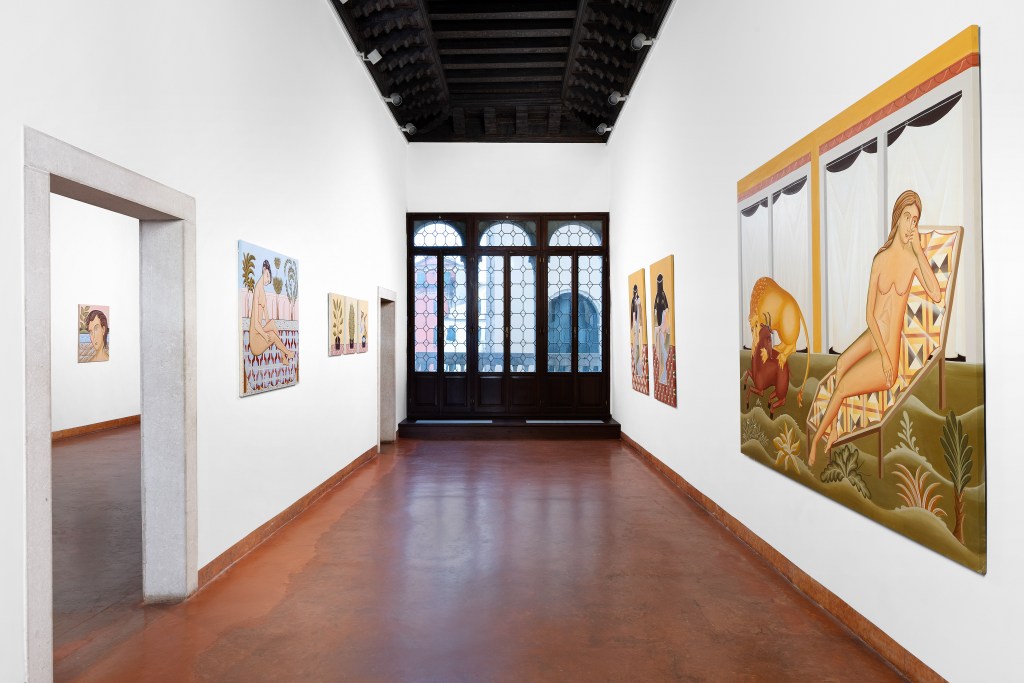
A footbridge spanning the North Fork Provo River connects the inn’s two wings and crossing it became one of our favourite daily rituals. The adjacent wing houses a gallery space with rotating exhibitions; the inaugural show, Watercolour Diaries from the Green River, features British artist Tony Foster’s painted records of his journeys along the Green River. We found it an inspired opening choice: exploratory, rooted in nature and quietly epic. Each time we walked by, we took a moment to re-study a piece of work and notice something that perhaps we’d missed before.
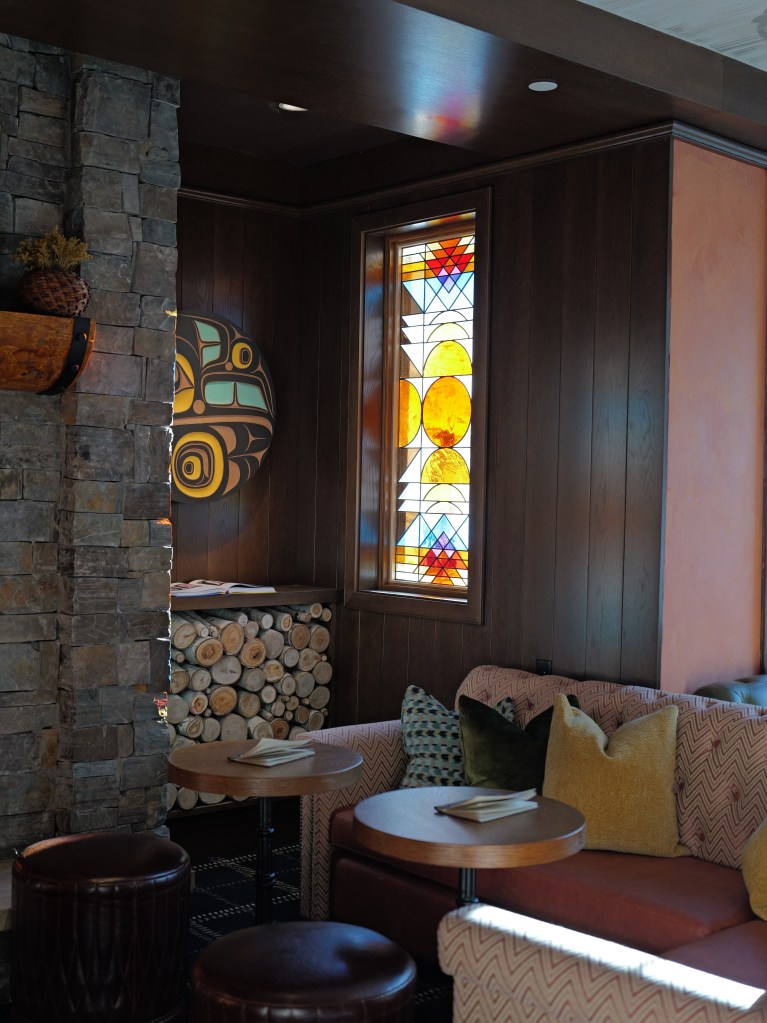
Beyond the gallery, the Living Room is exactly what the name promises: a communal dining table, snacks available throughout the day, a coffee machine and a fireplace nook framed by a custom Holdman Studios stained-glass window. Above it all, a concentric tree-ring mural by local artist Izzi Ballstaudt wraps the ceiling in something that feels both scientific and sacred. We ate breakfast here each morning and arrived early enough so that we never felt rushed to leave. If we had to choose one metric above all others for the success of Fettle’s work, it’s that even with such a stunning natural environment outside, you’re always content to be inside.
The interiors throughout the inn draw from a rich and perhaps unexpected cultural confluence: the heritage of the indigenous Timpanogos peoples, the Scottish influence of the Stewart family who once owned the land and the visual vernacular of the 1970s and ‘80s, the decades when Redford was most actively shaping Sundance’s identity. Think modernism, minimalism and a flicker of pop art. The furniture walks this line deftly, often cleverly mixing custom pieces with vintage finds in a way that feels curated but never precious.The guest rooms continue the narrative with surprises like Ultrasuede-clad walls and patterned window daybeds that are tough to breakaway from. This is largely due to the views that range from rushing streams to open ridgelines and the full face of the mountain. As it was unseasonably warm during our visit, we enjoyed having the windows open most of the day, but especially in the afternoon when the sun warmed the daybed cushions and a gentle breeze blew in.
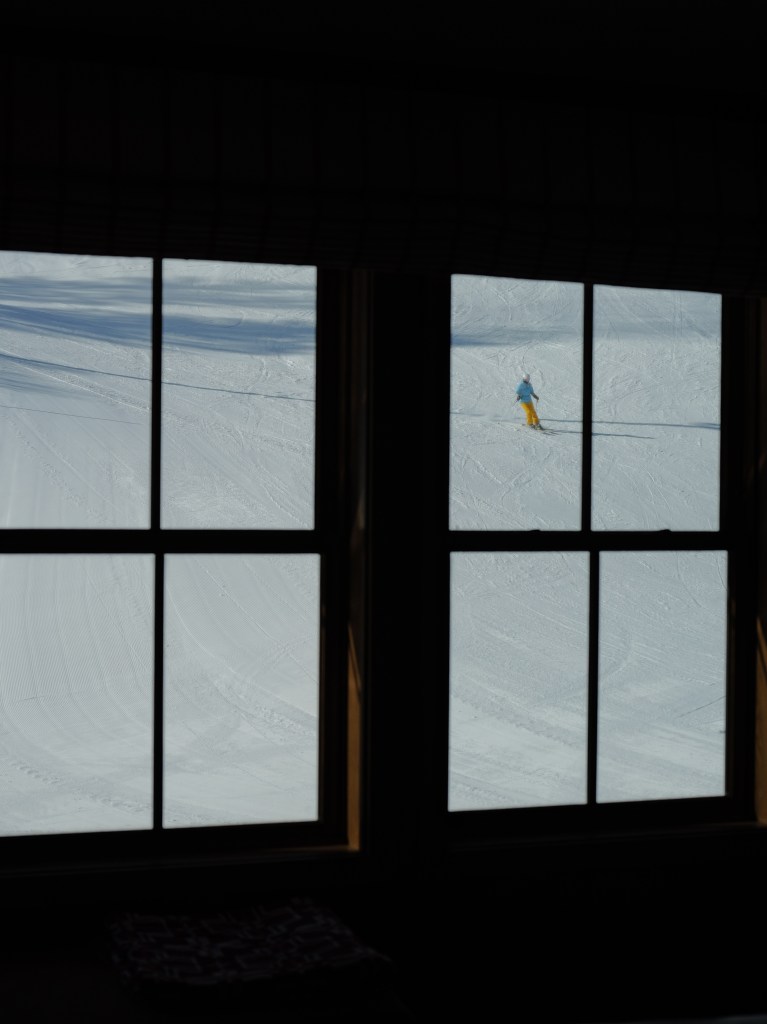
Of course we did have to eventually leave the room given the breadth of available activities. We enjoyed snowboarding in spring-like conditions and getting a sense of what Sundance Mountain offers in a typical Utah winter. A quick survey of the trail map and look around from the top of the mountain told us all we needed to know. This place is undoubtedly incredible when the snow is good. In addition to the impressive terrain, more is opening next winter, along with new lifts. These improvements complement the addition of the Inn offering a dedicated ski valet, boot room and private lockers for overnight guests. It’s a small thing on paper, but in practice, to wake up in the morning and be able to pop downstairs to grab your dry boots (and gloves), your board or skis, then walk 30 feet to the lift feels like a generous act of kindness.
What Fettle has achieved here is a kind of sensitive amplification, taking what Sundance always was and making it more itself. The original design principles Redford championed—respect for natural topography, preservation of sightlines, a deep suspicion of ostentation—remain entirely intact. The Inn doesn’t try to stand out in the shadow of the mountain. It has the good sense to let the mountain do its job and fill in the gaps. To get a sense of exactly how the team at Fettle accomplished that, we spoke to co-founder Tom Parker:
COOL HUNTING: When taking on a project like this, how do you balance what’s already there, what’s worth keeping, with pulling in new influences?
Tom Parker: It’s a good question, and Sundance complicated things in an interesting way. What we were aiming to do with the inn was very different from a typical renovation, because it had to feel like something new while still speaking the same language that Redford himself had created. Sundance as a brand is widely known, but almost nobody I spoke to actually knew much about the resort itself. What we were able to do was tell almost the entire history of the site, the canyon, the land, without it becoming a kind of cabinet of pastiche. We looked at references all the way back to when it was the indigenous people’s land, which carried its own history and connotations. Then there was a period of Scottish ownership, a family called the Stewarts, who brought in different animals, different livestock, different flora and fauna. They had a real impact on the land. Then Redford purchased it from the Stewarts and started building what became Sundance. So you had this layered story: Native American and Western American influence, then this thread of Celtic, specifically Scottish, influence and then Redford. Most people who visited regularly didn’t even know that history existed before Redford.
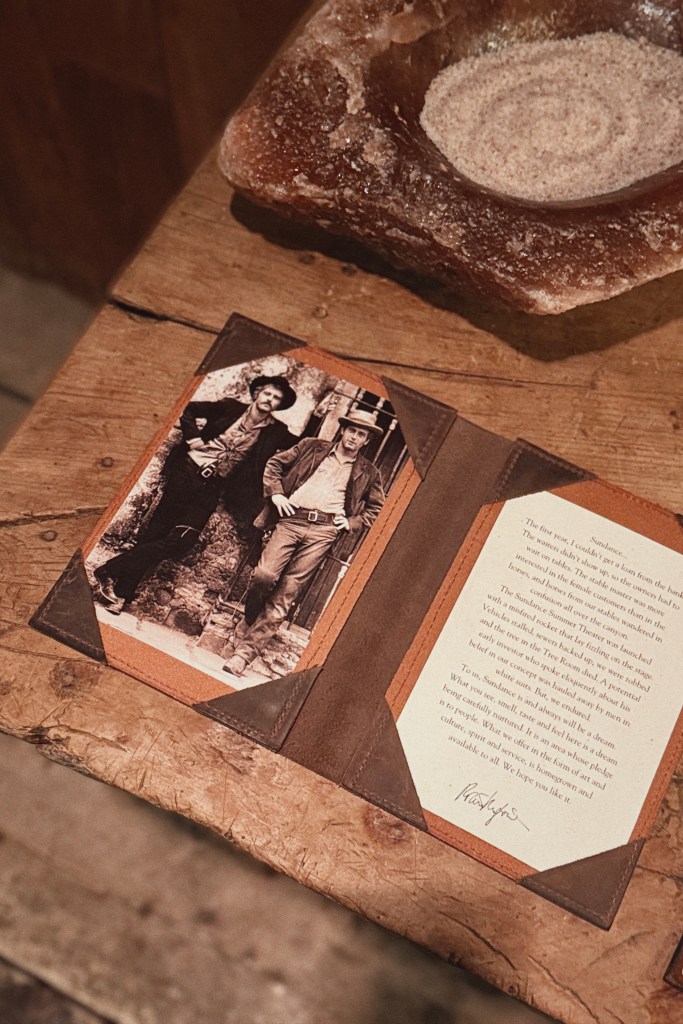
What we tried to do, without being too obvious about it, was tell that full story. Redford is clearly the dominant chapter—that’s who we were working for—but you’ll notice things like a Tartan element on the reception desk as a nod to the Scottish period, and the carpet in the guest rooms references a nearly Native American-inspired pattern, though very subtly. It’s not Western in any literal sense. It’s more like quiet nods to the different eras of the land’s ownership. Redford himself always treated the land as something to be preserved rather than developed, and that became a core part of our narrative too, preservation at least as much as development.
CH: Are there specific materials or details you’re particularly proud of throughout the inn?
TP: There’s a lot of reclaimed material throughout; the flooring in the lobby is entirely reclaimed, which ties into Sundance’s long history of sustainability and preservation. But the things I found most interesting were the art pieces and the dressing. In the living room, there’s a ceiling mural by an artist named Izzy Bowstad, who grew up in the area. He painted these tree rings, which connects back to the Tree Room and to Redford’s long relationship with preservation and nature. I think there’s a whole story told through the art and the layering on top of the architecture that’s really compelling.
The architect, BSA, also did remarkable work interpreting the ethics Redford passed down: not building above the tree line, not disturbing the creek, positioning the buildings so they sit on either side of it in a way that respects the landscape. Even from a purely architectural standpoint, it’s a genuinely challenging undertaking.
CH: Sundance is a multi-season resort, which isn’t something you see much in Europe. How did that shape your design decisions, making spaces feel right in both a Utah winter and a Utah summer?
TP: That became a much bigger part of our thinking than I initially expected. I first visited in winter and didn’t immediately consider the summer at all. But it influenced a lot of the finish choices in the rooms—the wall coverings, the fabrics, the architectural selections. The idea was to create a year-round mountain resort, not a ski resort. That distinction meant pulling back slightly from the kind of deep warmth and cosiness you could lean into if it were purely a winter property.
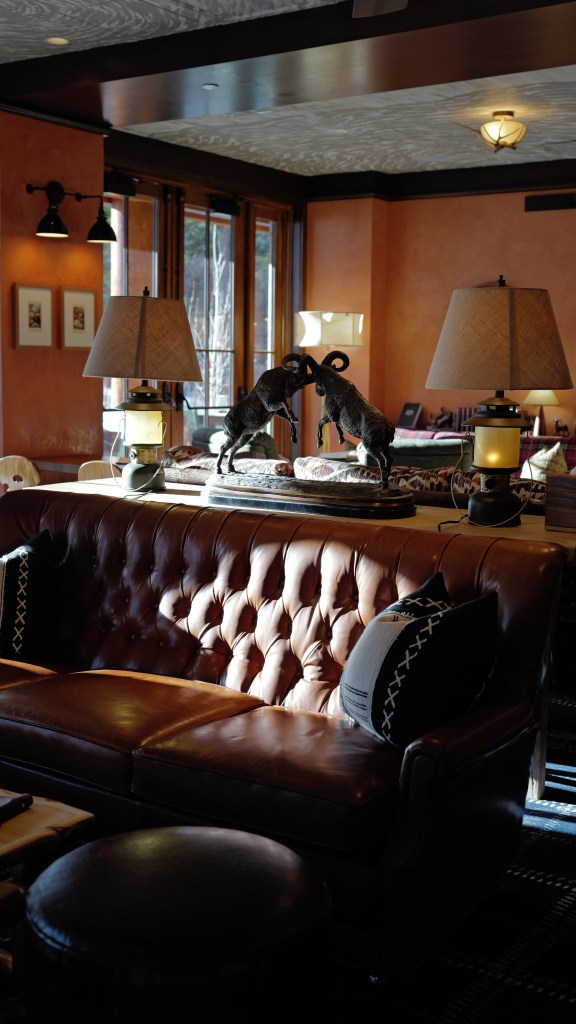
The tricky balance was making sure there was enough colour and richness that in a typical Utah whiteout, with no colour coming through the windows, the rooms still felt alive and layered. But then when it’s summer and you look outside and everything is just so green and verdant, the rooms don’t feel overwhelmingly colourful either. It’s a calibration you rarely have to think about in Europe, we go to the Alps to ski, not to hike or eat in August. That kind of true multi-season resort is genuinely rare there.
A lot of the colours and textures in the inn are drawn directly from local dyes made from regional plants and flora. The graphics studio Public made a little booklet for the property and honestly, that booklet became something of an inspiration for our colour approach. It maps out local bird species, plant types, things you can spot on a hike. The idea being that even the palette ties directly into what’s growing and living around you up there.
CH: The food and beverage spaces, The Foundry and The Tree Room, each have their own strong identities. How did you approach making the inn feel connected to those spaces while still being distinct?
TP: It had to fit into a wider landscape of individual spaces, each with their own story, and then be something different from all of them. There are so many regulars at Sundance that we had to tread carefully; it couldn’t feel alien, but it also couldn’t feel like nothing had changed. That’s a fine line.
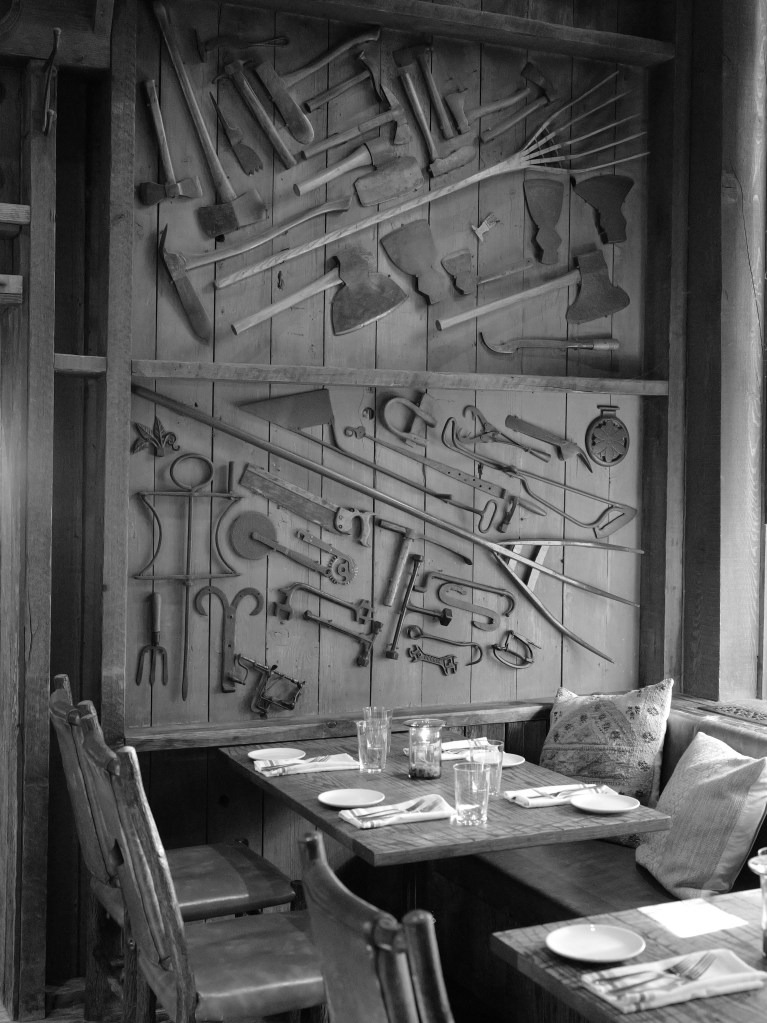
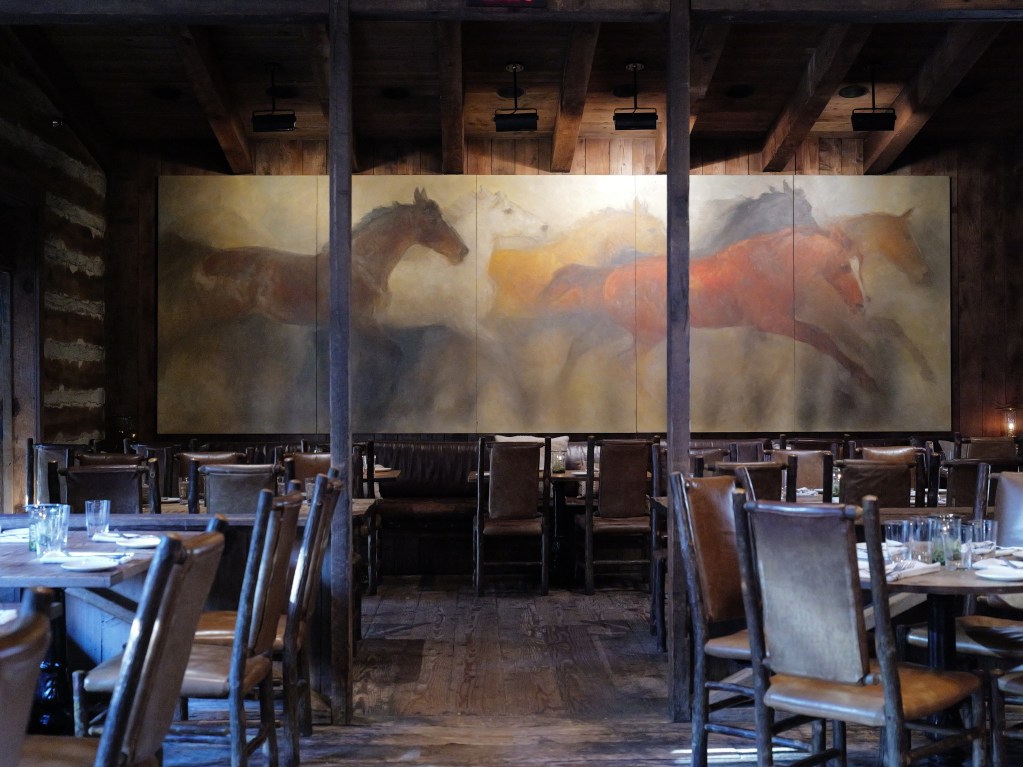
What I took from looking at the existing spaces, Foundry in particular, which is Redford’s own restaurant, is that the people who love Sundance are not afraid of bold moves, as long as the story is right. There’s a massive wall of antique farming equipment in the Foundry. The Tree Room has a full-grown tree through the middle of it that they built the original structure around instead of removing it. They’re not timid up there. So with the inn, we pushed further than we might have on another project, but always in service of the narrative. And honestly, part of the bigger ambition here was to open Sundance the resort up to a much wider audience. If you say Sundance, most people immediately think of the film festival and that festival doesn’t even happen in Utah anymore. The goal was for the resort to become as well known as the brand, drawing people from the coasts and internationally. It’s such a special place. More people should know about it for what it actually is.
CH: Were you involved in any of the wellness spaces?
TP: We were involved a little in Springs, which is definitely worth experiencing. But we were most directly involved in the fitness room in the basement of the inn, that was fully within our design scope. The challenge there is continuity. I find it really jarring when you’re in a narrative-driven hotel and you walk into the gym and it’s suddenly stark and generic, it snaps you out of the whole mindset of the place. So we tried to carry the same feel through while making it appropriate for a workout space.
They’ve done a genuinely good job with it. There’s a yoga and Pilates studio—it’s a generous space and it looks directly onto the creek. You can open a door and practically stand at the water’s edge. It’s one of those fitness rooms I’d actually want to use.
CH: Creekside yoga after a day on the mountain sounds pretty good to us. Thanks for the chat, Tom.




What are your thoughts?