A Look Inside the 2025 Porsche 911 Carrera
We spent a week zipping around Atlanta roadways in the newest iteration of the iconic model
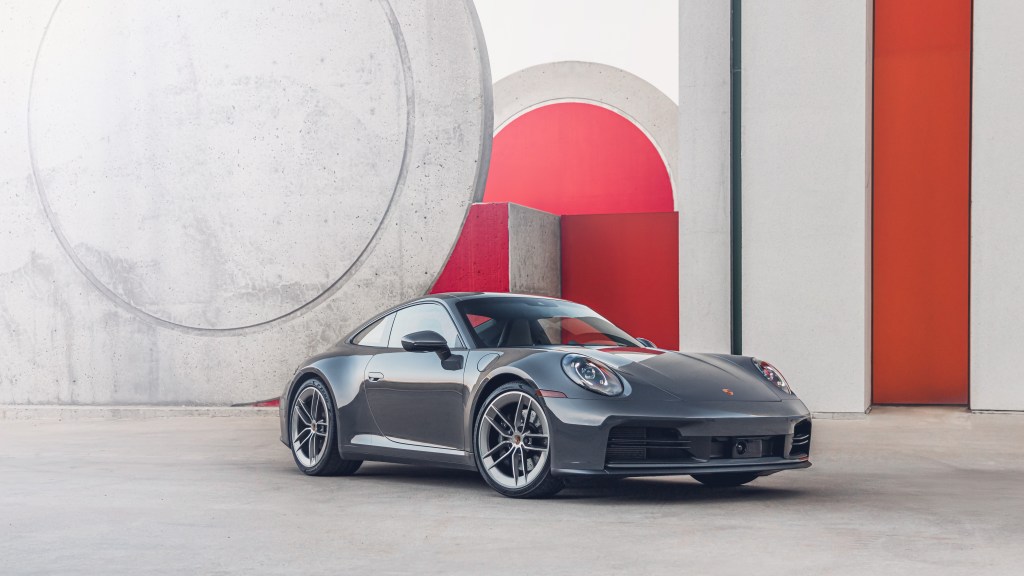
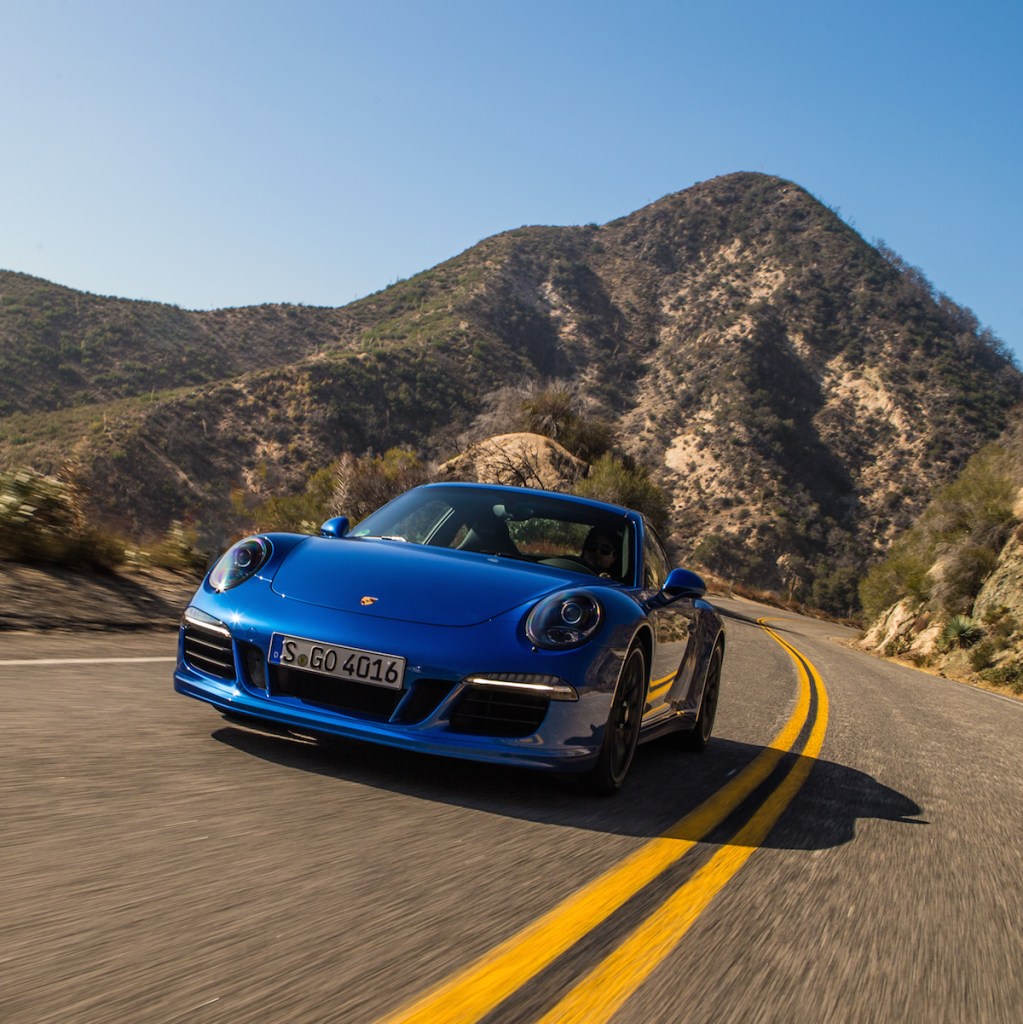
The eloquence of driving a Porsche 911 is undeniable — just ask the kids. When we pulled up to the baseball field this summer in the 2025 911 Carrera, a small crowd of teenagers circled up around the car. One let out an audible gasp. Another, just a hair over 16, said “That’s my dream car. One day it will be mine.” And another: “How do you get that job?” After a week of zipping in the 911 across tree-lined Atlanta roads, we fully support their enthusiasm.
That low whistle and common refrain is affirmation that a true classic isn’t confined to nostalgic Gen X or Millennial standards. The clever Porsche copy from a 1980s advertising campaign poked at this idea: “There are rational arguments for buying a new Porsche, but we won’t bore you with them.” But we don’t find these rationalizations cumbersome; we’d argue that the 2025 Porsche Carrera is a calculated, cool exercise in practical taste. Driving a 911 shows a tacit love for cars as sport.

If we start with the principle that driving should be an occasion, then the 911 unequivocally follows suit. Many cars come with status, but the 911 comes with steady, solid driving chops, offering varying levels of discernment in its current lineup of 11 different variations. The Carrera that we drove is technically the 911 base model, but somehow “base” isn’t the right language to describe a car that provokes this sort of visceral response on sight and sound, not to mention the $144,445 price tag. The 2025 model is designated the 992.2, a continuation of the 8th generation of the 911, introduced in 2019. Think of it as a half-size evolution. Another notch up from the Carrera is the 911 GTS, which gets a first-ever hybrid engine.
In our weeklong sojourn in the rear-wheel-drive Carrera, we crisscrossed the Atlanta perimeter which is, by all modern definitions, Porsche country. A decade ago, Porsche invested heavily in its second home — a 27-acre Atlanta complex that is its largest footprint outside of Stuttgart, Germany. Porsche has 800 employees that work out of the Atlanta offices. We recommend a visit to the Porsche Experience Center, a quick ride from the airport, to spend some time driving Porsches on track. What’s so appealing to Porsche enthusiasts is that a sports car that’s spirited on track is also a delight on regular roads.
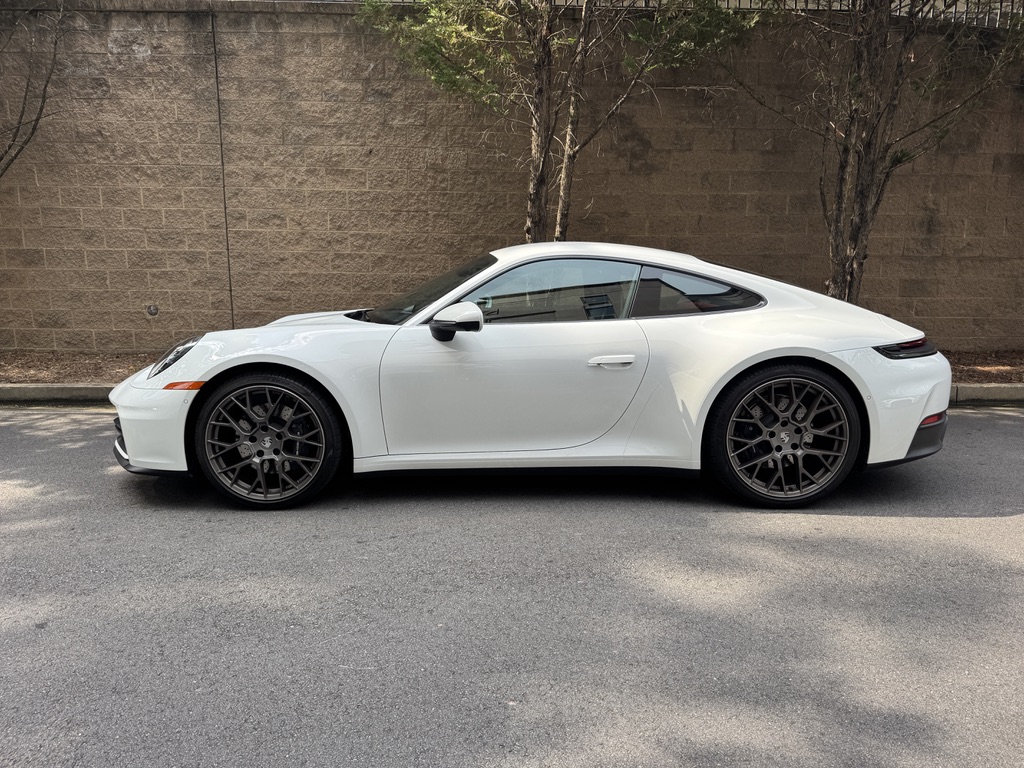
Atlanta has long been a car lover’s town and our test Carrera was cast in flat white, the most popular shade in the sunny south. The blissful drive in a Porsche 911 Carrera is supported by its nimble performance credentials. When the drive reaches 5,500 rpms, so does its engine’s whoop. The twin-turbo 3.0-liter flat-6 has a 0 to 60 mph time of 3.9 seconds (or 3.7 seconds if you tack on the $2,400 Sport Chrono Package). The Carrera produces 388 horsepower, a nine horsepower increase from the previous 992.1 model and it hoists even bigger brakes paired with the same standard 8-speed PDK transmission. But stats aren’t really the essence of Porsche driving. The precise steering and solid suspension supports the superior sensation – the proof is how performance comes together with panache.
Principles of Porsche Design
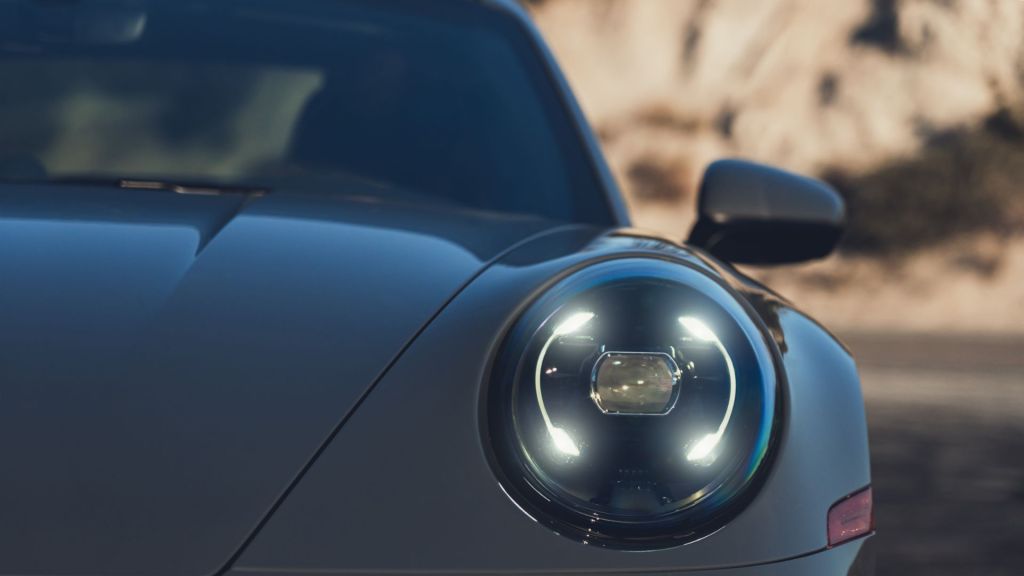
Across the board, Porsche has perfected the art of design restraint over the decades, adding minimal updates to gradually evolve its most iconic form, gradually improving on performance numbers across generations. Porsche nerds delight in these details, which require a careful eye to catch and can be tedious to uncover. On the latest model’s exterior, the front and rear have subtle fascia tweaks on the bumpers, wheels and mirrors, all of which add to its aerodynamic performance. LED headlamps are incorporated into the four-point design. Close observation reveals new vertically aligned air flaps. From the rear, the all-caps Porsche badging is positioned higher than previous models.

Porsche, through its steady loyalty to its disciplined ethos, has been tended to carefully under design chief Michael Mauer’s watch, who designed for Saab early in his career. “Inspiration is everywhere,” Mauer once said in an interview. “As a designer, you are more sensitive and open to visual things. If you talk about interiors and materials from the furniture industry, there are a lot of possibilities there.” It’s such a compelling argument that the brand has successfully brought its 911 DNA to its expanded lineup that broke ground for luxury SUVs. The love for the Porsche portfolio is proven, but it all goes back to the 911.
A Cabin That Leans Deeper into Digital Life But Still Fits Like A Glove
In the 911 cockpit, Mauer’s team has outfitted seats that fit like wearable workout gear. Everything feels tucked into place and properly supported. The start button is now on the left side of the steering wheel, the most noticeable difference besides the advent of the digital experience.

For its UX, Porsche has gone deeper into a digital gauge cluster over the generations — we think the analog setup looked cooler, but this design is a sign of the times and new industry standards. The 12.6-inch digital screen is available in seven different customizable views. A high-resolution 10.6-inch digital display houses driver communication. If you just can’t stand to leave the driver’s seat, video streaming is offered when parked, while Spotify and Apple Music apps are native.
Our quibbles with the interior feel like an echo of longstanding criticism. Placement of charging ports, cords and cupholders stick out in an awkward way on such a well-designed car, and the center console can be slightly tricky to access. When you get in and out of the car, the interior layout requires an extra bit of fussing to put everything away.
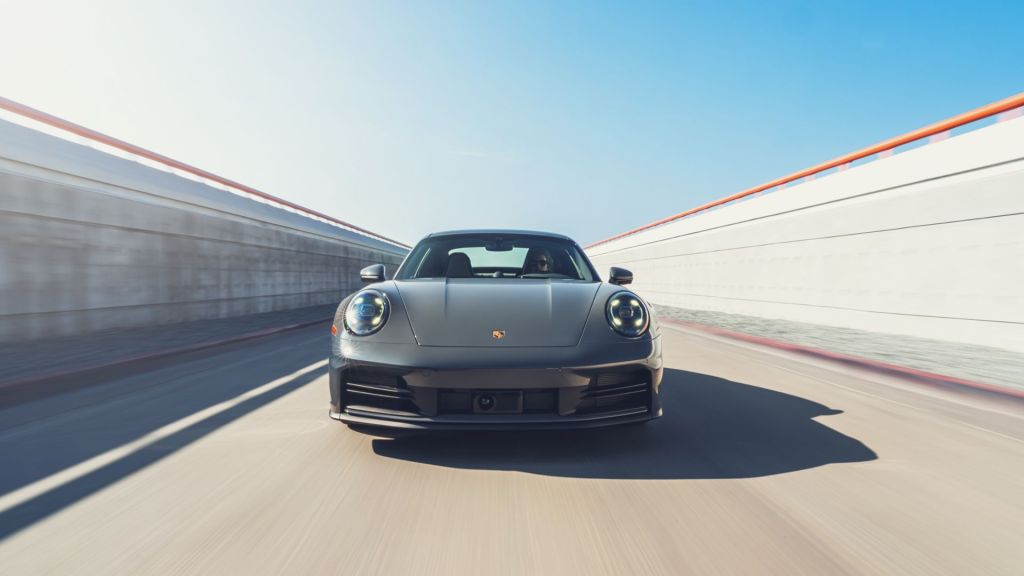
What’s delightful about the 911 is that it’s actually a functional, get-around-town kind of car. It’s a head turner, but manages suburbia with grace over flash. It does what’s asked of it through its modest but thoughtful cargo space. We easily fit a baseball bag in the front trunk and managed to spread a couple small suitcases and handbags throughout the back of the cabin without things feeling overly crowded.
The 911 is firm in its legacy as a car that’s meant to be driven rather than put away and admired from afar. As our resident teenage expert reminded us, when all is said and done, driving a 911 projects a profound sense of swagger. Our conclusion: Swagger never goes out of style.


What are your thoughts?