Range Rover’s Most Sophisticated Model is a Plug-In Hybrid
The Range Rover Sport PHEV is ideal both for gliding around the city and bombing down highways at extralegal speeds

Two years ago, we took an off-road driving course, favored by elite military units like the Navy SEALS, and discovered something surprising: The training vehicles of choice are older model Range Rover Sport SUVs.
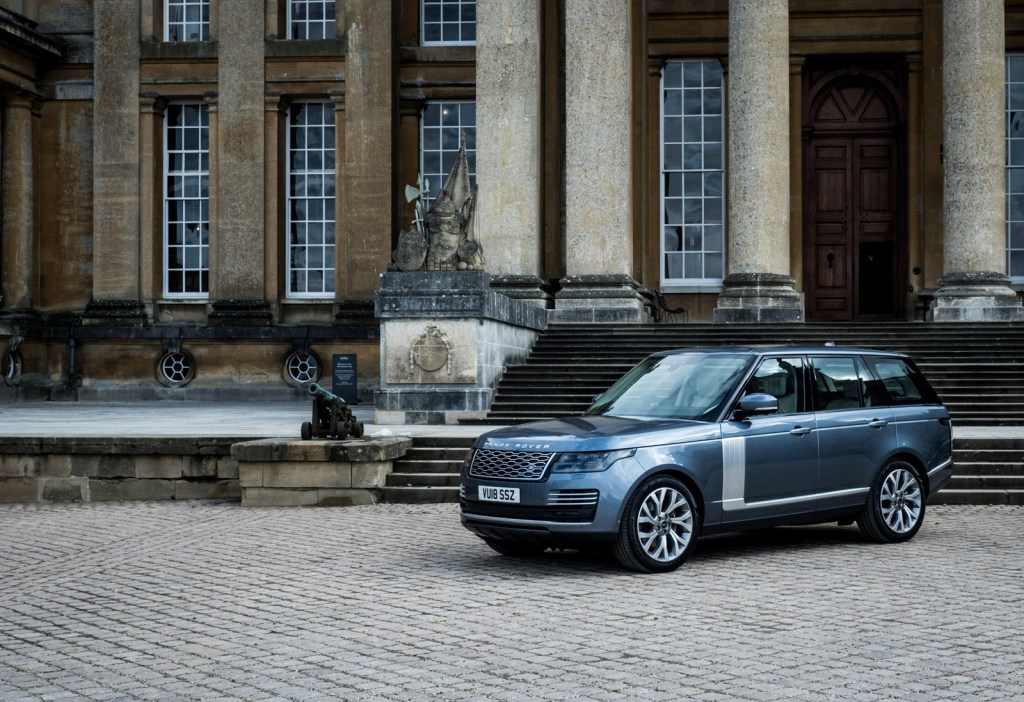
We were reminded of this incongruity as we recently sprinted down an East Coast interstate in the 2025 Range Rover Sport Plug-in Hybrid (PHEV), getting well ahead of slower traffic. Our $118,000 Autobiography PHEV shares the same lineage as the older generation Sport we drove in Colorado, yet seemed as related to each other as a doberman and a pitbull.

The CAM Mobility course is held in an isolated corner of Colorado, and the former military and civilian instructors prefer 2013 model year Sports outfitted with lifted suspensions and oversized tires. It showed that this most urban of Range Rovers is capable of handling torturous trails.
This Sport, however, is polished and urbane, offering the most sophisticated powertrain in the Land Rover lineup. It boasts both a twin-turbocharged 3.0-liter inline-six and a 160 kW electric motor. The motors can work alone or in combination: You can silently glide along using electric power for errands in the city and bomb down the highway at extralegal speeds.

When both engines are working full tilt, the Sport produces 542 horsepower and 590 pound-feet of torque, proving that the once aspirational “Sport” badge is now well earned. The addition of the electrified motor means the heavy SUV scoots into quick motion when the light turns green and is ever-prepared for even the busiest highway merge. When the gas engine wakes to life, it does so with a pleasant hum and no unsettling vibrations.

In all-electric mode the vehicle is quiet and relaxed, with a city-friendly range of around 50 miles of propulsion, long enough for most daily driving needs. Owners won’t have to deal with range anxiety — other than actually running out of gas thanks to an almost-500-mile range.
You don’t really have to think about what the powertrains are doing. Parent company Jaguar Land Rover has often been behind the technology charge of other luxury makers like Audi and Mercedes-Benz, but this time they’ve got it figured out beautifully.
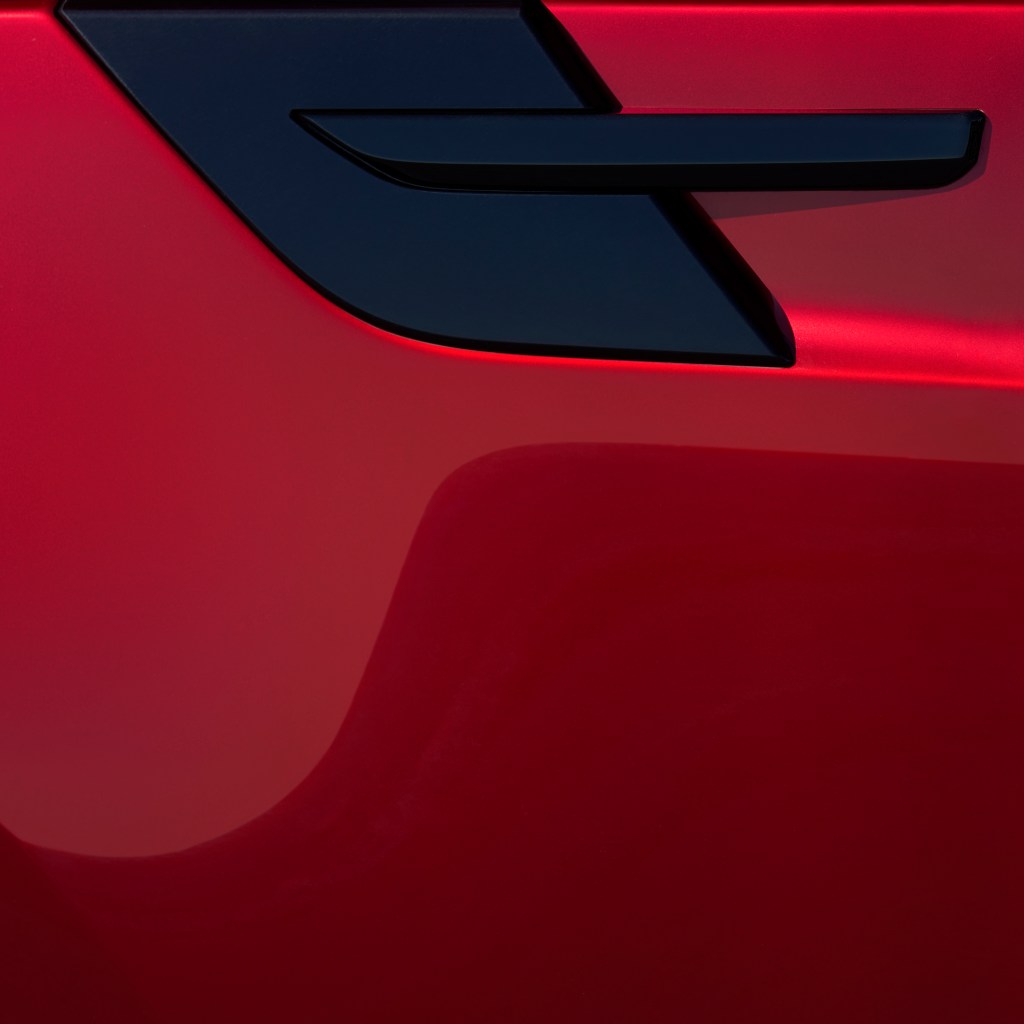
The Sport’s exterior has been smoothed of any straight lines or hard edges, the better for its bulk to push aside the air at 80 mph. While we do miss the more boxy, utilitarian shape of older Range Rovers, the slipstream design allows the operator to drive with the windows fully down without buffeting. Too many modern cars produce that awful wump-wump-wump effect; we’d almost forgotten the simple joy of driving on the freeway with windows down on a sunny day.

As for twisting trails like we encountered in Colorado, this Autobiography is destined for a life on asphalt. Our test model had 23-inch, low-profile tires that cradled precious satin-finished rims. We played it safe, avoiding parallel parking around even a high curb, let alone near a boulder.










What are your thoughts?