The 2025 Volkswagen ID. Buzz is the Anti-Minivan From The Future
This sure-to-be-a-hit electric reimagining of the classic bus is finally making its way to the US
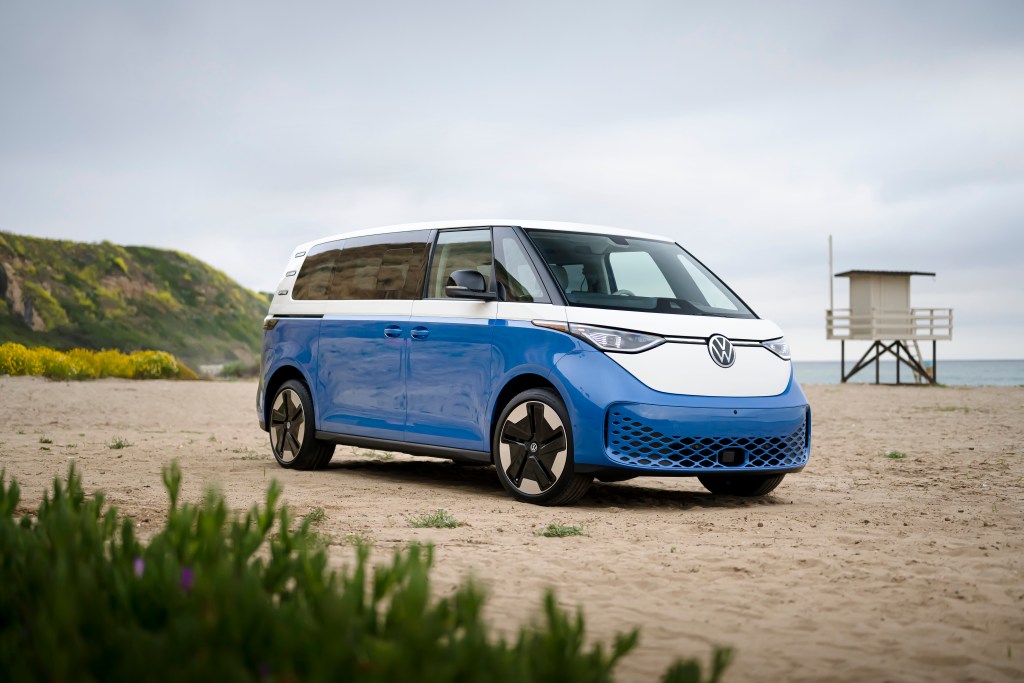
In its reborn electric bus, the ID. Buzz, Volkswagen might well have the unicorn that spears through our fear-of-minivan stigma. The original Volkswagen Bus (sometimes referred to as the Microbus), or Type 2 as it was known overseas, originated from a doodle by famed entrepreneur Ben Pon, a man known more for his brilliant salesmanship popularizing the Volkswagen brand than for his design skills. Nonetheless, with most of Europe in ashes after the Second World War, it was Pon’s vision—seeing the potential for a simple bread van built on the chassis of the Beetle—that sealed the deal for the next 65 years of the bus’ success for VW.
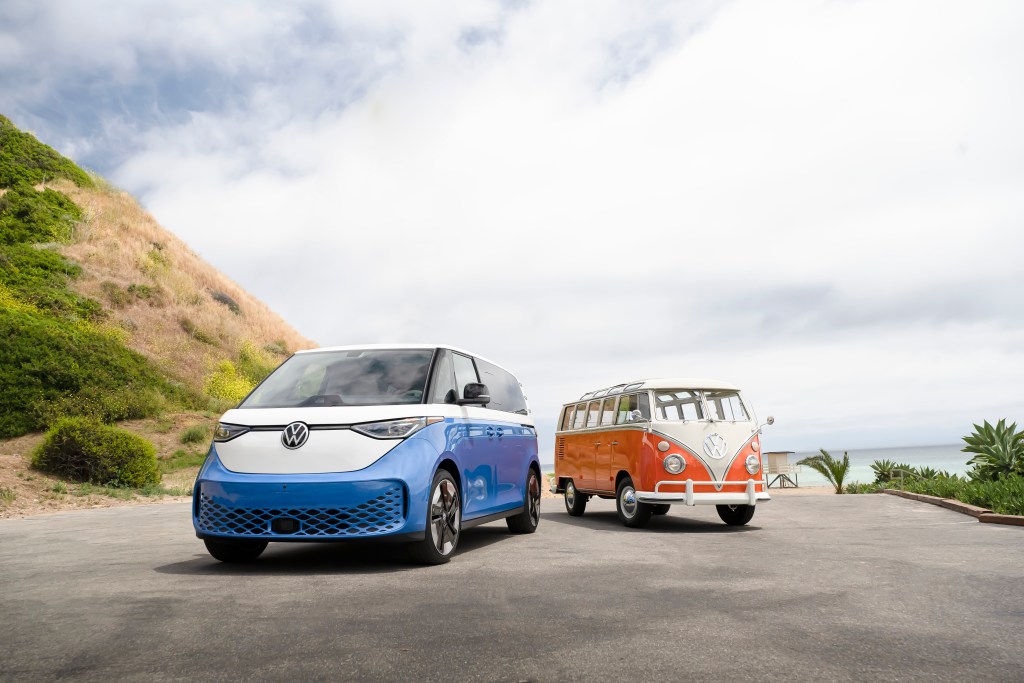
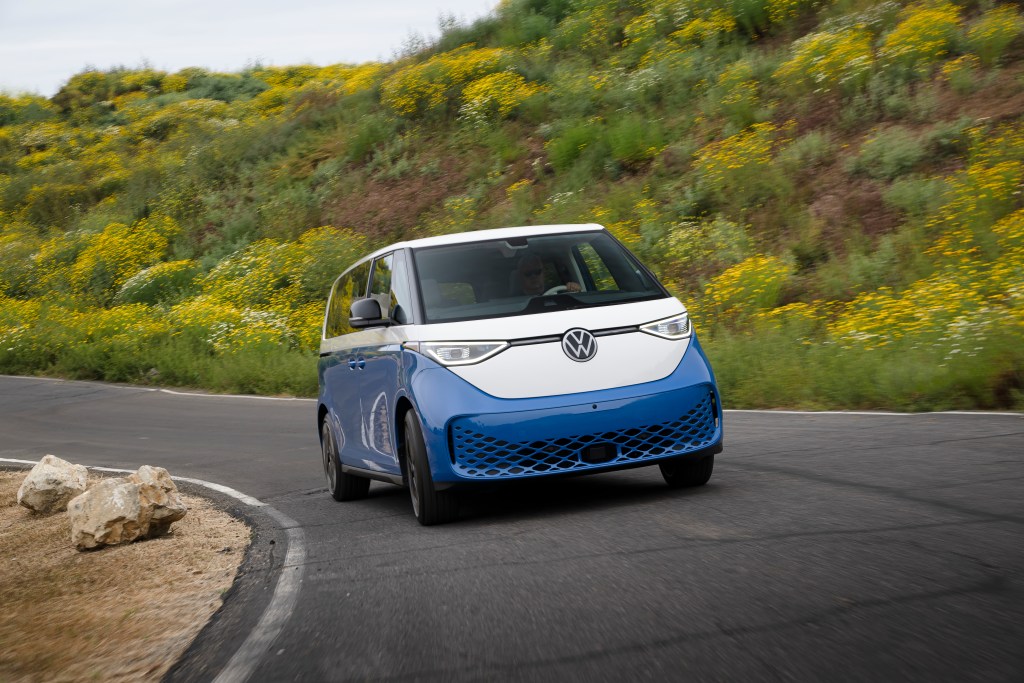
What you’re seeing now is the rebirth of that original vision. Even though the ID. Buzz is already on sale in Europe, its US debut (which goes on sale next year as a 2025 model) is a long wheel base three-row version vs Europe’s five-seater. The Americanized Buzz will have a 91 kWh battery vs the 82 kWh size sold in Europe, with its range not yet specified. And the US iteration will be offered with both rear-wheel-drive (just like the original) delivering 282 hp, and a more muscular AWD that delivers 330hp.
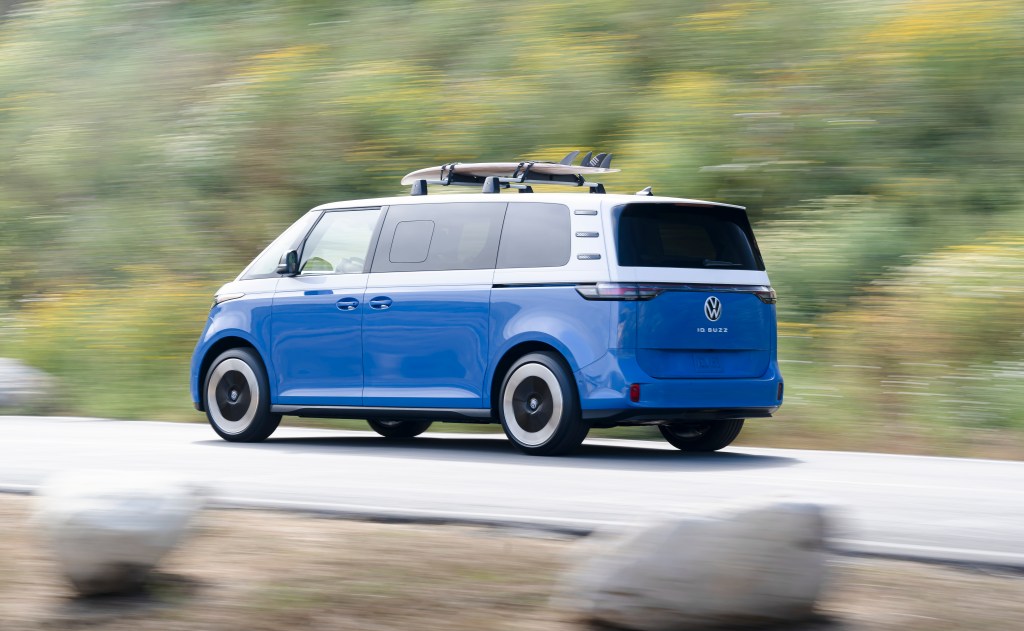
To make the American model capable of carrying seven passengers the van was stretched ten inches longer and that length comes in the middle of the chassis, between the wheels. This not only adds room for that third row, but makes the side view of the ID. Buzz proportionally clean—a stretched nose or tail would’ve destroyed its proportions. Yes, that now means the dual sliding side doors are longer, and you can see that if you just eye up the front vs second door, but there’s hardly a stretch limo-like effect to the van—it’s more like Volkswagen added an extra “z” to Buzz.
What we don’t have information on yet but would like to see is an American version of the forthcoming GTX ID. Buzz trim, which is beginning sales overseas. These get meatier, wider, low-profile tires on sportier wheels as well as revised trim that make the van look sleeker. If Americans are going to get over their stigma of “mommy and daddy” vans, the VW will have to prove itself to be quick enough in a straight line—and to give off an air of performance as well.
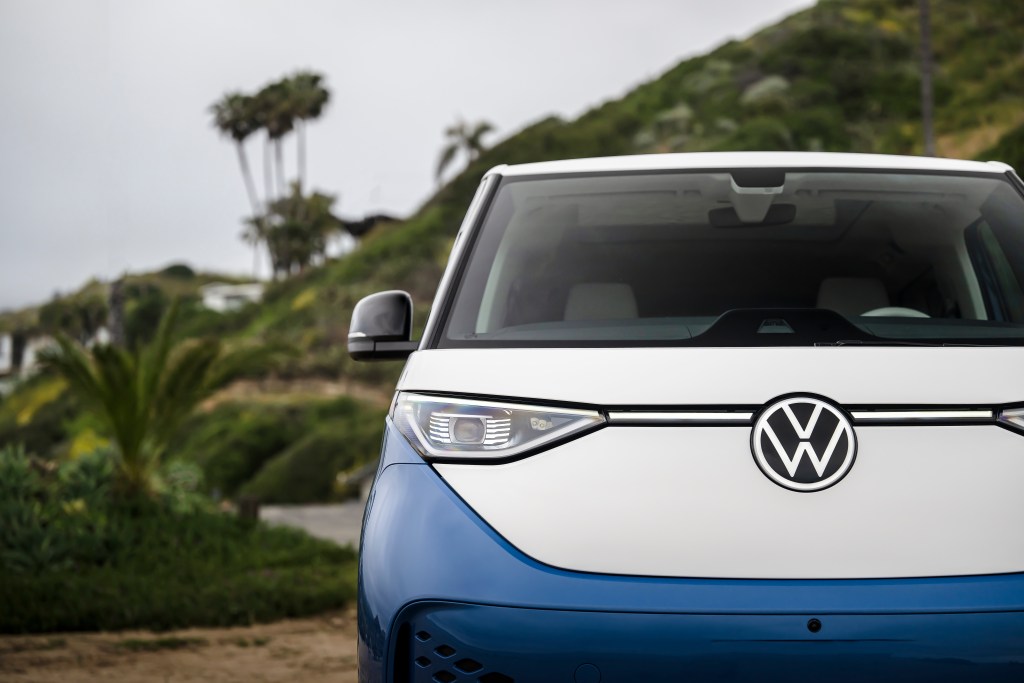
Very few SUVs plodding American roads live up to canyon carving, and with the ID. Buzz’s battery weight all carried underfoot of its seven passengers it’s doubtless it’ll slice bends far better, yet still, there’s a lot of psychic minivan baggage for Volkswagen to bend back against. Starting with a practically manga-esque “face” this van can’t help but induce grins, its happy color palette (especially in Cabana Blue, Metro Silver and Mahi Green) as well as pop-art-era interior hues help contribute to the up vibe.
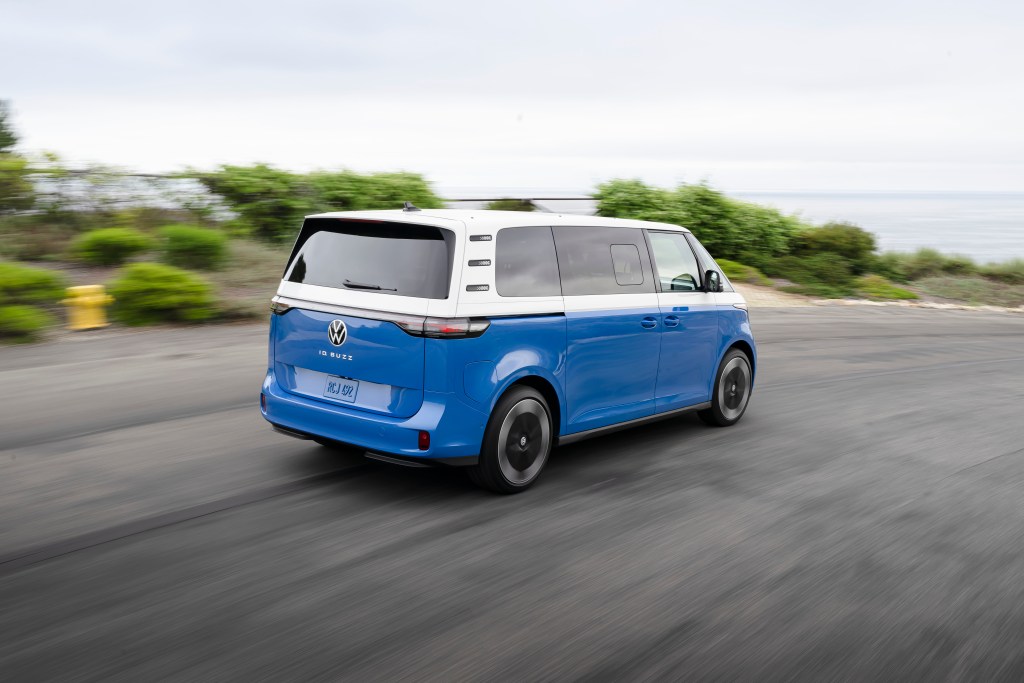
Volkswagen’s use of two-tone graphics on the exteriors may tickle your memory banks to recall Type 2s of yore, but offset paint is very now in the automotive space (think of every Range Rover Defender you see). And you can find groundbreaking brands like Genesis and their GV60 pulling from the likes of Bentley to twin powerfully bright hues such as turquoise against great swathes of creamy white paneling. Volkswagen does that here, too, but they also hew traditionally Germanic as well, with two-tones in browns and charcoals, the better for mountain bikers and dog owners and their respective muddy feet.
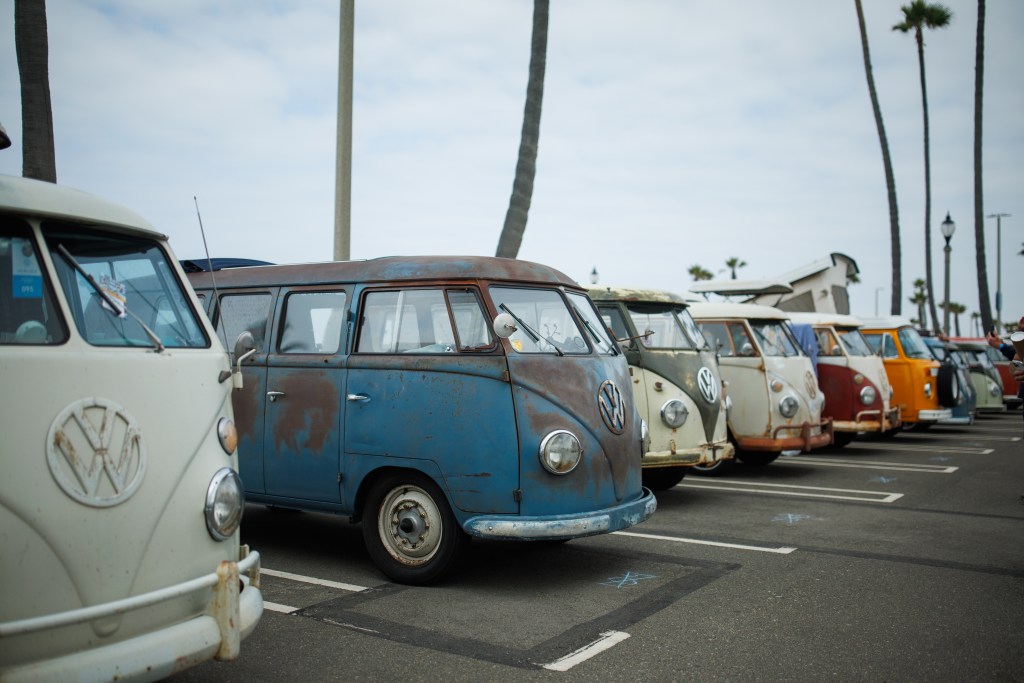
Not that Volkswagen is ignoring its fun history, dating back to love-ins and 21-window buses going way too slow down American highways. Winks to their heritage are almost everywhere you look, with embossed silhouettes of the Buzz behind the second-row seatbacks and another one in the cargo bay. The electric sliding rear windows offer a hat-tip to the original buses.

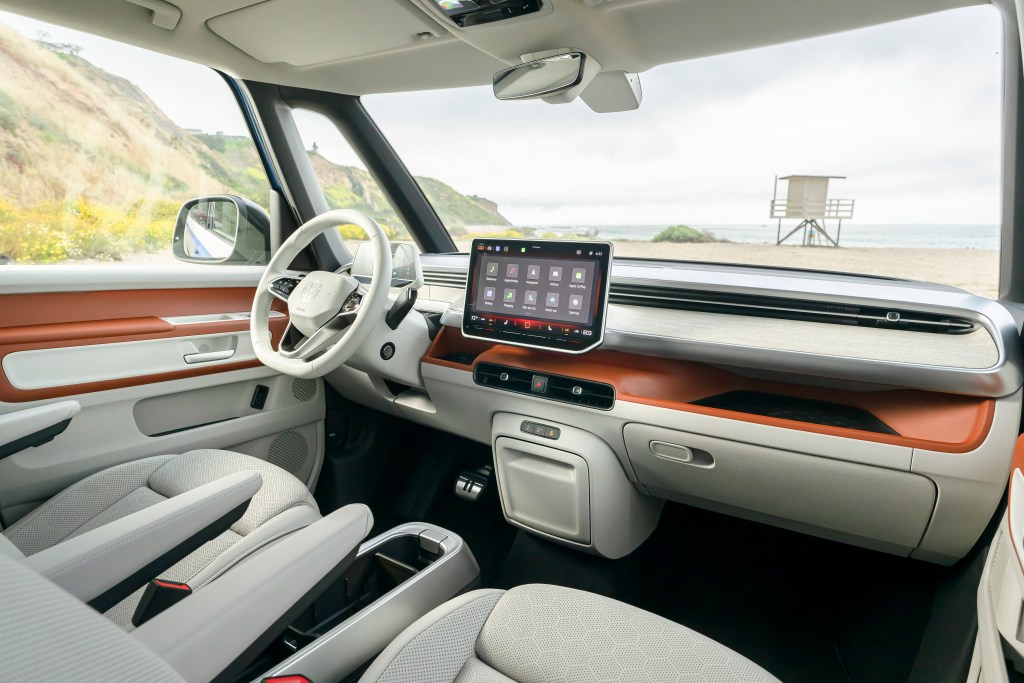
You’ll see more upscale quality in the blond wood dash piece, a big nod to utility in offering eight USB-C ports, and having sat in the European models we can attest to the supreme comfort of its excellent seats. In the US both front passengers get seats with electric controls. Volkswagen’s also made 30-color ambient LED lighting for the cabin standard, offering a great way to call out the unique verticality of this vehicle’s interior space.
Pricing for the US models have not yet been released, nor a date for the long-awaited California version (that’s the #vanlife model that Volkswagen has long teased as a camper van). Until then there are several outfitters who offer that up for buyers, like QUQUQ, which has long supplied Volkswagen vans with sleeping and stove setups that easily convert vans into motor homes.
Whether more mainstream Americans convert back to van lovers remains profoundly TBD, but if any van has a chance to win us over, it’s going to be this new-school/O.G. mashup from Volkswagen.
Hero image by James Lipman, Courtesy of VW