Sky-High Innovation: Flexjet’s Vision for the Future of Private Travel
Exploring the first fractional Gulfstream G700 fleet and the boutique hotel mindset that is turning private aviation into a wellness-driven, curated lifestyle
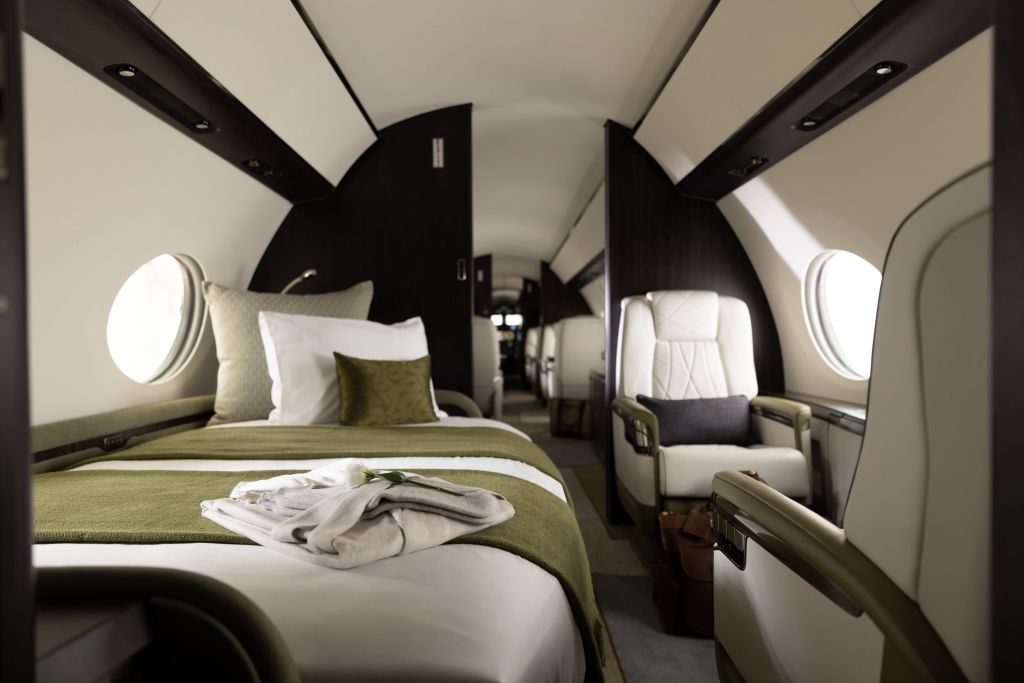
Aviation is often discussed in terms of utility and moving people from point A to point B. However, a visit to Flexjet’s headquarters in Cleveland reveals a company operating more like a heritage luxury house than a traditional flight provider. We spent the day meeting with key executives and touring the new facilities to witness a series of major milestones for the brand, including the debut of Flexjet’s Gulfstream G700 fleet, an aircraft serving as the crown jewel of their global offering. This introduction coincides with an $800 million equity investment from a consortium led by L Catterton, a firm backed by LVMH, which has catalyzed a new era of luxury synergy. From the massive screens of the Global Command Center to the Frank Lloyd Wright-inspired fixtures in the Owner Services Center, Flexjet is doubling down on the belief that travel is an emotional experience defined by design and anticipation for its customers and employees alike.
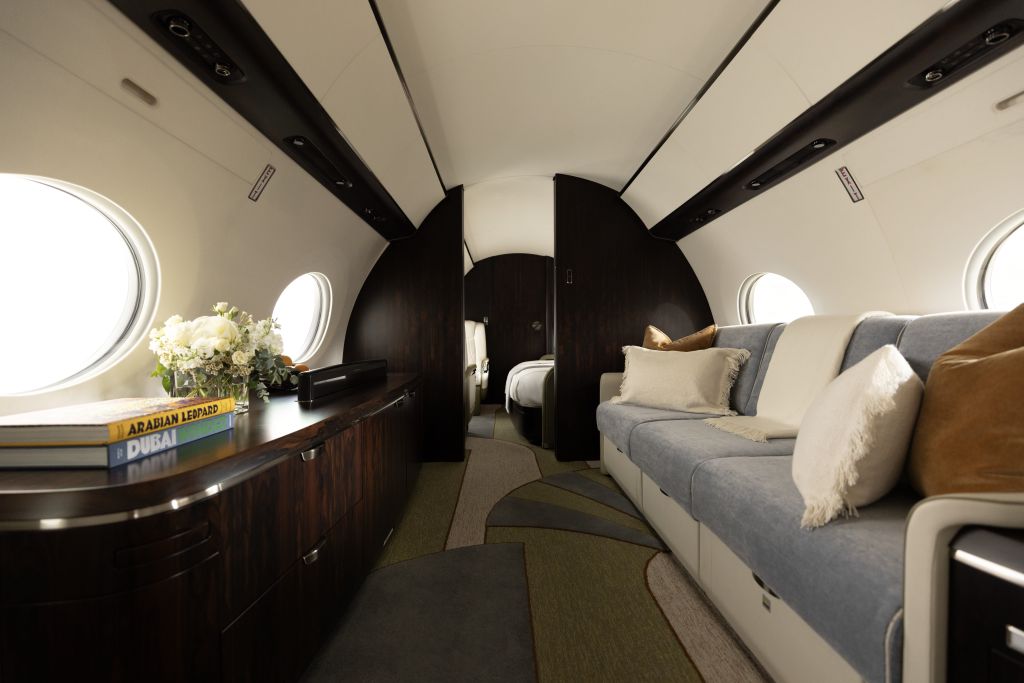
The Gulfstream G700 is a technical marvel that represents a significant leap into the ultra-performance market. It’s the largest plane in its category, capable of speeds up to Mach 0.935 and a range of 7,750 nautical miles, allowing for non-stop travel between cities as distant as Los Angeles and Dubai. On board, the focus shifts from speed to wellness. The cabin is divided into four distinct living zones, including a private bedroom with an en suite lavatory (other passengers shouldn’t worry, there’s a second bathroom for them as well). Design details are everywhere, from the 20 iconic oval windows providing panoramic views to a circadian lighting system mimicking the sunlight of the destination time zone to reduce jet lag. Flexjet Chairman Kenn Ricci noted that while others focus on price, Flexjet is positioning itself as a boutique upscale provider. The G700 is the ultimate vessel for this vision, acting as a flagship for their Red Label service where aircraft are paired with dedicated crews to provide a highly personalized experience.
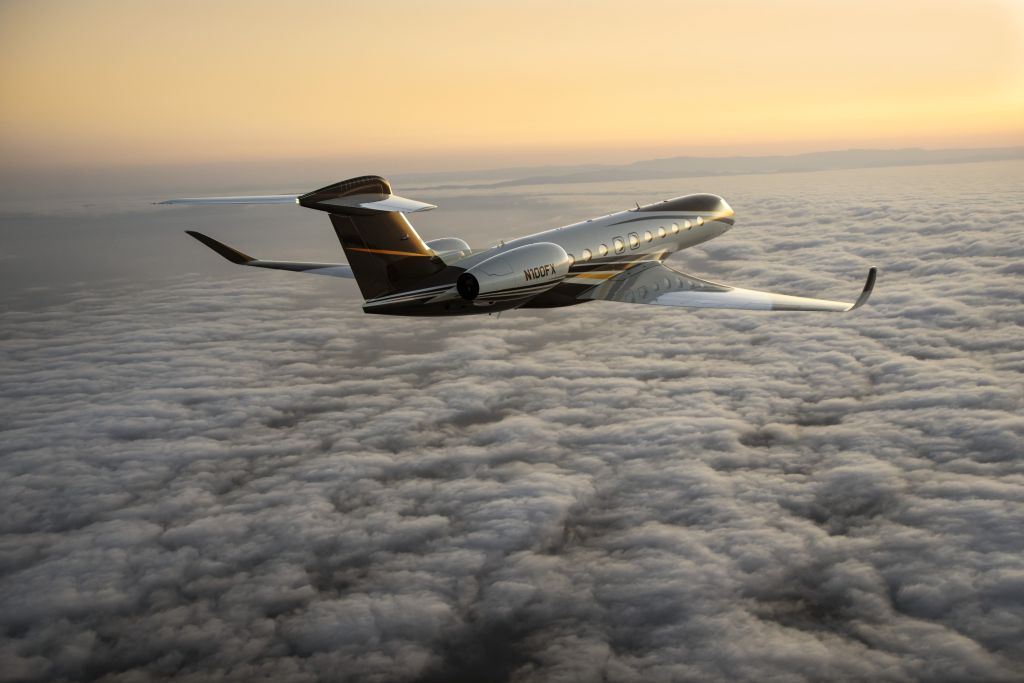
This push toward extreme luxury is reinforced by the recent partnership with L Catterton and LVMH. The investment valued Flexjet at approximately $4 billion and was driven by a shared philosophy regarding the consumer journey. Mike Silvestro, CEO of Flexjet, articulated this shift during our conversation: “This investment solidifies the concept that time is the ultimate luxury, followed by health and wellness,” he said. This synergy is beginning to manifest in subtle but profound ways, from cabin attendants trained at the Red Label Academy to present interiors as if they were couture fashion lines to the exploration of seasonal crew ensembles from LVMH brands like Christian Dior.
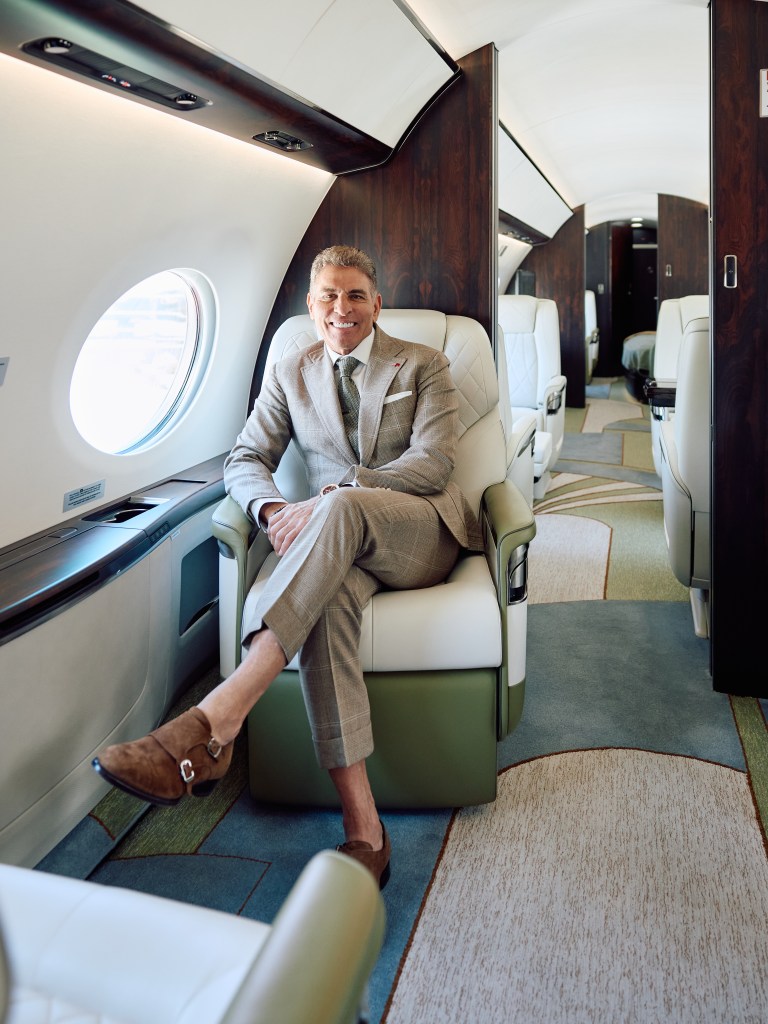
Inside the company’s Gulfstream G700s, the influence of this partnership is felt through curated details that go beyond standard aviation utility. One Art Deco-inspired interior features a hidden “cocktail button” that reveals a speakeasy-style bar—a nod to the experiential luxury found in LVMH’s hospitality arm, Belmond. The aircraft is outfitted with bespoke Waterford crystal, and the company is exploring a private luggage line designed specifically to fit the G700’s cabin holds. These additions support Ricci’s vision of what he calls the “ultimate threesome”— the combination of LVMH luxury, Flexjet’s delivery and the unrivaled performance of the G700.
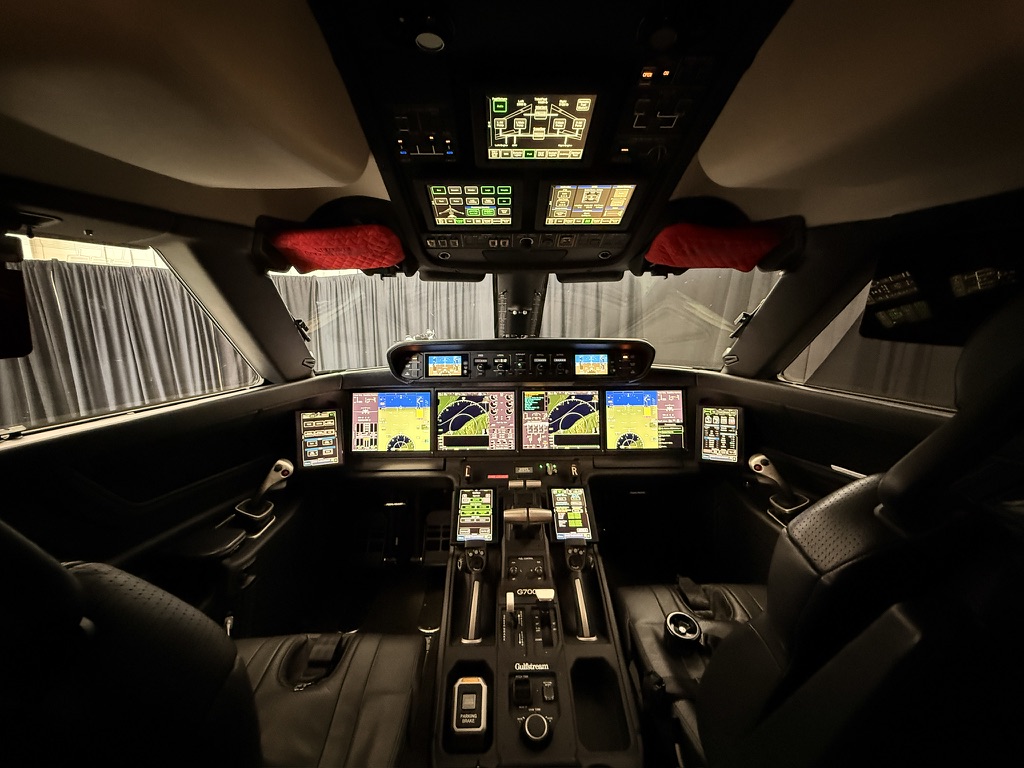
During our tour, Andrew Collins, CEO of Flexjet, provided insight into how the brand manages its diverse customer base through what he calls separate storefronts. While the G700 attracts an ultra-high-net-worth segment, the company provides more accessible entry points through brands like FXAIR and Sentient Jet. Collins views innovation as a continuous process of listening to clients. “I think innovation is incremental,” Collins explained. “I don’t believe it’s this dynamic thing that everybody thinks it’s an ‘aha’ moment. A lot of this is incremental”. This approach has allowed Flexjet to build what Collins describes as a “big honeypot” for private aviation where customers can enter at various levels—often starting with a jet card before evolving into fractional ownership as their needs and careers grow.
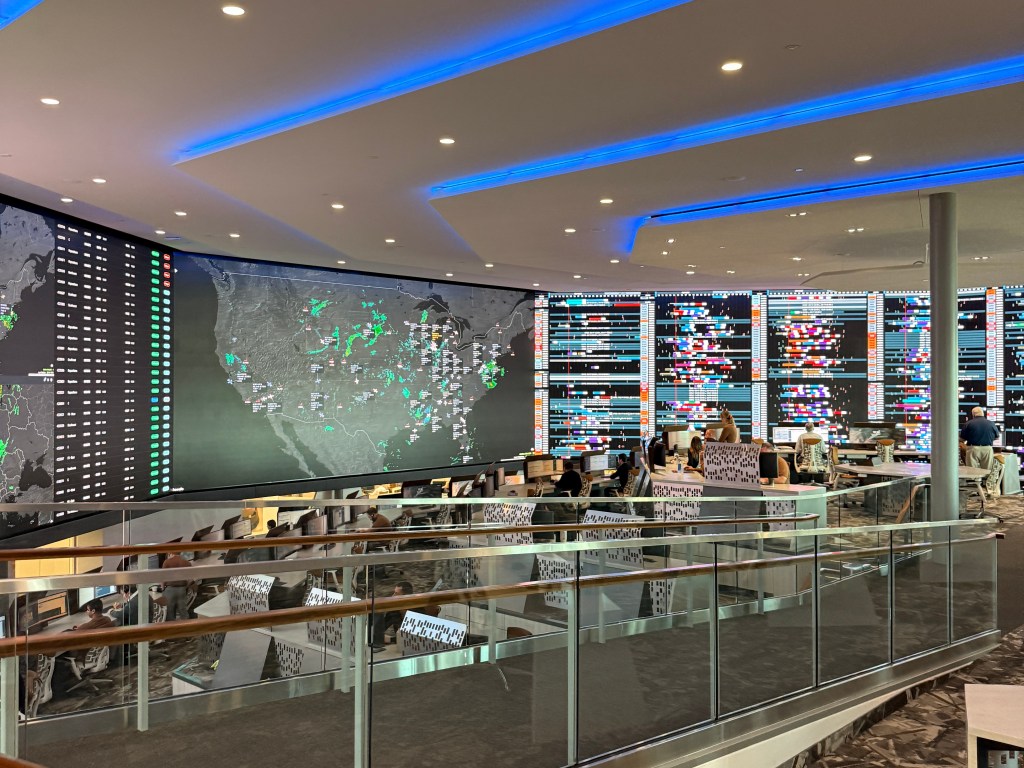
The operational heart of this global machine is the new Global Command Center or GCC. The room is dominated by a 186-foot wide screen that provides a rolling 24-hour outlook of every Flexjet trip. Each block on the screen tells a story, from owner legs in blue to maintenance bars in yellow, allowing the team to stay nimble in a dynamic fractional environment, and it was meticulously planned to mirror the luxury of the aircraft themselves. The carpet was designed in collaboration with Bentley Motors and the staff members are seated in Herman Miller’s Embody chairs, color-coordinated in earth tones like blacks, grays and browns. The GCC allows the team to be “the eyes and the ears” for crew members on the road and staff tending to clients at the many private air terminals the brand uses, anticipating issues like weather or mechanical delays before they affect the owner. For instance, camera feeds from facilities like New Jersey’s Teterboro airport, just a few miles from Manhattan and one of the most important and busiest private airports, allow the team to see storms rolling in and prep crews faster than traditional notification systems would allow.
Adjacent to the GCC is the Owner Services Center, which opened in July 2025. The design of the OSC is deeply influenced by architectural heritage. Light fixtures called “martini glasses” are based on Frank Lloyd Wright’s mushroom-shaped columns, while another fixture mimics the specific light pattern of an aircraft engine. Even the acoustics were considered, with wood slats on the mezzanine that are fabric-covered to dampen noise and ensure the team can focus on the discrete style of service the brand prides itself on. The mezzanine sections themselves are shaped like aircraft winglets, a nod to the core product that remains visible even from the office floor.
For the modern traveler—even the majority of us who have to endure local transportation to commercial airports, the journey doesn’t end when the wheels touch the tarmac. Often, the last mile is where the experience begins to fray under the pressure of urban congestion—for a New York- or London-based owner, getting to Teterboro or Farnborough can be time consuming and stressful due to traffic, which can easily make the short trip last an hour or longer. During our visit to Flexjet’s headquarters in Cleveland, which started with a helicopter pick up, it became clear that the company views its helicopter operations not as a side business, but as a critical vertical integration designed to solve the friction of ground travel. By mastering both long-range jet performance and short-range vertical lift, Flexjet is effectively selling the one thing their clients value most: their time.

The integration of these two worlds began strategically during the pandemic when Flexjet Chairman Kenn Ricci identified a need to differentiate the brand’s offering as global demand surged. Flexjet’s strategic investment in short-distance aviation, including acquiring VIP helicopter operators like Associated Aircraft Group and London-based Halo, enables the company to offer seamless transfers, such as a five minute helicopter ride from Manhattan to Teterboro. Collins emphasized that mastering short-range operations is essential for the future of flight, noting that pairing a G650 with a Sikorsky S-76 helicopter provides a life-changing experience for an airport transfer. Whether it is banking past The Shard while coming out of Battersea or following the Hudson River flight path over the George Washington Bridge, the transition from helicopter to jet is designed to be an extension of the same luxury environment.
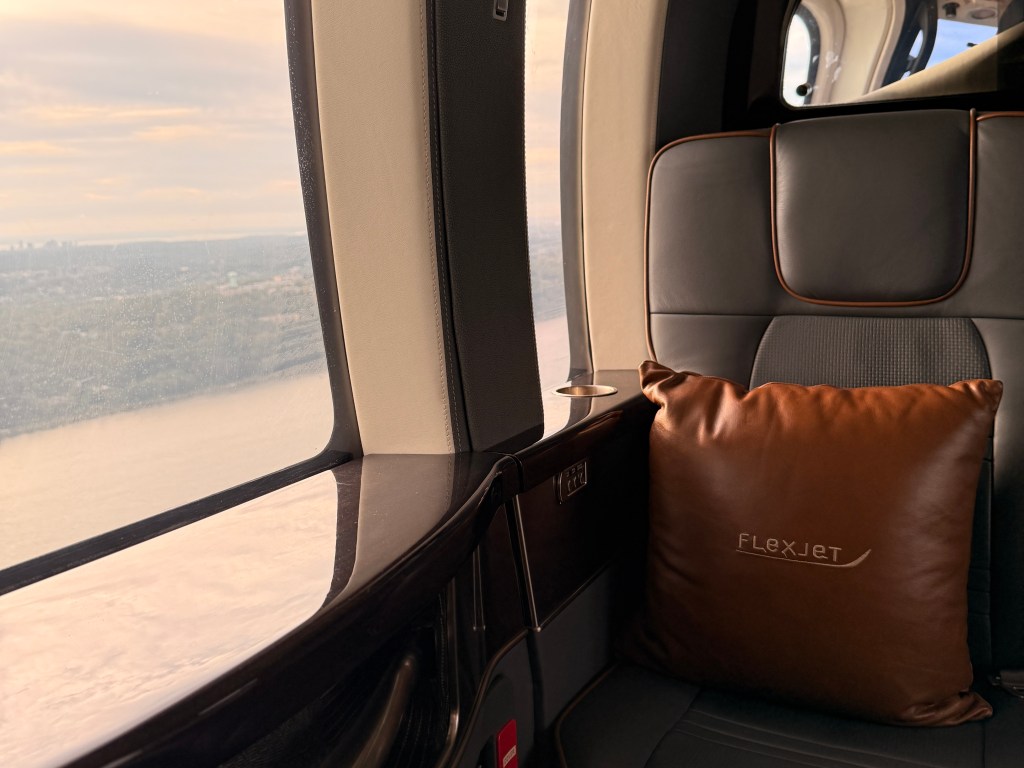
This “Flexjet touch” is maintained through rigorous design and service standards that bridge the gap between the helicopter cabin and the long-range jet. The partnership with Bentley Motors, which began with Flexjet’s Gulfstram G650 fleet, extends directly into the helicopter interiors, including custom-designed carpets. By applying the brand’s aesthetic to their vertical lift fleet, the company ensures that the sensory experience remains consistent whether an owner is flying 7,000 miles in a G700 or five miles to a city center.
The operational complexity of this pairing is managed through the Global Command Center (GCC) in Cleveland. On the GCC’s massive 186-foot screen, helicopter movements are tracked alongside the international jet fleet, allowing the operations team to act as the “eyes and ears” for crews on the ground and in the air, allowing for a level of anticipation that is core to the brand’s European style of service. If a storm is spotted rolling into an airport via the GCC’s camera feeds, the team can prep helicopter and jet crews simultaneously, ensuring the transition between aircraft remains fluid despite changing conditions.
Ultimately, the integration of helicopter operations is about delivering on a promise of “time travel” that resonated with their new partners at LVMH. Mike Silvestro highlighted that LVMH’s research identifies time as the ultimate luxury, followed closely by health and wellness. By eliminating the stress and physical toll of urban traffic through vertical lift, Flexjet enhances the wellness factor of the entire trip. As Collins put it, the goal is to build a seamless and hassle free experience using the mastery of short distances to ensure that the luxury experience is never interrupted by the realities of the ground.
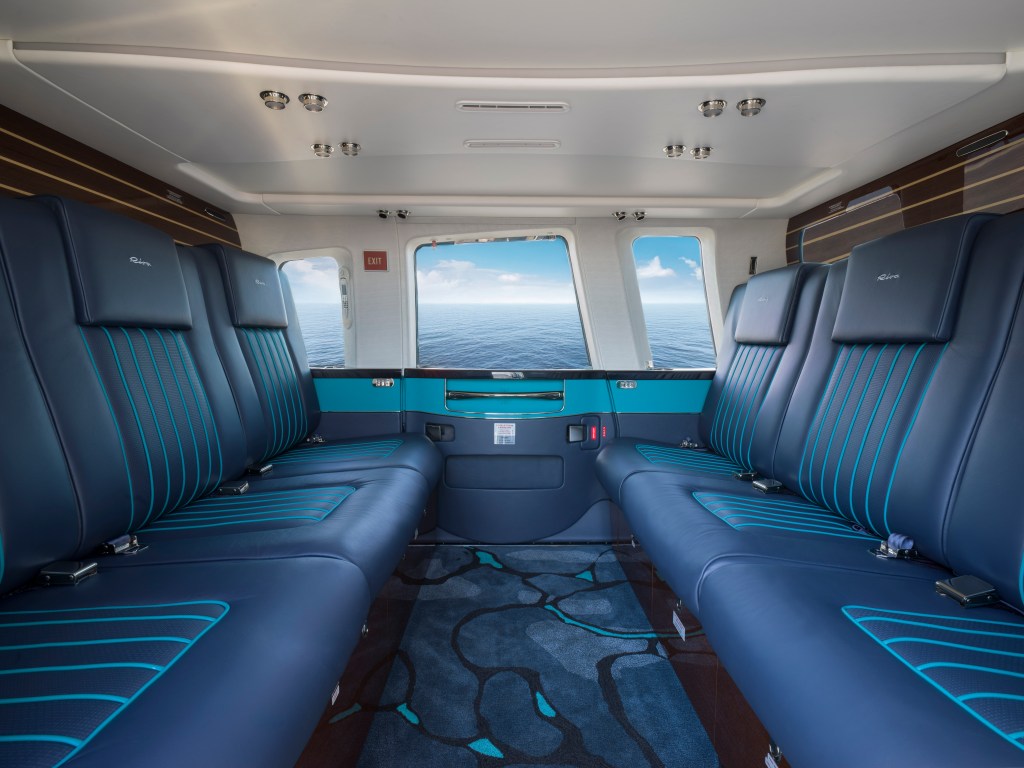
The power of aligned brand collaborations remains a recurring theme. Whether it is partnering with Riva Yachts for a nautical-inspired helicopter interior or working with LVMH to curate exclusive events for elite customers in its Chairman’s Club, Flexjet is using these relationships to create an emotional connection that goes beyond aviation. Mike Silvestro noted that the LVMH partnership is an affirmation of their seven-year journey to redefine the luxury experience. By focusing on the facets that make a traveler feel cared for—connectivity via Starlink, enhanced catering and a cabin environment that purifies air via plasma ionization—Flexjet is betting that the discerning traveler wants more than just a ride. They want a partner that anticipates their needs before they even step onto the tarmac. This commitment to the “European hospitality mindset” is further cemented by training programs at their Red Label Academy, where cabin servers are instructed by experts like the former head of food and beverage at Villa d’Este to ensure every interaction feels bespoke.
Additional recently announced initiatives include a partnership with wellness brand Fountain Life and a massive order for startup Otto Aerospace‘s next-generation business jet, the Phantom 3500. Flexjet fractional jet owners now receive complimentary access to Fountain Life’s CORE membership. The company, co-founded by wellness guru Tony Robbins, leverages AI-guided diagnostics, physician insights and extensive testing to help prevent and detect concerns. An entirely new plane, designed from the ground up with a body made entirely of carbon fiber composites and an aerodynamic design that reduces fuel burn by more than 60% and emissions by 90%, Otto Aerospace’s innovative planes are certain to reshape the business travel jet product mix. The ultra-efficient planes are expected to start delivery in 2030, and Flexjet has placed a firm order for 300 of them.









What are your thoughts?