PAKA: A Sustainable Clothing Brand That Gives Back
Founded in Peru and celebrating its tenth year, the alpaca apparel brand focuses on long-lasting designs, animal welfare and supporting local artisan communities
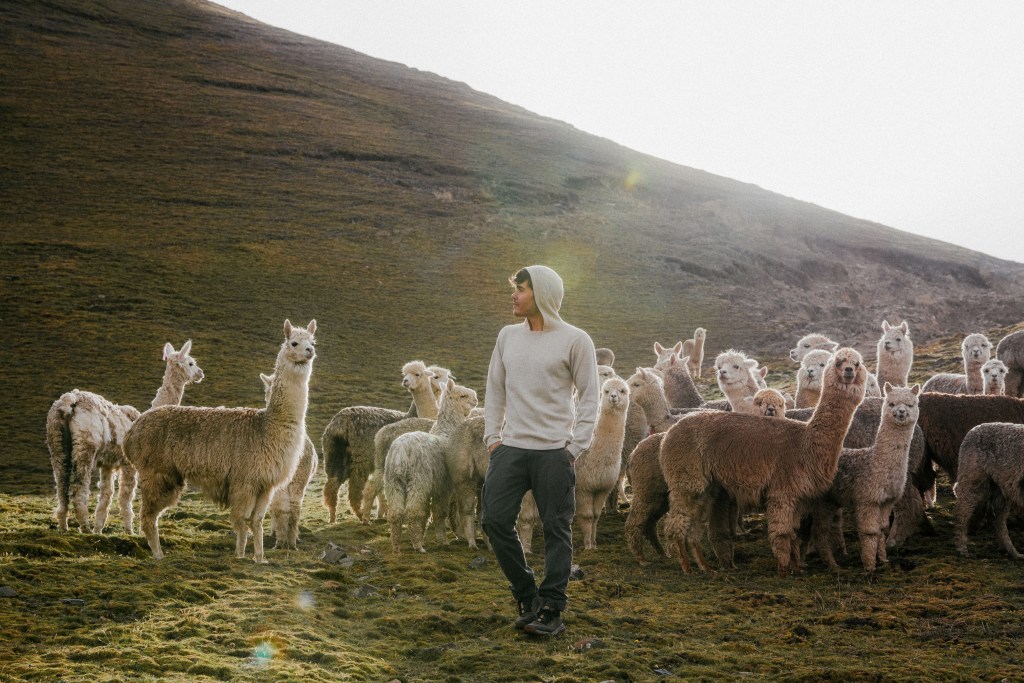
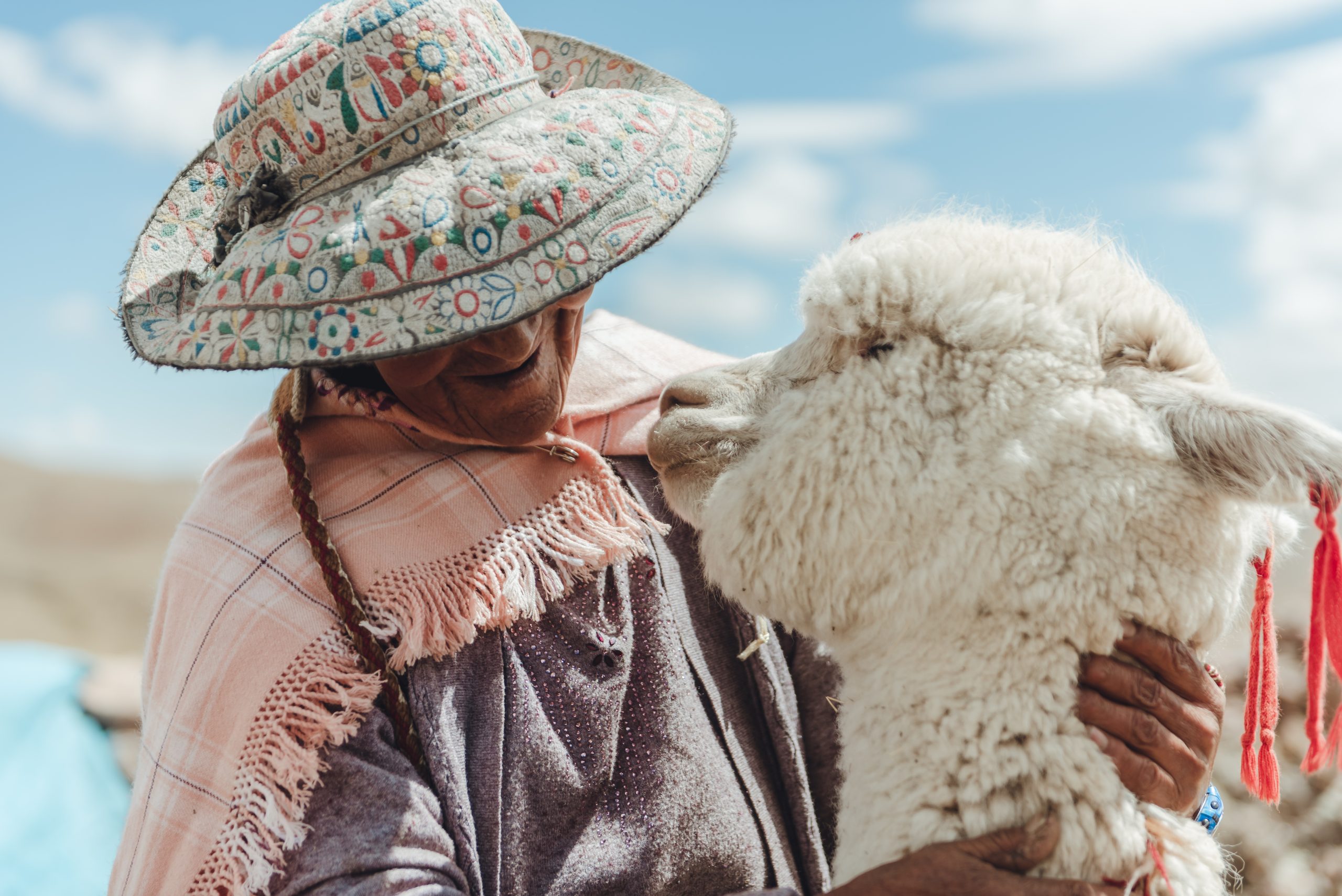
The Peruvian Andes might be known for extreme climates and high altitudes, but it’s also home to one of the world’s most important fiber animals: the alpaca. Native to South America, herds have evolved to thrive in the intense mountain conditions of the highlands—think strong winds and rapidly changing weather at a 5,000-meter elevation—thanks to their unique, hollow-core fleece.
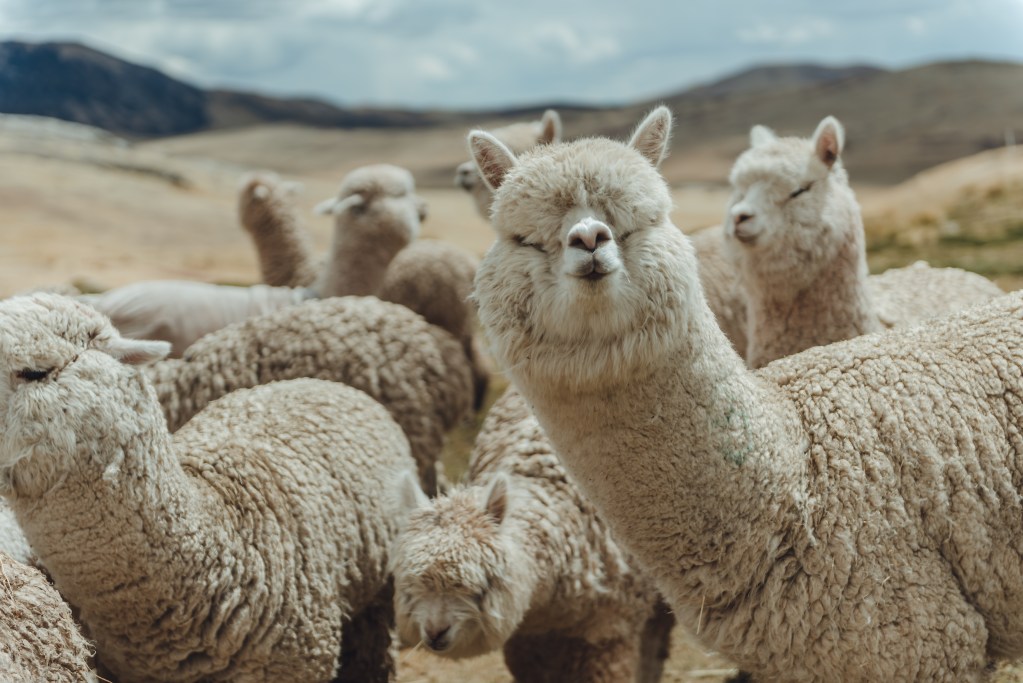
Indigenous communities domesticated alpacas over 6,000 years ago, raising them for meat and fiber. Once known as “the fiber of the gods” by the Inca, alpaca wool touts impressively versatile qualities: its natural structure makes it thermoregulating and warmer than merino, while it’s also durable, hypoallergenic, ultra soft and even water resistant. Alpacas also happen to be extremely cute animals.
Kris Cody, founder and CEO of PAKA, first discovered the magic of alpaca fiber on a South American backpacking trip in 2016 before starting university. After meeting a Peruvian artisan and buying an alpaca sweater, he was inspired to bridge the gap between the U.S. and the then-relatively unknown fiber. After a second trip back to Peru, “I found the market where Gregoria sold me that sweater,” Cody says. “By the end of the summer, I was living on her family’s rooftop while we collaborated together to create PAKA’s first sweater prototypes.”
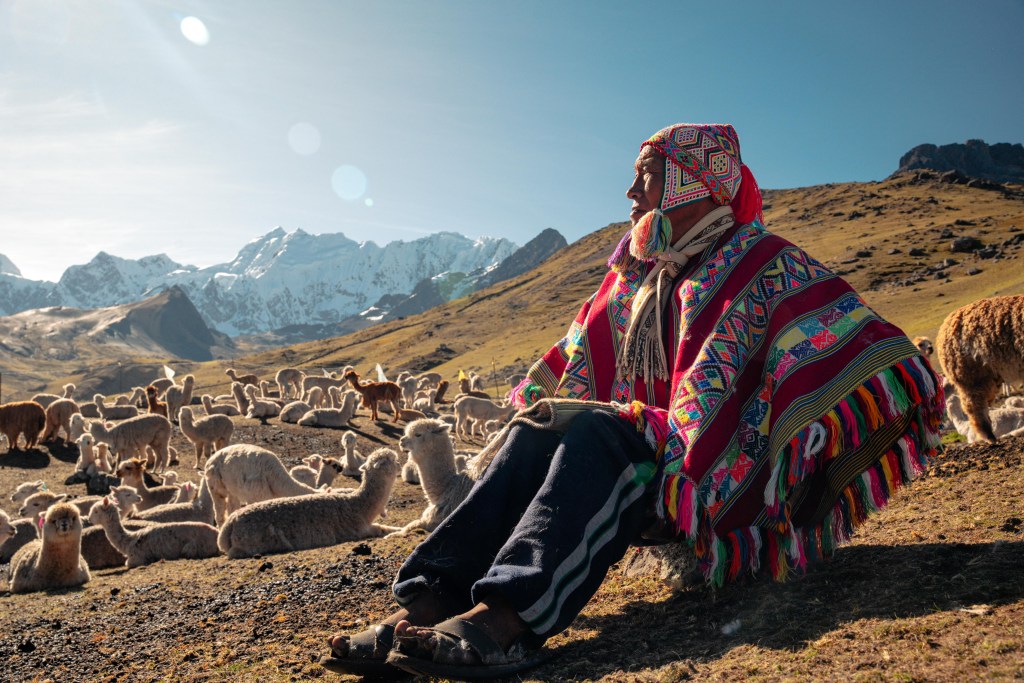
Cody was impressed not only by the physical qualities of alpaca fiber but also by its sustainable backstory: “It’s three times lighter than sheep’s wool and requires a fraction of the water and resources compared to other fibers,” he says. “It’s also not just about the fiber, but the deep culture of the people behind this animal—how the alpaqueros live in a symbiotic relationship at 15,000-plus-feet with the alpaca and have evolved together.”

PAKA launched with an initial hoodie design, back when Cody was shipping orders out of his UVA dorm room. Ten years later, the team has grown substantially and the alpaca apparel offerings have expanded beyond sweaters, now including socks, base layers, hats and more. Our favorites include the recently released Women’s Original Crew and the Essential Socks, which are naturally odor-resistant and have a lifetime guarantee. Some designs include a small handmade design detail to honor the talented artisans who actually make the clothing in Peru, like the handwoven “Inca ID” sewn on sweater hems.

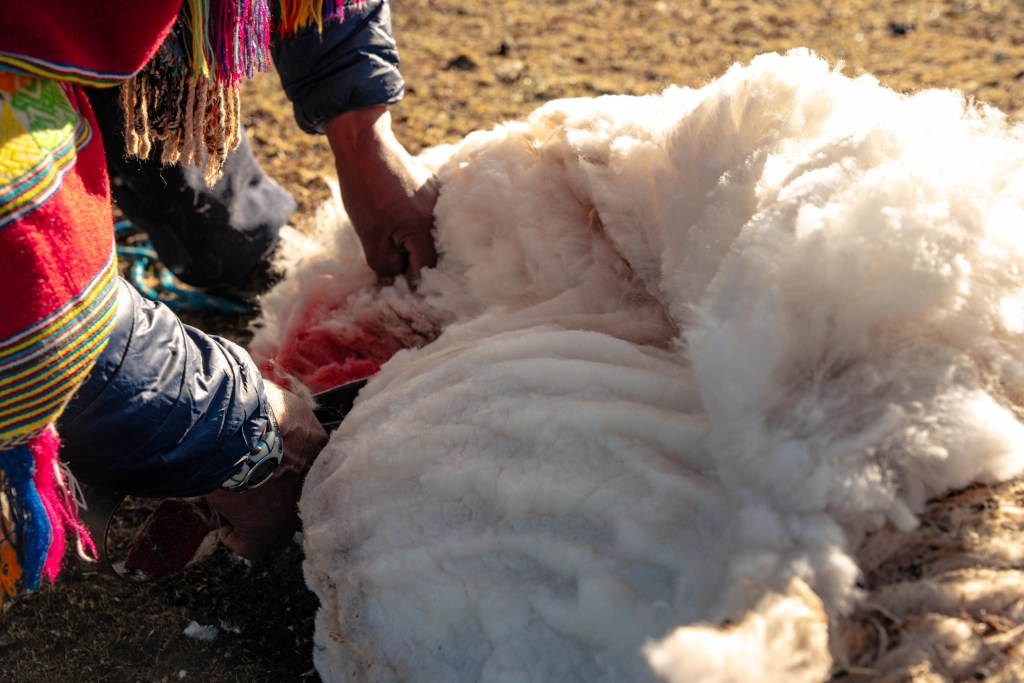
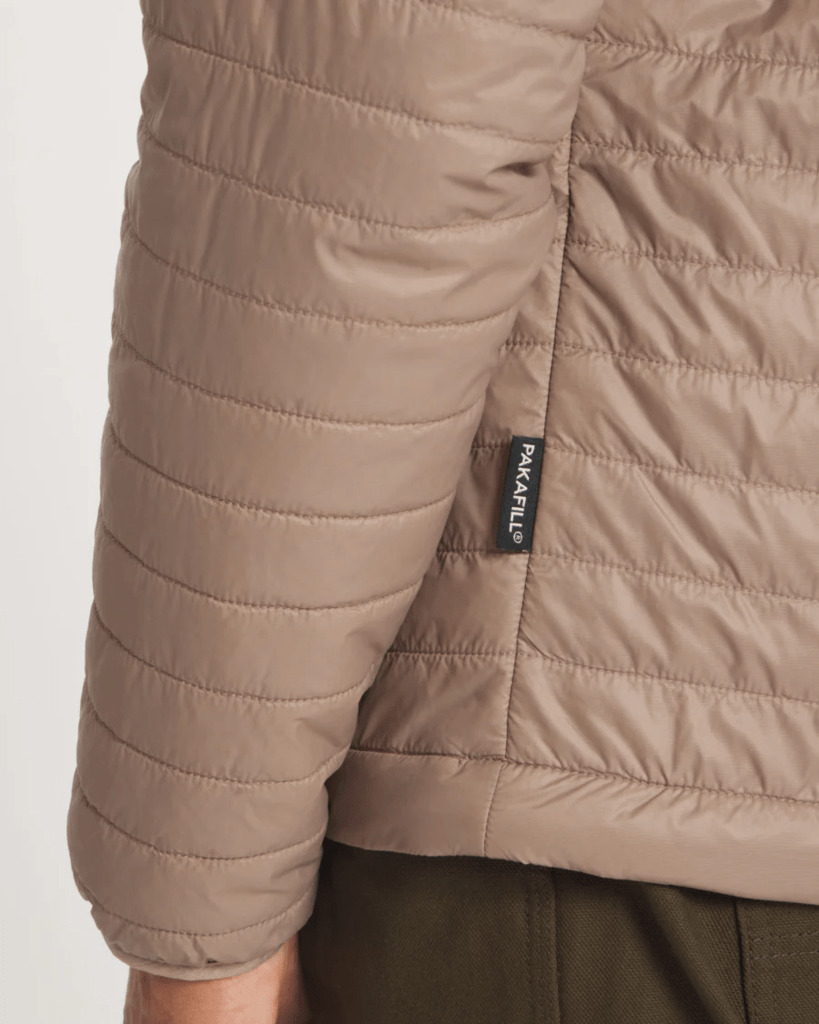
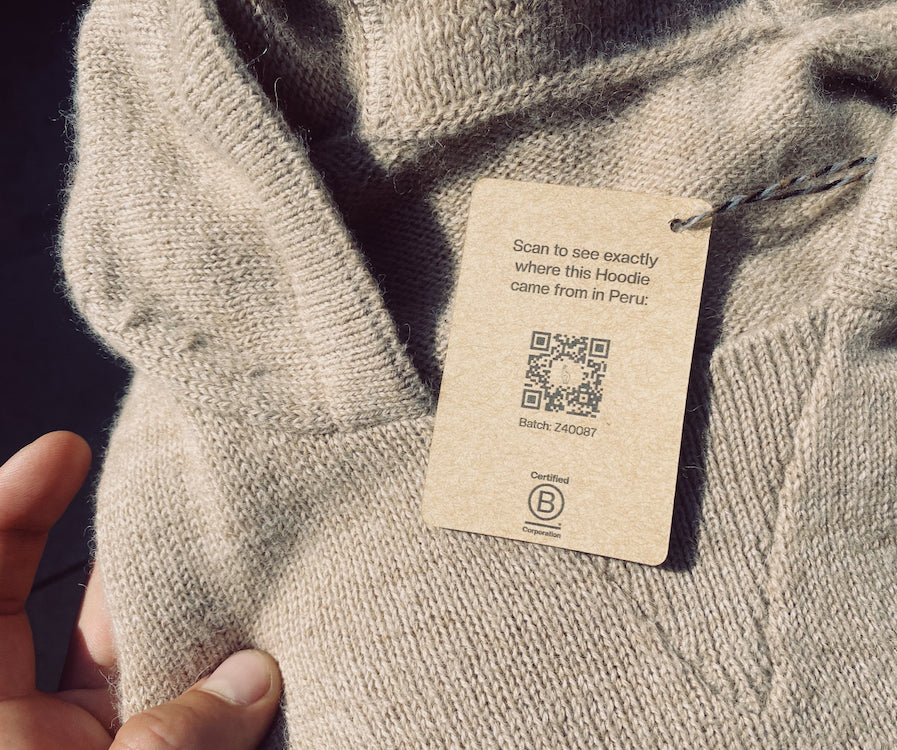
The brand also engineered PAKAFILL® insulation, a proprietary blend of ethically-sourced alpaca and recycled polyester, to design outerwear that has better thermoregulation, moisture control and packability than the down fill found in other jackets. PAKAFILL® contains Traceable Alpaca fibers, so the customer can locate exactly where the alpaca was humanely sheared, down to the farm’s coordinates. Small-scale, regenerative agriculture is a lifeline for the alpaca-farming families that PAKA works with in remote areas of Peru, and raising awareness of the people and animals behind its clothing is just one way to support these communities.
Social impact has always been front and center to PAKA, “even if it looked different in the early days,” Cody says. “The brand wouldn’t exist without these communities, so it never felt optional. It just felt like the right way to honor the communities and animals behind the brand.”
The PAKA Foundation, a 501(c)(3) organization, was launched in 2025 as a way to formalize the brand’s ongoing impact efforts, focusing on core pillars like preserving tradition, improving alpaca health and providing necessary education and other support to Peruvian communities in need. “Instead of one-off efforts, we’re now building programs that grow over time in partnership with NGOs on the ground,” Cody says. Under the guidance of Gisella Garate, Director of Impact, PAKA has partnered with Peru-based organizations like Centro de Textiles Tradicionales del Cusco, Pacomarca, Semilla and Peruvian Hearts to move forward with intention and uplift local communities, alpaqueros, students and the environment.
Through PAKA’s partnership with Peruvian Hearts, the PAKA Scholars initiative was formed to provide full scholarships to female students. In 2025, 15 Peruvian young women were awarded university scholarships, bringing the grand total to 24 since the program launched. The recipients have gone on to study medicine, tourism, psychology and more. This mission provides cultural education, psychological and social support, and female empowerment, helping to break the cycle of poverty and gender inequality.
From the start, Cody’s goal was always to keep PAKA grounded in its integrity and values. This required saying ‘no’ to certain growth opportunities that didn’t feel aligned with the brand. “The more disciplined we’ve been about defining who PAKA is, without comparing ourselves to others, the clearer our decisions have become,” Cody says. Community is the other essential part of PAKA’s ethos, whether it’s “meeting our customers on an alpaca road trip, spending time with the weavers far out in the Andes mountains or uniting the incredibly passionate team we have here, PAKA wouldn’t be what it is without all the people behind it.”
To shop PAKA’s sustainable products and to learn more about their social impact initiatives, visit pakaapparel.com.








What are your thoughts?