How The North Face’s Universal Collection Will Influence All Future Outdoor Gear
With a sleeping bag, backpack, tent and more, the new adaptive collection is designed with accessible technology to make it easier for anyone to use
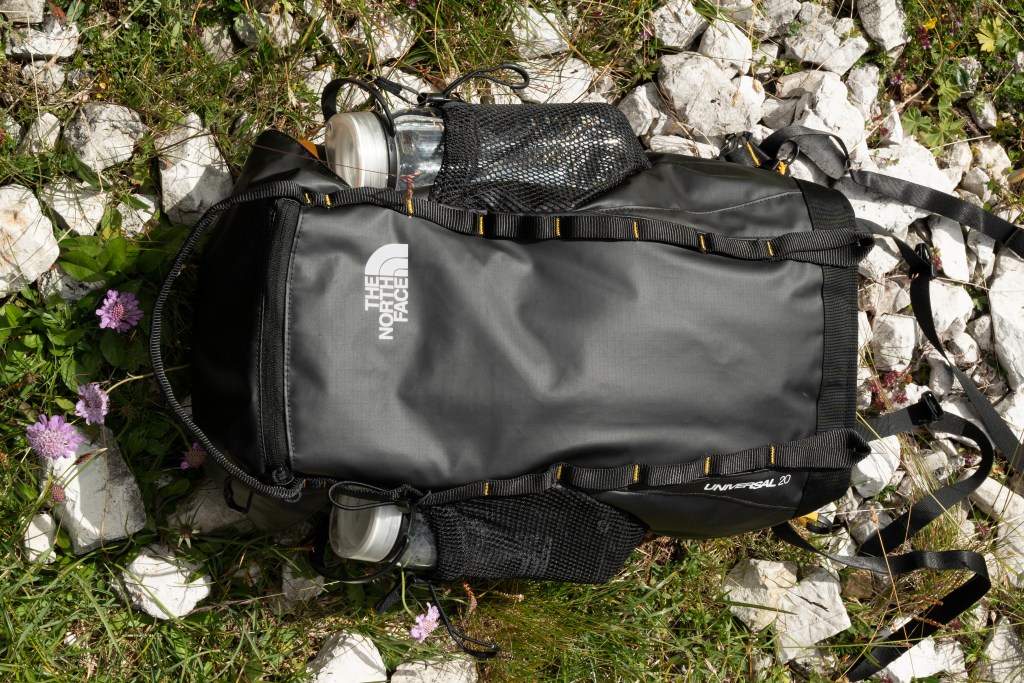
The North Face’s new Universal Collection was designed around the needs of the legendary outdoor brand’s endorsed adaptive athletes, including one-legged skier and filmmaker, Vasu Sojitra, and one-handed climber, Maureen Beck. (Pro tip: Check your assumptions about the words “adaptive athlete” by watching this.)
Senior Technical Equipment Designer Luke Matthews spearheaded the project, which, he explains, challenged his own assumptions about skillful design—and forced a re-think of The North Face’s design protocols. “For any part of what we do, say how a tent pole locks into place, we have a pretty common way of doing it.” That involves putting a great deal of tension on the end of the tent pole and locking it into a grommet. Which, he admits, he didn’t think about much before this effort. “There’s not anything wrong with it, per se. It’s very tried and tested. But for this project again we had to ask: ‘Okay, how could we just make this a little bit better?’”
The answers, in the form of a new tent, new sleeping bag, as well as several accessories, came after many discussions with the brand’s athletes and also by attending workshops and events like the Adaptive Climbers Fest. The new wares aren’t just for people with disabilities, however. They happen to result in multiple improvements that will lead to notably less frustrating experiences for any North Face customer—and probably changes that will ripple across the outdoor industry.
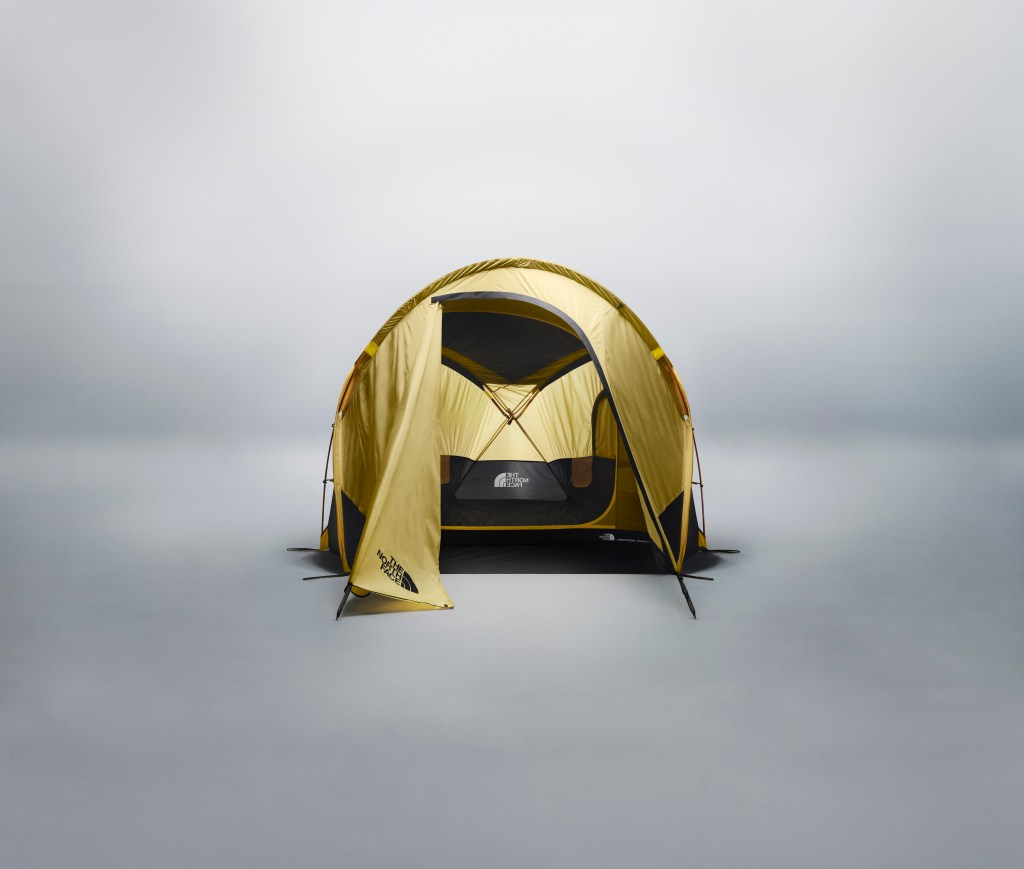
Take, for instance, the Universal Wawona 3 Tent. Matthews said their mission was to make a tent that someone in a wheelchair could easily roll into. But in the process of that recreation, they retooled almost every aspect of construction. “We’ve all tripped on that higher lip at a tent doorway,” he says, which, unfortunately, is a basic part of tent design. But with the Wawona 3, they added contrast to the sill of the doorway for higher visibility in the dark, lowered the lip and added some “give” to its structure. That enables someone in a wheelchair to roll in and out—and anyone walking into or out of the tent will be less likely to get caught by that threshold, too.
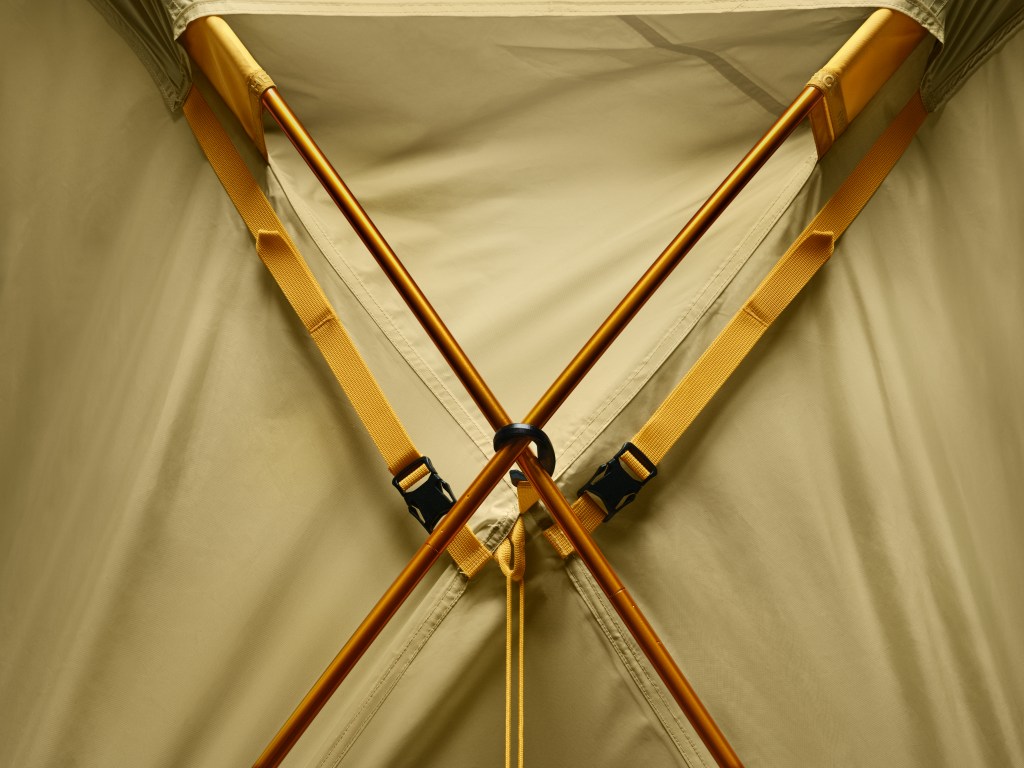
“The other thing with the tent, the catch of how the pole connects to the tent, conventionally that’s just a moment of a lot of stress. If you have limited grip strength or it’s cold and numb hands, that’s just hard,” Matthews says. Instead, the Wawona 3 features a wide pocket that allows the pole end to simply slide in—like tucking a credit card into a wallet slot, which can be performed more easily with a single hand.
Matthews is clearly proud of the reinvention and believes future tents will feature the design. Other hacks will also trickle into other tent designs, too, like a big, oversized zipper handle—if you’ve had to exit a tent at 2 a.m. for a bathroom break, you’d surely prefer.
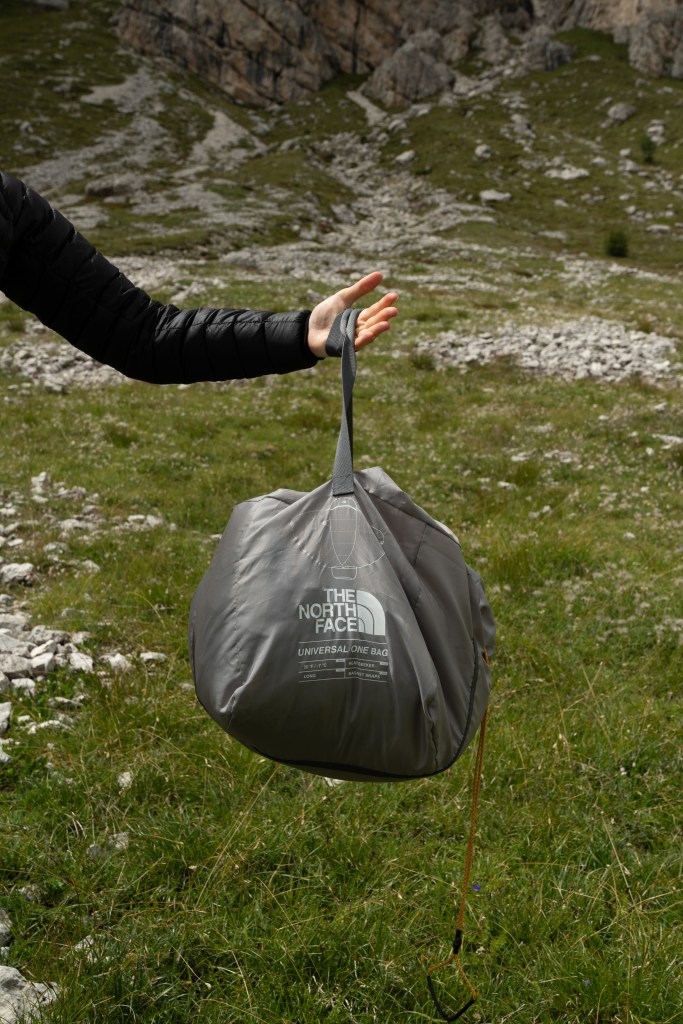
Likewise, the more upright, egg-shaped Wawona 3 gets equal-length poles, so you don’t have to fumble around trying to sort out which stick goes into which pole sleeve, and the whole unit comes in an oversized stuff sack that allows easier breakdown. “For a lot of users,” Matthews adds, “it can be really hard to just compress a tent back into a stuff sack, so we really thought about that experience, too.”
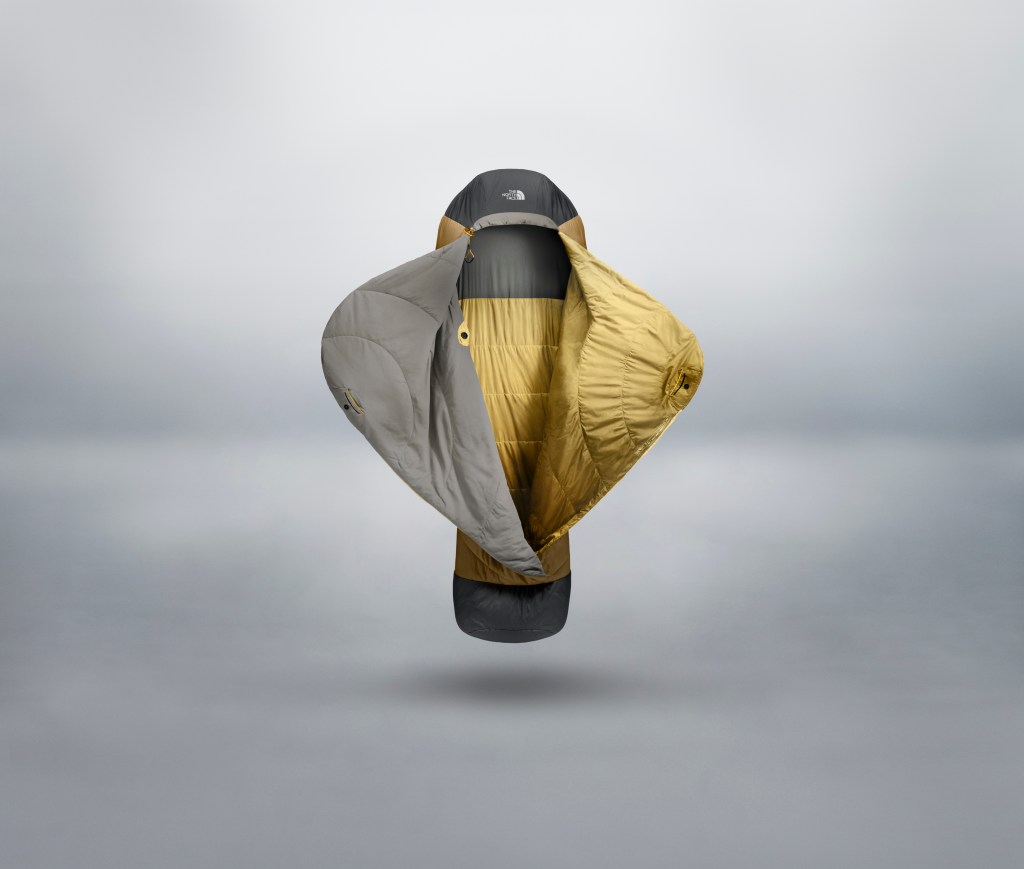
Perhaps even more than the Wawona 3, Matthews suffered over every aspect of making the Universal One Bag as perfect as possible. This isn’t The North Face’s first zipperless sleeping bag, but it is the first one to use two magnetic FIDLOCK® closures. First, the reason to eliminate zippers, again, benefits users with limited dexterity or mobility. But if you’ve ever struggled with a sleeping bag with a fat zipper track, you know it’ll wake you up in the middle of a slumber or get jammed up when you’re trying to extract yourself. Matthews laughs and points out that nobody would want a zipper in their bedding at home.
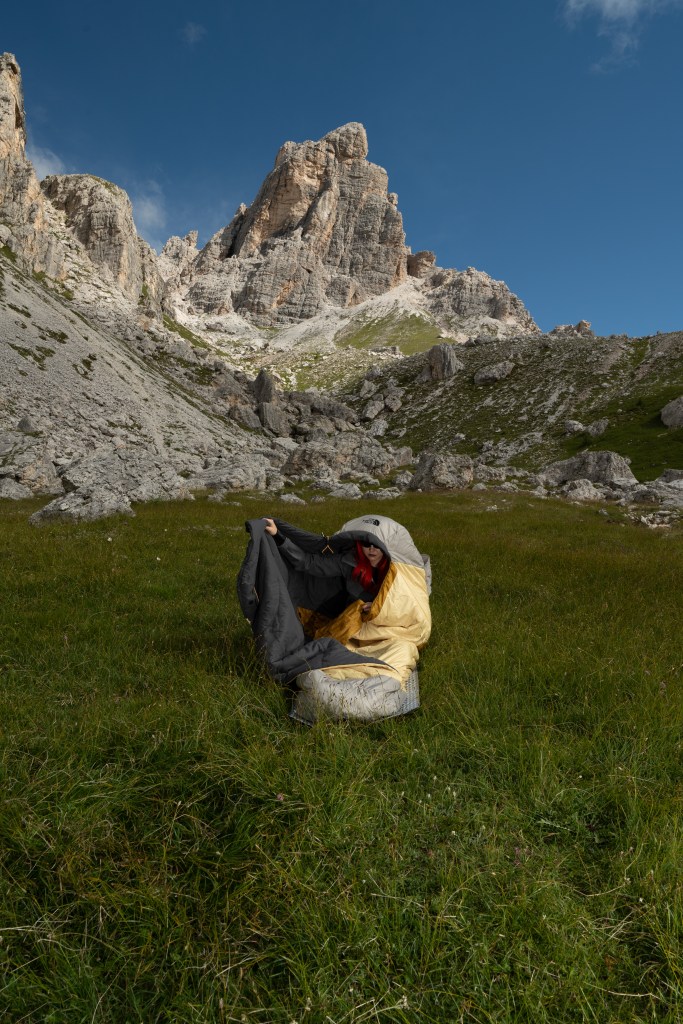
But how do you make a bag that’s adaptable to multiple climates—down to below freezing and way up into the 60s—and also eliminate zippers? The answer is FIDLOCK® magnets, which auto-locate and snap into place.
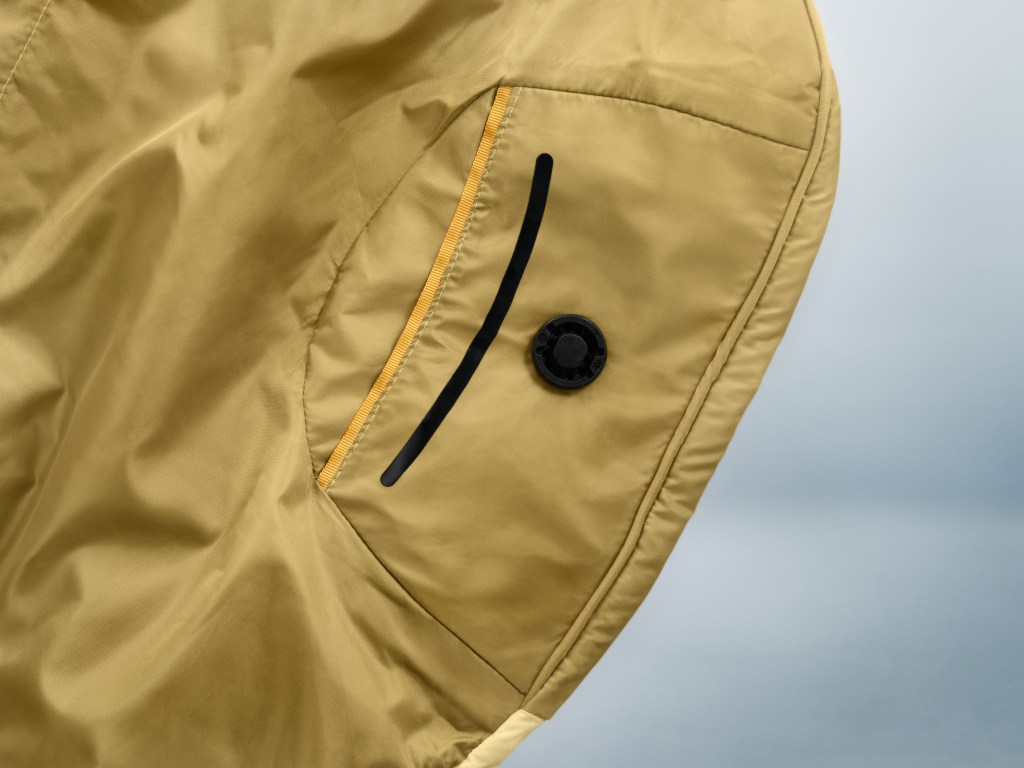
Matthews said the tough part was positioning them so you wouldn’t roll onto them on either side of the bag, which is why they sit higher, above the shoulder. These close over dual “wings” of quilting. With both layers folded over the top of the user, you get maximum warmth, but on a balmier night you can just use one or none, and still be enclosed halfway up your torso. Plus, the FIDLOCK® closures release with a simple push-and-slide action.
“You can actually hear and even feel a little bit when the magnets lock into place,” Matthews says. He notes that this feedback has a reassuring quality, since you don’t want to roll out of the bag, but also don’t want the wings to close mummy-bag tight. This makes the user experience a lot more comfortable, especially for side sleepers or cot sleepers.
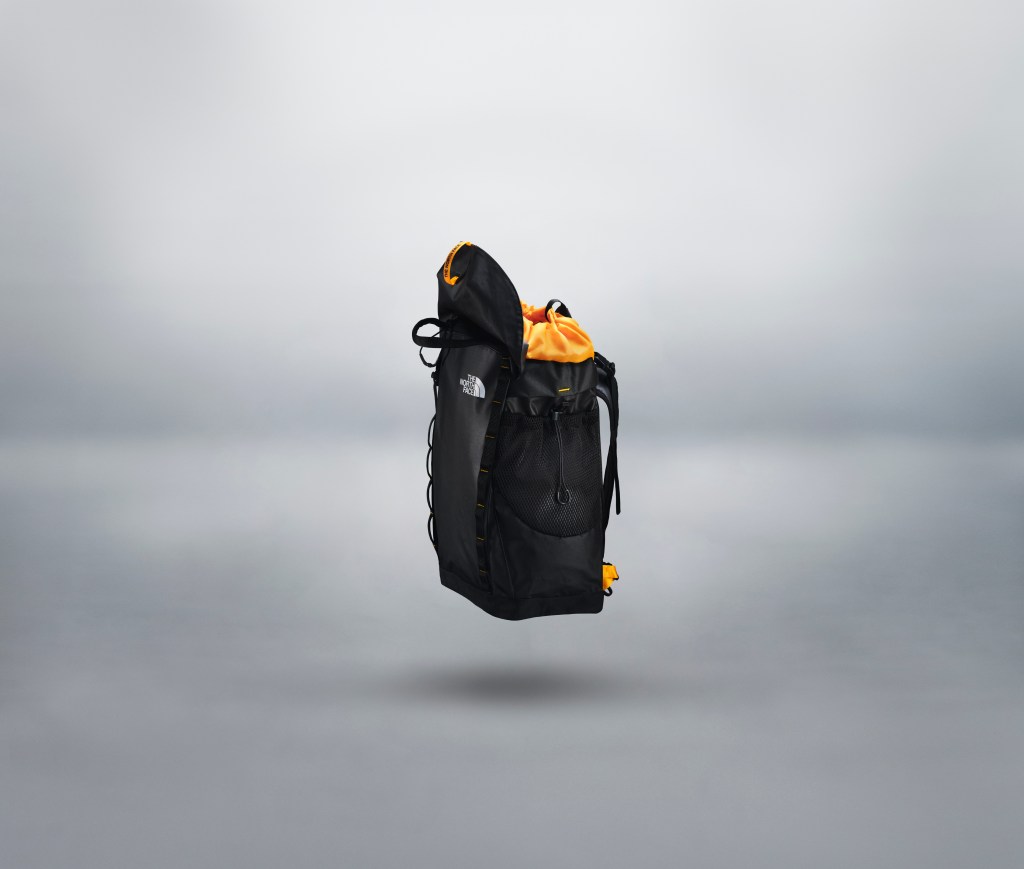
Part of Matthews’ awakening with the Universal Collection has been how to harness a nearly 60-year-old gearmaker’s legacy. He noted that, for instance, the Universal 20 Daypack carries forth the heritage that an old-school frame pack might use. It’s designed with extra-long strap pulls, the better to anchor directly to the back of a wheelchair, but those longer straps wouldn’t have been uncommon on an O.G. North Face pack from the 1970s, because a frame pack of that era would sit farther off your back.
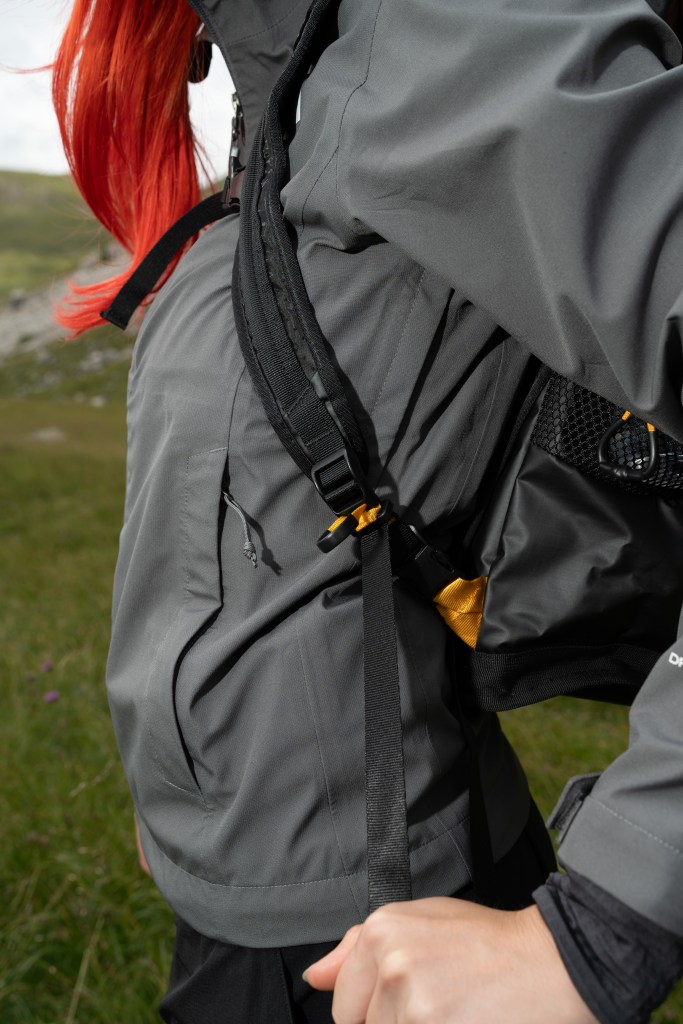
Yet that pack, despite the boxy looks, is fully modern, with a torso-length adjuster and it also harnesses FIDLOCK magnet technology rather than toggle drawstrings or other closures. Matthews’ team used gear-hauling tech from other pack designs to toughen and stiffen the structure of the Universal Daypack, so access and internal organization is a lot easier. Matthews points out that focusing on ease of use isn’t new to the brand. “If you think about the top-of-mountain user, they’re physically exhausted, potentially low on oxygen. So these are universal challenges. These exercises in rethinking problem-solving, they really are universal.”
Ditto, times ten, for any North Face customer who just wants a dead-simple backpack, a comfy tent and a good night’s sleep.



What are your thoughts?