Don Fulano Tequila: The Best Tequila That Insiders Love
One of the last family-owned distilleries in operation marries European-style distillation techniques with five generations of agave farming expertise to create a truly special range of tequilas
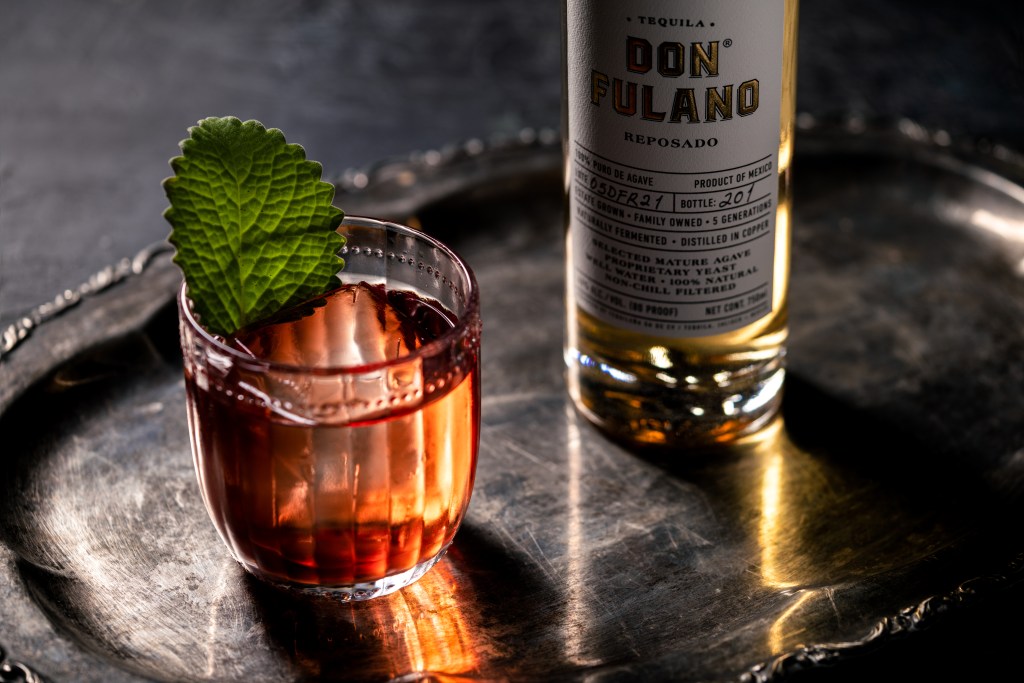
Tequila consumption has seen a meteoric rise over the past few decades. Originally known as vino de Mezcal de Tequila, the blanco, a white or unaged version, was traditionally the most popular and easy to find option. All that has changed and today you’re just as likely to see varying age statements (reposado, anejo and extra anejo), rare barrel finishes and cask strength versions lining the shelves. With an overwhelming number of bottles to choose from, narrowing down the choices for high quality, additive-free tequila is a daunting proposition. Unless you know where to look.
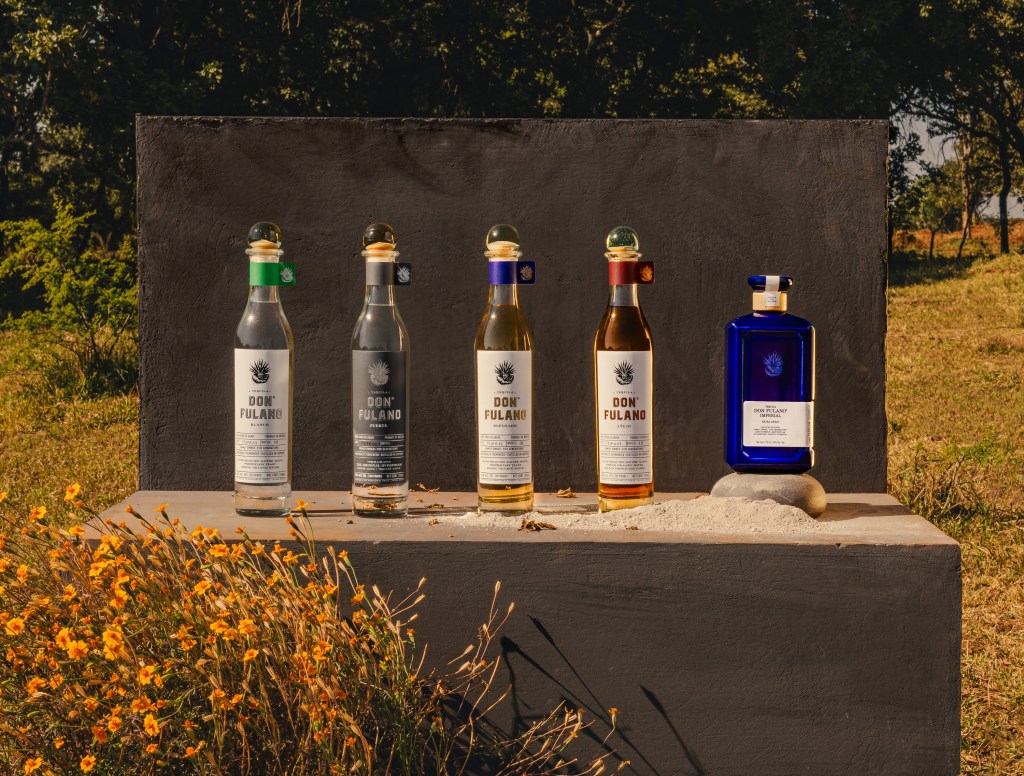
Don Fulano Tequila might just be the best tequila you haven’t heard of and one of the last family-owned distilleries in operation. Helmed by Enrique Fonseca and Sergio Mendoza since the 1980s, they purchased La Tequileña distillery, or NOM 1146, after five generations of agave farming turned into a curiosity for the art of distillation. Don Fulano has been breaking the mold for tequila production ever since. By combining distillation techniques Fonseca learned in Scotland and Europe with their farming experience, the two introduced many European-style processes including aging experiments with PX sherry casks, Limosin oak and more. They released Fuerte in 2002, the first cask-strength tequila ever made. Even more rare, they distill to this day with 100% of their own estate-grown agave, maintain a commitment to being additive free and use only natural yeast and water from the nearby volcanic-filtered spring.
The rules for tequila are simple. The agave must come from Jalisco, Michoacán, Guanajuato, Nayarit or Tamaulipas. It must be made with 51% Blue Weber agave, also known as agave tequilana, and lastly it must be approved by the Consejo Regulador del Tequila (CRT). With only three main rules, there’s a lot of room to play around. Many distilleries set themselves apart by using 100% Blue Weber agave, open-air fermentation tanks or aging in barrels.
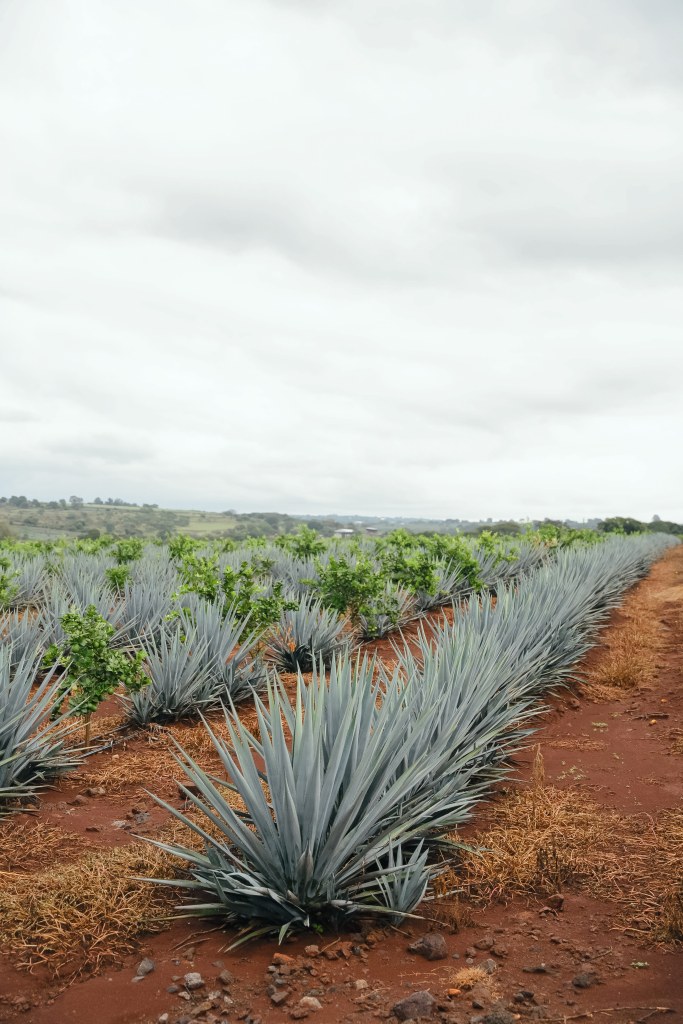
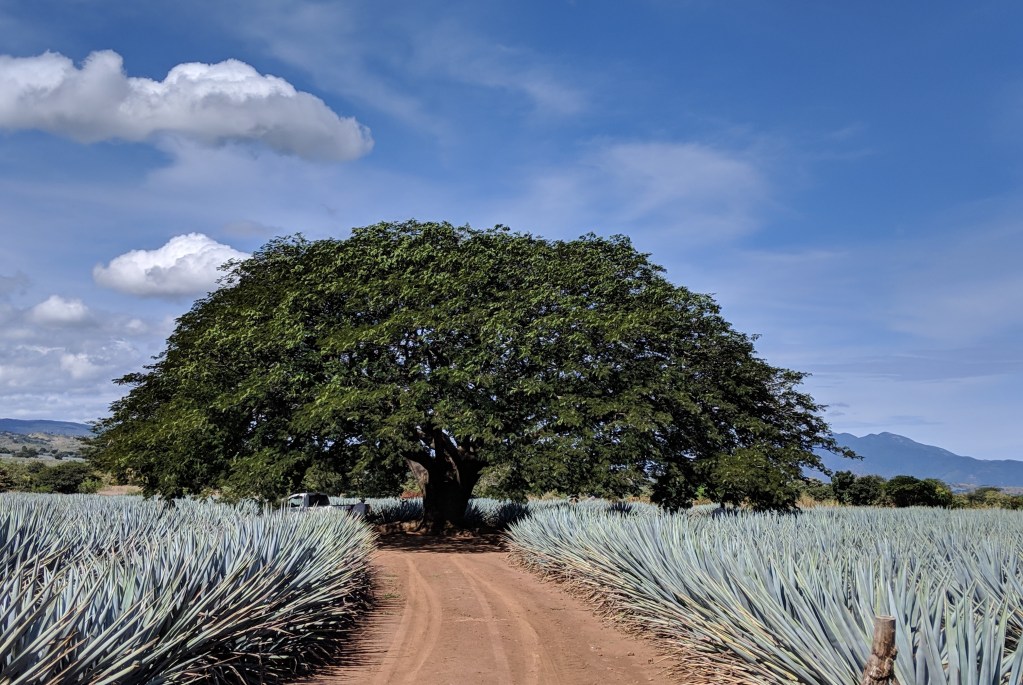
Don Fulano may be considered pioneers in the trend toward barrel aging but according to Fonsecca and Mendoza, it all starts with the agave. Agaves differ greatly depending on where they grow and how long they are left to mature. They chose Atotonilco in the Jalisco highlands for their mineral-rich growing conditions. The agave’s maturity is also a factor and it takes 6 to 12 years for a plant to mature. Fonseca prefers to harvest when the sugar content has reached its peak. This means maduro and pinto agaves, mature and spotted, which are identifiable by red and brown spots.
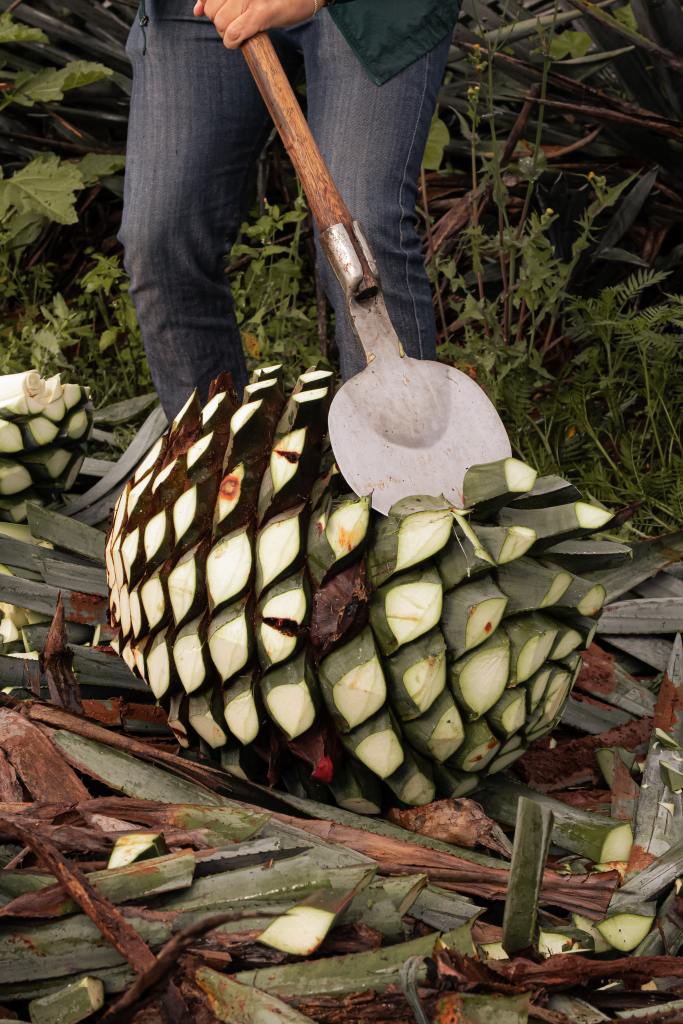
Some brands favor removing all of the green fibrous exterior, or penca, cut off of the agave. Fonseca and Mendoza prefer Jima media which means leaving 1.5 to 2 inches of penca which retains some of the flavor compounds. The plants are then brought back to NOM 1146 to be processed and distilled. They are halved and quartered, steamed slowly for the most flavor and then pressed to release the cooked juice or aguamiel.
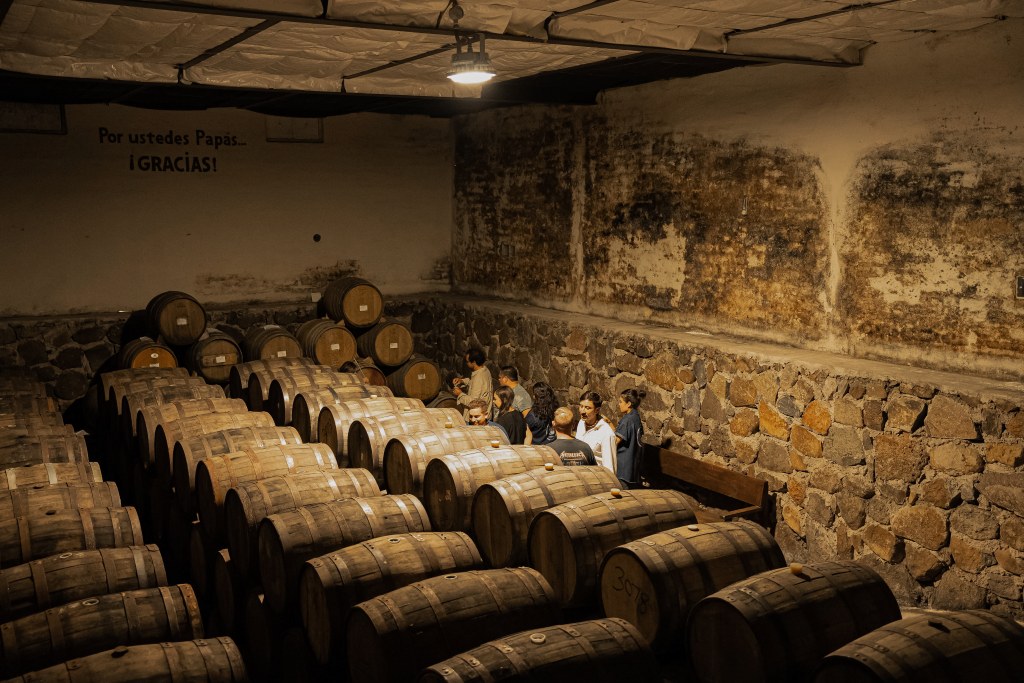
While Don Fulano is known for their various aged spirits, they consider blending just as integral. Don Fulano ages in a huge variety of ex-wine and spirits barrels like European dark oaks, French Nevers, as well as European oak barrels from Spain and eastern Europe. They age barrels in various altitudes and in different climates to further experiment with complexity. Once the blending process begins, they can pull any number of barrels from the early days of production to the present. A panel tasting follows and the bottle isn’t ready until the scoring is top tier. What matters, ultimately, is the liquid inside the bottle. With over 30 years of distilling and five generations of agave growing, Don Fulano is a prime example of what happens when knowledge meets passion, drive and the desire to make something truly special.




What are your thoughts?