There are several types of plastic in a single-use face mask, and they don’t easily decompose—instead winding up in the ocean. In fact, one face mask can release up to 173,000 microfibers …
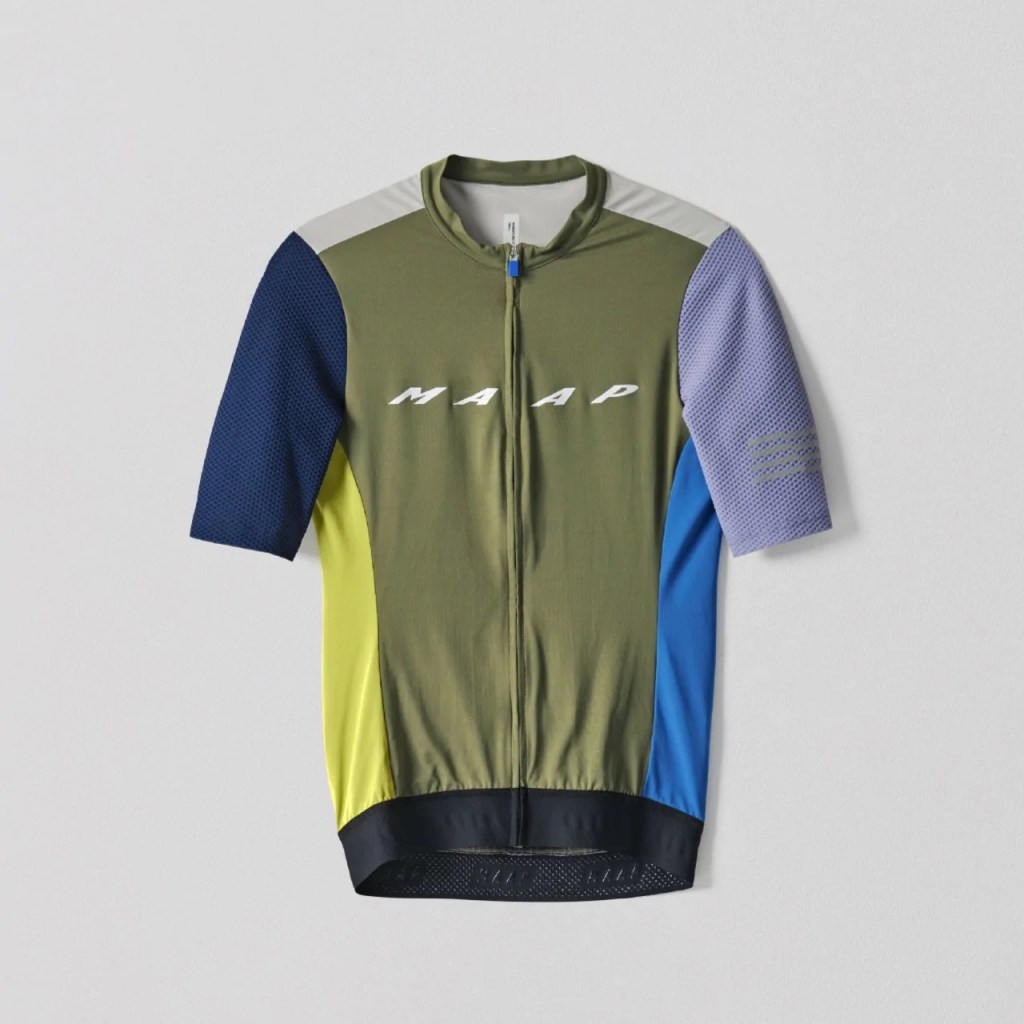
This limited edition cycling jersey from Melbourne, Australia-based MAAP is designed with performance and the planet in mind. Like the other garments from the brand’s OffCuts program, it’s made from repurposed excess …
Oslo-based Varsity Headwear’s first hat made with recycled ocean plastic, the The SEAQUAL cap uses yarn from SEAQUAL Initiative, an organization dedicated to ocean waste management. Varsity turned this fabric (100% post-consumer …
Once a plastic parts supplier for the automotive and aeronautical industries, French company Plaxtil now uses their technology to transform used face masks into school supplies. The idea took shape after a …
LikeMindedObjects collaborated with Francesca Capone to create a loom kit that includes not only the loom but a book and video to guide users through the DIY process. Using the loom, it’s …
A team of scientists at the University of Tokyo set out to make concrete from leftover food waste, including coffee grounds, tea leaves, onions, pumpkin, seaweed, orange and banana peel. The researchers …
Architects at Reykjavík-based Studio Arnhildur Pálmadóttir are researching ways to harness molten lava from Iceland’s volcanoes to use as a natural building material; an alternative to current materials which are responsible for …
New research published in Materials Letters announced that scientists at Washington State University found a way to recycle face masks by incorporating them into concrete, creating a more durable material that is …