Basecamp Explorer’s Sustainable Tourism in Kenya’s Maasai Mara
Several low-impact camps in Kenya’s beautiful Naboisho Conservancy
Just over 20 years ago, Svein Wilhelmsen visited Kenya’s Maasai Mara and met Ole Taek, a Maasai Chief. As the story goes, the two men spoke late into the night, and Taek shared his fears about the future of his land, the future of the ecosystem and in turn the Maasai people themselves. Struck by the conversation, the people, the wildlife and the sheer beauty of the place, Wilhelmsen vowed to help protect it. Just six months later, Basecamp Explorer was born.
The vision was the easy part: to protect land inhabited by some 600 families (and their livestock) by turning it into a reserve where native wildlife could live, prosper and migrate freely. Additionally, they wanted to create partnerships with safari operators in order to host tourists who could bring money into the region. Ultimately, this strategy was considered and implement to provide a guaranteed income and job opportunities to the community.
To get to that point required deep trust from local Maasai elders. The plan required that the 600 families put their land into a trust—it would remain entirely and exclusively theirs, but would see the families and their livestock move to nearby land outside of the conservancy. In exchange, families would receive a monthly income guaranteed by the trust based on the amount of land they own as well as a variable fee based on occupancy in the conservancy’s camps. The families have access to the conservancy, and their livestock are able to graze in certain areas. The rest of the land is dedicated to enabling the wild animals to live and migrate freely, and its flora.
In turn, the tourism partners who invest in the Mara Naboisho Conservancy‘s low-impact safari camps (there are eight, with a total of 150 beds; that’s one bed per 333 hectares) rent the land and guarantee payments to the trust. Regular and recurring income has positively impacted families, but that’s just part of it.
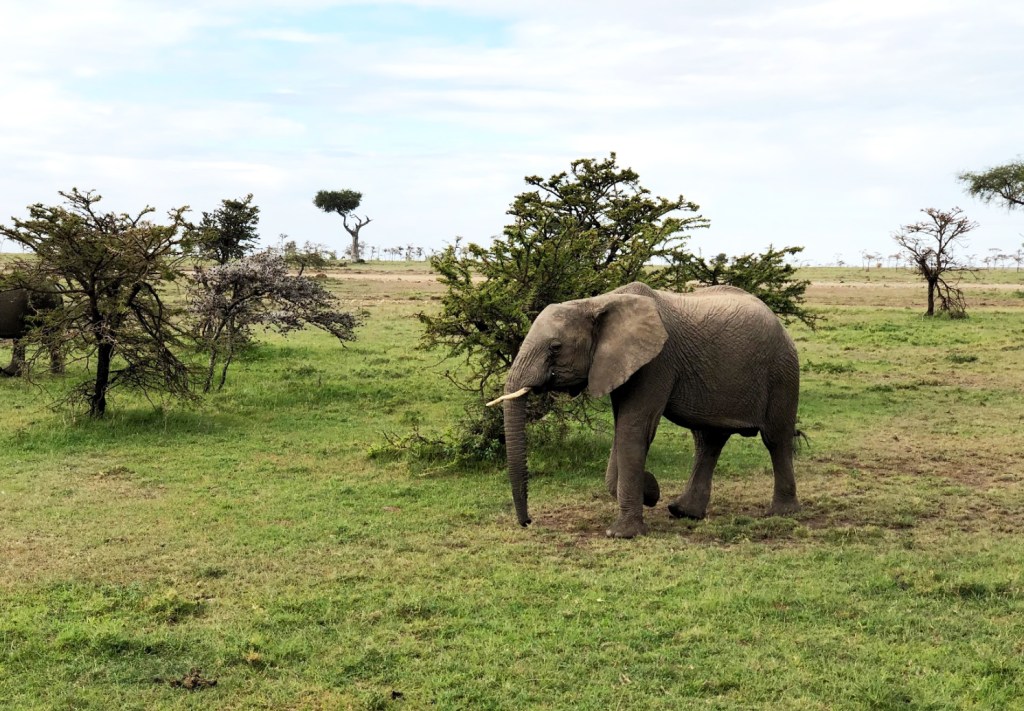
Launched in 2010, the Mara Naboisho Conservancy is one of nine private conservancies adjacent to the larger Maasai Mara National Reserve and—at 50,000 hectares—the second largest of several adjoining conservancies. Together they nearly double the national park’s size, providing contiguous land for the animals to live and migrate freely. As privately run entities, the organizations can monitor access to the land, limit the number of tourists who visit, employ staff to protect the animals and do more to support the community. They are located alongside the Serengeti National Park (across the border in Tanzania) and provide one of the largest wildlife areas in the world—home to nearly 40% of Africa’s remaining larger animal population, and many smaller ones too. This percentage is important to understand in context: more than 95% of rhinos, cheetahs, elephants and lions have been lost to poaching, hunting and human development in the last century. This is why places like the conversancy are so important. Today, the animals and people who live there are more dependent on each others’ survival than ever before.
Leopard Hill is situated around an enormous and unusual split fig tree, home to a playful congress of baboons that will entertain and serve as local alarm clocks. Each permanent tent features 360º views to the nearby watering holes where animals congregate, a fireplace on the terrace, an indoor and outdoor shower, a toilet and running water. Each also features a mosquito-netted skylight, operated by remote control, which allows guests to stargaze while laying in bed. All-inclusive meals occur in the common lounge and dining tents, where dozens of staff members ensure comfort and safety—and more importantly, share stories and experiences.
Each of the camps offers its own unique and special experience. Dorobo moves locations seasonally with guests staying in tents, and walking safaris are a highlight there. Members of the Maasai security team may engage in spear-throwing contests that are remarkable to see. The camp has outhouses with a toilet and a shower. Wilderness Camp offers a permanent camp setting with larger tented rooms, beds, furniture and bathrooms. Basecamp Masai Mara is perhaps the center of the Basecamp Explorer brand. Visitors can peruse the gardens and nurseries that are the heart of an effort to plant 500,000 trees in the area—a goal they are well on their way to achieving. Other experiences include visiting Talek and meeting the Maasai women who bead for the Basecamp brand.
There are many safari experiences to be had in Africa, but few as impactful and accessible as those with Basecamp Explorer and its friendly, engaging staff. Staying at any camp includes meals, most beverages and daily safari outings—and incredible views throughout. Visit Basecamp Explorer for more details and to view the extensive range of available packages.
COOL HUNTING always gets permission to use the images we publish; however, as an independent publication, we cannot afford to continue fighting unfair claims of copyright infringement, so the images have been removed from this post.