The Four Seasons Safari Lodge Embraces The Serengeti
A destination that celebrates its spectacular natural surroundings and Tanzanian culture
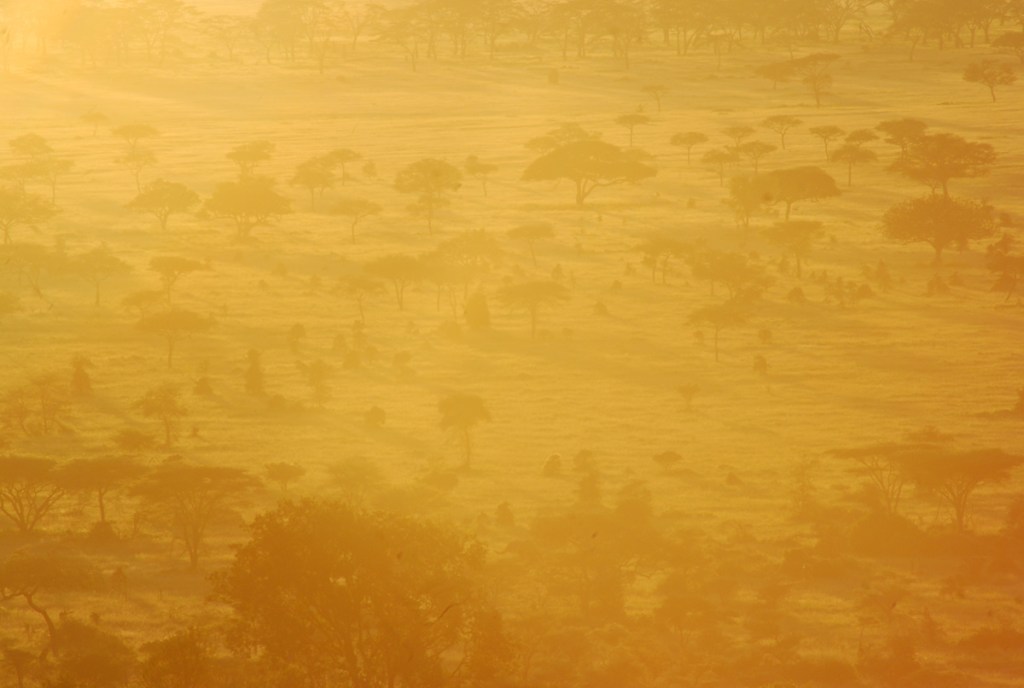
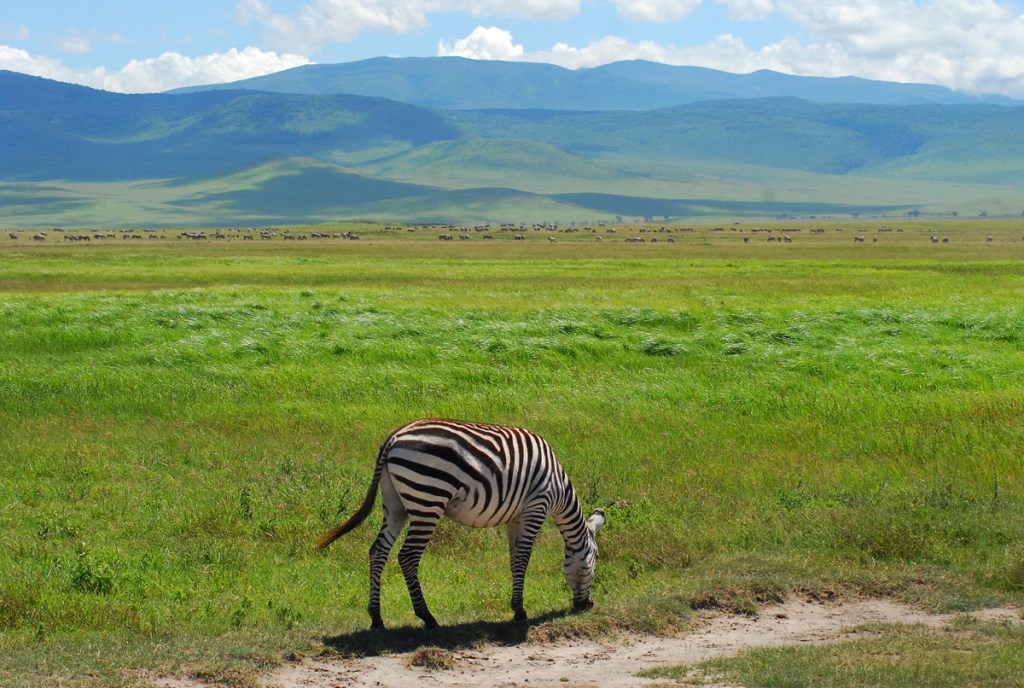
On the Regional Air 13-seater Cessna Grand Caravan, looking out over the horizon, the view is stunning and uninterrupted until landing at Seronera Airstrip, Tanzania. The tiny airport—with its unpaved runway—is in the middle of the vast, beautiful Serengeti. Passengers disembark down a three-rung ladder and are immediately met by incredibly the warm and welcoming Four Seasons Safari Lodge Serengeti staff. During the 45-minute drive to the lodge, the driver points to a tree filled with Secretary birds perched on the branches. Gazelles sit in the grass and spring through plains alongside the car. Elephants cross the road. Soon it becomes clear that all drives in the Serengeti are filled with animal sightings—and the safari experience has begun.
At the lodge, the hotel’s manager, Martin Cody, stands out front with Maasai tribesmen wrapped in traditional plaid shukas, to welcome guests. “I like to greet all of the guests when they arrive and after game drives,” Cody tells us, and this warm, welcoming vibe never ends.
Inside, art and sculptures made of wood, beads and shells fill the lobby. A massive installation of baskets—filled with examples of the colors, patterns and techniques of traditional Tanzanian craft—flanks the staircase. Most of the art on display at the lodge is sourced through the Cultural Heritage Center in Arusha (the city where travelers board planes to fly into the Serengeti or begin their Kilimanjaro treks).
Architect Francois Theron of FDT Architects in Kenton-on-Sea, South Africa designed the lodge and actually helped choose the site—an area that resembled a natural amphitheater. His concept was to create a building with curving lines that unfold along the landscape. Thatched roofs are formed from local grasses beside teak decks and railing made from local muninga wood and bamboo. Alongside the lodge, Theron built the waterhole for the elephants and other animals.
The interiors—designed by Ori de Corti—celebrate the talents of Tanzanian artisans. Items that convey the beauty and majesty of Africa can be viewed at every turn. The guest rooms and villas are filled with colorful African fabrics, but throw open the drapes at any time of day to see giraffes, warthogs, elands, and gazelles grazing walking toward or away from the lodge.
From the main building, raised walkways lead to guest rooms and villas offering views of the Serengeti from multiple perspectives. Following the pathways to the spa, the high rocks above are a favorite gathering space for baboons. Baby lizards scamper across and geckos can be found clinging to the walls. Small grey hyraxes perch on the trees. This immediate proximity to wildlife constantly reminds guests they’re in the middle of the Serengeti.
After several game drives, heading out on a walking safari feels like entering a whole new world. Guides and the resident naturalist explain various tracks, plants and characteristics of the topography. Plucking a leaf from a fragrant basil plant, our Maasai guide explains that it’s used by his people as deodorant. Further along the walk, he explains that the sandpaper tree (also known as a forest sandpaper fig, white fig, or sandpaper leaf tree) is for exfoliating and creating a tonic or tea for when Maasai women give birth.
As the sun goes down, guests can have a candlelit bush dinner not far from the lodge. Beginning with cocktails and wine served around the fire pit, the meal is then moved to a table set with hand-woven table clothes and hurricane candles. Out there, under the night sky, with candles flickering and the sounds of the animals in the distance, it’s quite reasonable to feel like it’s all a dream.
COOL HUNTING always gets permission to use the images we publish; however, as an independent publication, we cannot afford to continue fighting unfair claims of copyright infringement, so the images have been removed from this post.