Black Diamond Wants to Kill the Monsters of Unsustainable Outdoor Gear
Eliminating forever chemicals and microplastics is only the start of what’s possible for the brand
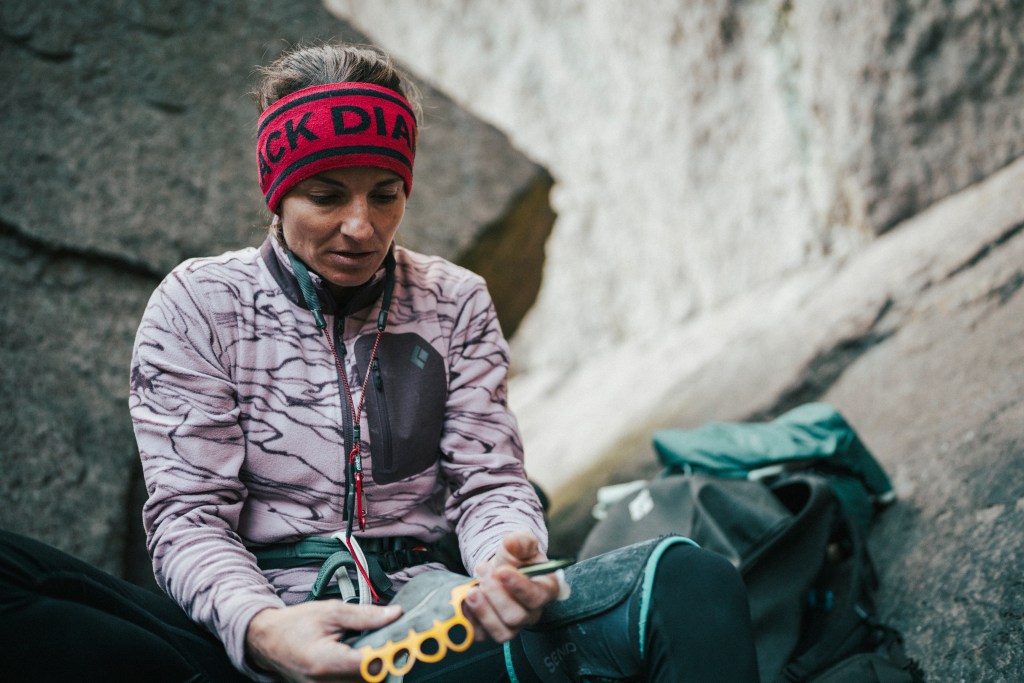
Synthetic fleece is a remarkable material. A fleece blanket, jacket or socks provide warmth and are typically lightweight and reasonably breathable. And it’s durable, hydrophobic (so it won’t “sweat through”) and typically pretty affordable. There’s just a teensy issue: it’s often made directly from fossil fuels and the core polyester doesn’t biodegrade, but shreds into microplastics, polluting groundwater and the ocean. Microplastics have invaded the bloodstreams of every mammal species on Earth, including us.
So there are plenty of reasons to want fleece to either go away or to become less hazardous.
Which is why when you talk to Julie Hirsch, the business unit director for apparel at outdoor brand Black Diamond (BD) and Material Developer Emily Peterson, they’ll get excited at the mention of CiCLO, a new additive the company started using in their line this year. Peterson explains that Black Diamond is known as an innovator: it was a precursor to Patagonia and a gear pioneer in the “clean climbing” movement, creating spring-loaded cams (called Camalots) that could be removed from crevices. Much later, BD launched the first electronically powered avalanche airbag, and after that, pushed innovations around stretchable Merino wool.

But CiCLO hews more to the original mission of BD—just like the original Camalots, it’s designed to leave no trace of your or your apparel behind. Don’t worry, this won’t happen quickly, but slowly over time, Peterson says.
“[CiCLO] gets added to the polymer chips at the very beginning of the yarn spinning process in our new Rift Fleece.” And, Peterson says, it works like a very specific kind of tasty seasoning that makes the polyester fiber more appealing to enzymes and enables that material to be organically digested in just a few years. Compared to a degradation cycle that usually takes nearly a century to decompose in sea water, fresh water, wastewater or a landfill, this is impressive progress. The company researched CiCLO to ensure it wouldn’t become enzyme food in your washing machine or wear out too fast with regular use because Black Diamond, Hirsch emphasized, isn’t interested in making fast fashion. They don’t want to sell anything that becomes useless rapidly for the sake of sustainability.
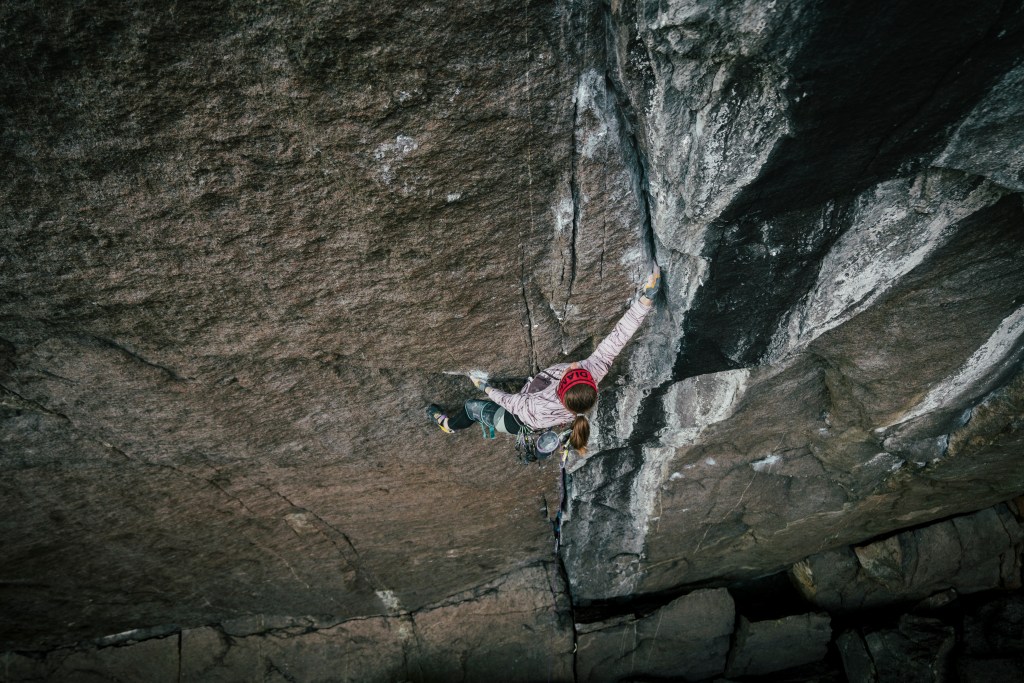
That said, because CiCLO fibers are also edible by enzymes, even as they shed through washing, that material won’t become forever bits of microplastic the way traditional fibers would. Instead, they’re more like cotton or wool or other “grown” materials that microorganisms can digest. Black Diamond says they’re also experimenting using CiCLO to break down nylon, which is often used in the shell fabric of outerwear and tents and takes even longer to biodegrade.
Meanwhile, they’ve reinvented another product, the Mission Duffel, to be far more carbon neutral. This might not sound impressive or important, but for a brand like Black Diamond, a duffel that might be tied to a rope and hauled up the side of a mountain must be bomber. Paul Leonard, category manager for BD’s mountain division, says that’s “absolutely non-negotiable.”
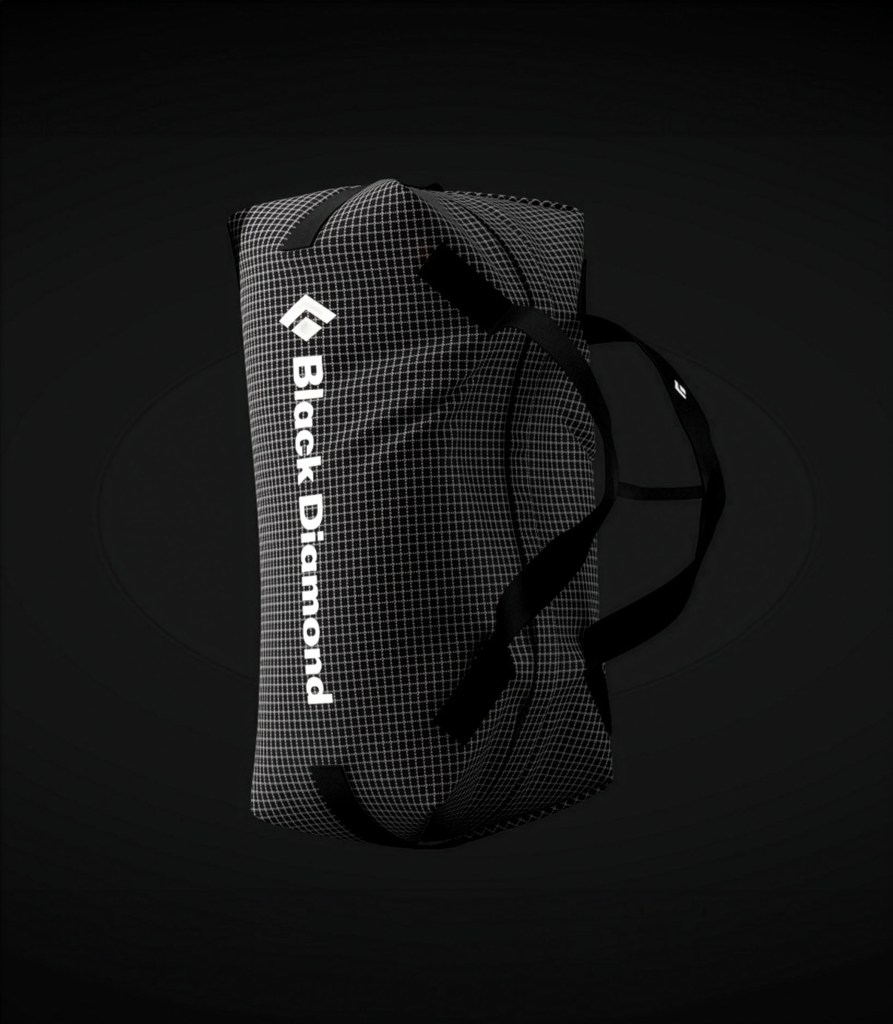
“We already have a pretty great bag called the Stonehauler Duffel,” Leonard points out. But that bag, made from recycled PET (plastic bottles), had an issue. It’s a little too beefy for the guide community, which fessed up that they weren’t using the Stonehauler at all. Instead, they were buying a super cheap “long simple duffle that fits in a pulk sled,” often hauled to a basecamp for alpine ascents. But the bags were essentially single use, purchased on Amazon, then tossed after the end of each expedition. Still, these bags had two crucial attributes: they were lightweight with one long zipper that enabled finding gear inside quickly.
To make a similar duffel, but have it be completely durable and sustainable, Derick Noffsinger, technical soft goods design director, calls it “the ultimate kind of design challenge. Oh, and we wanted to reduce our carbon footprint by 50%.”
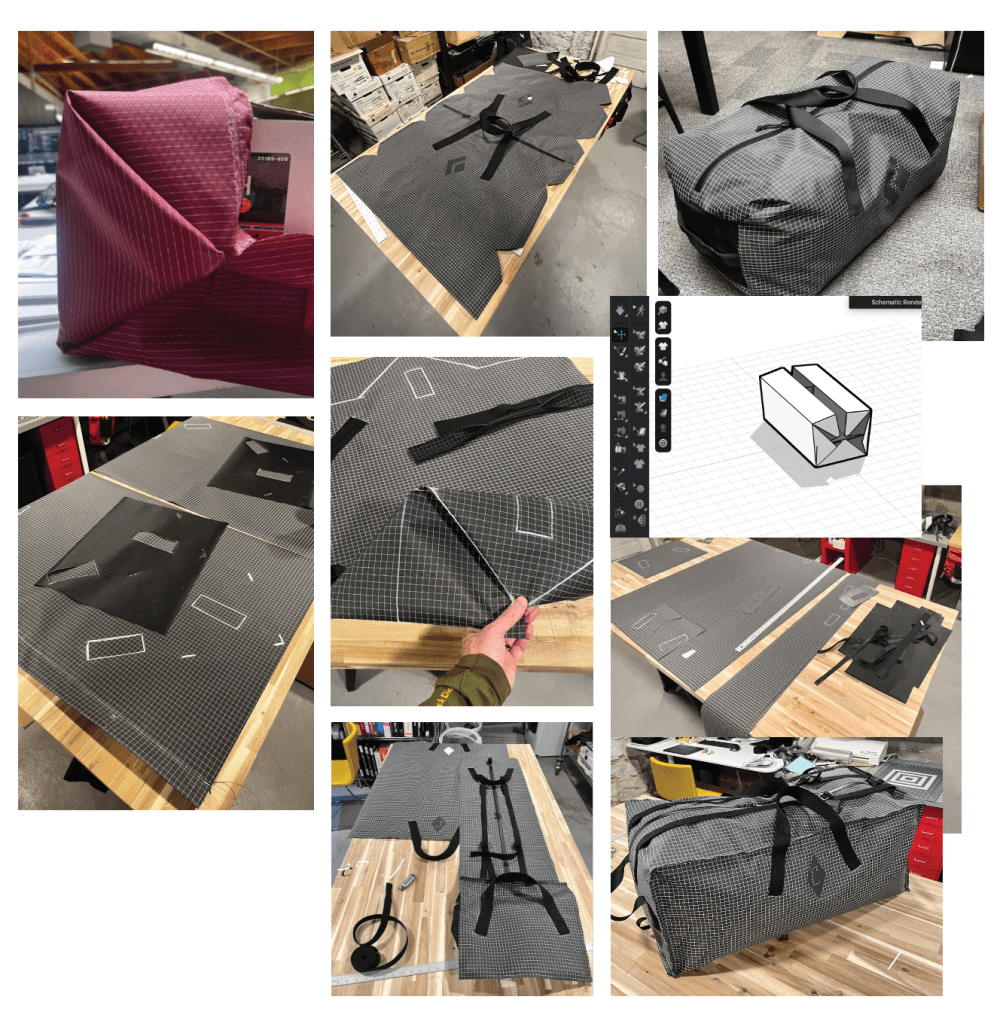
What Noffsinger did was approach the project like a puzzle. One of the first aspects he noticed was that “if you take a rectangle duffel with a straight zipper, there’s a high chance that we could get to almost zero scrap or cutting waste.” During prototyping, the throwaway duffels would “last 10 minutes if you scrape it on the ground. But what can we learn from that?” Partly, that duffels could be made from just three pattern parts. “We get to almost 100% yield, without any cutting waste” when designing around the width of a bolt of fabric, rather than having to cut either end. Plus, cutting the duffel shape directly off the roll eliminates the bottom seam of the Mission, so water can’t penetrate. Simple construction also led to far lower assembly costs. The Mission can be made in just 36 steps compared to over 100 for any other B.D. duffel or bag—and quicker assembly has a far lower carbon footprint.
To keep the Mission Duffel lightweight, Noffsinger shot for straps made from a single piece of webbing. However, webbing can tear into your skin, and most duffel manufacturers attach their straps too wide to comfortably ride like a backpack. B.D. runs the Mission’s straps inboard at the exact same width and angle as their backpacks, so they don’t bite into your shoulders or slide off.
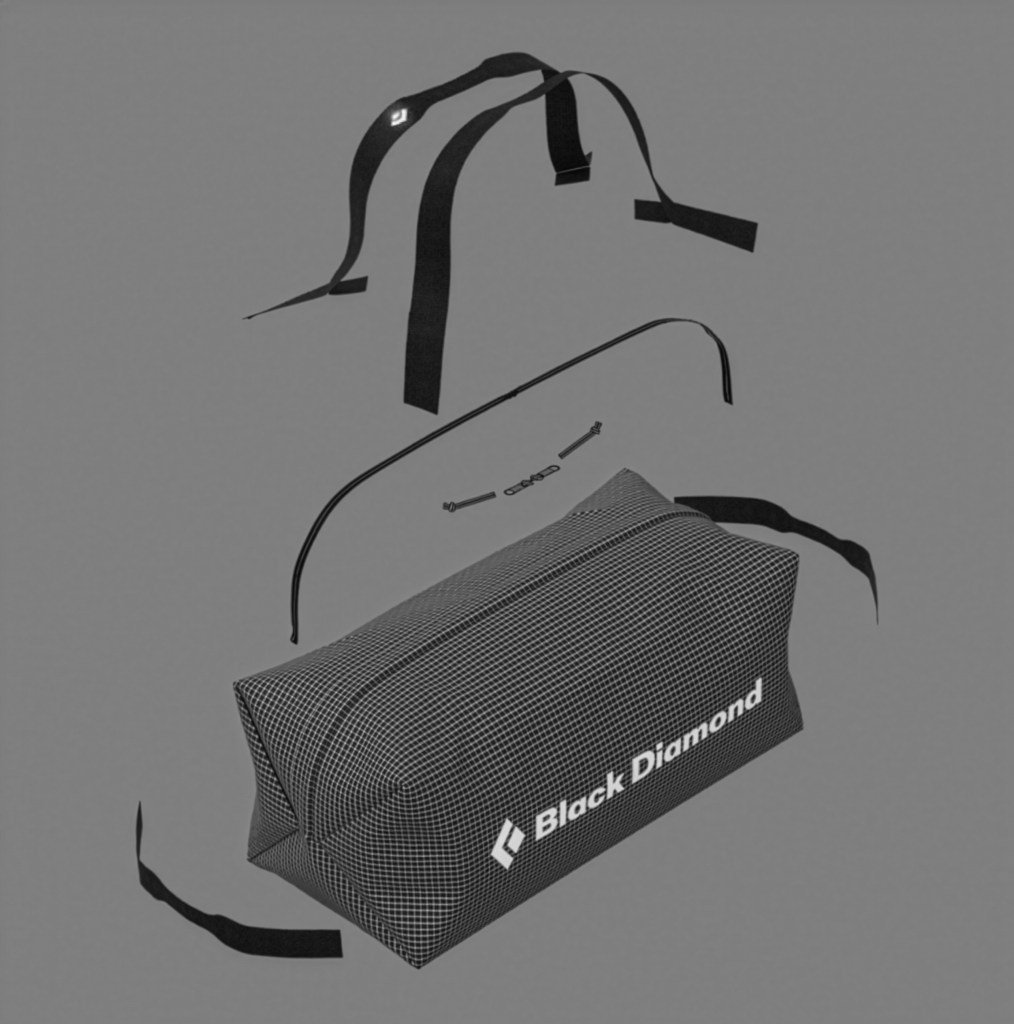
Still, there was one final issue with strap webbing: since it’s usually made of nylon and the bag body is recycled PET, the bonding of the two materials would destroy the Mission’s recyclability. So BD took PET webbing made into the lab and discovered that, through a clever hack, they could make it perfectly durable and still recyclable. After that, they applied that lesson throughout the bag, using PET everywhere possible, even for the zipper.
The Mission is about 99% recyclable and weighs just 2.2 pounds. Only a small metal foot at the end of the zipper and two buckles made of metal can’t be recycled. Cut these off, and the bag is fully recyclable, and can be converted back into any other product made from PET, which in Noffsinger’s eyes means Mission accomplished.









What are your thoughts?