The Thread That Runs Through Peru
A journey through four hotels, from a hidden jazz bar in Lima to the ancient stone courtyards of Cusco, climbing from the sea into the Andes one chapter at a time
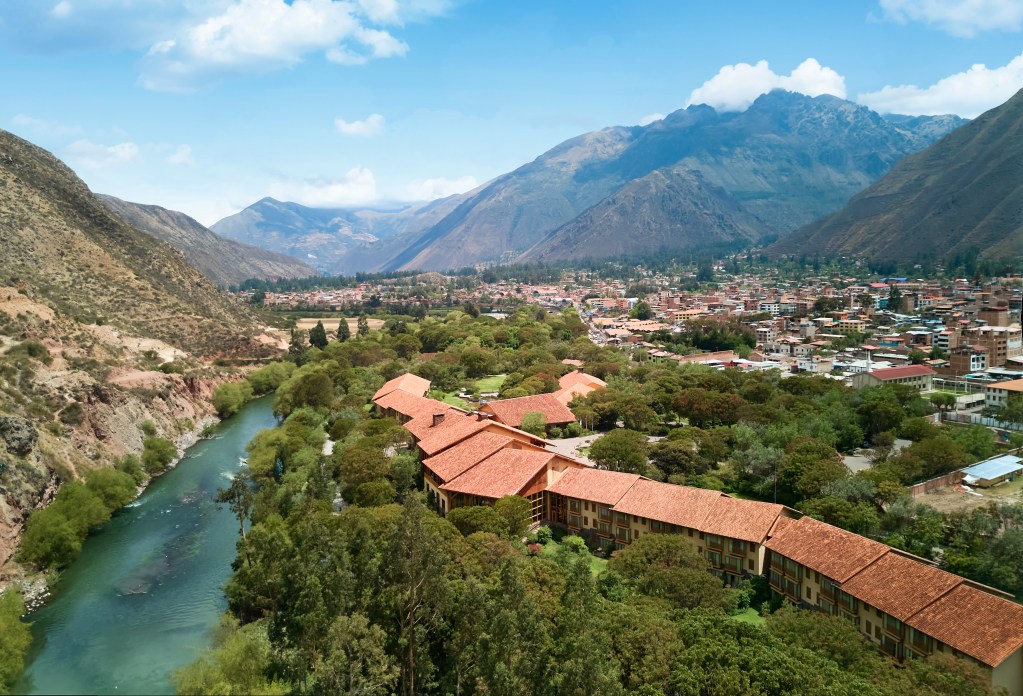
We recently traveled to the magical land of Peru, where nature is immersed with the country’s history, lively culture, local food offerings and ancestral traditions. Our route explored four properties nestled among varying landscapes, from the seaside city of Lima to the low desert, up to the Sacred Valley and ending at the mighty Andes, the longest continental mountain range in the world.
The Opening Note: The Westin Lima
Every journey needs a place to gather itself, and this one begins high above Lima‘s San Isidro financial center at The Westin Lima, where soundproofed windows turn the traffic below into a distant hush and the city lights spread out like a second sky. It was the first hotel in Latin America to earn LEED Gold certification, an early sign of the care for place that will follow you all the way to the mountains.
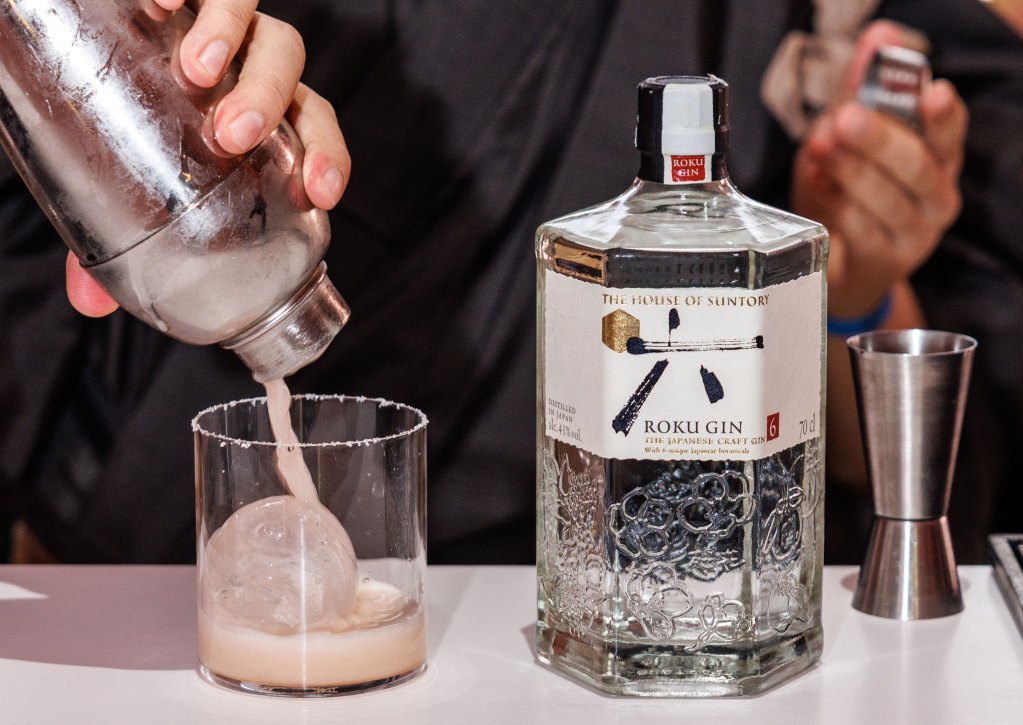
Before the night turns to jazz, you can slip into The Pisco Room by Viñas de Oro, an intimate space inside the hotel where tastings walk you through the history, aromas and flavors of Peru’s national spirit. Step behind the bar for a hands-on pisco sour masterclass where you learn to craft your own cocktail. For those who want to take the spirit home, a custom bottling experience lets you blend your preferred pisco strains, bottle the result with a personalized label bearing your name and leave with a master tour certificate as proof of the evening’s work.
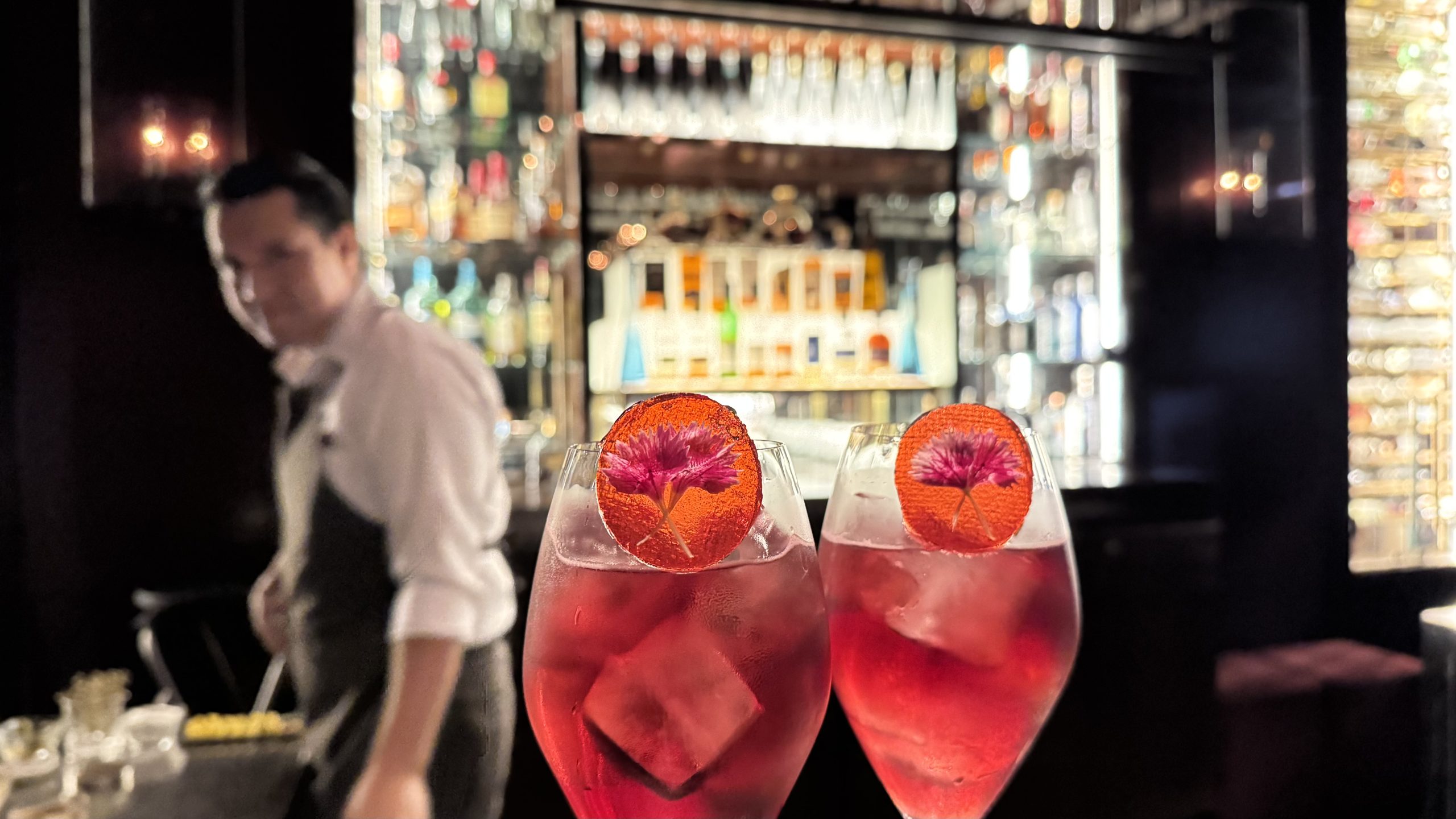
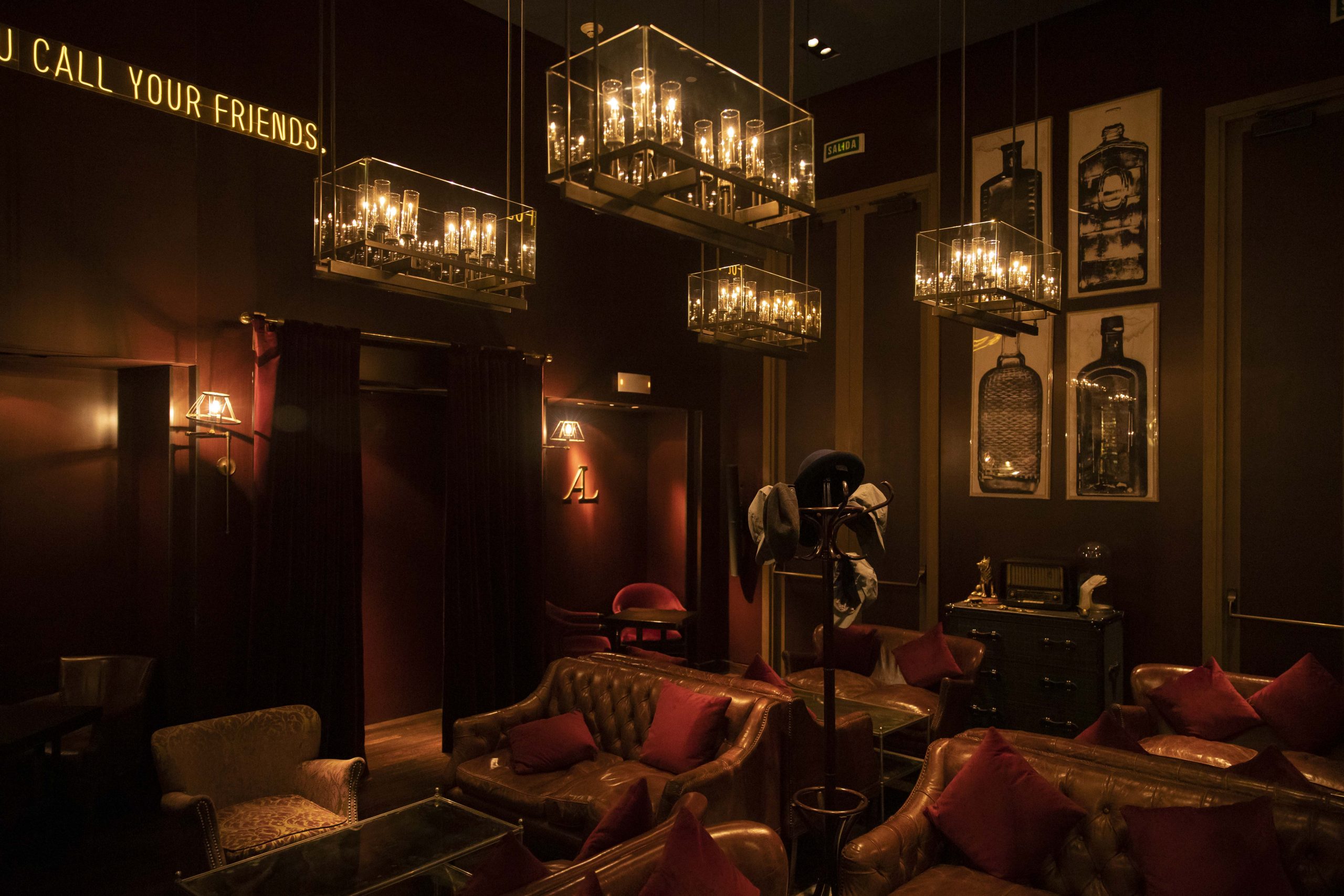
After dark, look for for Alphonse, a tucked-away speakeasy that’s reached through a small game of hide-and-seek that begins in the lobby with a golden vinyl record on the wall. A bookcase gives way to a room of low amber light, vintage glassware and velvet corners, where a saxophone slips between the tables and the jazz is soulful enough to make you forget how far you have traveled, while the bartender slides over a cocktail of cognac and apple that carries a name worthy of a gangster film.
Dinner is at Maras, the dining room of acclaimed corporate chef Rafael Piqueras, a native of Cusco who trained in some of Europe’s most celebrated kitchens and named his restaurant after the Sacred Valley’s pink salt. His menu travels through Peru’s coast, mountains and jungle, so that over the course of the meal you taste a preview of the whole journey, and by dessert you’re already looking toward the Andes.
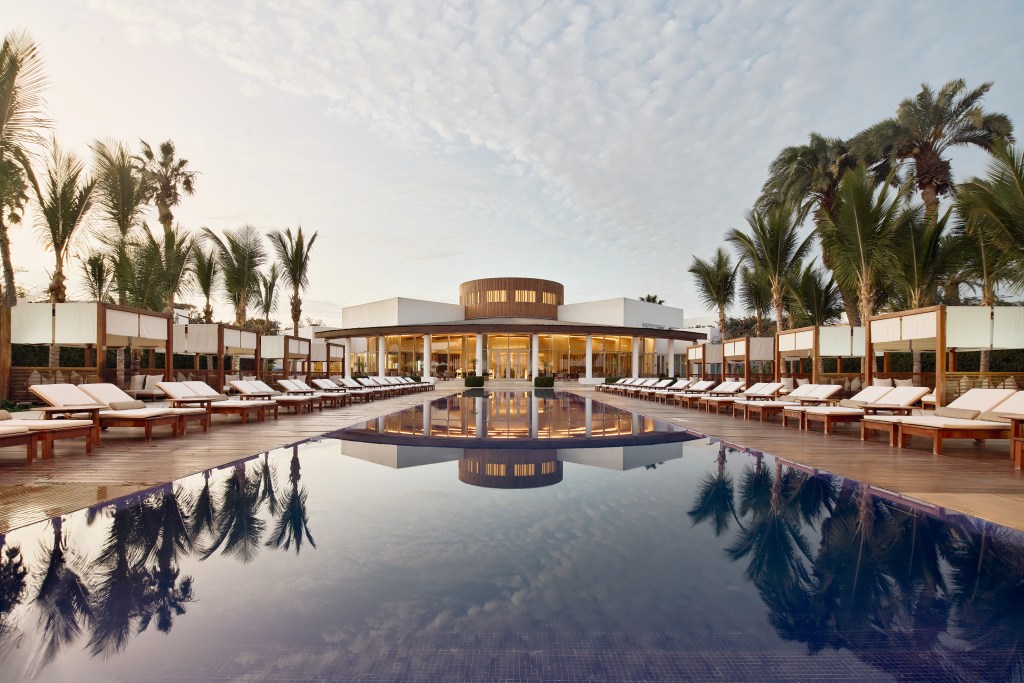
Where the Desert Meets the Sea: Hotel Paracas, A Luxury Collection Resort
The road south trades towers for dunes until the Pacific appears at the edge of the desert, and with it a whitewashed retreat with cobalt-blue doors resting on the shore of Paracas Bay. Architect Bernardo Fort-Brescia designed Hotel Paracas‘ bamboo, stone and soft linens to sit quietly within the landscape, and every terrace opens toward either the open water or a garden.
From the private dock a boat carries you out to the Ballestas Islands, a marine sanctuary of sea lions, Humboldt penguins and seabirds, and out on the open water you can also gather scallops fresh from the bay. You return from the day with salt on your skin and an appetite that is rewarded at Chalana, the restaurant at the end of the pier, where those same scallops arrive alongside ceviche and other seafood as the bay turns to copper.
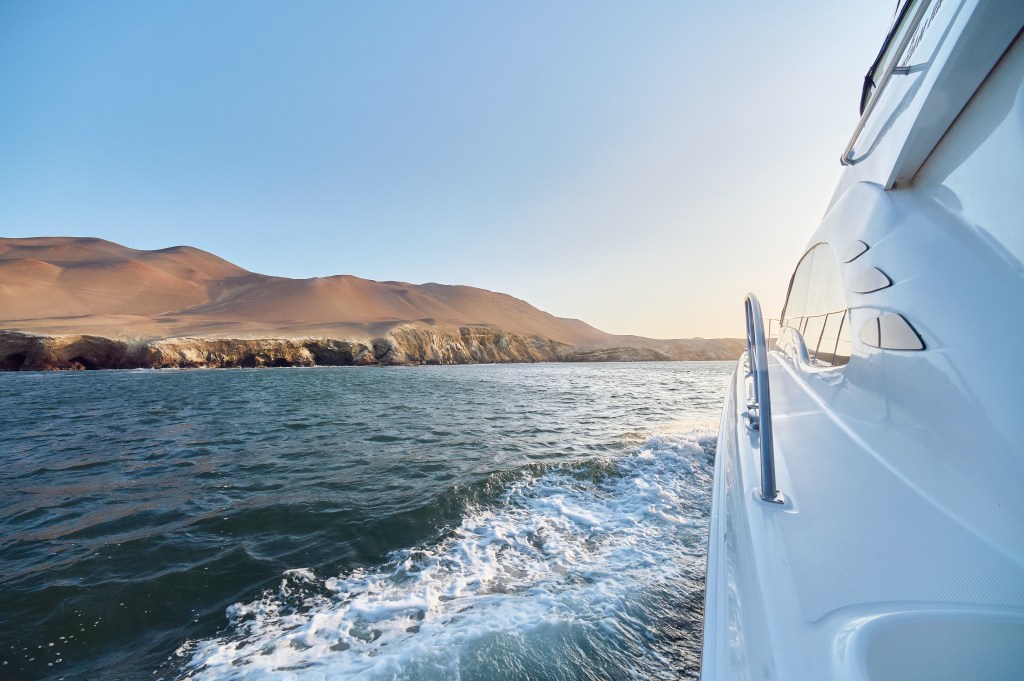
Beyond the water, the resort opens onto adventure in the desert, where sand biking, dune driving and dune buggy rides carry you up and over golden ridges that seem to stretch without end. The astonishing part is how near the sea remains, a glittering band of Pacific blue waiting just beyond the edge of an expanse so vast and so still that it feels like the far side of the world. At sea level, the journey lingers in warmth and stillness, and it gives you a reserve of ease to carry into the altitude ahead.
A Valley That Feeds its Guests: Tambo del Inka, a Luxury Collection Resort & Spa, Sacred Valley
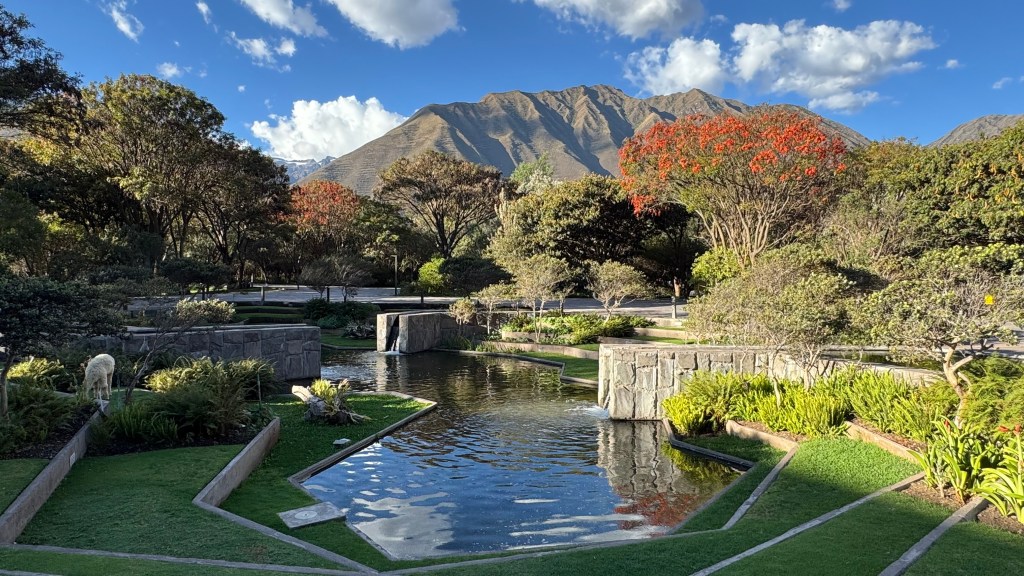
From the coast you fly into the Andes and descend by road into the Sacred Valley, where the Urubamba River keeps you company and the air is already thinner, since the valley floor lies at about 9,400 feet, roughly 2,000 feet below Cusco. Tambo del Inka takes its name from the tambos of the Inca roads—the way stations that gave travelers food and shelter—and it welcomes you in the same spirit while giving your body a gentle first lesson in altitude.
Sustainability here is the foundation of the place rather than a feature added to it. The resort was the first LEED-certified hotel in Peru, built with care for energy and the environment, and it holds the Biosphere Committed distinction, a certification aligned with the 17 UN Sustainable Development Goals. The grounds shelter an authentic Andean forest and a fully organic, 8,000-square-meter garden that supplies the vegetables, greens and aromatic herbs for the kitchen. A lunch harvested by your own hands and served facing the river and mountains feels like the most natural thing in the world.
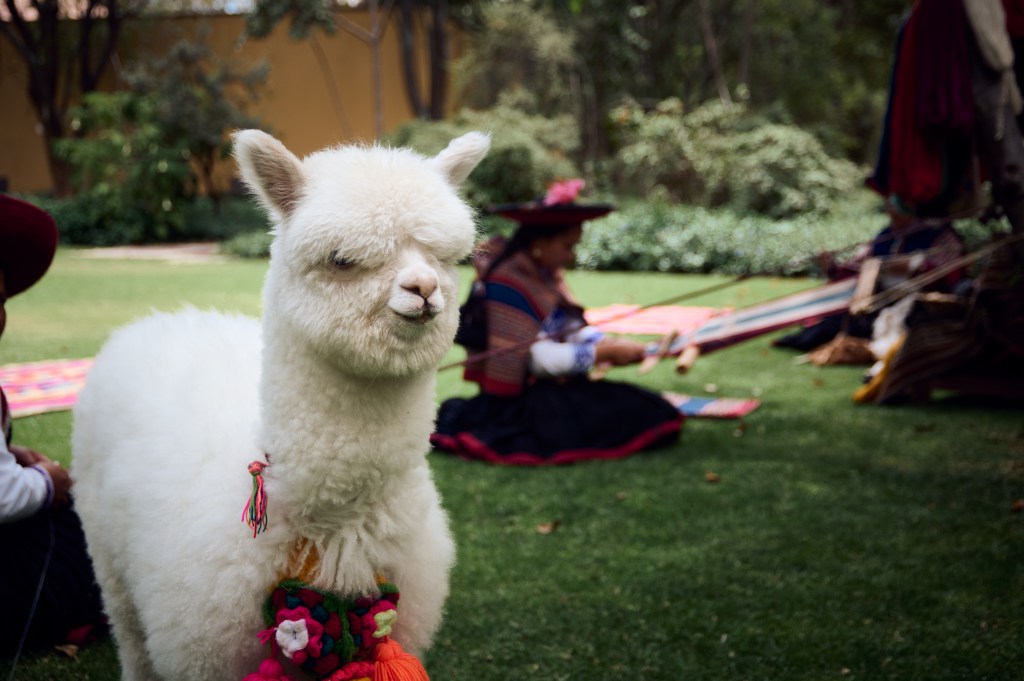
Local weavers, guardians of an ancestral tradition, share their craft with guests on the property, working alpaca and sheep wool into pieces that carry the heritage of the region. On the way to the Kallpa Spa with treatments that draw on ingredients known in the time of the Incas, you may pass a baby alpaca grazing on the lawn.
That philosophy reaches its fullest expression at AMA, a cultural ecosystem on the hotel’s Boulevard, found by following the path to the last door on the right. Inspired by the daily life of Andean communities, AMA redefines luxury as an authentic connection with the land, its culture and its nature, and every element of the space reflects the Sacred Valley through local materials, ancestral knowledge, traditional craftsmanship and the active participation of the communities themselves. The project also employs and feeds disadvantaged locals, so hospitality here becomes a form of shared livelihood.
Five Centuries in One Courtyard: Palacio del Inka, a Luxury Collection Hotel, Cusco
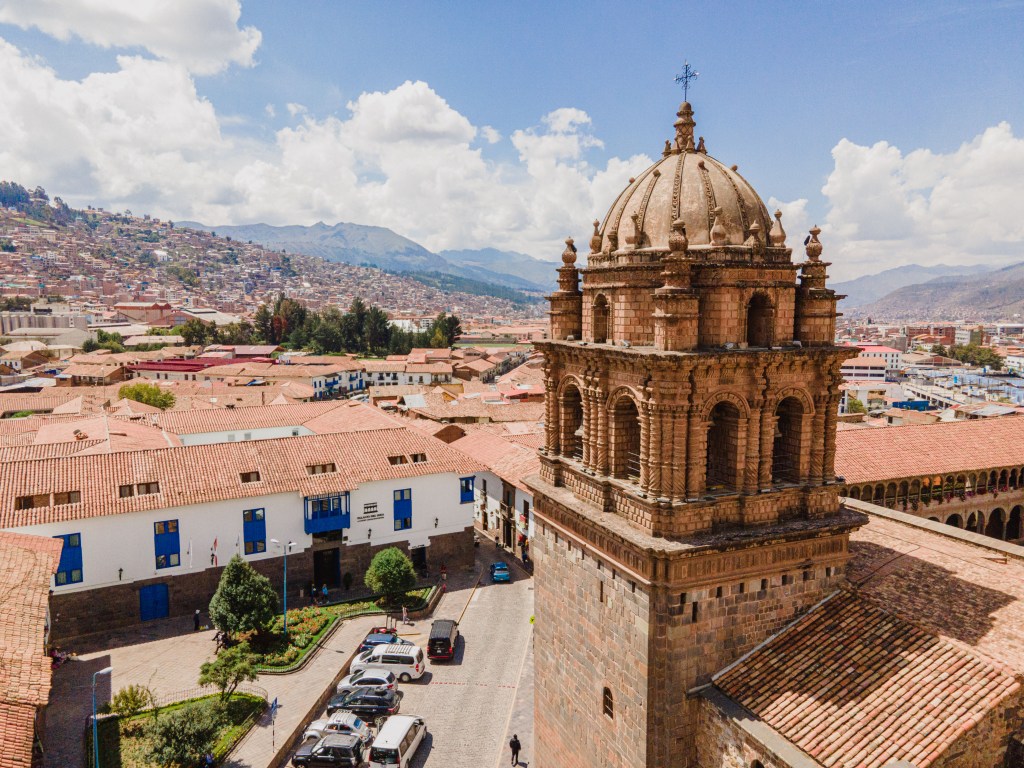
The final ascent brings you to Cusco, at roughly 11,000 feet, where your breath catches on the first cobblestone and you are grateful for the days of gradual climbing behind you. The hotel stands directly across from Qoricancha, the Temple of the Sun, and stepping through its doors feels like entering a held breath, because the building is a 500-year-old mansion whose suites occupy the Casona de los Cuatro Bustos and whose courtyard glows gold as the light fades.
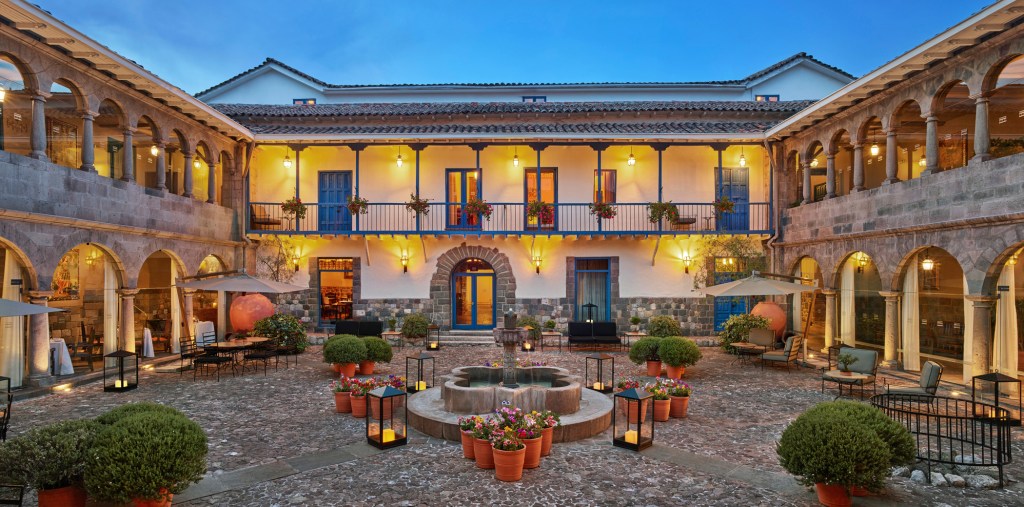
History is built into the walls: a 64-meter stretch of original Inca stonework runs through the hotel bar, an eight-angled stone from an imperial wall recalls the rituals of a vanished age, and nearly 200 colonial artworks, 60 of them original paintings of the Cusqueña School, adorn the halls as though the hotel were a museum that happens to offer beds. Mantay, the hotel’s modern art gallery, carries the story through pre-Hispanic, colonial and republican times, and a share of its sales supports a shelter for teenage mothers and their children, a reminder that the generosity you met in the valley has followed you uphill.
The altitude is met with real attentiveness, through oxygen on request, enriched air in selected rooms, and the Andes Spirit Spa, whose signature massage is meant to restore body, mind and spirit after a day among stone streets and stairways. Guests speak of Andean music drifting through the dining room and of candlelit rituals in the courtyard, where a small alpaca wanders among the tables as if it owned the place.
The journey is a single thread that begins with a saxophone behind a hidden door in Lima, passes through the desert light of Paracas, gathers its deepest meaning in a valley where a hotel feeds its guests from its own gardens and shares its Boulevard with the people who live beside it, and finishes among the ancient stones of Cusco. The four hotels read less as separate stops and more like four chapters of one story about how Peru welcomes traveling visitors.






What are your thoughts?