For the All-New Audi Q3, It’s the Bytes and Tech That Count
A thorough redesign pushes Audi back into relevance
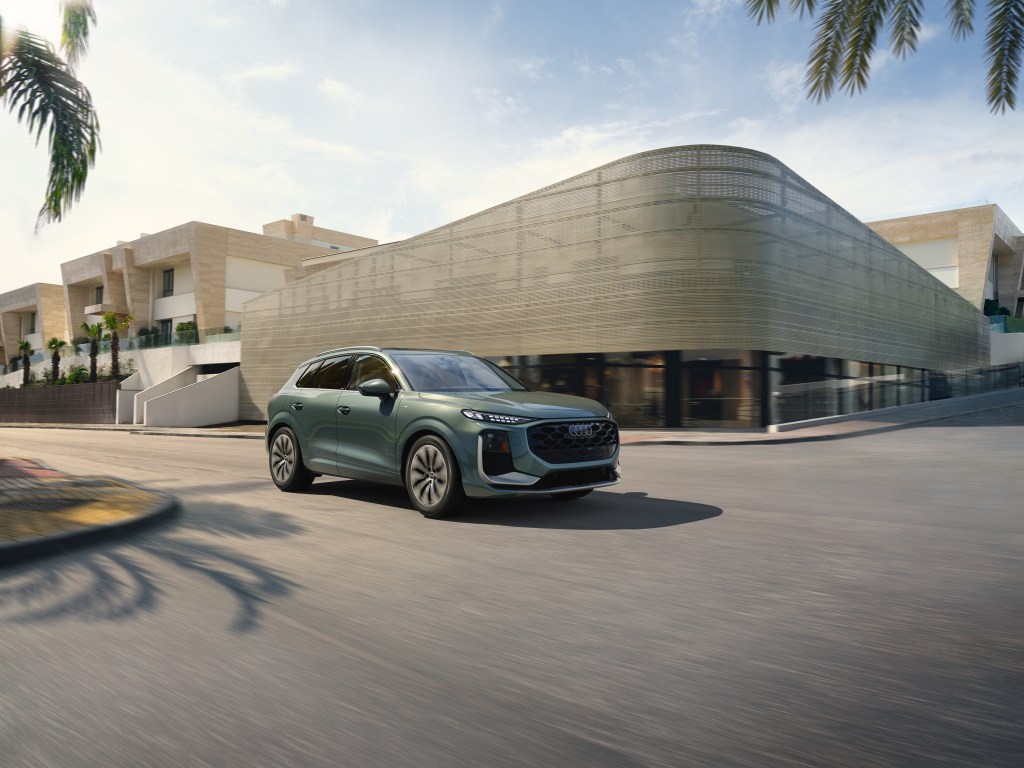
Audi made a big deal about a few tech innovations at the recent media debut of its third-generation Q3. There’s a gorgeous, curved single pane display for both driver and passenger. This “MMI” spans two-thirds of the dash, but manages not to be overwhelming—in part because it sits lower, isn’t massive and all-encompassing of the driver’s visual envelope. Offset by the largest-ever hunk of wood used in any Audi, this wooden frame forms a soft rim beneath the MMI’s digital window in matte black or a soft tan.
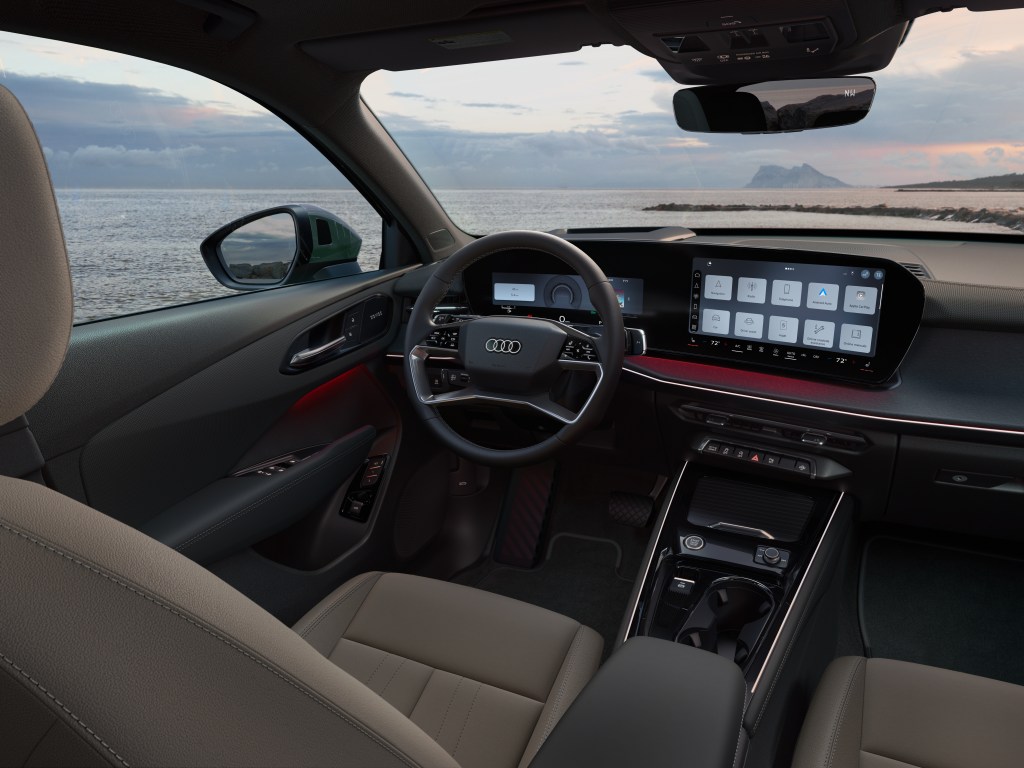
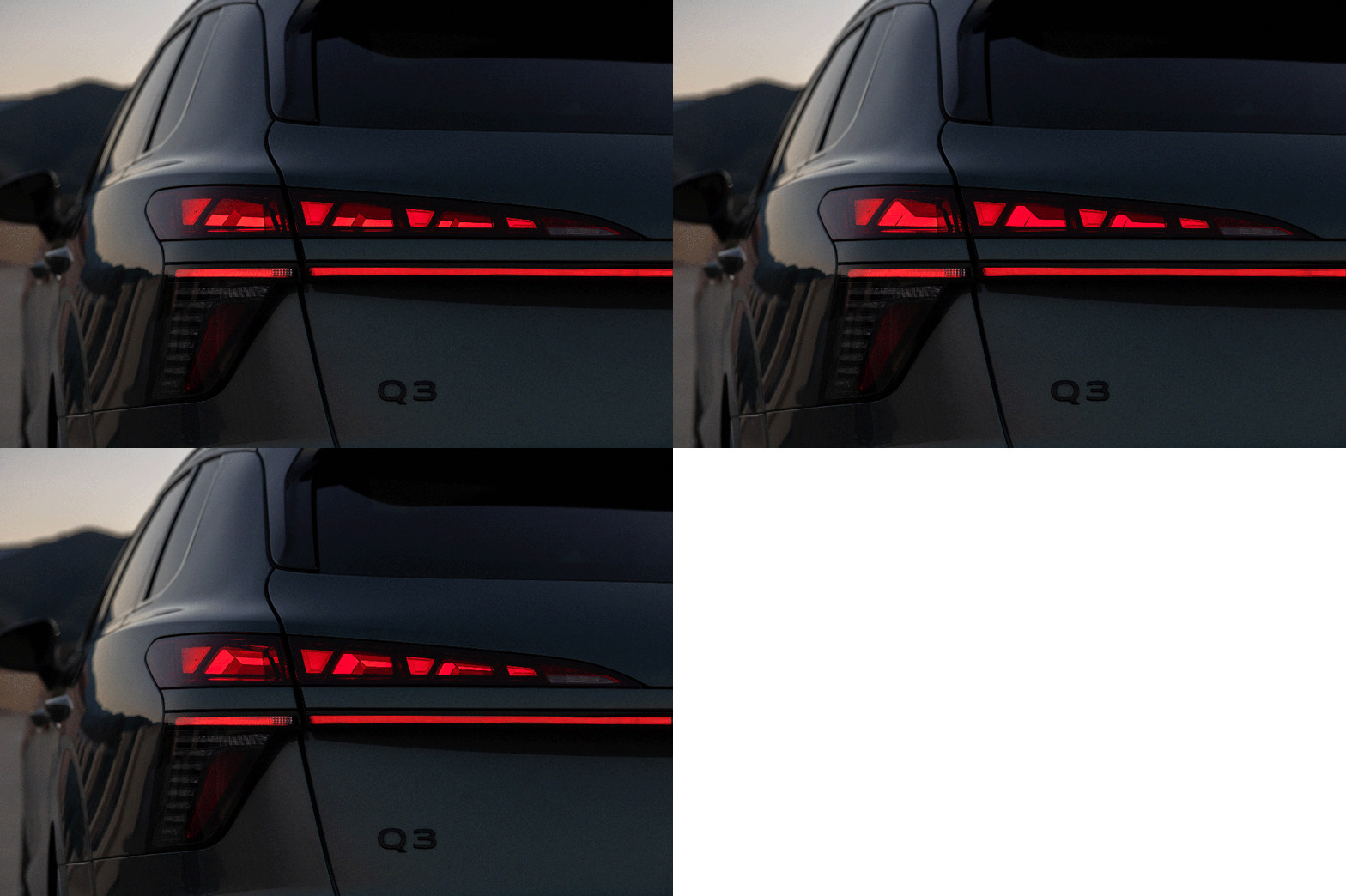
The mix of interior textures—woven piqué crossing doors and dash, satin-finished metallic door levers mirroring the vibe of pixels and sheetmetal dancing across the Q3’s exterior—form a mélange of innovation that is moving Audi upscale. Past Q3’s lacked anything near this level of clean execution and sure-handed quality. You can see and feel that confidence everywhere, in both the interior and exterior of the car, such as using LED running lights and illuminating its four-ring logo on the hatch lid.
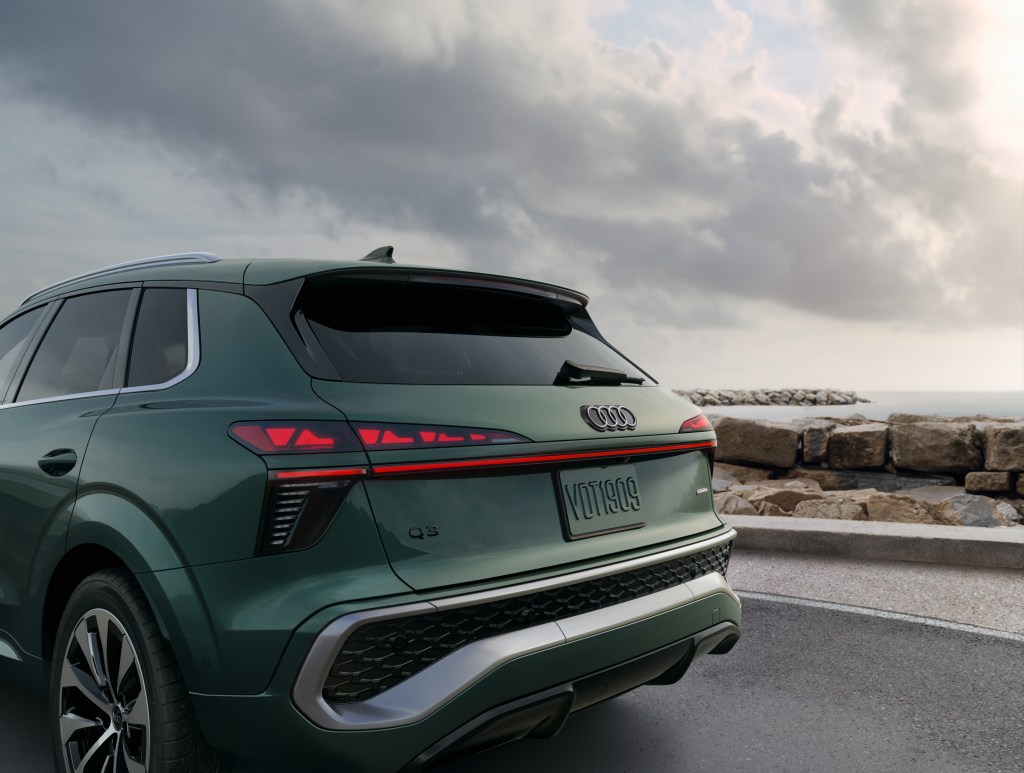
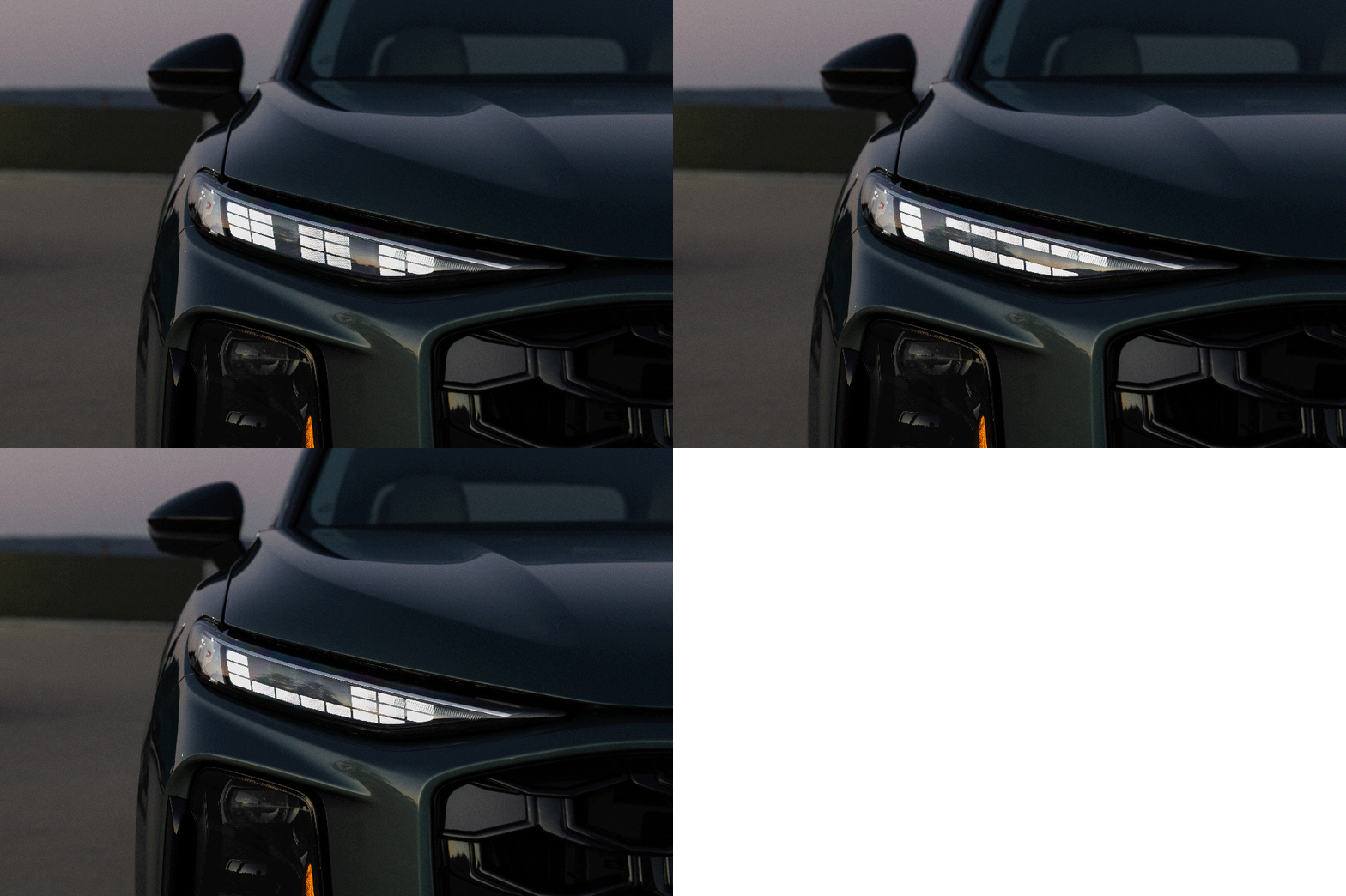
Most of these elements are subtle, like not illuminating the front badge; instead, owners can customize the 23 front DLR segments, and bespoke animated sequences that enable finding your own car in a crowded parking lot when you approach your Q3. Not blinging the front logo isn’t merely an upscale approach—it also lets the carmaker hide road and parking sensors behind that badge, rather than stuffing them into an obtrusively ugly black box like we’ve seen elsewhere.
Though this isn’t an EV, Audi’s use of active grille shutter tech from its electric cars make the Q3 more aerodynamic at speed. That’s how, even though it got a 12 percent horsepower bump, to 255-horsepower vs. 228 in the prior Q3, fuel economy remains at a combined 25 MPG despite offering best-in-class acceleration. Even with that, at speed, the Q3 is ultra quiet, in part thanks to an acoustic glass windshield, and a longer and wider chassis.
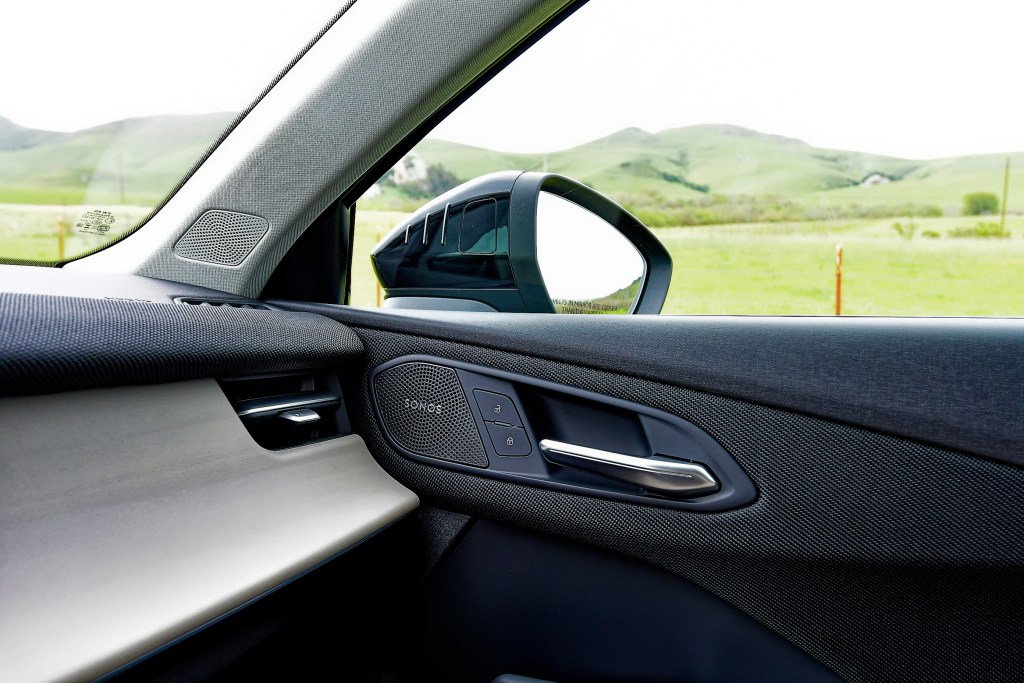
Audi makes the most of that space, too, with a standard sliding and tilting rear seat so you can either enlarge the hatch bay to accommodate more luggage or shrink it so backseat passengers can stretch out into a more comfortable position. While Audi used to aggregate desirable features in expensive packages, the new car comes with most technology you’ll want, like wireless phone charging, 360-degree camera views (very handy for parking) and adaptive cruise control. One extra enthusiastically worth the additional $1,000 surcharge: A 12-speaker, 420-watt Sonos sound system.
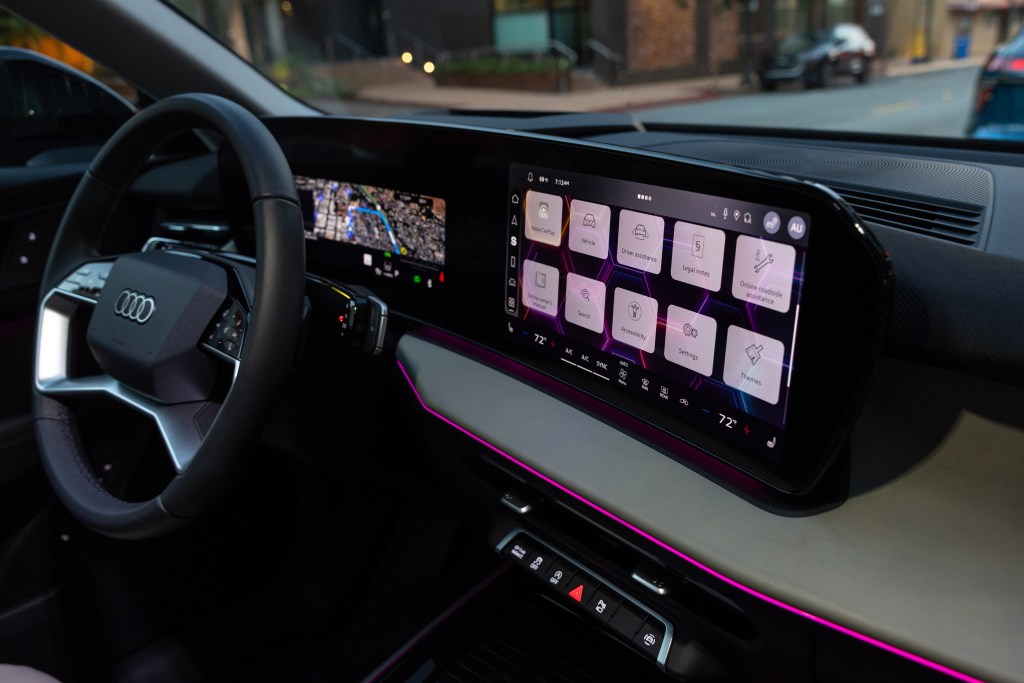
What’s baked in, however, is an upgrade to the entire MMI experience. Audi both simplified its menu structure and increased the size of every icon on the central display. Steering wheel controls are now a little more intuitive, but thankfully Audi has retained these as buttons with a physical motion, rather than switching to haptic inputs that other carmakers are using.
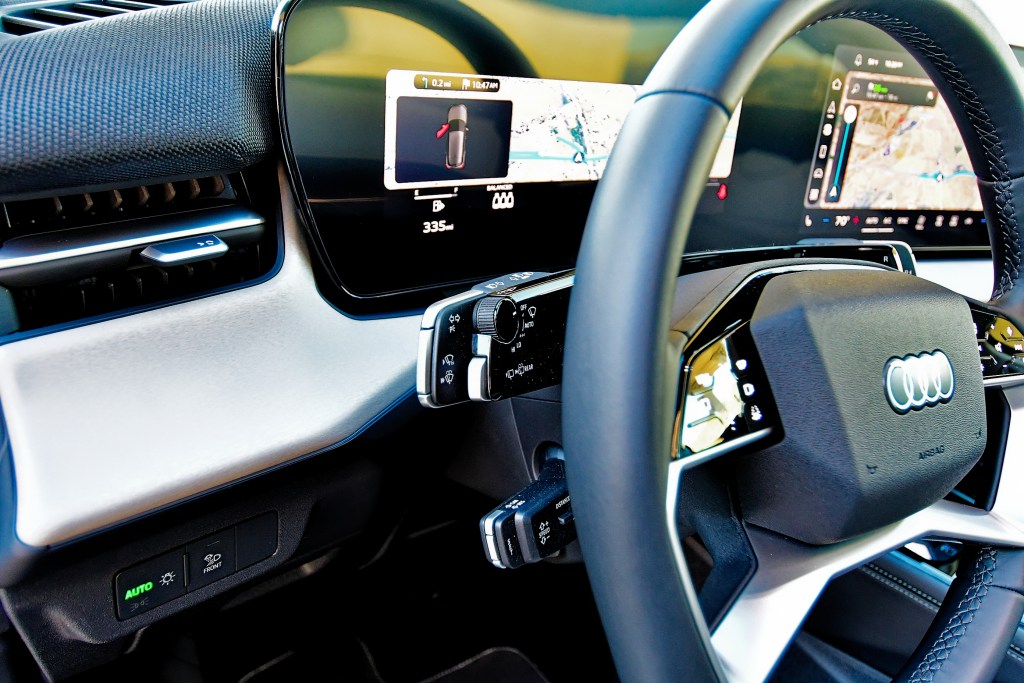
A new, possibly polarizing feature mirrors the curve of the MMI panel with what Audi’s calling the Command Interface. This shortened katana puts the shift mechanism on the right of the steering wheel and gangs wiper functions and the turn signal on the left. What would traditionally be longer stalks are stubbier, but they function well. Visually, however, they lack the deft Audi precision seen in the rest of the car.
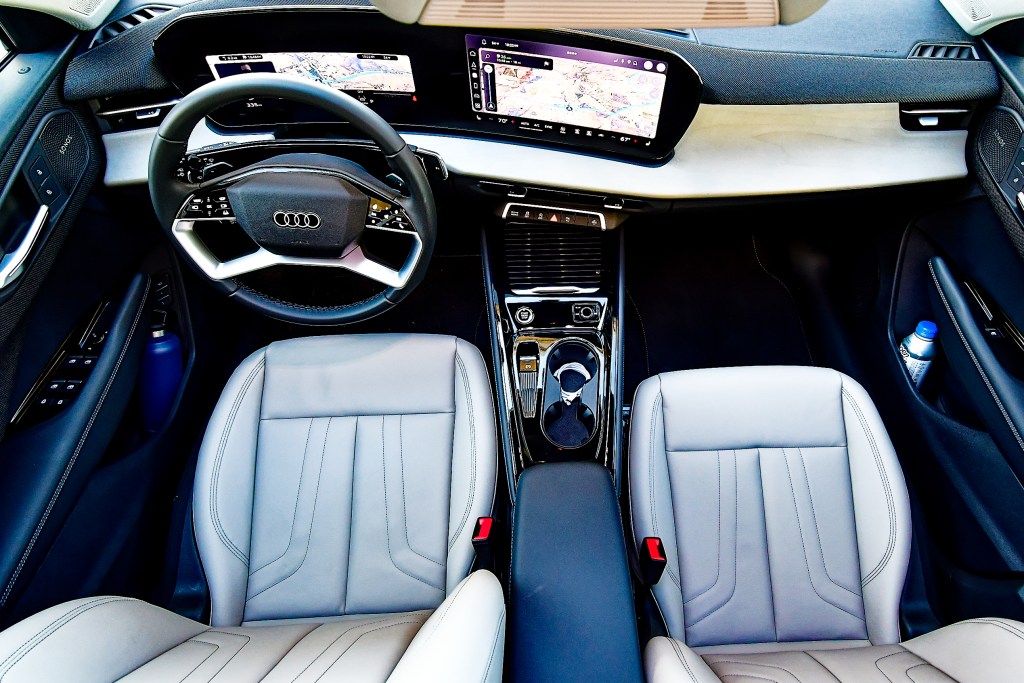
Audi completely nails the interior lighting package. Here, their effort shines, since Audi didn’t just tape on LED light strips, but used diffusers (think: tiny lampshades) to reduce the harshness of the illumination, so the colors are softer around the dash, doors and center console. You can crank it up to Eurovision pink (or green?) if you prefer, but at 2/10ths the colors glow subtly, rather than prom-night-limo garish.
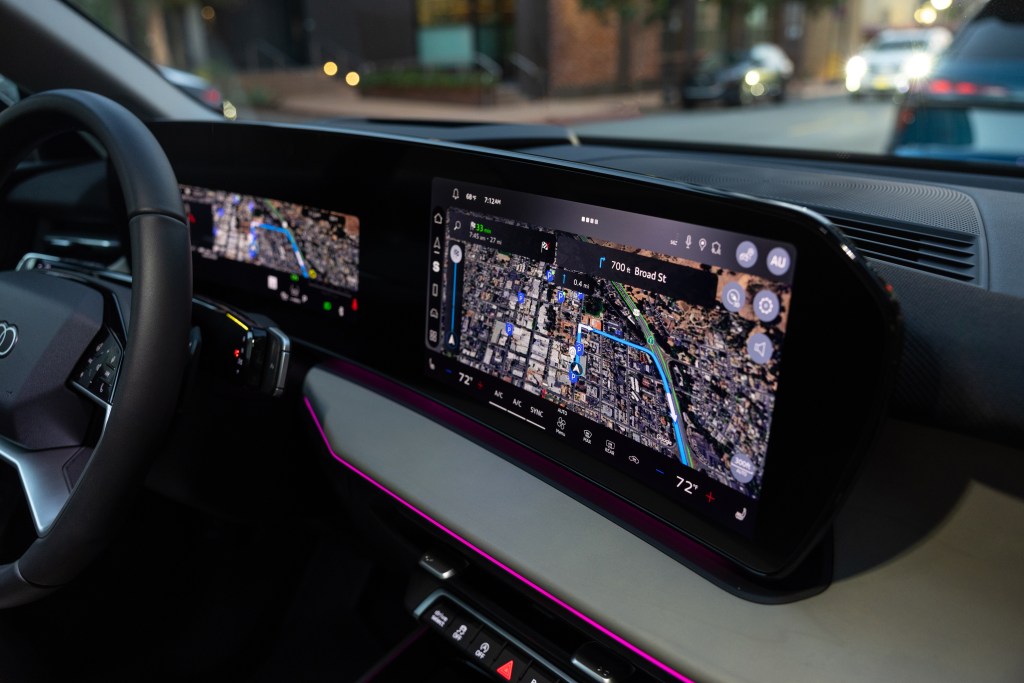
Audi was a pioneer in integrating Google Maps into their cars, in prioritizing exceptionally fast phone pairing and exceptionally fast computing. Once again, Snapdragon processing power has absolutely zero lag and fewer quirks. At some point in the past the carmaker ditched allowing Apple Maps, Google Maps, and Waze to bounce into the instrument cluster, so that the driver wouldn’t have to glance at the center console when following directions. Now they’ve returned to form, and even when we lost a cell signal during our test drive, the car’s native mapping took the baton of our original waypoint and kept us on target for our destination, thanks to GPS.
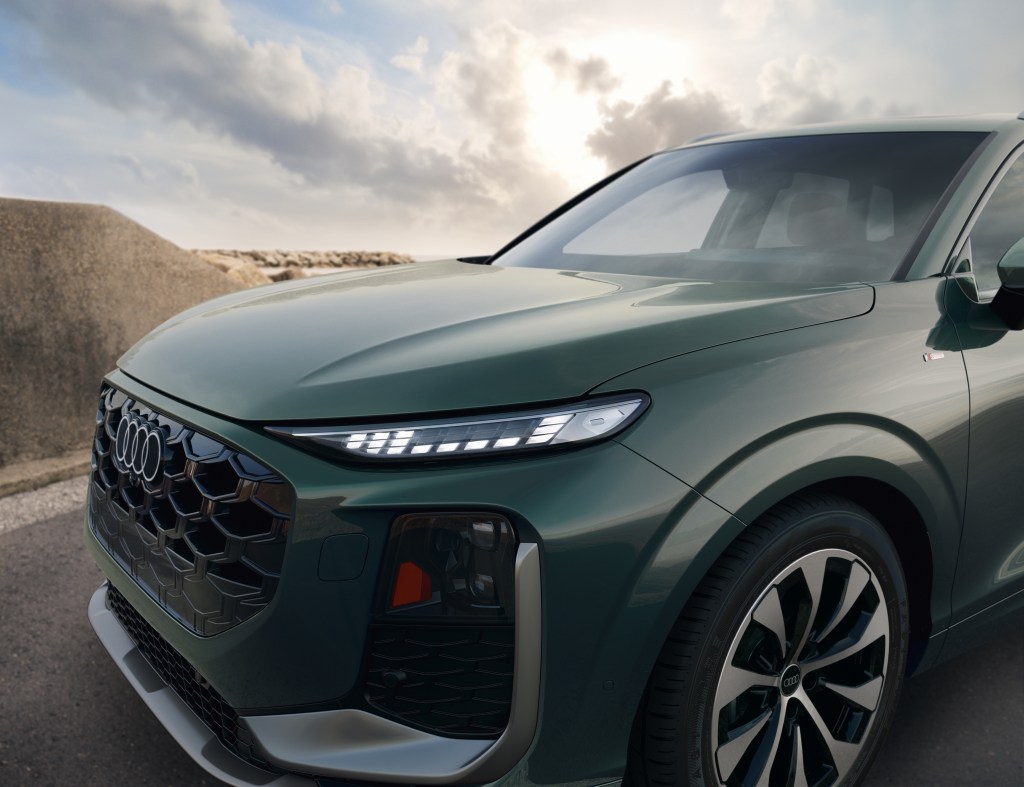
What you might want for your $43,700 sticker price is only a more spacious vehicle. Or, maybe not. At one point while we got off course and had to whip a u-turn and the tight circle the Q3 scissored across a two-lane byway reminded us why smaller is often better. With nearly 30 cubic feet of cargo room aft of the rear seats it’s why crossovers are so popular.
Now that the Q3 is faster than a BMW X1 and quicker on its toes than a Volvo XC40 and looks super sharp inside and out, it’s hard to argue with the Q3’s newfound swagger, even if Audi took its sweet time in finally showing up to the dance.









What are your thoughts?