Reimagining the Honda Civic Hatchback
Lead designer Daisuke Tsutamori explains how the team managed to make this new design just a little bit radical
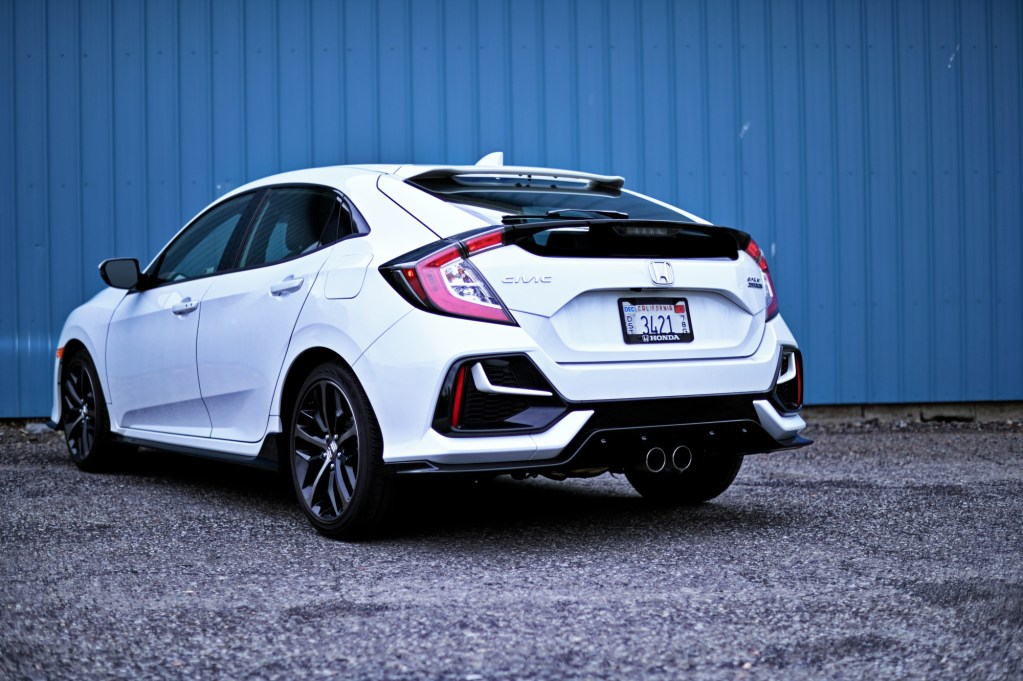
Possibly the most successful car in Honda’s history, the Civic hit America’s shores in the midst of a gas crisis in the mid-1970s and became the first large-volume Honda car sold in the US. Next year, we’ll see the 11th generation Civic sold worldwide, debuting as a 2022 Hatchback model.
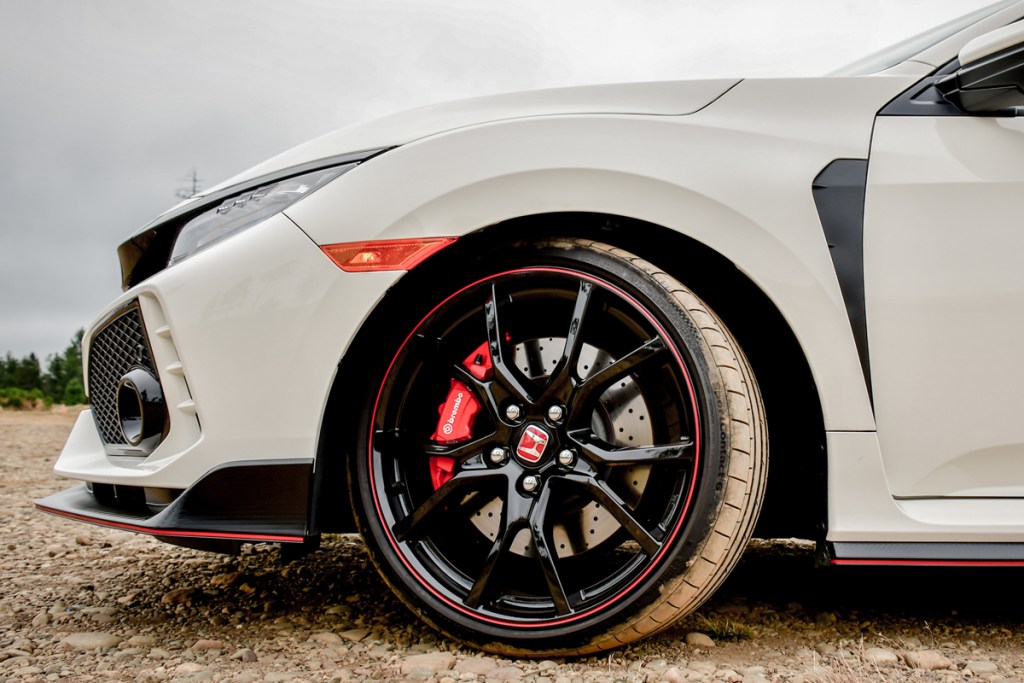
With Americans buying fewer cars, and committing more to SUV crossovers, Honda had to shake up what the Civic means to buyers—especially for those shopping for their first new car as the Civic tends to skew younger. This was successful in 2017’s 306-horsepower Civic Type R. But you don’t have to buy the Type R to get a great Civic; for instance, the Civic Hatchback Touring (a car you can order with an exceedingly rewarding manual gearbox) is as practical as it is a blast to drive, even though it averages a relatively frugal 32 miles per gallon.
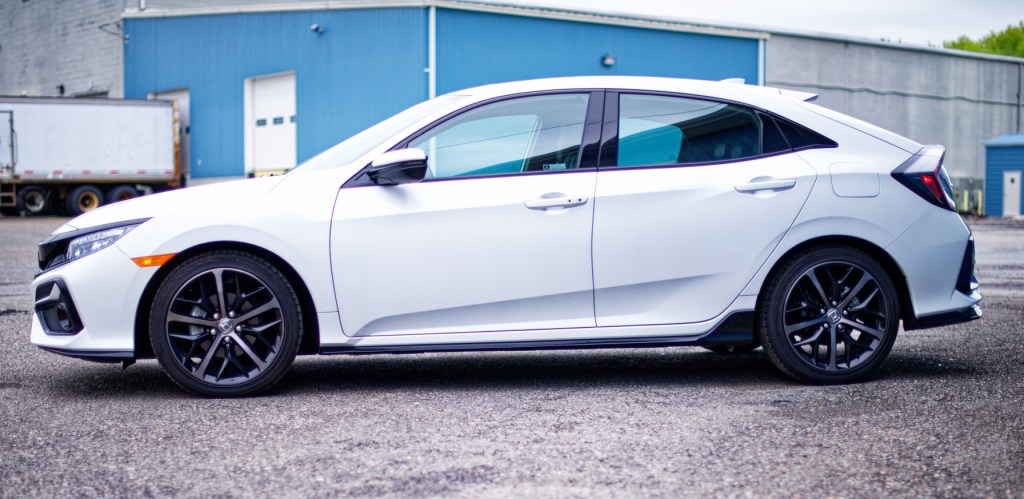
The Civic has aged miraculously well and the Civic Hatchback is still visually arresting nearly half a decade after its initial reveal at car shows. Curious about reimagining a classic, we asked Civic lead designer Daisuke Tsutamori about the car’s astonishing success.
Honda considered this car pretty aggressive, right?
When we began development on the 10th generation Civic, Honda cars had a reputation for not being very exciting design-wise, which went against customer expectations. We had lost youthfulness and become conservative as a company. We wanted to surprise the world again by showing that Honda should be more rambunctious.
My proposal was considered maybe too radical, and it kept getting turned down
That said, it was not so easy to get a consensus within Honda. Relatively conservative proposals were getting support, while my proposal was considered maybe too radical, and it kept getting turned down. However, as a result of being honest to a fault and remaining true to what I believe in, Honda executives gradually started to understand, and finally the CEO told me to go ahead and take on this challenge.

Is part of that success starting with the Type R, and then shaving away some of the extremes for volume models?
You could say Civic Hatchback was created by “backcasting” from Type R. Unlike other models that already exist in the market, the Hatchback’s target customers associate themselves with our message to create various new experiences. In addition to styling, we took advantage of the Type R—designing Civic Hatchback as a model which stands out in a crowd of other hatchback models, such as the Volkswagen Golf.

Since you were talking about pushing back against being conservative, Civic is quite a contrast to the Accord.
Let’s say you are driving a Mercedes C-class model, and an E-class model drives up right beside you. I think that many people would feel a slight sense of inferiority. However, if you are driving a Civic, it’s unlikely you’ll feel that way looking at Accord. That’s because a Civic is not a “small Accord.” In terms of styling, we value the attractiveness of individual models, enabling customers to feel freedom from hierarchy as a part of their experience.
Breaking off some facets of the Hatchback especially, there are two rear spoilers, somewhat like the Type R. What’s going on visually?
The two-tier spoiler (or double-wing) was designed to evoke the most advanced and emotional styling among all Civic Series models, as well as achieve excellent aerodynamic performance. So, we believe that it is contributing to the dramatic expression of functionality and uniqueness of this model.
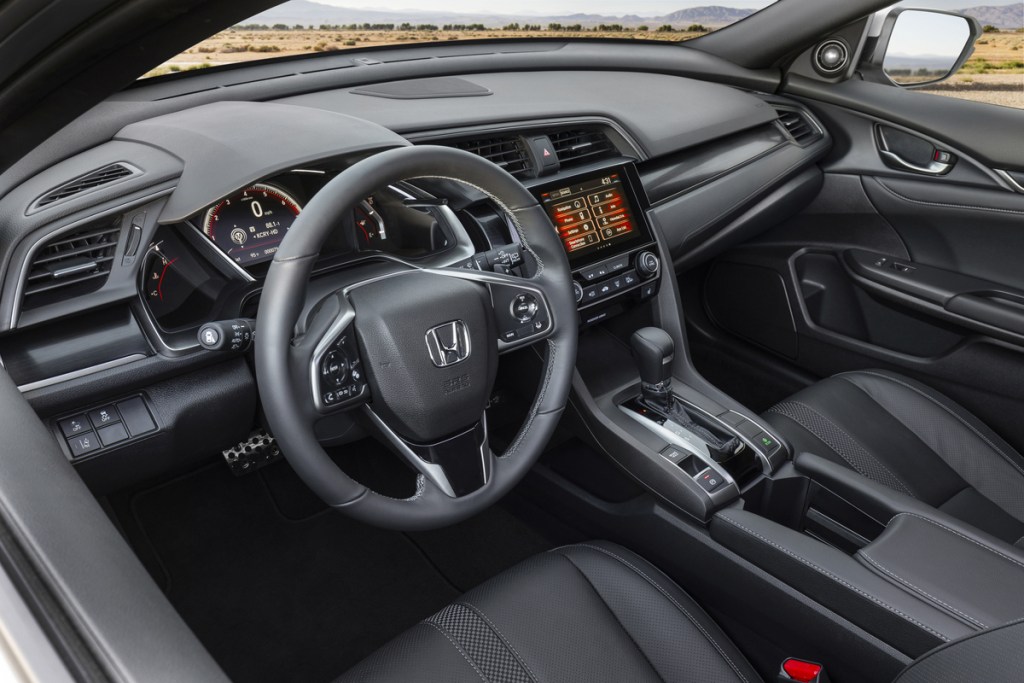
You must have learned a great deal about design process with this car since, as you say, it was quite a battle to get to a language everyone could agree to.
The styling concept for this Hatchback was “Exciting Hatch!” There are so many hatchback models already in the market, so “doing too much” seemed to be the right approach. We maybe got carried away a little bit, but our true intention was to create a car which changes humdrum everyday life. Moreover, we knew that the dynamic performance of this vehicle was going to be substantially high, so we strived to communicate that performance capability through our design. Individual character lines and the rear fenders were designed while envisioning such agile and dynamic moves, and together with individual detail parts, which contribute to aerodynamic performance, they are integrating functional integrity and emotional appeal.
In order to realize a fusion of geometrical modernity and attractiveness, we transported the base styling clay model to Los Angeles, conducting many evaluations and discussions, over and over again, under the local sunlight, to find the right balance of frame and stance of the vehicle.
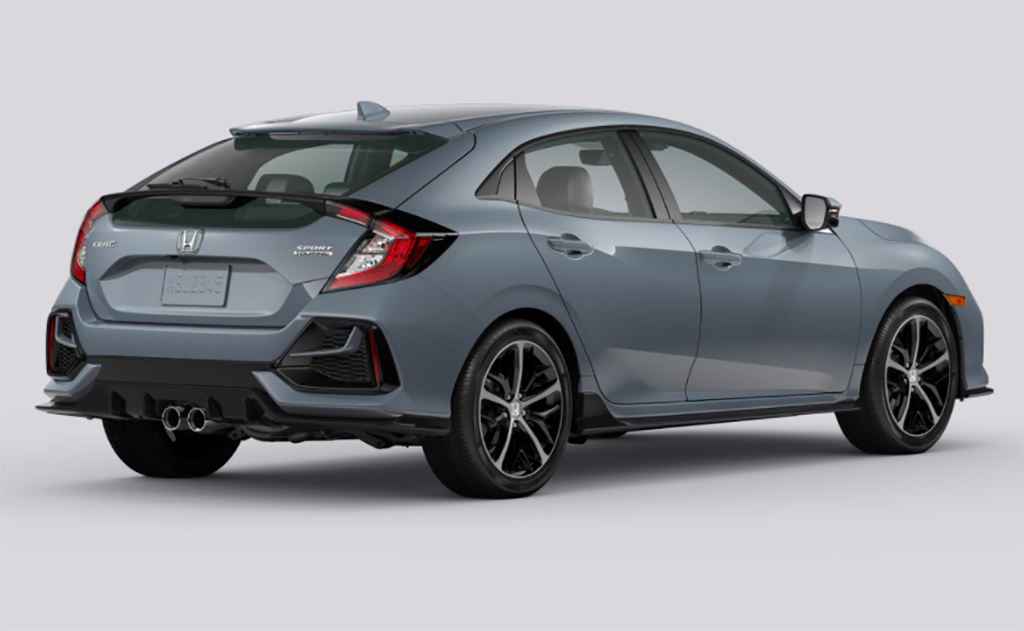
Americans tend to buy conservative colors, but one hue—Sonic Gray Pearl—had to be a win for your team, since it’s also broadcasting personality and shows off the architectural design of the Civic.
As a result of our attempt to reflect the challenging attitude we demonstrate with Civic, we came up with vivid colors such as Energy Green and Sonic Gray. We believe that such color options offer the freedom from hierarchy to all people regardless of their age or gender.
Let me tell you an interesting episode: executives who evaluated this vehicle within Honda were worried about customers who place a greater importance on resale value, and as we expected they expressed reservations about such outlandish colors. However, we were able to get an approval by putting all young team members together in green costumes, presenting our color choices as the aggregate opinion of young people. As it turns out, sales for those colors exceeded expectations.
Hero image by Michael Frank