Icons of Time: A Conversation with Ben Clymer on Craft, Legacy and the Meaning of Time
Part of UBS’s House of Craft series, a curated watch exhibition celebrates the heritage of the handmade
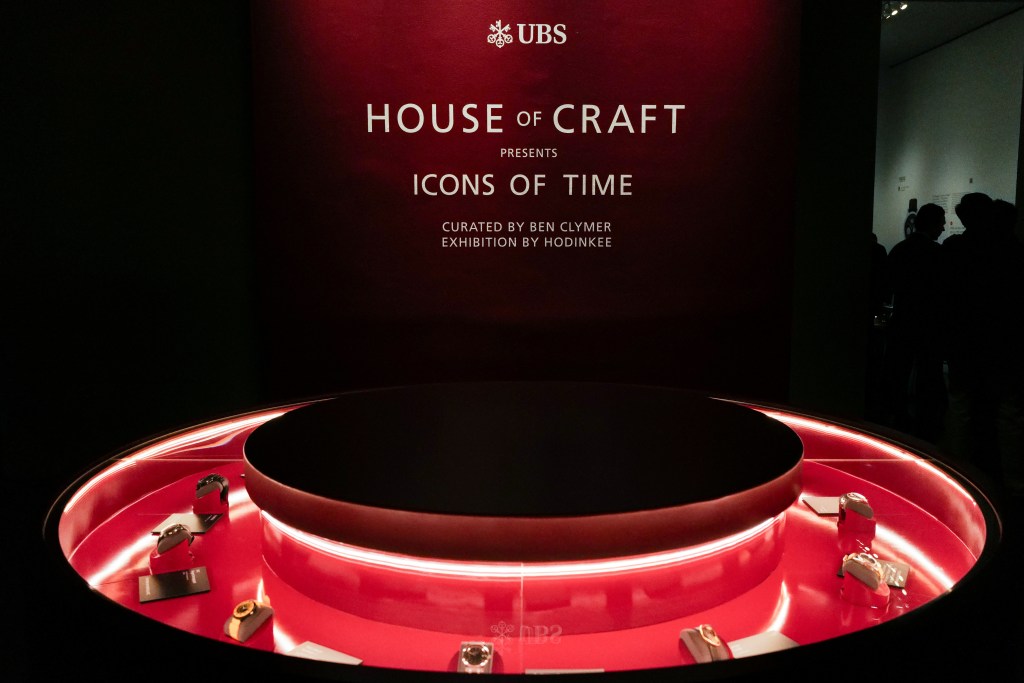
“Celebrating craftsmanship across disciplines enriches cultural dialogue and strengthens human connection,” says Sven Schaefer, Group Head of Brand Activation, Sponsorship & Events and Brand & Marketing at UBS. “With House of Craft, we create spaces where knowledge, tradition and innovation can be shared across generations.”
That belief lies at the heart of UBS House of Craft, a global initiative born from the firm’s campaign “Advice is our craft.” Designed to explore the human side of mastery, House of Craft celebrates those who dedicate their lives to excellence, whether in haute couture, gastronomy or horology.
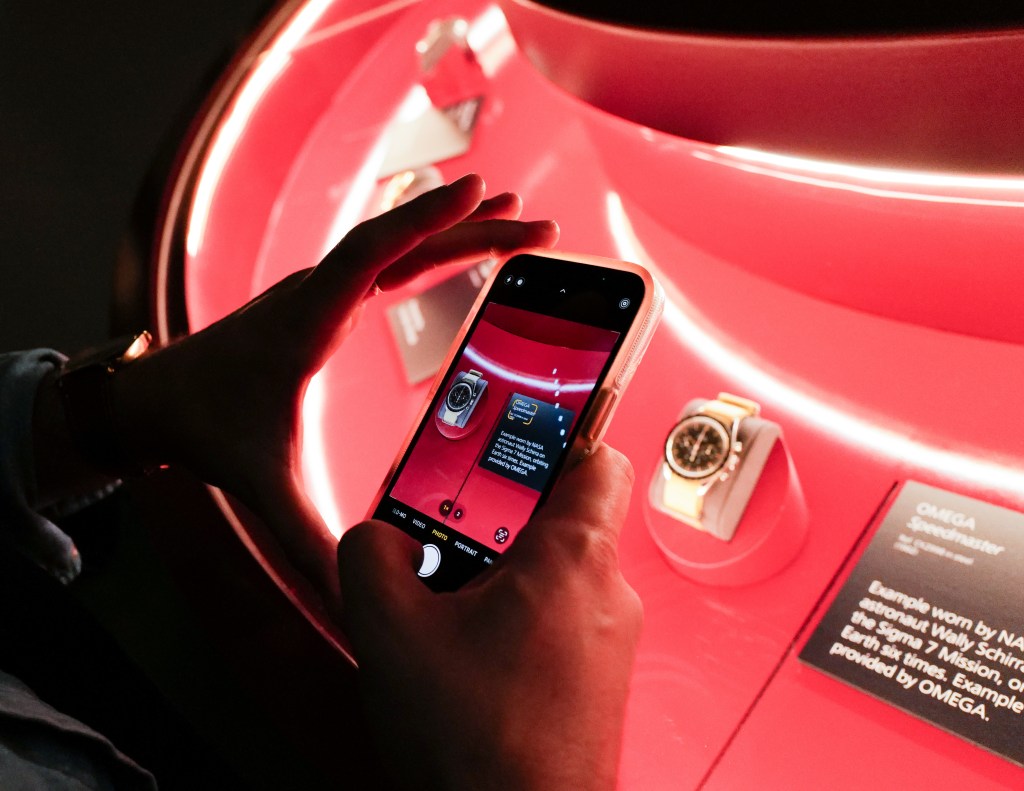
Its latest chapter, “Icons of Time,” presents a collaboration with Ben Clymer, Founder and CEO of Hodinkee, who curated twelve landmark timepieces representing nearly a century of horological innovation. More than an exhibition, it’s a meditation on legacy, design and the stories that make time personal.
Below, Clymer reflects on the process of curation, the philosophy behind his choices and what craft means in an increasingly digital world.
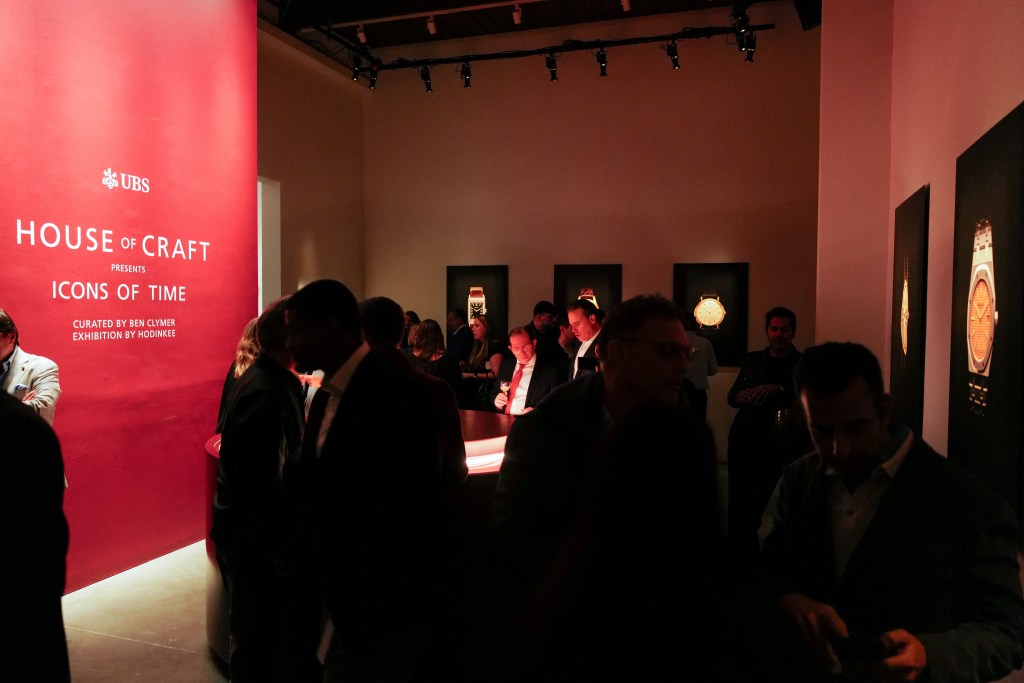
“Icons of Time” brings together twelve landmark watches from twelve different maisons, how did you approach curating a collection that represents nearly a century of horological craft in just twelve pieces?
For me, this project was about more than selecting twelve great watches. It was about telling a story — my story, our story as collectors and the history of what makes horology endure. I wanted pieces that show not just technical mastery, but cultural impact, design evolution and emotional resonance.
So when I chose the Rolex Submariner from my own collection — the first one I bought — it wasn’t just because it’s a Submariner, but because of the “ghost” bezel, which later became a design touchpoint for our Leica Q2 “Ghost” collaboration. Then there’s the Datograph from A. Lange & Söhne, which set a new standard for modern chronographs. And the Audemars Piguet Royal Oak was included not just for its finishing but for its audacity: a steel sport watch in a world that expected precious metals. I also wanted something unexpected, which led me to the Casio G-SHOCK DW6900, a watch born of shock resistance and durability over the decades, that became part of pop culture and street style.
The hard part was choosing only twelve. Every maison, every era, had more than a few contenders. Each watch offers something different from design to technical firsts and cultural shifts — and together they span the spectrum of what’s available in the market today.
Each watch in this exhibition embodies both innovation and legacy. What qualities make a timepiece truly ‘iconic’ in your eyes?
In my view, an iconic watch does three things: it introduces or refines something that changes how we think about timekeeping, it connects deeply with people and it endures.
Innovation might be in the movement, in the case engineering or in design language. Legacy is about how that innovation echoes: did it influence what came after? Did it become a reference point? And the emotional part — how people remember the moment, the reason they chose that watch, who gave it to them, what they wore with it. If a timepiece can carry all of that — the technical excellence, cultural footprint and personal affection — that’s what makes it iconic.
Hodinkee has always celebrated the emotional side of collecting, the stories, the personal connections. How did you weave that storytelling into a museum-style experience for the public?
We always believe a watch is more than its parts. It’s about the makers, the wearers, the culture around it. For this exhibition, we wanted to make that visible, not just show the watches behind glass.
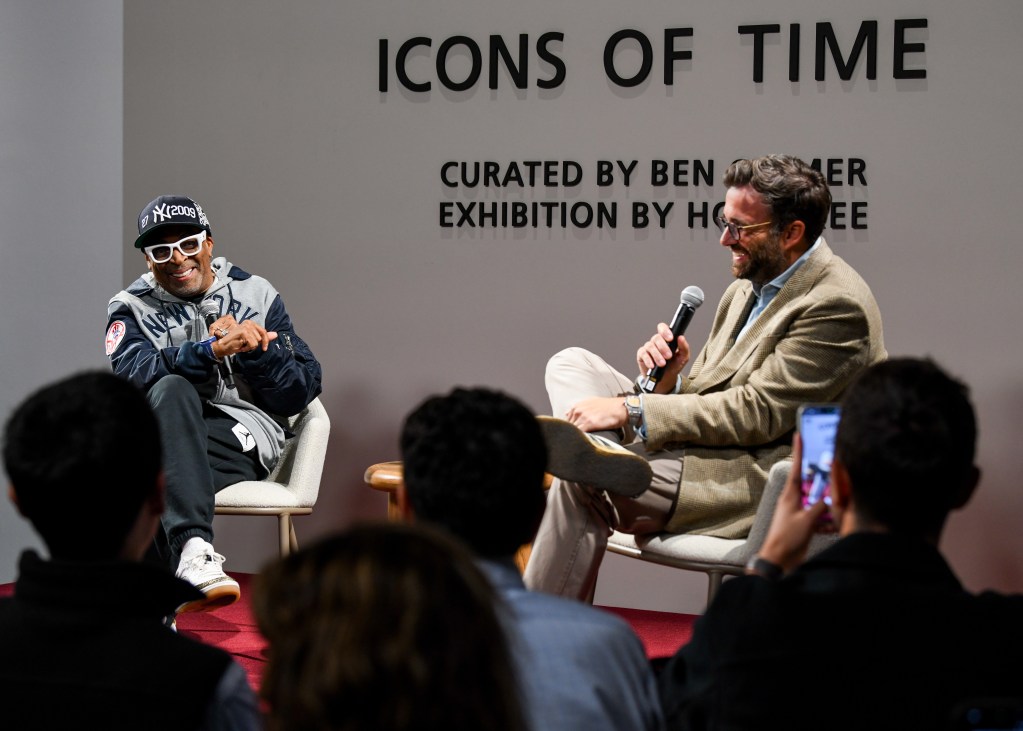
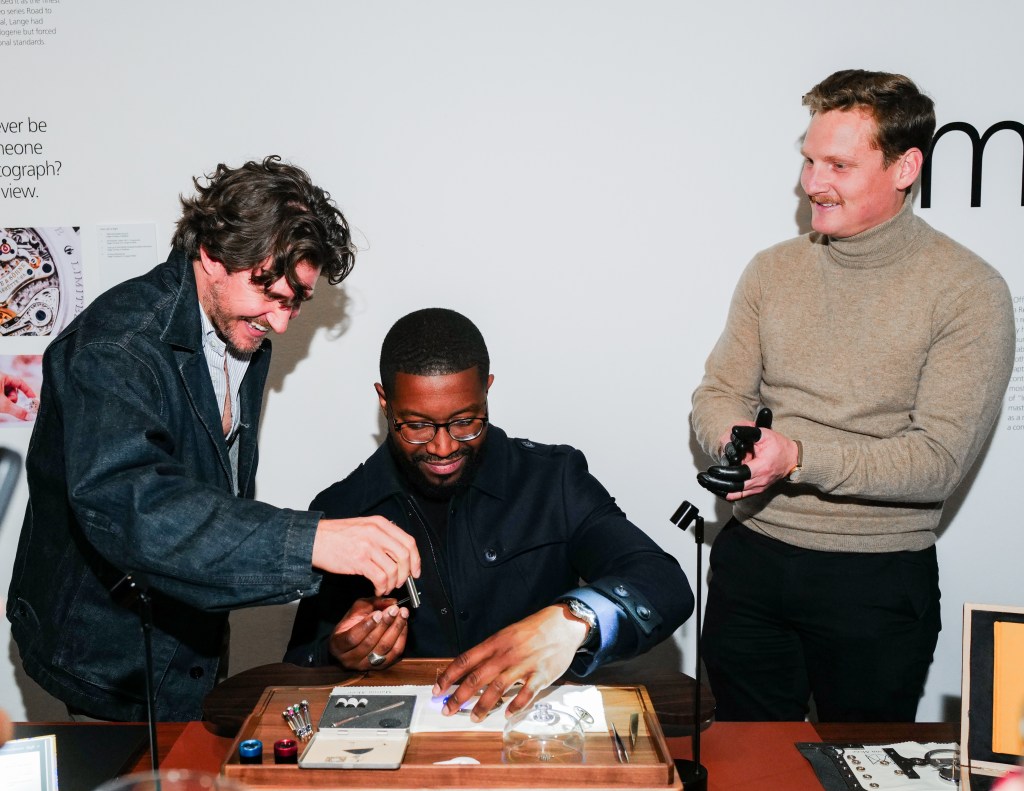
So we paired the objects with talks with legends like Spike Lee and creators like Tony Fadell, whose work intersects with watchmaking, art and design, who help illuminate what time means in different fields. We also offer live watchmaking demonstrations, because seeing the craft in motion brings home what goes into these pieces. We’ll do recordings on Hodinkee Radio so people can hear these stories in their own space later. It’s an attempt to make the exhibition feel alive, personal and layered.
The show’s structure, twelve watches for twelve hours, feels symbolic. Was there an underlying philosophy or rhythm guiding that framework?
Yes. The number twelve feels natural: twelve watches, twelve hours. It echoes our daily life cycles. More than that, it forced discipline. With so many seminal pieces in watch history, choosing twelve meant every selection had to carry weight. It made us consider decades: what defined each, what moments pushed the craft forward and what I believe will continue to shape what comes next.
UBS House of Craft celebrates mastery across disciplines, from couture with Dior to horology with Hodinkee. What does “craft” mean to you today, especially in an era of algorithms and automation?
Craft, to me, means the human touch. It’s the hours spent by hand finishing a case, or a dial, or even the balance of polishing and brushing. This idea extends beyond watches to the other categories I collect, whether it’s cars or clothing. The pieces I always return to are those that have soul, that reflect a maker’s care and that can tell stories for the next owners.
For first-time visitors or younger collectors, what do you hope they take away from seeing these watches side-by-side, beyond their beauty or rarity?
I hope they leave with more than admiration; I hope they leave with curiosity and a sense of belonging. I want them to understand what makes craftsmanship matter: precision, finishing, design evolution and how one small innovation can shift an entire category. Also, that collecting isn’t just about acquiring but about community. Meeting people who care, learning from makers, sharing stories.
You’ve said before that great watches are “time machines for memory.” How do you see the “Icons of Time” exhibition preserving or expanding that sense of cultural memory?
What I love about the phrase “time machines for memory” is how literal and metaphorical it is. Each watch embodies eras, personal milestones and creative breakthroughs. This exhibition stitches together those moments, preserving memory by placing objects in context: design lineage, innovations, cultural shifts.
But it also expands memory by inviting people who may not yet know the stories —younger collectors, and those curious — to connect with them. The hope is that someone will see a piece, ask a question, carry that story forward and make new memories with it. That continuity is what preserves culture.
“Icons of Time” is on view as part of UBS’s House of Craft series, a global program celebrating mastery, legacy, and the enduring art of creation.




What are your thoughts?