Max Lamb On Turning Waste Into Homeware With Potato Head
Handmade in Bali, the first WASTED collection has just launched

In an era when the term “sustainable design” has become so ubiquitous that it’s often empty, identifying genuine efforts with measurable environmental impact can be tricky. While no manufacturing practice—whether in furniture, fashion or other consumer goods—can be entirely sustainable given the inherent resource demands of production, some are doing it better (and more transparently) than others. Desa Potato Head in Bali has long been respected in the hospitality industry as a property that goes beyond typical greenwashing with genuine environmental initiatives. Their latest is the just-launched WASTED, a homeware collection helmed by celebrated British designer, Max Lamb. For the project (which was five years in the making), Lamb and the Potato Head team have made pieces from the hotel and beach club’s waste materials, while honoring traditional Balinese craftsmanship.
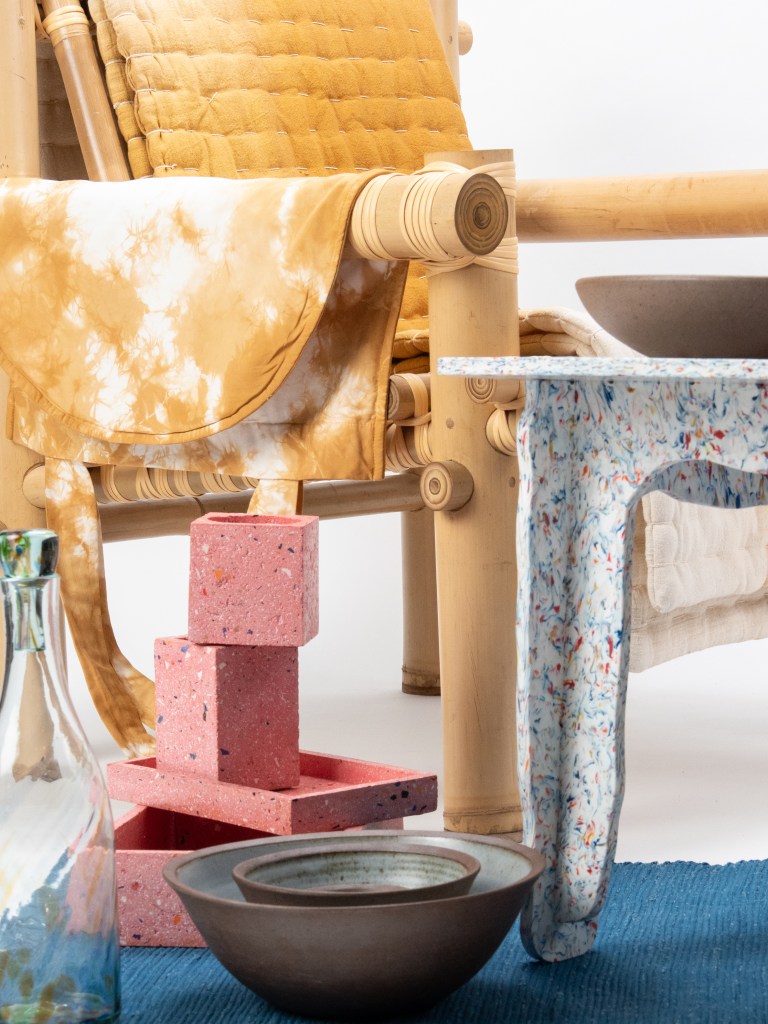
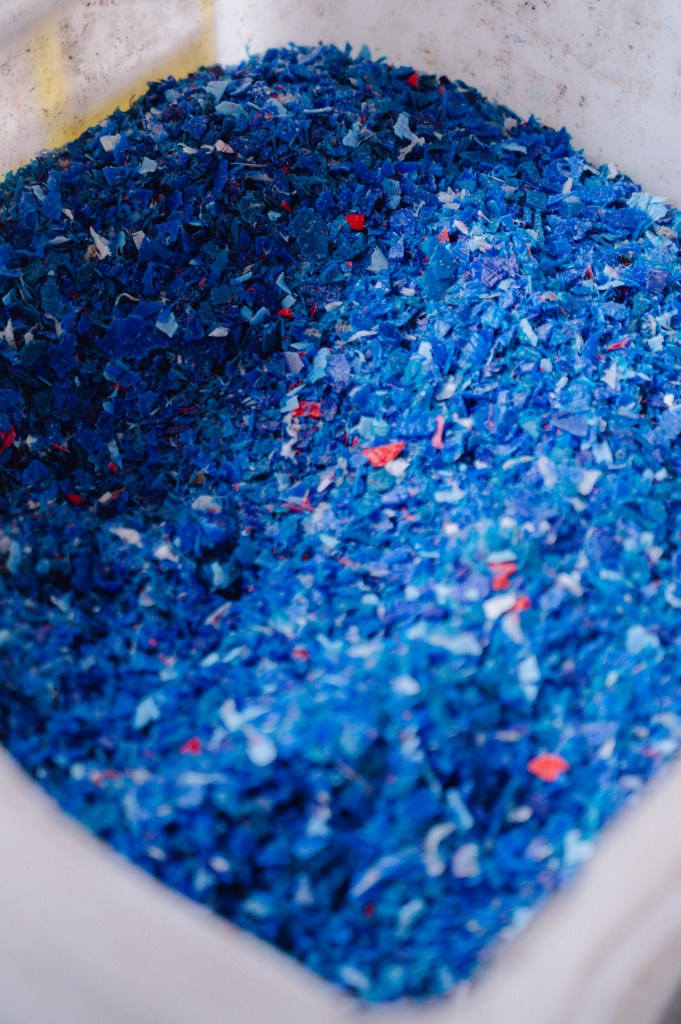
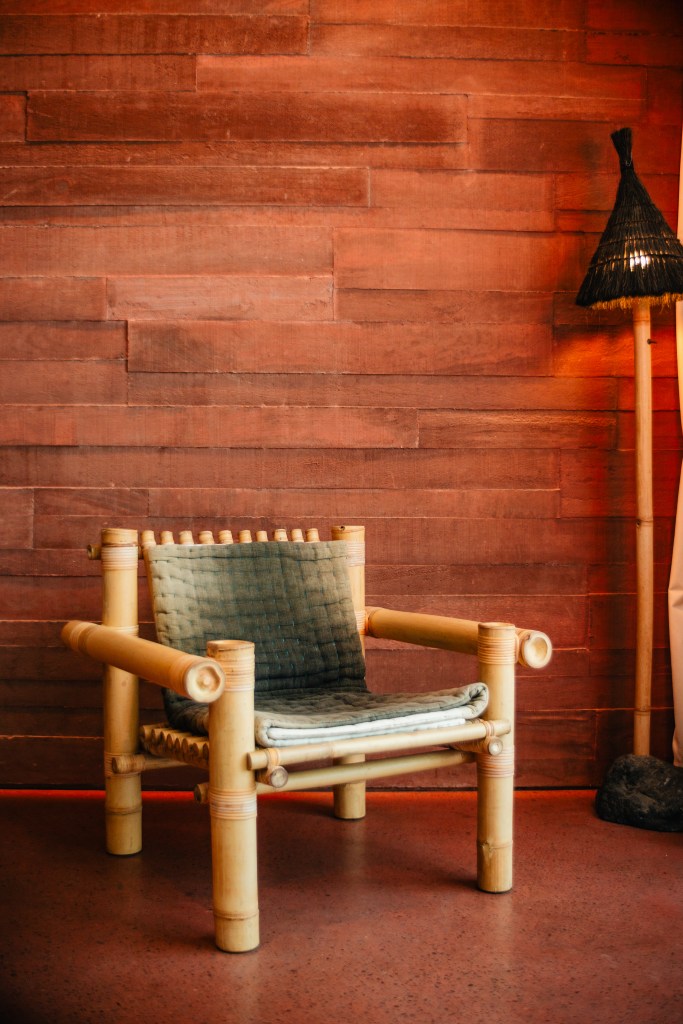
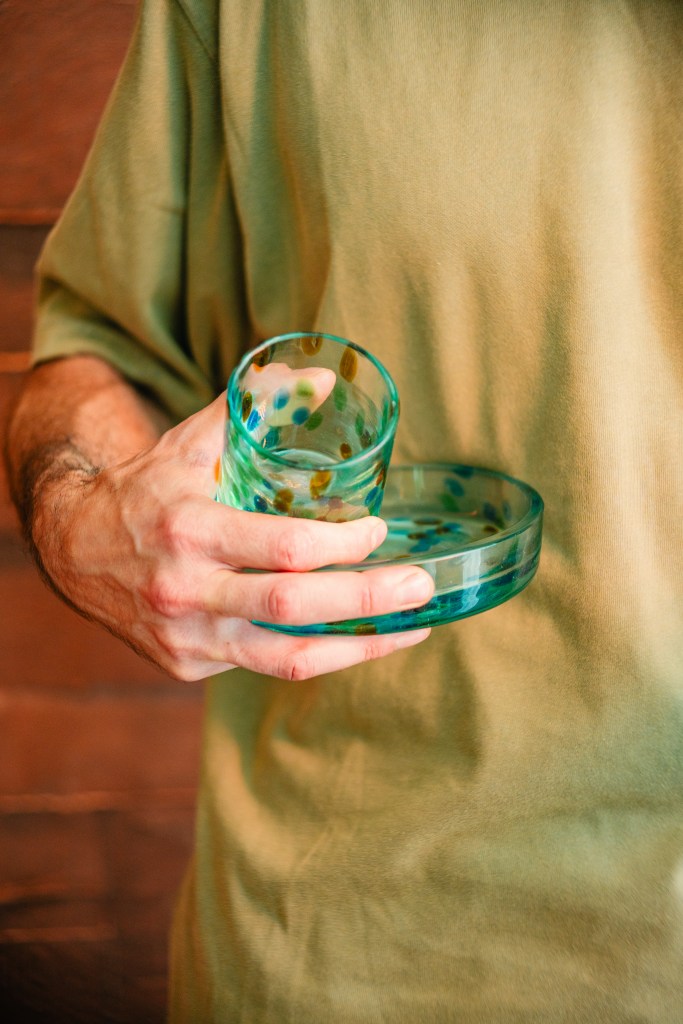
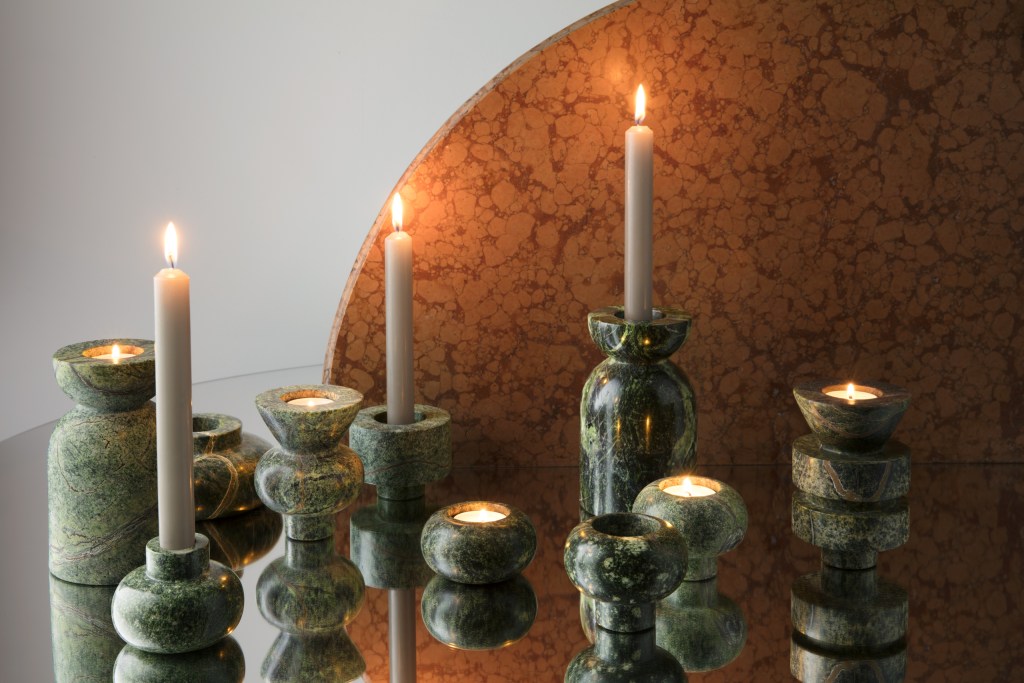
The project incorporates products made from recovered HDPE plastics, old hotel linens, fragmented glass, and even used cooking oil, mixed with Styrofoam, oyster shells and responsibly sourced bamboo. Each item—from a chair to a tote bag—has been made to highlight the inherent beauty of each material.
We spoke with Lamb about the collection and designing products that are built to last and made to be respected, used and cherished.
When developing and then actually crafting the WASTED collection, did your design priorities change, or are they the same no matter what material you’re working with?
Designers have a huge responsibility, myself included, to justify with conviction every product or idea
we put out into the world. Once an idea becomes a reality, it turns into something permanent. We are
taking raw materials, extracting them from the earth, depleting the world’s resources, and turning
them into products we believe humankind needs—which is, of course, debatable. Given the speed of
human consumption and production, design is more critical now than ever. Every individual designer
must take personal responsibility to truly question what is necessary. And if something is necessary,
we must introduce a new way of working and using materials that shows extreme respect for those
resources, using them in the most sustainable way possible.
We shall be using materials that are fully sustainable, grown with minimal environmental impact, low
energy, and minimal water consumption. At the same time, those materials should be durable—designed to last as long as possible without wearing out—and either fully recyclable or biodegradable. But it’s also about designing products that hold value, products that can stimulate human interaction and connection.
What impact do you hope this kind of design has on people, when they use these products in their daily lives?
The idea is that by designing something well and using quality materials, we can encourage people to build a relationship with the product and respect it. When people respect the product, the material, and the design, they’ll take care of it and make it last longer, rather than thinking, “I’m tired of this, I need to replace it with something new.” It’s the opposite of fashion—removing style from the equation and instead designing with pragmatism, respect, and necessity in mind.
The pieces are certainly utilitarian, but that can be super stylish. Given your pragmatic approach, can you explain how a specific waste material informed its final form—did the properties dictate the design, or was it the other way around?
I don’t want to just adorn or decorate for the sake of it. It’s always about the material, and if the form can be as quiet and simple and functional as possible, then the thing that will really shine will be the material. And then that allows the story of WASTED to be told much more. It’s meant to be about using a resource that would otherwise be thrown away, and helping Potato Head deal with the waste they generate on a daily basis. And to set the cogs in motion for establishing a new culture.
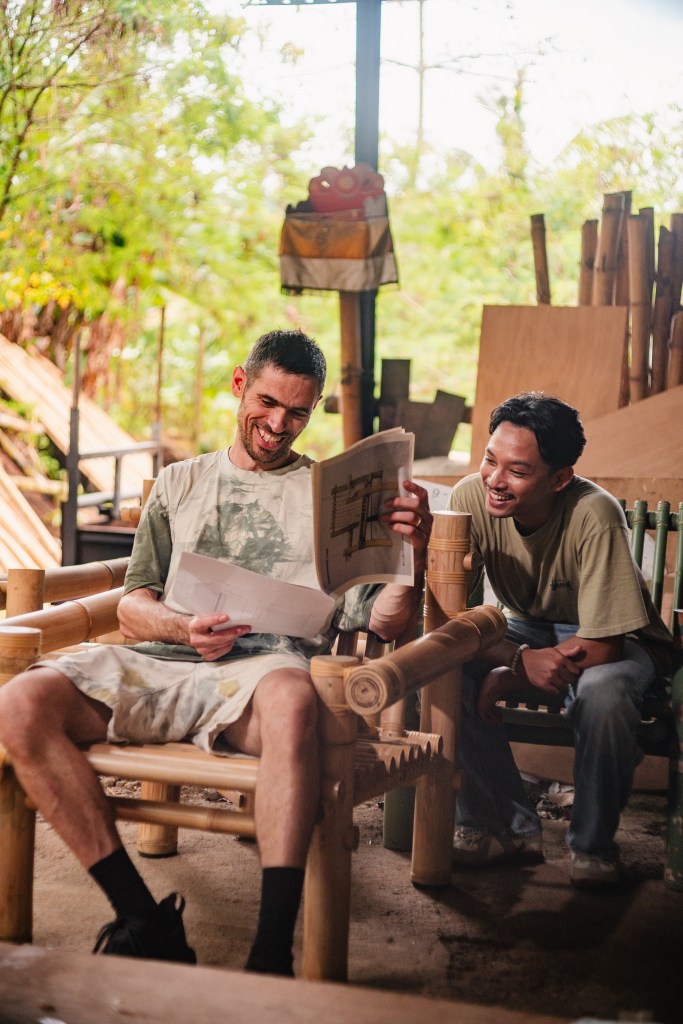
How did working with local artisans influence your design decisions? Did their expertise with certain techniques open up possibilities you hadn’t considered?
It was a world apart, completely foreign to me, but that first trip was incredibly productive. Seeing
what was possible, and then having finished products just eight months later, completely shifted my
perspective. There’s often talk of “island time,” but I was amazed by how quickly things could be realized. The energy, the attitude, the sheer willingness of the Balinese artisans to explore and collaborate, it was amazing.
What we achieved together in such a short space of time suggested a whole new rhythm to design: the idea that you can develop, prototype, and manufacture 14 entirely different products within 12 months, all ready for use. I genuinely don’t think that would have been possible anywhere else.
The entire WASTED 001 collection is available to shop in-person at Desa Potato Head, Bali or online at Potato Head’s online store.






What are your thoughts?