Julie Cavil and the Sound of 2008
How Krug turned a singular year into a three-part composition with composer Max Richter
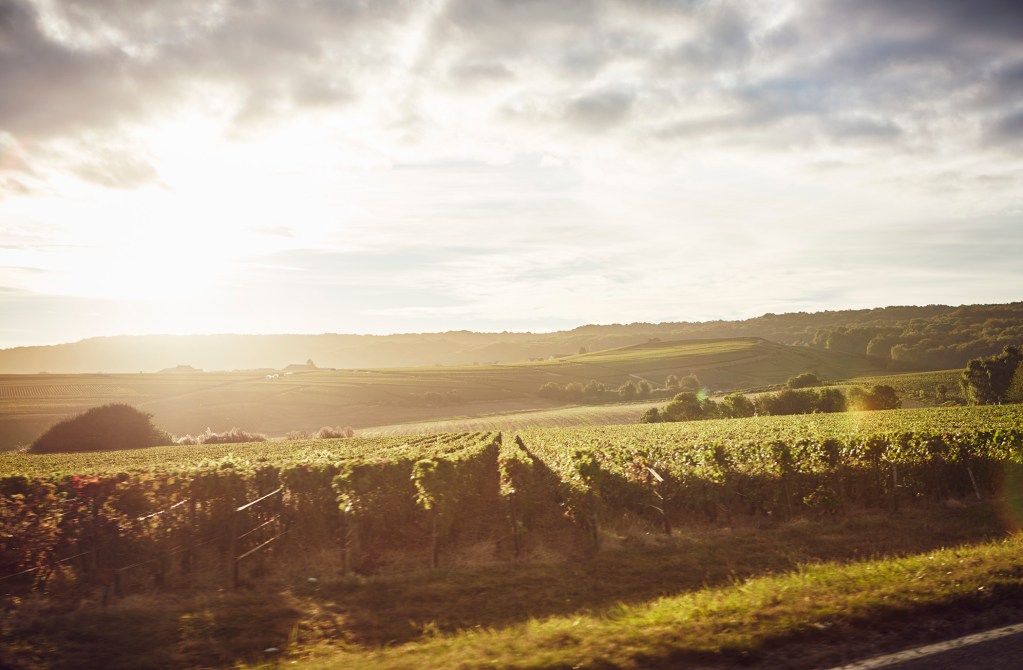
Some vintages announce themselves loudly, others whisper their brilliance. For Krug Cellar Master Julie Cavil, 2008 was a year that spoke in quiet, classical tones— the kind that rewards patience, depth and interpretation. That gentle precision ultimately became the foundation for From Soloist to Orchestra in 2008, the Maison’s three-cuvée exploration of a single harvest expressed at radically different scales.
“2008 in Champagne marked a return to classical northern climate conditions—the kind we hadn’t seen in years,” Cavil says. “A cool year with limited sunshine and gentle contrasts between days, nights and seasons, yet without extremes.” The slow, steady maturation that followed, what she calls wines of “remarkable elegance, vertical, refined, subtly austere,” presented a rare canvas.
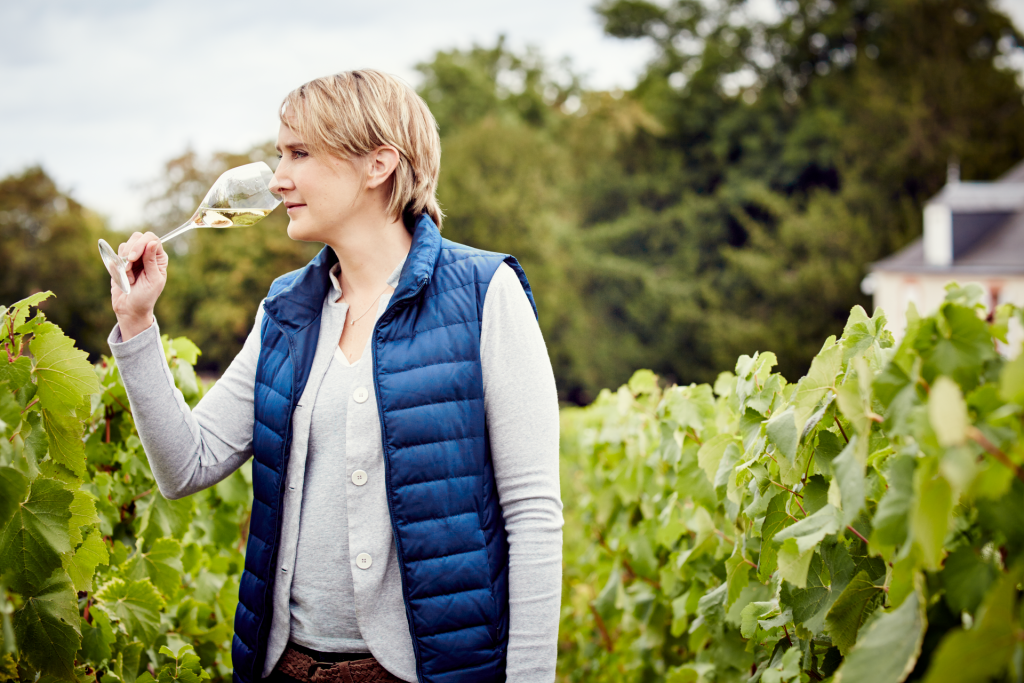
Krug saw not just a vintage, but a narrative. “Each vintage at Krug is created to tell a story, and 2008’s was one of timeless classicism,” she says. “We felt this story needed to be shared, and [composer] Max Richter was the perfect interpreter to bring a modern twist to this classical universe.”
A Year That Opened Into Three Expressions
The Maison used 2008 to express a philosophy that sits at the core of its identity: the idea that each plot of vines is a musical note, and each cuvée a composition. That approach found its fullest expression in a trio of releases: Clos d’Ambonnay 2008, the “Soloist;” Krug 2008, the “Ensemble;” Krug Grande Cuvée 164ème Édition, the “Sinfonia.”

For Cavil, the alignment of conditions made this kaleidoscopic interpretation possible. “In 2008, everything aligned perfectly, allowing us to express three different Champagnes that together embody the very philosophy of the Maison.”
“Clarity:” The Radical Purity of Clos d’Ambonnay 2008
If 2008 offered a story, Clos d’Ambonnay was its purest sentence. Created from one enclosed plot, one grape and one year, the cuvée is famously uncompromising.
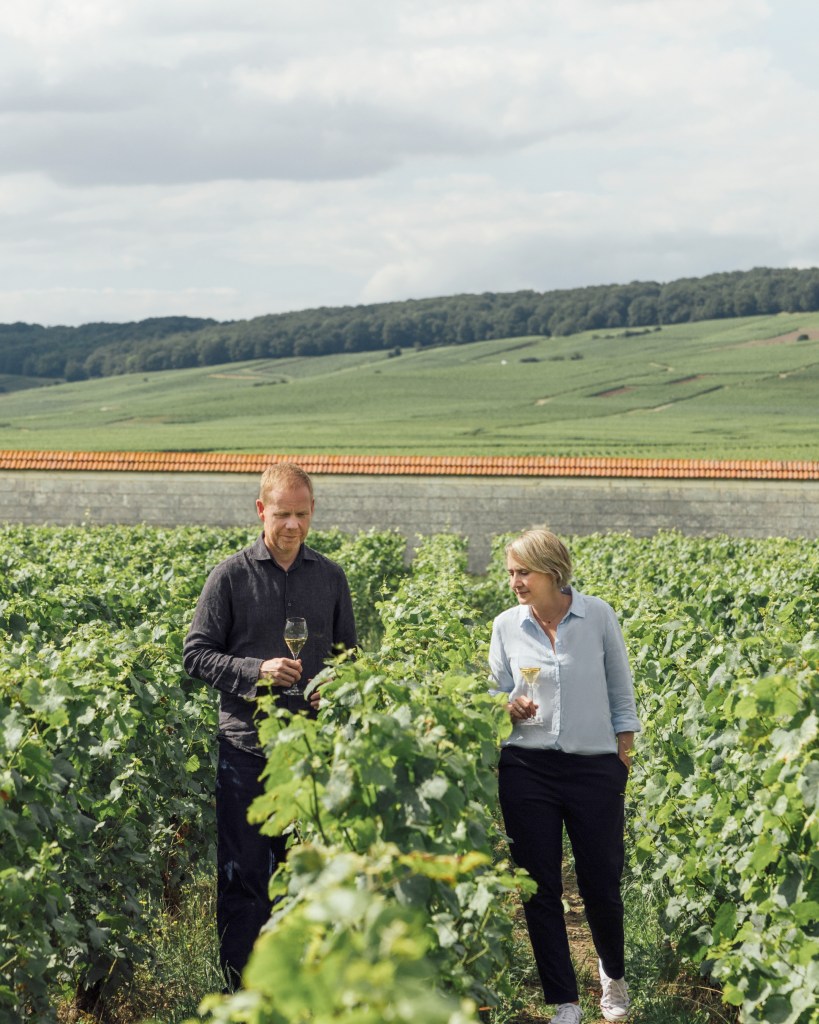
“Clos d’Ambonnay is the ultimate expression of focus,” Cavil explains. The Pinot Noir from this 0.68 hectare-walled vineyard “showed remarkable purity and strength. Working with such a precise terroir means every detail matters.”
The result is a champagne so distilled in character that, as she puts it, “each drop speaks quiet volumes.”
“Ensemble:” Balancing Character and Cohesion in Krug 2008
Where Clos d’Ambonnay offers a single voice, Krug 2008 stages an entire cast.
“When we began tasting the wines of 2008, we were struck by their verticality, like a forest of tall oaks that are both grounded and reaching upward,” Cavil says. Each plot’s wine had its own personality; the challenge was preserving that individuality while bringing them into cohesion.
Krug 2008 ultimately captures what Cavil describes as “the energy and structure of the year while staying true to the generosity that defines the Krug style.”
“Sinfonia:” The Full Music of Champagne in Krug Grande Cuvée 164ème Édition
With 127 wines from 11 different years, the Grande Cuvée 164ème Édition is the most expansive expression of Krug’s ethos.
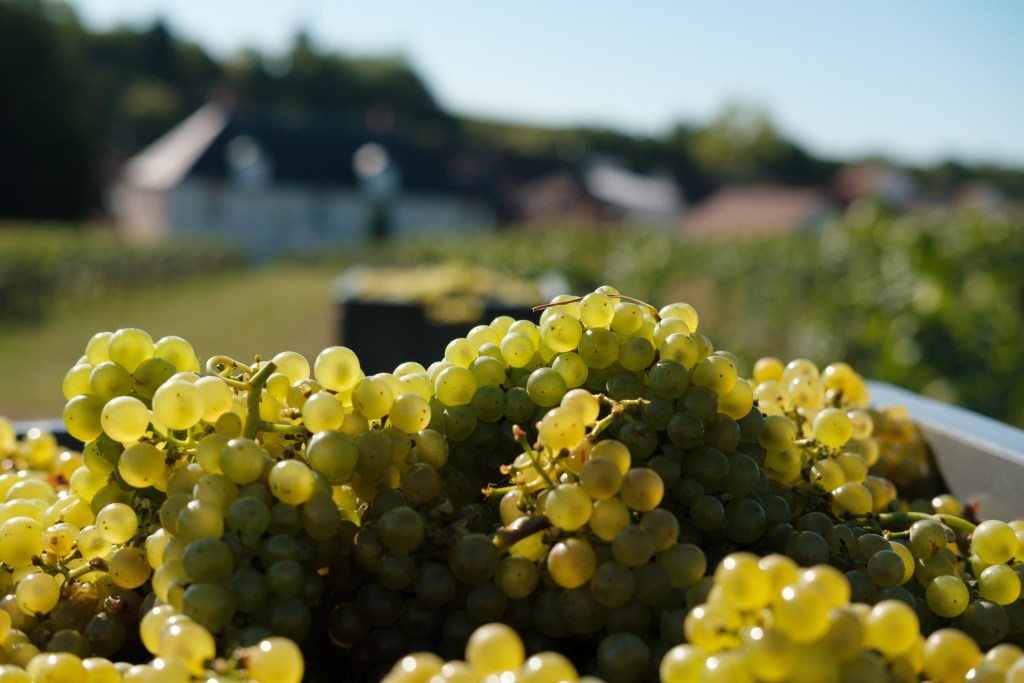
“Blending such a multitude of unique sounds from different years brings a generosity of flavours and aromas that no single harvest could ever reveal.” Here, time is not simply a measure, it’s material. “Time allows wines from different years to merge in harmony. It weaves textures together, builds balance and transforms diversity into wholeness.”
The goal is to express what she calls “the full music of Champagne—from north to south, east to west—with hundreds of growers’ expressions united in a single glass.”
Where Champagne and Music Become One Language
Krug has long leaned into its musical metaphor, but the collaboration with composer Max Richter transformed that philosophy into a living dialogue.
“Our role is to understand the sound—the singularity of each plot we work with—and to orchestrate them to play as soloists, in ensemble or as a full orchestra,” she says. Like a conductor, she and her team must “grasp the amplitude of every instrument.”
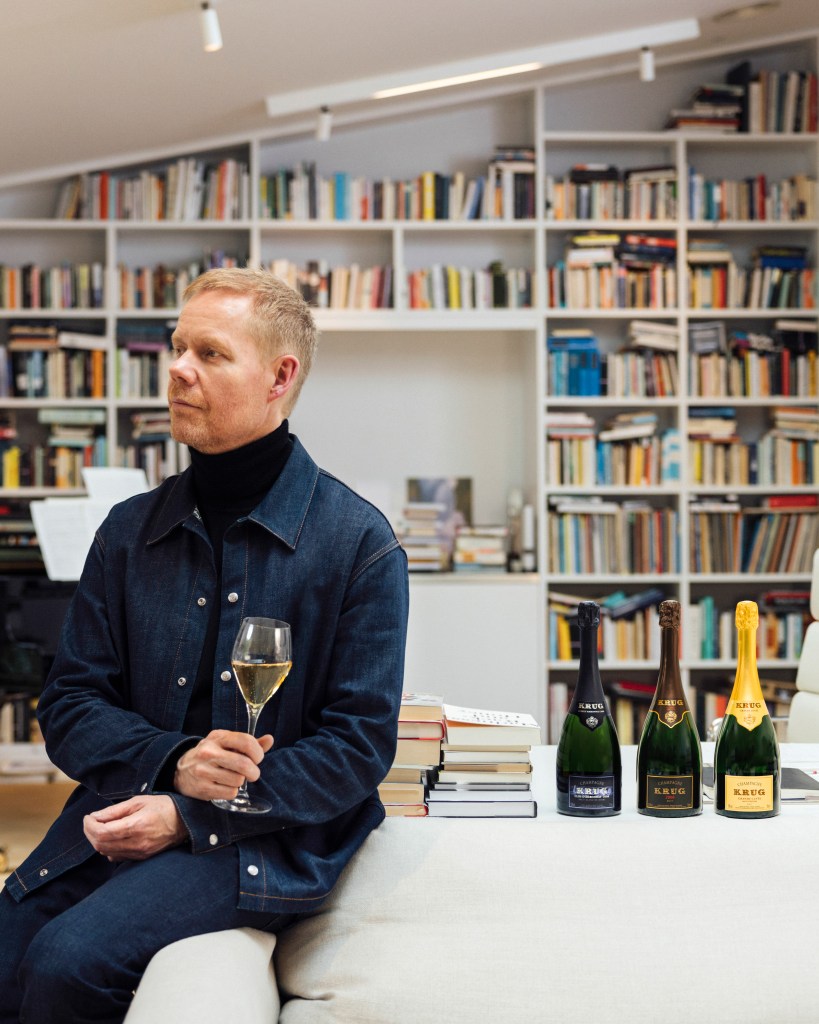
What surprised her most was Richter’s instinctive approach to the wines. “He didn’t describe the wines literally; he captured their essence, their emotional architecture.” The purity of Clos d’Ambonnay, the structure of Krug 2008, the generosity of Grande Cuvée—he translated them into compositions that felt uncannily aligned.
“Listening to his music felt like discovering an entirely new way to experience our own craft,” she says. “For me, each cuvée now possesses not only a taste, a scent and a texture, but also a sound, a shape.”
Every Note Counts: Experiencing Champagne as Art
The collaboration between Reims and Richter’s Oxfordshire studio is, ultimately, an invitation. “Every Note Counts invites people to connect with Champagne as a creative process,” Cavil says. It reveals how “detail, time and intuition come together to form something expressive and lasting.”
Music becomes the medium that exposes what the eye can’t see, the invisible years of tasting, blending and refining until, as she puts it, “there is this balance between all the instruments…when nothing more needs to be added or changed. That is when harmony is achieved.”
With 2008, Krug didn’t just release a trio of champagnes. It released a trilogy: three interpretations of a single year, three emotional languages, three ways of listening. And in Max Richter, the Maison found someone capable of giving that story a second life in sound.
In Cavil’s words: “It shows people how Champagne can be experienced not just as taste, but as art.”






What are your thoughts?