Reworking the Uniform: MATiAS and the New Language of Avant-Garde Workwear
Blurring the lines between art and utility, designer Matias Sandoval reinvents menswear through material experimentation, intimate craftsmanship and a philosophy that treats denim as sculpture rather than fabric

Matias Sandoval, founder of the LA-based eponymous label MATiAS, works with a singular, demanding mission: to move beyond conventional menswear. His stated philosophy orbits around creating “timeless, understated garments with a level of sophistication that provokes and challenges the meaning of menswear.” This principle condenses into what he calls Avant-Garde Workwear—a paradoxical blend of utility and experiment.
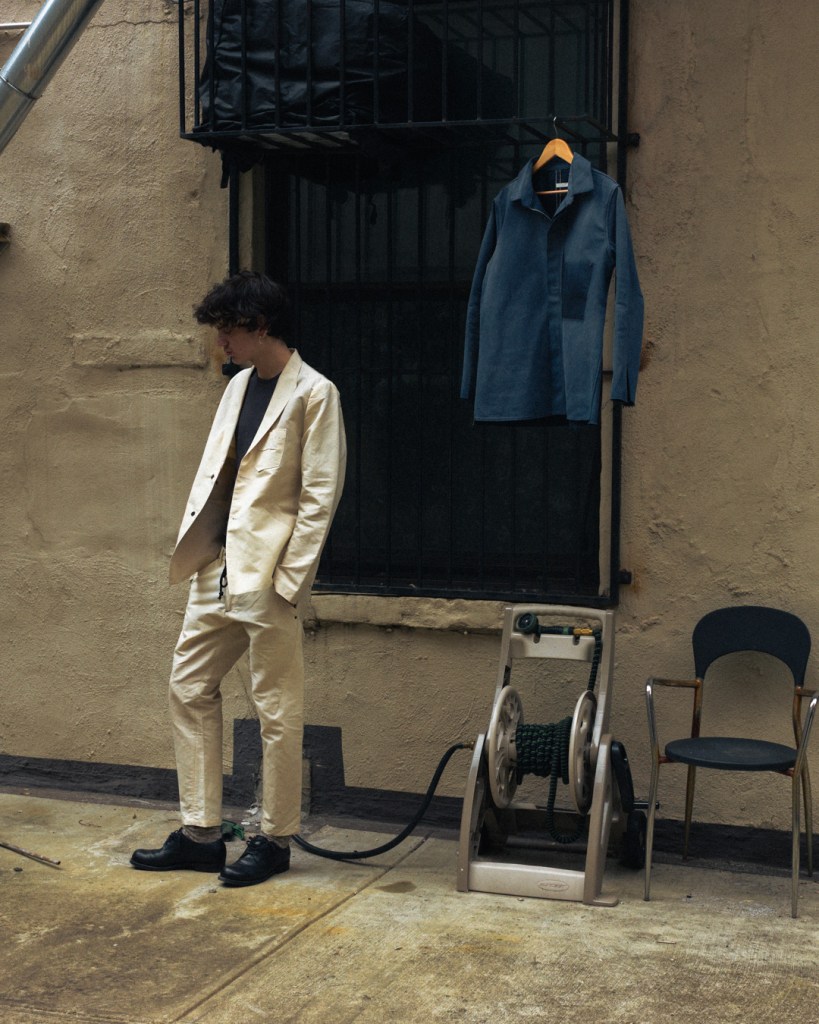
While other brands chase growth and speed, Sandoval favors intimacy and precision. He works with a small team and insists on touching nearly every garment before it leaves the studio, reinforcing a kind of sacred craftsmanship that refuses automation.
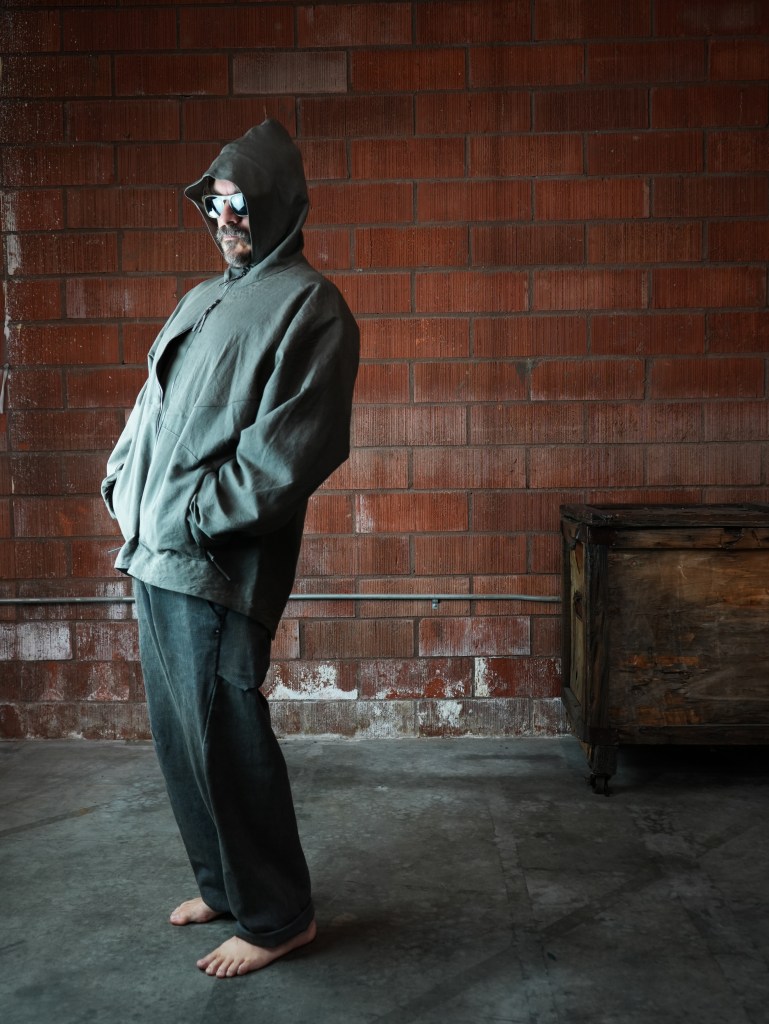
Sandoval is an artist who didn’t begin in fashion. He studied ceramics, drawn to what he calls “archaic, ephemeral mediums.” Along the way he found an unexpected kinship between the spinning of the wheel and the “up and down” rhythm of the sewing needle. His path meandered through conceptual art and branding until he “fell in love with the psychological aspects of branding and how it can become infectious.” The label began almost accidentally—painting logos on trucker hats led him to a denim factory, where he saw an industry comfortable with tradition.
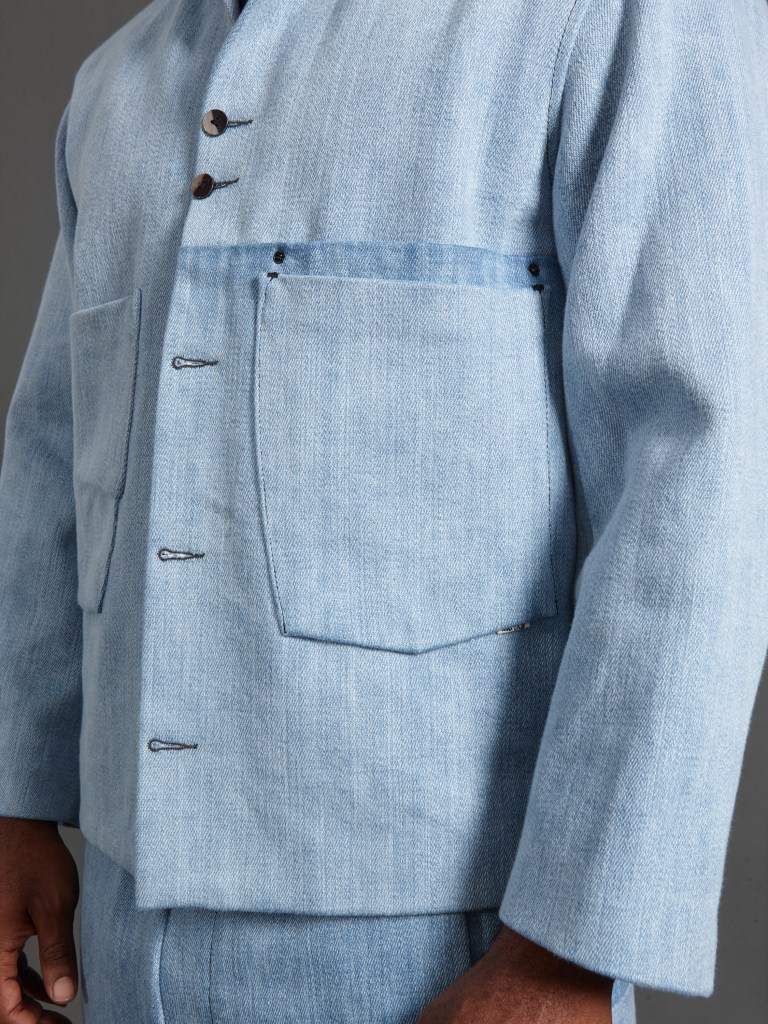
He remembers denim enthusiasts debating the merits of expensive Japanese selvedge and thinking, “Well, it all looks the same to me.” That thought sparked a defining question: “why is nobody pushing the bar with this stuff?” To him, denim and high fashion had remained separate species, and when they met, the results were timid. His challenge became to “approach this medium in a different way and try to figure out a new way to look at what denim could be.”
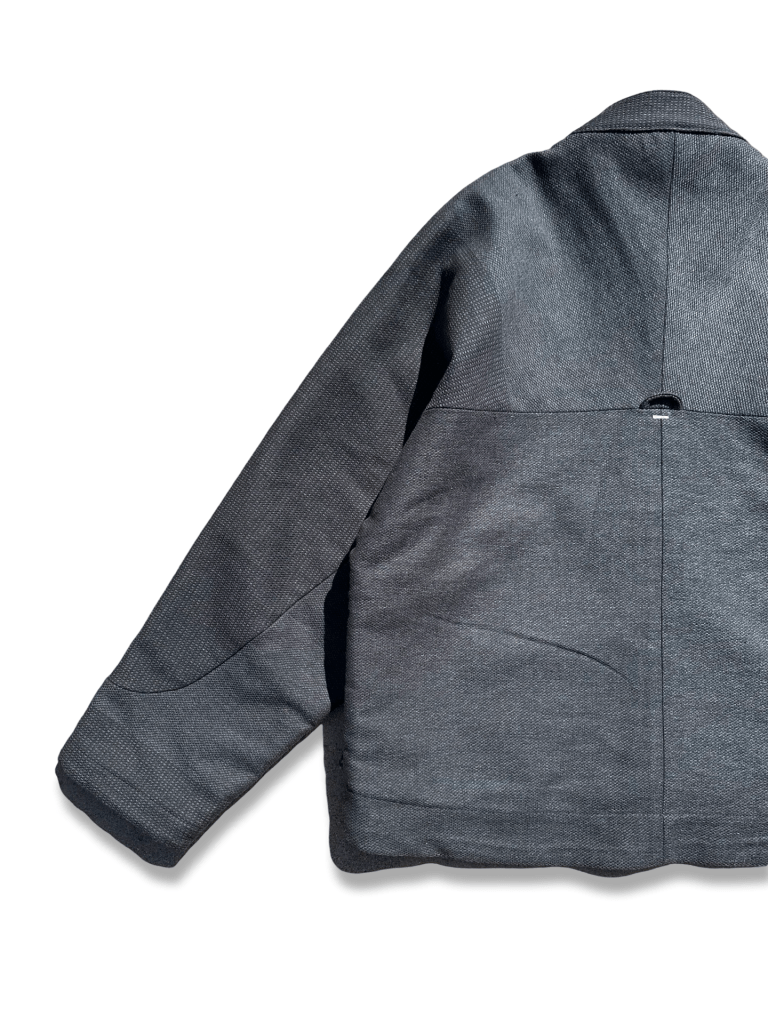
Sandoval’s approach is sculptural and intuitive, guided by material rather than sketch. He takes a fabric-first approach in his process, letting “the fabric dictate a lot of of the design elements of the garment.” Without formal training, he built his own method—fluid and fast—he moves from concept to pattern and revision “in one day, really.”

Resisting the dilution of craftsmanship that occurs when designs passes through too many hands, production happens almost entirely in-house in Los Angeles, where control remains tactile. “I still touch every piece that leaves, you know, in more than just inspection… I cut a lot of the pieces myself too. I’m very hands on.”
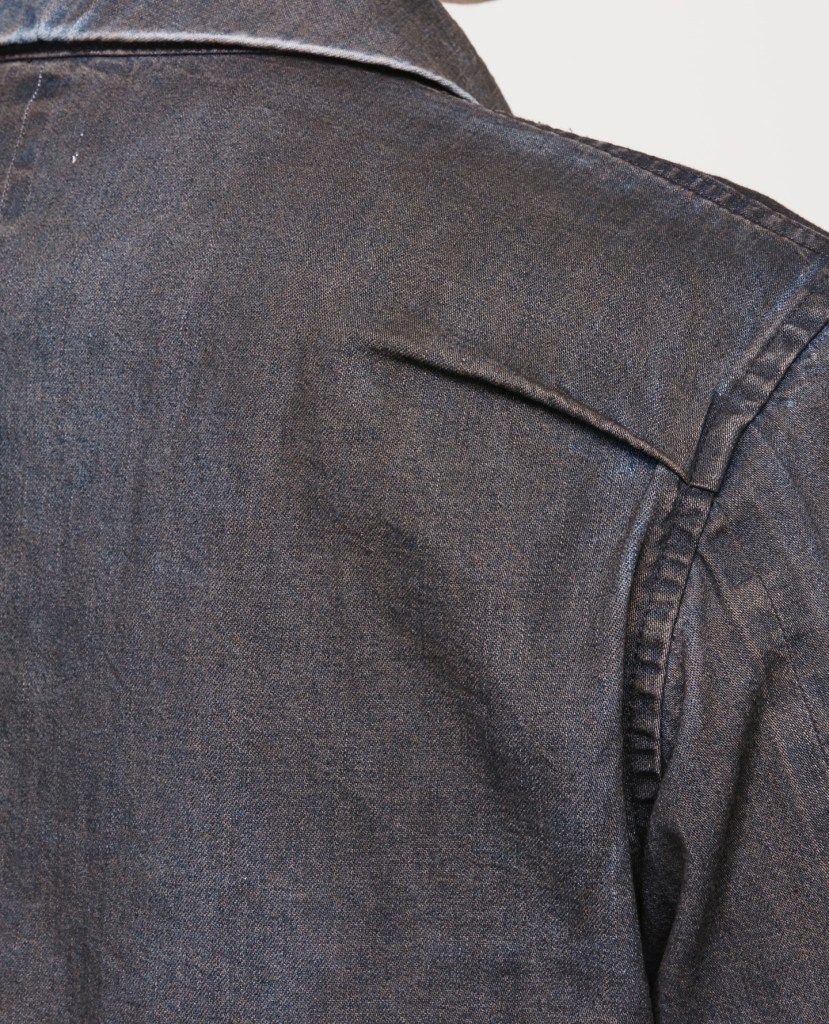
Innovation for MATiAS begins at the fiber level. Sandoval reveres fabric-making as an elemental act—“amazing alchemy that happens with humans and the earth.” He collaborates with mills like Candiani in Italy, as well as small producers. One proprietary fabric combines sulfur black and indigo, finished with resin to create a surface “more even and flat” than conventional Japanese denim.
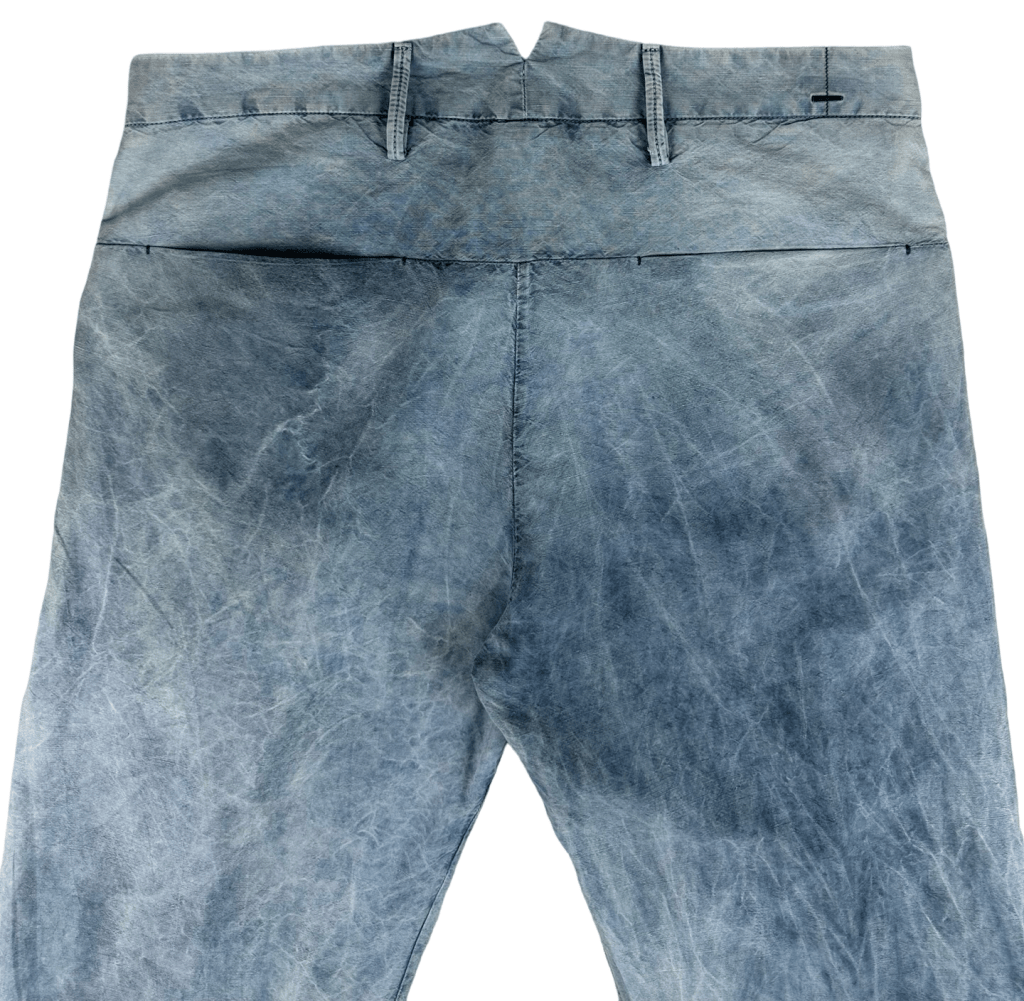
He questions every “rule” of finishing—sandblasting, hand sanding, tie-dyeing—asking, “how can we push the boundaries with this?” His curiosity extends to dyeing, where he recently experimented with what he calls “dead Indigo,” a non-activated vat process that produces “a very cool, stonewashed looking marbly kind of effect.”
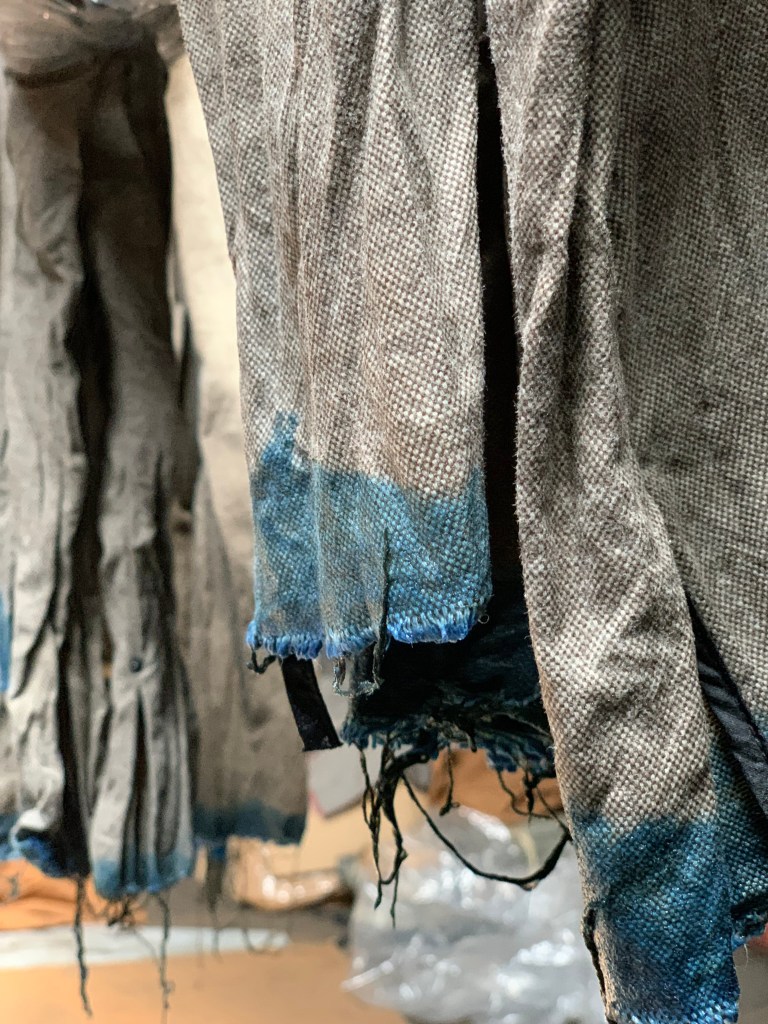
Sandoval respects the legacy of Levi’s and other pioneers that defined workwear, yet he is determined to reinterpret rather than replicate. His work lives in a delicate balance between reverence and rebellion.
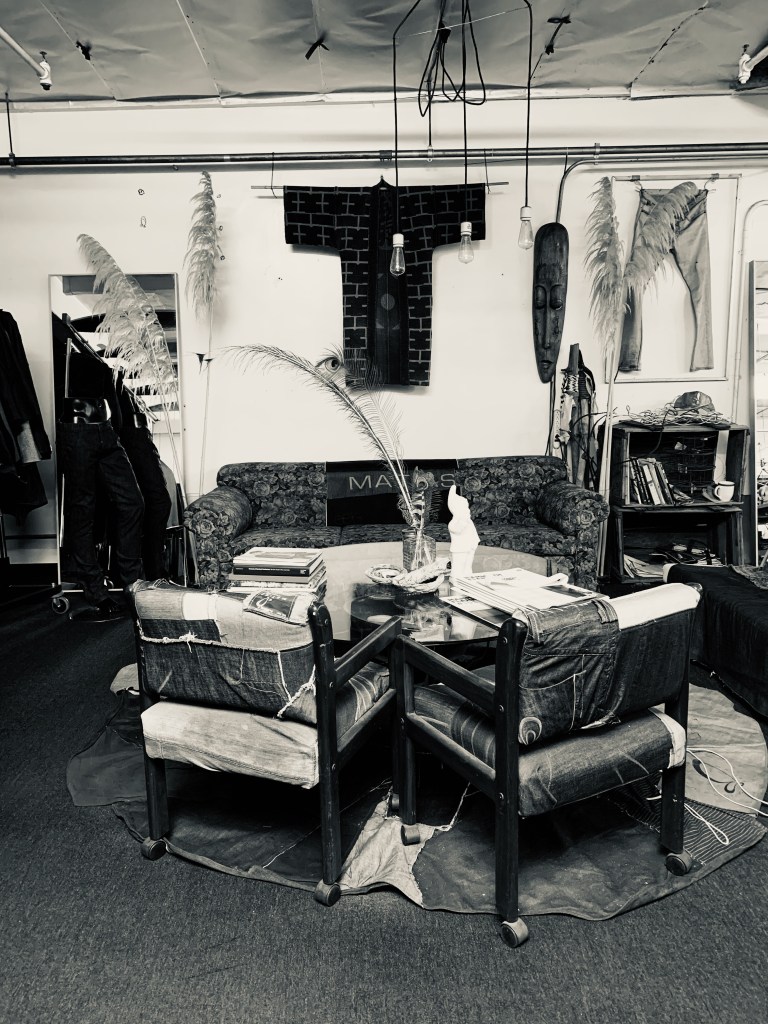
He admits his audience is niche, describing MATiAS as “elusive or obscure.” But this scale is intentional. “At some point it just becomes like everything else,” he says. Growth risks homogeny, while smallness keeps the work alive. His customers—photographers, artists, architects—recognize the shared language of art and labor. They “get it, they understand my perspective and what I’m trying to do.” Many have become collectors and some even commission entire wardrobes. For Sandoval this exchange between creator and collector sustains the work, and as he puts it, “feeds me these days.”
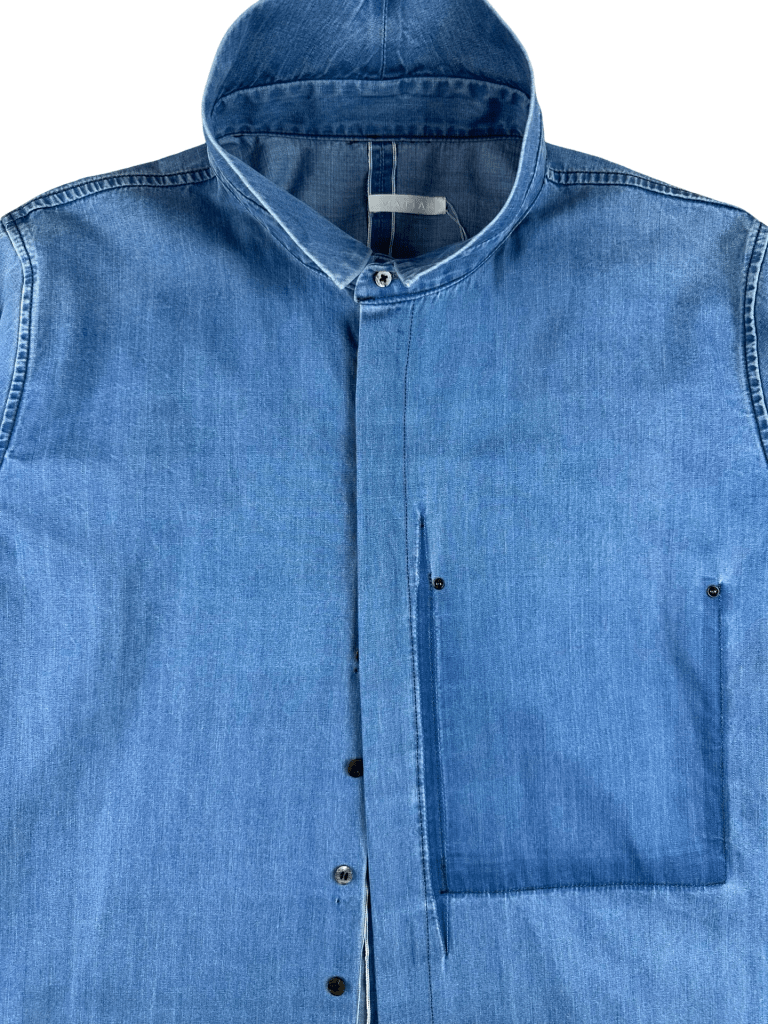
The result is a label that doesn’t simply make clothes but wrestles with the very idea of what clothes can be—objects caught between art and function, permanence and change. MATiAS is available at select retailers, including Standard & Strange.






What are your thoughts?