Aesthetic Symmetries and Spiritual Geometries of Kuala Lumpur
Situated amidst cultural and religious sites, the Moxy Kuala Lumpur Chinatown aligns itself within the multi-layered city
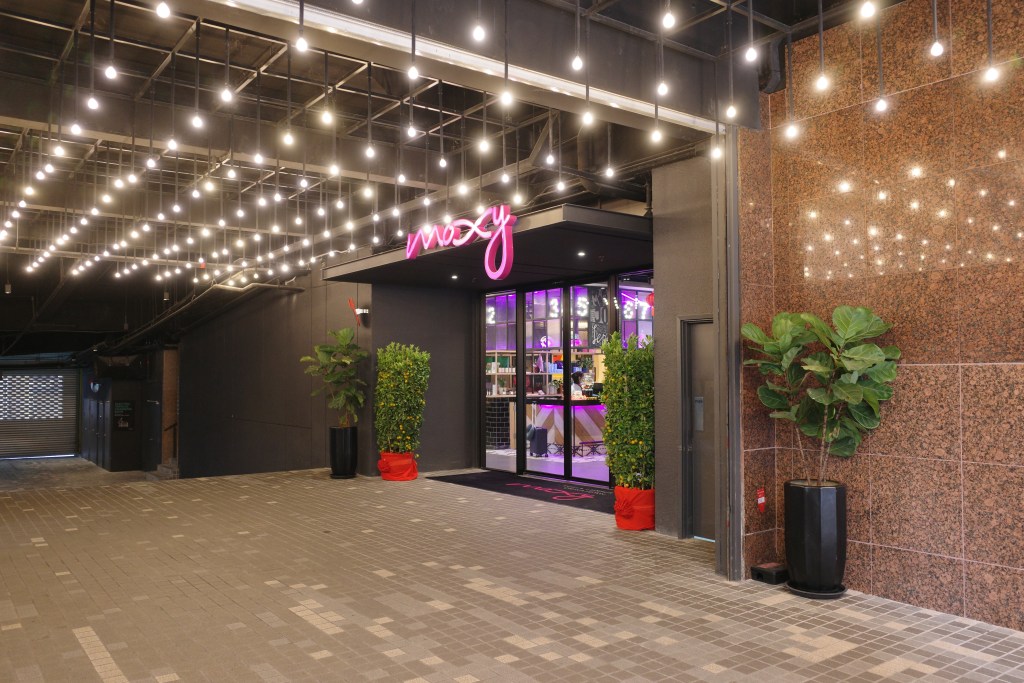
Set within the dense core of Kuala Lumpur’s Chinatown, Moxy Kuala Lumpur Chinatown occupies a building that once served a very different purpose. Long before it received travelers, this address functioned as a bank. That history has not been erased. It is held in place, quietly informing the atmosphere rather than announcing itself.
The clearest trace remains the original vault, now reconfigured as a bar. Its heavy rectangular steel door is still intact, framing a space defined by music, movement and conversation. What once secured financial assets now contains something less tangible, but no less valuable. The shift is simple, but precise. In a district shaped by trade and exchange, value has not disappeared. It has been reassigned.
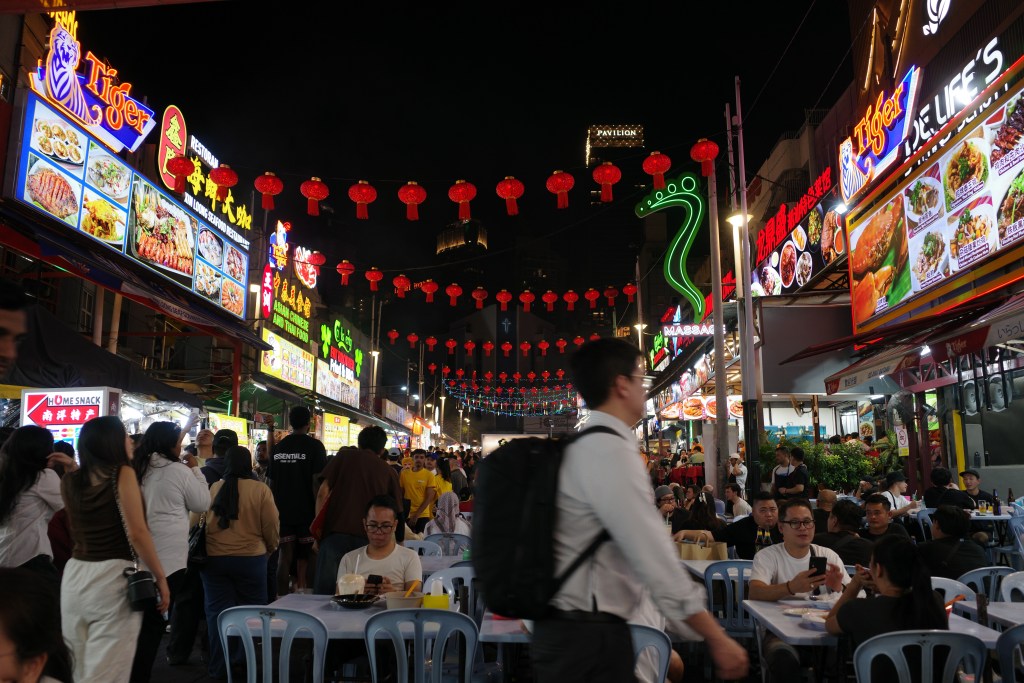
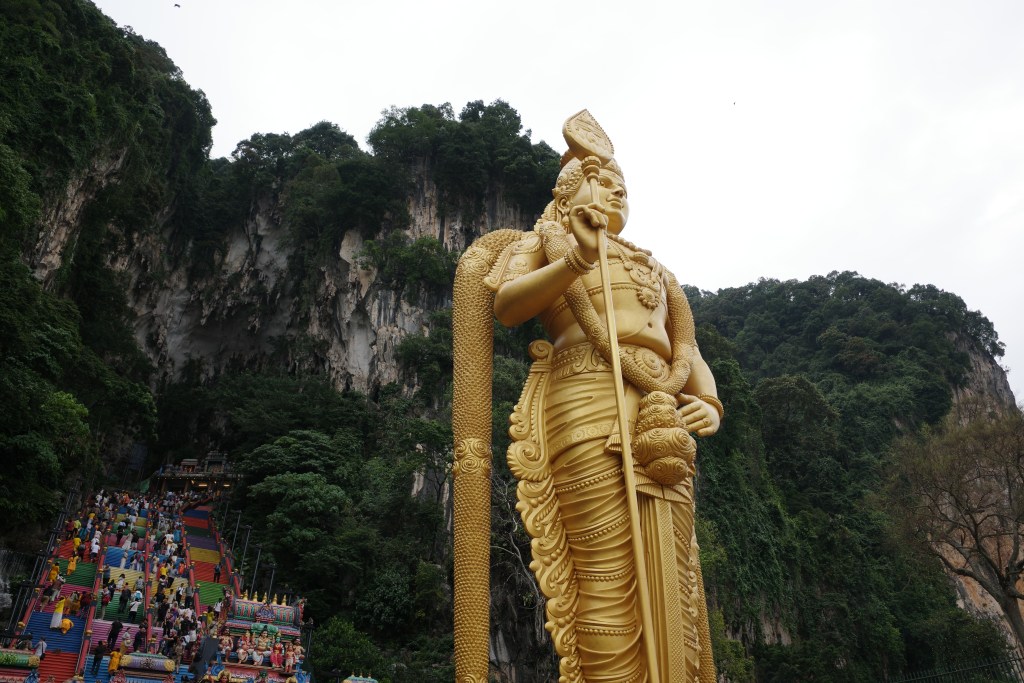
Step outside and Chinatown unfolds in layers. Petaling Street carries its constant rhythm of stalls and late night circulation. Incense moves through the air without urgency. Textile shops and hawker stands sit against aging shophouses that hold their own sense of time. Not far from the hotel, the ascent of Batu Caves introduces another order. Repetition becomes vertical. Step after step, measured and continuous, leading toward a threshold that is both physical and symbolic.
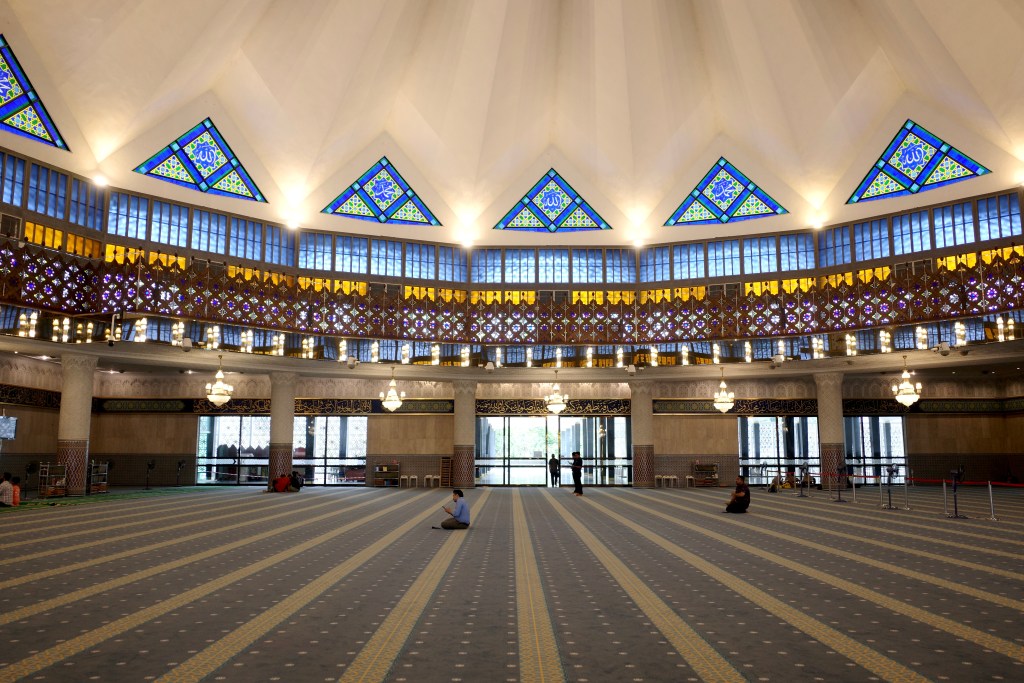
Across the city, mosques articulate a different but related structure. Domes, arches and minarets are governed by proportion and alignment, extending geometry beyond the visual into sound and rhythm. The call to prayer moves through the city, intersecting with its other systems without cancelling them out. Kuala Lumpur does not resolve these differences. It holds them in parallel.
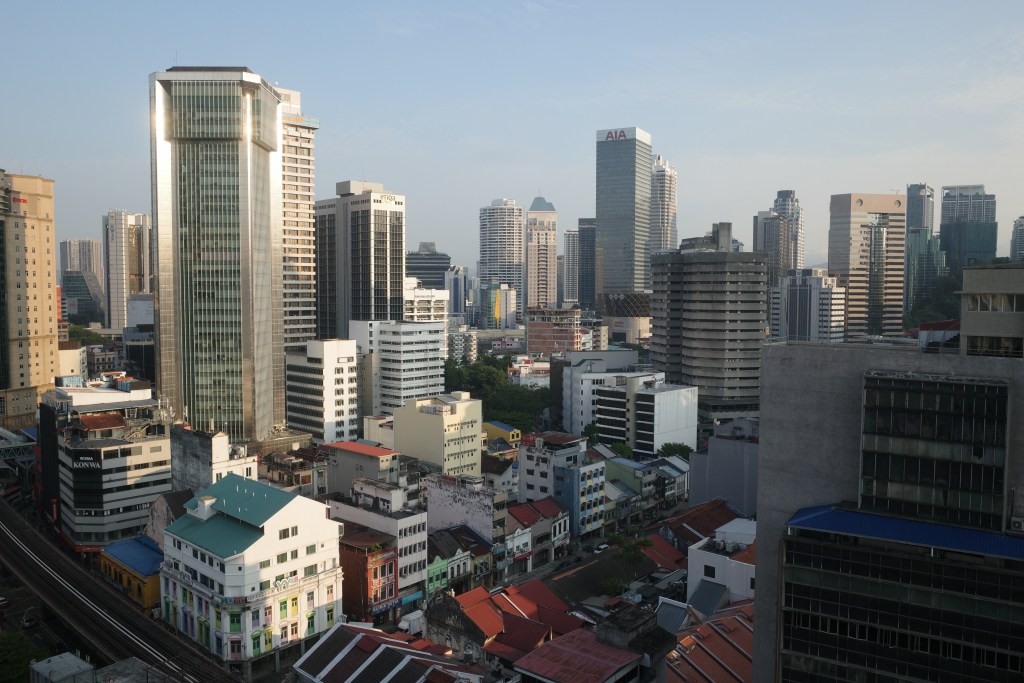
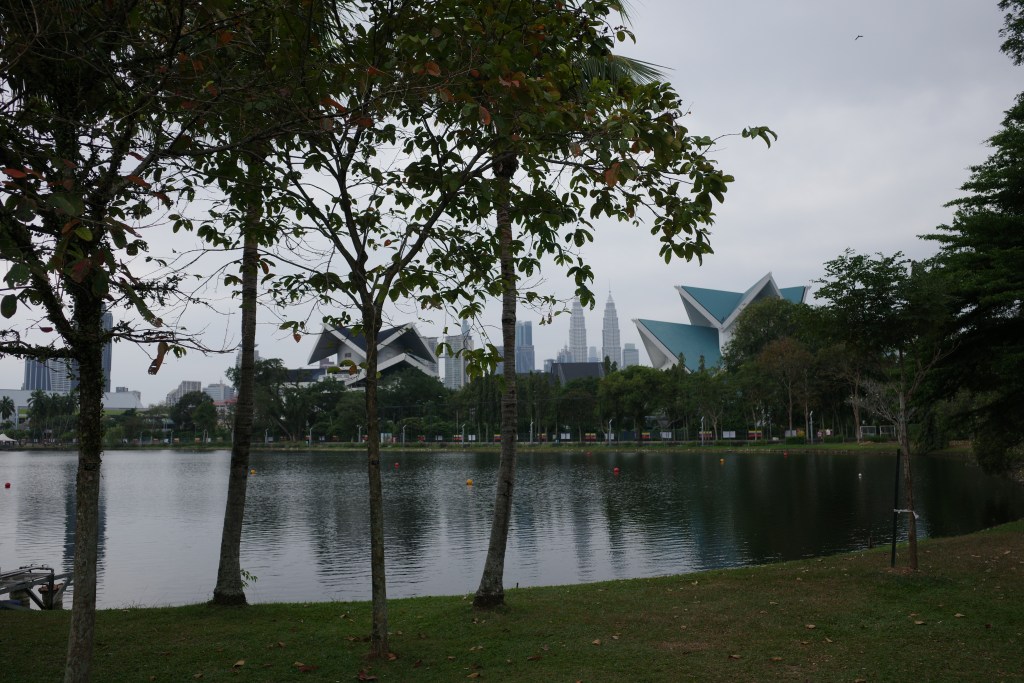
From the rooftop pool, this becomes legible. Towers rise in controlled alignment while the lower fabric of Chinatown spreads outward with a more irregular cadence. Glass meets tile. Contemporary lines sit alongside older forms without tension. The city does not fragment from this vantage point. It composes itself.
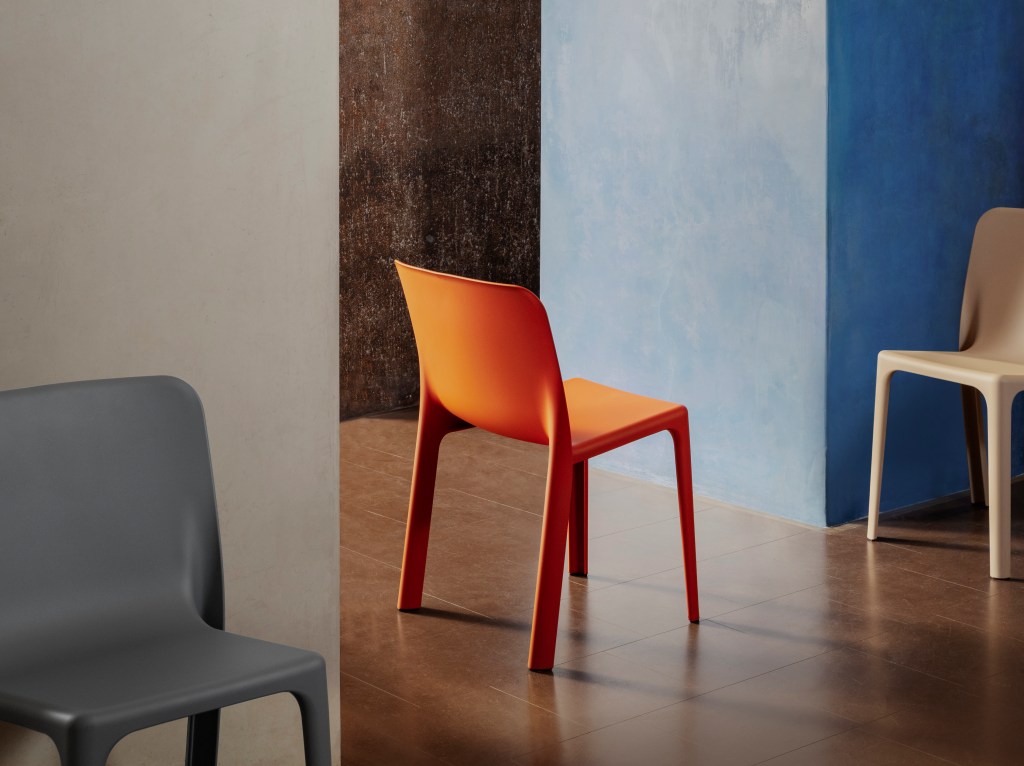
Inside, the rooms follow the same logic. Compact, but resolved. Peg walls replace permanence, creating a flexible grid where use defines the space. Furniture is reduced to what is necessary. Technology is present, but not declarative. Nothing feels added for effect. The emphasis remains on function, clarity and adaptability.
This speaks directly to a younger, globally mobile generation. The layout assumes movement. Work, rest and transit are not separated into fixed categories. The room becomes a base rather than a retreat.
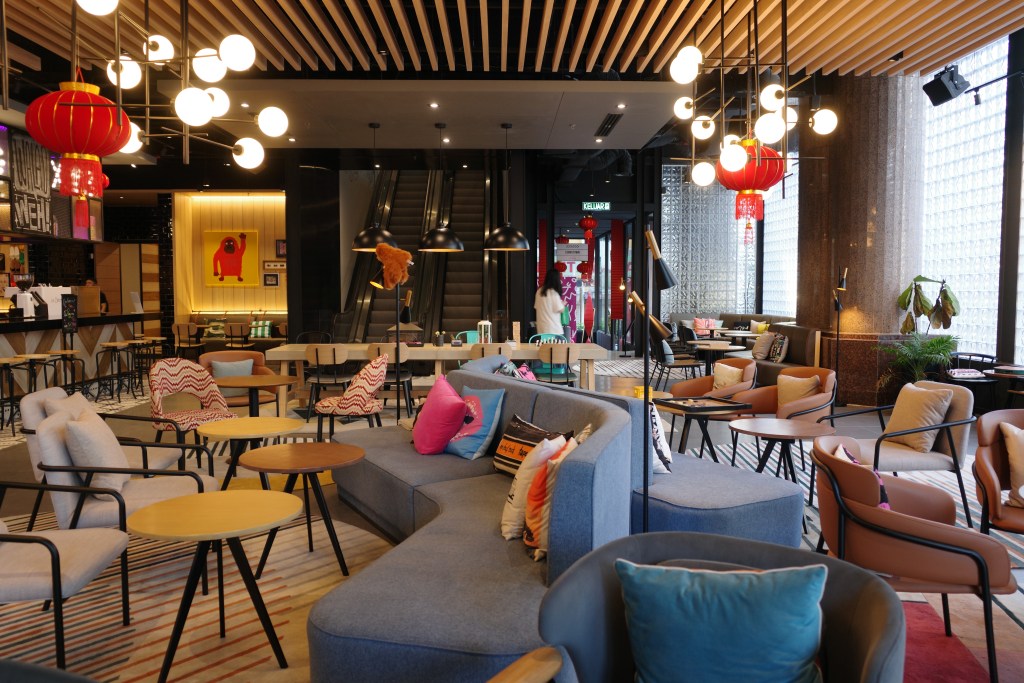
The social spaces extend this position. Check in happens at the bar, collapsing distance into immediacy. Music sits in the background, constant but not performative. Food and drink are designed around sharing rather than formality. The former vault anchors the space with a sense of weight, giving the surrounding informality something to hold against.
Moxy Kuala Lumpur Chinatown does not attempt to define the city. It aligns itself within it. A former site of financial order now operating within a broader field of cultural and devotional structures. Structured, but open. Precise, but never rigid. Just one system among many, holding its place within Kuala Lumpur’s ongoing composition.





What are your thoughts?