10 Things We Loved at Lake Como Design Festival 2026
Confine/Border framed this year’s edition, drawing designers, architects, artists and curators from around the world
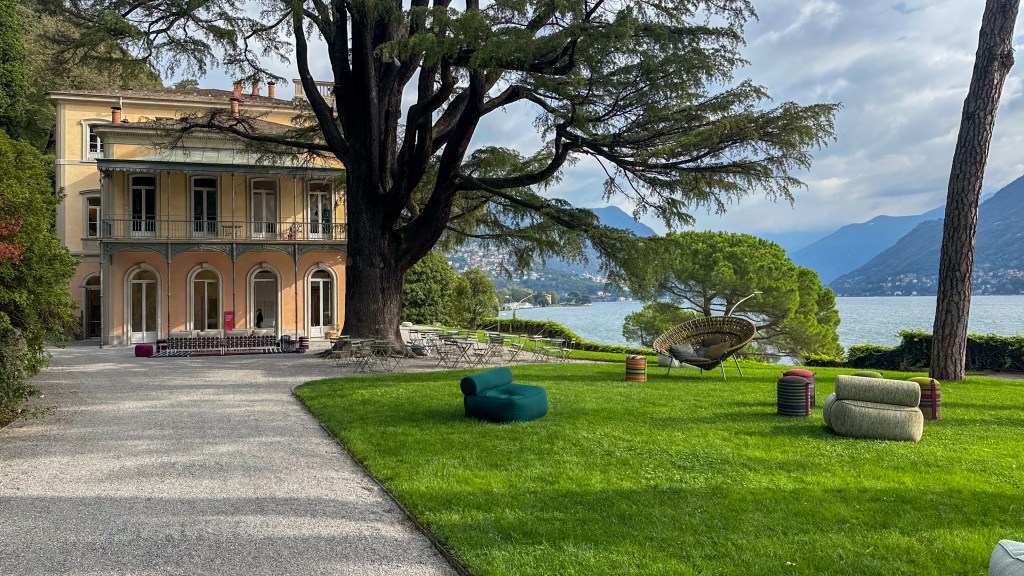
Como builds furniture, weaves silk and keeps design close to daily life, a truth the lake’s villas and scenery tend to overshadow. For its eighth edition, Lake Como Design Festival widens that field well past the local workshops, and the dialogue between past and present that everyone talks about turns tangible here: you walk into it, room by room, across exhibitions, installations and the events around them.
This year’s theme, timely as ever, is Confine/Border, understood less as a dividing line than as a space of encounter and relation, somewhere we come to know ourselves and change. The festival makes the point by crossing its own edges, adding new venues in nearby Lecco to the program in Como.
We spent a few days walking the installations and picked 10 that best hold the theme of the border, without losing sight of the essential tie between preserving the past and looking to the future.
1. Soft Monuments by Pastina
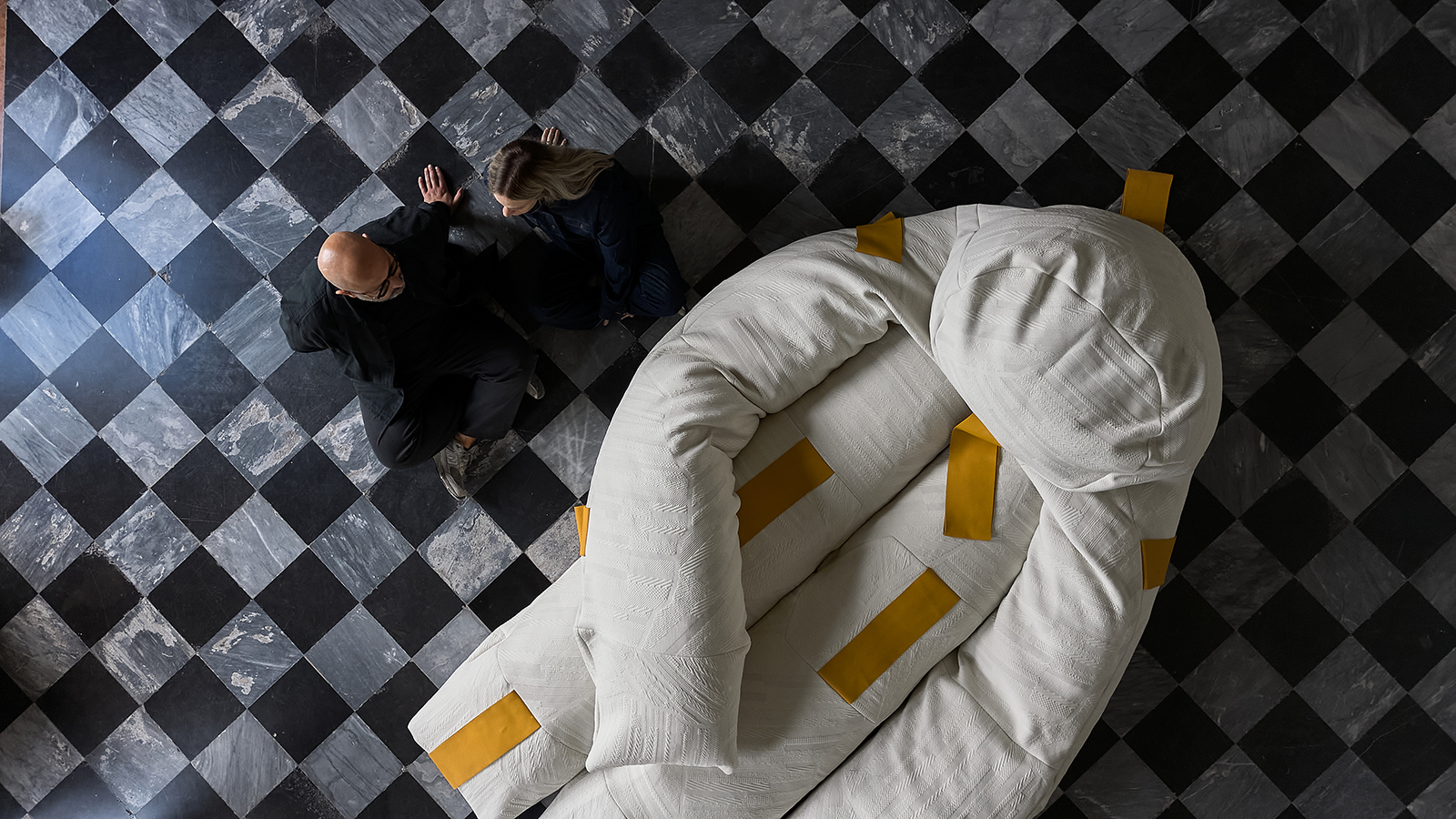
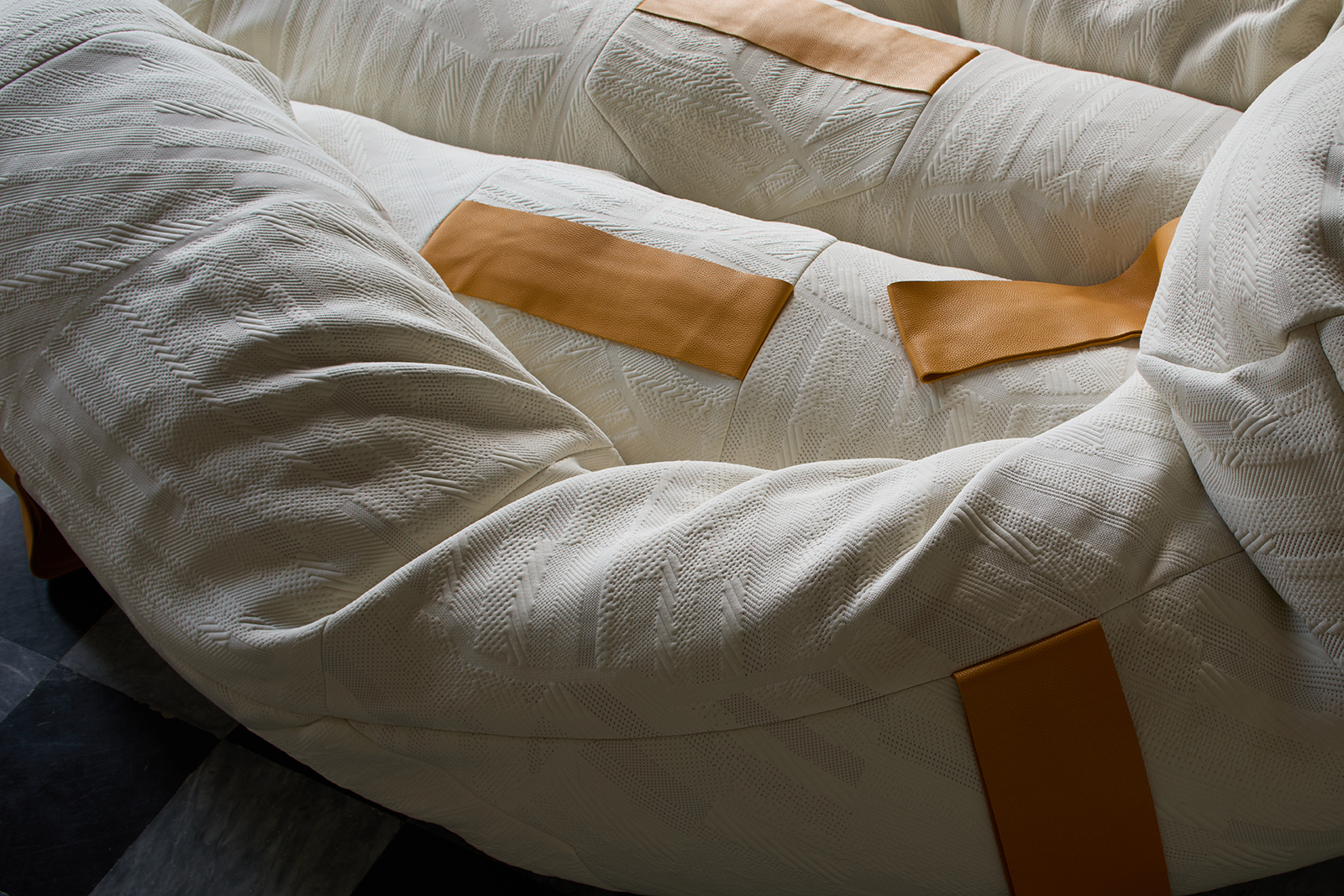
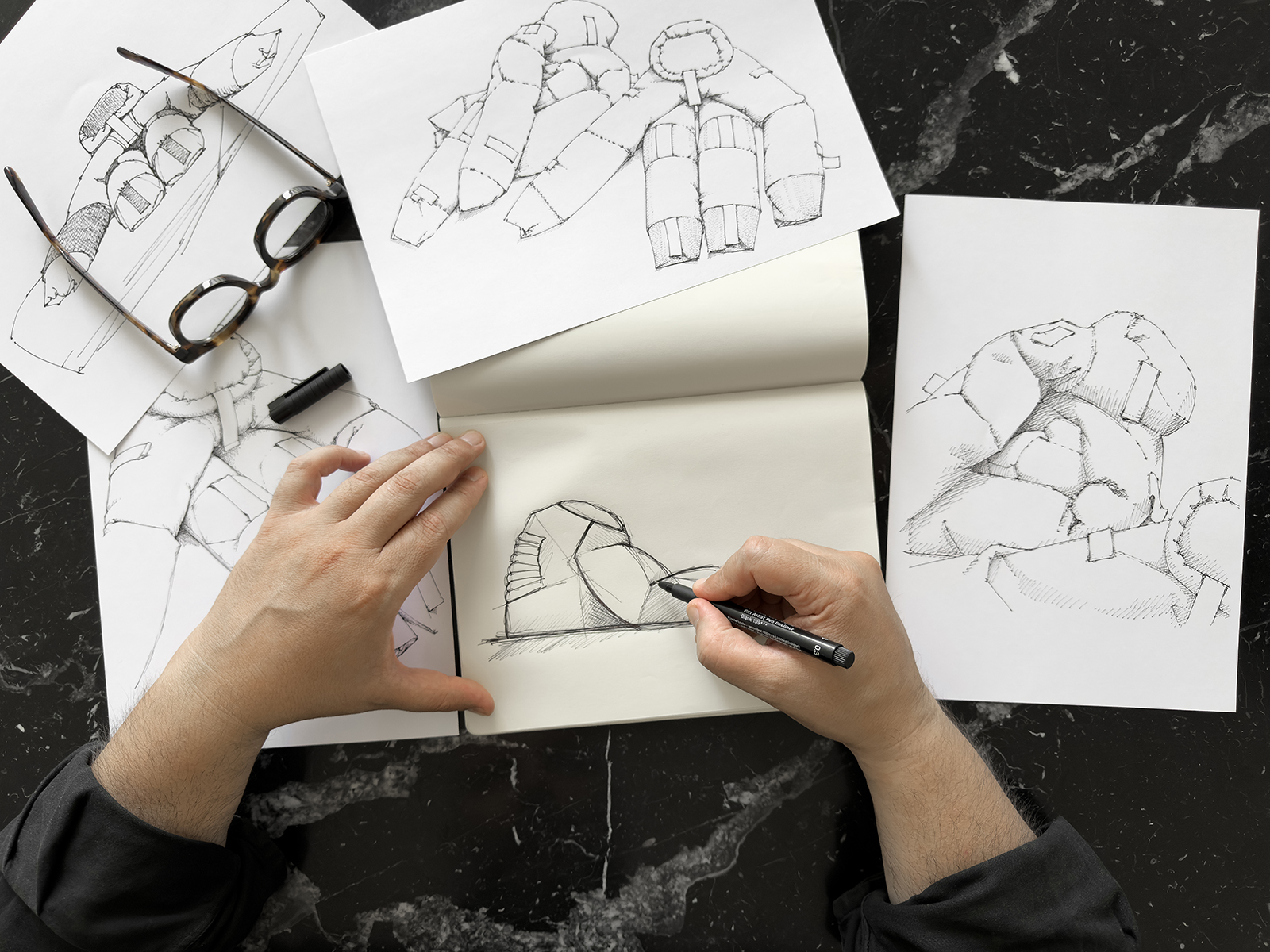
The Contemporary Design Selection returns, curated by Giovanna Massoni and directed by Francesca Prandelli, the festival’s chief coordinator, and it remains one of the shows to catch: a place to test the border between art and design, new habits and old traditions. One hundred designers, makers and artists of all ages, from around fifty countries, made the works on show, united by their ease in moving beyond assigned territories. This year Villa Saporiti hosts the selection for the first time, and inside its rooms Pastina’s Soft Monuments seat stops you. The Rome studio conceived a giant soft structure whose form suggests a person, an animal or a hand. You sit on it, lie across it, reshape it at will, playing with every part and blurring the border between body and object. Groma covers it, a new textile Pastina developed with BYBORRE.
2. Landscape Memories by Coco Brun
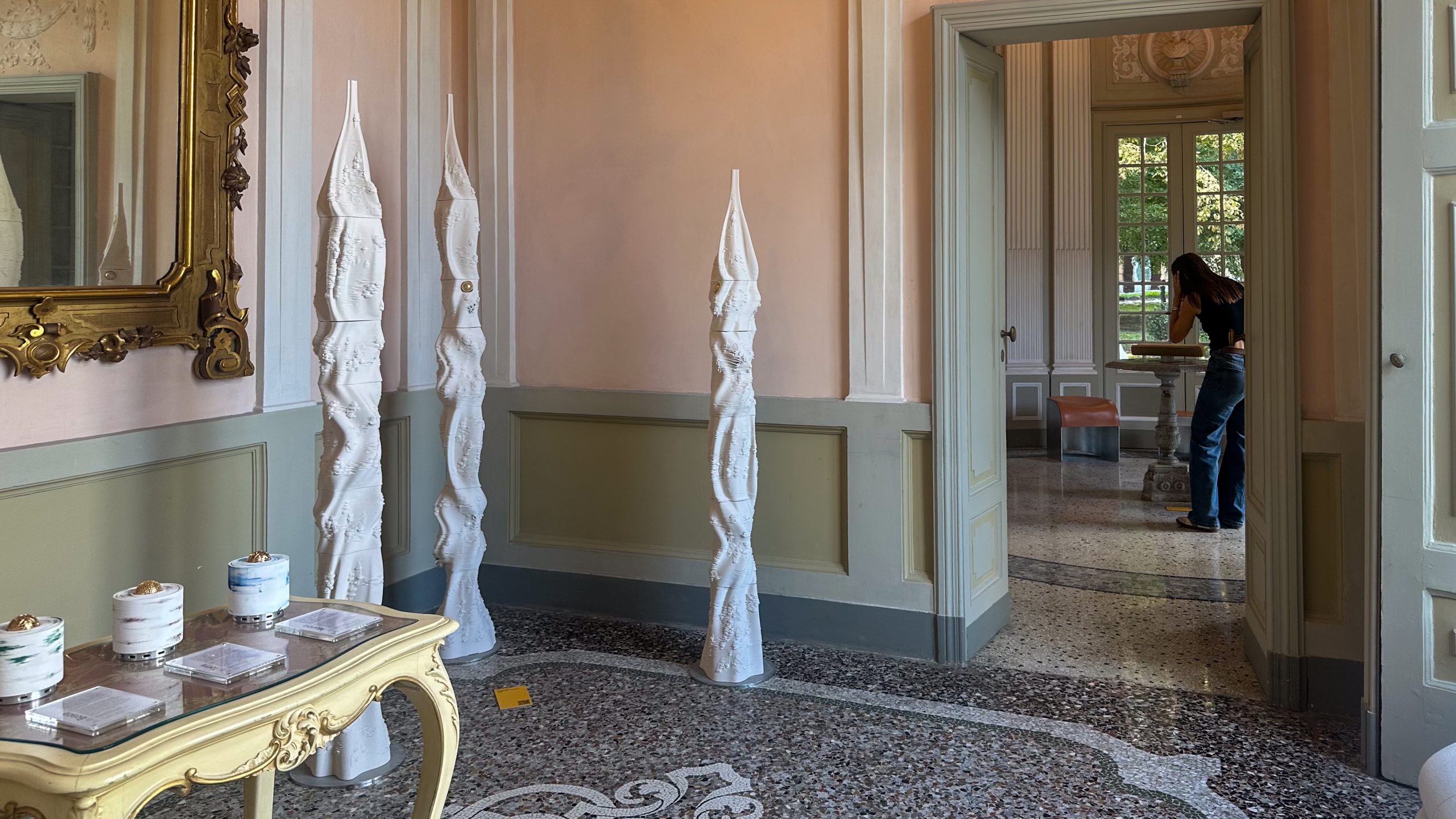
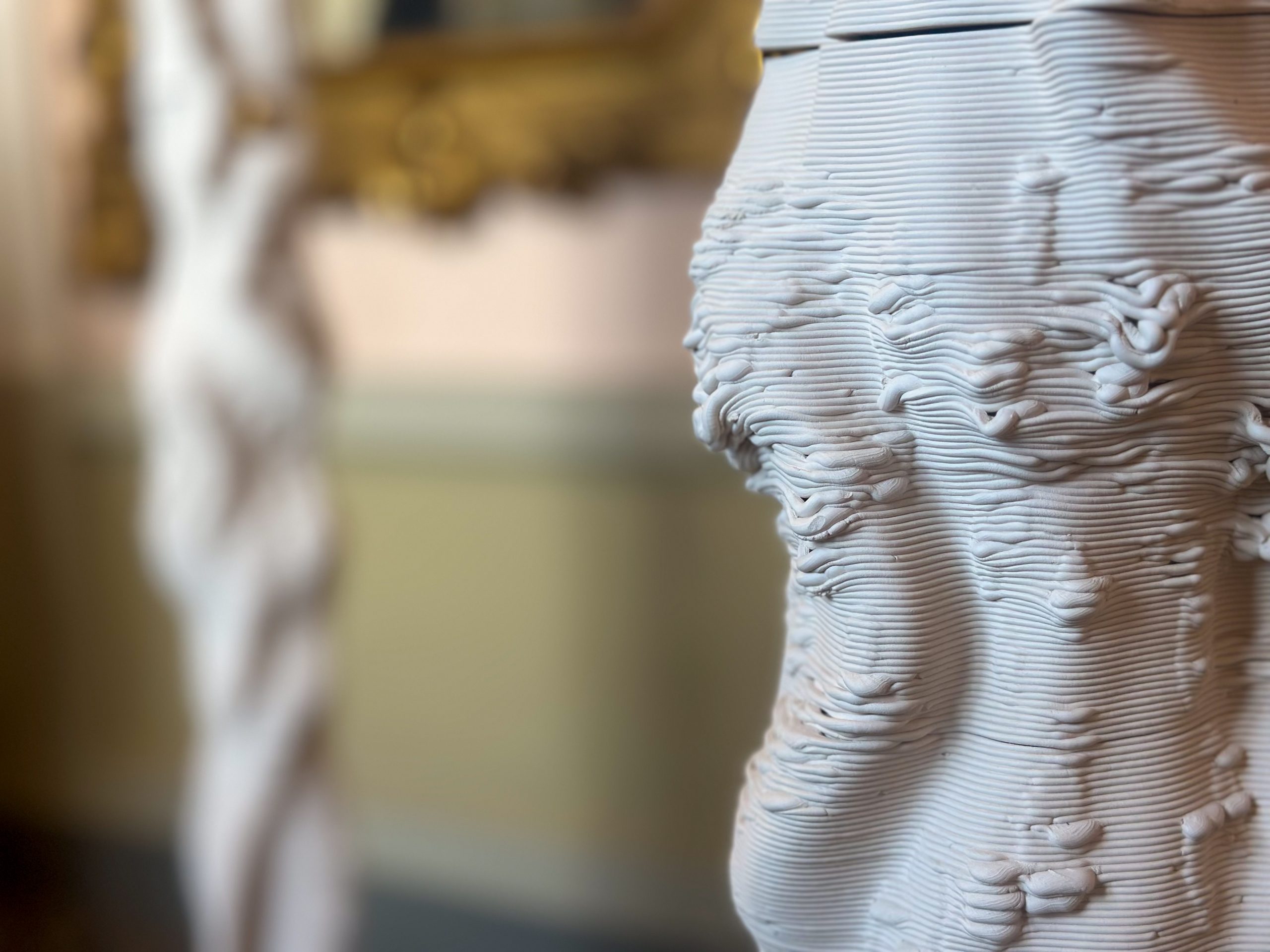
We have crossed paths with Coco Brun’s work in Como before, and each showing reveals another step in her research on materials. This time, the French designer and artist reaches even into scent, a gesture we might call immaterial design. Landscape Memories gathers three 3D-printed ceramic sculptures, each paired with its own perfume. Visual memory and olfactory memory braid together, and the artist’s private recollections turn universal as they meet the public. Like memories, landscapes shift constantly, and so do borders.
3. The Long Take by The Happy Few
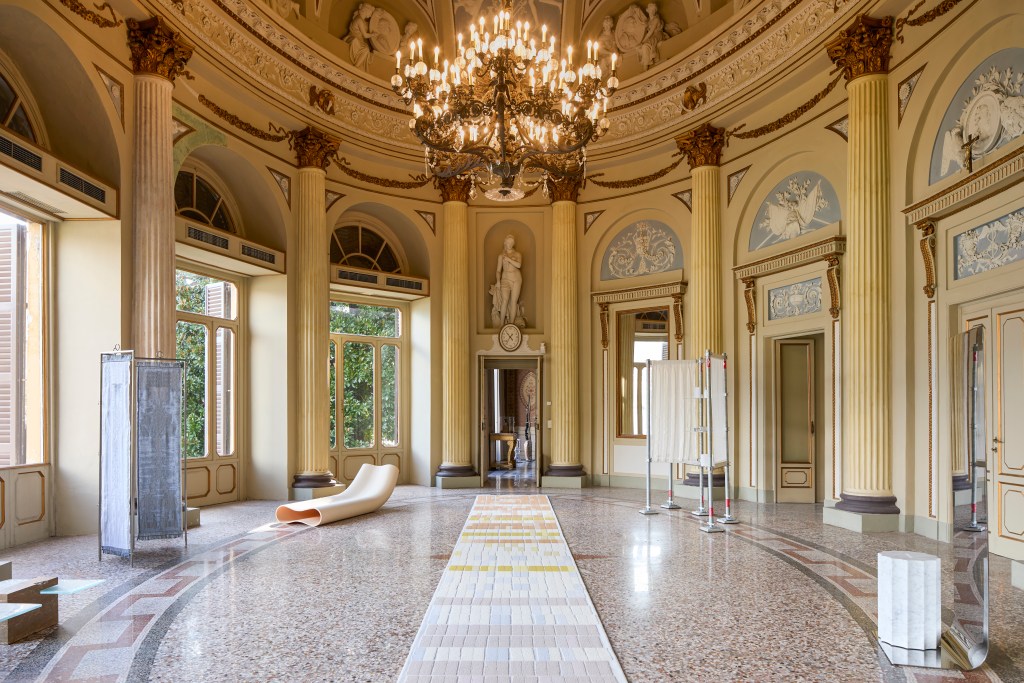
A 10-meter carpet runs the length of Villa Saporiti’s grand oval hall, covered in irregular rectangular motifs. The Long Take began with a look at sidewalk paving, the kind that surprises us with its uneven grid. We trace it with our eyes, or play at stepping across it to invent our own routes. A childlike, poetic gesture becomes design thanks to The Happy Few. The Shanghai designers set out to picture a street, which by definition divides and joins, separating two sides while reconnecting many others.


4. Fur.001 and Fur.002 by Studio Bjorn Verlinde
What happens when a saddle meets an aluminum frame? Crossing that border produced Fur.001 and Fur.002, a seat and a side table from Belgium’s Studio Bjorn Verlinde. A strict oil-polished aluminum structure holds a leather seat built with saddlery techniques. The small scale gives up nothing in comfort: a clever construction lets the stool tilt back and lock, settling you into a more relaxed position. The table echoes the seat’s forms and proportions, making a small family with an industrial look and an artisanal soul. Another border that joins rather than divides.
5. Burnt Wool by Sandra Battistel
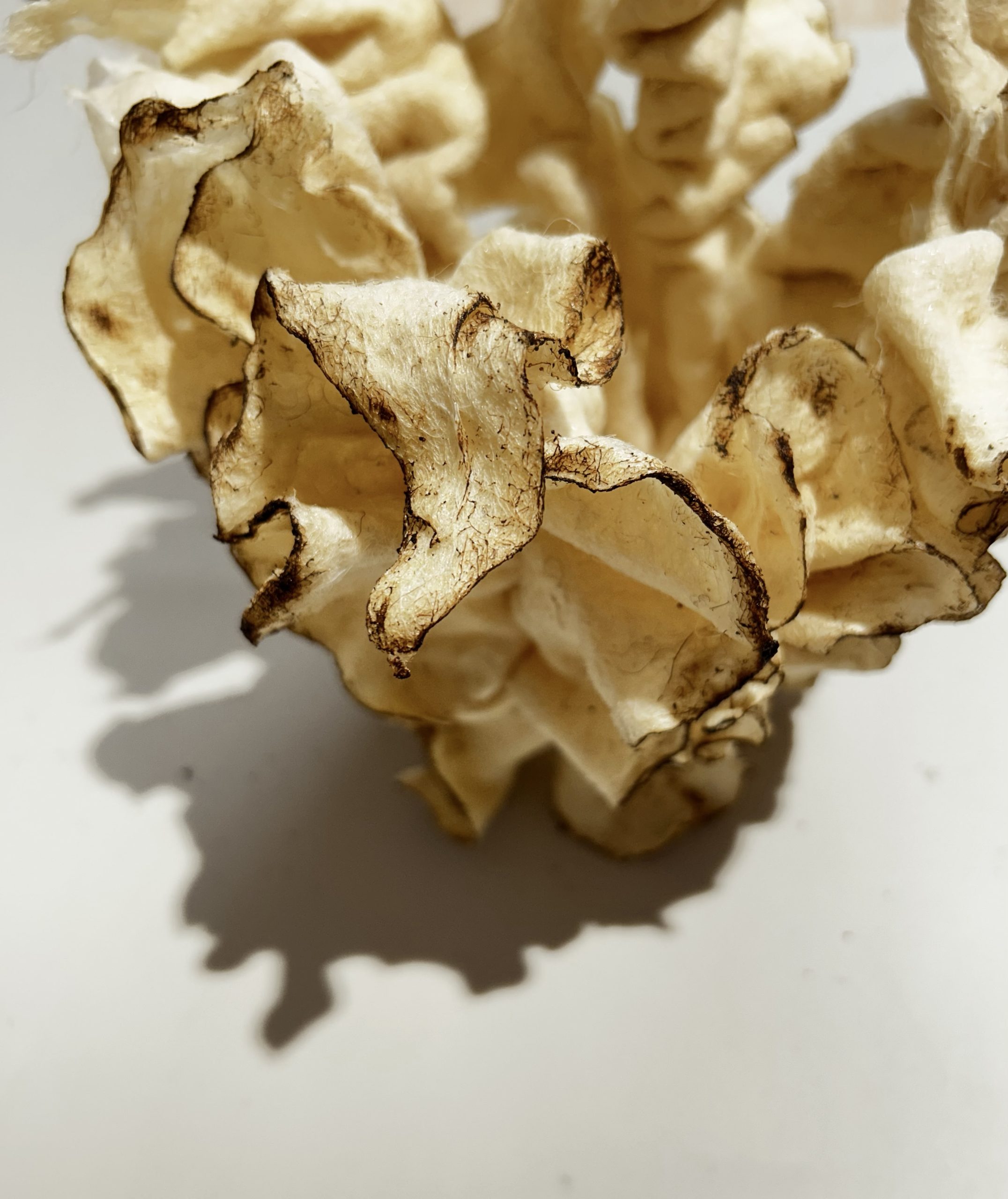
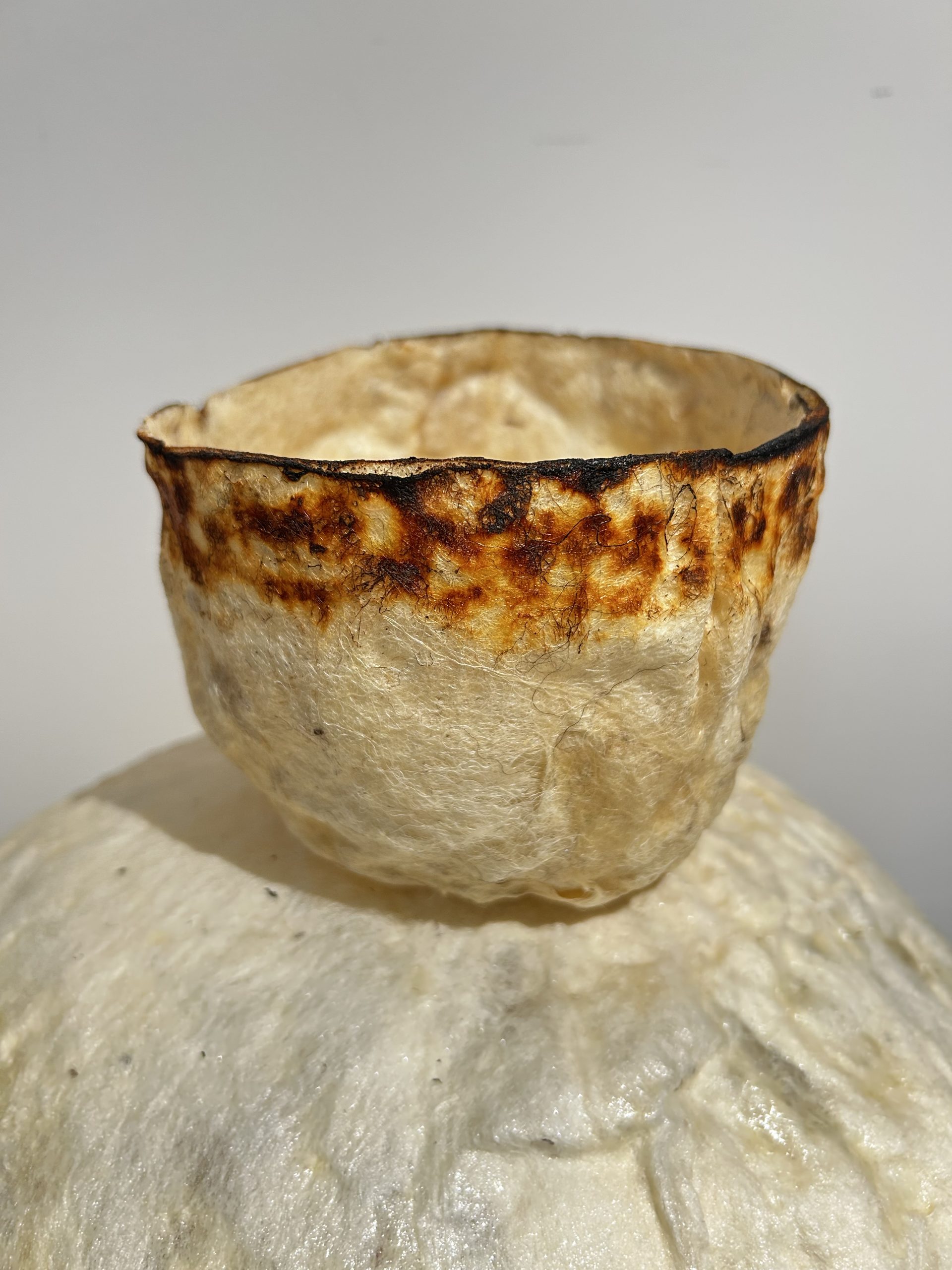
After a Master’s in Applied Imagination at Central Saint Martins and a specialization in biomaterials in Copenhagen, Sandra Battistel began a research project on the border between rural and urban life, read through the lens of design. One result sits here in the Contemporary Design Selection. Starting from alpine wool scraps headed for the fire, Burnt Wool turns waste into art. Battistel burns the discarded wool under control until it becomes a new material, full of texture, shading and appeal. The research continues, yet it has already produced objects that move between art and design and can serve as protection, containment or decoration.
6. Fine Comune by Ultrapresent Studio
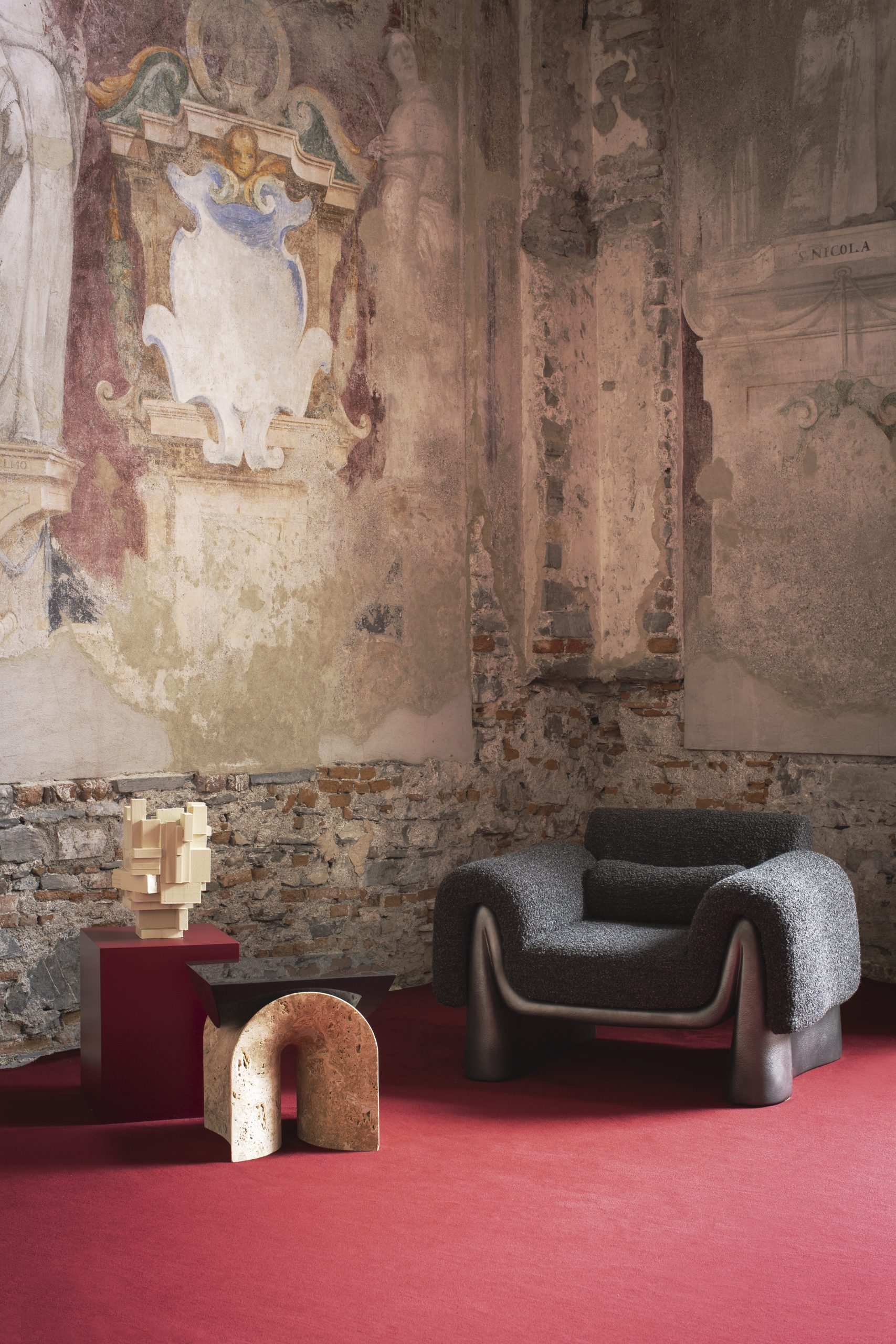
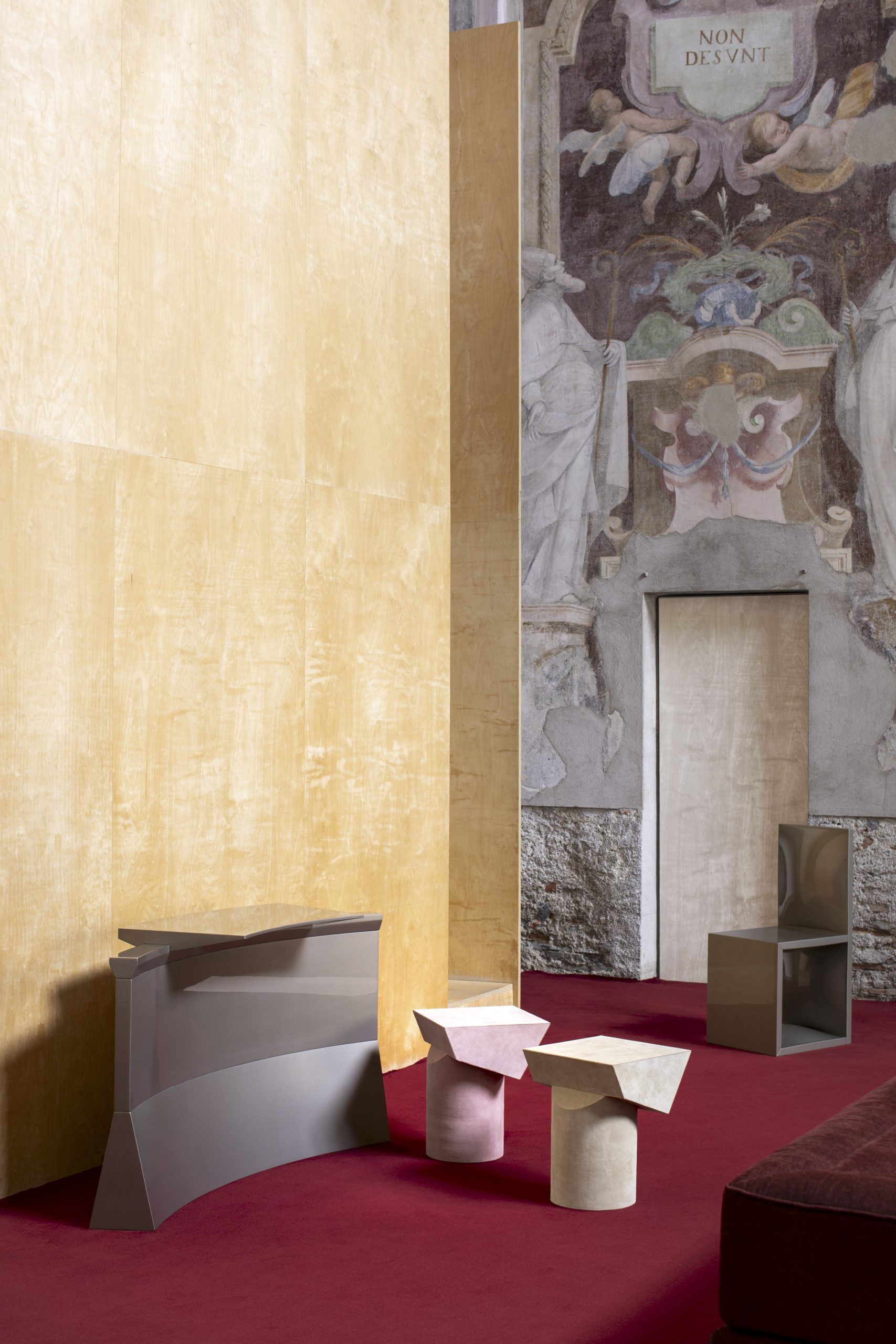
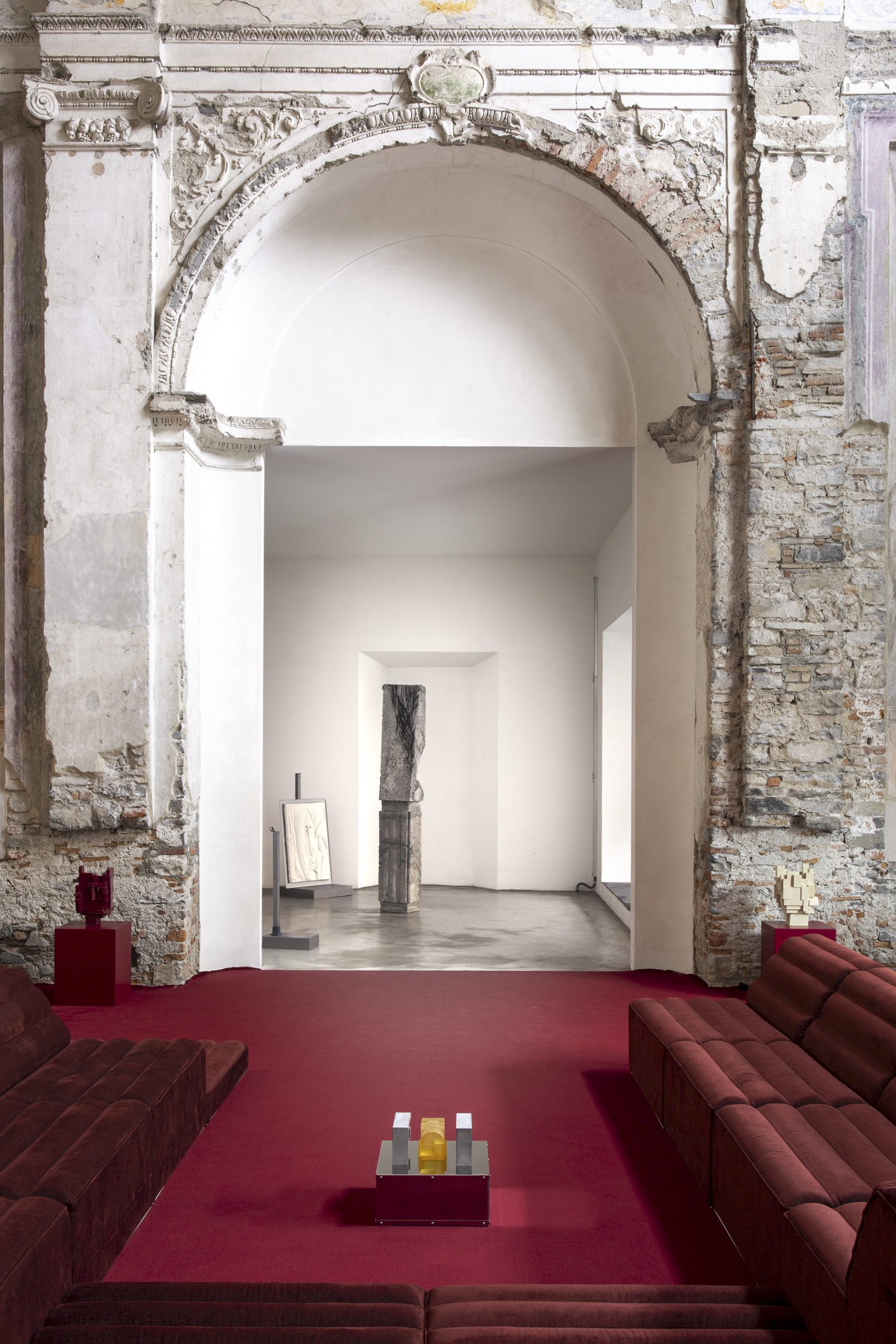
Fine Comune, a group show, fills the former church of Santa Caterina, again probing limits and sharing under the banner of a common goal, with creative direction and exhibition design by Ultrapresent Studio. The visit opens in a small room holding works by Luca Monterastelli, shown with Galleria Lia Rumma. Acerbis’s Free System sofa dominates the large hall, wide and low, an invitation to a Mediterranean, almost nomadic conviviality. Around it sit collectible pieces from Movimento Gallery, among them Costantino Gucci’s mirrored objects. On the walls hang handmade rugs from cc-tapis, drawn from the Hypercode collection designed by Roberto Sironi.

7. Casabianca Art Collection
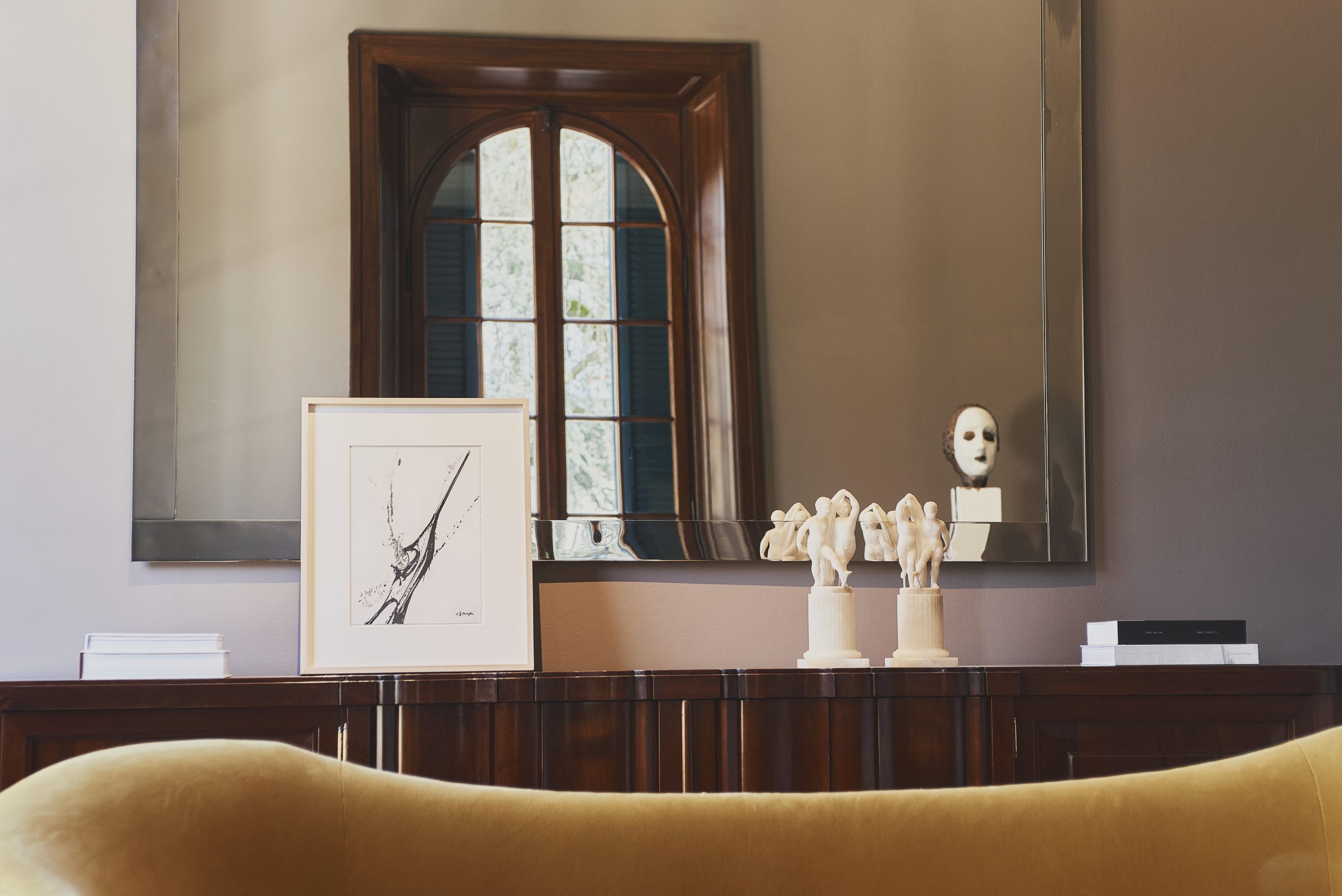
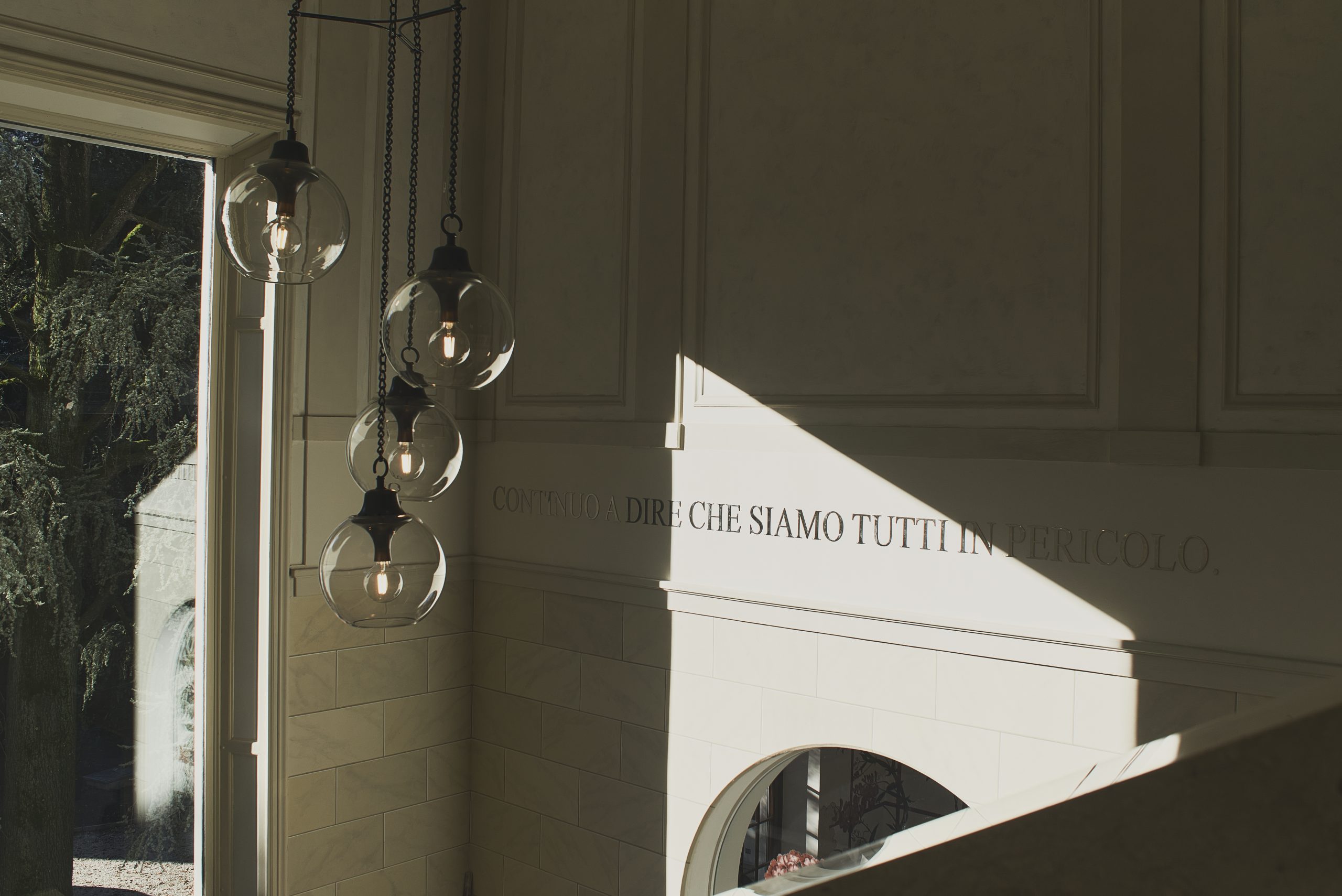
A festival staple, the Studio Visit route opens studios, galleries, ateliers and archives across the area to the public. This year a new Hospitality Visit joins it, with five hotels opening their doors to designers and artists. Don’t miss the brand-new Casabianca, a boutique hotel and house-museum with just three suites and a remarkable contemporary art collection. Works by William Kentridge, Marina Abramović, Mimmo Paladino, Francesco Vezzoli and others reward a walk through the villa’s rooms, furnished with vintage design pieces as though it were a private home. Beyond art and design comes the food: on the ground floor, Cova Casabianca, a new and nearly secret pastry shop and aperitivo spot is hidden in plain sight.
8. Collezione 64 by AG Fronzoni, produced by Cappellini
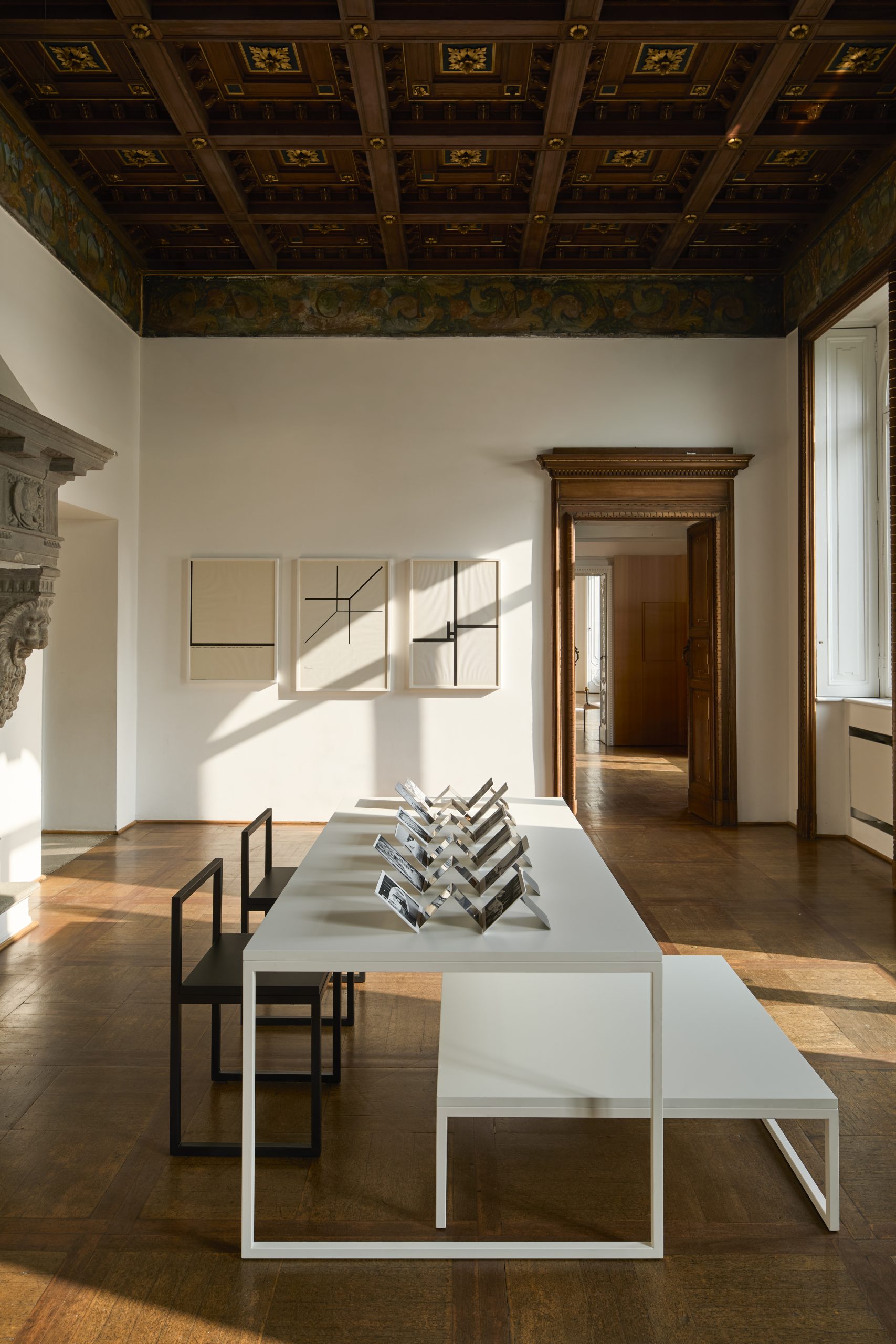
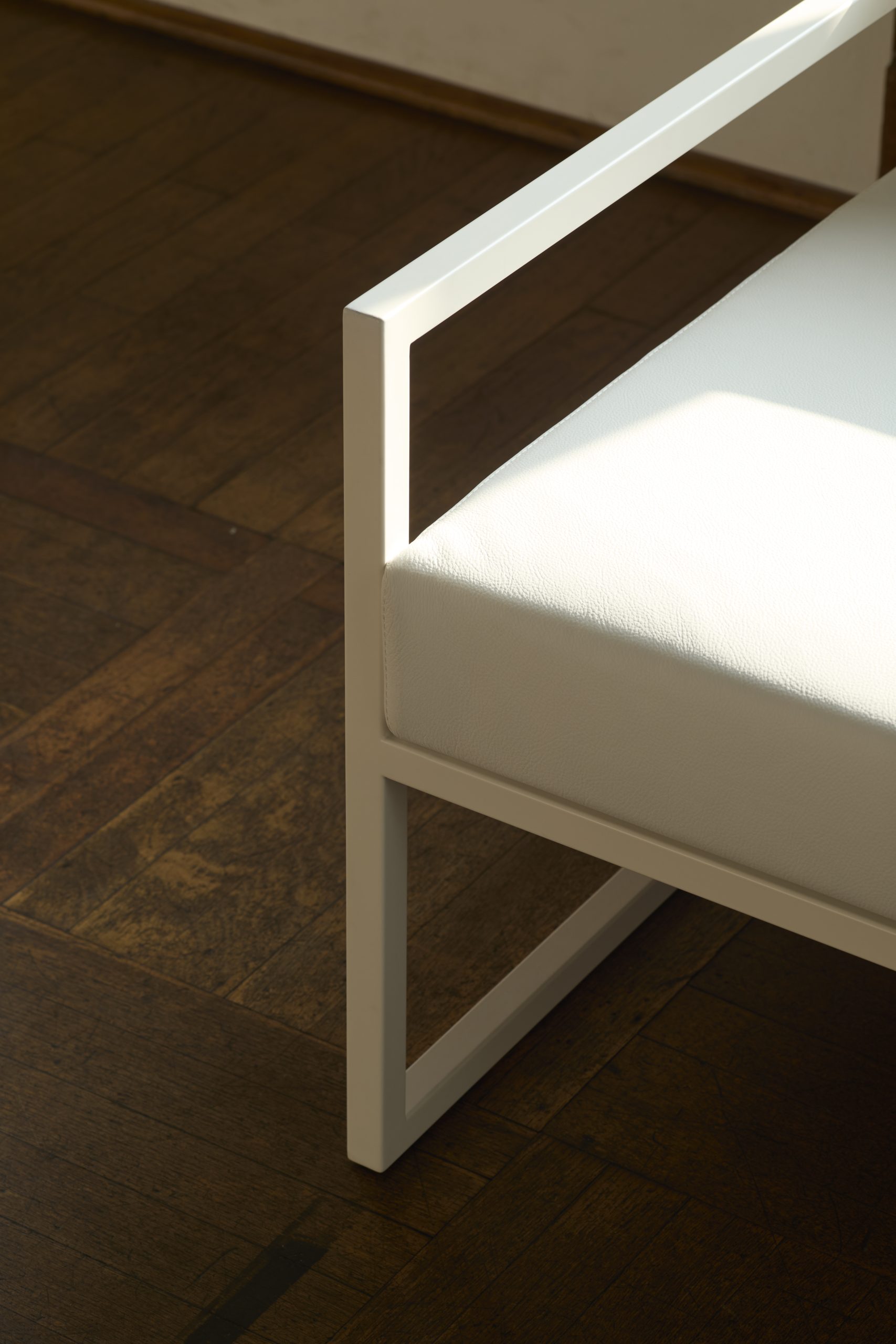
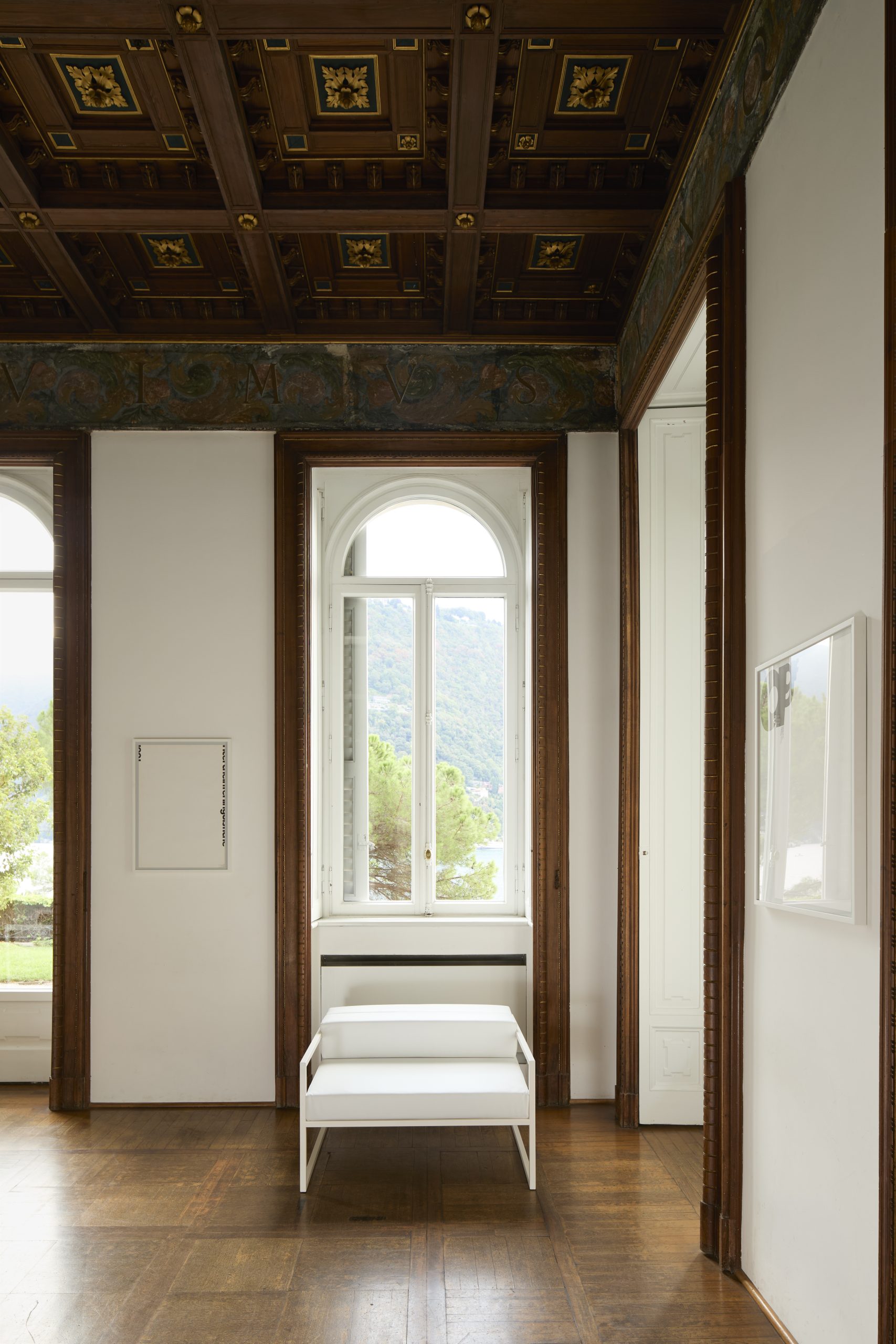
The Grumello park has become a festival fixture, its garden facing the lake and the Serra hosting talks, workshops, a bookshop and an excellent temporary bistro run by La Breva. The villa holds Future in the Past, a show that explores a classic border, the one between memory and project. Among the figures here stands AG Fronzoni (1923 to 2002), product and graphic designer, an undisputed master of minimalism and of stripping lines to their limit. His posters appear, built from very few elements, alongside objects from his archive. Collezione 64, produced by Cappellini, shows up too, where the structure itself becomes the border. Chair, armchair and table could not be more essential or geometric, a style that has carried the passing of time with real ease.
9. Lina Bo Bardi reissues by ETEL
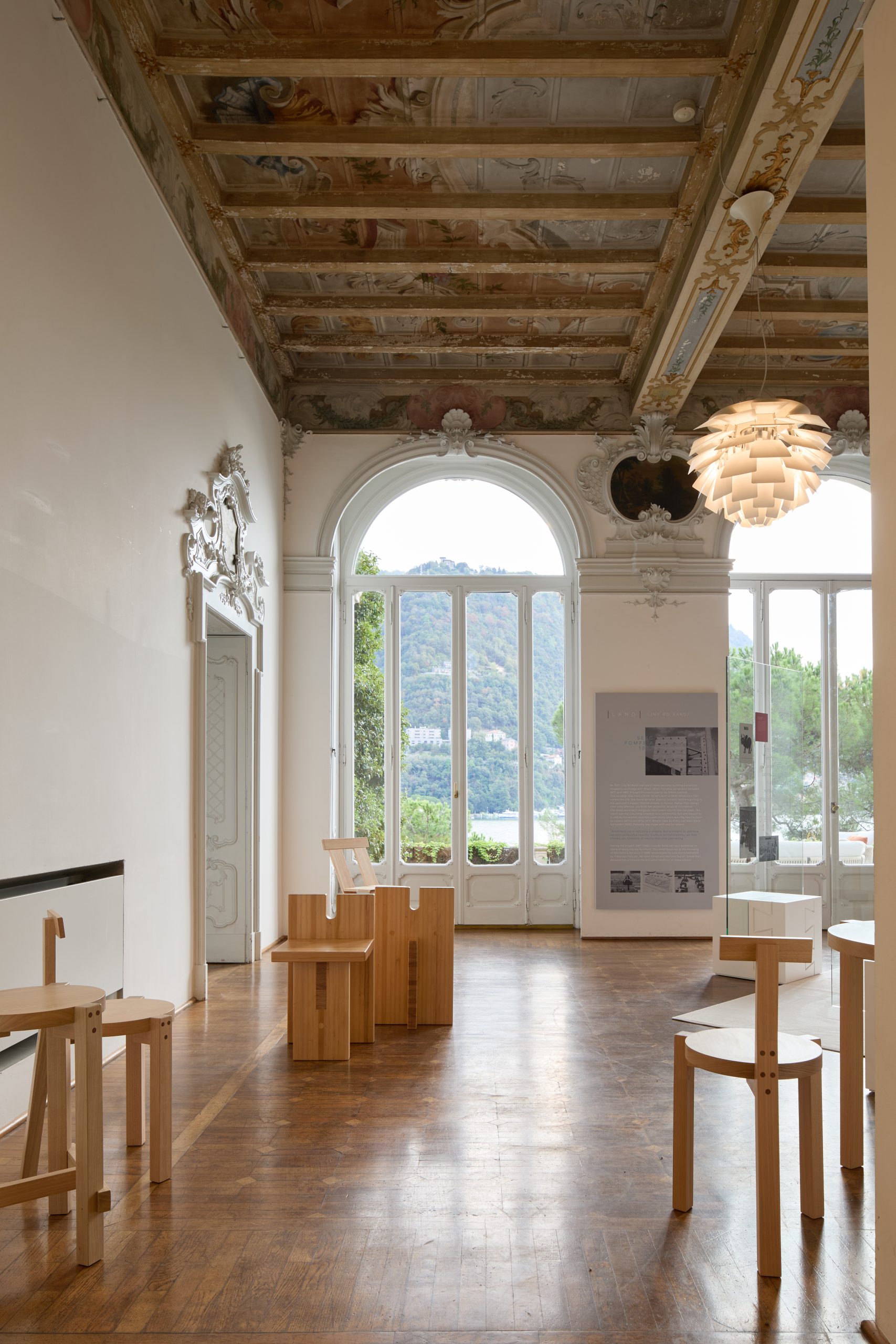
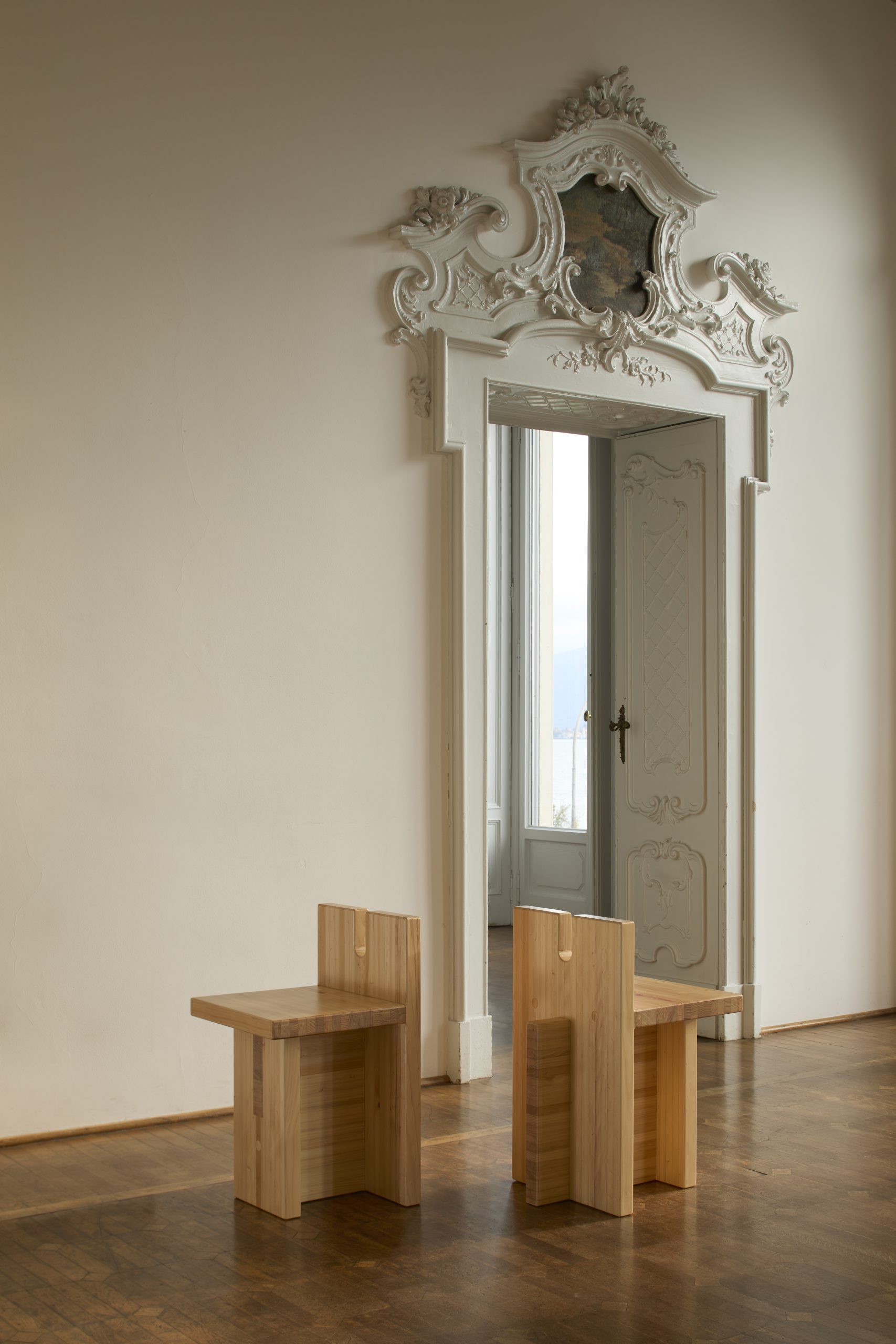
A little further on, ETEL presents a show devoted to Lina Bo Bardi, the great Italian-born Brazilian designer. Made with the Instituto Bardi, it gathers reissues of pieces she designed for the Casa de Vidro, her 1951 home, and for SESC Pompéia, the public complex she built between 1977 and 1982. Bo Bardi never stops surprising, with sinuous yet essential lines and a rare gift for respecting materials while refusing to compromise on quality or comfort.
10. Archivio Carla Badiali
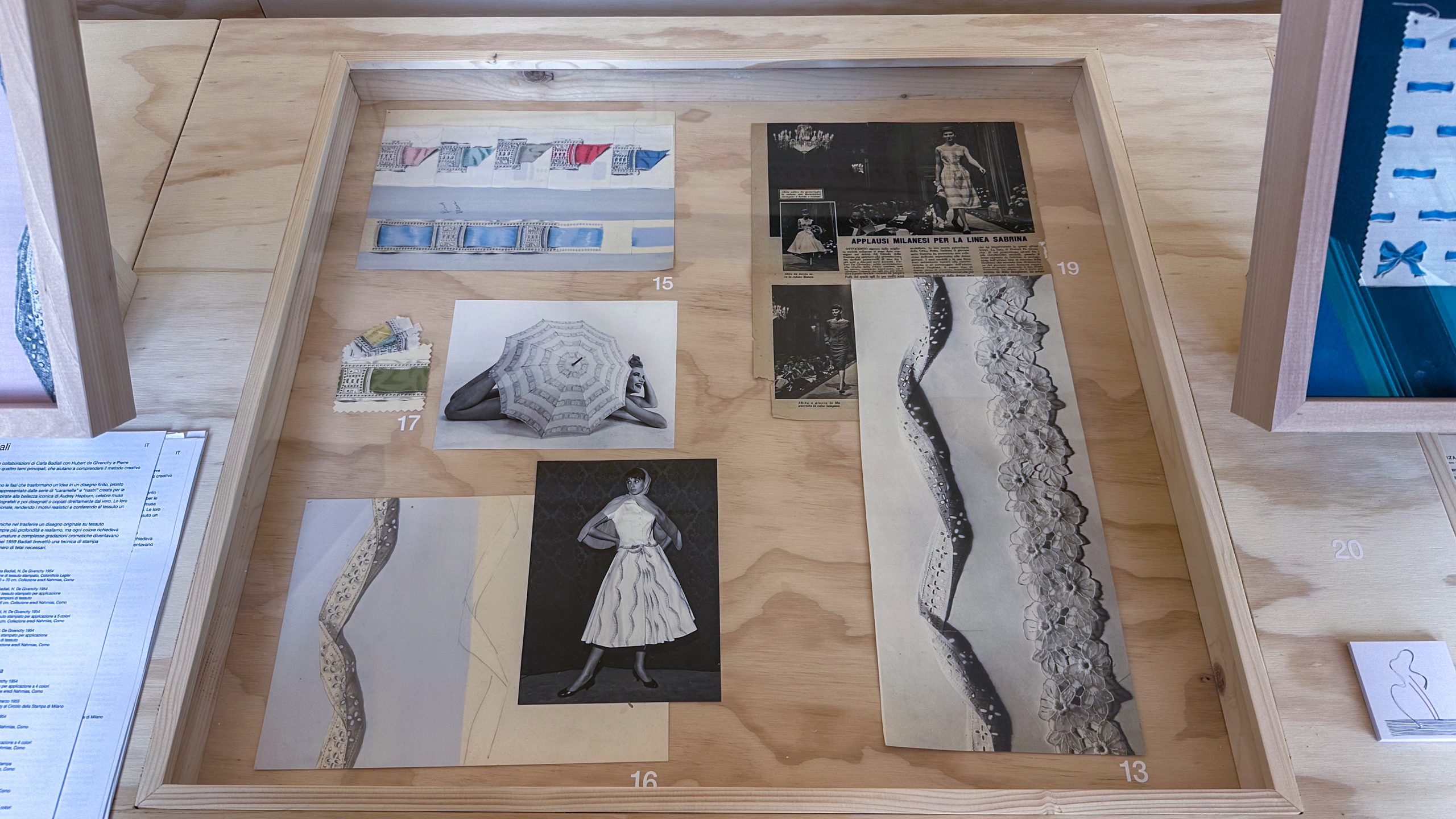
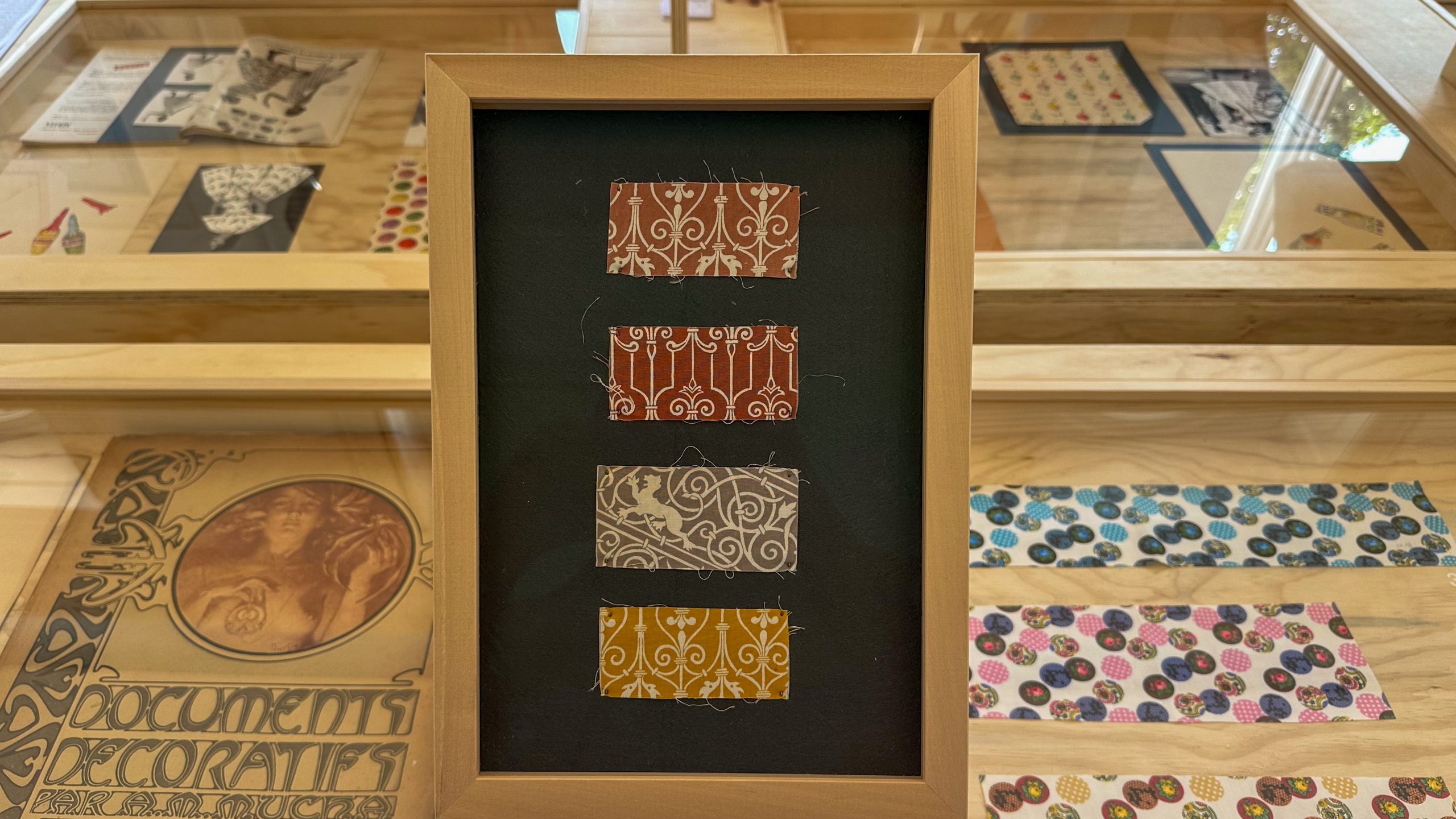
Another great woman, another unexpected archive. The Carla Badiali Archive counts among this edition’s most surprising finds. Born in 1907, Badiali worked as a painter and a textile designer. She exhibited alongside the Futurists, and her textiles landed repeatedly in the collections of Givenchy, Balmain, Dior and Chanel. In her work the border between decoration and painting runs thin, as the intricate drawings of candies, ribbons and bows across her fabrics show. They grew so complex that makers often devised new techniques to produce them.
Lake Como Design Festival will be open until 20 September, 2026.



What are your thoughts?