Giving Danner Boots a Second Life in Portland, Oregon
The heritage brand’s made-in-the-US boots are ruggedly built and designed for rebirth
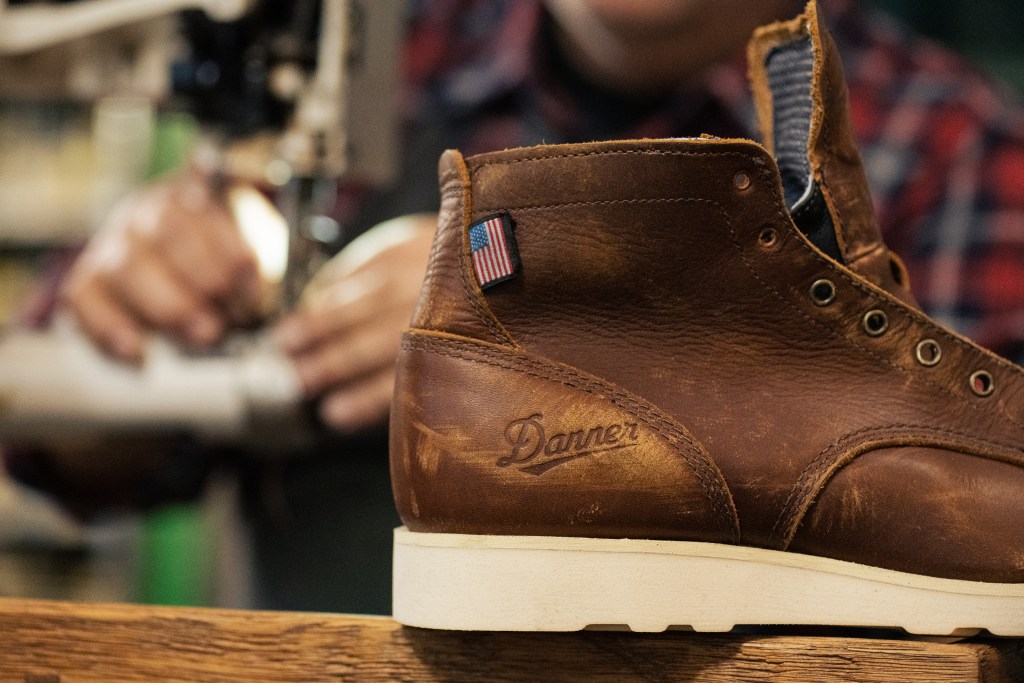
At a bullpen within the Danner factory in Portland, Oregon, Miguel Mayoral moves deliberately. Danner calls this section of the factory, where Danner makes most of its boots for customers worldwide, The Nest. It’s a sort of skunkworks. The design team sketches future product ideas, then send these daydreams to The Nest. There, folks like Mayoral, who’s been with Danner for nearly 46 years, build sample boots by hand. This is like clay modeling in the car industry.
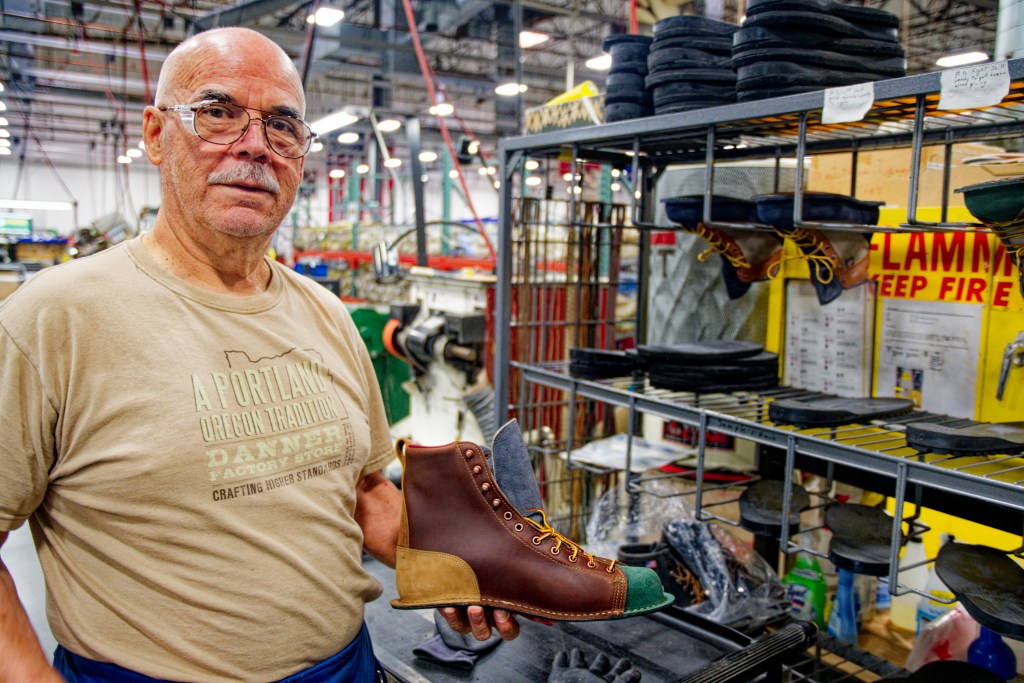
The purpose, says Mayoral, is to see what’s possible. Can this boot be made? What steps would be necessary to enable the vast army of Danner staff—plus a few robots—to make this shoe or boot efficiently? Recently, there’s another layer of complexity for Mayoral and his nestmates to consider: whether, in a decade or so after a life of its own out in the wild, Danner staff could break down this newfangled model and put it back together. That’s what Danner calls recrafting, and at this point in the company’s 94-year history, they want to make every single product recraftable. So a boot doesn’t just have one life, it outlives its first customer. That requires breaking down the upper, the midsole and outsole and repairing or replacing bits that have gone beyond broken-in and become broken down.
Also, Mayoral’s job in The Nest isn’t just to build a concept boot. He’s got to evaluate the chosen materials the design team hopes to use for the use case of the concept and later talk to the engineering team and see if the blue sky idea makes sense in terms of manufacturability and quality.
The fact that Mayoral is here at all comes down to serendipity. In the late 1970s, he was working in a shoemaking factory in northern California that was churning out thousands of shoes and boots a day. But they were shutting down, sending manufacturing overseas. “They were only finishing it in the U.S.,” he says, eyebrows raised. That was a way to relabel the product as domestically produced.
A recruiter came around one day, spotted him and said, “Miguel, there is a company in Portland, Oregon, that needs people with experience working with footwear.” Mayoral had never been to Oregon, but he knew which way the wind was blowing. They even said they were willing to pay his expenses for moving—but that didn’t amount to much. “I was 25, single, no problem. I just got in my car and drove up.”
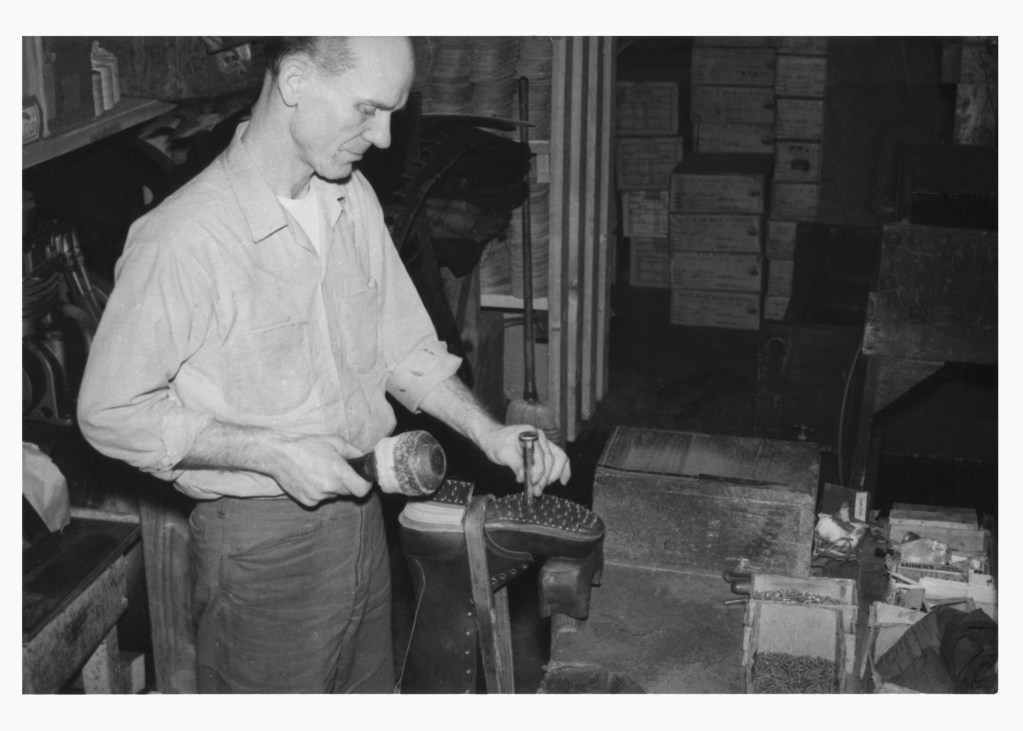
But when he arrived, he was shocked. There were hardly any machines. “They were doing this the old way, by hand.” And Danner was making a mere 50 boots a day. When asked what processes he could replicate, Mayoral replied, “From the beginning probably to the end?”
That was a great answer. Because, just like today, Danner didn’t want its staff working as drones, stuck at workstations. The brand wanted expertise, and for employees to learn every step—to become masters, like Mayoral. At its facility today, vastly larger than its 1970s operation, Danner teaches as much as they ever have. Maryoral and his colleagues teach new recruits essential skills like complex sewing and how to grade the leather that comes in—a byproduct of the meat industry; if humans consume it, a company like Danner will use leather, because it’s durable and recraftable.
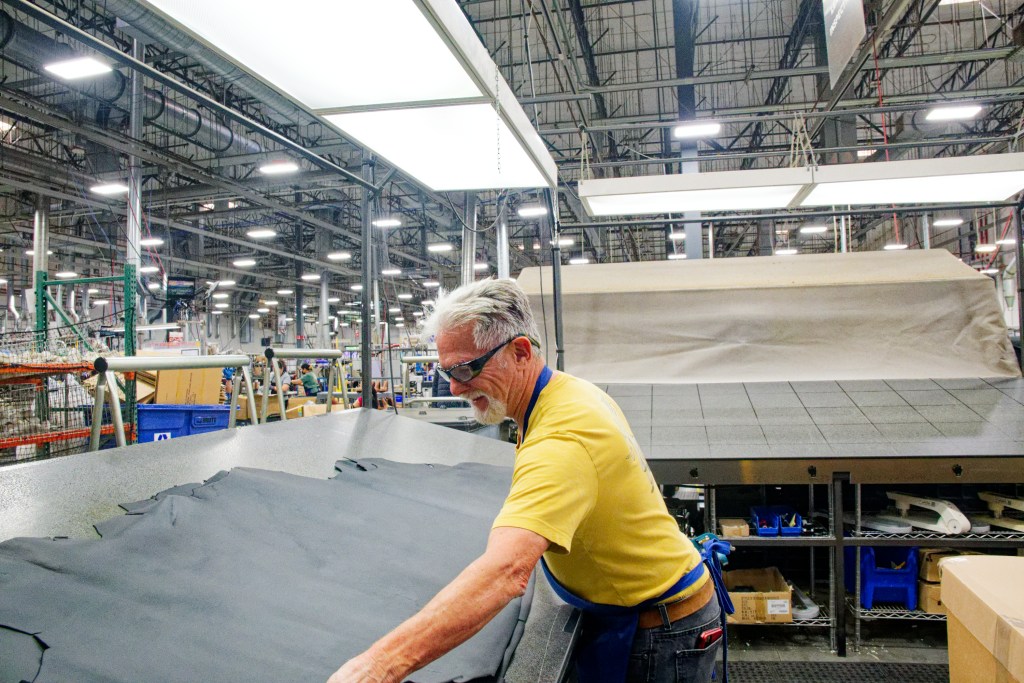
At that section of the facility Jay Bosshart, who’s been with Danner for over 30 years, eyeballs a hide. It’s half a cow, tanned in Mississippi before being sent to Danner. He sees details that are utterly invisible to the naked eye: tick bites, fencing scratch marks, and the strength of the leather, determined with just his fingers (though they have tools for newbies to use). Thicker leather is more protective, but you don’t want that on a part of a boot or shoe that needs to flex. And, likewise, you don’t want thinner leather where you’re scraping your ankles on rocks while backpacking. Ruggedness is critical. Danner began its life selling to loggers and still sells footwear to many industrial and construction workers.
After Bosshart has marked a hide it goes to another station where a scanner eyeballs the entire section and automates every cut required for the best yield. Even a section that’s scratched or cosmetically flawed can still be used, just integrated into a fold or an invisible portion of the structure.
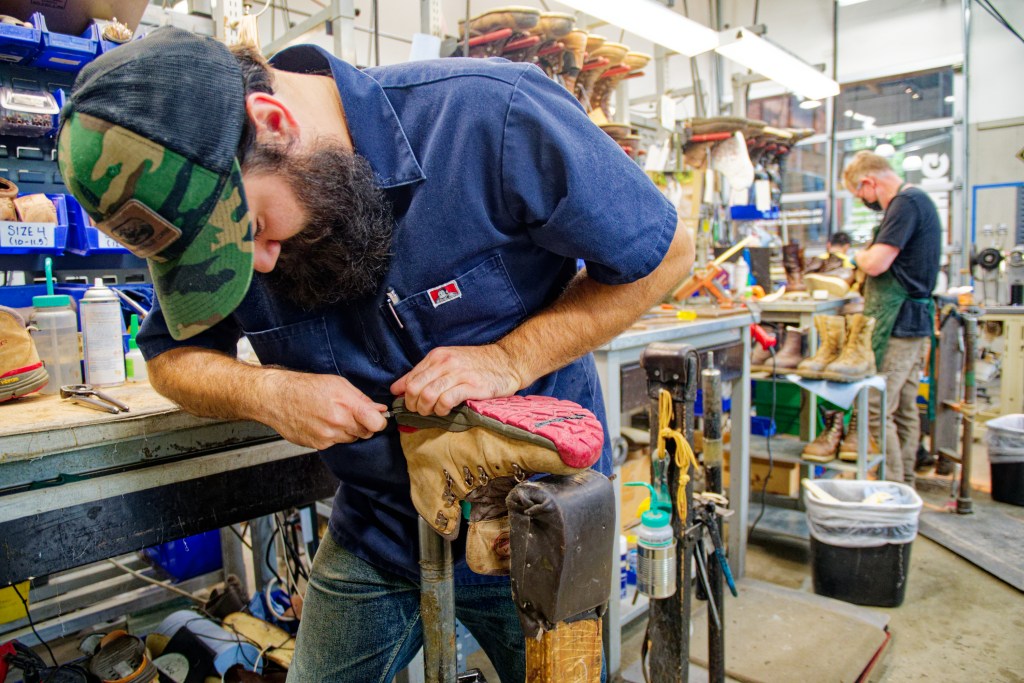
Now fast-forward a decade. That same boot getting kicked out of the Danner factory has come back for recrafting. That’s where Mark Tingley will see it. He works a few blocks away at a facility adjacent to the factory store. Here, a small cadre of seasoned Danner veterans must be able to take apart any tog and, often, MacGyver a process for reconstructing it.
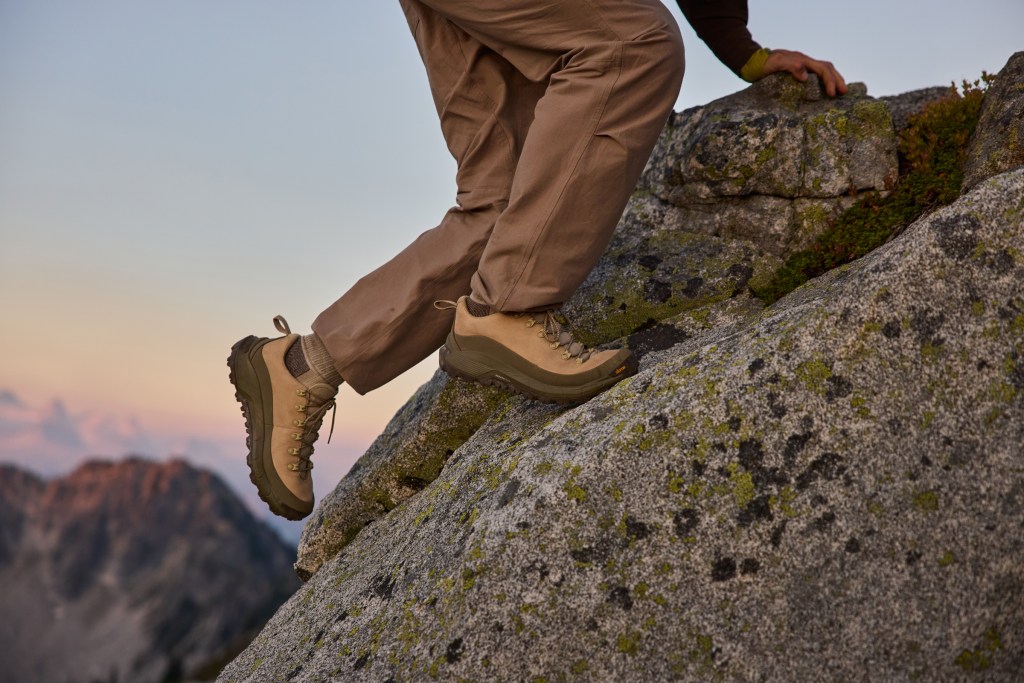
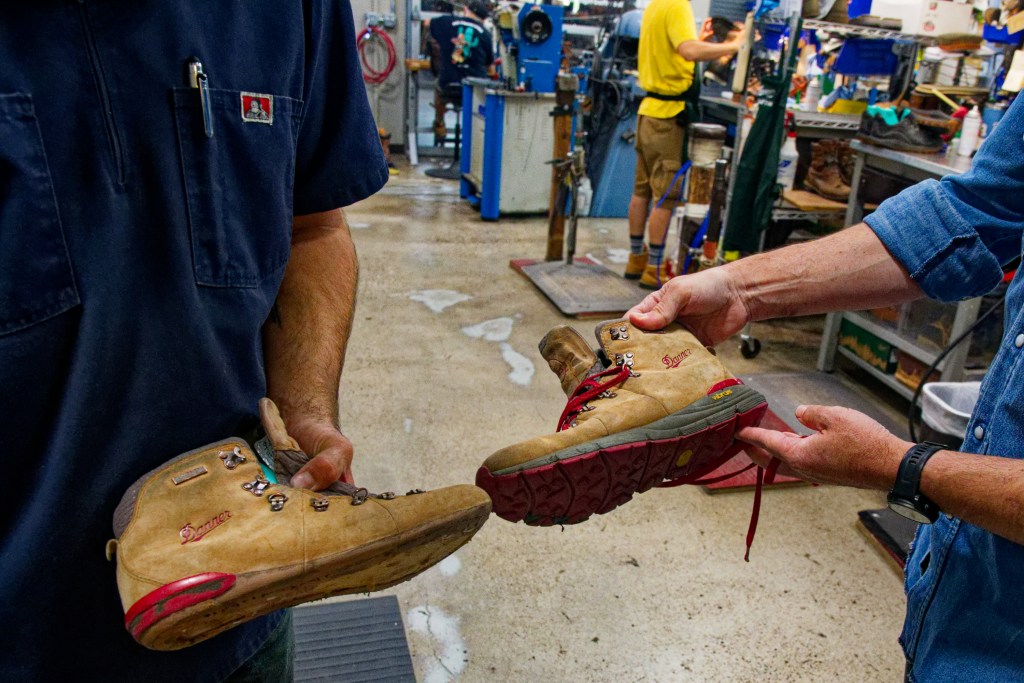
For instance, we brought in a pair of beat-up Mountain 600s that were 10+ years old. They’ve seen their share of overnight hikes, kayak portages, campfires and hardworking chores like shoveling snow. They were also looking more than a little haggard. “Sometimes we’ll get a boot,” Tingley says, “that was from way before my time, maybe a cobbler worked on them, added some stitching. It’s just looking at how it was constructed and figuring out the best retrofit to make it work.” For a personality like Tingley, this job is perfect, because it presents daily challenges.
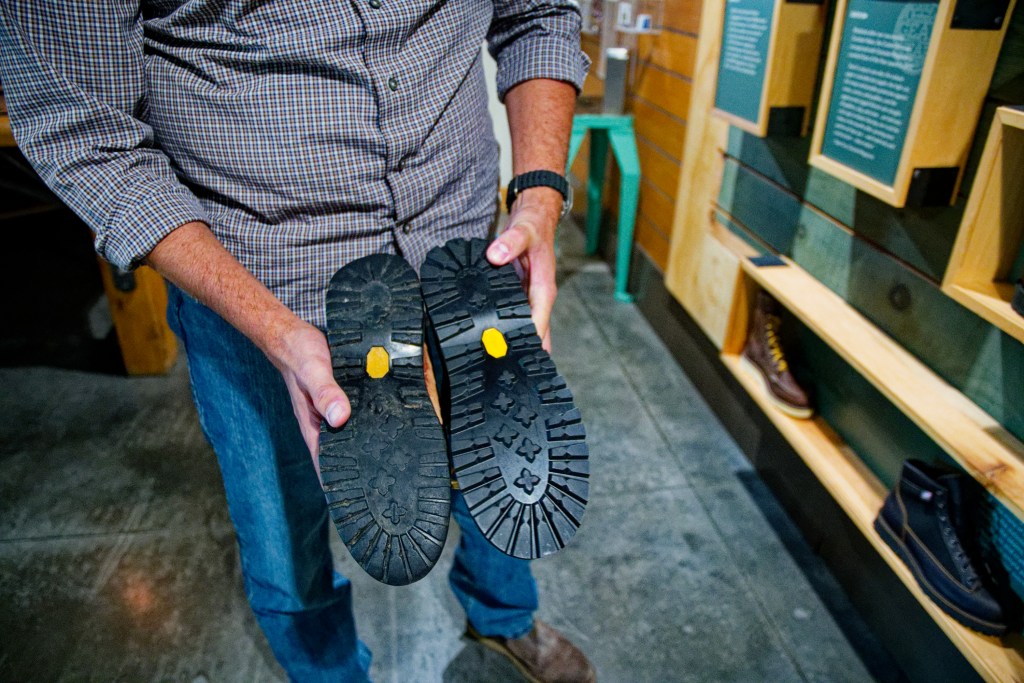
“You’re stripping it down to its essential DNA, and once you have it apart, even if it’s discontinued stuff, deep down it’s a Danner. It’s our boots,” Tingley says. They can make a tired boot feel new again with updates like a fresh shank and outsole. When we came back in an hour, the Danner 600s he hands us, recrafted with his own hands and acumen, feel tremendous. They still had all of their hard-won scars, but a popped lacing eyelet was replaced, the outsole was entirely refreshed and the boot was reinforced throughout. Pulling them on, they completely molded around our feet and ankles, just as before.
Mayoral’s own boots, going back to his first days at Danner, have been recrafted many times, he says. “You can beat them up,” he laughs, “and we put them back together. You just can’t kill them.”






What are your thoughts?