The Rosewood Munich Combines Heritage and Luxury
The historic, centrally-located hotel provides an elegant retreat during Oktoberfest, the city’s busiest cultural event
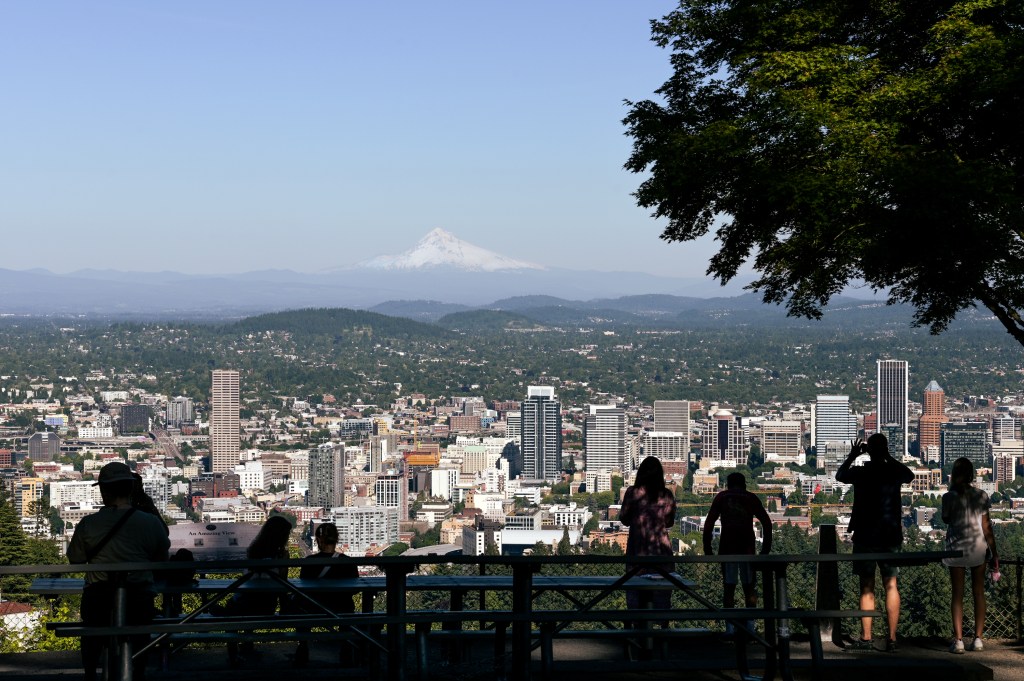
Traveling to big cities can sometimes bring an overwhelming impression of globalization. Munich, in the southern German region of Bavaria, is very much a modern city yet it has not betrayed its origins and fascinating cultural identity. It offers a wide range of year-round unique opportunities, seducing international travelers while still remaining much an attraction even for its own citizens.
The world-famous Oktoberfest, first started in the early 19th century, is the best example of Munich’s multifaceted profile and one of the most interesting events of the season in Europe. Sipping Bavarian beer while enjoying parades, street concerts, Luna Park and other events at Theresienwise is the focus of Oktoberfest, but even at such a peak time, it’s only one of Munich’s assorted offerings.

Staying at Rosewood Munich, in the heart of the city, balances the festive frenzy of the beer fair with a relaxed and elegant atmosphere. It joins two historic buildings, the old State Bank of Bavaria headquarters and the grand old Palais Neuhaus-Preysing, and preserves original architectural elements like the impressive foyer with its grand marble double staircase.
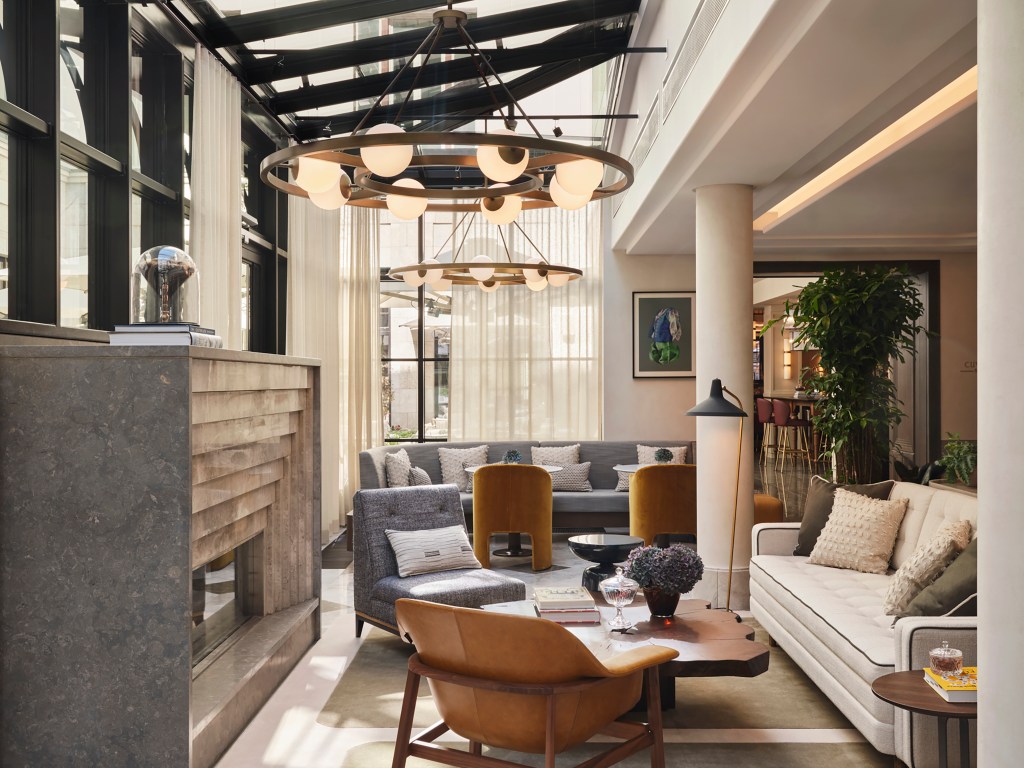
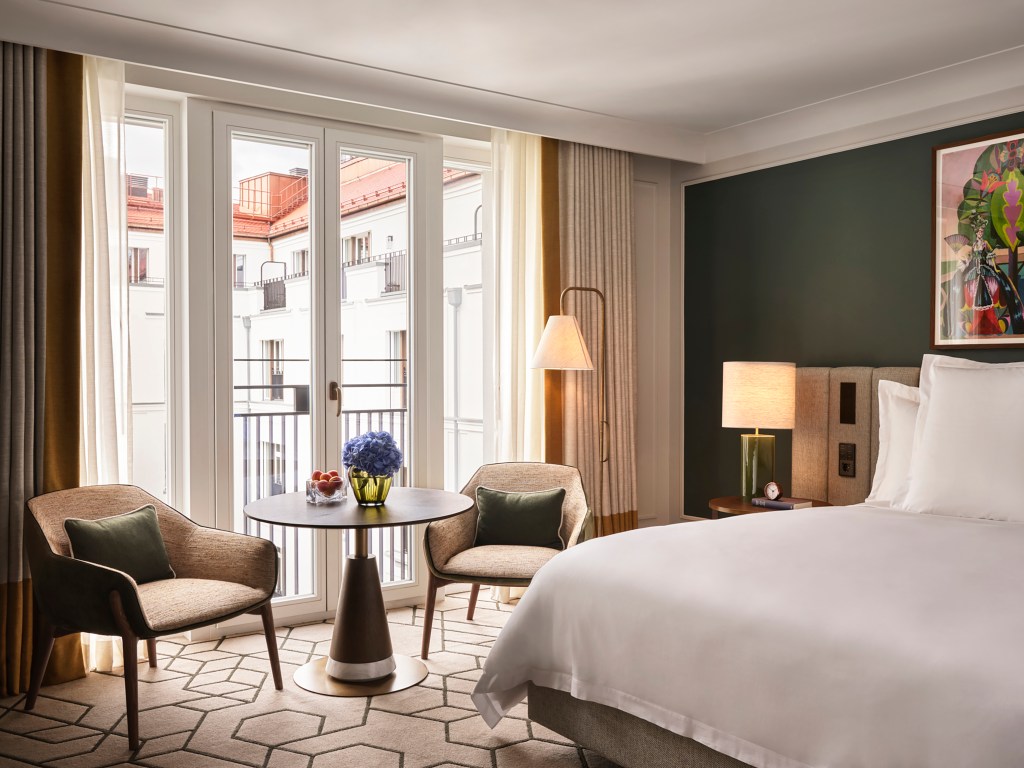
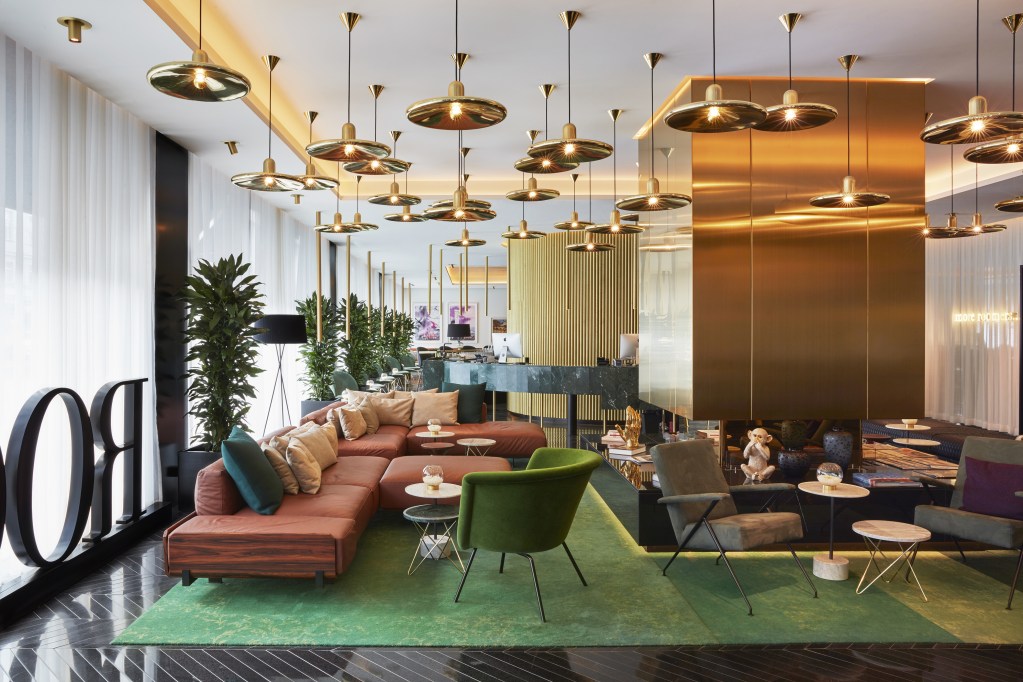
Decorated in a contemporary style, the hotel presents art pieces in rooms and common spaces, including a marble fireplace overlooking the wintergarten. The rooms are spacious, with floor-to-ceiling windows, large marble bathrooms and refined décor, combining a sense of sobriety and warmth that is ironically typical of Germany’s best luxury hotels.
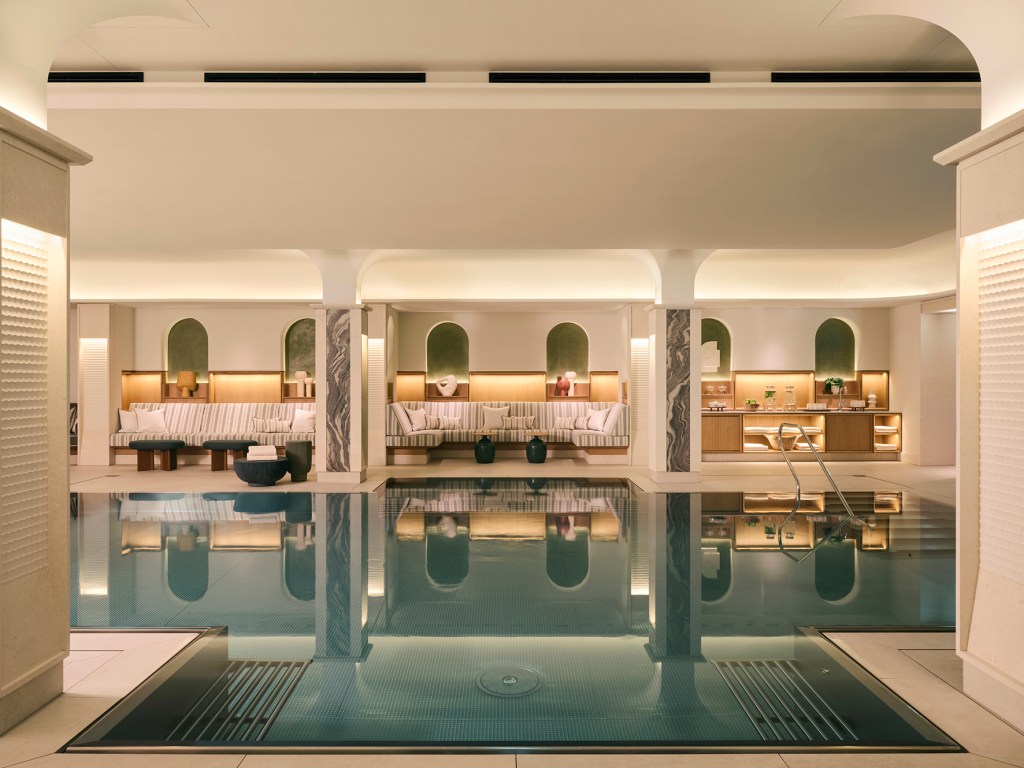
At Rosewood you can indulge in an afternoon high tea or sip cocktails at the retro bar Montez while listening to live jazz music. Yet, a visit to their top-tier, double-floored Asaya Spa will likely be a highlight of your stay. Modern, thoughtfully designed and fully equipped, the health center also features a private social club for small groups with en suite massage rooms and an exclusive sauna and steam bath. Packages like the Aufguss Journey include beauty treatments and a hot stone massage with soothing aromatherapy.

The hotel’s refined restaurant, Brasserie Cuivillès, presents itself with top-quality design and seating options for all kinds of preferences, and has a direct view of the kitchen. Chef Matthias Brenner and his international, close-knit team will impress as diners observe their feverish work. Their high-class creations are inspired by the Bavarian tradition and Alpine flavors but with a contemporary twist. A traditional Oktoberfest dish like steckerlfisch gets reinvented as an elegant salmon trout filet with salmon caviar, chervil and marinated butterhead lettuce. Another favorite is the deer saddle, or venison veal, with an herb crust, filled with portobello mushroom, blueberries and French truffle. The vast wine list offers both refined classics and interesting proposals from the sommelier, like the intriguing blend of Austrian Blaufränkisch Eisenberg.
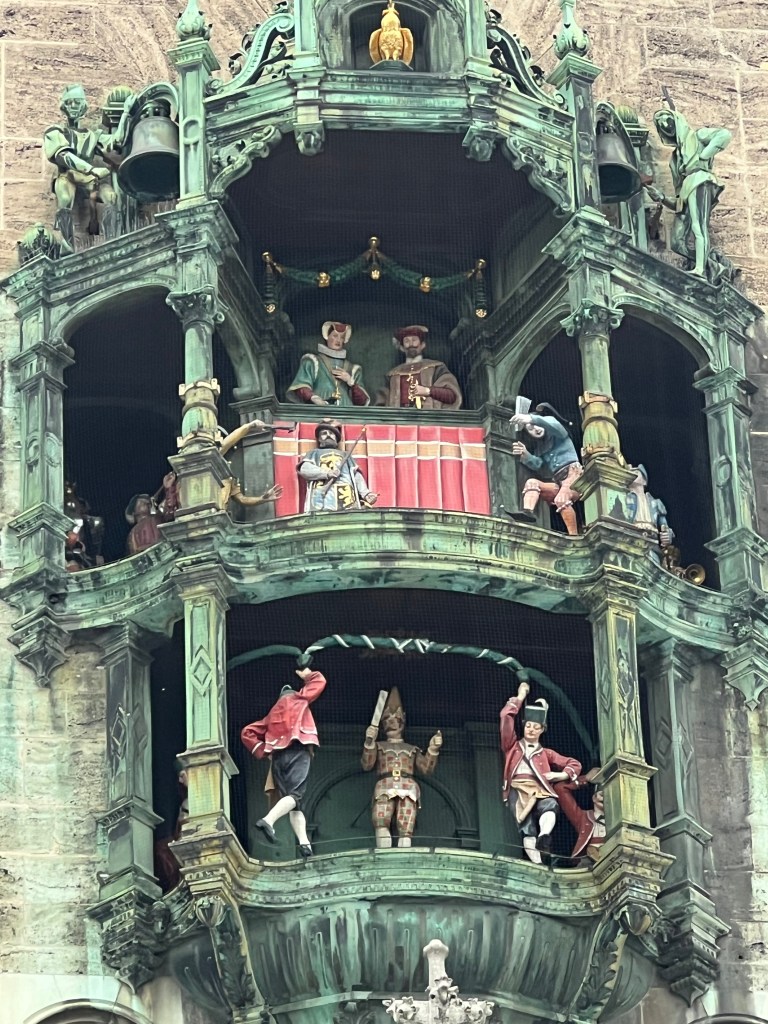
Leisure time in Munich starts with a walk around downtown, offering a glimpse into the ever-vibrant city life. Young and older generations will dress in the traditional costumes lederhosen and dirndl at many occasions. International visitors are welcome to join them. Nearby stops include the historic Marienplatz (catch the ancient clock’s carousel four times a day) or one of the nearby cathedrals like Frauenkirke and St. Peter’s. Lively and cheerful, the daily street market Viktualienmarkt will lure shoppers in with its colorful array of produce, flowers, sausages and beer stands.

The nearby streets of Rumfordstrasse and Reichenbachstrasse offer antique stores, craft boutiques, design bookstores and vintage clothing shops. The thousand pubs in town will surprise you with a warm, joyful atmosphere and traditional food and beer for all sorts of clientele. Particularly charming are the cool and slightly more modern Der Pschorr by the market square which sells their own house-made non-alcoholic beer, the long standing Augustiner Stammhaus by the pedestrian Neuhauser Strasse — be prepared for mocking if your beer order isn’t a large — and the more elegant, historic upper floor of Stenhouse just in front of the opera house.

For other cultural activities, there’s seemingly endless options, from the Deutsches Museum of Science and Technology to the Alte Pinakothek. It houses an astonishing collection of paintings from the 14th to 19th centuries in its surprisingly uncrowded, wide galleries. It also presents some of the biggest treasures (Picasso, Van Gogh, Canova) from the Neue Pinakothek, currently under a major renovation.

Just 20 minutes away from the city center is one of the most beautiful, jaw-dropping royal palaces of Europe, Nymphenburg. It still boasts original décor from the 18th and 19th centuries in its grand main building, several pavilions and leisure houses that the royals built across the huge park. It’s the icing on the cake that will inspire a repeat Munich visit and stay at the Rosewood Hotel soon again.


What are your thoughts?