Word of Mouth: Shanghai
Tea shops in Tianzifang, bars in Xintiandi, and so much more in the exciting city
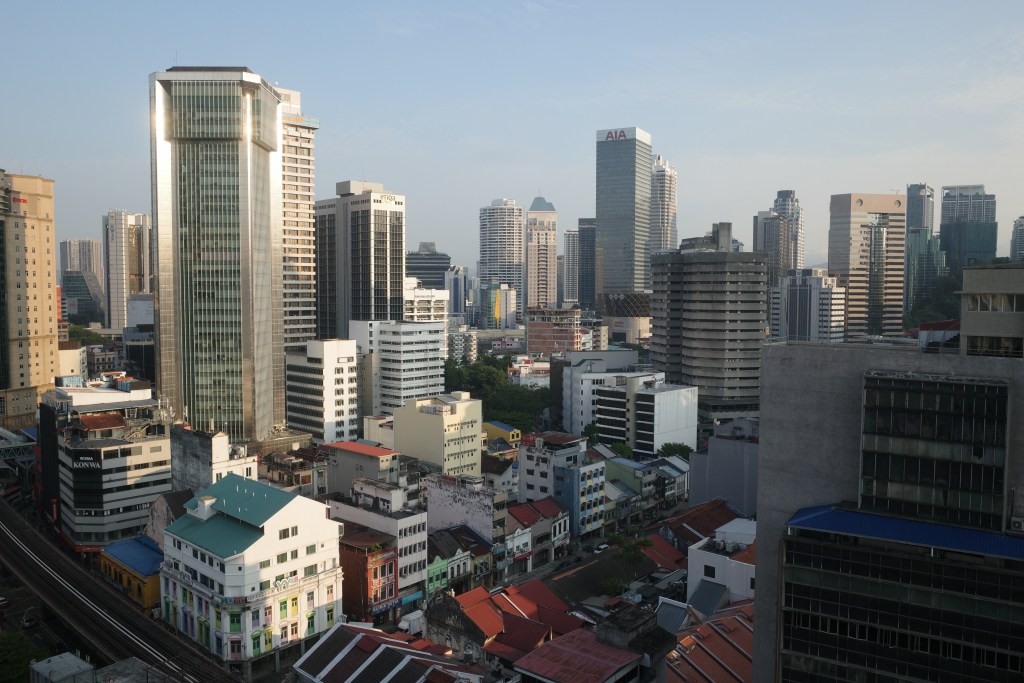
Possibly the most populous city in the world (recently estimated at 25 million) and growing at an extraordinary rate of 700,000 to 800,000 people a year, Shanghai—the “City on the Sea”—surprises. There are so many dualities: old and new, city and coast, order and chaos, global yet decidedly Chinese. These juxtapositions play out on the streets—bicycles powered by feet zipping in between hybrid electric vehicles, laundry hung out to dry outside apartment buildings on every available surface (even on electrical wires) while skyscrapers loom in the background, aunties and uncles practicing tai chi and playing mahjong in the park while paying for the day’s groceries over WeChat. In our few days there, we saw a glimpse of a future powered by surveillance AI technology and a censored internet, yet we also reckoned with how outdated home felt in contrast. As first-timers to the city, here’s how we spent a few days in Shanghai after taking our mandatory shot of the Bund skyline from a rooftop.
Jia Jia Tang Bao
Shanghai’s best-known savory export is xiaolongbao—delicate dumplings full of minced meat and soup that seem to defy physics. One of our favorite places to get soup dumplings in the city, Jia Jia Tang Bao opens at 6:30AM and closes when they feel like it. The employees make your order on the spot, from rolling out and pleating the wonton skin to steaming in bamboo baskets to serving the cramped table you’re sharing with three strangers. We ordered 12 pork/crab dumplings, clear-ish seaweed and egg soup, and ginger julienned into whiskers in soy sauce (which cost under $7). The light and airy soup, with its saltless umami, washes down any lingering dribbles of fatty grease after each experiential soup dumpling. There’s little else to order (except XL-sized Tsingtaos and duck-blood soup—which is not as scary as it seems), and we left satisfied.
Day Trip: Suzhou
If you have enough time, take the bullet train west to Suzhou for a day trip. In 30 minutes, you’ll be in the “Venice of the East,” where canals, rivers, and lakes flow through the water town—plus a few UNESCO World Heritage Site-designated gardens. Musée du Louvre and Pritzker-winning architect IM Pei spent his childhood summers here and later designed an extraordinary museum in Suzhou—a harmony of geometry, natural light and context. Unlike some of its institutional counterparts, the Suzhou Museum conveys humility and understanding of its place by way of its pointed choice to blend in with its surroundings. Last but not least, the city’s historic silk production and handmade embroidery traditions live on through places like the Embroidery Research Institute and the still-functioning No. 1 Silk Factory; it’s not every day that you get to see silkworms in action.
COOL HUNTING always gets permission to use the images we publish; however, as an independent publication, we cannot afford to continue fighting unfair claims of copyright infringement, so the images have been removed from this post.