Word of Mouth: Zermatt
The cozy Swiss town boasts Alpine vistas, high-altitude skiing, warm meals and handcrafted furniture
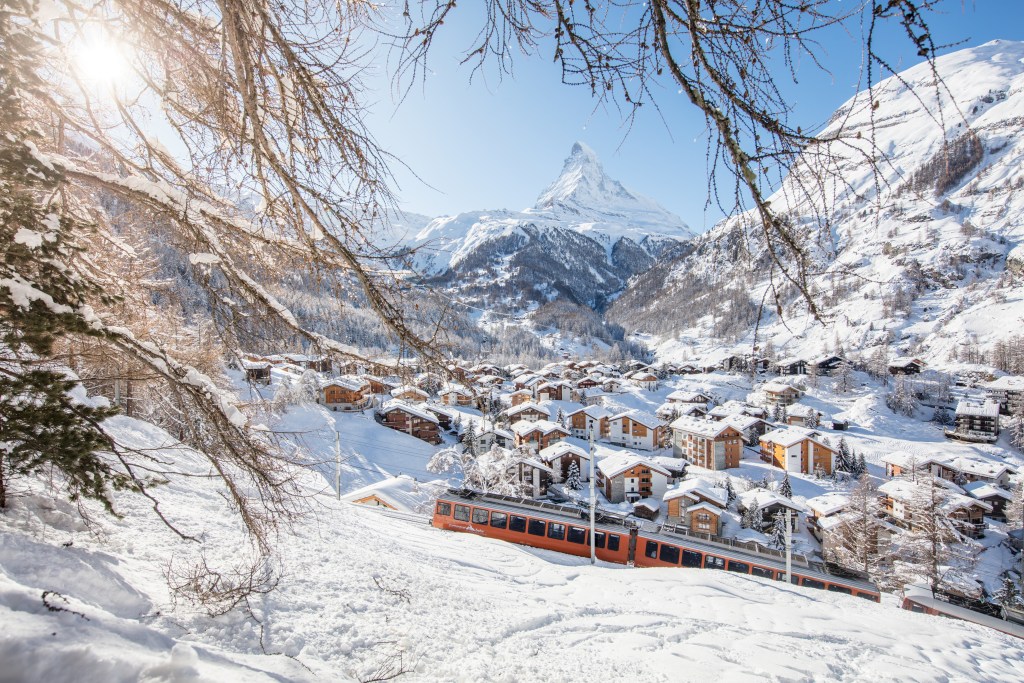
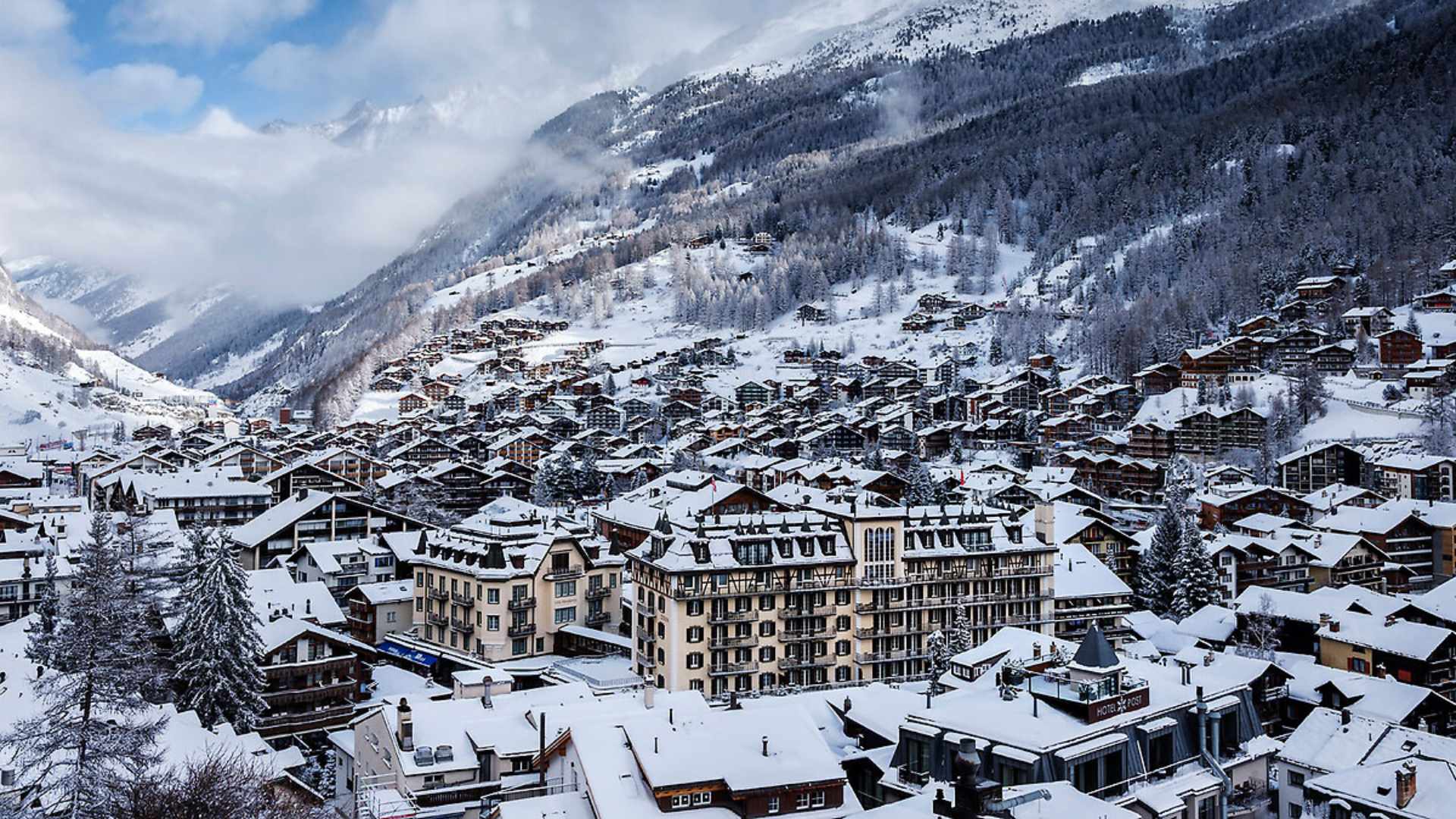
Zermatt is pure Alpine theater. Sitting at the foot of the Matterhorn, this Swiss town of roughly 6,000 residents feels plucked from a novel. Add in festive season and it’s a downright fairy tale.
Lights flicker across chalet balconies, the shop windows of the Bahnhofstrasse main street glow. Zermatt hums with energy, a pedestrian ribbon of fur-lined puffer jackets, knit caps and espresso breaks. The town’s decades-old ban on combustion vehicles pays dividends this time of year. No traffic, no fumes, just the sound of boots on snow and the low whir of electric hotel carts. Traveling by train feels ceremonial, as if the mountain insists on a proper entrance.
The Omnia
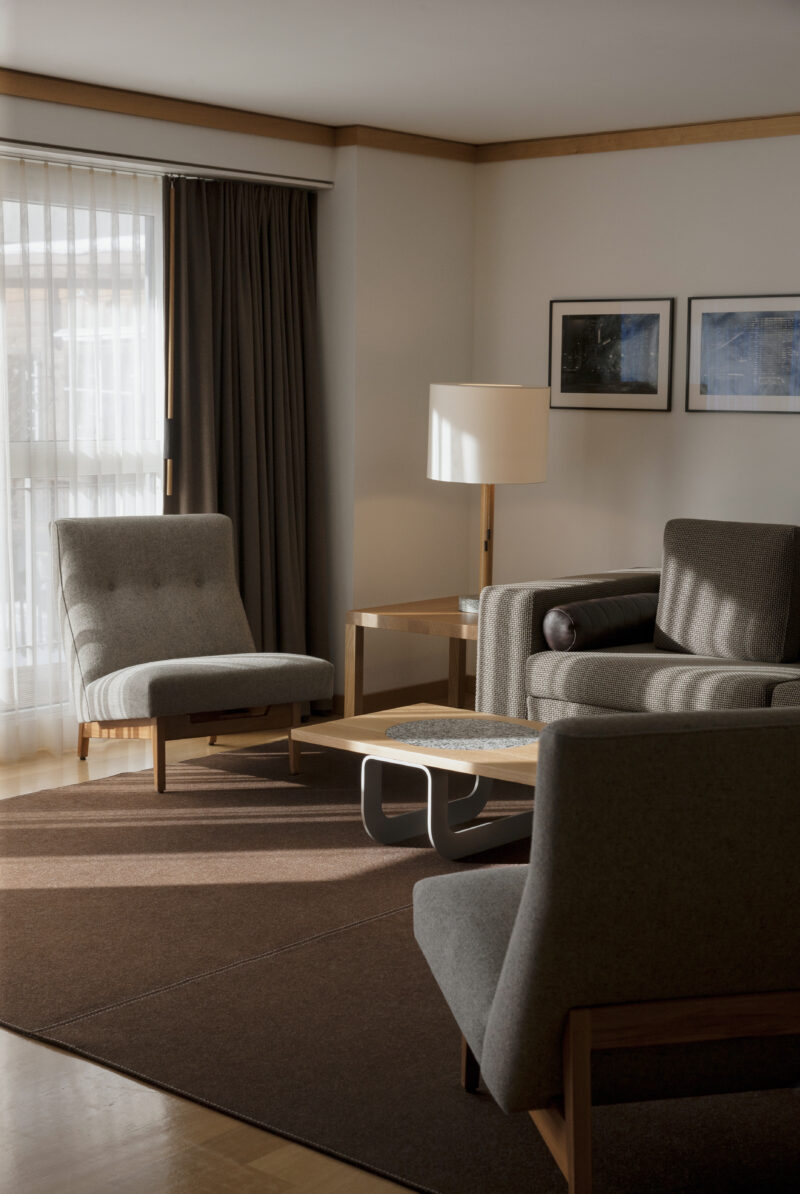
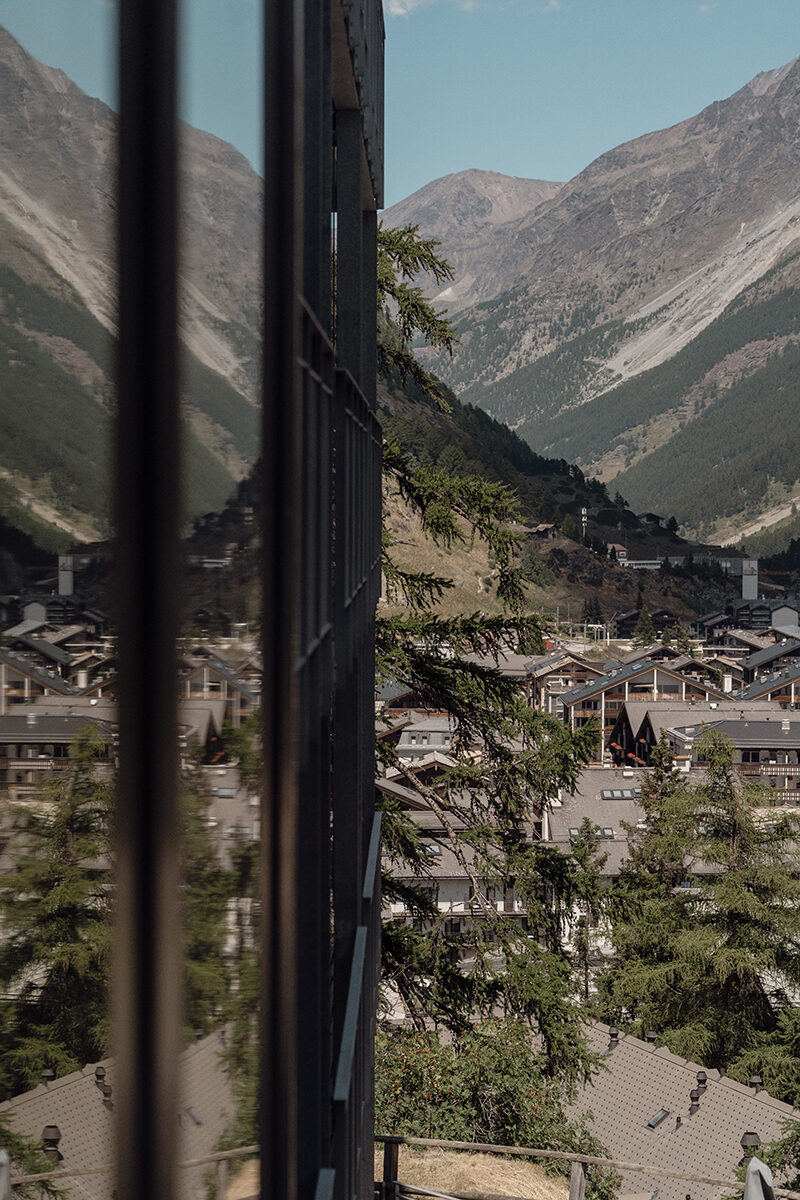
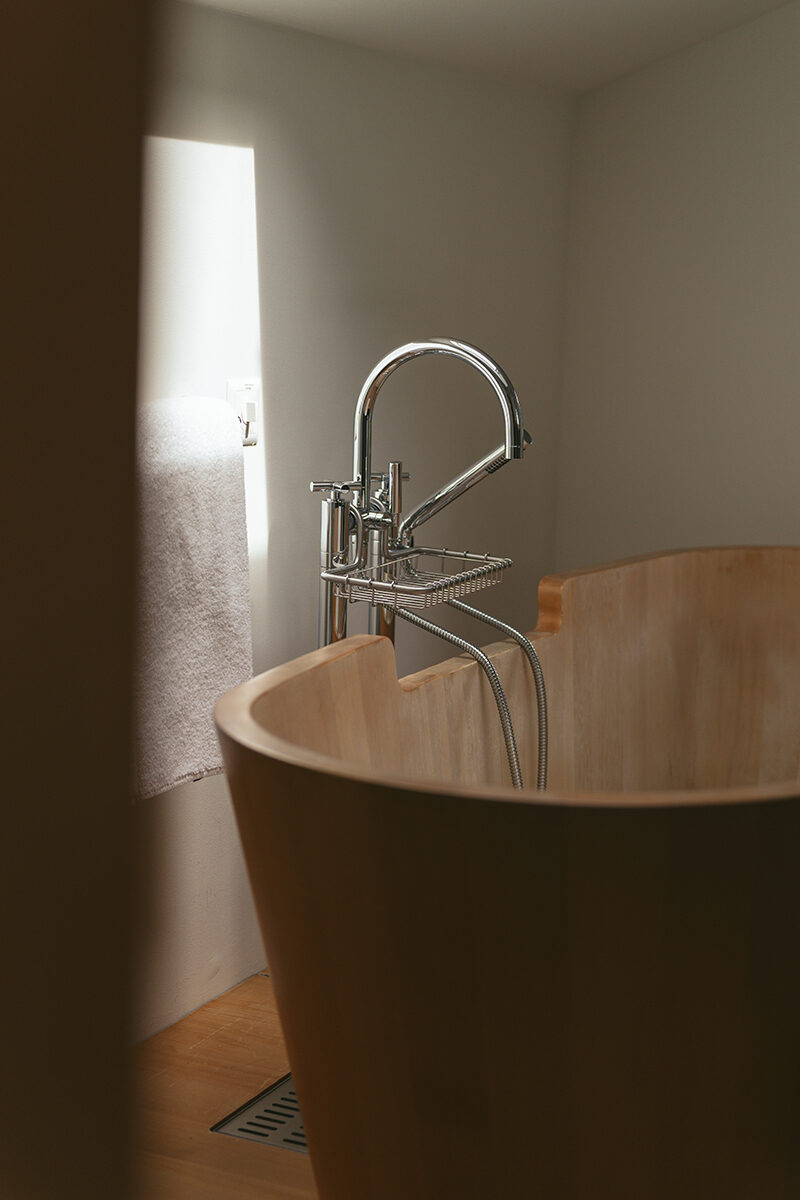
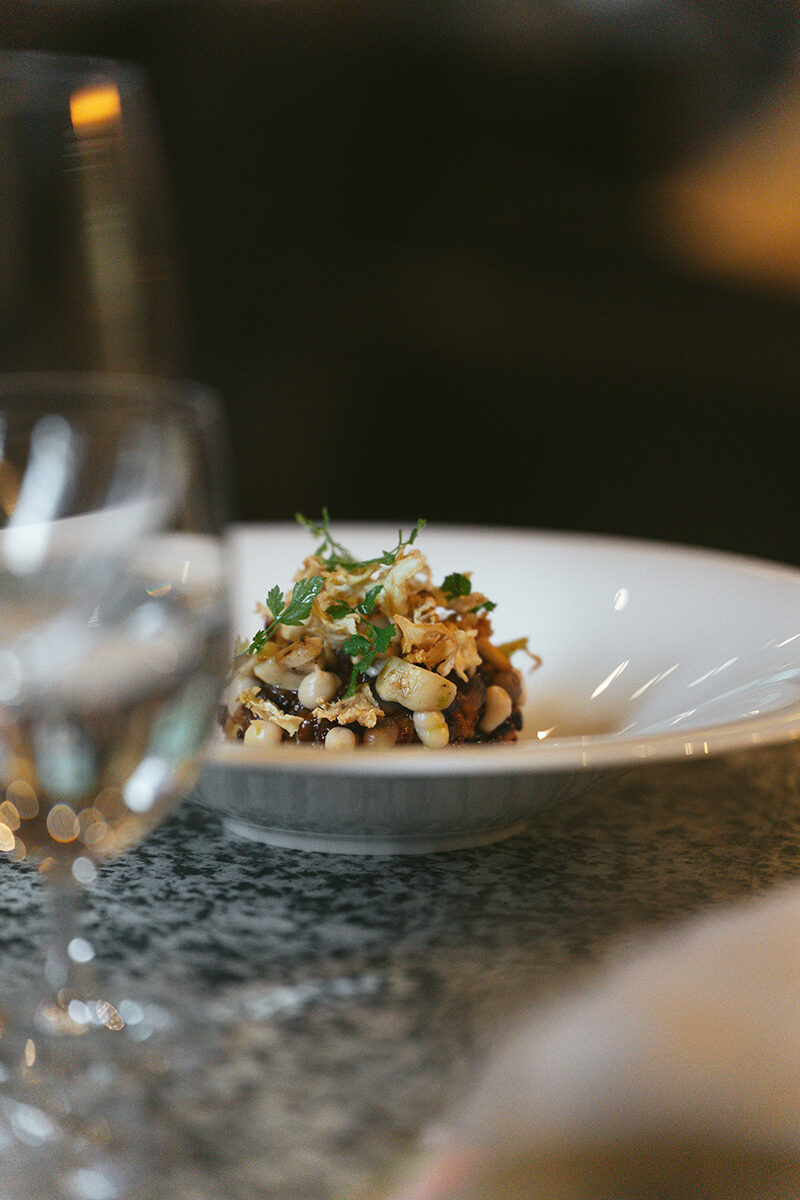
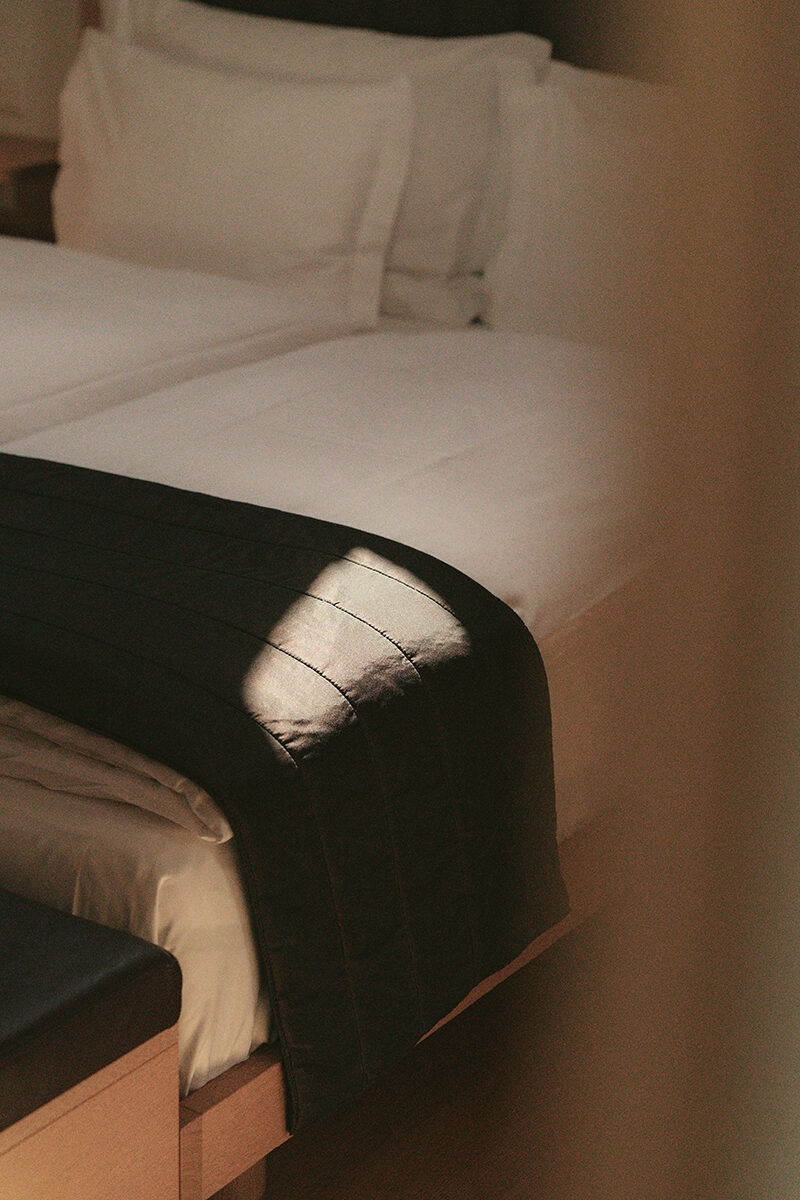
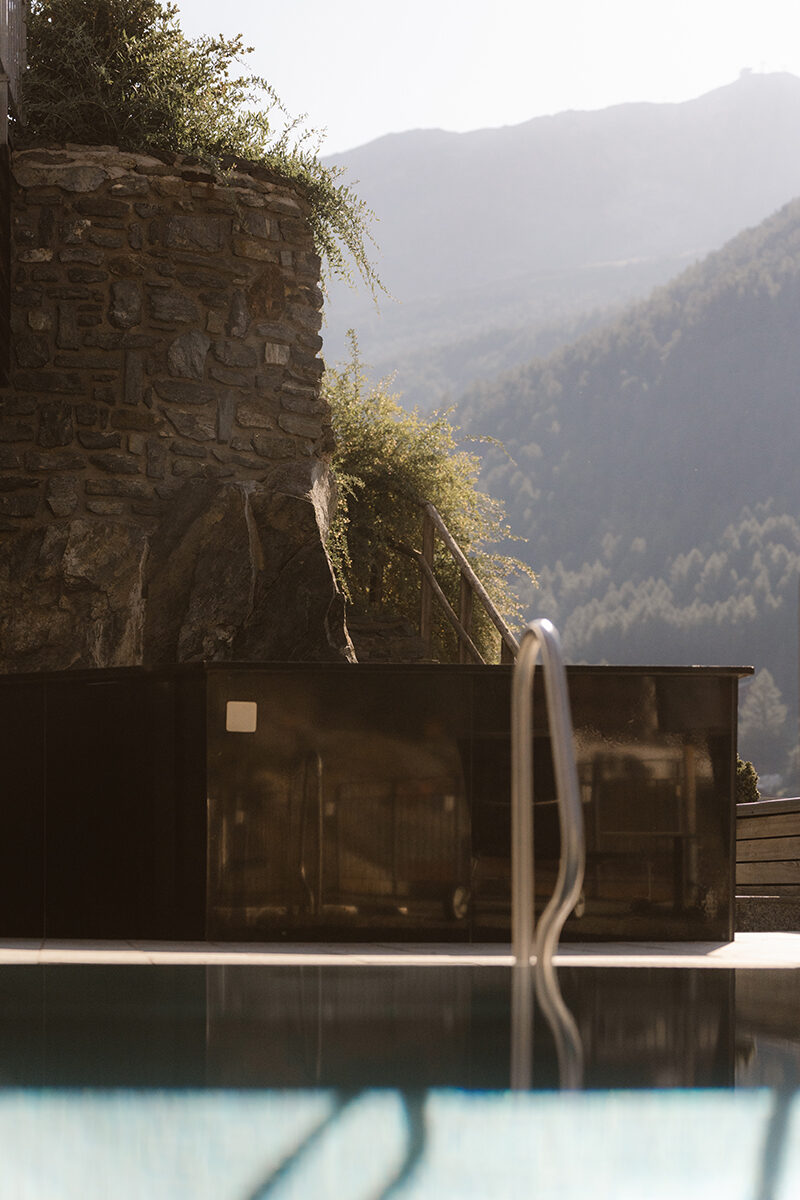
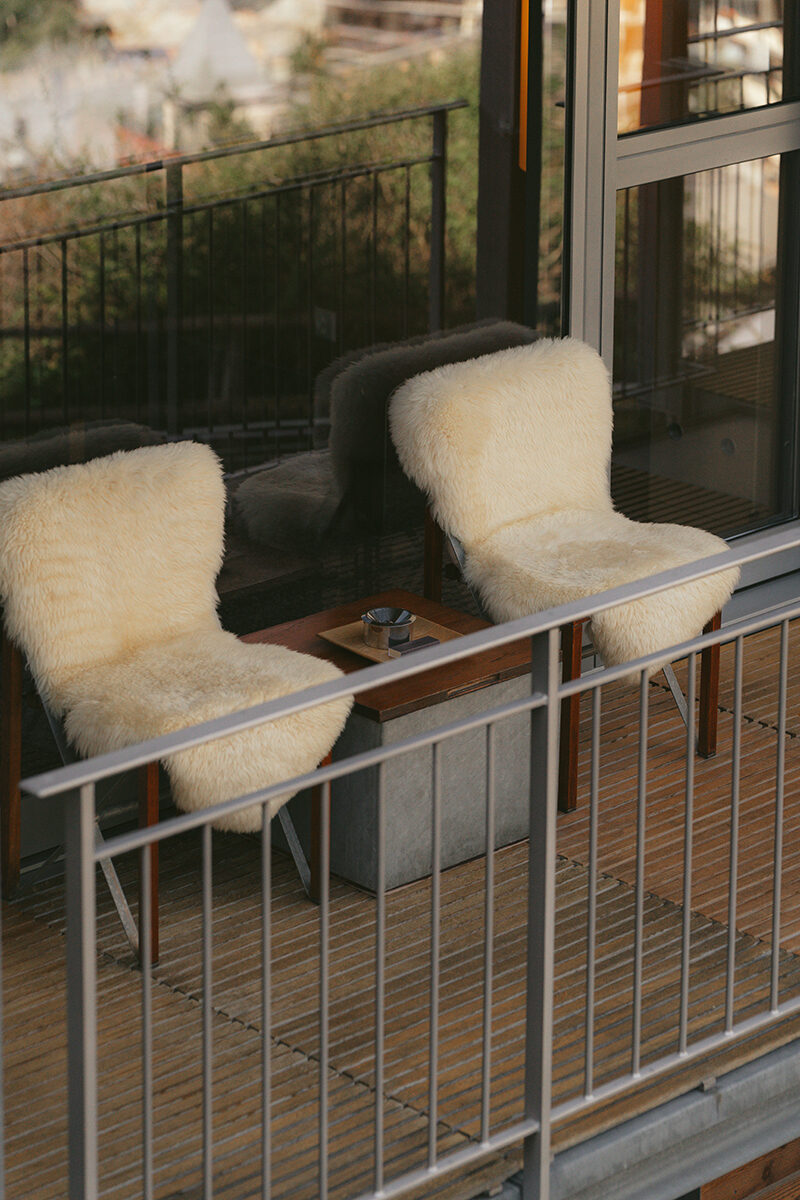
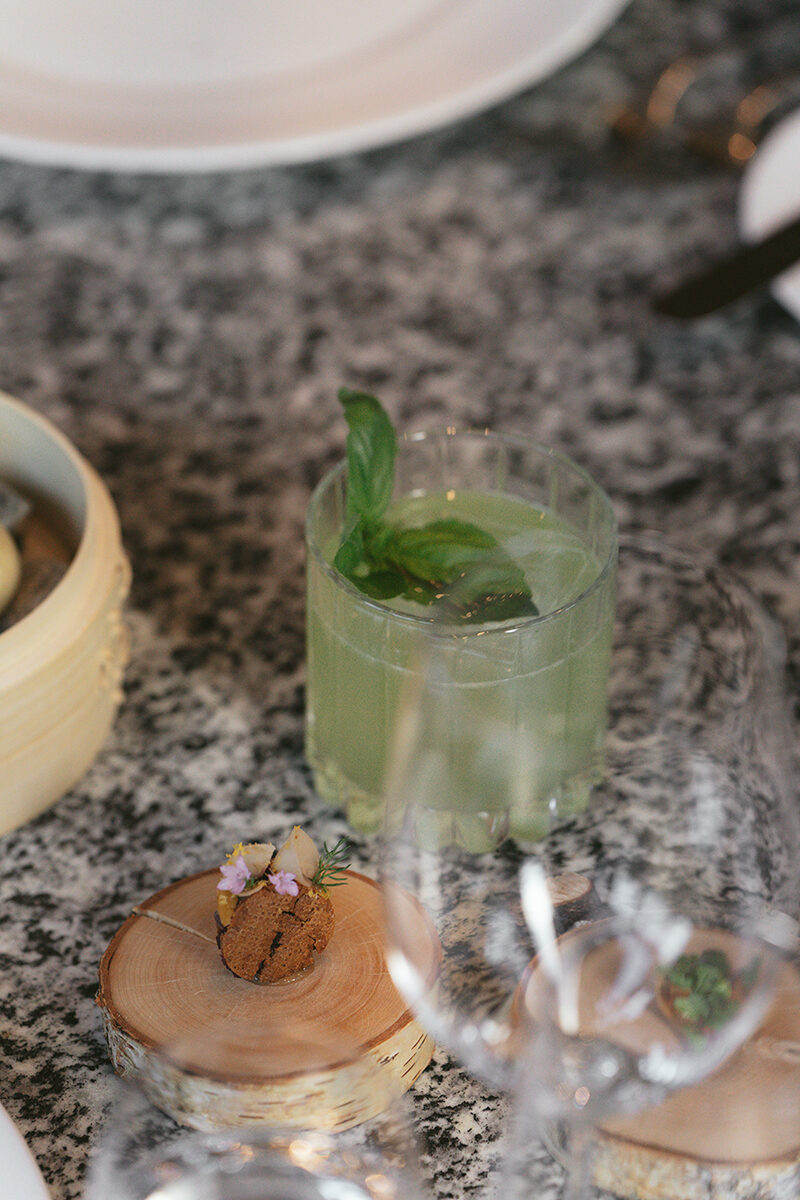
There is no greater arrival than to the Omnia. Entering the hotel from town, it’s all very Bond, James Bond. The electric cart reverses up a narrow, seemingly impossible road into a chilled rock cave. From there it’s a glass elevator that ascends to the main lobby. Built into a cliff in the center of the village, The Omnia both elegantly blends into its surroundings and yet stands as an architectural marvel. Thirty rooms and suites offer a modern twist on the Swiss alpine lodge; the shapes and lines inside parrot those found outside. From the oriel bay window of the Tower Suite, (which comes with a welcome Bourbon and a Swarovski telescope) to the family-style tables in the breakfast room, the architecture encourages interaction. The goal is not to mimic a lodge, but to reinterpret one through proportion, light and materials.
What elevates The Omnia beyond architecture is the way it folds values into daily behavior. The hotel participates in a sustainability-minded charitable initiative called the Giving Bag. Each room includes a bag where guests can leave items they do not want to travel home with, and the hotel distributes those items to local organizations so they can reach people in need. It is a small gesture, but it is practical, repeatable and built into the stay, which makes it feel like part of the hotel’s design logic rather than an add-on.
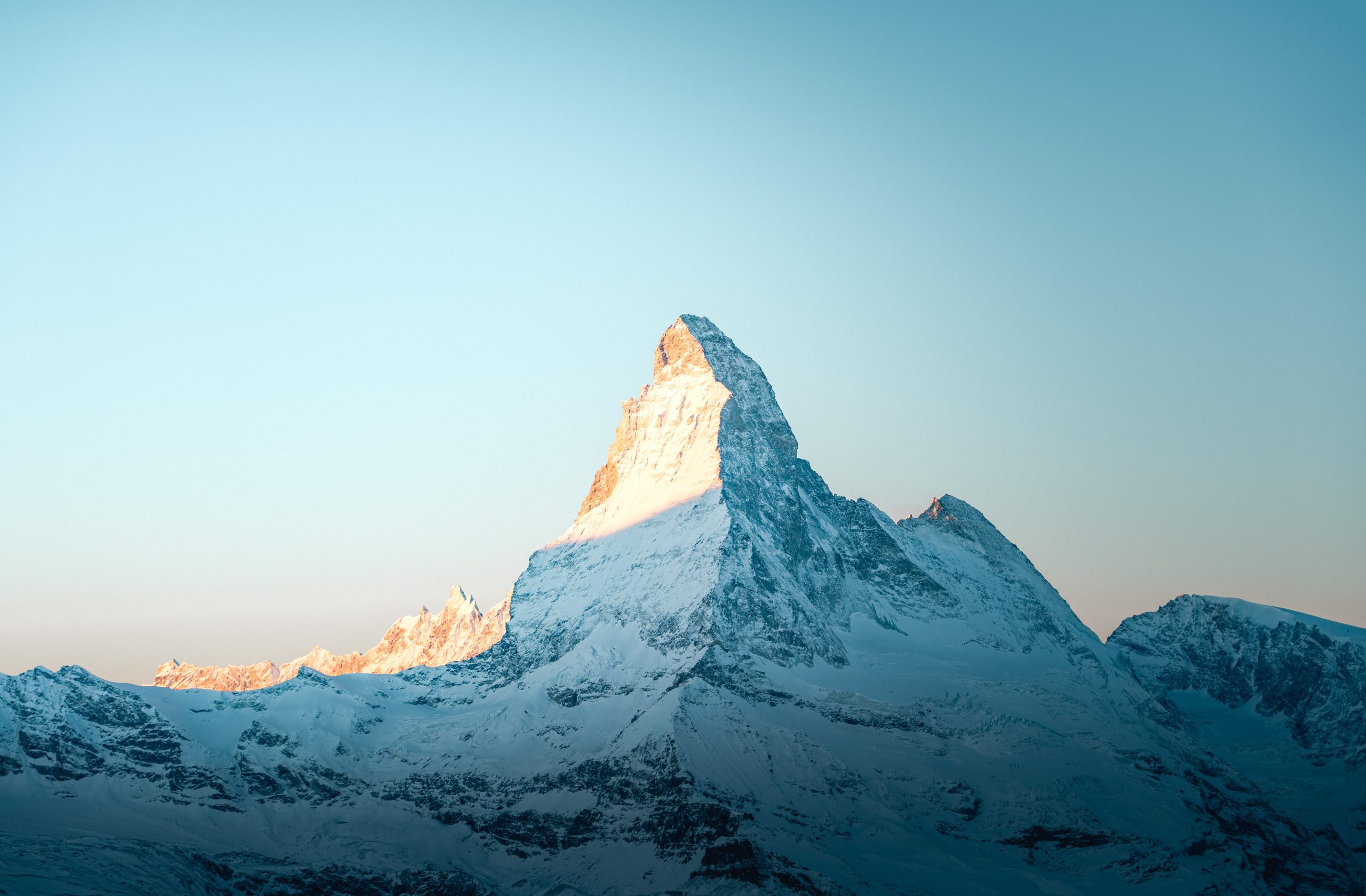
Up to the Matterhorn
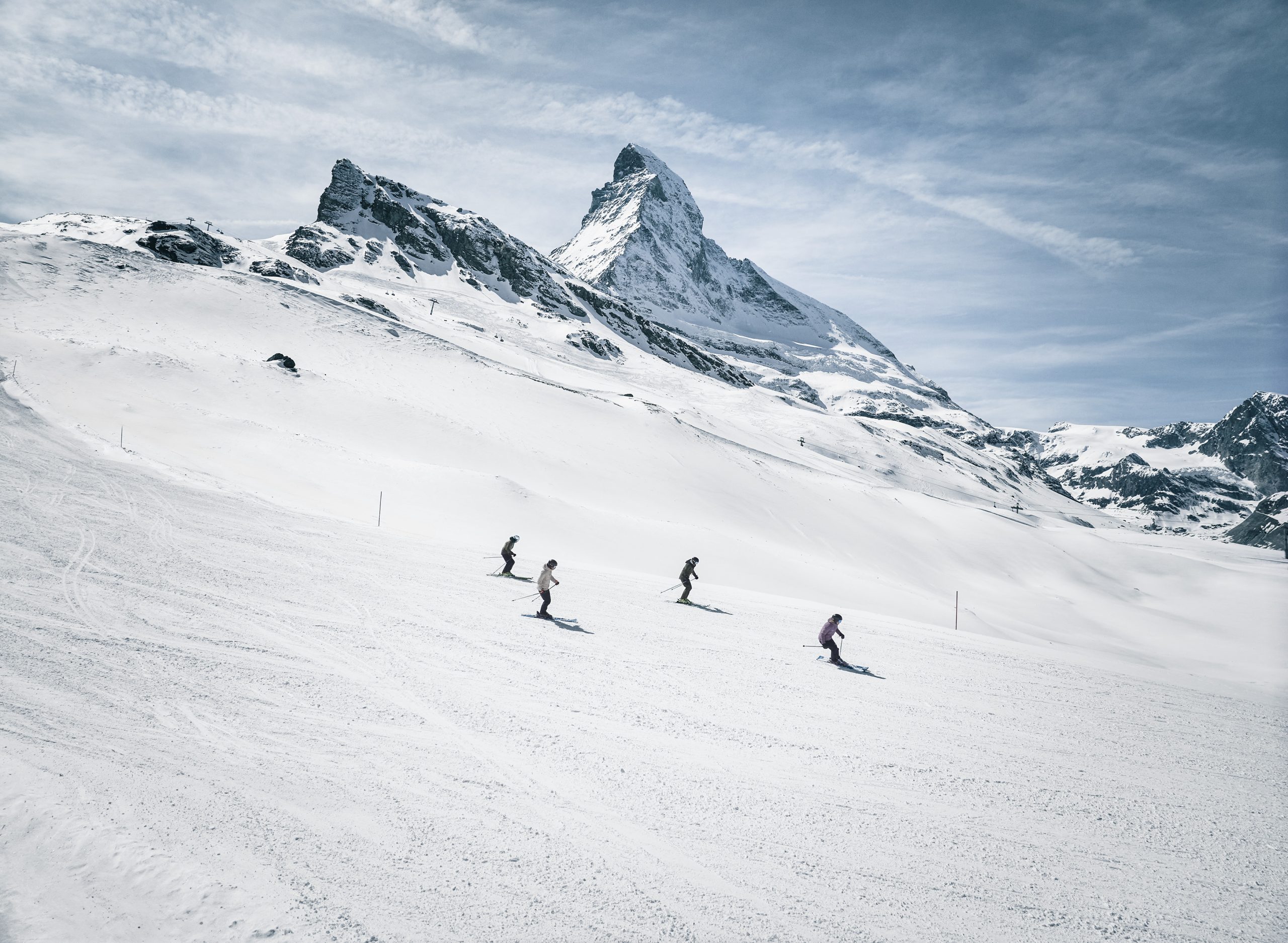
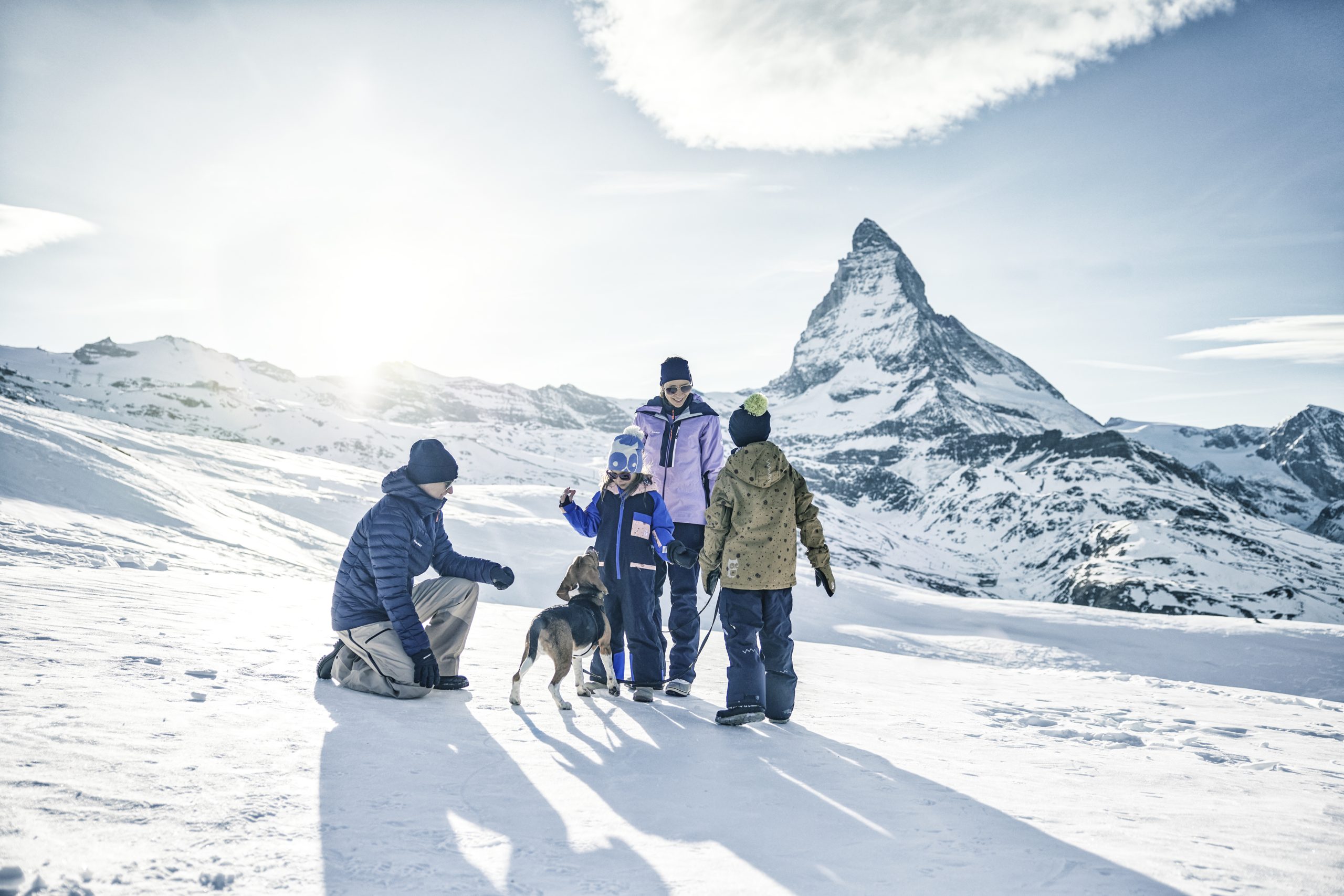
It’s a remarkable feeling when the views sustain awe. Walking to Zermatt’s valley station, it’s then a five minute ride on the Matterhorn Express to Furi. Hop on a quick transfer toward Trockener Steg, and finally a cable car ride to Matterhorn Glacier Paradise, known as Klein Matterhorn to the locals. Every single part of that process has vistas, viewpoints and peek-aboo moments that excite. Yes, tourists, locals, kids, families, ski poles, snowboards and more are all jammed together, but what the eye swallows in panoramas it forgets in crowds.
For winter sports fans, firstly, it’s possible to ski year-round on the Theodul Glacier, Europe’s highest ski area. Like anyone chasing a bluebird day or first tracks, the earlier the better—even at an altitude of 12,740 feet, snow becomes slush midday. For those instead looking to have a wander, the Glacier Palace sits about 50 feet below the surface of Klein Matterhorn, carved directly into the ice. Tunnels glow faintly. Sculptures emerge from frozen walls. It feels equal parts natural phenomenon and deliberate design, likely because a series of ice artists carve varying sculptures and thrones into the ice throughout the year.
Atop the Glacier Palace, borders feel abstract. Layered behind ridgelines and ice fields, 38 peaks and 14 glaciers frame an Alpine view that sweeps across three countries.
Heinz Julen Shop
More like a local design studio than traditional retail store, the Heinz Julen Shop is centered around the namesake artist, a Zermatt-born artist, architect and designer who treats the village as both subject and material. The shop, now under the Zermatt Selection umbrella and positioned on Bahnhofstrasse since December 2019, is a public-facing window into that practice.
What makes the shop worth a stop is the specificity. This work is designed and built in Zermatt, in Julen’s atelier, where a team of craftsmen produces furniture, chandeliers and objects from scratch using top-grade materials. Each piece is handmade and intentionally unique, closer to functional sculpture than décor. The shop often doubles as an exhibition space, so you can come for said chandelier and end up inside a living snapshot of Zermatt’s creative culture.
And the origin story alone is superb. In the 1950s, Julen’s father August, a mountain guide who ran a restaurant in Findeln above Zermatt, struck up a friendship with a visitor named Heinz, of Heinz Ketchup fame. He promised that if he ever had a son, he would name him Heinz, which he did on February 29, 1964.
Grill Le Cervin
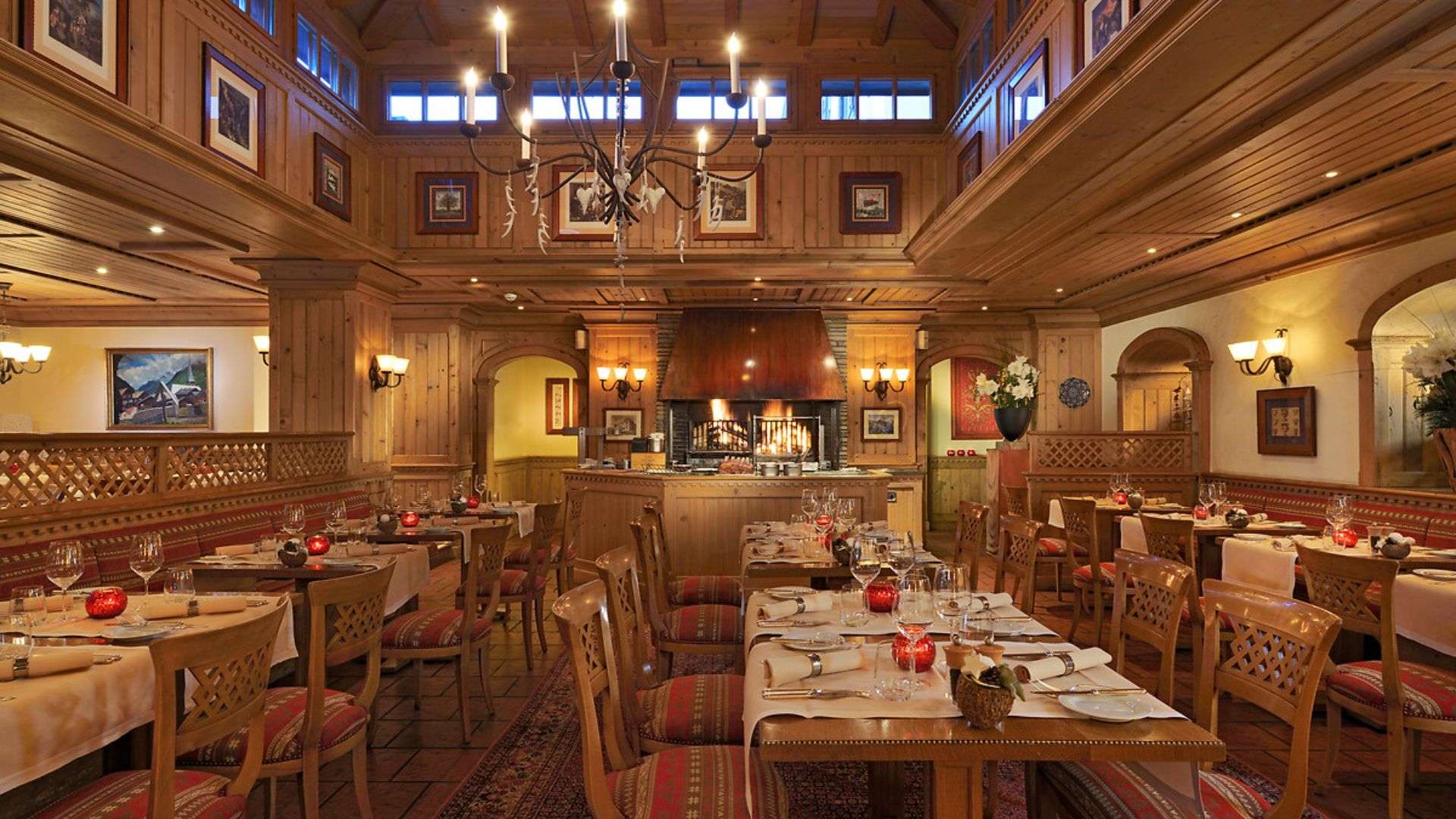
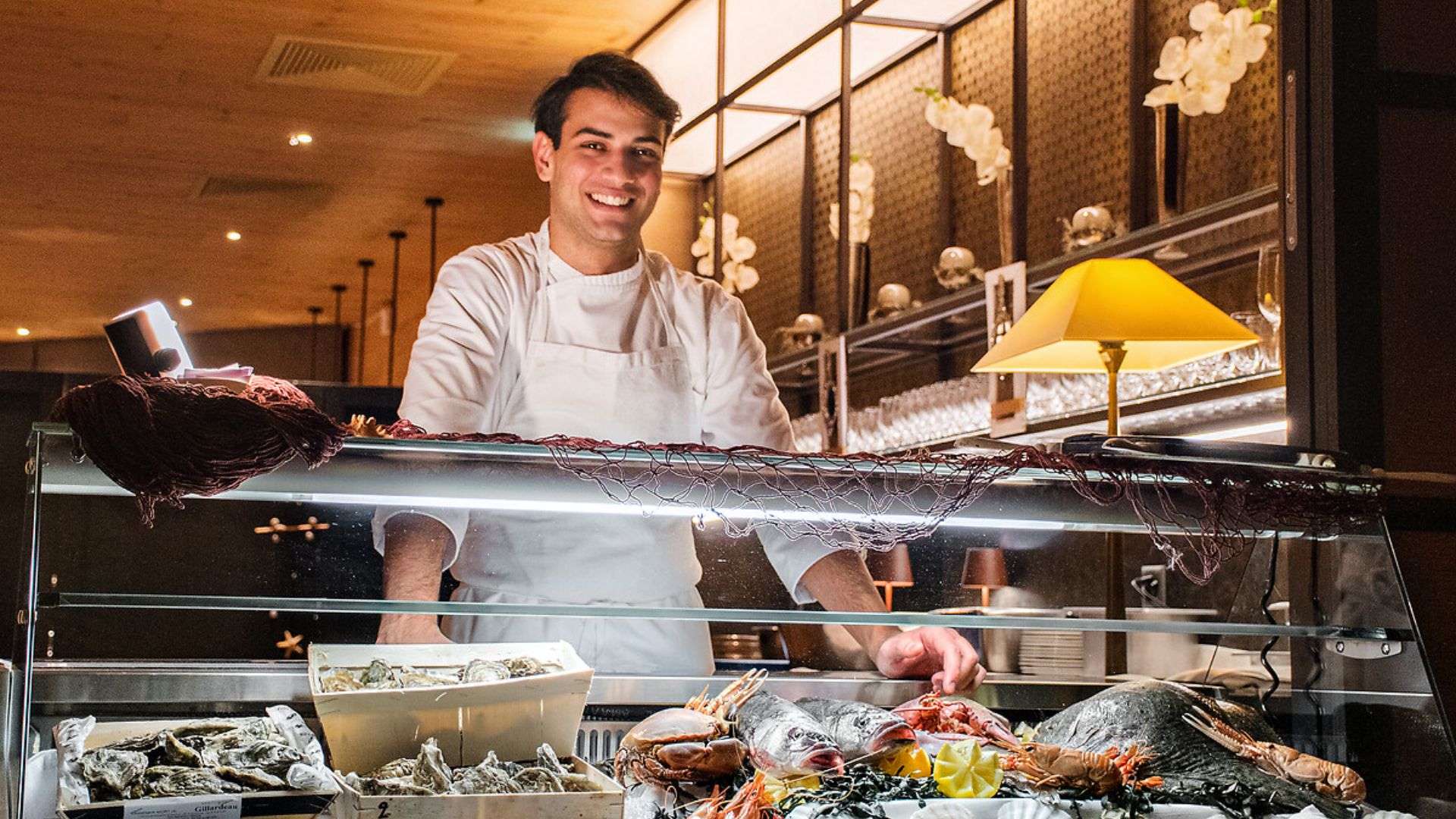
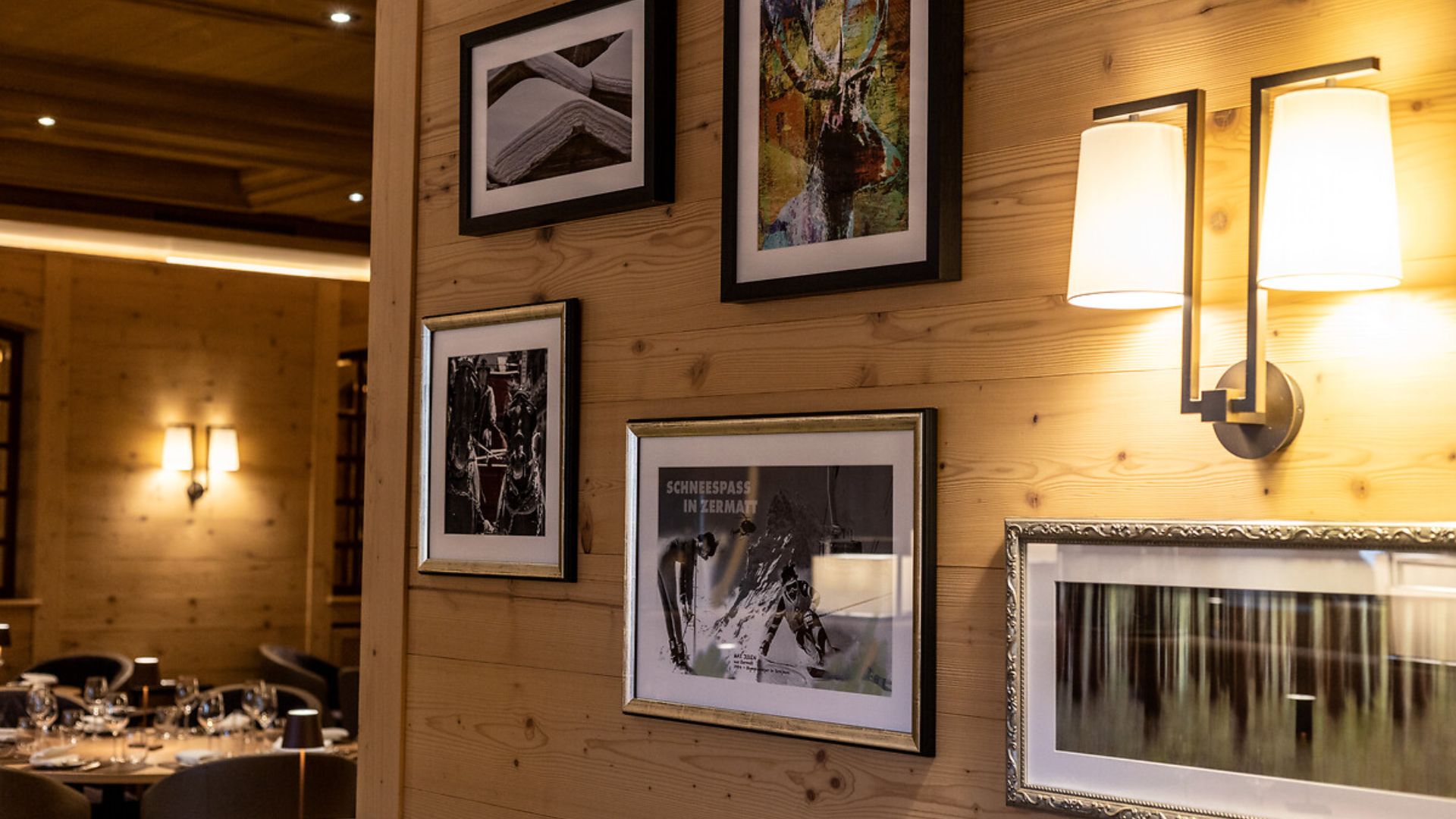
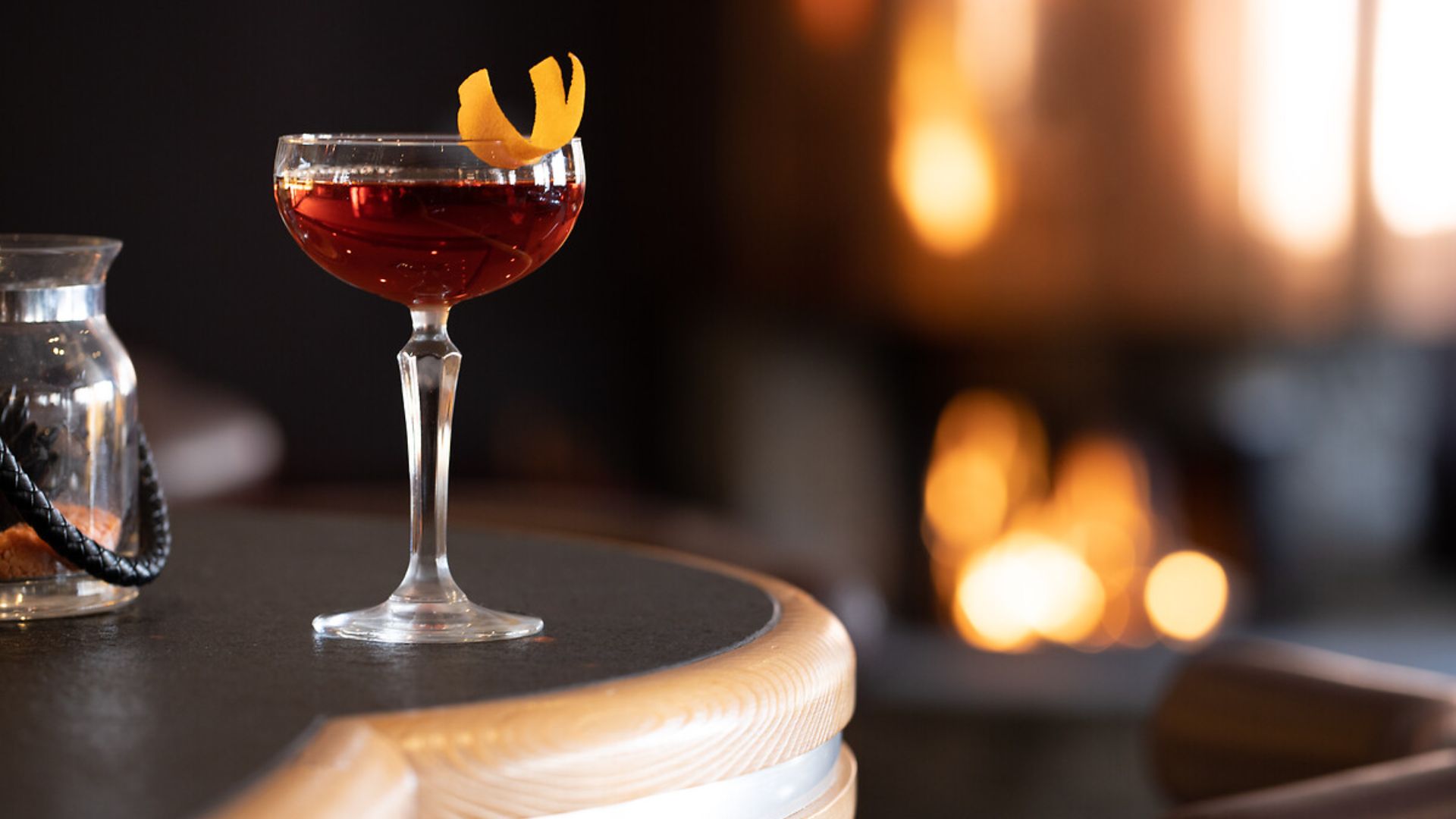
After a day outside, Mont Cervin Palace Grill feels exactly right. The room is warm and grounded by the open charcoal grill. Chefs move quickly, flames rising and falling as plates of rib eye, beef entrecote and fillets leave the kitchen. The menu leans confidently into grilled specialties, balanced by market fish and local dishes, like spit-roasted cockerel with Limoncello sauce and potato soup with leek and truffle, that reflect the region rather than reinterpret it.
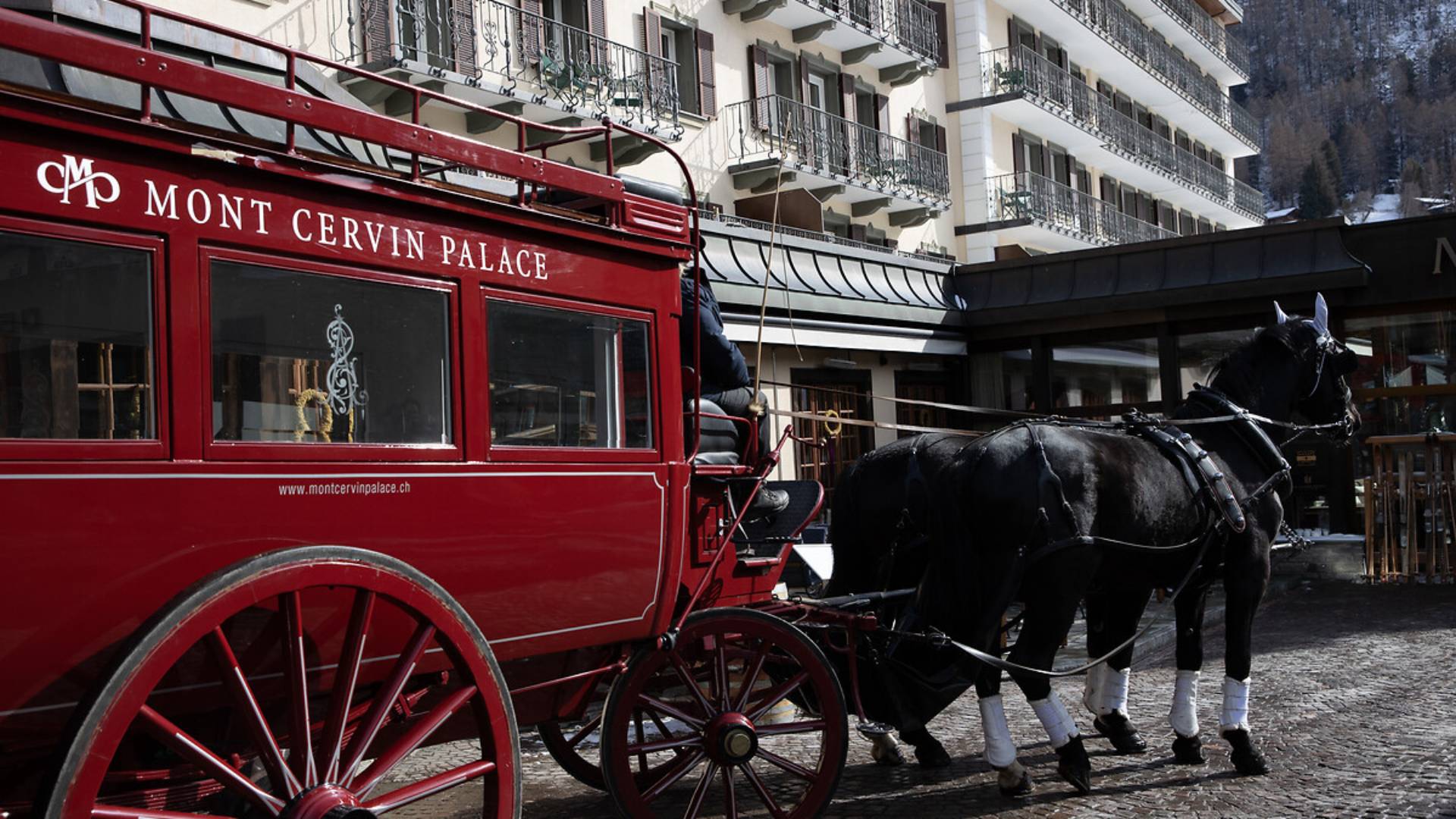
The Mont Cervin Palace has been part of Zermatt’s fabric for more than 160 years; it remains one of the first hotels to define the village as a destination, following the Matterhorn’s first ascent in 1865. Early guests came for adventure, then stayed for air, rest, and ritual.
Stefanie’s Crêperie
Dessert in Zermatt does not require a reservation. Stefanie’s Crêperie is a tiny, half-basement shop with café-curtains and a pair of hot plates. It’s been part of the village rhythm for decades. There are sweet and savory crêpes, like local favorite applesauce and cinnamon or chili con carne, that are served piping hot.
There’s a bit of Swiss particularity on display; depending on the day, it can be perceived as adding or subtracting charm. Cash only, the crêperie also rolls waffle cones in-house, the perfect vessel should ice cream win out over crêpes. They are fairly stringent; it’s either 1 large scoop, or 3 mini scoops, but no other amounts.
Zermatt is one of the rare resort towns where the design choice that matters most is not aesthetic but operational. The ban on combustion engines turns winter into something not just seen, but heard, and the silence makes everything sharper: ski edges on hardpack, distant bells, a low electric whir as hotel carts glide past with luggage and snowboards. Even at peak season, the village never collapses into chaos, likely because its infrastructure forces a slower pace. Everyone moves through it on foot at street level. The Matterhorn becomes less of a photo and more of a constant reference point, re-centering the day with every skyward glance.
Want Zermatt to feel like Zermatt? Don’t overplan it. Let the rhythm set itself: a morning ascent that resets sense of scale, an afternoon return to warmth and conversation, an evening of window-lit wandering when the holiday lights make the streets feel composed. Bring home something with authorship, not branding. End the day with something simple eaten outside, because winter tastes different at altitude.



What are your thoughts?