The Visual Language of Lilly Pulitzer
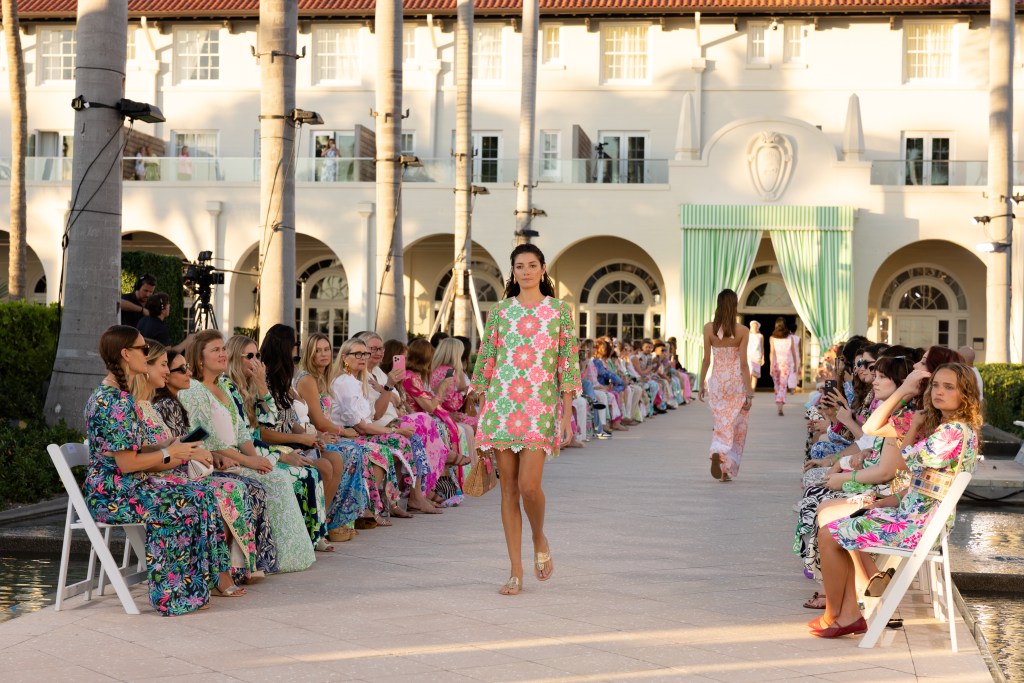
With a robust archive of hand-painted patterns, bright colors and playful silhouettes, the heritage brands pulls from 65 years of inspiration for its Spring Summer 2026 show in Key West
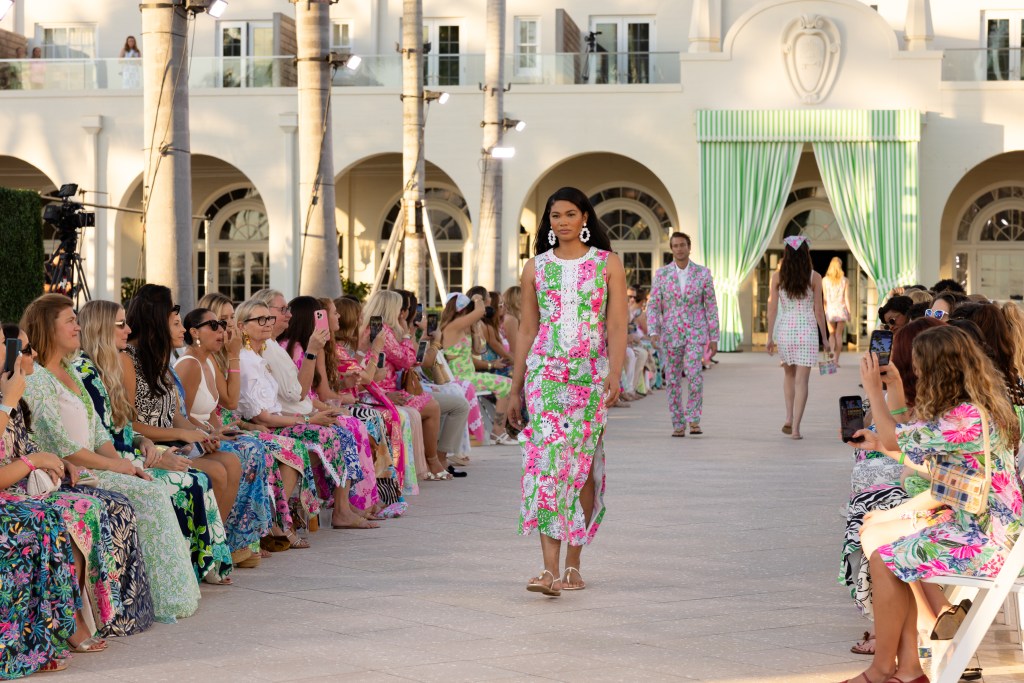
Lilly Pulitzer’s origin story is easy to gloss over, but its continued design relevance is harder to ignore. A dress created in late-1950s Palm Beach to hide juice stains ended up defining one of the clearest visual systems in American fashion. The saturated prints, heat-friendly shift silhouette and hand-drawn graphics solved a practical problem before they became a style proposition. That sequence matters because it shows Pulitzer working from lived function rather than concept, a reversal that produced a surprisingly durable design language.
The brand’s rise, fall and reboot reinforce how defined that language was, and the market eagerness to consume it. Pulitzer built the country’s first widely adopted resort wear model and, unintentionally, a blueprint for the lifestyle brands that followed, from Ralph Lauren to Tommy Bahama, Diane Von Furstenberg to Vineyard Vines. Its longevity has less to do with nostalgia and more to do with clarity of idea: color as a primary tool, ease as a design outcome and casual dressing treated with the same seriousness as anything else in fashion.
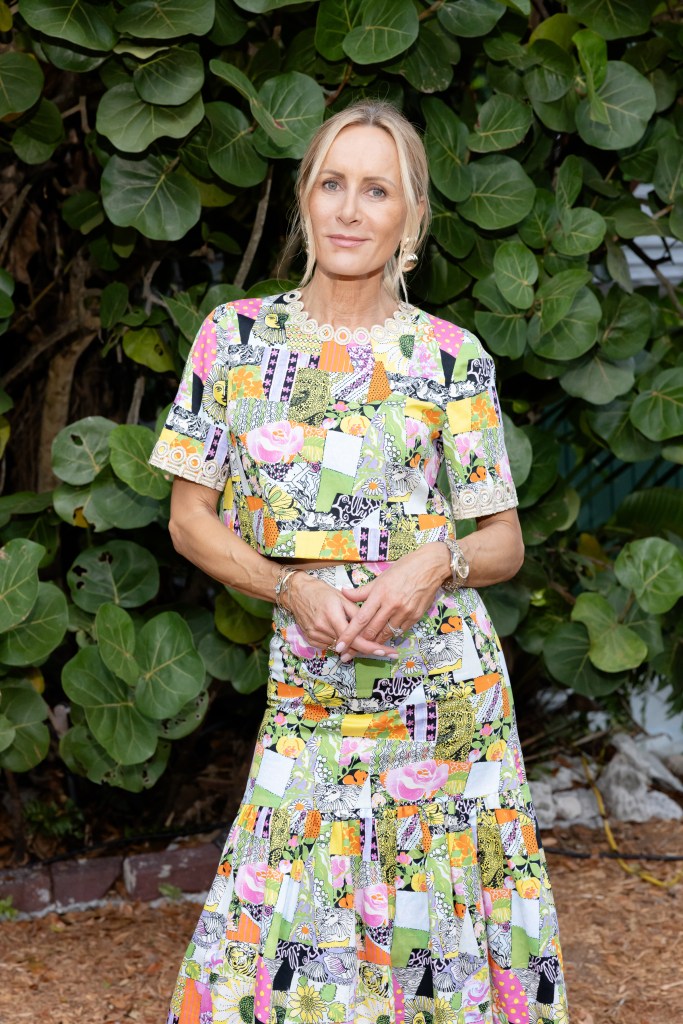
COOL HUNTING sat down with Mira Fain, Chief Creative Officer of Lilly Pulitzer, on the eve of the Spring Summer 2026 fashion show in Key West to talk visual language, staying power and how a single dress design led to a multi-million dollar fashion brand.
COOL HUNTING: The founder and namesake of the brand Lilly Pulitzer, created a visual language absent of logos. Her original silhouette, the classic shift dress, and her never-to-be-repeated rule about patterns became the company’s moniker. How do you keep that visual fluency and move the designs, the patterns and the narrative forward while also remaining true to the legacy she built?
Mira Fain: It’s tricky and it’s a responsibility. We have 65 years of heritage, that’s a very strong foundation that we can build on. Everything in the brand starts with color; a really happy color, or a clean color, but it’s always connecting with you emotionally. People come in and they may be wearing something from today’s collection or something from a vintage archive from, you know, 50 years ago, but it makes them feel a certain way. So the responsibility as a creative is to really be able to protect that feeling. It’s also to be there for the best times in her life; for the first born or the engagement party or the girls trip or the Sunday dinner with grandma. It’s always something really special. The fabrications may change, the trims may change, but the print and the perception remains constant.
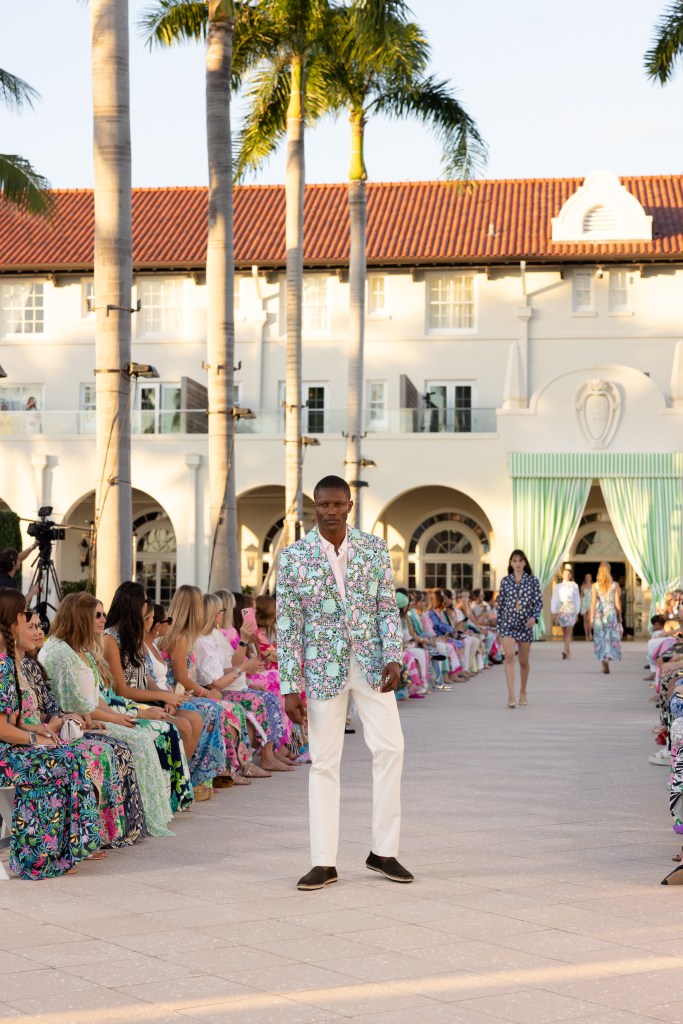
CH: Many people only know Lilly Pulitzer as a brand for women. But menswear has been part of the DNA of the company for decades.
MF: We did not start designing menswear because we were looking for another opportunity. Men came to us over and over and over again asking for it. Begging for it. Around our 50th we had a full men’s collection; it was a big piece of our business. Then it kind of tailed off a little bit. We decided to bring it back.
CH: And how do you design for men now?
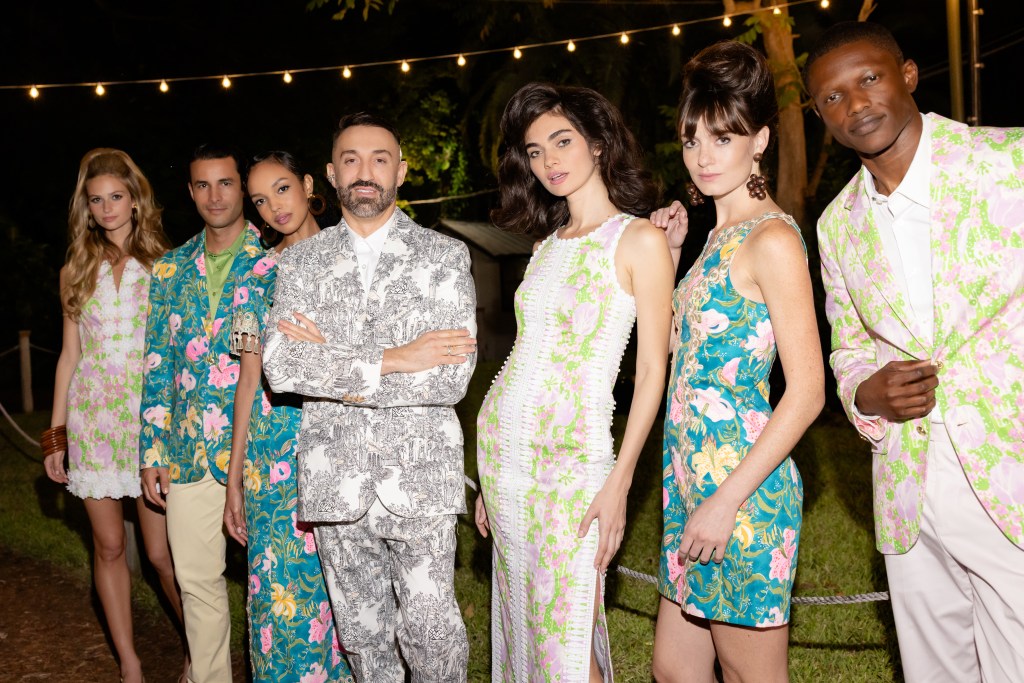
MF: We always jokingly say, the man is an accessory in our lives. Ideally he matches the family photograph taken for Thanksgiving or the holidays. But when men come to the brand, and they come alone, and they want to shop, and we have the same exact concept as for women. We want the clothes to make them feel good—whether it’s inside lining, a strong print—that’s storytelling for them. Or it’s a moment to have something really special and stand out in their own way. Or, if they’re fully dipped, as we like to say, which means he has his pants, his blazer that matches with his daughter, his wife or significant other, there’s always accessories. So we see it as the natural evolution of growing the brand.
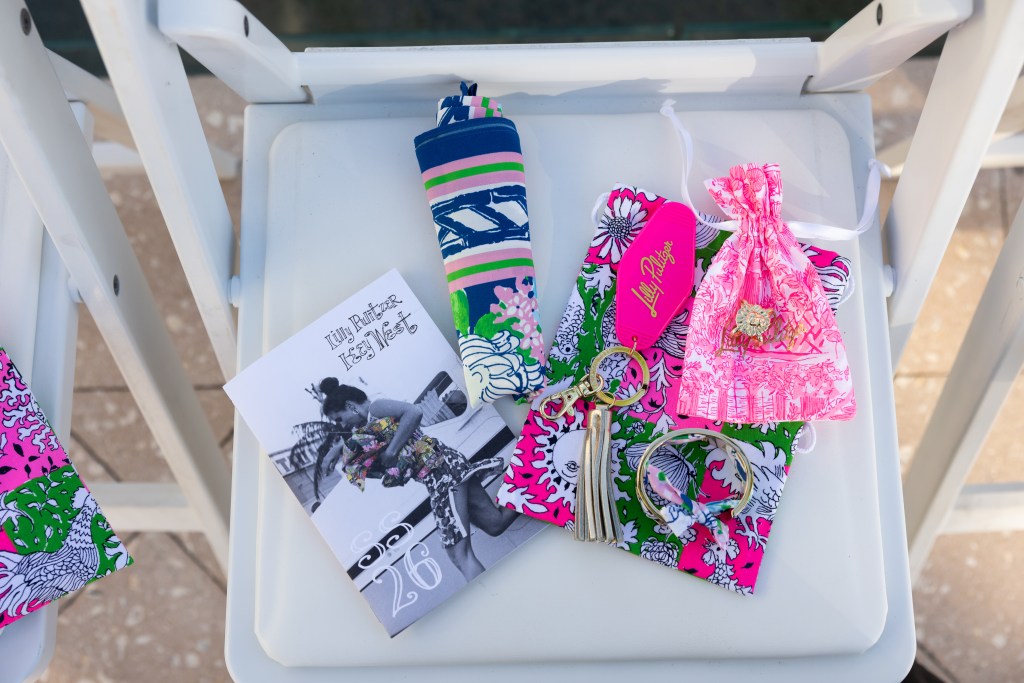
CH: This collection is all about nostalgia meeting technology. You’ve already said that patterns have been reimagined and archives are being tapped. How do you keep it true to Lilly Pulitzer, the brand and Lilly Pulitzer, the person, when that’s famously something she avoided.
MF: We always think, what would have Lilly done? I was very fortunate to have spent a lot of time with her when I first started with the brand in 2005 and I would fly down to Palm Beach and sit there in her living room and show her the prints. And she always told me, there are no rules. She was the number one rule breaker. She loved to do something different and unexpected and I would ask her a lot of questions, you know, what do you think about this? And she said, just do what comes naturally to you. So I would say there’s no written rule about what to do, what not to do.
CH: What rules are you adhering to, even if they’re of your creation?
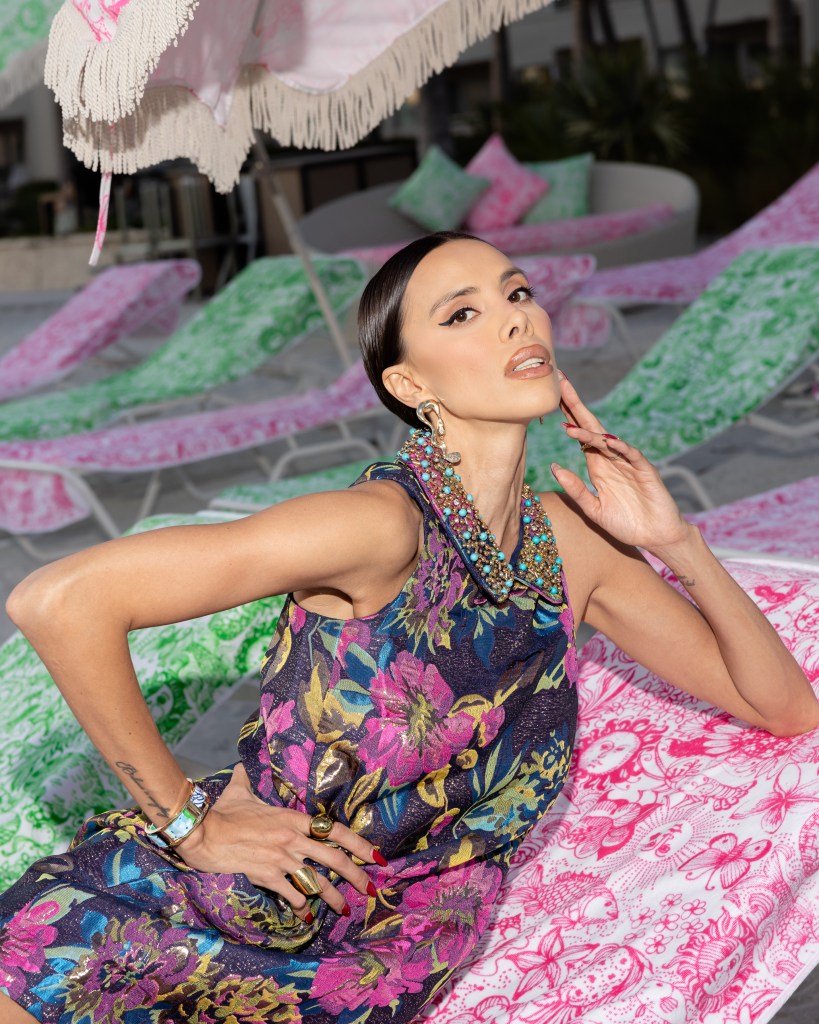
MF: These vintage prints that we are very inspired by and so happy and so lucky to be able to rework, that is what we are here to do. We’re reworking scales of them, the colorways of them. We’re taking components of them and blowing them up. We’re doing these engineered layouts that are just motifs taken and placed in a certain way. We still have multiple print designers in-house, and they hand paint everything. So many of the processes are the same. The prints are new but inspired by old. We have the freedom to really dive into the archives and be inspired. But Lilly is like, sitting here on my shoulder. I think what would Lilly do? What would she say? Would this make her proud? Or would she sort of tilt her head and say “I don’t know about that?” That’s how she used to say it, “I don’t know about that.” This collection is honoring her creative mind that we keep developing forward.
CH: Something on the tip of everyone’s tongue right now is the use of AI and how it’s being used. How are you using AI?
MF: It’s not in our supply chain. But I plugged Lilly Pulitzer into Chat GPT one day and it spits out a pink five-petal flower with a blue butterfly and a green piece of grass. I thought it was very flat. We’re still far away from the brushstrokes and the textures that our in house artists hand paint. If you give one flower to five artists, they will paint the flower differently but they will all insert their emotion, their texture and coloring. AI is not there yet. Maybe soon it will be. We don’t know. We will certainly keep tabs on it and find out exactly if there’s a tool we can use. But right now it’s so outside of the creative art development we have.
CH: What does timeless design mean to you?
MF: It’s 65 years of history tied into 2026. It’s our current collection that’s rooted in the feeling of the print: whether it’s a repeat, a re-adoption from 1967 or an iteration translated into a brand new fabrication or a new technology that we’re using for fabric development that did not exist even six years ago.
CH: What keeps Lilly Pulitzer relevant?
MF: Lilly Pulitzer is the originator of American resort wear. You can’t really be lukewarm about Lilly. You love it. You have to have it. You have to have a lot of it. For those who are like, “I can’t do color, this is too much,” we have a solution for that. We always have. We continue to create a brand that gives customers a chance to really love us. When you’re in Lilly and you see someone else in Lilly, you feel like you’re among friends, even if you don’t know them. And I think that that feeling is something a lot of people kind of miss with other brands. The critics have always said “ooh, it’s bright.” But there’s so much more to Lilly.




What are your thoughts?