AllSwell and Marram Montauk’s Creative Retreats
The accessible ritual of putting pen to paper has a multitude of benefits

Whether for self-support or creativity, journaling can be transformative. The benefits are wide-ranging, from boosting memory to managing anxiety, strengthening the immune system and more. Essentially, it’s a low-impact, full-body (physical, cognitive and emotional) workout in gentle ritual form. Recently Marram Montauk hosted a journaling weekend with Laura Rubin, the founder of AllSwell, to encourage participation in the practice and to expand the concept of journaling.
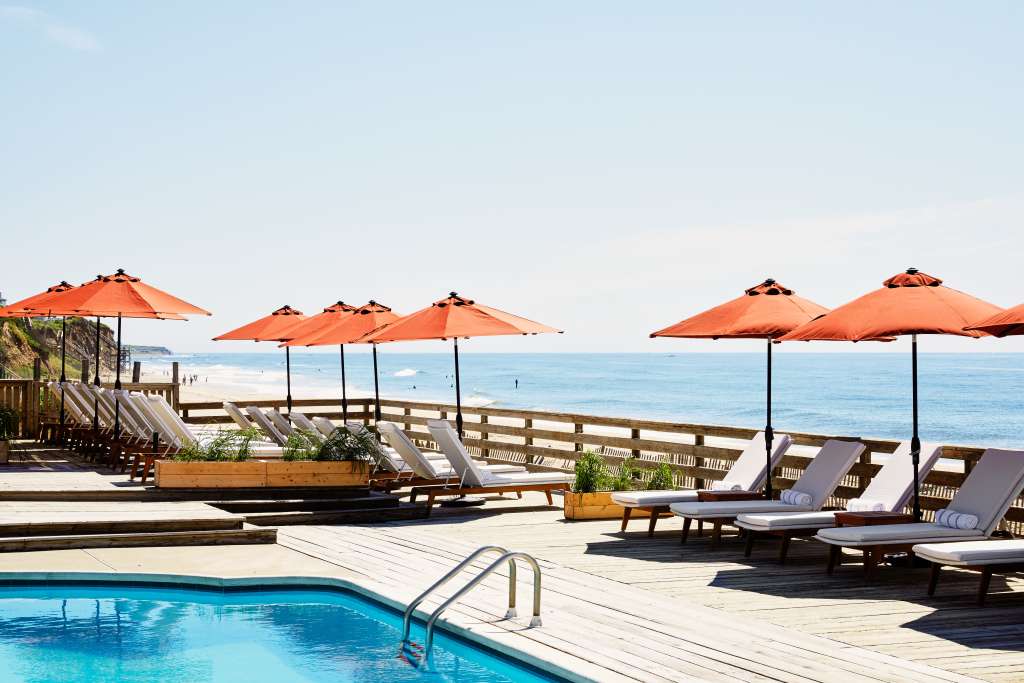
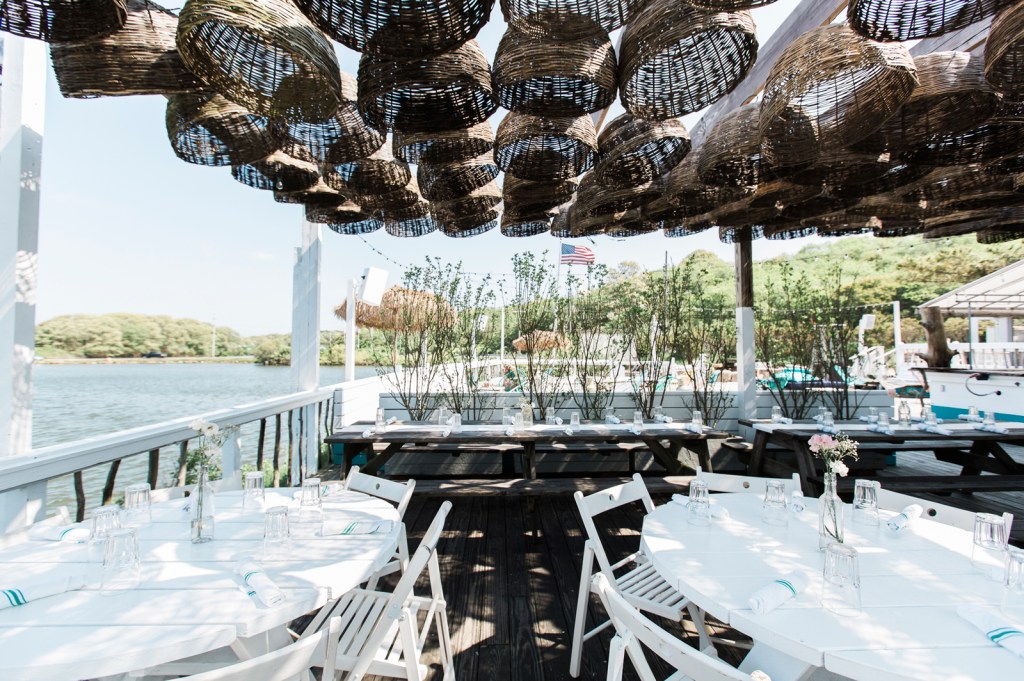
It’s fitting that the retreat takes place at Marram, which is located on the same beach Rubin came up with the idea for AllSwell. “I had a surf check one morning and I got skunked—there were no waves. But I always have a notebook in my beach bag, so I went and got a cup of tea, and I sat down and was journaling. While I was watching the water, I wrote, ‘Swell or no swell, all’s well.’”
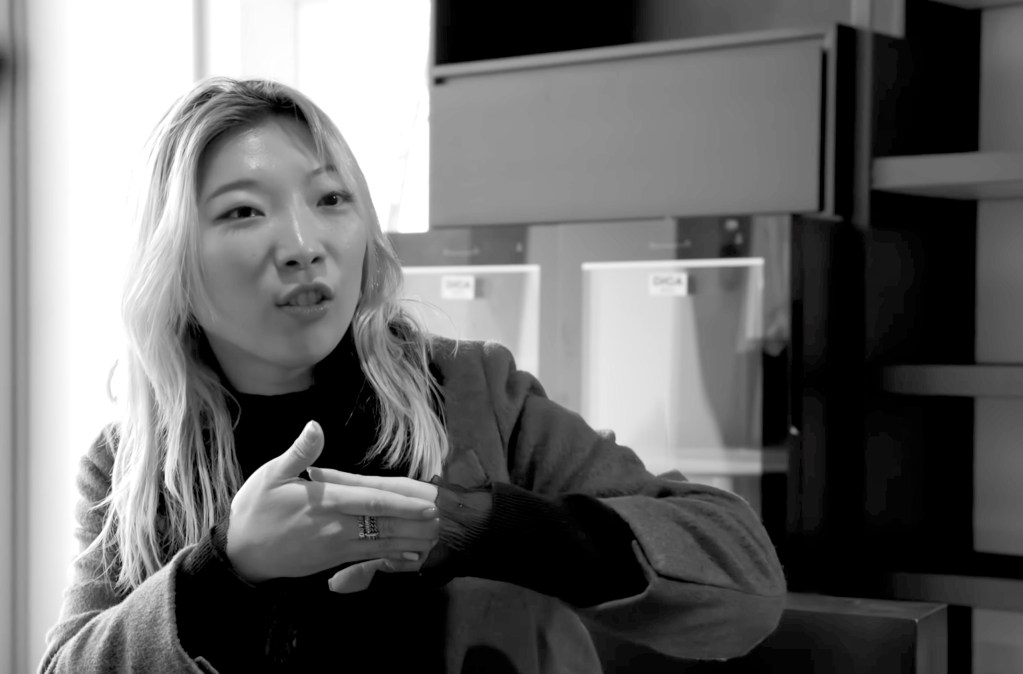
Rubin has been journaling since she was eight, but she understands that not everybody is a lifelong writer. She encourages people to write lists, draw pictures, decorate pages with symbols—whatever feels right on the day. AllSwell’s overarching mission is to make journaling more accessible and less intimidating. Ultimately, she says, the practice is about putting pen to paper.
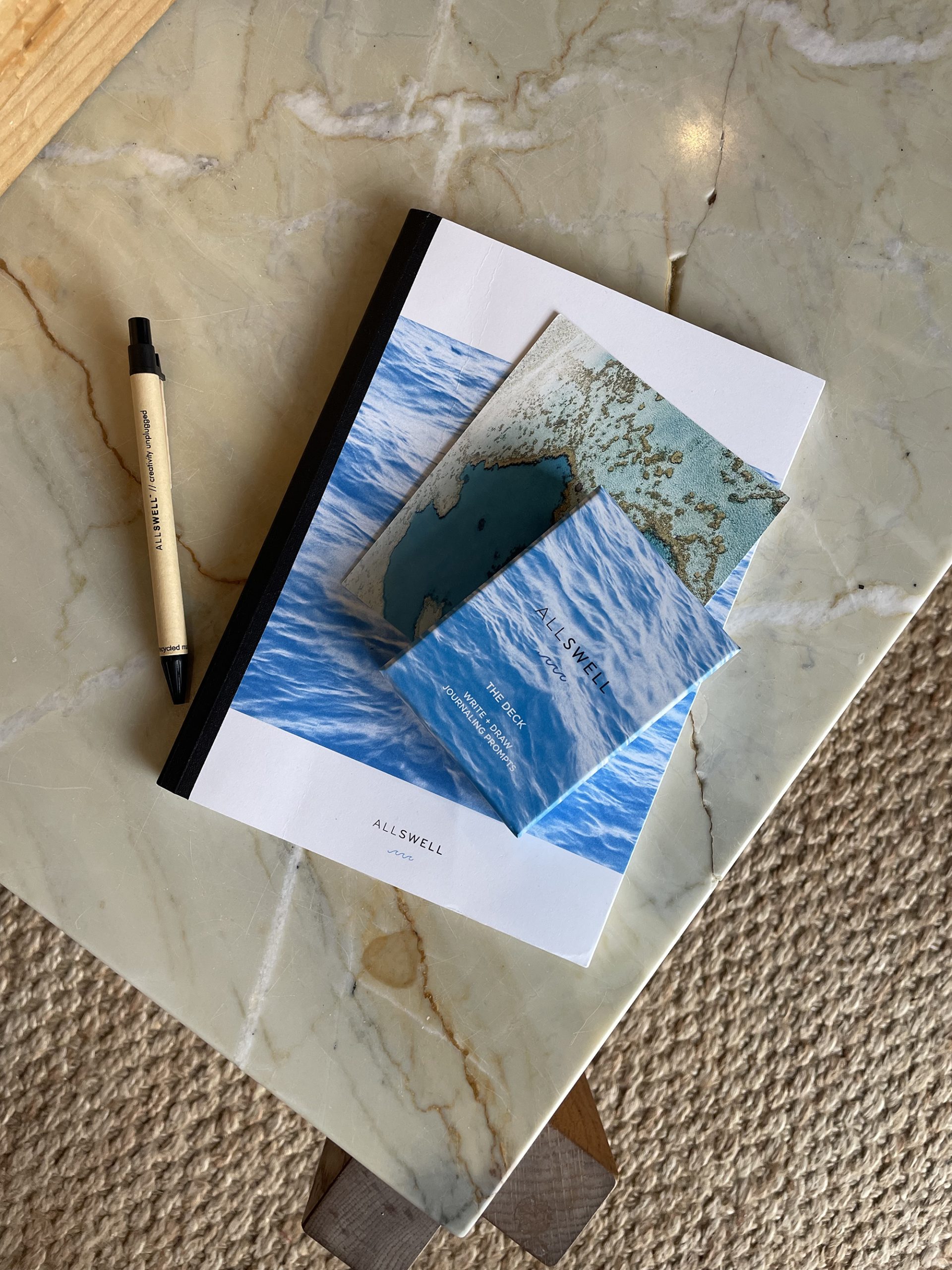
When the idea for AllSwell came to her, Rubin says journaling was looked upon from a skewed perspective. “Journaling had a pretty bad PR problem. At that time, it was more associated with teen angst and overly scented bath bombs rather than being the legitimate modality for mental and emotional wellbeing,” she explains. “I wanted to shift that awareness. So I started with products. I wanted to make design-forward, gender-neutral products, just to change the conversation a little bit. That was when I found out from the marketplace that this thing that I’ve always innately felt comfortable doing, people had a lot of hang-ups around. I had no idea that people were reticent about putting pen to paper. So I decided that I could use my background as a nerdy English major and a writer and an editor to put together a helpful curriculum that might be supportive. That’s where the workshops came from. And it just sort of took off. And I got out of the way.”
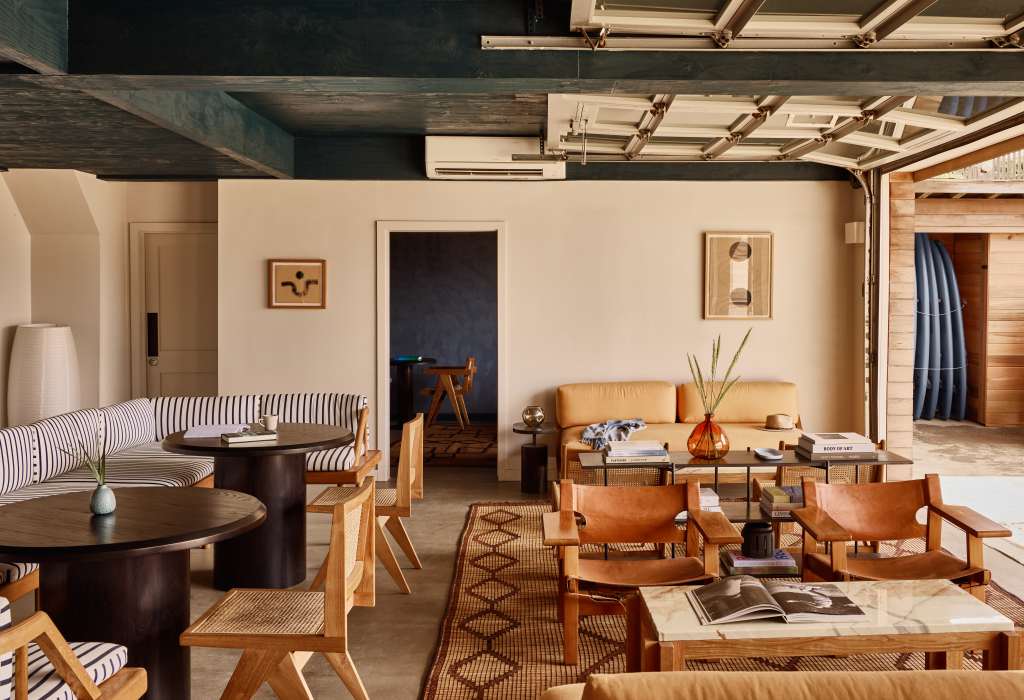
The sessions at Marram aren’t intense, but they are meaningful. Rubin introduces an idea (whether an abstract concept or maybe just a word or mood), guests read a piece of writing (perhaps by Anne Sexton or bell hooks), and then she provides a prompt for five to 10 minutes of journaling. The process is laidback, but there’s one rule: keep going. No staring up at the ceiling wondering what to write or draw, and certainly no questioning the value of your output. Each session is remarkably different; the outcomes can be easy, challenging, strange or surprising, there’s laughter and tears, but always a sense of satisfaction for creating something—anything—from nothing.

With Rubin’s prompts and Montauk’s beaches as a background, it’s easy to tap into flow state. Rubin says this is partly thanks to the Waterfall Effect, where water colliding with itself releases negative ions, oftentimes resulting in positive physiological effects—ranging from a little anxiety relief to euphoria. “The Waterfall Effect takes place at the edge of the ocean,” she says. “It can aid our creativity and make us feel good. So it’s not an accident that the idea came to me at the water’s edge.”
With that in mind, she emphasizes that journaling can take place almost anywhere. “On one hand, location is a wonderful element in journaling. I recommend that people try journaling in all different kinds of places. Journal at the beach, journal on a park bench, journal on the subway, journal in a museum. Be informed by the environment,” she says. “But I don’t want people to feel precious about journaling. It is there for you 24/7 and if you have too many preconceived notions about having the most perfect environment in order to journal, it’s going to cause a barrier.”
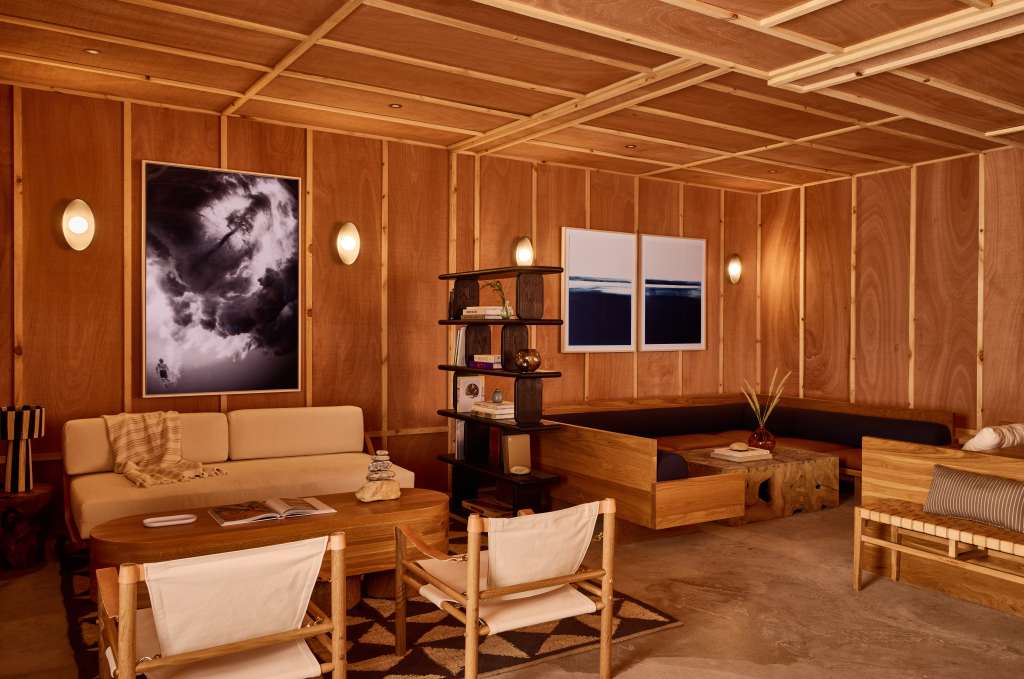
Rubin’s workshops are practical but thoughtful and inspirational, making them appealing and approachable for rookies, cynics and expert journalers alike. And the tools she introduces during the sessions can be used far beyond the workshops. That is ultimately what Rubin wants—people to connect with their emotions and imagination in an easy, accessible way. It’s the kind of real self-care (eschewing expensive and luxurious treatments, products or services) that centers on taking time to prioritize one’s own health and creativity.
“What I’m looking to do is create a big enough tent for enough people who may not come to the page otherwise to come to it, to destigmatize it and make it more accessible,” she explains. “Leading a retreat here, on the same stretch of beach where the idea came from, is pretty remarkable. It is a full circle moment. It was this idea that I came up with casually at the beach, not knowing what it would become. It feels right.”