1X’s Dar Sleeper Wants the Future to Feel Familiar
The designer behind 1X’s NEO threw out the visual language of science fiction, then put his studio to work on the robot’s clothing, furniture and a backgammon board
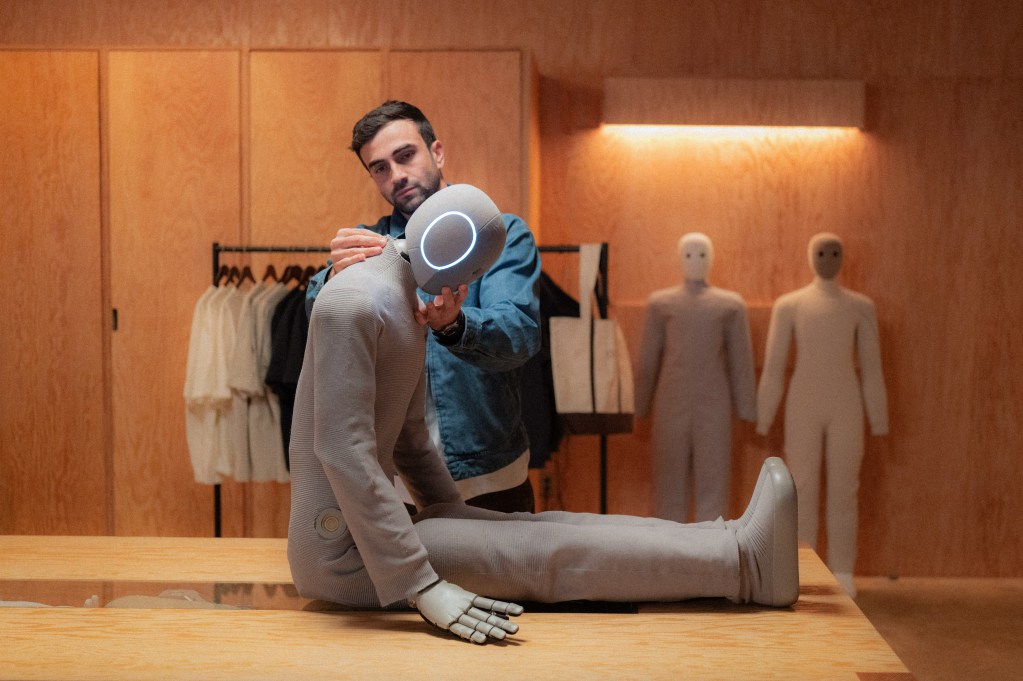
The humanoid robot had a look before it had a market. Science fiction settled the question decades ago with bright LEDs and polished metal, and the industry has largely inherited that answer without arguing with it, because chrome reads as tomorrow at a glance.
NEO was built against it. The home humanoid from 1X stands five feet six inches, weighs 66 pounds and arrives in a knit suit in one of three muted colorways, sitting closer to furniture than to equipment.
Dar Sleeper, who leads product and design at 1X, spent his first eight months at the company as most of the design department. “It was a humble org of Dar,” he tells us, and “not a lot of opinions besides the founder.” That founder, Bernt Børnich, whom Sleeper calls “one of the best mentors and engineers of all time,” kept returning to a single reference. He wanted the robot to be friendly and he kept talking about Baymax, the inflatable caregiver from Big Hero 6, and the comfort it brought to the child in the film. “This is what he wanted our robots to represent in the world,” Sleeper says. The brief was a feeling, which Sleeper considers the right altitude to start from. “Starting with something that abstract is kind of the best way to go,” he says.
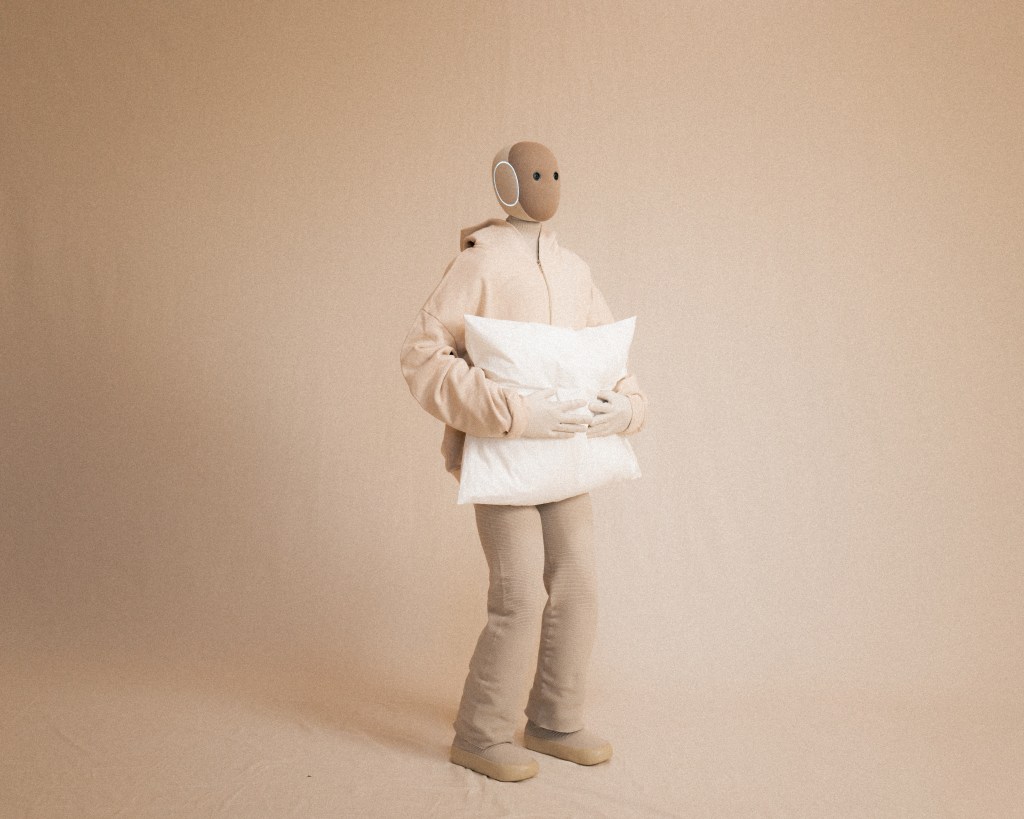
The second reference was in his living room. “It kept sitting in my house and looking at my couch,” he says. “It’s super warm, it’s very non-intrusive visually.” What he wanted from it was a kind of visual quiet. “You don’t really see it unless you look at it,” he says. Both references describe how an object occupies a room. Neither describes its surface. “I wouldn’t say they’re like visual references as much as feelings,” he adds.
When asked which science fiction cliché he threw out, Sleeper declines to narrow it down. “Kind of all of them,” he says, though he is quick to add that the robot’s industrial design is only a small fraction of what NEO and the 1X brand will turn out to be. The genre’s vocabulary struck him as cold, and he names Syd Mead, the concept artist behind the look of Blade Runner and Tron, along with the hardware that travels with him. “You’ve got the shiny metals,” he says. None of it evokes a childhood home on Christmas Eve, the benchmark for warmth Sleeper keeps reaching for. “I feel like I’m kind of like stuck in a meat locker refrigerator,” he says of the alternative. “It’s cool, it’s futuristic, but it by no means feels familiar. It does not feel like the world we live in today; it feels like a departure from our world.”
His objection is as much logical as aesthetic. Most of the copying, he suspects, is unexamined. “Most people just see science fiction and say okay, well that’s what the future looks like,” he says, and science fiction artists were designing departures deliberately. As a template for a machine that has to live in someone’s house, a departure is precisely the wrong thing to borrow.
In the future we’re not going to want to feel a long way from home. I think we’re actually going to want to feel even closer to home.
Dar Sleeper, 1X Chief Design OFficer
Sleeper’s evidence for this is deliberately ordinary. Leaving home for college in another state is, he argues, about as far as anyone should ever have to travel from the feeling of home, and a world where people feel surrounded by warmth is the one most of them would choose. “We had to throw away everything,” he says.
What replaced it was dictated mostly by physics. “Engineering is most of it,” Sleeper says of NEO’s shape, describing humanoid robotics as “one of these places where engineering and design has never been more intertwined.” Every engineer at 1X has had to think like a designer, because the robot’s outer surfaces get pressed inward by the requirement that it move through rooms built for people. Sleeper’s example is a wall outlet: if your arm is fat, he says, it will not fit between the refrigerator and the wall. The pressure runs the other way too. “I don’t think the engineering constraints on design have ever been so significant,” he says.
NEO’s form begins with its tendon-driven, bio-inspired drivetrain, and the engineers, in Sleeper’s phrase, have been through hell in the other direction to reconcile that system with how the robot needs to read in a living room. Softness had to be built rather than applied. “The movements are soft,” he says, and a machine cannot feel soft unless the engineering underneath it genuinely is.
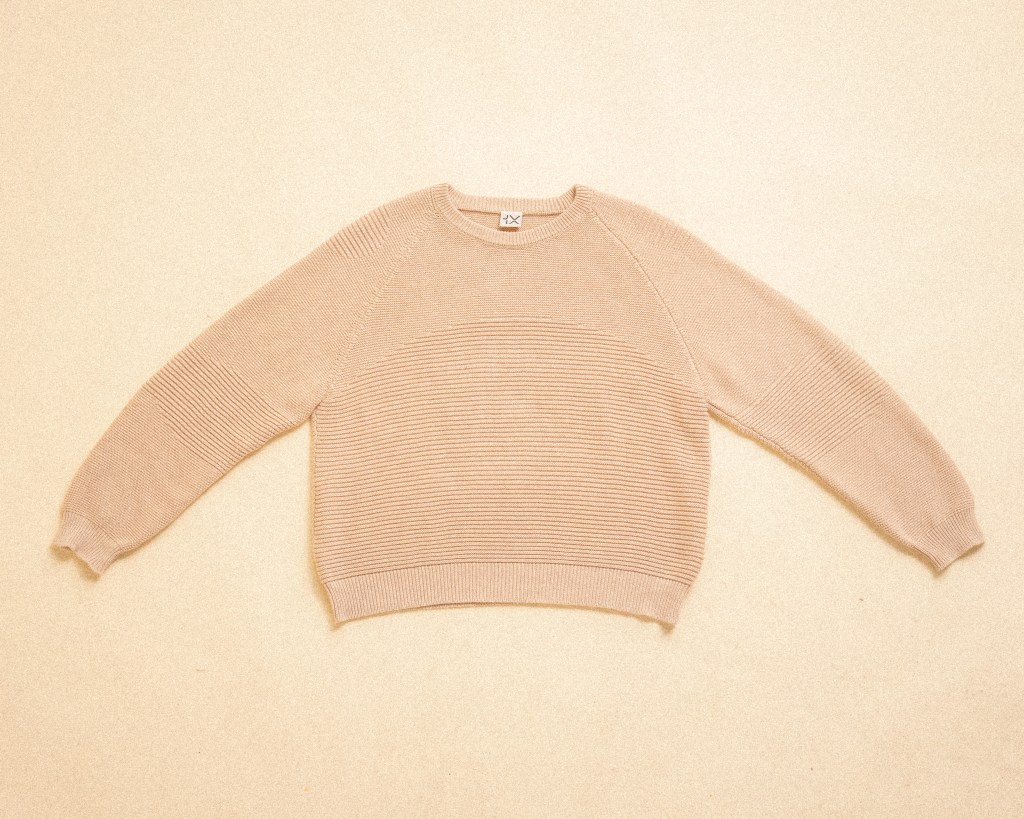
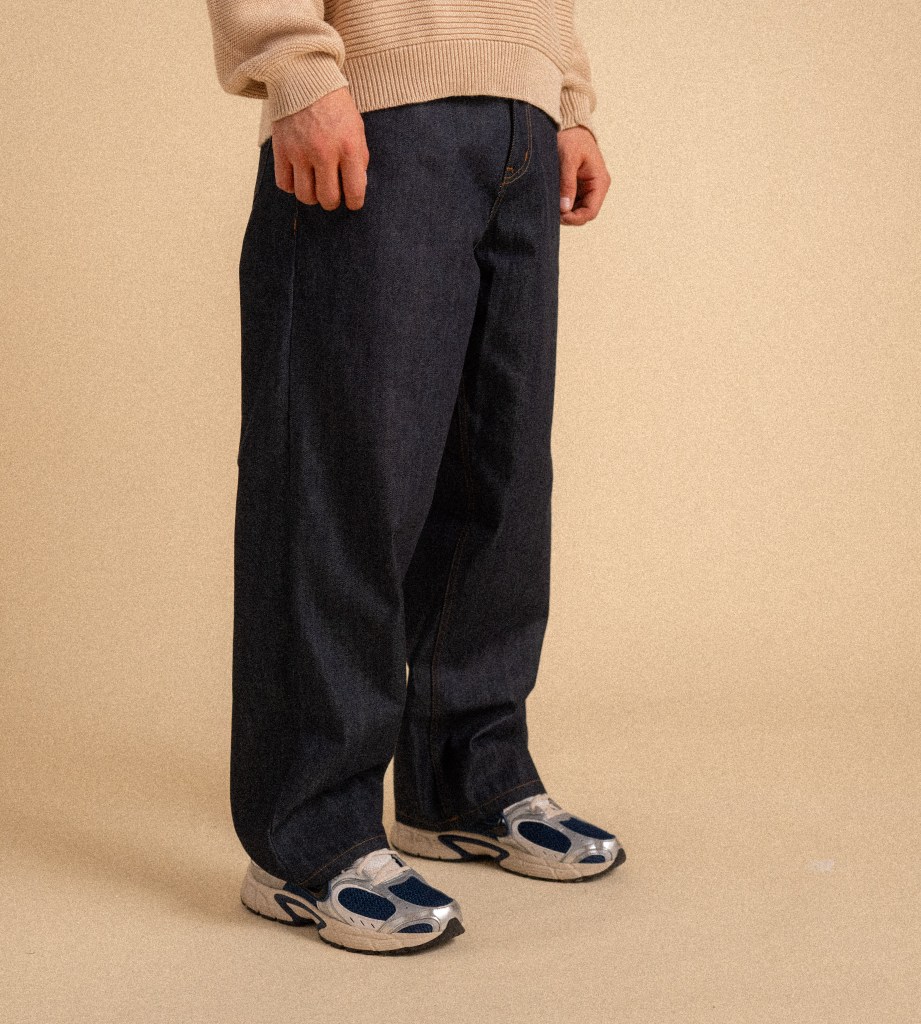
The same studio makes the clothes, an unusual line item for a robotics company. Sleeper’s first answer is a forecast. The nearest analogue he can find is the money people already spend on their pets and their appetite for dressing up their animals, a habit he says he does not share himself. What is coming is larger by orders of magnitude. He believes the steady state is “four NEOS to one human in the future,” which turns garments and footwear for humanoids into an industry with its own factories, half a shoe line’s output walking out the door on machines. Fashion follows from that arithmetic. “If not then we just have like big ugly metal things running around,” he says. So 1X has decided to “take culture and fashion just as seriously” as it takes mechanical engineering and AI.
His second answer is shorter and, he admits, the true one. “My team loves making things,” he says. NEO’s own design is closed, on the authority of the designer he most admires. Sleeper spent time with Naoto Fukasawa, whose work defined Muji’s house language, and asked him for notes on the robot. “He said this design is complete, stop thinking about it,” Sleeper says. So the studio’s appetite went sideways, into “a robot sweater for humans” in the current collection and a backgammon board that started as a dexterity test for NEO and turned out to be personal, since Sleeper’s girlfriend’s father played professionally and his own grandfather taught him the game as a kid. “It all comes from these random places of interest and exploration,” he adds.
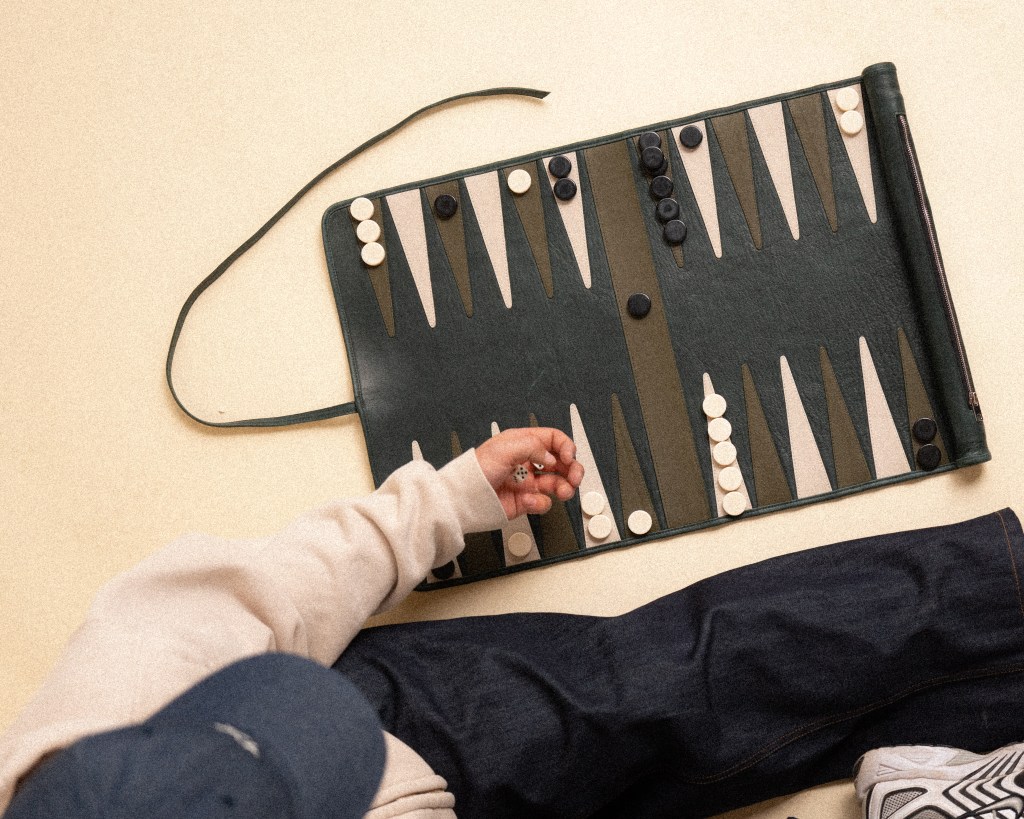
Everything is designed and manufactured in house, and Sleeper is blunt about the reason. “I don’t trust anybody outside of the people that I’ve trusted to exist in the studio with me,” he says. His team is “probably cranking seven days a week up to 16 hours a day” on what he calls “one of the hardest problems in human history,” and that shared pressure is the qualification. “We don’t outsource almost anything,” he notes.
Vertical integration also collapses the calendar. The current collection went from sketch to first samples in a matter of days, with the leather cut in the same building. “It’s all completely vertically integrated,” Sleeper says, and that speed doubles as his recruiting pitch. Designers come to him because “they get to actually see the things in their head come into reality like every week,” compressing what school and industry framed as a career’s worth of finished work into roughly a year.
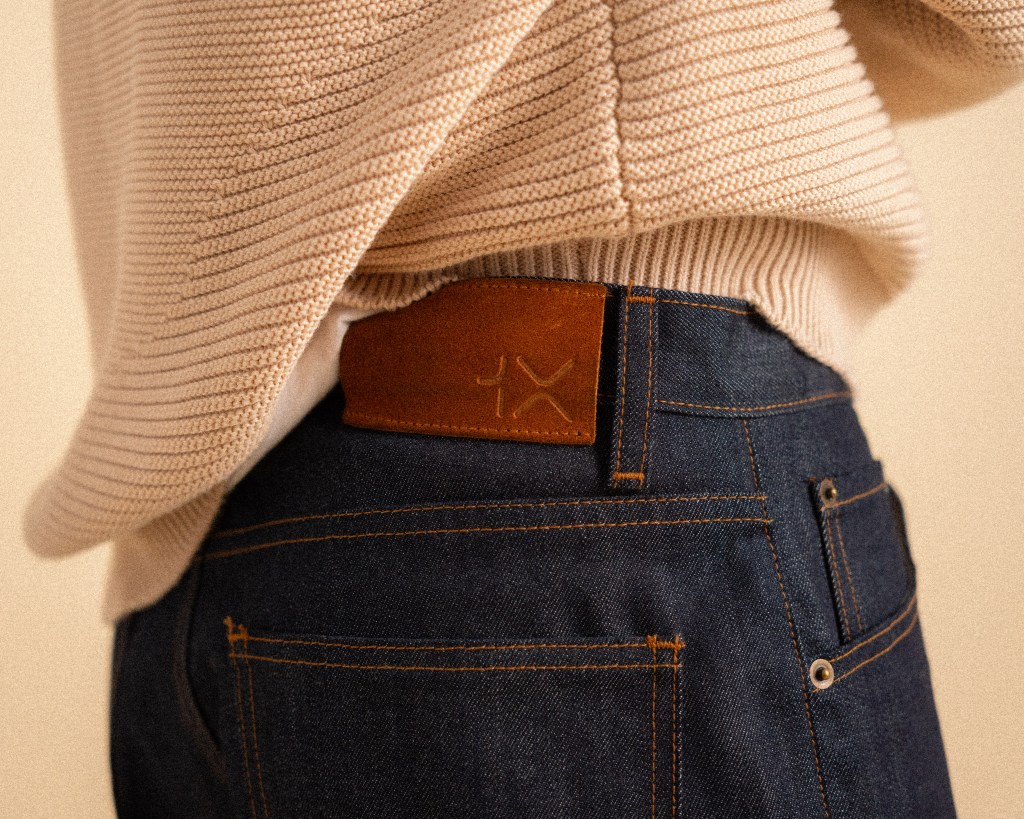
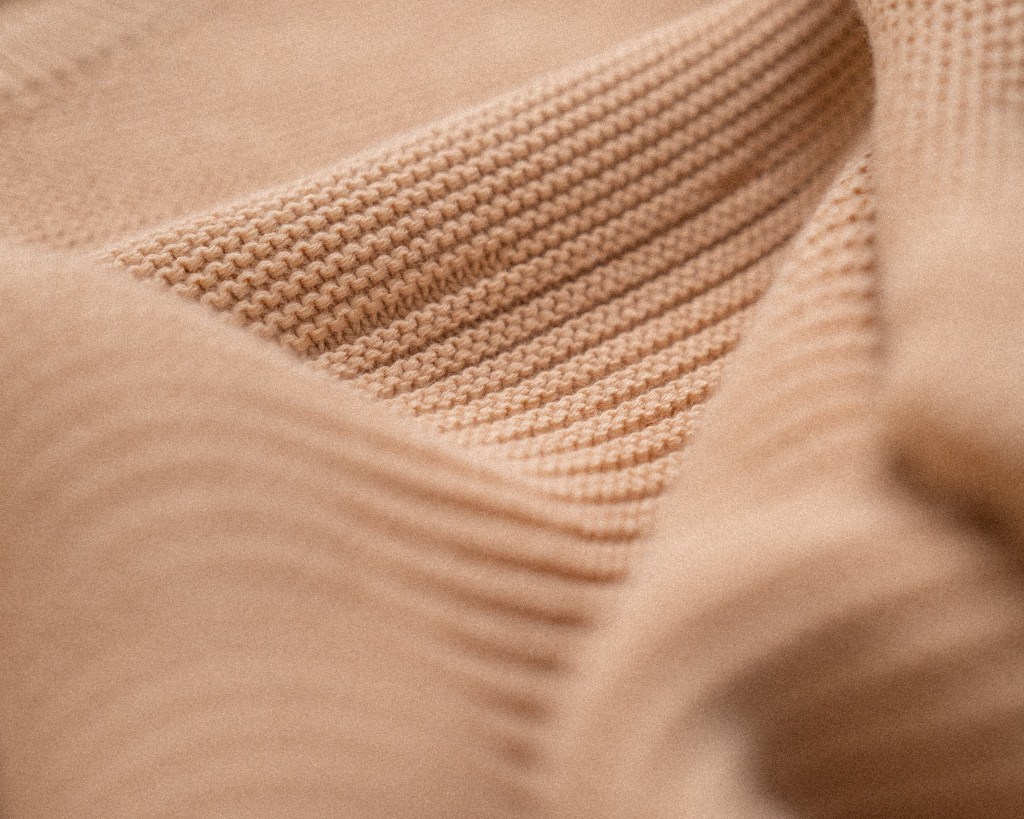
Materials get chosen the way an engineer would choose them. Sleeper starts from what the object is for, whether it needs to last forever or survive being smashed into something a hundred times a day or sit on a shelf, narrows to the two or three materials that clear the thresholds for durability, flexibility and heat, then designs inside whatever room is left over. Only at that point does taste enter, and it enters in small increments, rounding a corner or pulling out a volume or choosing one yarn over another because it holds “a nice balance between comfortable and durable.” What he distrusts is the designer with a signature. “No one product is the same,” he says. A house style applied regardless of the problem strikes him as “more about ego” and “needing to put your stamp on everything.”
That same suspicion governs how 1X behaves culturally. It is the part most technology companies handle badly. Sleeper’s diagnosis is that they work from the outside in, chasing relevance as a target. His alternative is “be exactly who you are,” and he argues it by analogy to people. Someone who spends all their energy on being liked has engineered away the only thing there was to like, and everyone can see the engineering. Not everyone will like you either way, which Sleeper treats as settled. “That’s just a fact of life,” he says. Companies make the same mistake. “They forget to have an identity, they forget to decide who they are.”
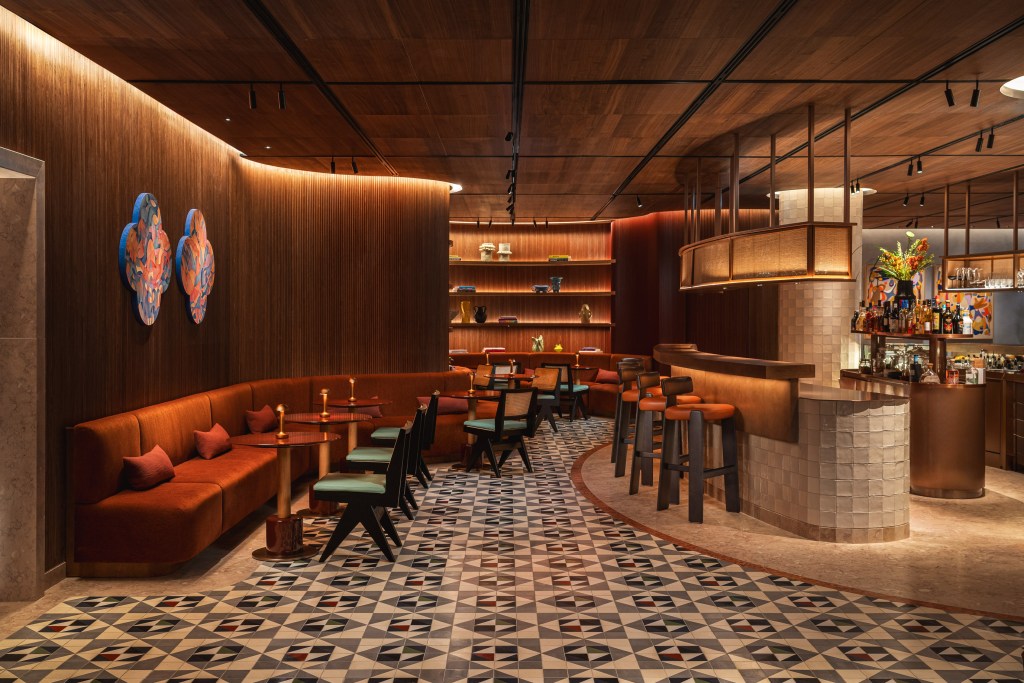
What 1X does instead has no method behind it. “I don’t really have a big formula for any of this,” Sleeper says. The Milan Design Week showing grew out of a friendship with Vittorio, who runs the appliance company SMEG, and a mutual enthusiasm for home appliances as a design category that Sleeper credits with making them useful in the first place. The two had already talked about NEO as “the next big home appliance,” so a booth was a short step. The Slam Jam connection arrived through a friend of a friend in Milan who cared about technology and clothes in the same proportion as Sleeper. “Starting from what they love and just having fun ideas and seeing how it pans out,” he says, is the entire strategy.
The studio’s next projects run on the same fuel. It has moved deep into woodworking, supplied by a man in Santa Cruz who owns a redwood forest and is grandfathered into harvesting a little of it. Sleeper will not say what he pays. “I don’t want everybody to come pocket watch all my redwood,” he says. The shop is turning out office furniture and a bed that may reach a small number of buyers or show up in a video with NEO. A Los Angeles studio opens shortly, closing the gap on what Sleeper calls the highway speedway between LA and the Bay, because “creativity really has a home here in LA.” More clothing is already circulating internally by design, since he wants 1X employees wearing it before anyone else.
None of it has slowed the robots. Working from an app he built during the current sprint with a young developer he met in Japan, which generates high-fidelity industrial design and sends it directly to 3D printers, Sleeper and a small team have moved fast enough that “we’ve probably pumped out six different robots in the last two weeks.” They are standing in the studio now. “The core mission of robots is kind of cranking harder than ever,” he says.
Science fiction built a future that announces itself. Sleeper is designing one you stop noticing, which is the harder thing to make and a considerably easier thing to live with.






What are your thoughts?