The Glittering Mirage: What Miami Art Week Reveals About Art in the Age of Spectacle
From intimate artist talks, epic brand partnership parties and countless satellite fairs, 2025’s Miami Art Week offered something for every kind of art lover
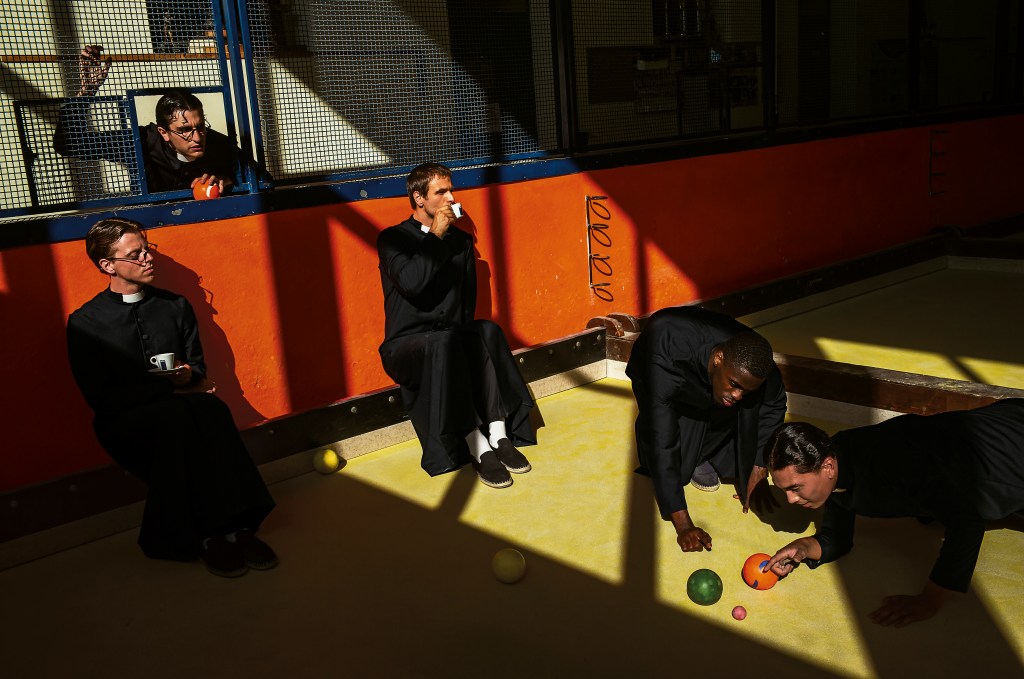
Miami Art Week has concluded, leaving in its wake a familiar haze of champagne fumes, Instagram stories and the low hum of private jets departing from Opa-locka. For seven days, the city transformed into a dizzying bazaar where Picassos rubbed shoulders with pixelated NFTs, where corks popped louder than critical discourse, and where the line between an art exhibition and a luxury brand activation became indistinguishable. To call it a mere art fair is to call a hurricane a summer breeze; it is a phenomenon, a cultural weather system that lays bare the complex, often contradictory, soul of contemporary art.
There is an undeniable magic to it. The convergence of Art Basel Miami Beach, Design Miami, Untitled, NADA, Alcova, and a constellation of satellite fairs and pop-ups creates a kinetic energy unmatched in the American art calendar. It is a democratic spectacle in its own way—streets flooded with both billionaires and art students, all gawking at monumental sculptures or waiting in line for a branded tote bag.
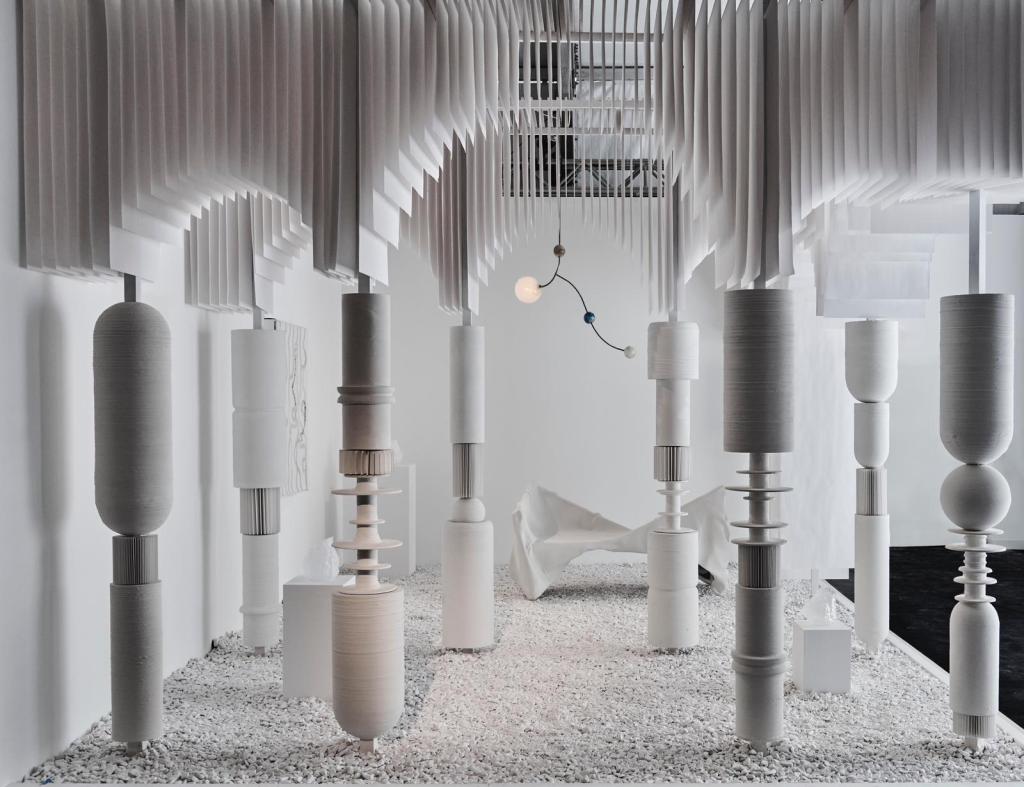
Art Basel Miami Beach served as the commercial and institutional epicenter, where market forces and museum ambitions converged under one vast, air-conditioned roof. Design Miami reframed functional objects as high art, presenting collectible furniture and lighting with the solemnity of rare sculpture. Untitled, with its tent on the sand, championed a more curated and critically-minded selection of emerging galleries. NADA pulsed with the raw, entrepreneurial energy of the artist-run and the newly discovered. Alcova transformed forgotten architectural gems into immersive showcases, reminding visitors that the most compelling finds often lie off the beaten path.
The atmosphere at Miami Art Week has undergone a discernible shift, trading the unchecked extravagance of previous years for a more restrained and deliberate tempo. The focus has pivoted from public spectacle to private, substantive gatherings, mirroring an art market that is currently favoring proven artistic legacies over risky speculation. This surface-level calm, however, creates a striking contrast with the parallel reality of lavish, off-site brand activations, presenting a week of two conflicting narratives: one of curated seriousness within the fairs and another of persistent luxury performing just outside their doors.
Art Basel launched Zero 10, a new global initiative for digital art at its Miami Beach 2025 edition, supported by OpenSea. Director of Art Basel Miami, Bridget Finn shared with us, “If there is a future, whatever that is for digital art, I suppose that will be something that the galleries tell us, this is a platform to amplify the voices of artists, via their galleries.” The distinctive sponsored initiative of Zero 10 raises a question: why would a sector within Art Basel require its own presenting partner, unlike the traditional galleries that operate independently?
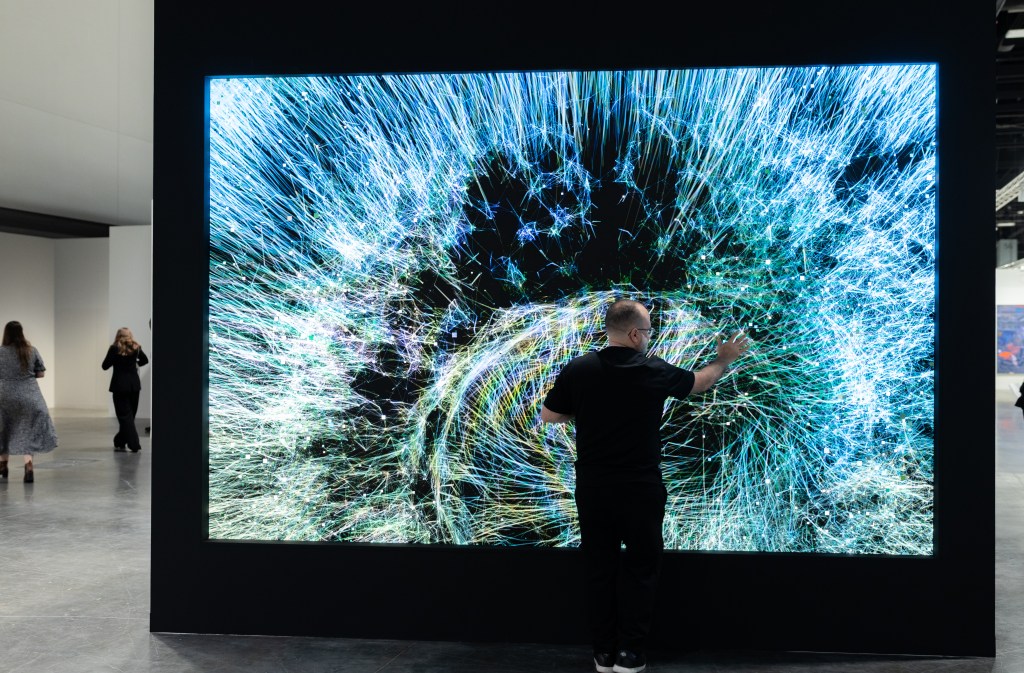
The program featured a diverse range of technologically-driven works, including Itzel Yard aka IX Shells‘ algorithmic exploration of memory and inheritance presented by Fellowship and ARTXCODE, and a historical survey of generative art from pioneers like Manfred Mohr to contemporary voices such as Maya Man at bitforms gallery. Other highlights included Asprey Studio‘s collaboration with the Yatreda collective to digitally reimagine a traditional Ethiopian crown and an immersive light installation from James Turrell‘s Glass series presented by Pace Gallery.
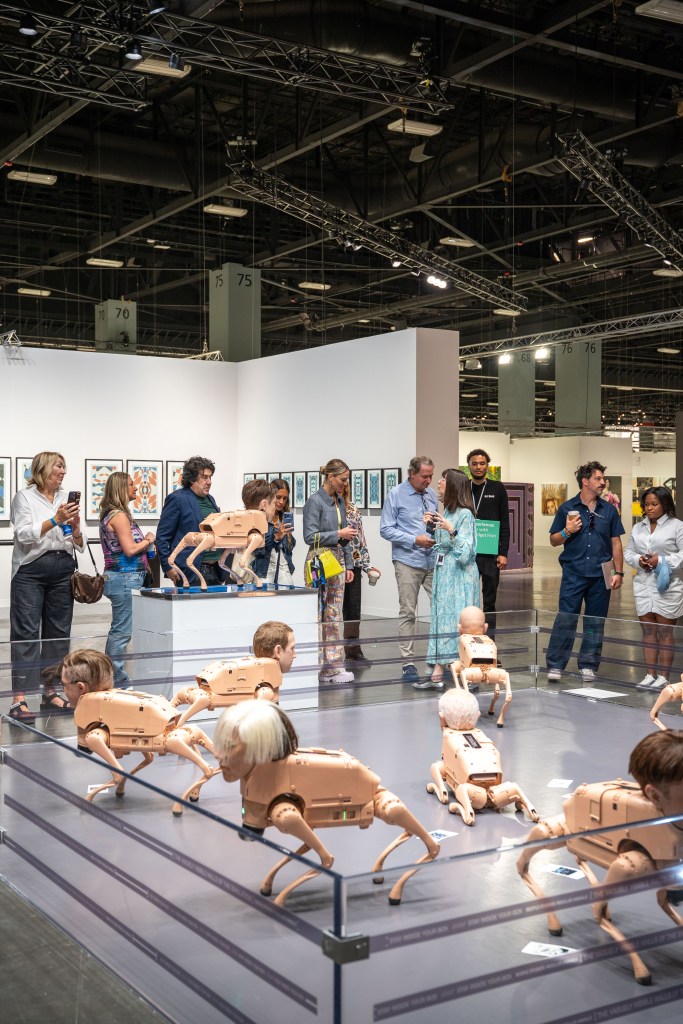
Mike Winklemann aka Beeple created controversy with a new installation as a part of Zero 10 that merged robotics, generative imagery, and cultural critique. The work featured robotic canines topped with hyper-realistic heads of figures like Elon Musk, Jeff Bezos, and Mark Zuckerberg alongside art historical icons such as Picasso and Warhol. These animated characters roamed the space, capturing photos that were then reinterpreted in real time through the distinct visual lense of each “dog’s personality/worldview” and then “pooped out the back” in the artist’s words. The Picasso robot created cubist distortions, the Warhol figure created Warhol paintings and a Zuckerberg robot reinterpreted the world as a metaverse. Priced at $100,000 each in limited editions, with the Bezos piece withheld from sale, the entire work functioned as a pointed satire on contemporary power, legacy, and the speculative economy of digital art itself. The “pooping dogs” followed us onto a red carpet that sought to anoint artistic legitimacy, their crude satire hanging in the air like an uninvited truth.
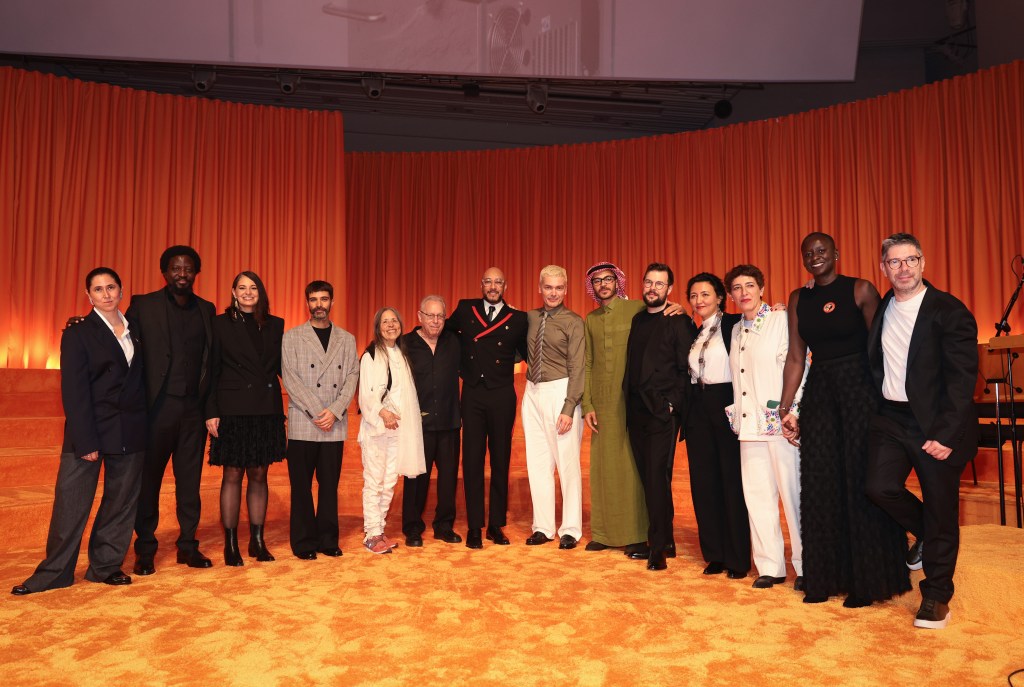
The red carpet was the inaugural Art Basel Awards, presented in partnership with BOSS, and it represented a strategic move to formalize the fair’s role as an arbiter of cultural value. Hosted by Swizz Beatz and guided by a virtual appearance from Emma D’Arcy at the Frank Gehry-designed New World Center, the ceremony honored 11 practitioners across a peer-voted spectrum of the ecosystem: from Icon, Established and Emerging artists like Cecilia Vicuña, Nairy Baghramian and Ibrahim Mahama, and Mohammad Alfaraj and Saodat Ismailova, to institutions, patrons, curators and storytellers including RAW Material Company, Joel Wachs, Candice Hopkins and Negar Azimi, with cross-disciplinary and ally awards for Formafantasma and Gasworks/Triangle Network. The night also featured the debut BOSS Award for Outstanding Achievement, given to Meriem Bennani, framing the entire production as a new platform for consecrating influence.
The brand activations that now define Miami Art Week represent a sophisticated evolution of spectacle, where the launch of a product, a finish or even a corporate art collection is meticulously elevated into a curated cultural moment. This year’s landscape was a masterclass in this alchemy, revealing a wide range of experiential ambition.
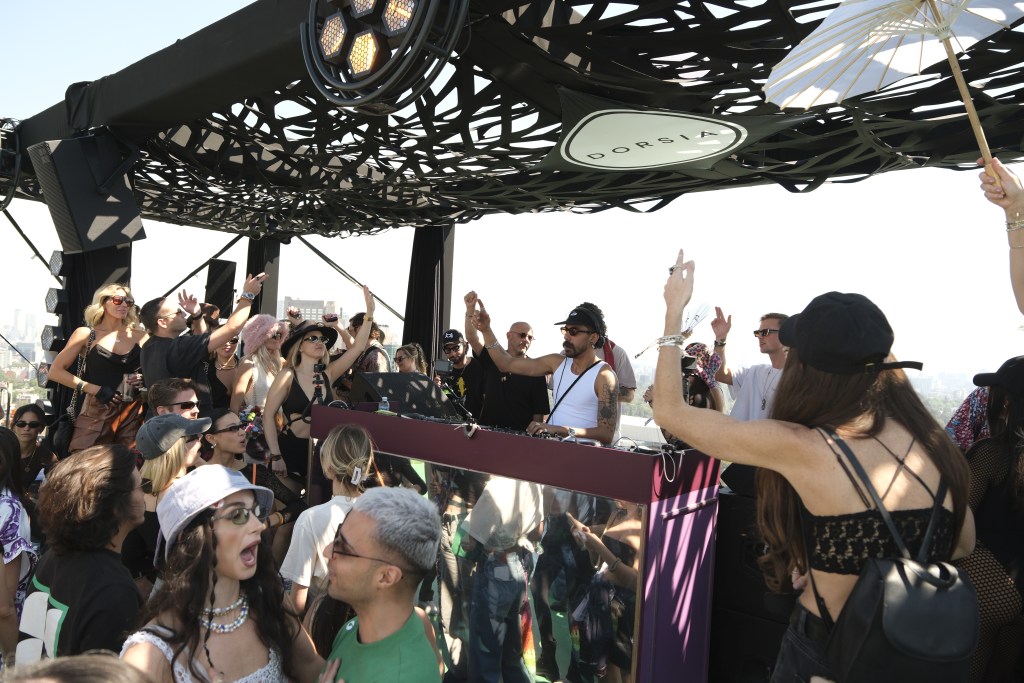
Yet, the pinnacle of this entire economy may not be an installation or a dinner, but an experience of pure, unadulterated access: Art Basel’s partnership with the members-only club Dorsia, representing the fair’s deepening curation of exclusive, off-floor experiences, where access itself becomes a prized commodity. This collaboration extends the ecosystem of privilege beyond the convention center, filtering the week’s social currents through yet another velvet rope. This move by Art Basel to extend Dorsia’s gilded keys beyond the usual elite circle is a telling democratization of discretion, deliberately offering a wider sphere of aspirants the curated silence and selective company once reserved for the world’s top collectors. We caught up with Dorsia founder and CEO Marc Lotenberg, at their kickoff dinner at Le Specialità on Monday night and when asked why Art Basel, he said the partnership “is a natural fit for Dorsia as we continue to evolve beyond reservations, building a platform that connects culture, technology and luxury hospitality to deliver seamless, elevated experiences and unprecedented access.”

In stark contrast to Dorsia’s walled garden, Chase Sapphire Reserve pursued a strategy of tiered cultural philanthropy. As the presenting sponsor of Faena Art Week, it publicly underwrote Es Devlin‘s monumental Library of Us for the community, while privately translating that support into a curated syllabus of exclusive cardmember experiences—from a kinetic dinner within her monumental revolving sculpture to a sunset concert with Jamie xx—demonstrating how cultural capital can be both broadly bestowed and narrowly gated within a single partnership.
Alongside these curated experiences of access and tiered patronage, the brand activations unfolded across a spectrum of strategic engagements. One approach saw brands engineer total sensory immersion, constructing parallel worlds for their narratives: WOAH and Audi Artist’s Table dinner for artist Lee Quiñones and chef Jeremy Ford became a total environment—from the meter high grass and projected film to a curated playlist that extended the experience into the fleet of awaiting cars; WE ARE ONA and Sabine Marcelis crafted a sculptural culinary universe of travertine and light; Apple Music translated user data into a physical gallery at Superblue; and Instagram’s Canvas House became a live, co-created artwork with Slawn. “We chose to bring Apple Music Replay to Miami Art Week because it’s one of the rare moments where creative communities gather not just to consume art, but to push culture forward,” said Oliver Schusser, Apple’s vice president of Apple Music, Apple TV+, Sports and Beats.
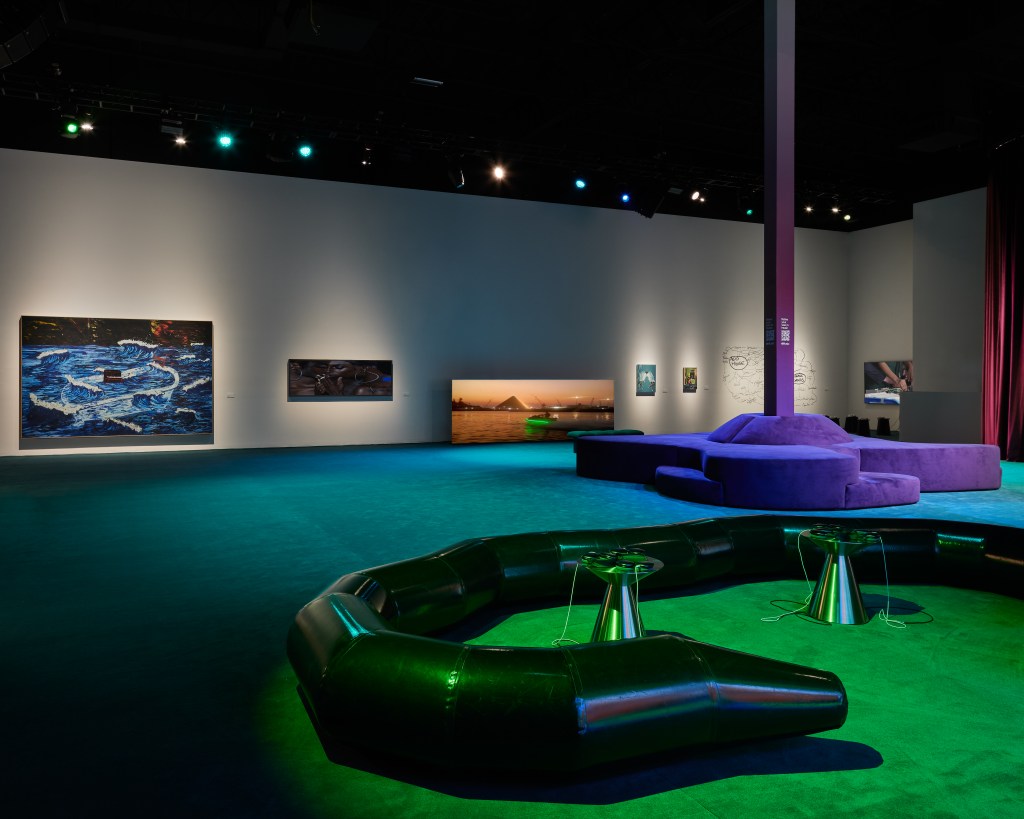
Elsewhere, the strategy pivoted to exclusive cultural endorsement, wrapping new offerings in the aura of artistic legitimacy. This was seen in Kohler’s shimmering debut of its Pearlized finish, TAG Heuer’s intimate launch of a limited-edition watch with designer Hiroshi Fujiwara, and Visa’s celebration of its first global art collection hosted by KidSuper. Technogym translated this ethos into the realm of the physical self, installing a pop-up at The Miami Beach EDITION where guests could undergo an AI-powered “Wellness Age” assessment—framing personalized biometric optimization as the ultimate luxury amenity in a week dedicated to the curation of every other facet of experience. “Activating in Miami during Art Basel is particularly meaningful because it is a moment when the worlds of art, creativity and design converge, attracting a truly global audience,” said Nerio Alessandri, Technogym Founder and CEO. “The dialogue with the international designers’ community present in Miami is key for us, as it allows us to bring our wellness vision into diverse spaces such as private homes, luxury hotels and real estate developments.”

Pucci’s striking return saw the very architecture of Art Basel transformed, as the artist-entrances of the Miami Beach Convention Center were swathed in the brand’s iconic Marmo print—a bold declaration that the line between institutional venue and branded environment had not just blurred, but been beautifully patterned over. Airbnb offered special art experiences that could be booked through their site, including a tour of Art Basel led by its director, Bridget Finn; an artist-led walkthrough of Jack Pierson‘s Miami Years at The Bass or a hands-on creative workshop with designer Kelly Wearstler. Ruinart’s lounge at Art Basel, featuring a limited-edition installation by Sam Falls, framed the Maison’s commitment to biodiversity as a consumable, immersive experience within the fair’s ecosystem.
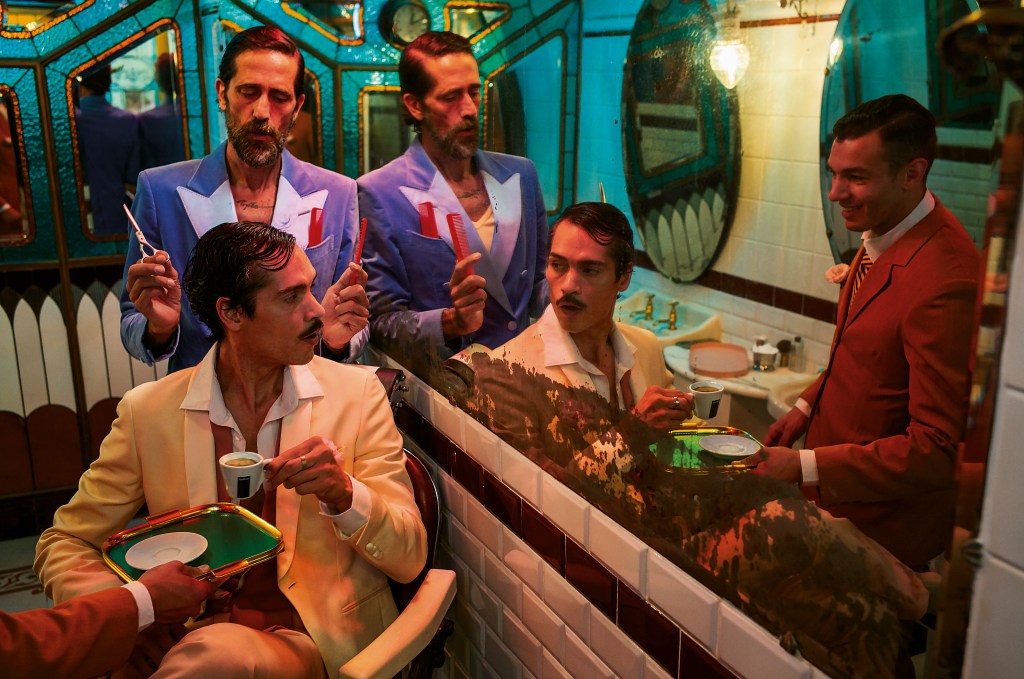
Lavazza‘s lounge showcased the latest iteration of its three-decade-old artistic legacy—the annual calendar—which for 2026 features Alex Webb‘s series Pleasure Makes Us Human, capturing the social ritual of Italian life as an extension of the brand’s own curated identity. Webb, reflecting on the process of finding these moments of quiet indulgence in everyday Italian life, said, “I am at heart a street photographer, trying to discover resonant moments in the chaos of the world.”

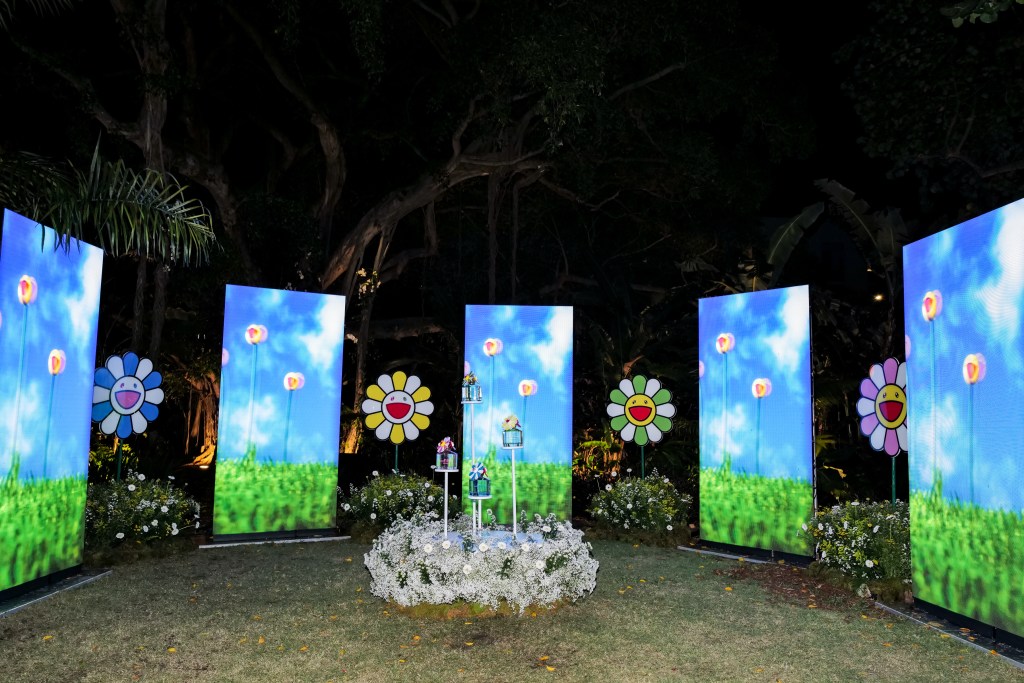
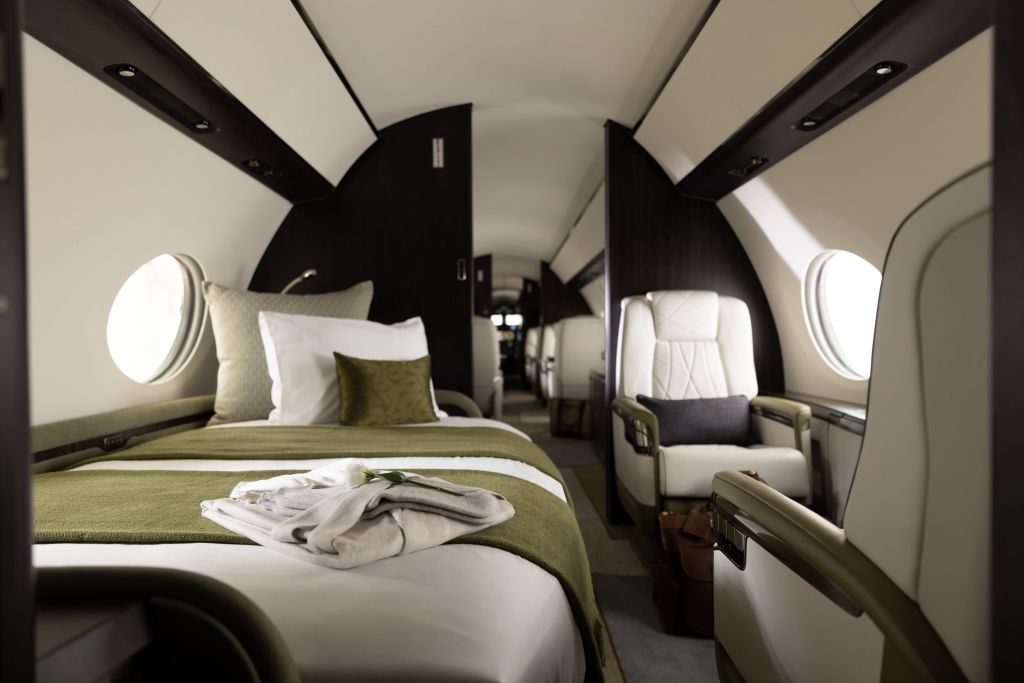
A further model was the deep collaboration where brand and artistic vision merged, from Marc Jacobs’ week-long JOY playground with David Shrigley, Derrick Adams, and Hattie Stewart to Golden Goose co-hosting Marco Brambilla’s monumental video installation After Utopia, and Range Rover presenting its SV Black not as a car, but as a chromatic exploration of form at Design Miami. Together, these activations form a vibrant, consuming ecosystem where the object for sale is often secondary; the primary transaction is for cultural capital, artistic credibility and a coveted place within the week’s defining narrative.
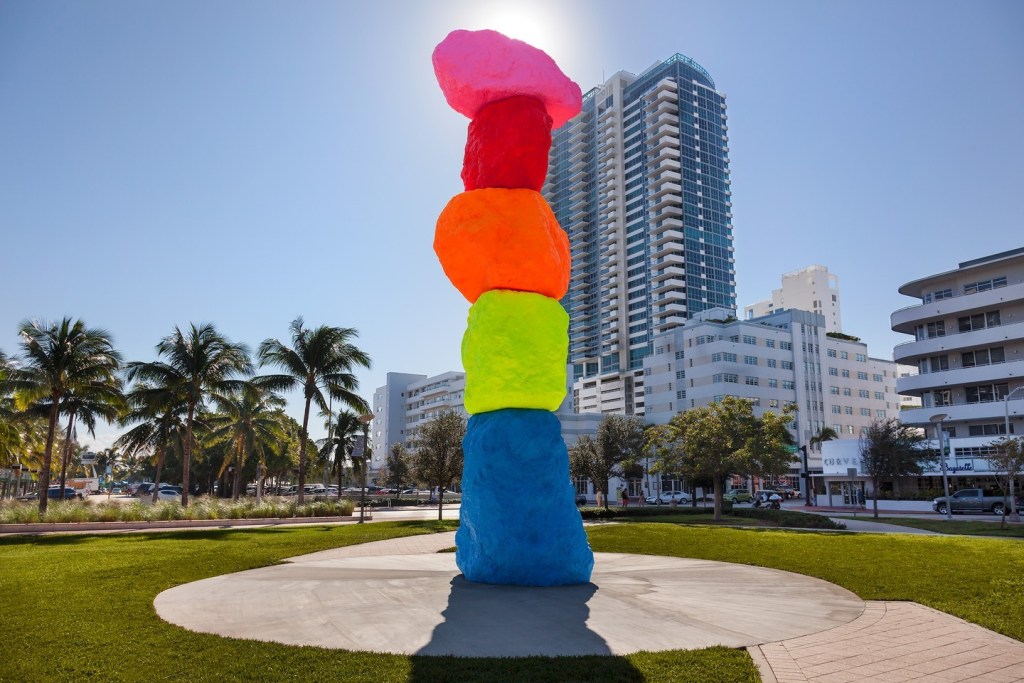
Ultimately, Miami Art Week remains a magnificent contradiction, a glittering mirage that somehow also reflects a real and urgent truth. It’s a place where genuine discovery happens in the shadow of pure transaction, where critical art about power and legacy is unveiled just steps from a ceremony seeking to anoint it. As the jets depart and the branded installations are dismantled, what lingers is the unresolved question the week so extravagantly poses: in the age of spectacle, does the art serve the culture, or has the culture itself—with its hierarchies of access, its alchemy of branding and its hunger for new frontiers to monetize—become the ultimate, all-consuming artwork? The fair doesn’t answer; it merely awaits our return to the beach next year, ready to stage the debate all over again.


What are your thoughts?