What Lake Como Tells Mauro Colagreco
The Mirazur chef brings his kitchen to The Lake Como EDITION, with Cetino built on lake fish, Lombard cheese and producers he is still meeting
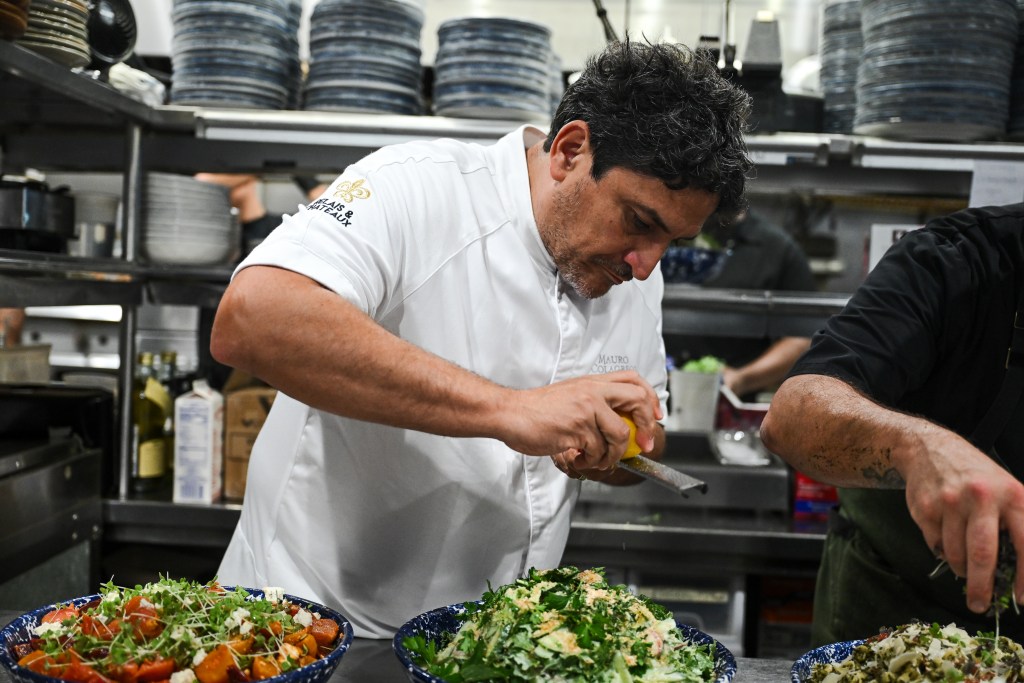
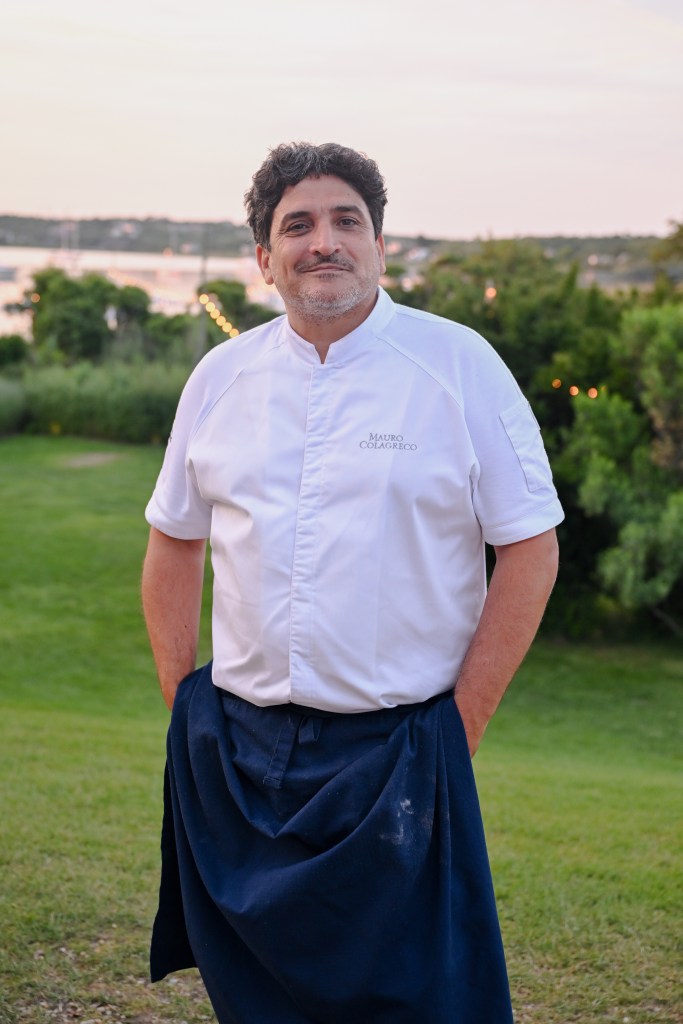
Mauro Colagreco treats a new restaurant as a listening exercise. Before a dish exists, the chef behind Mirazur in Menton spends weeks and often months learning what a place grows and who grows it. Cetino, his first restaurant in Italy, inside The Lake Como EDITION, begins with the same habit.
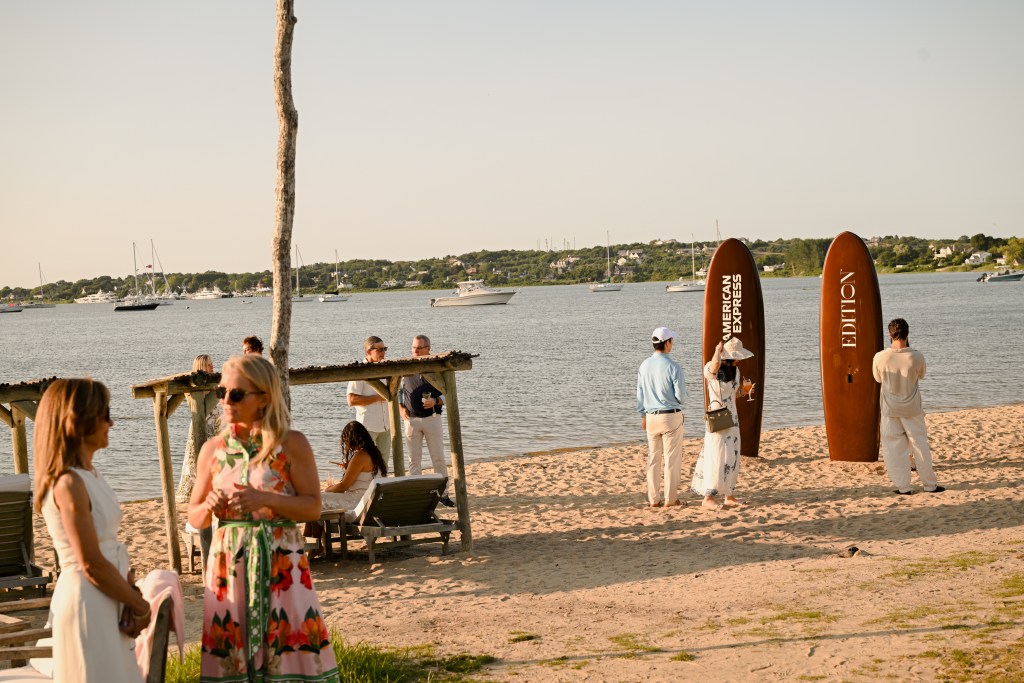
We first ate his food in July, at The Summer EDITION pop-up in Montauk, where heirloom tomatoes, peaches and lobster arrived on platters set down in the middle of the table for everyone to reach into. The meal looked easy, and it had been months in the making.
“As with all our events, everything is obviously prepared in advance,” Colagreco tells us. “We have a team dedicated exclusively to events, which allows us to start the research work several weeks, or even months, before the event, especially to identify local producers and ingredients.” The lead time goes into finding the people who grow and catch the food before anyone decides how to cook it.
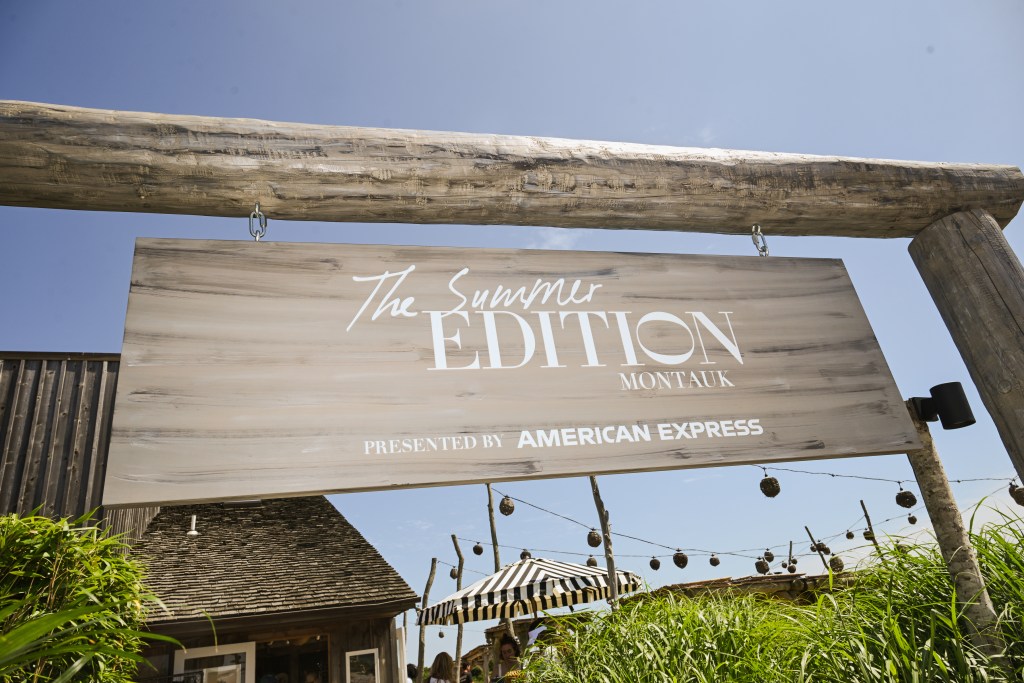
A Summer Table in Montauk
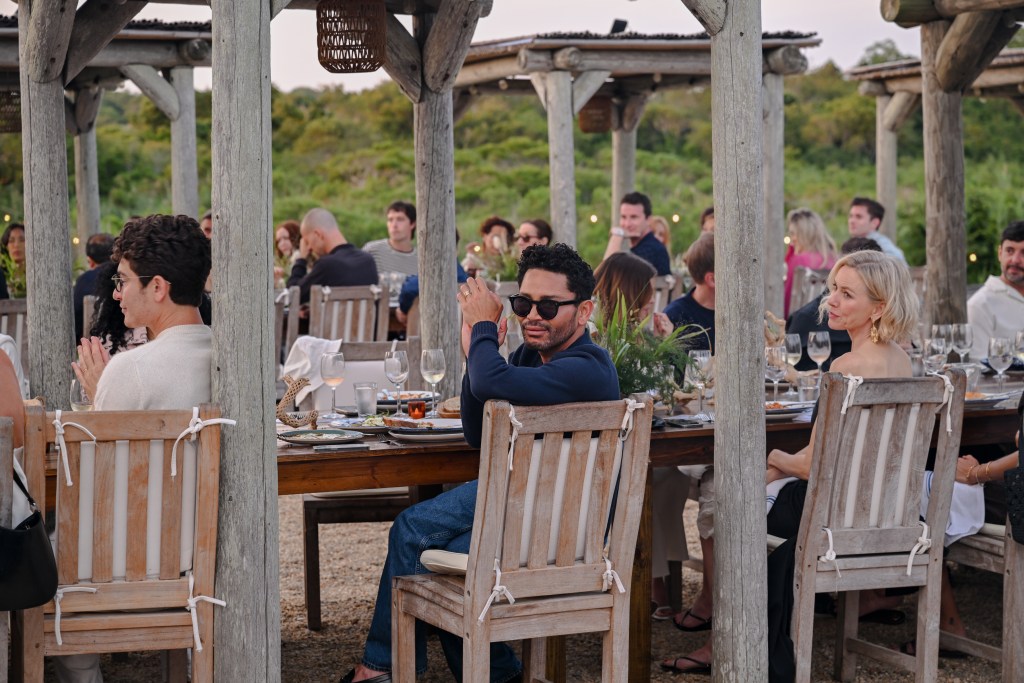
“For me, a menu always starts with the territory and what nature offers us at a specific time,” he says. The East End products he lists, heirloom tomatoes, seasonal peaches, lobster and Chilean sea bass, were ones the kitchen interpreted through what he calls a Mediterranean sensibility while keeping each ingredient’s identity and season intact. The dishes that reached the table included burrata with vitello tonnato, ricotta, lemon and zucchini cannelloni with caviar, lobster au gratin and roasted sea bass, served family style.
“The menu was designed as a true celebration of summer in Montauk: something generous, joyful and friendly, with family service and dishes in the center of the table, designed to be shared,” he says. A plan that detailed still has to bend on the day. “Anticipation is important, but you also have to leave room for what the place brings you and know how to adapt until the last moment,” he adds. The adjustments carry on in the kitchen right up until service.
Each Territory Has Its Own Language
Colagreco describes what he finds around the lake as echoes of Menton alongside real differences. Mirazur grew out of a terroir where the Mediterranean meets the mountains, under a particular light, with gardens that became its engine over the years, and at Como he lists the lake itself, a distinct vegetation, humidity, gardens, producers and a gastronomic culture bound to the land around it.
“What interests and motivates me is precisely not to try to reproduce what we do in Menton, but to infuse it with our philosophy and our view of cuisine, to build a new concept from what the place tells us,” he says. “You have to listen to it, understand your environment and let the territory guide you.” That listening is why he spends so long with a new address before cooking in it.
Italy carries a personal charge for him as well, since his Italian roots run through Argentina and the food of his childhood came with the culture attached. “In Argentina, Italian culture is very present in the kitchen, in the families, in the gestures that are passed on and in these recipes that we sometimes make without even knowing exactly where they come from,” he says. Cooking in Italy, as he describes it, is a return to part of that history, approached with humility and drawn toward what marked him earliest, the art of welcoming and the joy of sharing a table.
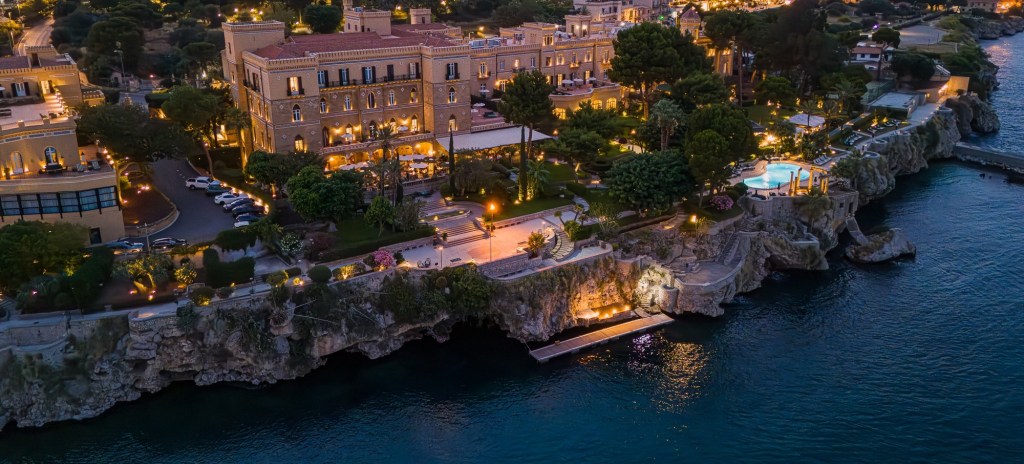
The building shapes the cooking too. The EDITION occupies a restored 19th-century palace, with interiors by Neri&Hu. “The architecture, the light, the materials, the landscape, the way people move around and sit around a table are all part of the experience,” he says. Neri&Hu’s work brings a contemporary layer to the palace without erasing its history, and Colagreco sees his own kitchen, where technique stays at the service of the ingredient, settling into the rooms on the same terms. He says food and architecture highlight each other without either trying to take the other’s place.
I think a lot about cooking as a language,” he says. “You can have the same sensitivity and the same values, but tell very different stories.”
Mauro Colagreco, Chef
Encounters Over Ingredients
At Mirazur, Colagreco has organized his menus around the lunar calendar for years. The practice started outdoors, in the gardens, as a way to schedule planting and the work of the land under permaculture and biodynamics, and after lockdown the team carried it inside to structure the menus. “It’s not a rigid rule that dictates everything we do, but rather a source of inspiration and a way to stay attentive to cycles, plants, the earth and everything around us,” he says. In Como, the team began by observing the new territory’s seasonality and rhythm before deciding how the calendar would apply. The aim, he says, is to preserve that relationship with growing things simply and naturally, adapted to each place.
That observation runs through people as much as plants. “A producer does not just pass on an ingredient: he transmits knowledge of the climate, the land, the seasons, the traditions and the history of a place,” he says. The kitchen has begun working with the freshwater fish of the lake, agone and trout among them, alongside bresaola della Valtellina, Casera cheese and sciatt from Lombardy and its neighboring valleys. The people behind them are teaching the region’s gastronomic culture to a kitchen still learning it.
He is careful about how he describes the sourcing. “I prefer to talk about encounters rather than simply looking for the ‘best products,’” he says. “What matters to me is the relationship we build with those who produce them, and everything that these exchanges teach us about the territory.” That is the brief for Cetino, his restaurant at the hotel: deeply seasonal ingredients from local producers, with a cuisine allowed to evolve as the team’s knowledge of the terroir deepens.
Longevity, with Appetite
The hotel is organized around longevity, with the spa at its center, and Colagreco carries that thinking into the kitchen. “As the ancients already said, our food is our first medicine,” he says. For him, longevity begins with a healthy and respectful relationship with what we eat, which in practice means the quality of the products, their seasonality, plant diversity and food full of energy for people to enjoy. He adds that longevity means projecting towards future generations and deciding what to hand them, and caring for nature today includes passing on that respect. None of this comes at the expense of pleasure.
“I don’t believe in a cuisine that opposes health and greed,” he says. “On the contrary, the two can go together. Nature offers us an incredible diversity of foods that are both good for us and delicious.” Emotion, he adds, is an essential ingredient in a meal. “Our role as cooks is to transmit joy, wonder and pleasure.” He describes that transmission as its own form of well-being, a way of taking care of others.
Cooking as a Language
Several restaurants share the roof at Lake Como, and Colagreco keeps them distinct. The philosophy of respect for the products, the seasons and the territory holds across every space, while the experience changes from room to room. A dedicated research and development team, built up over years, takes the time to understand each concept, its identity, its audience and its environment before a cuisine is developed for it.
“I think a lot about cooking as a language,” he says. “You can have the same sensitivity and the same values, but tell very different stories.” He points to his more casual concepts as proof: the Mitron bakery-café, the La Pecoranegra pizzeria and the CARNE burger brand, all built on the same thinking about circular cuisine and a positive impact on their surroundings.
Asked whether anything from Montauk followed him to the lake, he names simplicity and conviviality. The family meal, with dishes arriving in the center of the table and everyone serving themselves, is one he says he finds naturally at The Lake Como EDITION. “Basically, the places change, the products change, but the pleasure of being together around a beautiful table remains universal,” he says. In Montauk it was lobster and peaches. On Lake Como it will be agone and Casera. The table stays the same.



What are your thoughts?