Testing DJI’s Mavic 2 Pro
We take the new and improved camera drone for a few flights
Once again, DJI has moved the goalposts, improving drone photography radically—and at the price of an affordable DSLR. Partnering with Hasselblad, they created the new Mavic 2 Pro, which includes an optical adjustable aperture from f/2.8 to f/11 and a huge, one-inch sensor. This solves one of the biggest pain-points in consumer-approachable drone photography—prior to now, the photo and video quality was barely useable beyond display on the small screen of your smartphone, and less usable aperture meant the cameras simply wouldn’t adjust from high- to low-light quickly enough for solid videography.
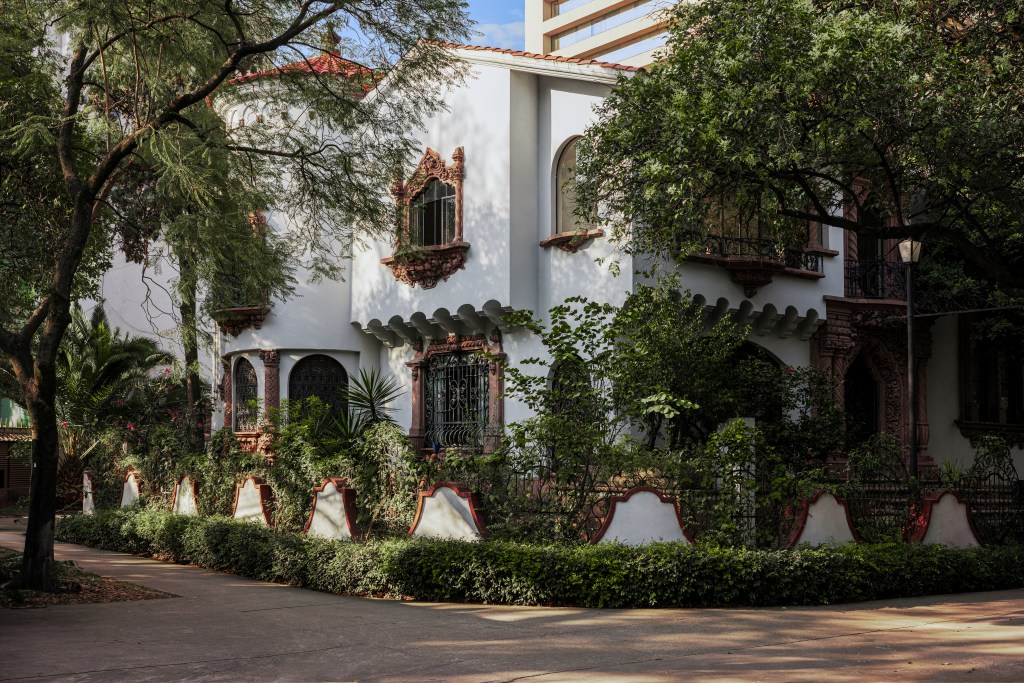
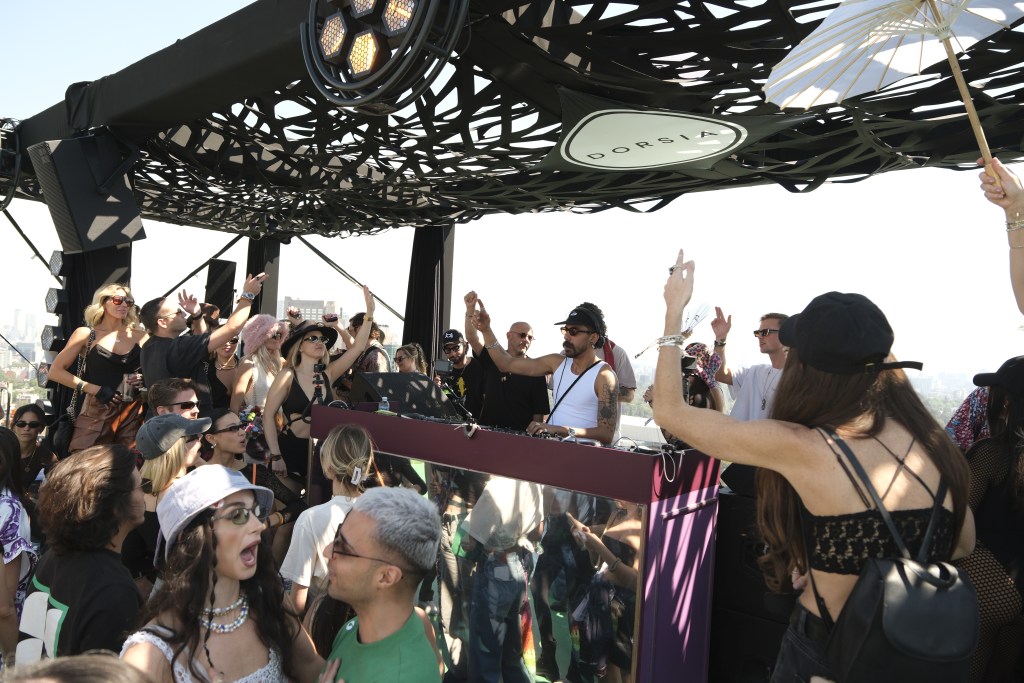
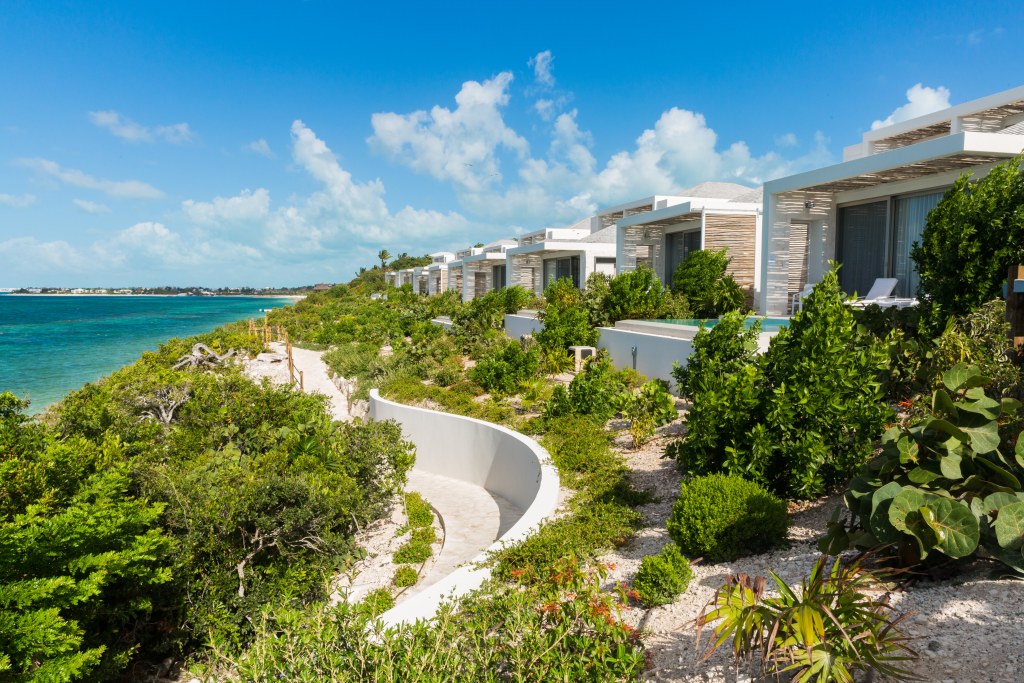
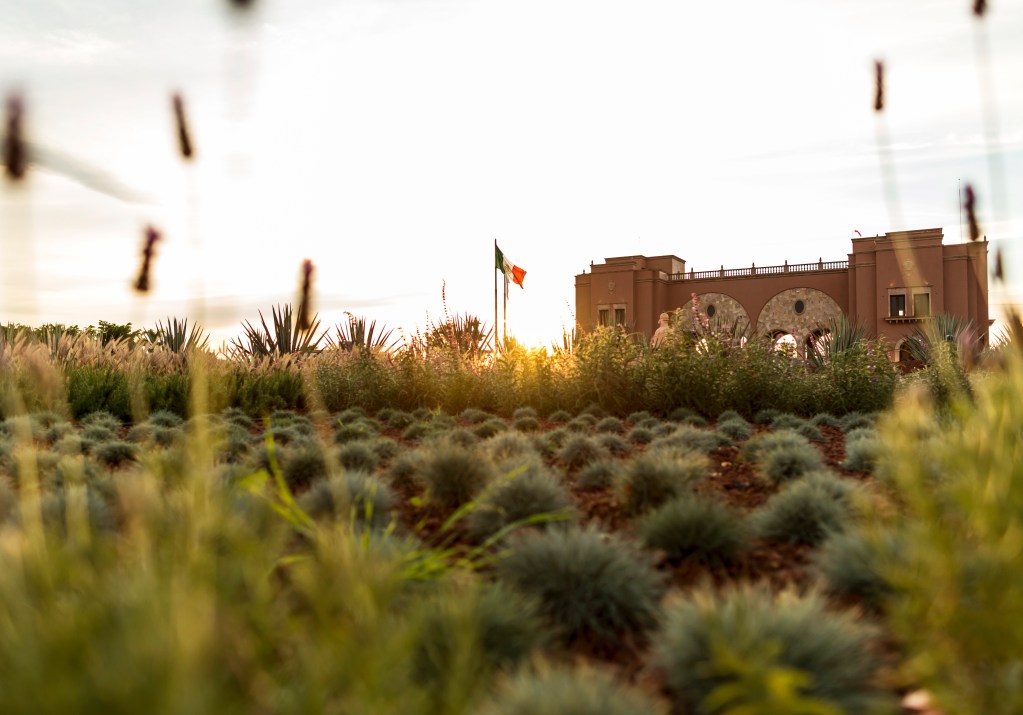
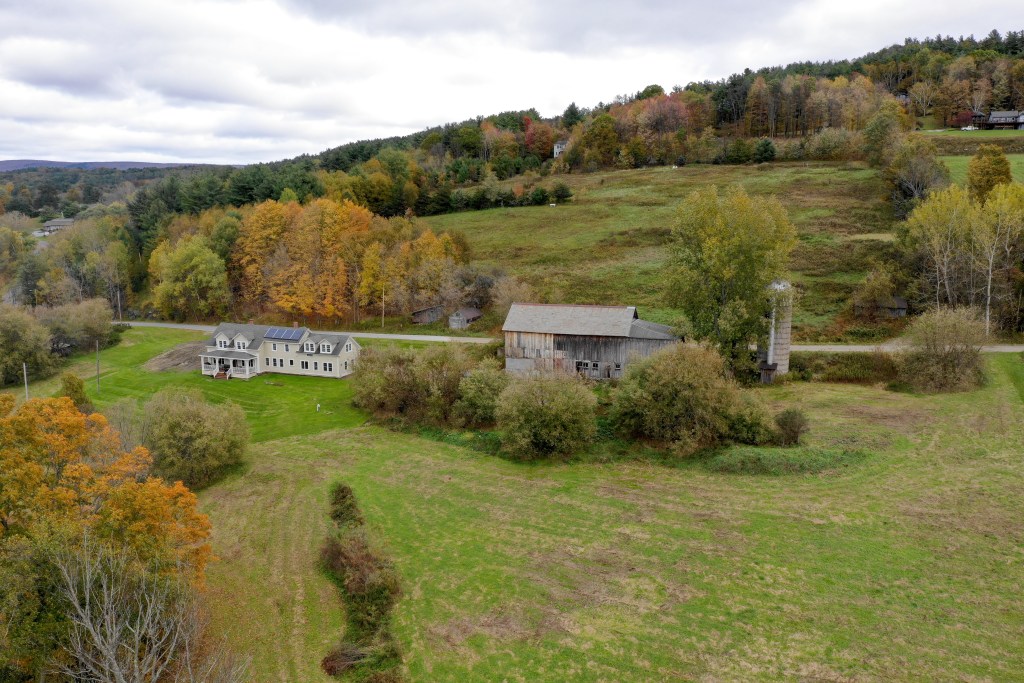
The Mavic 2 Pro has proved itself to be a stable drone. Even in stiff breezes, it captures ultra-clear images and video. This is critical for shooting HDRs, several of which we’ve included here.
Speaking of which, again there’s greater color-saturation in several of these shots than we’ve seen from previous DJI products. A few of the downward-angled images were actually pulled from a spherical panorama, in which the drone shoots an entire “sphere” of its surroundings, ideal for sharing on sites like YouTube 360 or for viewing on Google Cardboard goggles, but you also get a separate file folder of all the stills whenever you create a circular or spherical or vertical pano, not just the stitched file. This is particularly handy if you’re scouting a site for shoots and want the gamut of terrain photographically preserved. Invariably the 2 Pro will “see” a location you may have overlooked and in many cases takes a killer photograph as well.

Finally, we’d be remiss if we didn’t mention the incredible new HyperLight feature. This is a low-light, relatively high-ISO HDR, and when you use this mode you should be dead-sure you’ve tapped on your phone screen in the viewfinder to lock focus (otherwise the camera may not lock, especially in very dim light), and be game to experiment a lot. Our samples came out great, but even so ISO ranged between 2500 and 3200. You don’t get to choose that ISO setting, either, because the camera is weighing how much light it’s capturing and like all HDRs, sandwiching frames at various exposures and ISOs. Unlike shooting in RAW, which didn’t come out as beautifully, HyperLight is simultaneously reducing noise and accounting for most of the motion blur created by any flutter of the drone. At full crop, there’s still some noise in our samples, but we’re still pretty stunned at the clarity. And, if you’re worried about noise, there are plenty of software fixes in post.
There’s not much missing from the Mavic 2 Pro. DJI even makes neutral density filters for it, clearly knowing this is finally the flying camera their users have been desiring. If we sound pumped, we are. This device might make you want to fly and photograph every single day.
COOL HUNTING always gets permission to use the images we publish; however, as an independent publication, we cannot afford to continue fighting unfair claims of copyright infringement, so the images have been removed from this post.