Port’s Oldest House Opens a Five-Star Hotel
Kopke’s newest property, the Tivoli Kopke Porto Gaia Hotel, brings outsize glamour and a wine-inspired luxury experience to Vila Nova de Gaia
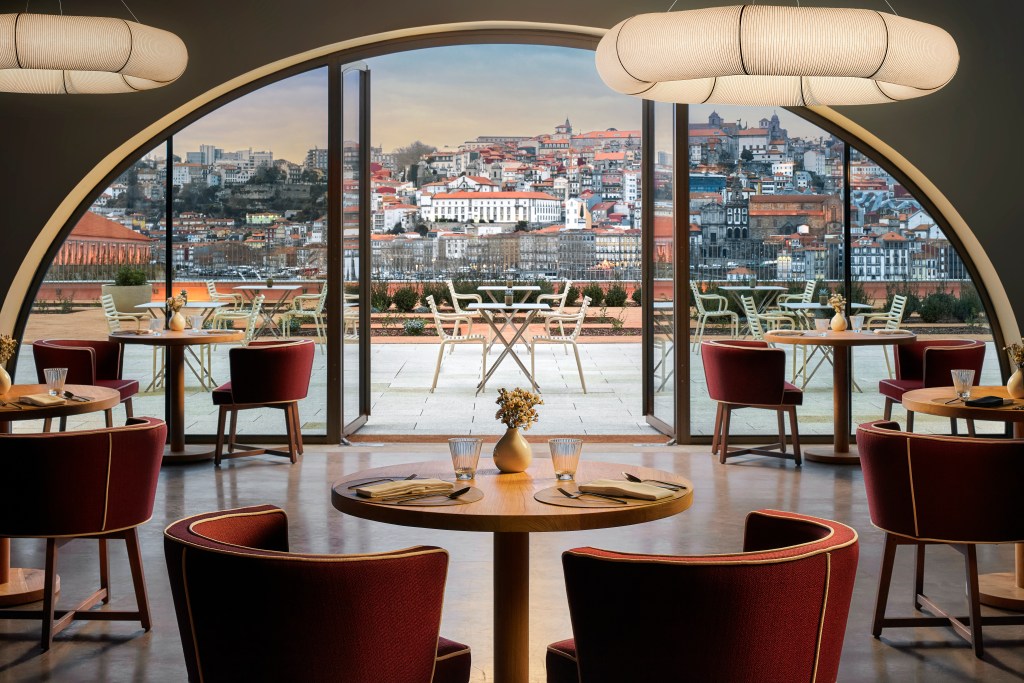
The perception of Vila Nova de Gaia is one of a wistful younger sibling. While it’s home to the port lodges in Portugal’s port wine industry, the cool restaurants and hotels glitter across the river in the city of Porto.
That’s all changing. Fifteen years ago, Taylor Fladgate opened The Yeatman Hotel. Later, the World of Wine, an interactive museum, lured more visitors across the divide. This year, the oldest port producer, Kopke, unveiled its new five-star hotel, Tivoli Kopke Porto Gaia Hotel, setting a new standard for modern luxury in Gaia.
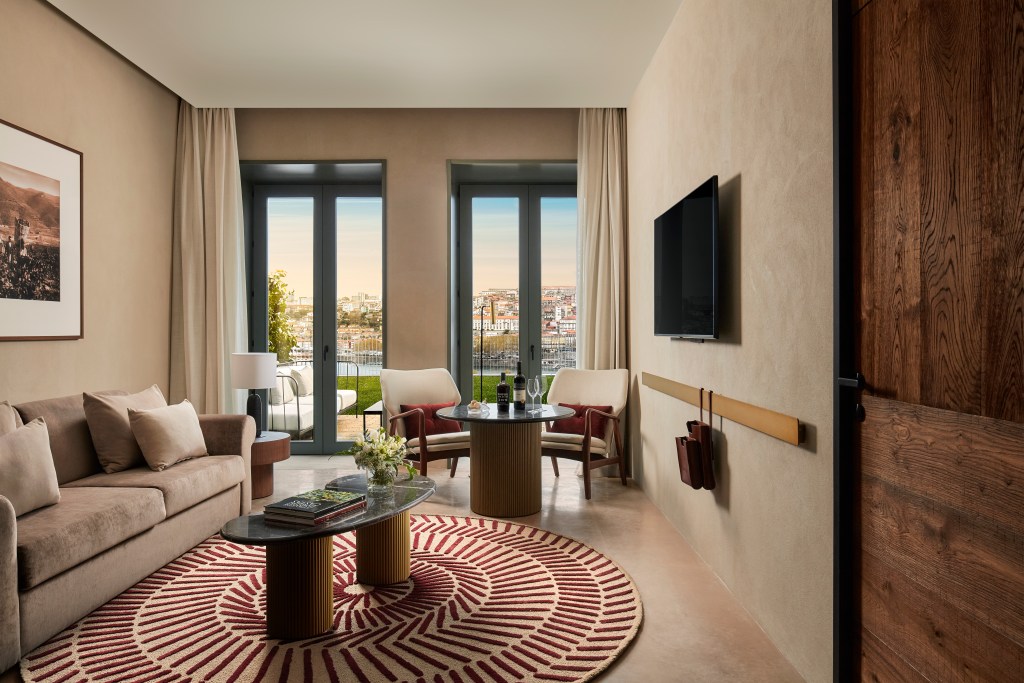
Kopke dipped its toes into hospitality with the opening of an 11-room agrotourismo hotel at Quinta de São Luiz in the Douro Valley in 2022. Surrounded by vineyards, it’s a sweet little getaway with hard-to-look-away views of the Douro River. For the larger, urban property in Gaia, however, they partnered with Tivoli Hotels and Resorts, a Portuguese hotel group founded in 1933, to bring outsized glamour downriver.
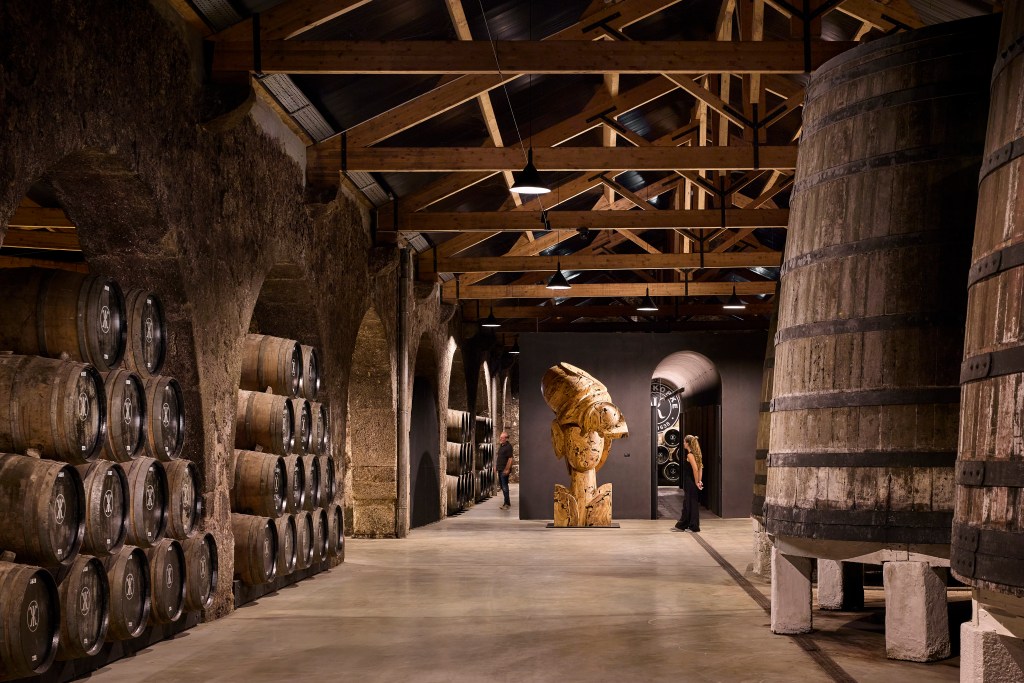
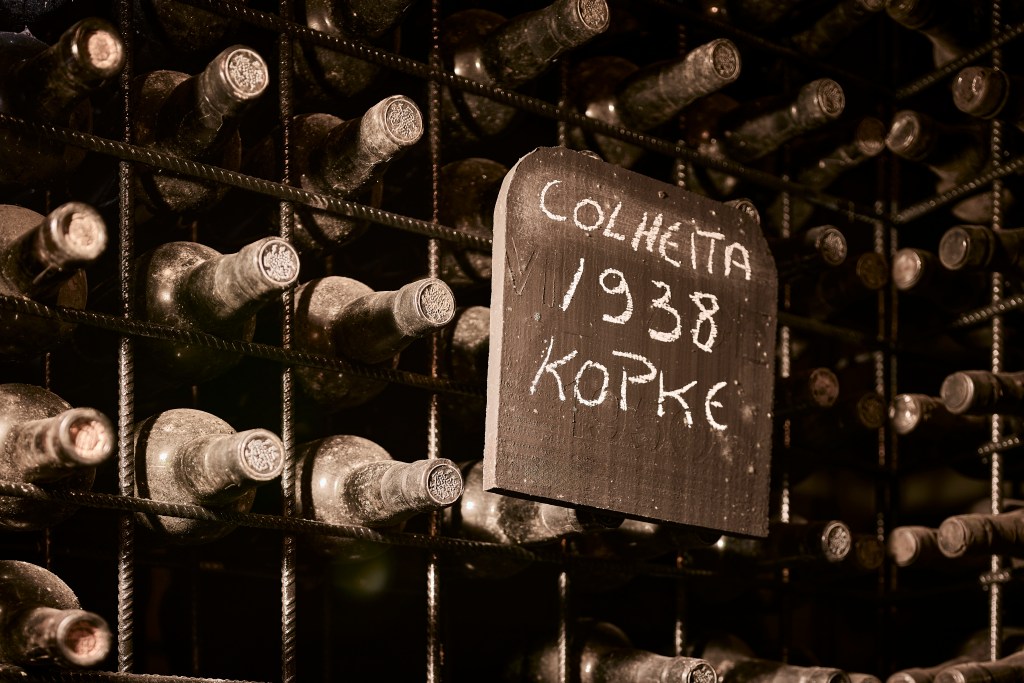
The hotel’s defining feature isn’t obvious when entering the lobby, but travel several levels down to discover the heartbeat of Tivoli Kopke: the port cellars. These centuries-old cellars were foundational when designing the layout; the rest of the resort weaves itself around the underground lair, which houses two million liters of aging port wine. The front part of the refurbished cellar space features deep turquoise-colored chairs and ottomans, designed to encourage lounging and tasting. Both guests and non-guests can book three- or five-flight tastings, paired with small bites. A glass wall separates the tasting room from the operating cellars. The beauty of Port is its ability to age; little chalkboard signs noting “1938” and “1944” catalog the library selections stored here.
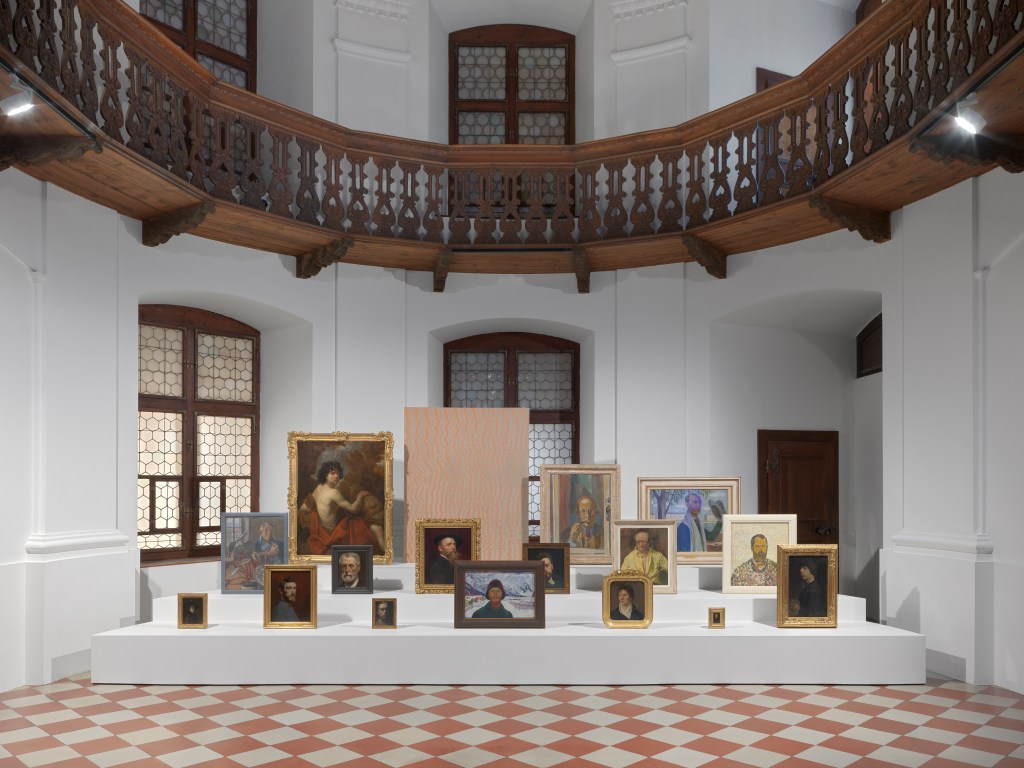
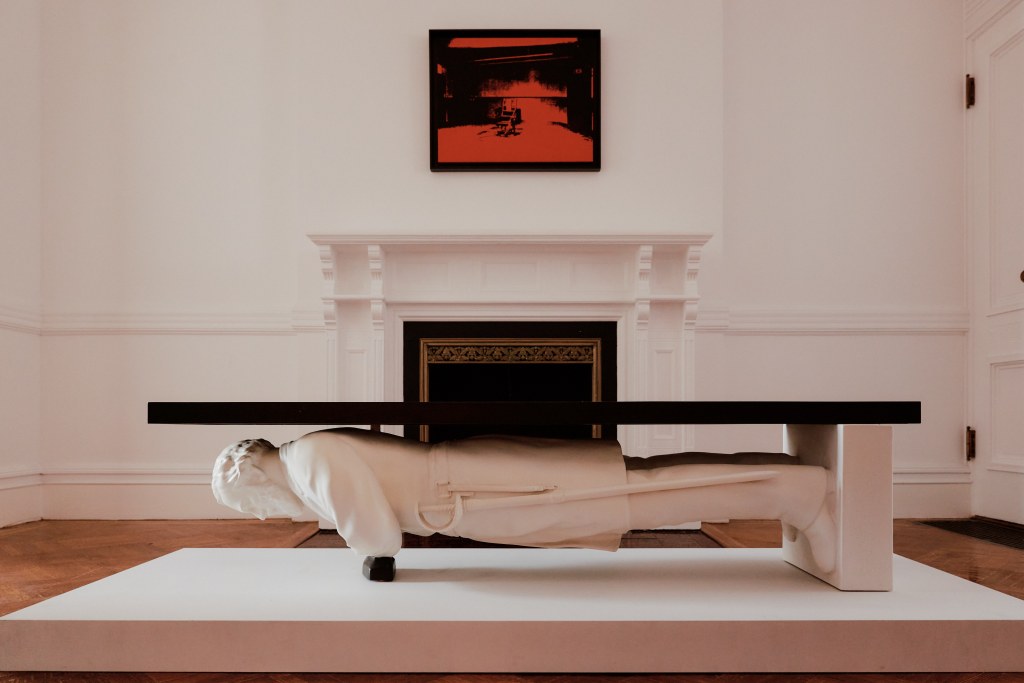
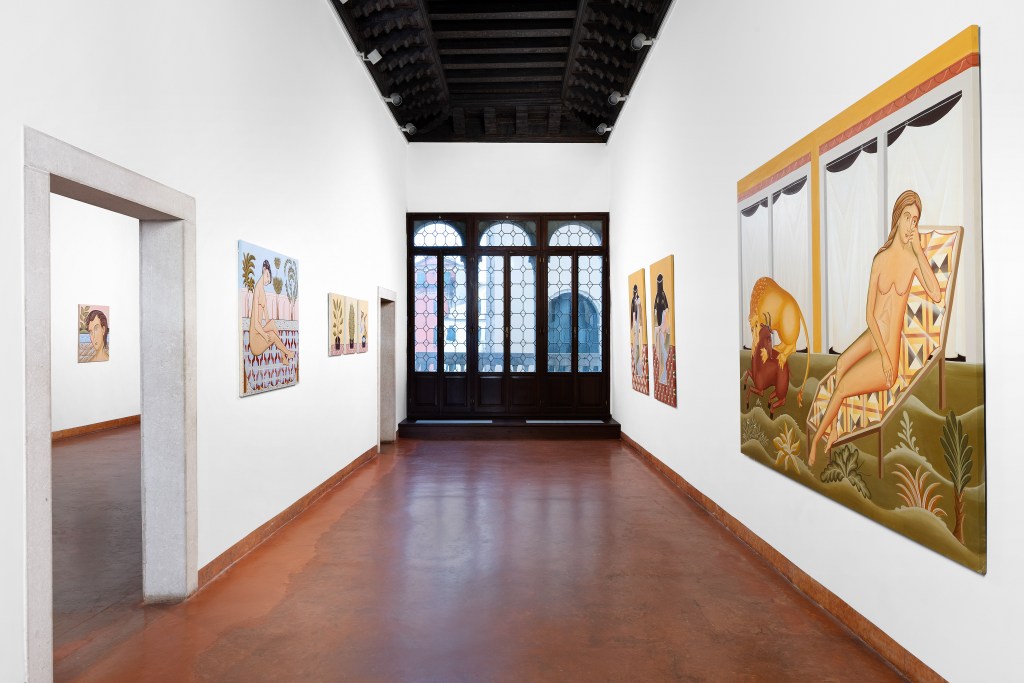
Along the hallways, historical photos document the wine trade. As you walk through the different wings, a story about harvest and the port-making process unfolds in black and white. But these images are far from the only decorations; art is a central theme throughout the property and the entire hotel operates as a gallery. Works by contemporary artists like Liu Bolin and Joana Vasconcelos fill the public spaces and along hallway walls. Alexander Calder’s Red Octopus hangs behind the banquets in the 1638 Restaurant.
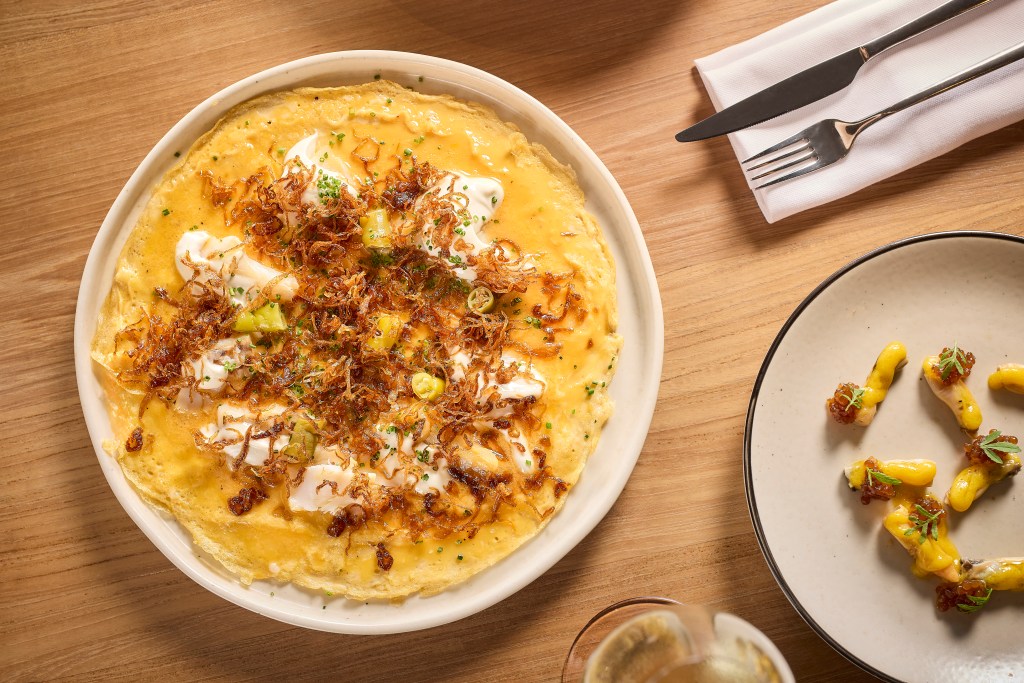
Speaking of dining, the property boasts several eating and drinking options. The Sky Bar and Pool Bar offer the lightest, most casual fare during the day. The 1638 Wine Bar sits adjacent to the hotel lobby and puts several spins on the classic white port and tonic. At Boavista, which also hosts the impressive breakfast buffet, lunch and dinner cuisine showcases a broader Iberian diaspora with tapas and other Spanish-inflected dishes.

The most ambitious dining space is 1638 Restaurant, which is helmed by Asturian chef Nacho Manzano, who earned three Michelin stars at Casa Marcial. The tasting menu is mercifully free of tweezers; instead, it features dishes like shellfish with tomato water and beef tenderloin with seaweed pesto and pickled salad. Inventive, but not overly precious.
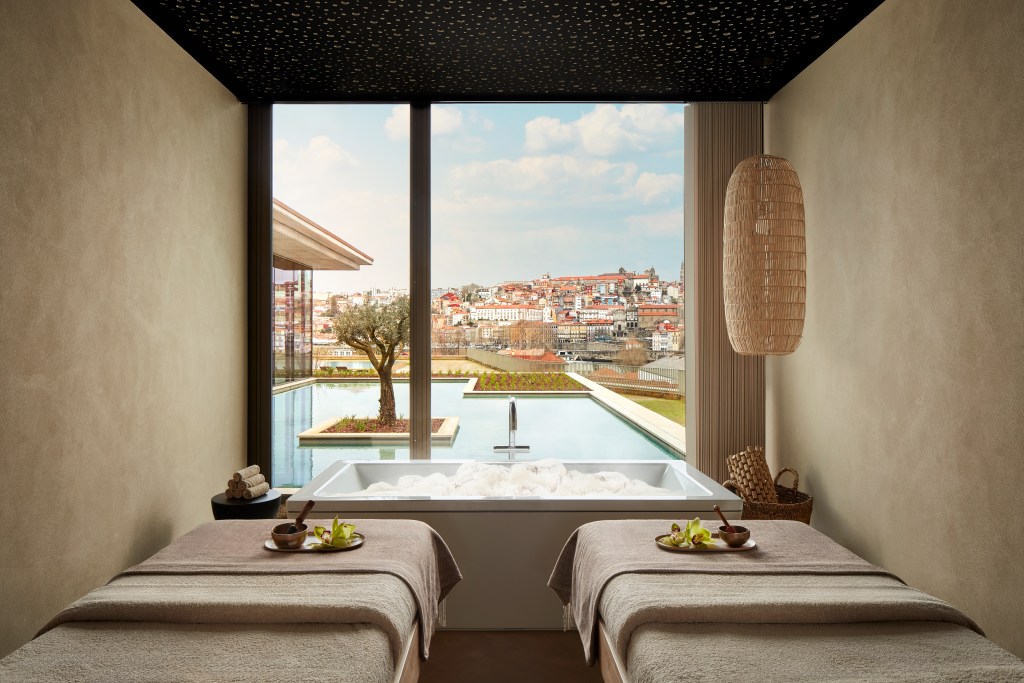
After a day of walking the hilly city and tasting port, the sauna, steam room and hydrapool entice you to rest your sore muscles. Or, go one step further and book the “Vintage Goddess” treatment at the spa, which uses granulated cork and grape seed oil in its scrub.
Tivoli Kopke links the centuries-long history of the port wine trade with the future of Gaia tourism. If a getaway at the hotel is any indication, the sibling city is growing up fast.





What are your thoughts?