Cadillac is Re-establishing “The Standard of the World”
On the grid, on the showroom floor and in culture, Cadillac is competing at a higher level
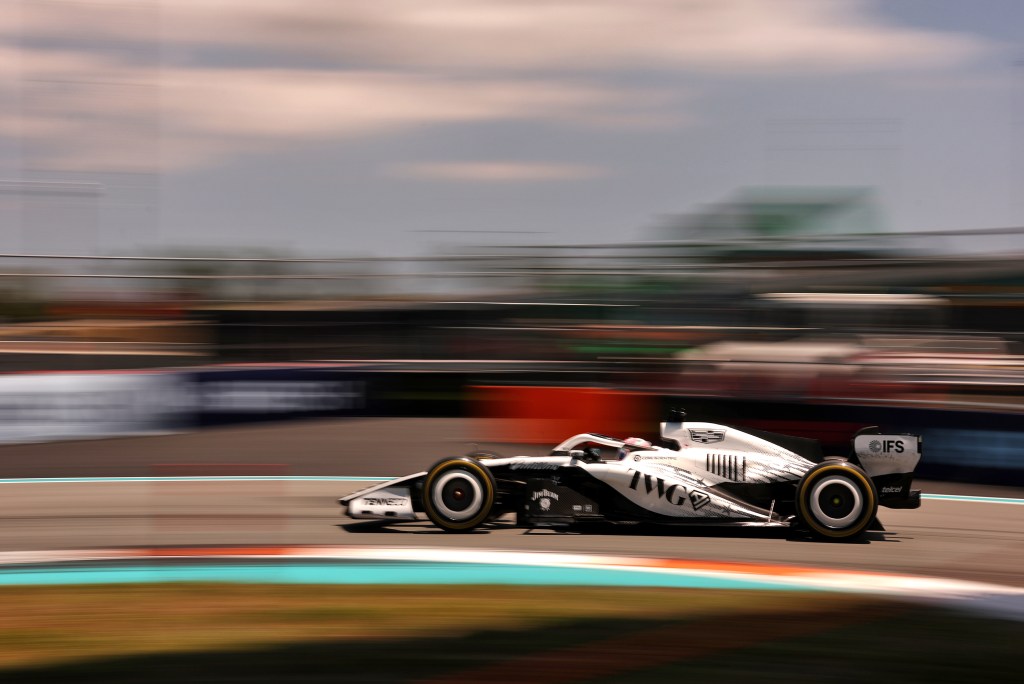
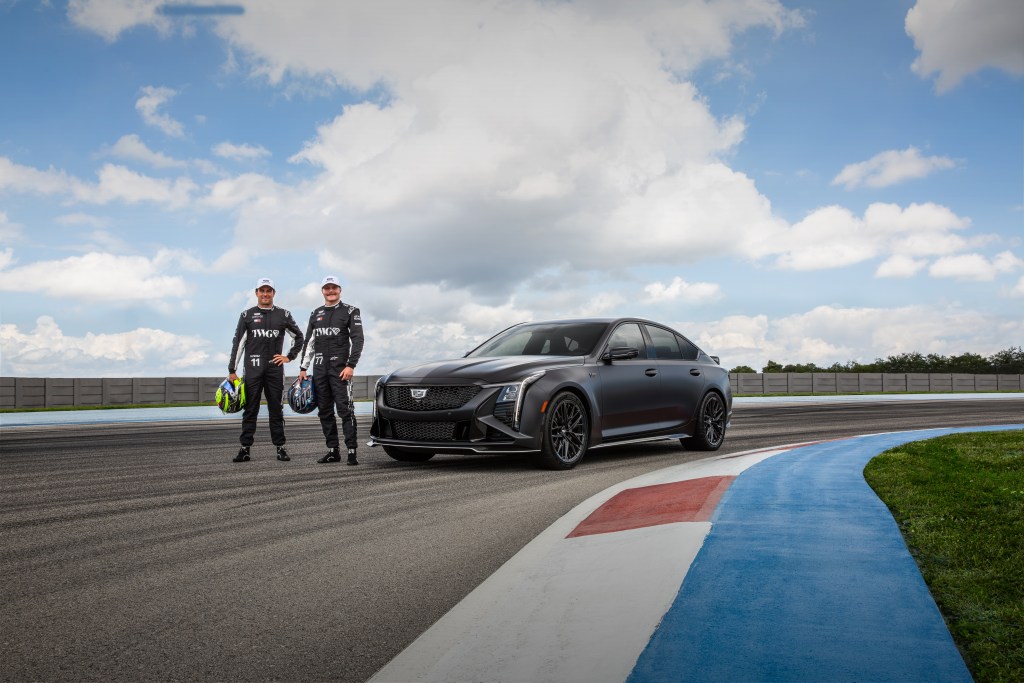
There’s a moment, somewhere between the paddock club’s catered chaos and the distant howl of a race car being pushed through a warm-up lap, where you realize this is no longer a test. Cadillac’s F1 team is real—and somewhere behind the curtain the man who wouldn’t give up on making that vision reality, GM’s President (and racing license holder) Mark Reuss, is standing with a helmet tucked under one arm, preparing to take a Cadillac CT5 Blackwing out onto the Miami International Autodrome. Earlier that morning Reuss sat down to answer questions not only about Cadillac’s entry into F1, but also about the state of the brand in 2026 and what the outlook for the future is. That he made time for the conversation and then headed down to the track to flog one of his favorite products speaks volumes about who Reuss is. This is a man who loves his job and we can’t help but think that’s quite evident in where Cadillac finds itself at the moment.
Bringing an American team back to F1 wasn’t a quick or obvious decision. GM spent the better part of four and a half years navigating the approval process to join the prestigious grid, a process that required not just paperwork, but a sustained, credible argument that they belonged. Reuss largely stayed away from races during that period. Not out of disinterest, but out of discipline. He wasn’t going to show up until there was something real to show up for.
On the same note, he shared that he’s never seen a single episode of Netflix’s “Drive To Survive.” While that came as a surprise at first, the longer we spoke with Reuss, the more it made sense. “I just haven’t seen it and that’s the truth,” he said. “And it’s not because I don’t like Netflix or I think it’s wrong to have them here. It’s that if someone asks me about it, I can honestly say ‘I don’t know.’” We can understand why a clean slate with no preconceived notions of teams and personalities would be beneficial. Formula 1 is entertainment, of that there is no doubt, but it is also an incubator for breakthroughs in automotive technology. With Cadillac having shown real signs of life in recent years thanks to an increasingly impressive product lineup consisting of class-leading EVs and fan-favorite high-performance vehicles with internal combustion engines, there’s never been a better time for the brand to push the envelope.
“There’s a whole set of people that are much younger than me that do not know what Cadillac was or is, or all they know is what they see, which is really powerful,” said Reuss. “And that’s a huge opportunity too. So we got to do it right. Cadillac’s cool. Cadillac’s very modern, very much on the edge of the technical point for America, but also GM, and I think the whole industry, that’s American luxury.”
Currently the team is running on Ferrari power units, same as Haas and Sauber, and that’s fine for now—it’s part of the journey, but certainly not the destination. GM is building its own engine facility in Charlotte, North Carolina, which arguably has the highest density of motorsport talent domestically. “We wanted to leverage that talent across several series and learn faster than anybody else,” Reuss explained. The logic is straightforward, instead of siloing NASCAR, IndyCar, WEC and IMSA over here and F1 over there, bring it all to one place and let the disciplines cross-pollinate. “No one else is doing that,” said Reuss before reminding us that “Cadillac has the largest footprint in motorsports of any manufacturer.” With the Charlotte facility nearly complete, a full V6 having been run on American soil, the first Formula 1 engine built and fired in the United States by an American manufacturer, the future is certainly looking bright. “Pretty cool,” said Reuss with a smile on his face, the kind of understatement that reads more like pride.
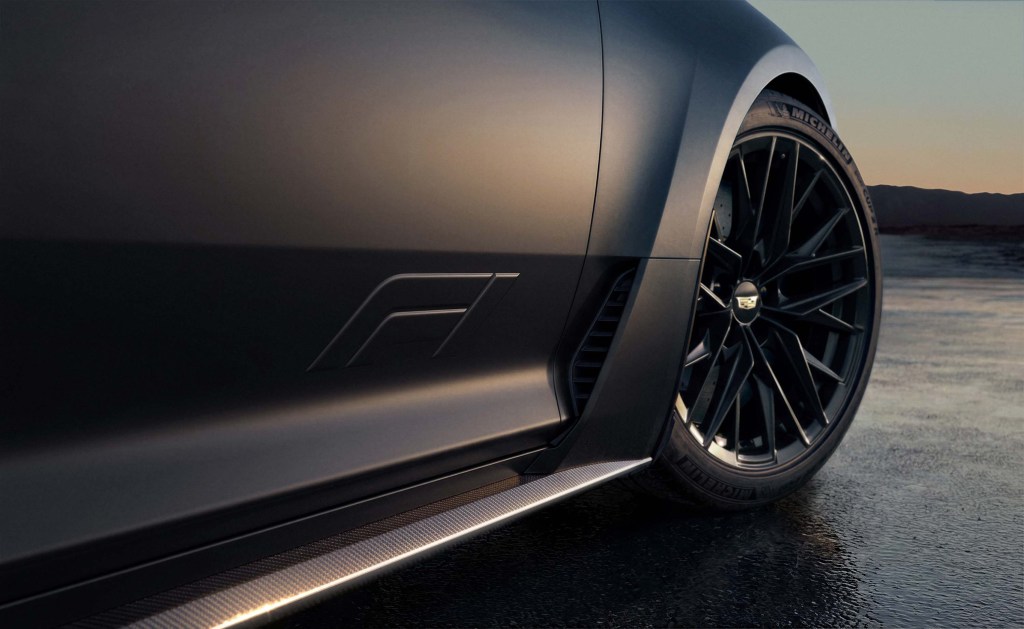
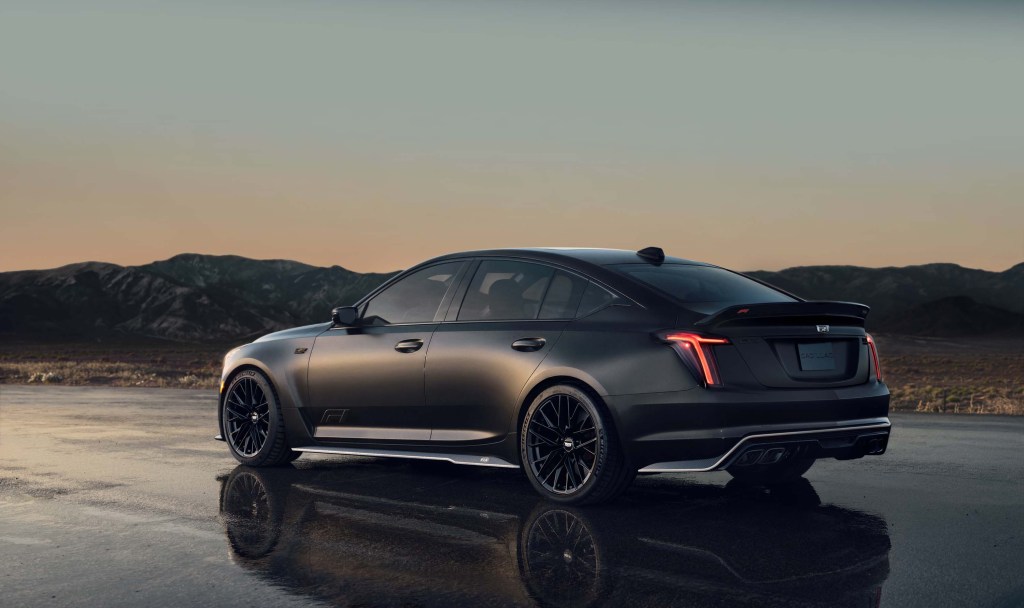
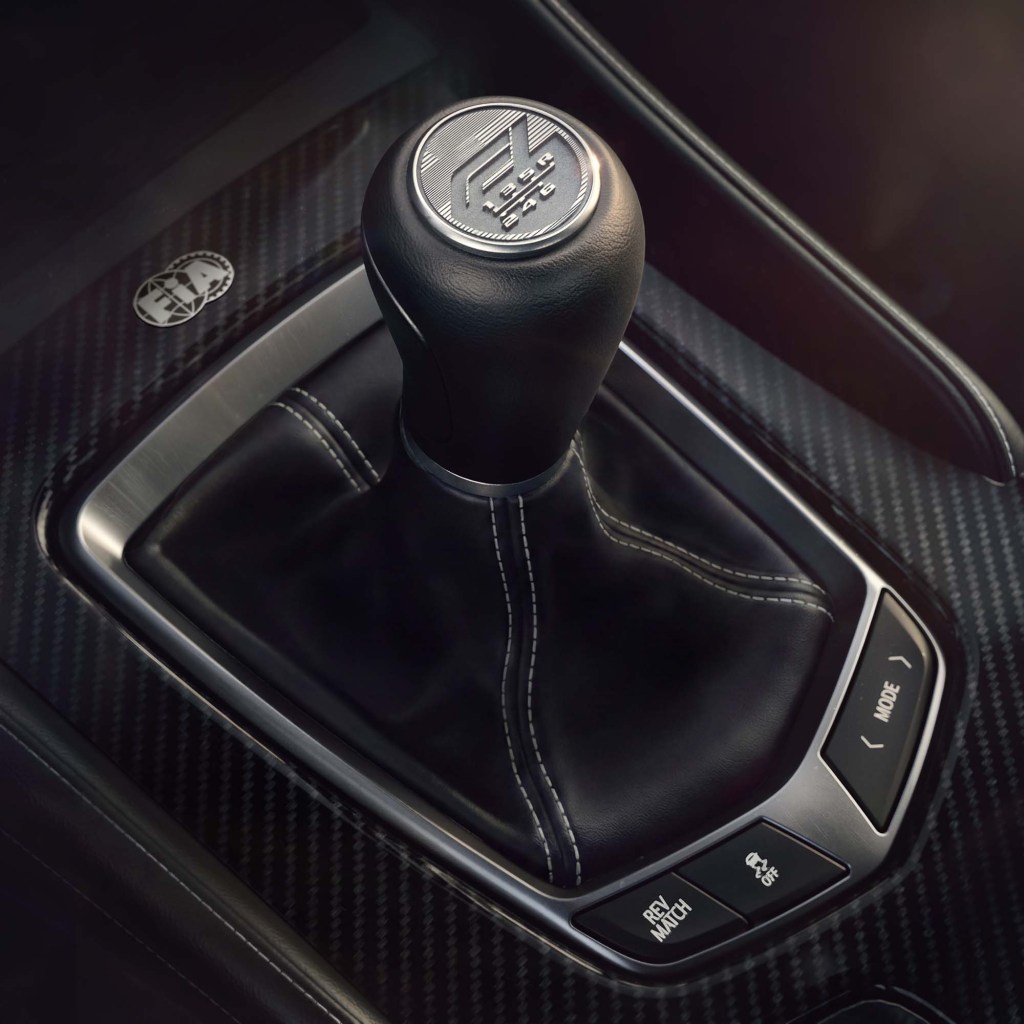
When asked if the engine will ultimately be a V6 or a V8, Reuss didn’t pretend to have the final answer. Our conversation happened to take place the day before FIA president Mohammed Ben Sulayem confirmed the return of the V8 to Formula 1 in 4 to 5 years. We didn’t see Reuss on race day, but we have to imagine that smile we saw frequently during our conversation was present throughout the day. “People are talking about maybe a V8,” he said with a measured pause. “We know how to make a V8.” Another understatement. If there’s one thing GM has excelled at for decades it’s building potent small-block V8s. In recent years, those motors have been paired with class-leading chassis. For example: the CT5-V Blackwing F1 Collector Series that was announced just a few days before the Miami race. Limited to 26 units, the special edition boasts 685-hp and 673 lb-ft of torque, is available exclusively with a 6-speed manual transmission and comes standard with the Precision Pack. Should the timeline shape up in favor of the first domestically built F1 engine coming from a domestic manufacturer to be a V8, it certainly would be poetic if Cadillac were to deliver it.
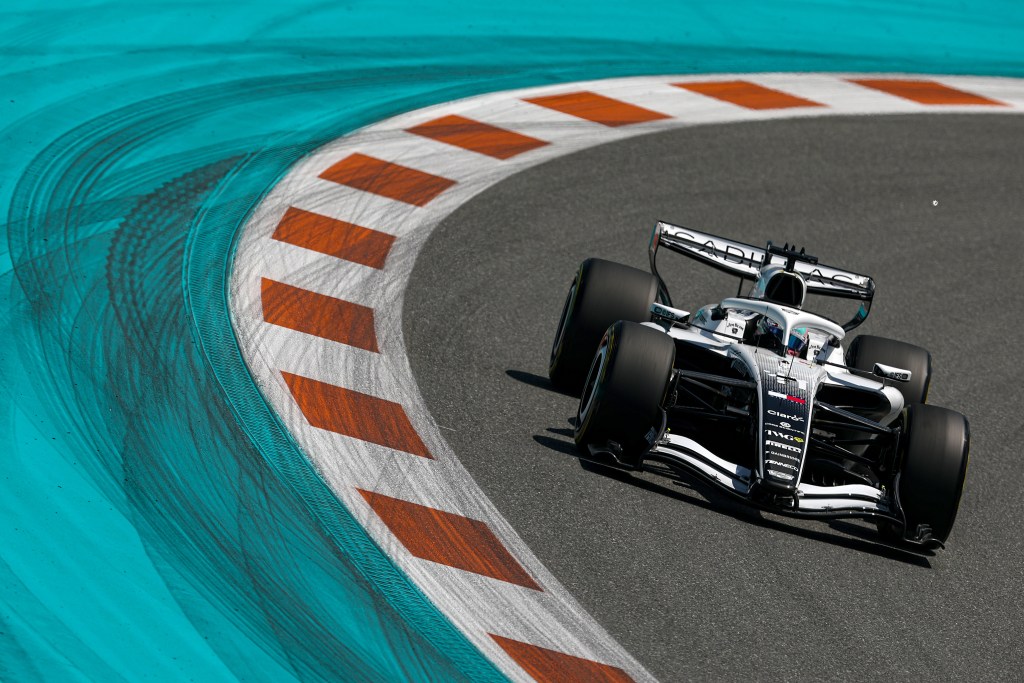
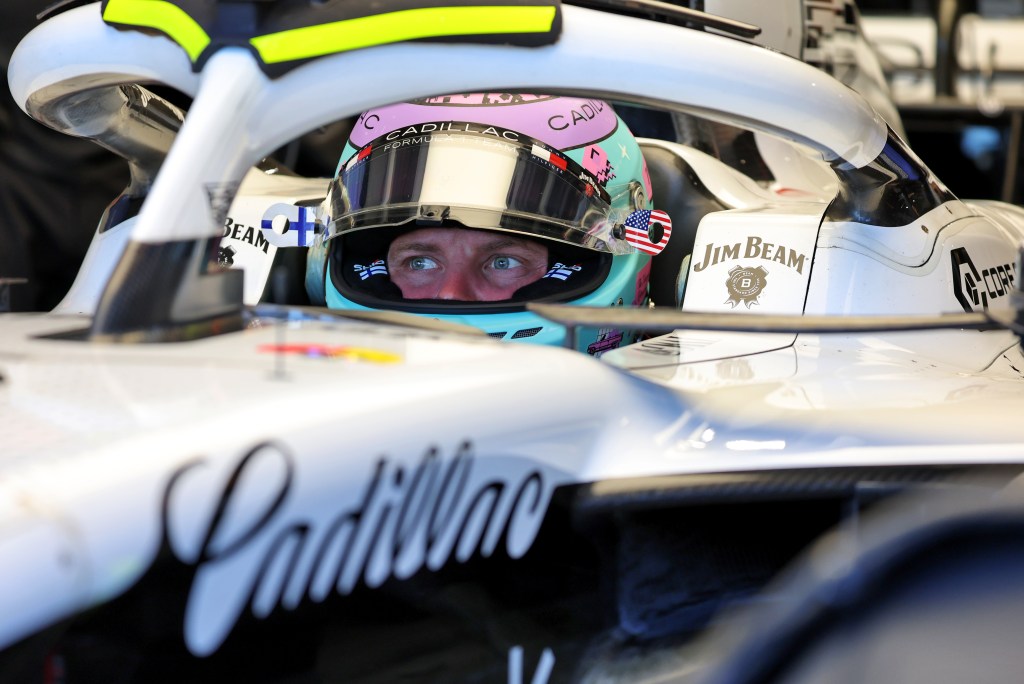
That, however, is the future, and what Cadillac is presently chasing in F1 goes beyond trophies. Following the Miami Grand Prix, where Sergio Perez finished 16th and Valteri Bottas finished 18th, the team has done four races. They don’t have the history, the tribal knowledge or the infrastructure that comes from decades on the grid. Reuss knows this and he’s not interested in pretending otherwise. “We have no right to win here,” he said plainly. “We don’t have any right to win anywhere. I can’t stand that phrase.” The phrase he’s referring to, teams declaring they have a right to win, clearly strikes him as both arrogant and brittle. Wins can only be earned through performance and commitment. As it happens, Cadillac is bringing both to the table here. Reuss acknowledges the commitment required to find success in Formula 1, adding that “we’re here for the long haul.”
And why wouldn’t they be? When the team simply released driver announcements and showed a few shirts last year, the response was instant. “Millions of people were like, ‘When can I buy the shirt?’” said Reuss with a laugh at the memory. He still seems genuinely amazed by the global reaction to Cadillac joining F1.
While we’re among those glad to see them on the grid, it’s not entirely about the competition on the track, but off it as well. Cadillac is more focused than it has been for sometime now and that means better products hitting the streets that can go toe-to-toe with the same manufacturers they’re facing on the grid. When asked if he thinks F1 will push Cadillac to take a leap forward, Reuss said “I think there’s reality, but perception is worth talking about too. We don’t have that perception yet, so we’ve got to earn it, which is really important. I think F1 does offer that opportunity.” Finally, the recognition of the white space that exists for an uncompromising American luxury automaker is there. The audience was already forming, Cadillac just had to show up.








What are your thoughts?