BVLA’s Body of Work
Thirty years in, Body Vision Los Angeles has turned utilitarian piercing hardware into fine jewelry—and pulled more than one lapsed devotee back to the studio chair

Three decades ago a new piercing meant a folding chair at the back of a tattoo shop and a tray of surgical-steel barbells and captive bead rings chosen for what they could do more-so than how they looked. I know because I collected several of them in the 1990s, when the whole pursuit still carried a whiff of the underground. The gold studs and matched-gemstone pieces filling the cases at a studio like Nine Moons in lower Manhattan belong to another universe, and the company most responsible for that shift turns thirty this year. Body Vision Los Angeles—BVLA to the piercers who build their businesses around it—was founded by a self-taught English immigrant named Nick Martin who decided jewelry made for the body deserved the same craft as jewelry made for the hand. The result is an American manufacturer whose work brought me, and a great many people like me, back to a chair I thought I had retired from.
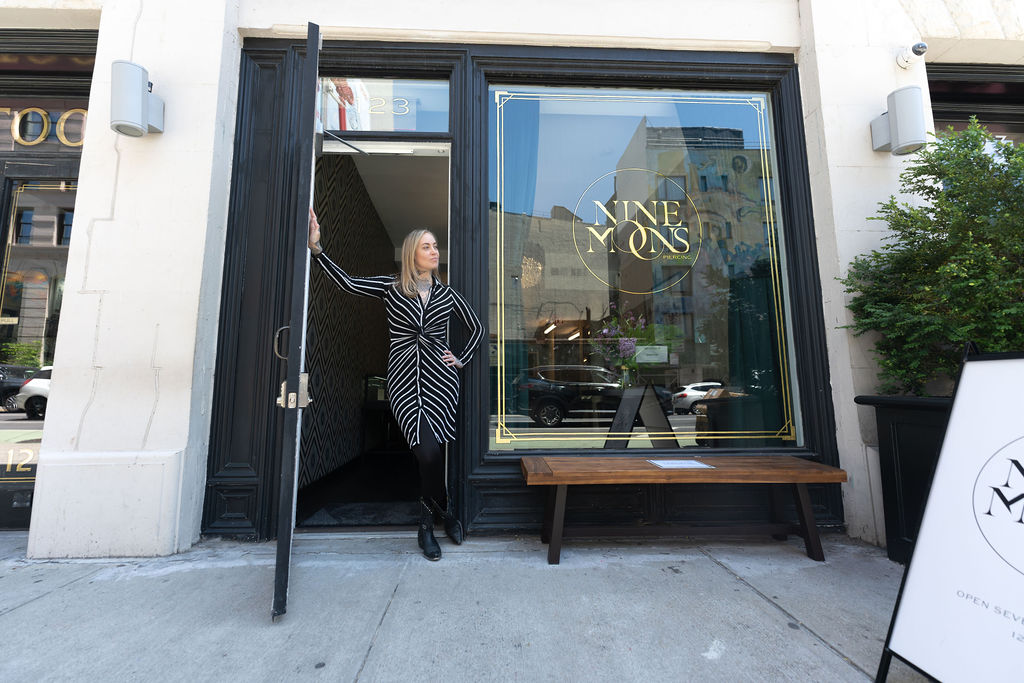
My own return ran through Nine Moons, which sells BVLA exclusively. I had gone in looking for something better for piercings I already had and left having fallen for the way founder Starr Ellis and her team treat adornment as a collaborative, unhurried and welcoming practice rather than a transaction. Several new piercings later, I remain a convert. That experience is not incidental to the BVLA story—it is the whole point of it, because the brand exists to be sold and interpreted by studios exactly like this one.
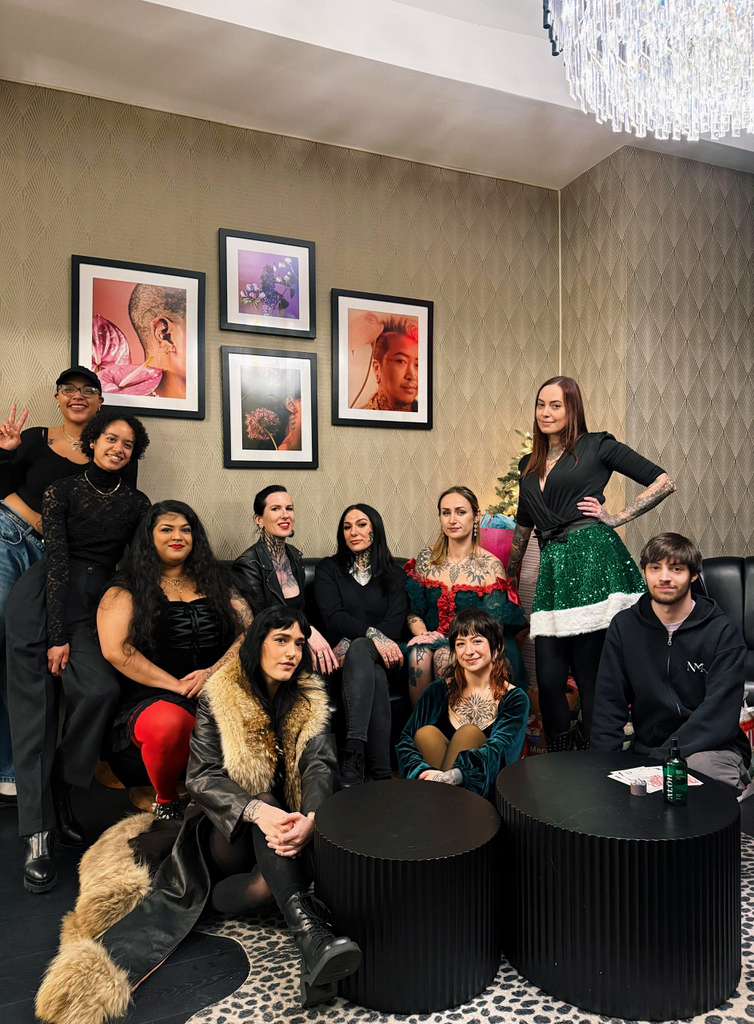
Both BVLA and Nine Moons sit inside the Association of Professional Piercers, the structure that separates this world from the back-room version I knew. Founded in 1994 as a California-based international non-profit, the APP exists to disseminate health and safety information about body piercing to piercers, regulators and the public. It sets environmental and personal criteria a studio must meet, runs an annual conference and exposition where piercers trade technique, and counts jewelry manufacturers among its corporate sponsors. A Nine Moons piercer working under those standards and a BVLA piece made to suit them are two halves of the same quality system, which is why a customer rarely has to think about either.

Martin arrived at all of this sideways. Undocumented and bouncing between Key West and Provincetown through the late 1980s, he cooked, then sold fine jewelry he didn’t like in a Provincetown shop—an unhappy fit on the sales floor that drove him to a back bench, where the cases of polished rings around him inspired him to start making pieces of his own. The body jewelry of the moment was heavy, utilitarian and rooted in the BDSM scene—like many, Martin credits Jim Ward with founding the modern piercing movement’s placements and techniques, but the early jewelry was built primarily for function. With gold around 400 dollars an ounce and a jeweler’s bench in his living room, he began turning out small charms and selling them to tattoo shops one road trip at a time.
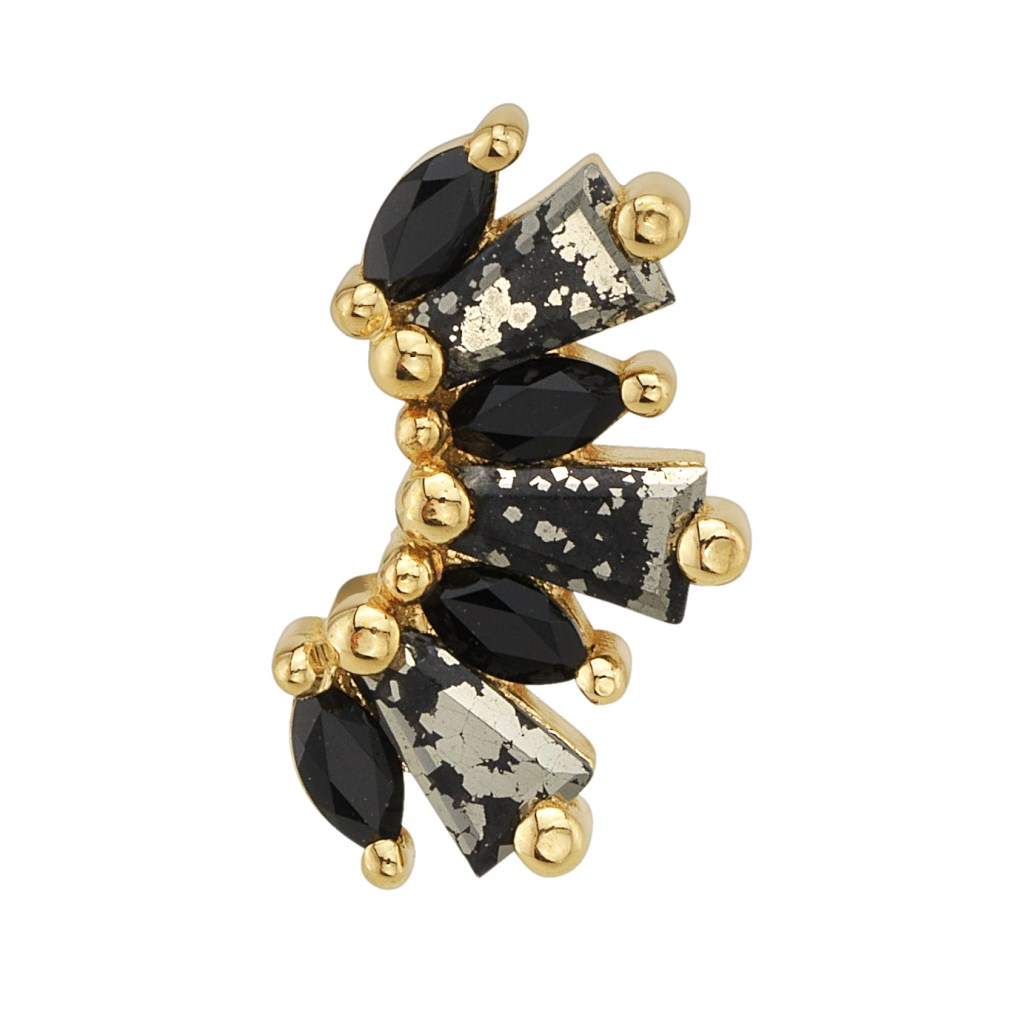
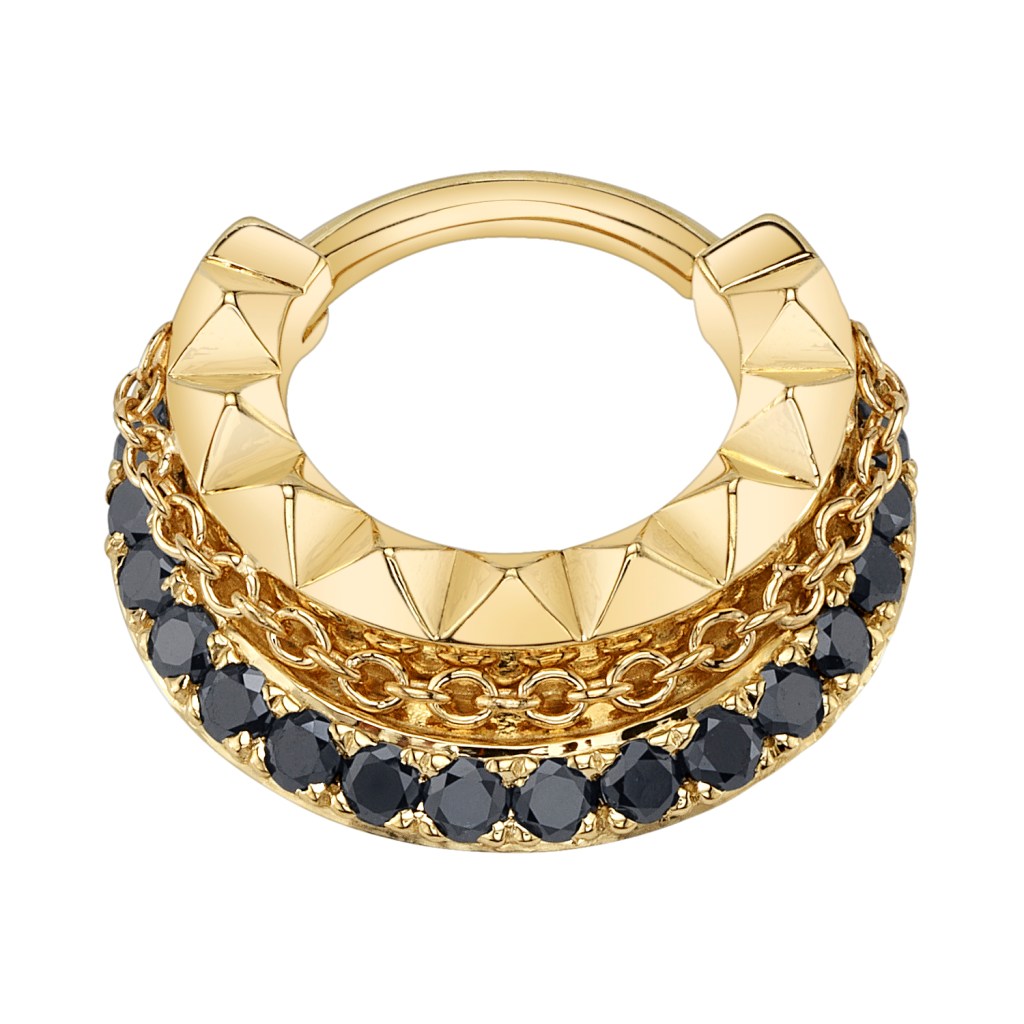
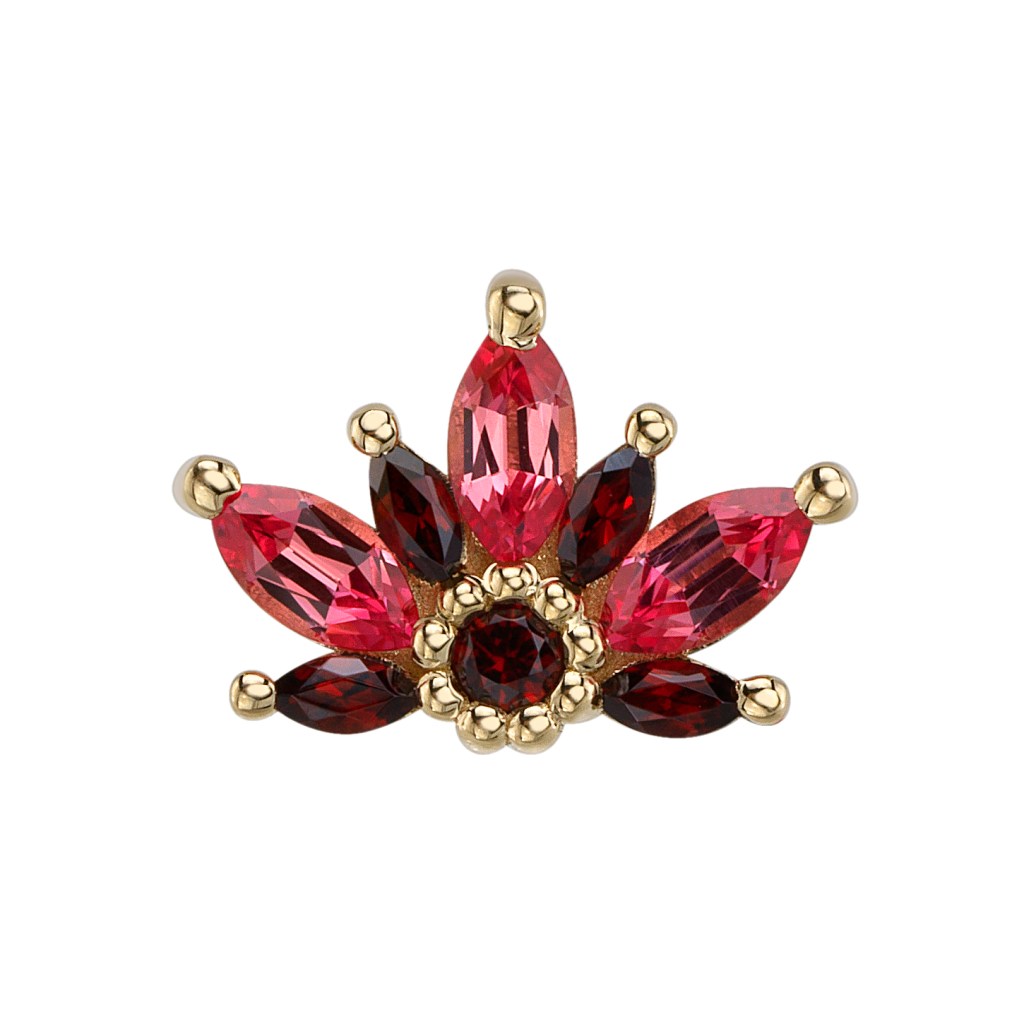
The shift was gradual. The first APP expositions, around 1997 and 1998, drew only a small national gathering of piercers, and the standard spread studio by studio over years rather than all at once—by a conservative estimate, fewer than ten percent of piercing shops in the US meet the APP bar even today. But the appetite for finer work eventually caught up with Martin’s hunch. “failure is just not an option for me,” he says of the years with no safety net, describing himself as “an optimist to default sometimes to my own detriment.”
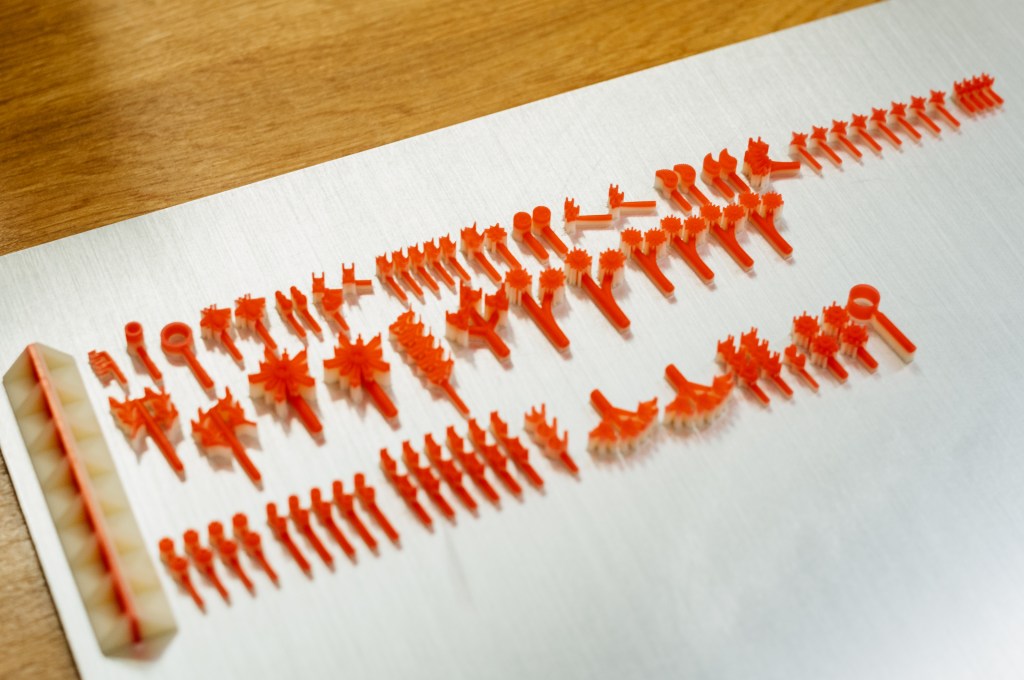
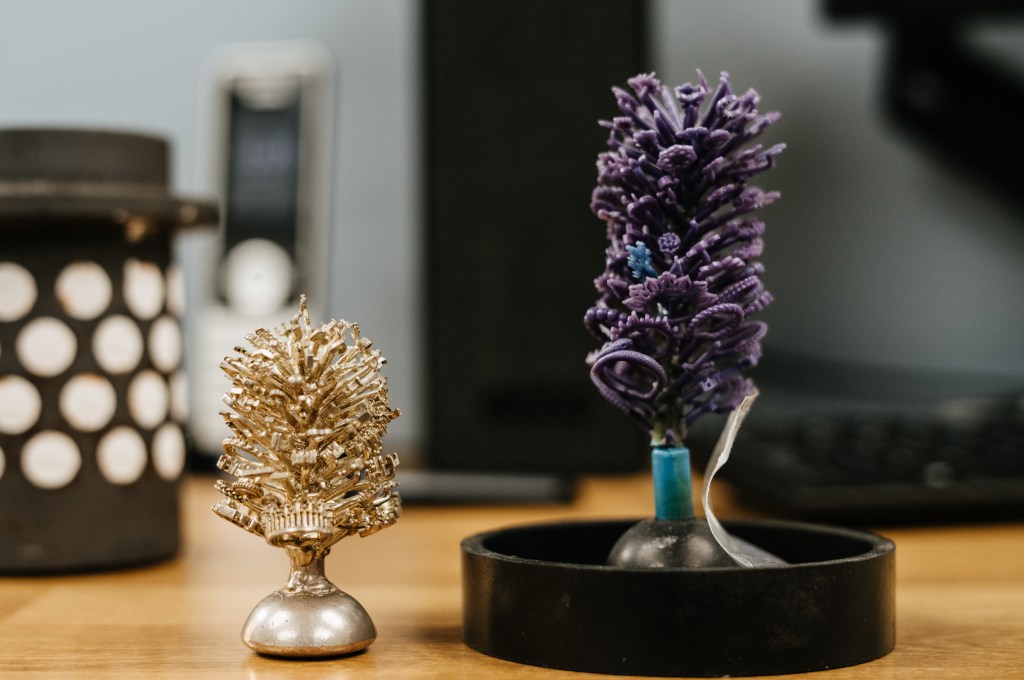
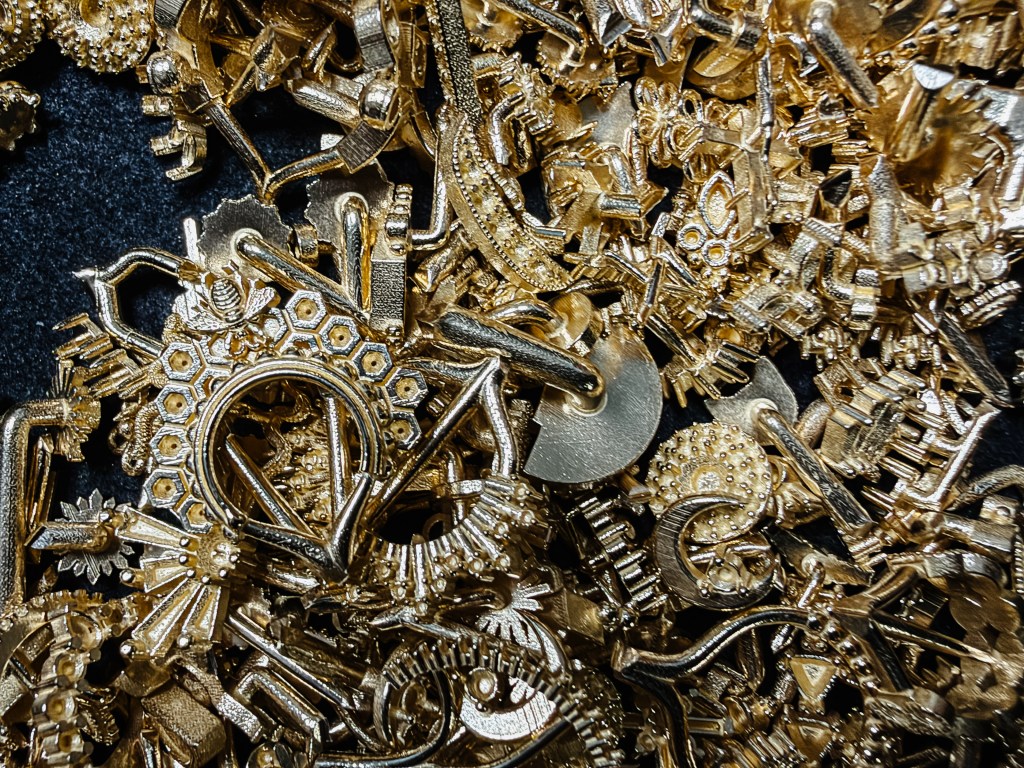
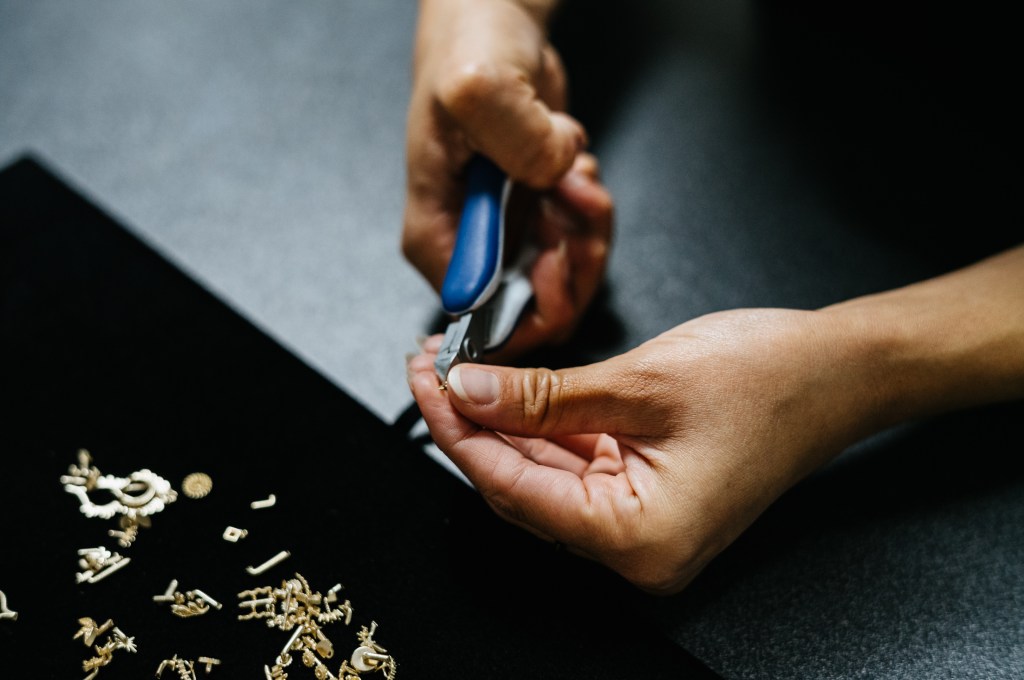
What that optimism built is a Los Angeles factory where old and new technique sit side by side. BVLA still relies on lost-wax casting, the centuries-old method of burning out a wax model to leave a cavity for molten gold. Roughly two and a half years ago the studio adopted a new generation of wax printers—three print heads, fast and high enough in resolution that intricate designs survive intact instead of softening through a mold. “I like the marriage of the technology and the old ways of doing things,” Martin says, and the marriage is literal.
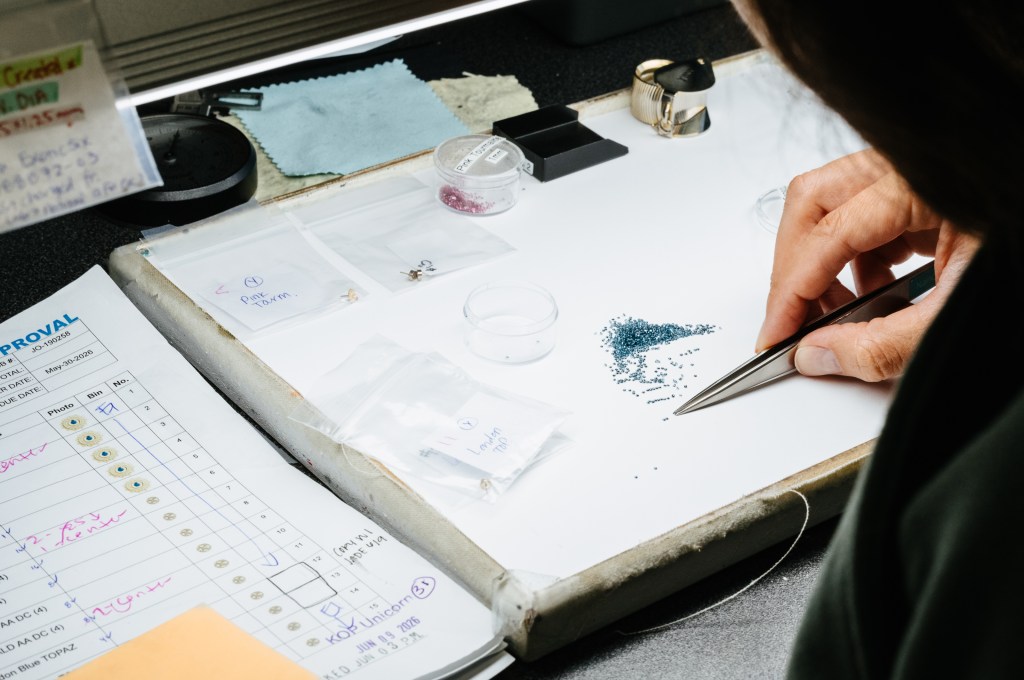
Lasers and lathes share the floor with jewelers doing work a craftsperson would recognize from four hundred years ago, the only real difference being electricity in place of a foot pump. The part no machine has touched is the gem room. On a piece carrying twenty amethysts, a selector hand-matches color and proportion before a setter seats each stone so that, as Martin puts it, “all the tables of all the gemstones are on exactly the same plane.” You might not register why a BVLA piece reads as correct. That shared optical plane is part of the reason.
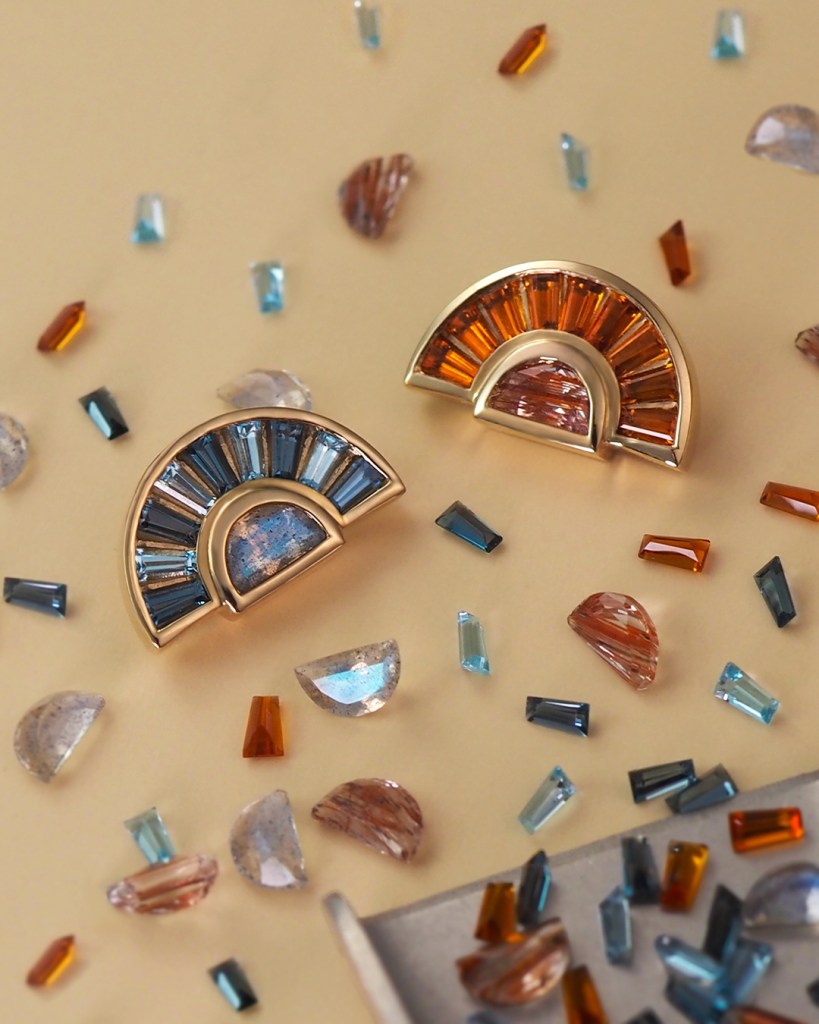

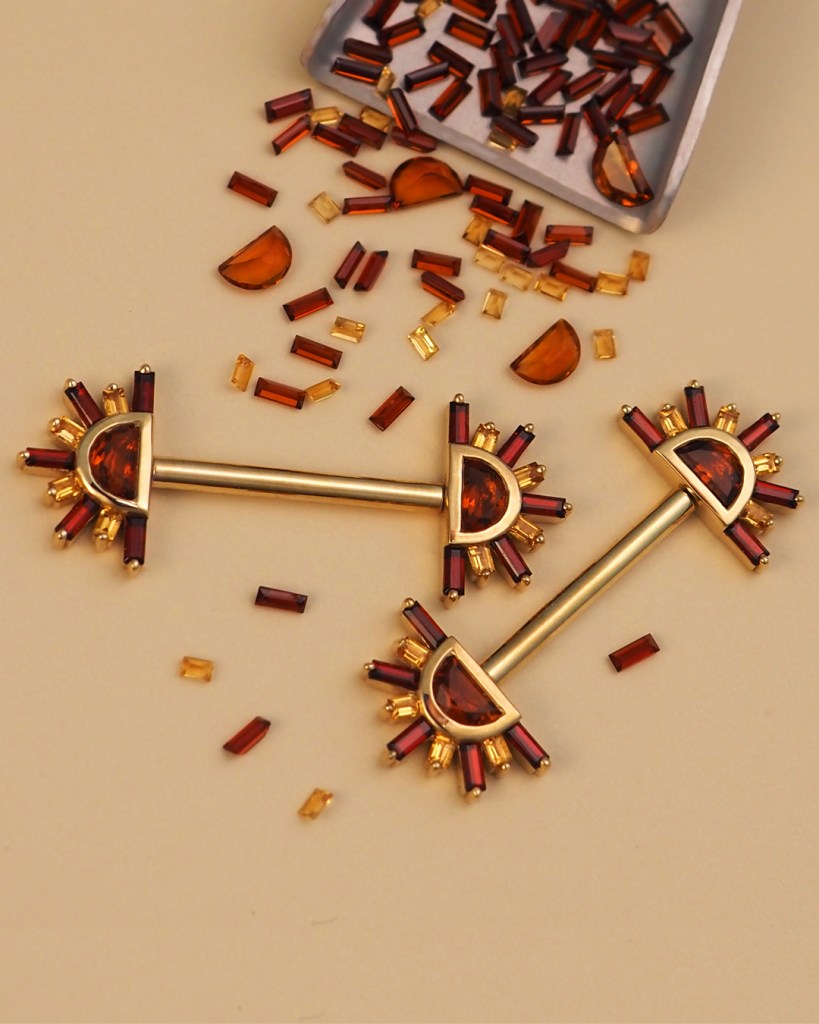
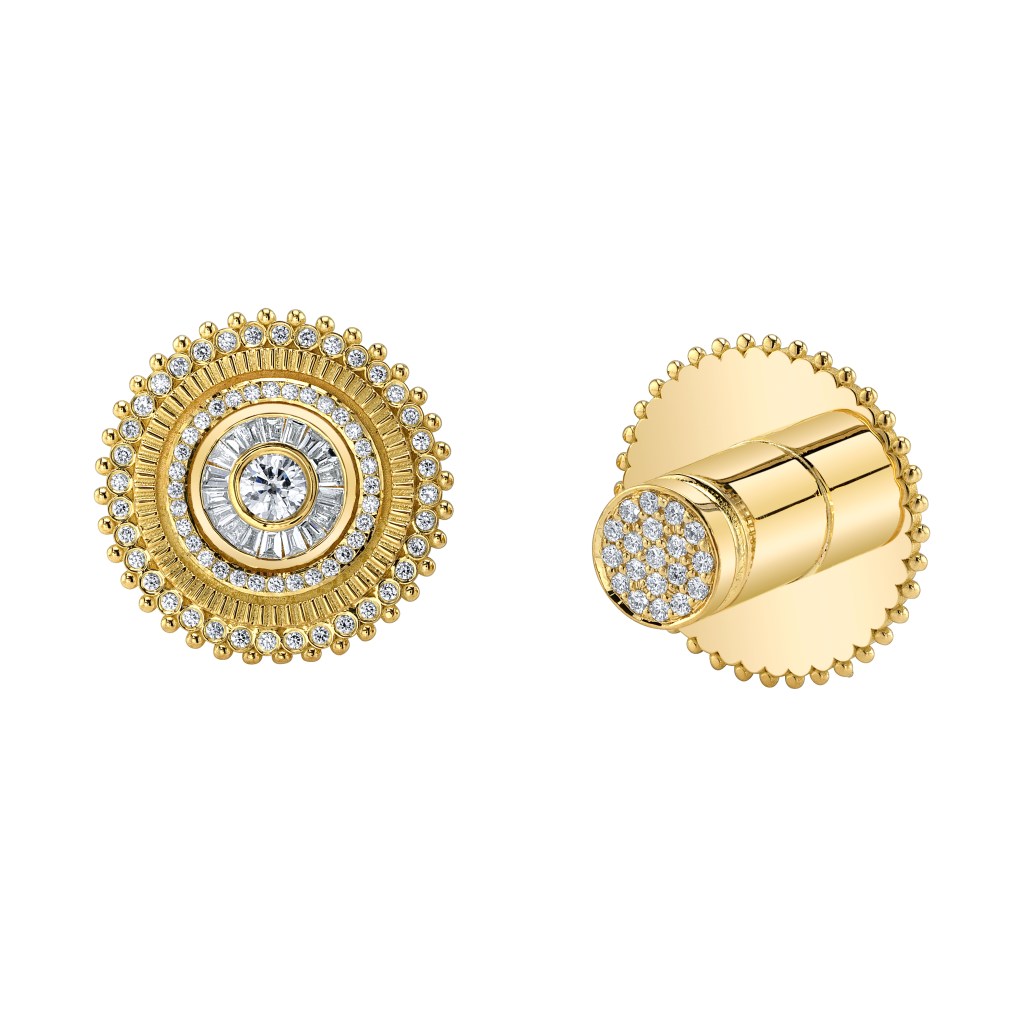
The ethics are engineered with the same patience. BVLA has spent two years pursuing Responsible Jewelry Council certification, an audit run out of Switzerland that scrutinizes every company the brand does business with—vendors and customers alike. It traces each gemstone supplier’s path to rule out forced or child labor anywhere along it, and screens clients for risks as specific as money laundering. Metals are recycled, the next goals are paperless production and carbon neutrality, and the house position on materials is unbending. “If you’re saying it’s 14 karat, the [full] piece should be 14 karat,” Martin says, which is why BVLA engineered and patented its gold “unicorn” pins. Most fine ends are threadless, held in a flatback labret by a slim pin that seats into the hollow post when you press the two together until they click—a clean, snag-free join that lets a piece sit flush against the skin. Gold pins had long been too soft to hold securely, so the alternative was steel, which drags a 14-karat end down to thirteen the moment it’s added. The unicorn pin solved that in gold, and it holds remarkably well.
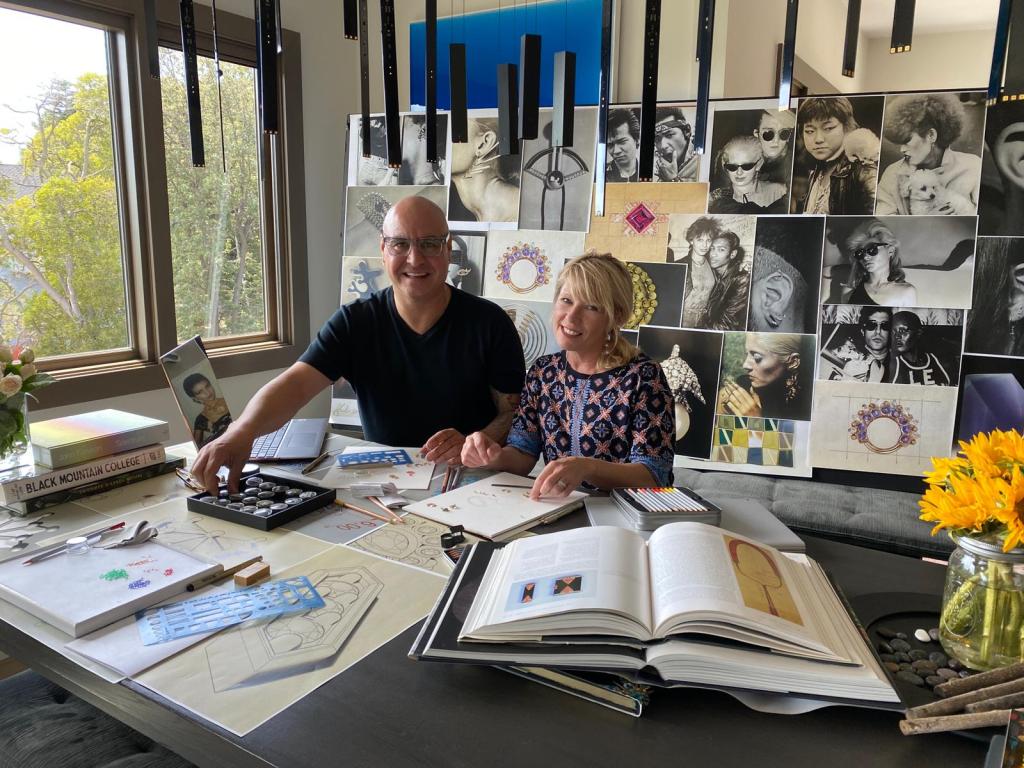
That same care extends to the people who do the work. The factory floor draws from seventeen cultures, many of its makers staying a decade or longer, and the hiring instinct behind that longevity is deliberate. Martin says he “will sometimes pass up somebody that might have more skill for somebody that is a nice person, because you can teach somebody a skill, but you can’t teach them to be nice.” Touring the place, I met a fair number of the more than a hundred people who work there, and every one of them was friendly, engaged and visibly glad to be there—the workplace culture Martin prizes is palpable rather than performed. He gives the team the credit. “I’m really a believer that I couldn’t have done this without my team,” he says. “My team is so solid, they’re so amazing, and we’re growing old and well together, and I think you can tell there’s a cohesion here.” It is exactly the environment he guards by refusing to sell. He runs BVLA with his wife Kerry, and the calls from private equity come regularly; one offer was serious enough to get a real look before the two turned it down. “I care about everybody too much, and I see what private equity does to businesses,” he says, choosing instead to keep BVLA independent. Happy people, as the company’s own creed has it, produce beautiful jewelry.
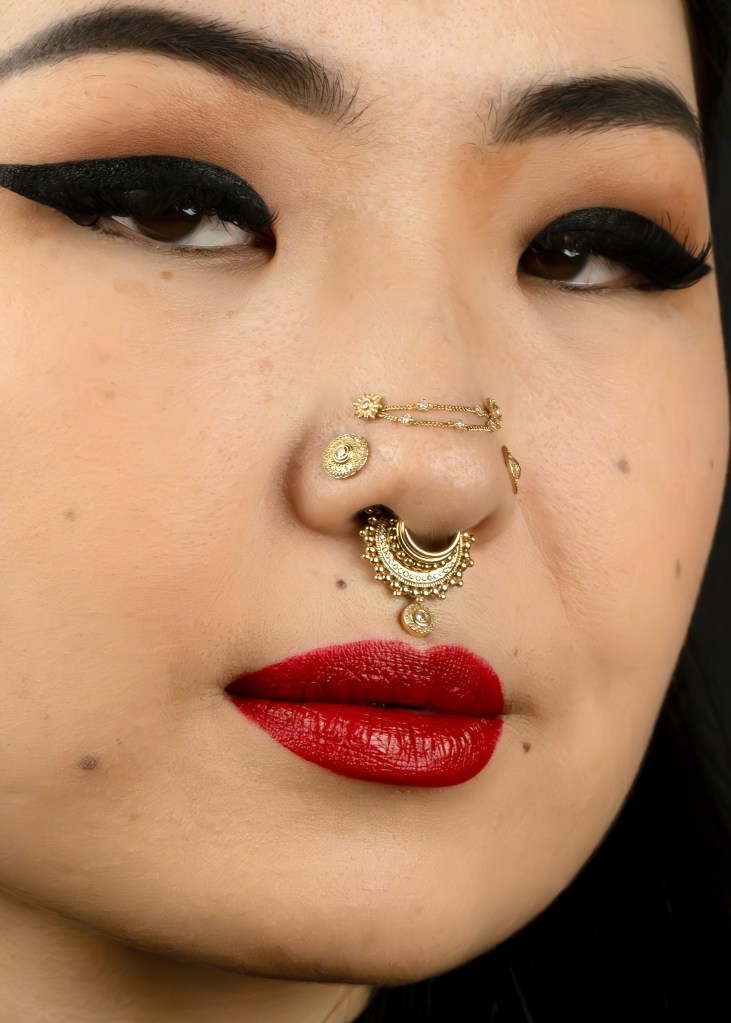
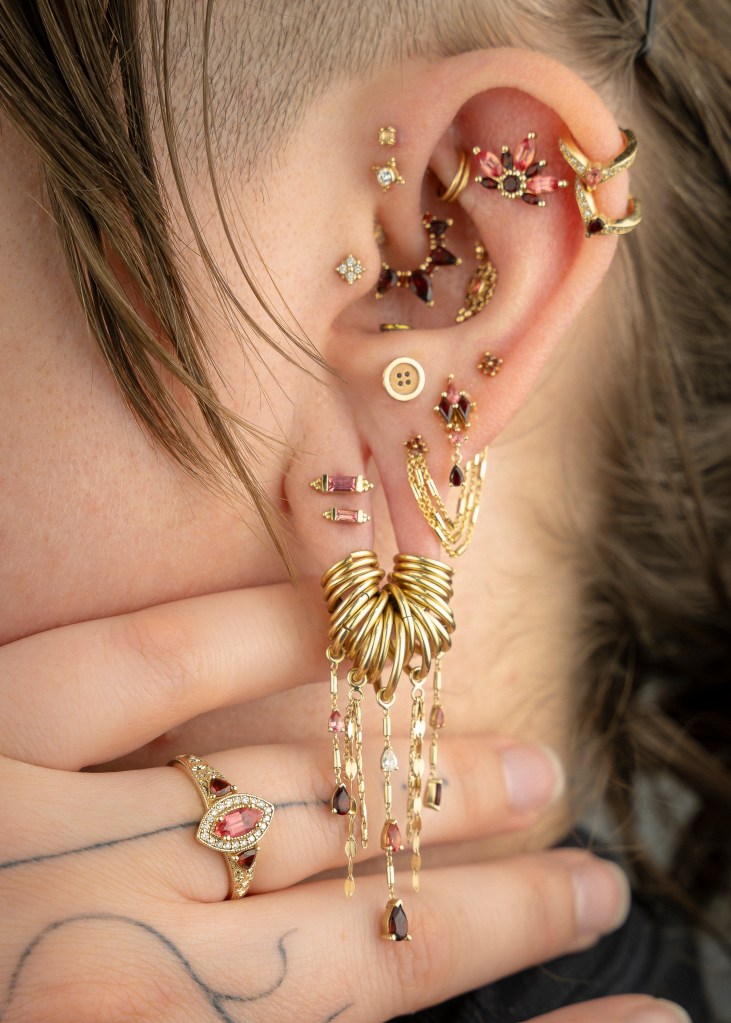
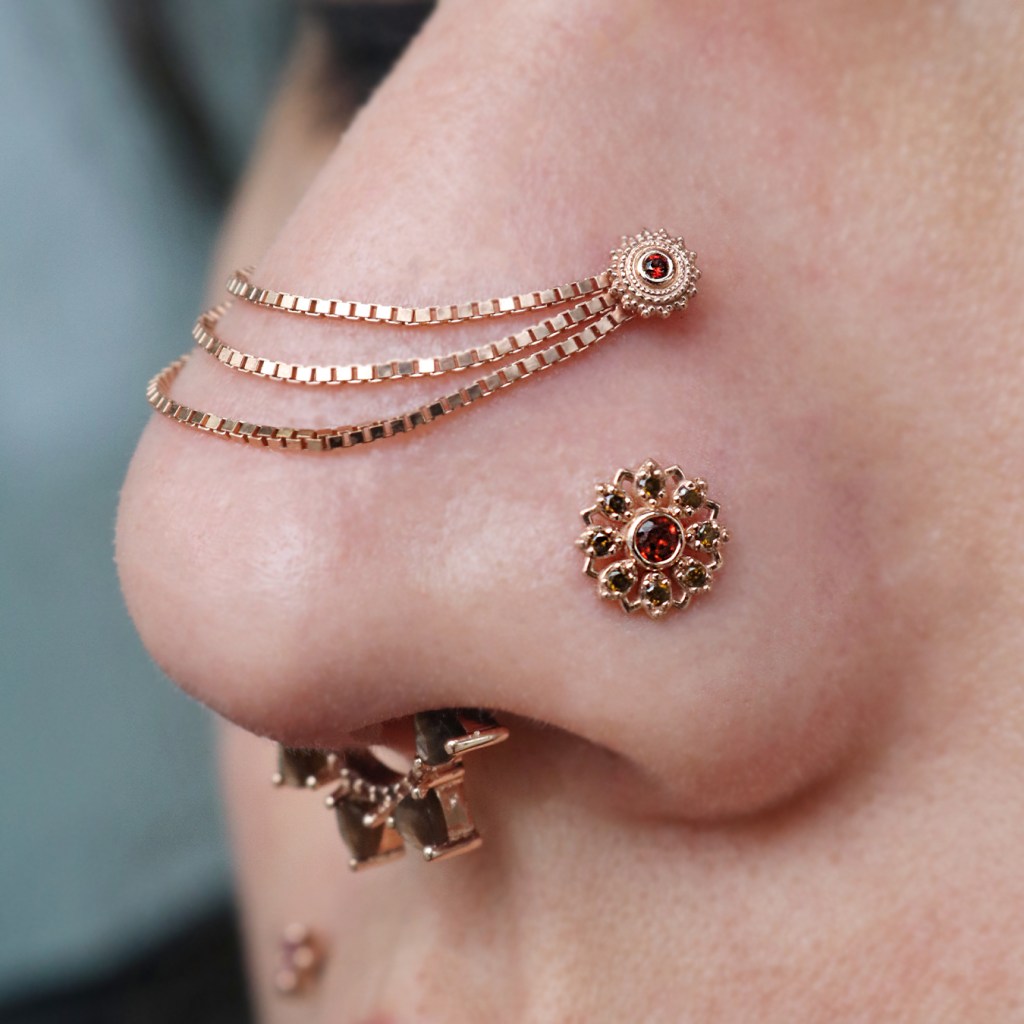
Three decades of catalog—a base library Martin estimates at nine or ten thousand shapes, expanded through metals and stones into roughly 96,000 built configurations—means BVLA also functions as a quiet trend barometer. During my factory tour, one long-tenured employee offered a theory for the rise of earscapes, the curated arrangements that turned the ear into a composition: they took hold when pandemic masking hid everything below the eyes, leaving the upper ear as the face’s last visible canvas. Over the years different piercings and styles have cycled in and out of favor—a season for conches, then a flurry of eyebrows, navels resurgent after a long quiet stretch—and Martin tracks the rotation closely. Design is now a genuinely shared act among the internal team and the piercers and clients who arrive with everything from finished CAD files to scratchy napkin drawings. It suits my own current obsession—balanced compositions of curious placements with strong geometry, and also upgrading the unglamorous backs of disc labrets, which BVLA can make as beautiful as the fronts.
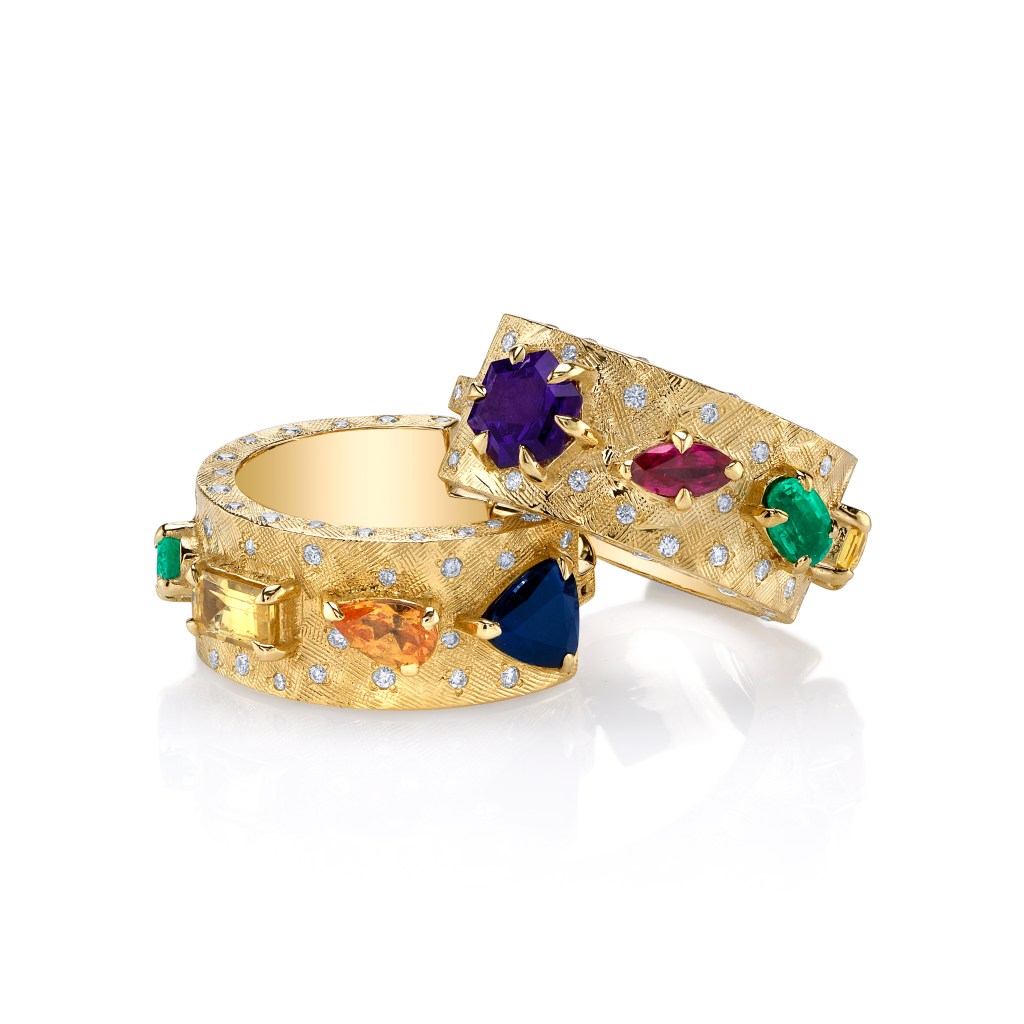
The closing irony is that the man who reshaped how pierced bodies look keeps his own to a minimum: two beautiful large-gauge lobe pieces and nothing else. Martin races dirt bikes in the desert, where the silence is total and the focus absolute and the whole thing becomes, he says, “a form of meditation”; he is also an avid pilot who flies most weeks. A helmet pressing on the ears for a desert race and aviation headphones clamped on for a flight are both poor company for a healing piercing, and he heals badly around metal besides. A knee replacement later this year will finally ground him long enough to commit to a daith, and maybe one piece more. After thirty years spent imagining adornment for everyone else, he is at last getting around to himself.






What are your thoughts?