How to Buy Your First Luxury Watch, From the People Who Sell Them
A jeweler, an authorized dealer and a secondary-market founder on budget, waiting lists, resale value and the purchase that starts a collection
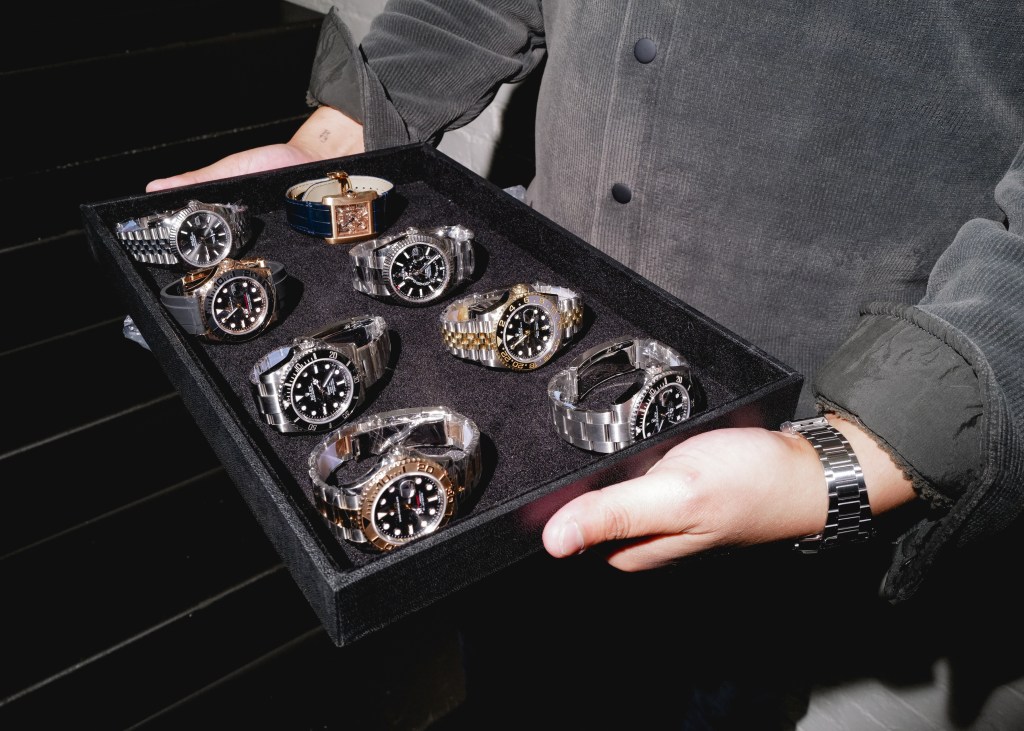
A first serious watch usually arrives attached to something—a promotion or a birthday, sometimes just a year of quietly saving for it. It goes on for a reason, and it stays on the wrist long after that reason has passed.
Where it’s purchased from is a decision of its own. It could come from a jeweler, a watch salon within a 100-year-old family business, a multi-brand authorized dealer or the secondary market, where the reference someone has been reading about for a year can be on the wrist by the weekend. Each has its own specialists and its own protections, and each of them is happy to see a first-time buyer walk through the door.
We put the same questions to someone from each side: Mark Udell is CEO of London Jewelers, a third-generation luxury jeweler in its 100th year, with watch salons across its stores. Ruediger Albers (who goes by Rudy) is President of Wempe USA, the multi-brand authorized dealer on New York‘s Fifth Avenue and the American arm of the German house. Austen Chu founded Wristcheck, the secondary-market platform with showrooms in New York, Hong Kong and Macau.
Start With the Person, Not the Watch
All three begin somewhere other than the case. “The first thing I would ask is actually not about the watch. I want to know about the person,” Udell tells us. “What brought you in today? Is there a milestone attached to this purchase? What do you do for work? What do you normally wear?” He has spent a career watching first purchases turn into long-term client relationships and the answers tell him what the client is really searching for before anything comes out of the case.
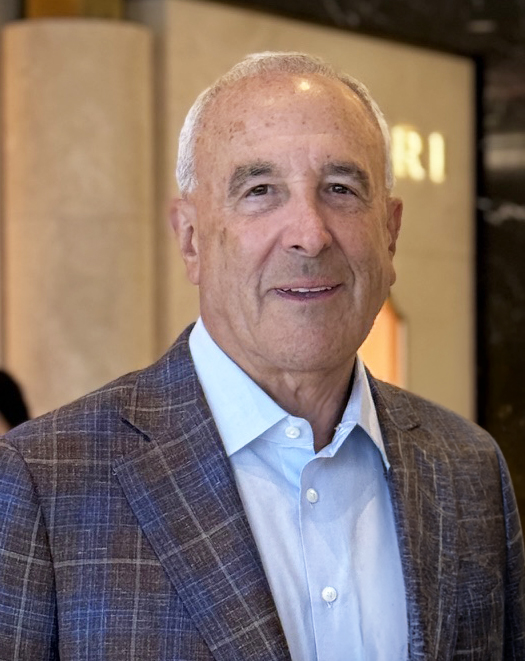
He is deliberate about where to start within a budget. “Whether someone has $2,000 or $15,000 to spend, I don’t want to immediately take them to the top of their budget,” he says. “Sometimes that means showing them something they never would have considered. And sometimes it means telling them, ‘I don’t think that’s the right watch for you.’” London Jewelers has kept clients across generations by making the fit the priority, and he sells accordingly.
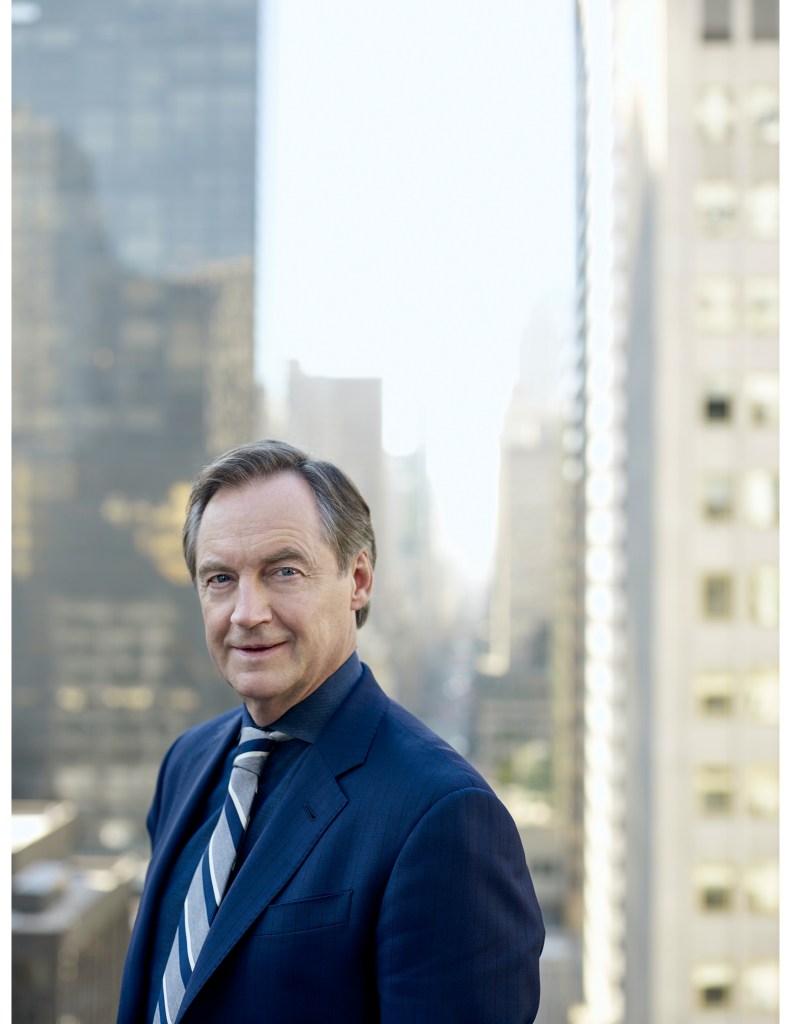
Albers arrives at the same starting point from a store built entirely around watches. “The first thing I want to understand is the person, not the budget,” he says. “What brought you into watches? Is this going to be your everyday watch, something for business, something more casual, or perhaps something to commemorate a special occasion?” Then he watches what pulls their attention, because the research a customer arrives with only goes so far. “Most customers today are very well-informed but learning about watches online and knowing what you will actually enjoy wearing are two different things.” The aim is a watch that feels natural, “rather than simply something they thought they were supposed to want.”
Chu opens with how a person actually lives. Someone in a suit five days a week gets pointed toward a leather strap. Someone who surfs gets a dive watch on rubber or steel, something that can go in the water without a second thought. “We’ll also ask them if they have a grail watch, and where they want to see their collection in one, three, five years’ time,” he says. “Everyone has a different collecting journey, and that’s part of the fun.” Wristcheck sources watches from consignors around the world, so the work goes faster when the target is precise.
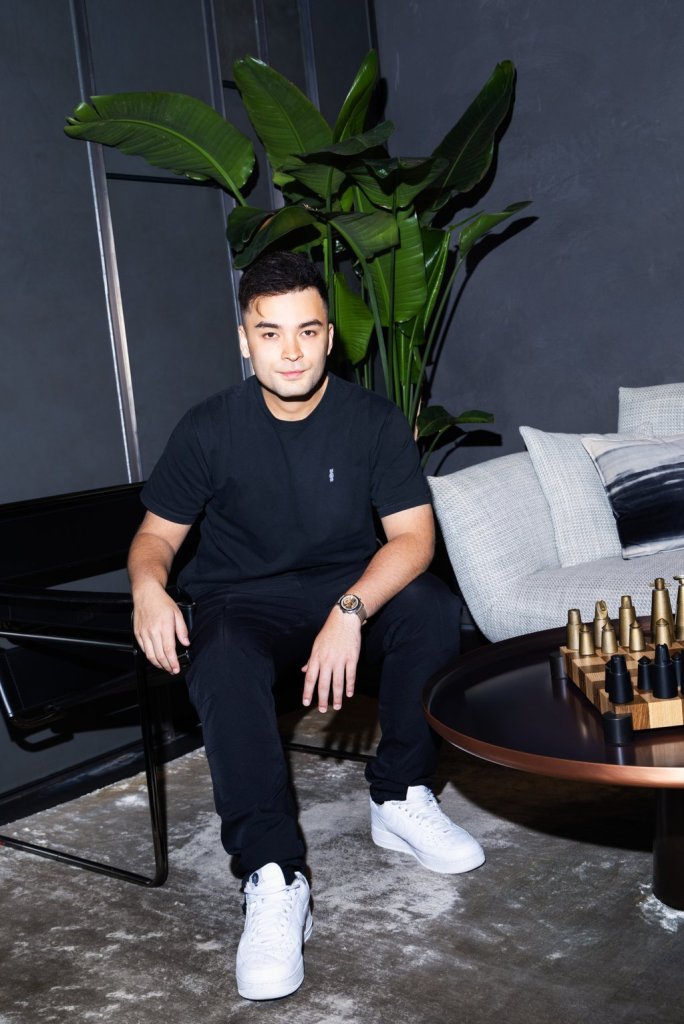
Each expert has his own take on if a beginner needs a plan. Chu describes a service built around the individual rather than a stated budget or ambition, saying “Wristcheck acts as “your private banker, but for watches.”
Albers puts the emphasis on volume of experience. “When somebody is starting out, the most important thing is exploration,” he says. He wants a beginner handling as much as possible: different brands, movements and materials, a sports watch and a dress watch, the same reference on a strap and then a bracelet. “The more watches you experience firsthand, the more quickly you begin to understand what speaks to you and what you actually enjoy wearing.” A multi-brand floor is set up for exactly that, and he describes the retailer’s role as being “to educate and introduce possibilities without dictating what someone should collect. There doesn’t need to be a grand strategy from the beginning.”
Udell’s counsel runs along the same line, saying a collection strategy isn’t necessary. “First, they need to figure out what they actually enjoy wearing,” he says. He would put watches on a wrist and let the preferences show themselves. “Your taste changes tremendously once you actually start wearing watches.” Once someone wants to build, he talks about diversity: an everyday sports watch, a dress watch, something complicated, something from an independent brand. “A good collection should tell you something about the person who owns it.”
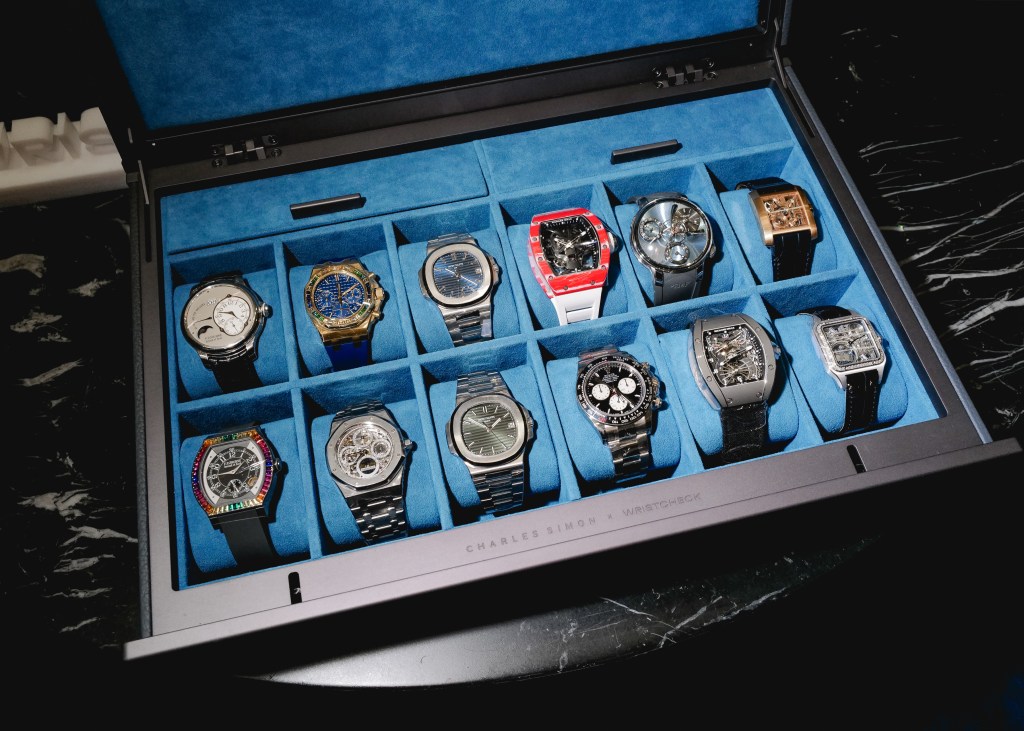
What Comes With the Watch
When asked what a first-timer misunderstands going in, each expert weighs in from his specific part of the market.
Albers takes on the question of availability, saying “people see watches trading on the secondary market and sometimes assume that authorized retailers are deliberately holding them back or creating some kind of game around access. That is simply not the reality,” he says. Production has gone up, as has the number of people asking. “There are still far more people asking for these watches than there are available pieces.”
“If the only reason you want a watch is because you believe it will increase in value, I think you are missing a very large part of what makes watches so interesting,” Albers says. The same applies to buying one piece as a ticket to another. Wempe values the long client relationships he’s built, but he wants them genuine. “You should never buy watches you do not truly want simply as a means to an end.”
If the only reason you want a watch is because you believe it will increase in value, I think you are missing a very large part of what makes watches so interesting.
Ruediger Albers, President of Wempe USA
Chu’s answer centers on moving safely through the secondary market, where he works every day. “The secondary market is full of scammers and unethical dealers that are just looking for one-time business. It’s a jungle out there, and for a collector just starting out, buying from a reputable seller is everything,” he says. “Don’t be that person who tried to save 10% only to realize that the watch you bought had a swapped dial, or worse, was reported stolen when you take it in for servicing.” He says Wristcheck has rejected countless watches over issues like these.
“One of the biggest misconceptions is that buying watches is a guaranteed investment strategy,” Udell says on the customer’s value expectations. He would rather a client buy the watch they want to wear and treat any appreciation as an added bonus.
As for the price of the watch—and everything else that comes with it—Albers puts the object first, saying “the product always has to justify itself first. A beautiful store and excellent service cannot make the wrong watch the right watch.” What surrounds it matters over a much longer horizon, and he turns that into a checklist a buyer can run on any seller: trained watchmakers on site, direct access to the manufacturer and the proper parts, the ability to service the watch correctly 20 years from now and extended warranties. “And perhaps most importantly, are they going to stand behind the watch and take responsibility when something does not go according to plan? Selecting and purchasing a watch might take an hour but your relationship with that watch, and ideally with the retailer who sold it to you, can last a lifetime.”
Udell describes what accumulates on his side of the counter. “The watch itself is obviously important, but I think what makes the luxury experience different is everything that comes with it,” he says. Part of that comes from the brands, which create events and introductions for clients. Part of it is memory: “I know your collection. I know what you like, what you don’t like and what you’ve been looking for. I may see something and immediately think of you.” That knowledge accrues one visit at a time, which is why he treats a first purchase as an opening rather than just a transaction.
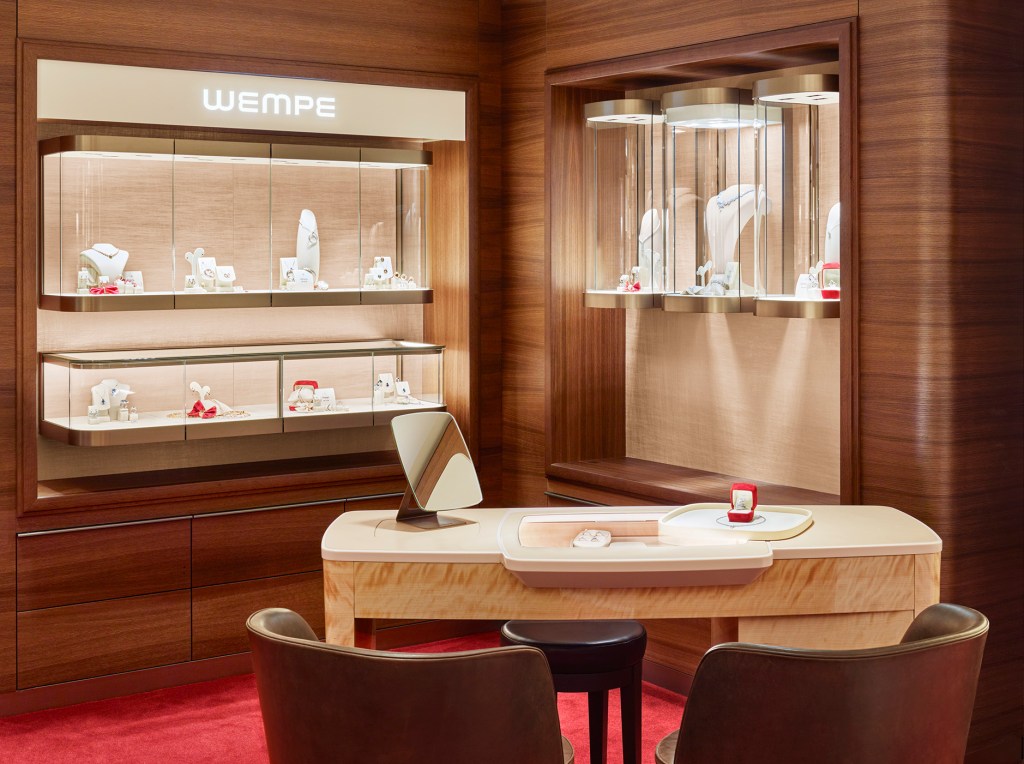
When the Watch Isn’t in the Case
When a client wants something he cannot hand over that day, Udell is honest. “I think that’s the most important thing you can do in this business,” he says. He gives his best delivery estimate and stays in contact, and requests are worked in the order they come in. “Of course, availability depends on the brand, production and how many pieces we receive. The more exclusive the watch, the more limited the availability can be.”
From there, he goes back to the specific want itself. “I want to understand why they want that particular watch. Is it the brand? The design? Something about the story behind it?” Sometimes that surfaces a better fit. Sometimes it does not, and he says so. “But sometimes there really isn’t a substitute. They want that watch, and that’s okay,” Udell says.
Albers refuses to soften the answer. “You have to be straightforward. If I do not have the watch and I cannot tell you when I will have it, I should not pretend otherwise,” he says. He then tests how specific the desire is, since the design or the movement or the purpose behind it sometimes leads to a watch the client likes more. What he will not do is manufacture hope. “What I would never do is promise somebody something simply to keep them interested. Once you give your word, it must mean something.”
How he delivers that answer is its own discipline. “I always say, ‘On every no, we put a bow.’” He hears from customers who have been brushed off for asking about the hardest references, so his team explains the situation instead. A new buyer might leave without the watch but with an understanding of why it isn’t there.
“There is no universal answer” on timelines, he says. Some watches arrive quickly, others take years and some references cannot be forecast honestly at all. Wempe knows what its longtime clients own and have been waiting for, though he resists turning that into an equation. “I do not like reducing that relationship to a formula where spending a certain amount supposedly guarantees another watch. This is still a business built around people.” When it does come together, the timing is the point. “Some of the most rewarding moments for us are when we can help a client mark an important milestone in their life with a watch they have been hoping for.”
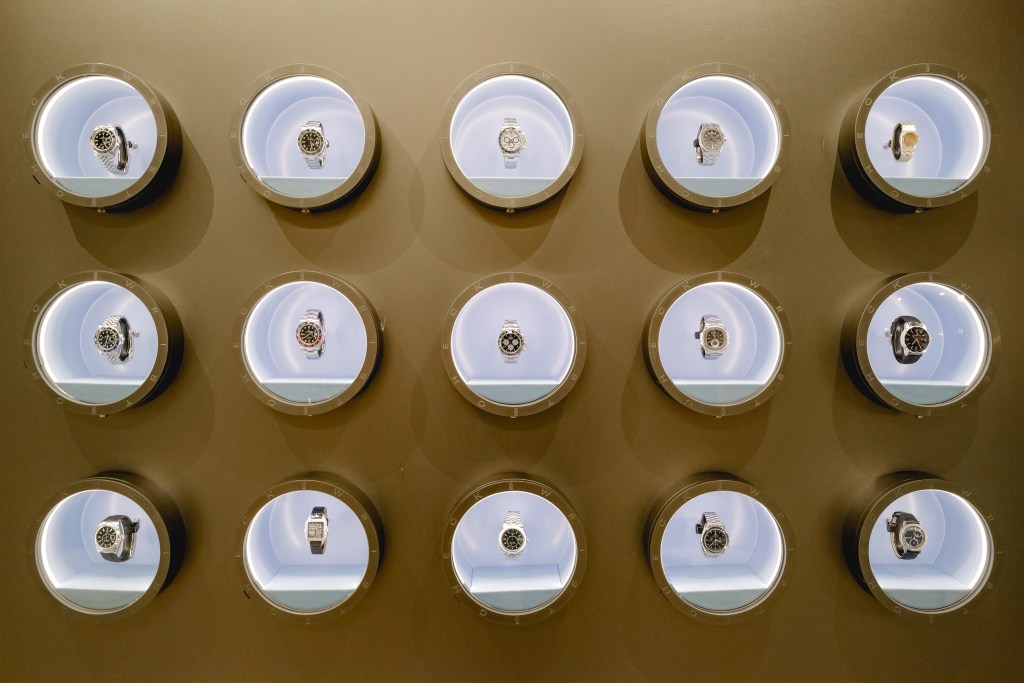
Chu draws on the sourcing operation he has built. Roughly 30% of Wristcheck’s business is finding rare watches for clients, run across three showrooms and thousands of consignors, and he puts the success rate at 95% of watches sourced within one to five days. Anything already in consigned inventory ships fully insured the same day.
The time that remains goes into verification. Every sourced watch runs a 10-step authentication process and arrives with a condition report he describes as the most comprehensive in the secondary industry. The days a client spends waiting are the days those checks are being run.
How to Know Who You Are Buying From
This is the question with the most practical value for a first-time buyer, and each expert answers it with a different test.
Chu’s response is clear: find out whether the seller employs WOSTEP-trained watchmakers in house. “99% of sellers do not have any in-house watchmakers, and they ‘eyeball’ everything to authenticate the watch,” he says. It is the kind of detail that surfaces from inside the authentication business, and it gives a new buyer something specific to check.
His second measure is structural. “Transparency. At Wristcheck, buyers know what sellers net, and sellers know what buyers pay.” He also points to the trust the brands themselves extend, noting that Wristcheck is one of the few secondary platforms watch brands work with.
Albers starts with provenance. “Anybody can sell you a watch, but buying from an authorized retailer will give you peace of mind that your watch is new, genuine, unaltered and backed by a manufacturer’s warranty,” he says. After that comes homework on the seller. “Do your research, read reviews and understand who you are doing business with before you make the purchase.”
He also knows the limits of the paperwork buyers are told to look for. Box and papers matter, warranty certificate included, “but even there, caveat emptor. We have seen those falsified as well.” Many manufacturers check watches that come in for service against loss registries, and a watch reported stolen can set off a complicated chain of events for whoever bought it unknowingly. “The challenge is that this may not surface until years later, when the watch eventually requires service.” Which is why he wants a buyer thinking about the far end of the purchase, and about “someone standing behind that purchase if an issue arises years down the road.”
You’re buying from people who are going to get to know you, understand what you like and hopefully be there as your interests change.
Mark Udell, CEO of London Jewelers
Udell points to the chain of custody an authorized retailer provides, where the watch arrives with a manufacturer-backed certificate or warranty behind it. “Of course, you should know who you’re buying from. Understand the retailer, the authenticity, the warranty, the service and return policies.” Then he adds the human measure. “But just as important, pay attention to the person sitting across from you. Are they actually listening to you, answering your questions and trying to understand what you want, or are they simply trying to close the sale?”
Between them a first-time buyer gets a working checklist: watchmakers on staff, visible pricing, manufacturer backing, papers examined rather than assumed and a salesperson who listens.
Where Resale Value Fits
None of the three tells a new buyer to ignore the market. None of them wants it making the decision either.
“There isn’t a right answer to this because it depends on everyone’s financial situation,” Chu says. Then he offers the market read his position gives him. Outside a short list of references that trade above retail, the picture looks different than most beginners assume. “95+% of watch models across all brands are below retail, with some being more than 40-50% off of retail prices!” His advice at this budget follows from that. “Let someone else take the hit and buy it secondhand, your wallet will thank you tremendously.” He is equally clear about what a watch is for. “At the end of the day, the average enthusiast is better off buying bitcoin, gold or the S&P500 if their main goal is investment returns. Watches are passion assets, so it’s a balance.”
Albers knows that a buyer now arrives knowing the numbers—since auction results and secondary values are accessible by phone—and he separates being informed from letting the market choose. “What is impossible to manufacture later is the enjoyment you lost because you bought something for everybody else’s reasons instead of your own,” he says. Udell frames the same idea as a question of time. “The market can change. What’s popular today may not be popular five years from now. But if you bought something because you genuinely loved it, that doesn’t change.”
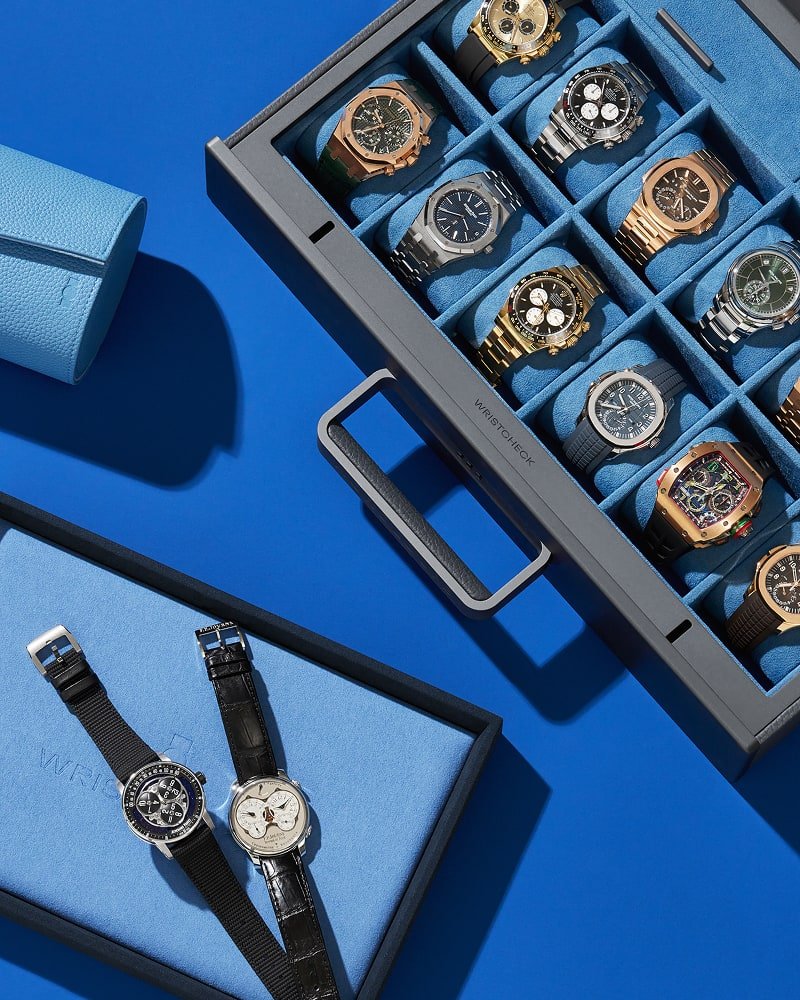
When asked about new recommendations for first-time buyers, our experts don’t name a single watch. Rather, Chu sorts by budget and by life: under $5,000 and sporty, Tudor or micro brands, at $10,000 to $20,000, a modern Submariner or vintage Cartier, Audemars Piguet, Piaget and Vacheron Constantin. Albers points past the names a beginner already knows, toward “manufactures with real history, strong watchmaking and very good value that may not be the first thing somebody sees on social media or in the secondary market.” The discovery tends to happen in person. “Sometimes the most rewarding first purchase is not the obvious one,” he says, which is the case he makes for a multi-brand floor where a buyer can compare pieces side by side and choose “based on the watch itself, not simply on familiarity with the name.”
Udell works the same instinct in his salons. “A lot of the time, I actually try to get people away from the watch they walked in asking for,” he says, so he puts unexpected things on the wrist: Cartier, Gerald Charles, Omega, Panerai and Tudor, or something more niche depending on the person. “One of my favorite moments is when someone puts on a watch and says, ‘Wait, I really like this.’” Each of them is describing the same outcome, which is a buyer who leaves with something they chose rather than something they were told to want.
What Happens After the Money Changes Hands
Chu has built the after-sale relationship into the platform. Wristcheck runs community events out of its showrooms and handles insurance, servicing and selling a watch—either through consignment or for cash the same day—while lending against a collection is coming soon. “Wristcheck is here for you during every step of your journey,” he says, so a watch client can easily take the next step inside the same system.
Albers wants the 10th year to feel like the first. “If you walk into the store five years later with the watch we sold you,” he says, “you should still feel that we are responsible for helping you with it.” That covers a service, a question about a complication, an original replacement strap. Wempe now sees clients arriving with their children, and he’s been in New York long enough to have watched that happen firsthand. “We do not count the number of conversations before or after a sale. The relationship is the point.”
Our clients get 100% peace of mind, transparency, community and, most importantly, fun.
Austen Chu, Founder of Wristcheck
Udell’s version comes down through the family. “For me, the relationship really starts after the sale,” he says. “My grandfather taught my father everything he knew about watchmaking, and my father then passed that knowledge and skill on to me. It’s in our DNA.” What it gives a client is one person to call. “So, years later you should still be able to call me. Maybe it’s for service, maybe you’re looking for your next watch, or maybe you just have a question.”
Chu says his clients get “100% peace of mind, transparency, community and, most importantly, fun,” along with the reach of a company with locations on two continents, while Albers offers range. “What they get is perspective and education. We are not representing only one point of view,” he says, which lets his team compare houses, price points and movements in a single sitting and say, “this may actually be better for you” about a watch the client did not come in to see. Udell’s clients get people who know them. “You’re buying from people who are going to get to know you, understand what you like and hopefully be there as your interests change.”
Each is equally clear about the cost. Udell names time. “Maybe you give up getting exactly what you want, exactly when you want it.” Albers names the conversation itself. “Perhaps some of the anonymity and immediacy of simply clicking and buying whatever is available online. We are going to ask questions. We are going to have a conversation.” In his account that is the value rather than the cost, and what grows out of it is a room full of people who know each other. “It’s not transactional, it’s more of a communal feel.” Udell puts his version more simply. “We’re in the relationship business as much as we’re in the watch business.”
Three First Watches
Each of them remembers the purchase that shaped how he works.
Chu’s first secondary-market buy was a Patek Philippe 5711, found online back when the reference still traded slightly below retail. The dial turned out to be damaged and dented, undisclosed by the seller and invisible in the photographs, and no refund came, “leaving me with a horrible taste in my mouth.” Wristcheck’s in-house watchmakers, 10-step check, condition report and the published spread all trace back to that initial personal purchase experience.
Albers bought a Jaeger-LeCoultre Reverso Duo. He liked the brand, the shape and the finishing, and a second time zone made practical sense for a man with one foot in Hamburg. He rotates his watches now and each one carries something. “You remember where you wore it, what was happening in your life, and why you chose it in the first place.” He came up through watchmaking, so the mechanics interested him first. Ownership taught him the rest. “The technical side may be what first interests you, while the personal connection is often what makes you keep the watch.” It is the standard he now applies for others. “The best first watch is not necessarily the one with the most impressive specification or the strongest market value. It is the one that, 10 or 20 years from now, still means something to you.”
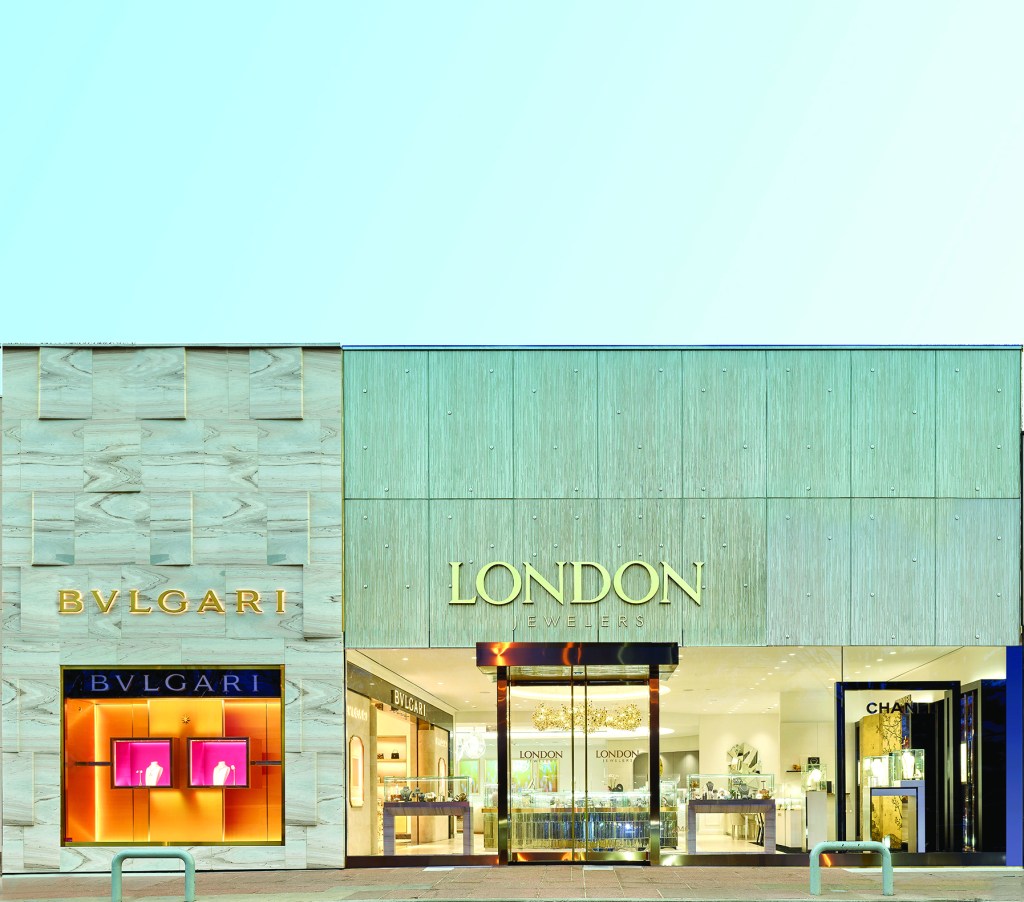
Udell remembers the first Rolex London Jewelers ever sold. Becoming a Rolex retailer meant taking a selection of watches, including a gold men’s Day-Date at $2,750, an enormous sum for the store at the time. “How are we ever going to sell a watch like this?” he remembers asking his father. They put it in the window. That same afternoon a doctor who had been a customer for years was waiting for takeout at the restaurant next door, saw it, came in and tried it on. He said he had always wanted one, and bought it that day.
“What that experience taught me is something I still believe today: you can never underestimate the emotional connection someone has with a watch,” he says. “To one person, it may simply be a timepiece. To another, it can represent a milestone, an achievement or the beginning of a lifelong passion.”
Each of the three built his working life around what his own first purchase taught him. A new buyer picking a route is picking which of those lessons comes with the watch.




What are your thoughts?