The Colorful Energy of the Andaz Lisbon
The Patricia Urquiola-designed hotel looks to texture, craft and proportion while remaining connected to the visual, social and cultural life outside its doors
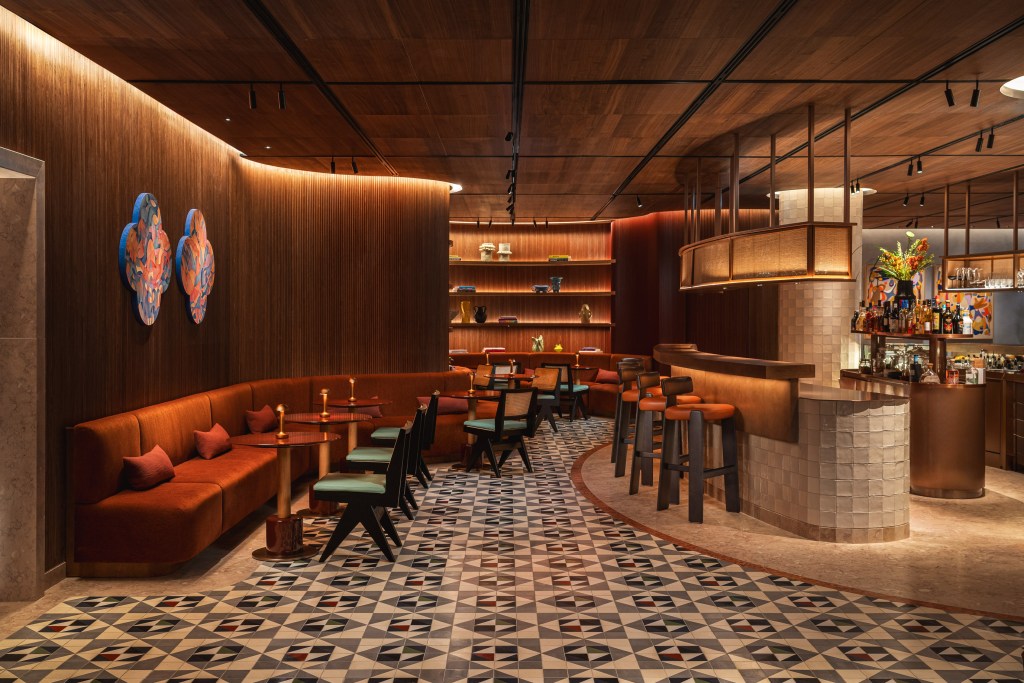
Lisbon has never needed much help looking good, day or night. Its appeal is tactile, layered and slightly unruly: Moorish traces, Pombaline geometry, Atlantic light, Fado sounds, Portuguese craft and contemporary creativity coexist without collapsing into a single identity.
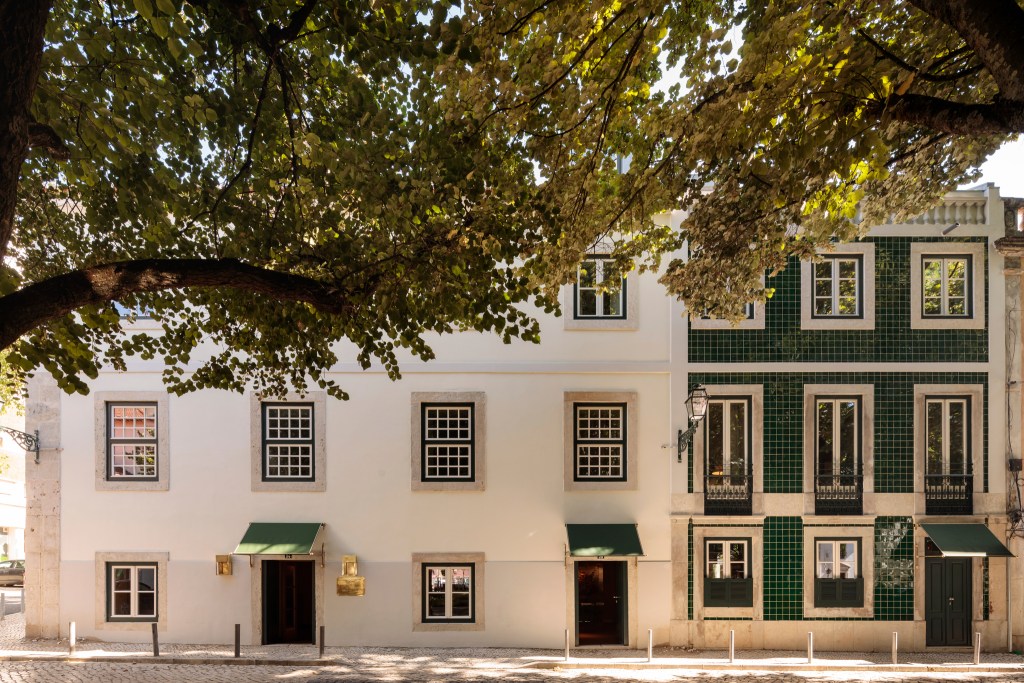
Andaz Lisbon understands that. Open since last spring, the hotel arrives not as a sealed luxury object but as a new interior address for the city’s diverse energies. Set steps from Praça do Comércio, it positions itself inside Lisbon’s history with a design language that is polished but not pretentious, contemporary but not anonymous, and luxurious in a culturally intelligent way. The property is conceived for travelers who want the pleasure of a highly considered hotel while remaining connected to the visual, social and cultural life outside its doors.

Clichés and stereotypes are avoided. Instead of covering every surface with predictable azulejos or turning Portuguese heritage into a decorative theme park, Andaz Lisbon looks to texture, craft and proportion. Lioz limestone, mosaic tiles, cork and mahogany offer a palette that feels local without being nostalgic. These materials are placed in conversation with modern forms and sculptural furniture, conveying a feeling of belonging to Lisbon now.

The whole interior design concept was envisioned and executed by Patricia Urquiola, whose work famously spans architecture, product design, material research and emotional impact. At Andaz Lisbon, her approach delivers enough visual discipline to feel luxurious and enough texture to feel lived in.
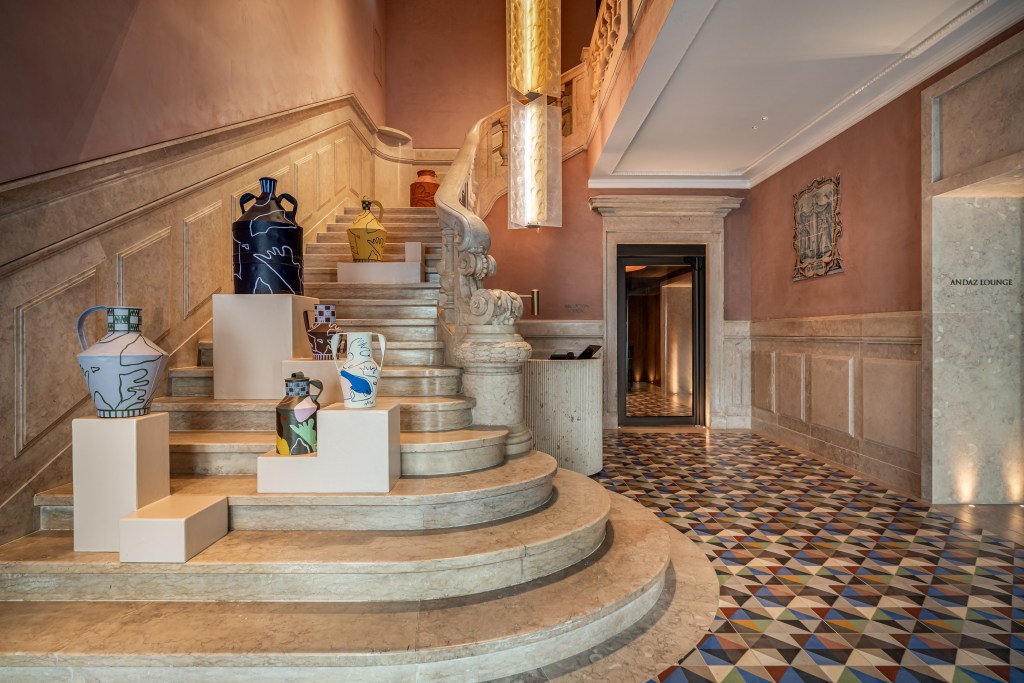
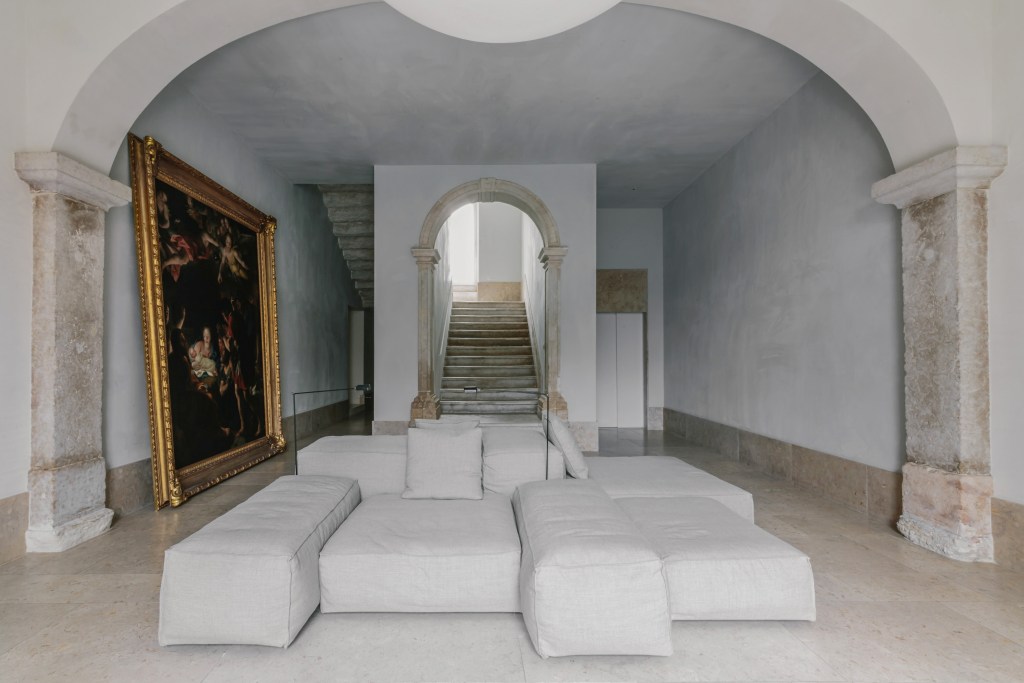
The encounter begins before check-in. A preserved staircase from the original bank building, retained as an architectural fragment rather than erased, is paired with a rare eighteenth-century tile panel of Nossa Senhora da Misericórdia, uncovered during renovation, grounding the lobby in Lisbon’s history. This dialogue between preservation and reinvention starts at reception, where three works by Luísa Ramires combine drawing, textile serigraphy and digital work.

The lobby and Andaz Lounge operate as an urban living room, taking their social cue from Lisbon’s kiosks. Portuguese street food, artisan coffee and local beer make the lounge a genuine meeting point, while Urquiola’s warm design language keeps the mood polished. The corridors become quieter and reflective. Art intentionally changes the pace of moving through the hotel. The 170 guest rooms and suites extend this observational approach. Ranging from 22 to 99 square meters, they present a composed atmosphere. In the suites, guests find curated works by Rosarinho Andrade, Raquel Belli, Alain Richard, De Fio Rugs, Farinha Rosa and Jimmy Millán.

Upstairs, Luzzi—the rooftop restaurant and terrace—presents a modern Lusitanian menu that looks to Portugal’s maritime history and global, culinary influence that is as joyful as the room’s decor. Cocktails, DJ sets and live music turn the terrace into an evening destination that the hotel prides itself on offering not as an exclusive amenity for guests, but as a place also chosen by tasteful Lisboetas.

In the areas around the hotel, lively neighborhoods that shaped Lisbon’s fame with folklore and tradition alternate with the modern rejuvenation of the past decade. Lisbon’s new, elegant outlook reflects tourism-driven displacement and gentrification; however, the Portuguese capital has evolved without betraying its traditional identity. Within walking distance from Andaz are historic bookstores like Livraria Sá da Costa and the 1829-established Confeitaria Nacional, serving delicious custard tarts Pastéis de Nata. Equally close are Bairro Alto—lively by night with bars and restaurants—and Alfama, a steep labyrinth of cobbled alleys and tiled buildings between the castle and the river. There you’ll find Fado Ao Carmo, a great spot for authentic fado. The restaurant draws a mostly international clientele, but the live music is guaranteed to be top-tier, thanks to owners guitarist Luís Guerreiro and singer Rodrigo Costa Félix. If you’re lucky, Costa Félix himself may perform, with his traditionalist approach and warm voice: a mesmerizing delight to enjoy with a glass of Porto wine.

On the other side of the Alfama hill lies Mouraria, less gentrified and less crowded in its tiny, charming streets. Pause for coffee with the area’s elderly residents. Across the city centre, LX Factory is a youthful complex of shops, eateries and galleries in an old factory beneath the iconic bridge.
You might also want to experience Lisbon under a different light, especially if you wish to avoid tourist crowds or already know the landmarks. Andaz’s layered, art-led and high-end design interiors make a strong case for a long weekend centered on vibrant art, craft and culture.
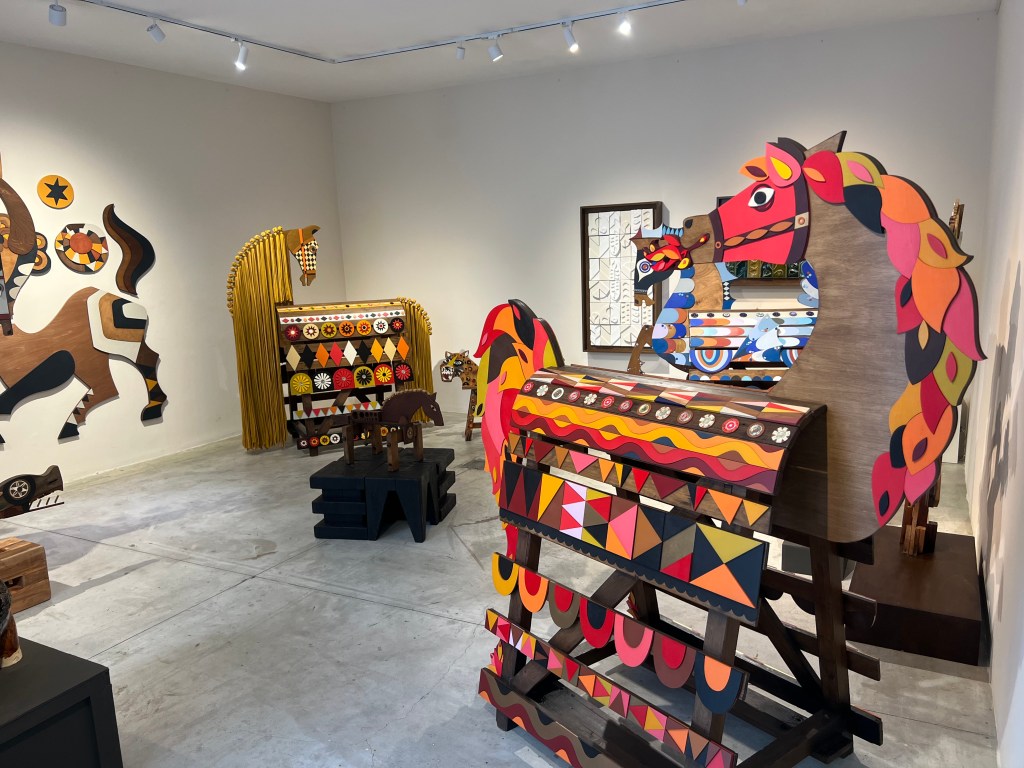
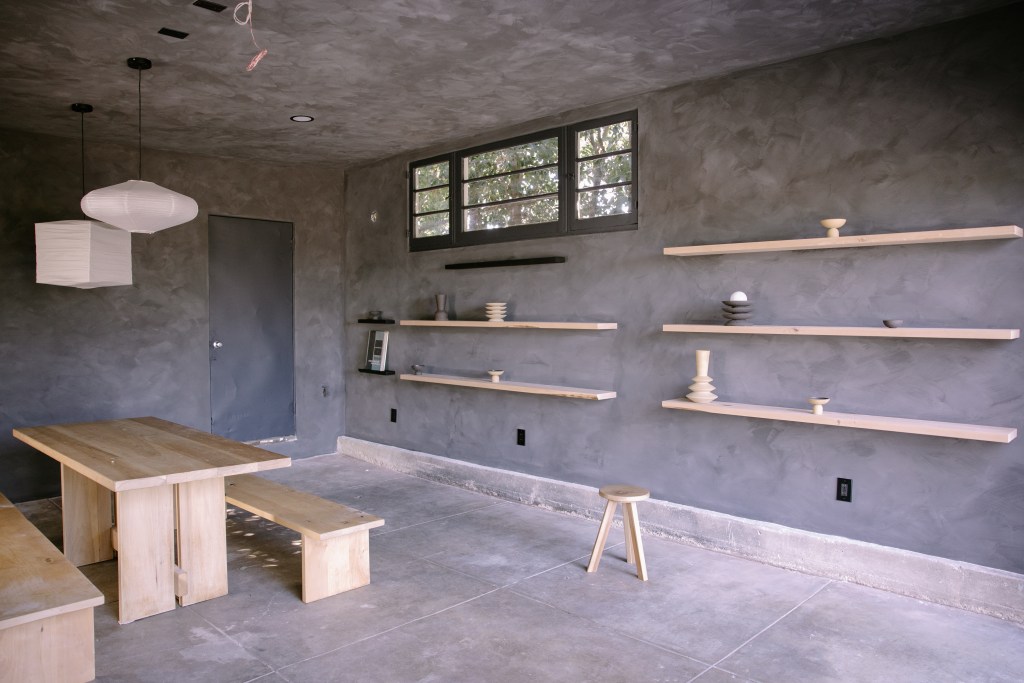
Around the block is MUDE, Lisbon’s Museum of Design. Not far from there, the Santos design district, with its steep streets and old-fashioned trams, hides independent boutiques for pottery (Brus Ceramics), embroidery, and local art. Oficina Marques sits atop the hill walking back toward the center: a glowing artist-run space founded by Gezo Marques and José Aparício Gonçalves. Part studio, gallery, and concept store in a former printing house, it operates as a whimsical cabinet of curiosities, celebrating eclectic craftsmanship with hand-painted ceramics, wooden sculptures, and upcycled artwork.

By day, Bairro Alto hosts stores like Embaixada, a concept gallery in a decaying 19th-century Neo-Moorish palace, featuring young ambassadors of national fashion, craft, art, and gastronomy. Walking downhill to the hotel, seek the hidden upper-floor boutique Clay for modern and traditional pottery. Steps away is Loja da Burel, the retail outlet of Burel Factory, a historic mill that revived 1947 wool-weaving heritage. It crafts sustainable goods from water-resistant mountain wool: colorful accessories, blankets and acoustic decor.

A bit farther from downtown, a museum deserves the fifteen-minute taxi ride for several reasons. The Gulbenkian Museum has just reopened after years of renovation. Set in a park that contrasts lush nature with the rigor of 1969 brutalist buildings, the museum’s interior has been revamped to remain absolutely faithful to its original modernist appearance: wide spaces, iron staircases, wood panelling, carpeted floors, original furniture, and rectangular forms. Inside and out, the museum feels projected into scenes from Kubrick’s A Clockwork Orange or David Cronenberg’s Stereo. The rich Gulbenkian Collection is also worth visiting, with treasures from ancient Egypt to the last century. The museum now includes a contemporary art gallery as well.
Andaz Lisbon’s achievement is a luxury hotel that feels less like an escape from the city than another way of entering it. Staying here turns a visit into a deeper engagement with Lisbon—where design, craft and local rhythm guide a pleasant stay that goes beyond the usual circuit.







What are your thoughts?