Byraph Builds a Home for the Unattainable in Flatiron
Raphael Badalov, the dealer behind the $1 million Karl Lagerfeld Chrome Hearts sale, opens a 7,000-square-foot showroom designed to feel like a collector’s apartment
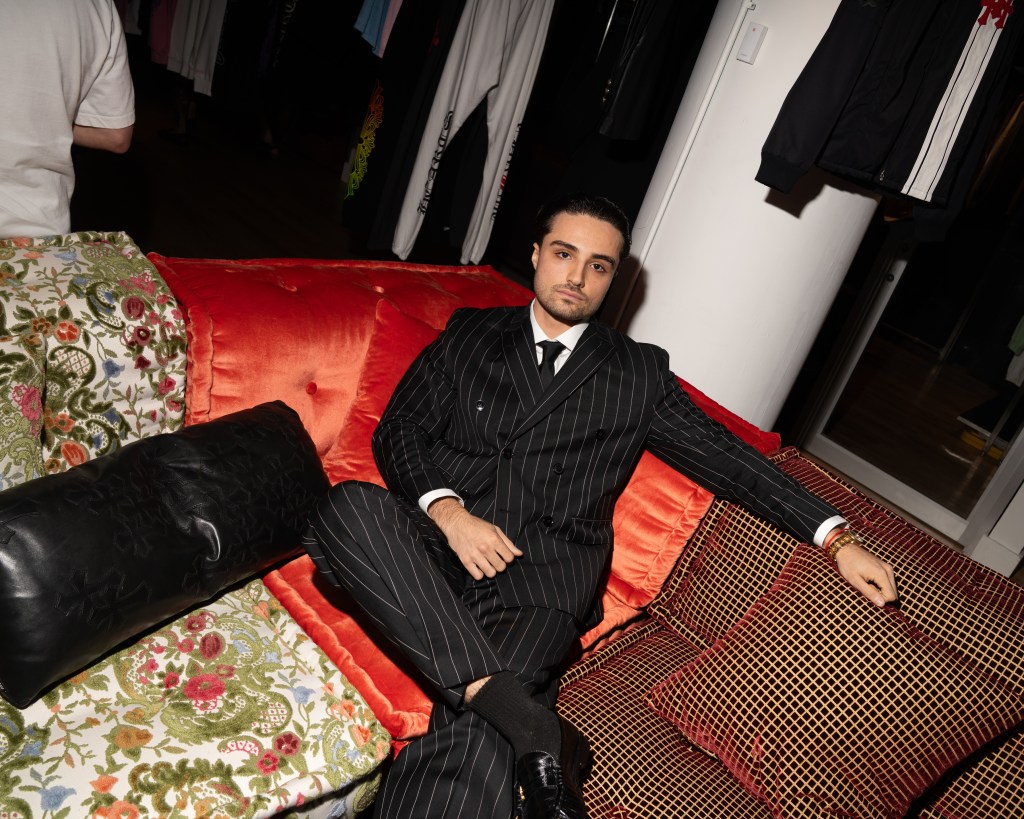
A 7,000-square-foot apartment opens in Flatiron this month with a bar, lounge, Persian rugs and a vitrine of one-of-one belts, and nobody will live there. It belongs to Byraph, the private dealership Raphael Badalov founded at 18, and it was built on a single idea: that a serious client deserves a room, a drink and someone who will sit down and explain exactly what they’re looking at.
Badalov started the company in 2022 by selling knowledge before he sold anything else: how production years differ, what a serial number tells you, how to spot a fake. The audience came before the inventory. Four years later, Byraph operates as a private dealer for collectors, celebrities and international trading houses, and every piece is bought outright and authenticated before it is offered.
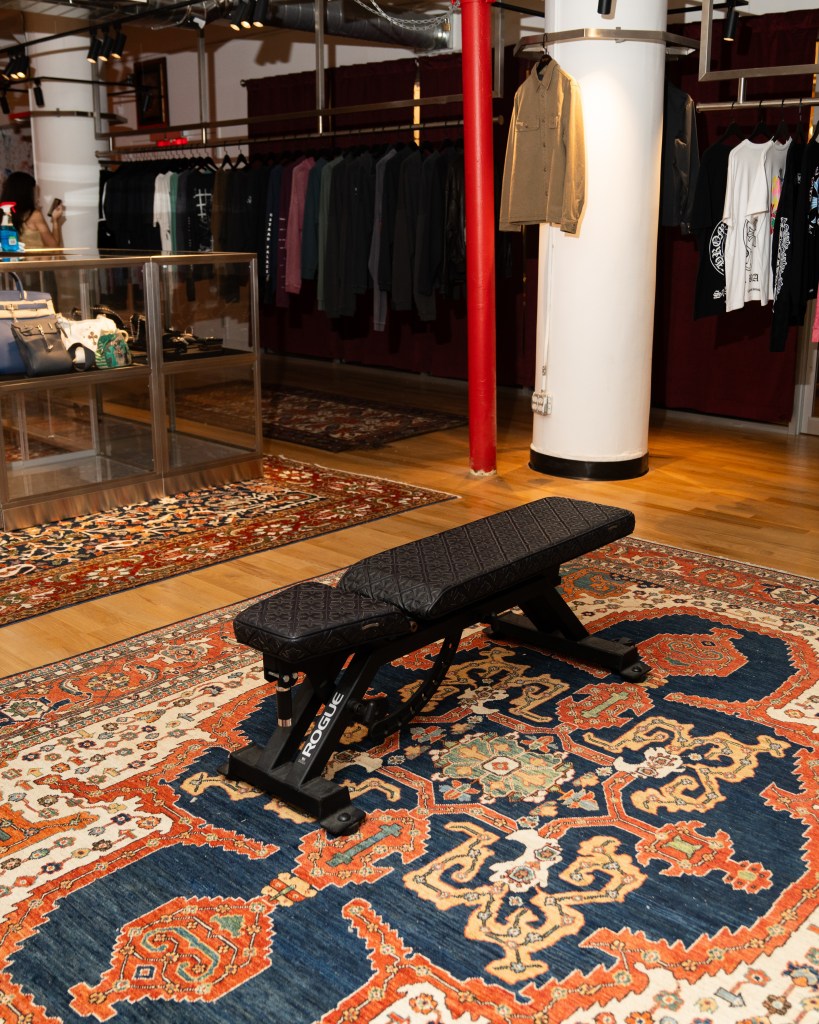
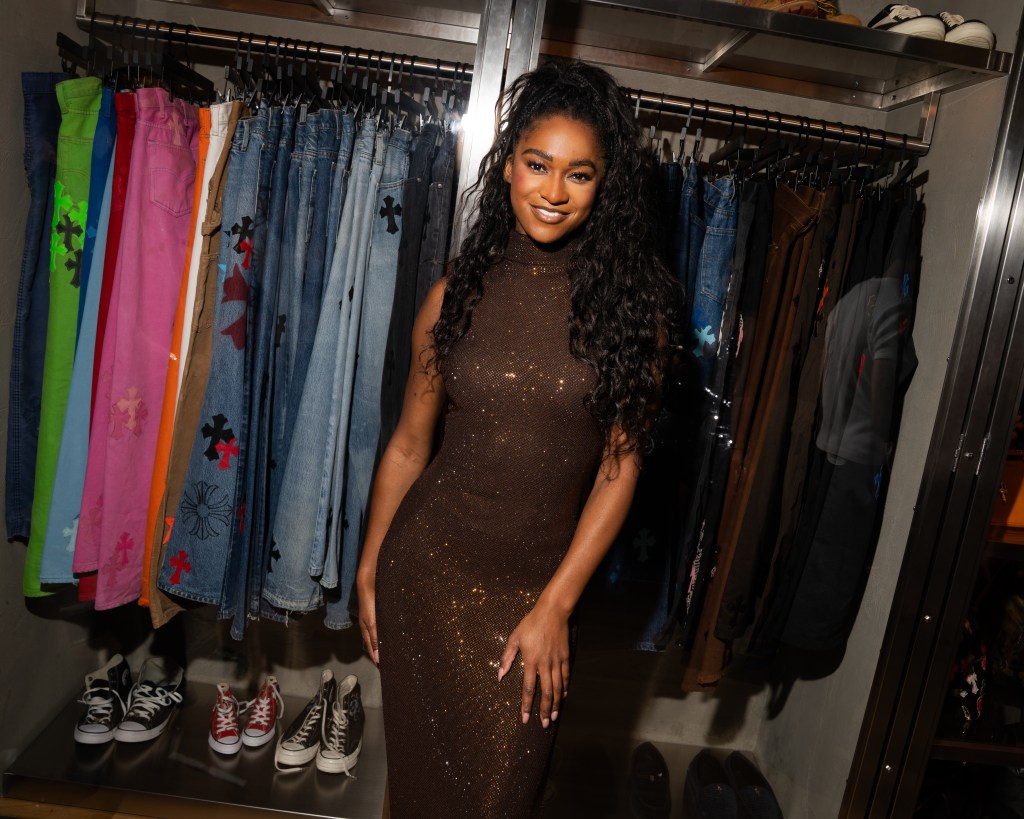
The scale of what moves through the operation has changed quickly. Earlier this year Byraph handled the sale of 13 pieces from Karl Lagerfeld’s personal Chrome Hearts collection for more than $1 million. A one-of-one Chrome Hearts x Patek Philippe pocket watch sold for $350,000. A Chrome Hearts bench was bought in Hong Kong for $600,000. Badalov, who is 22, sees all of it as what happens when one dealer can tell buyers, with certainty, what they are looking at.
“Being the authority feels good because it’s very easy to do the opposite,” he tells us. “You can run a quick scam, sell fakes, overcharge, take advantage of the fact that Chrome Hearts is an anomaly of a brand and most people can’t tell what they’re looking at. I’ve got love for the game.” The shortcuts are always available, and he counts declining them as the work itself.
The Lagerfeld deal is the clearest example of how he makes it. He calls it a unicorn, the kind of lot that surfaces rarely and arrives wrapped in a story, and he treats the story as an invitation to look. “99 percent of the decisions I’ve made in this business started on intuition. That’s what gets me to look at something. It’s not what closes it,” he says. Closing takes research, and in this case the research had a specific problem to solve. Chrome Hearts craftsmanship is detailed enough that the pieces themselves were never in question; the difficulty was separating a regular client’s gold from Karl’s, since Lagerfeld’s estate went through several sales and that material is in circulation.
“The necklace in the lot is one he was photographed wearing,” Badalov says. “There was also an American flag belt buckle, numbered three of 11, covered in precious stones. And once I did the research, multiple other pieces in the lot turned out to have been seen on him too. That’s what made the call.” He is equally specific about what would have sent him home: a lot priced too cheap, gold that weighed wrong, a seller unwilling to give his team the time to authenticate in person. On the day it closed, the buyer from a Japanese trading house, the seller and Joseph Shvarts, Byraph’s president of sales, gathered in the New York showroom. Badalov ran it from Hong Kong at four in the morning.
In America the market just hasn’t been built for the buyer yet. Nobody’s given him a way to know what he’s looking at. That’s why I opened a massive store here.
Raphael Badalov, Byraph founder
That Hong Kong detail matters, because his biggest deals have happened in Asia and he has been candid about why. Japan pays more for Chrome Hearts because the market there is developed. “There aren’t random Instagram resellers dumping fake one-of-one jeans for dirt cheap,” he says. “There are systems, protocols, tight-knit communities of buyers and sellers with a deep love for the culture.” His reference point is Rinkan, a Japanese company dealing primarily in Chrome Hearts that he says grossed more than $150 million last year. If one brand can support that, he says, this is a category, and a durable one, and the way it dies is by leaving American buyers uneducated.

The Flatiron space is his answer to that, and he signed the lease on his 22nd birthday and says it was more grandiose than it needed to be. New York is home, and he has been around the city’s streetwear scene for as long as he can remember. “I built the showroom the way I used to dream about what this city was missing, and then took it further,” he says. “I built a home for the unattainable. Somewhere people come in and unwind, spend time, ask questions.” What he is selling is undivided attention, and that requires a room.
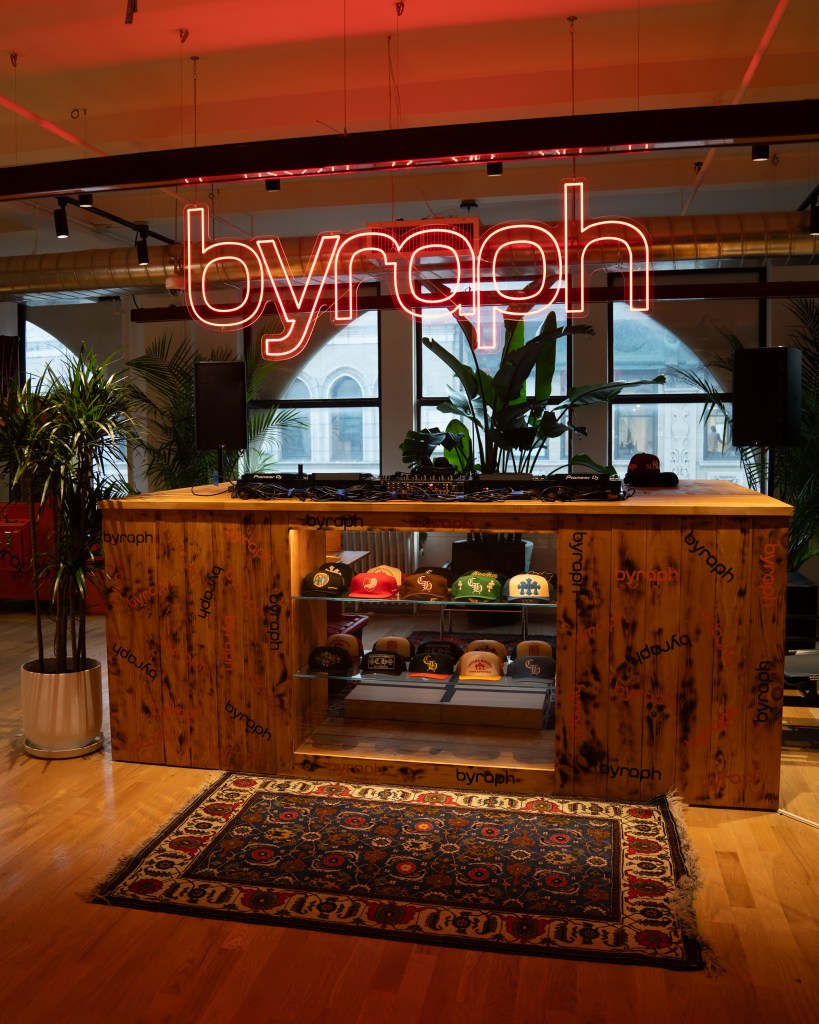
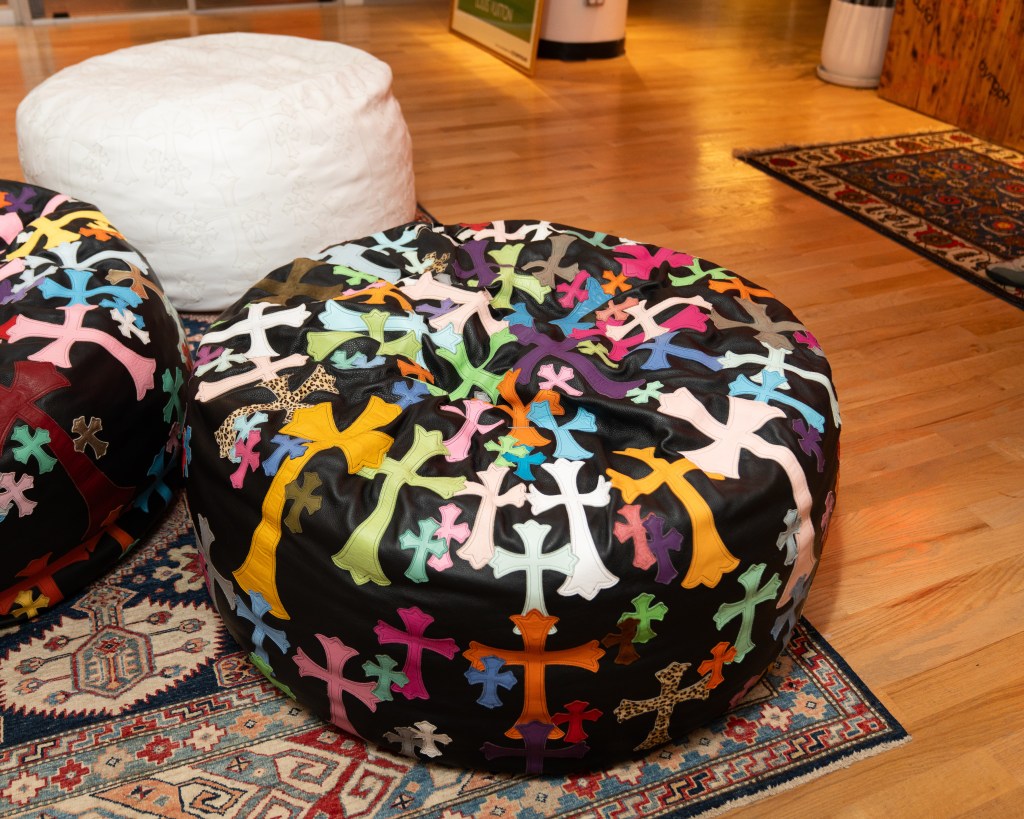
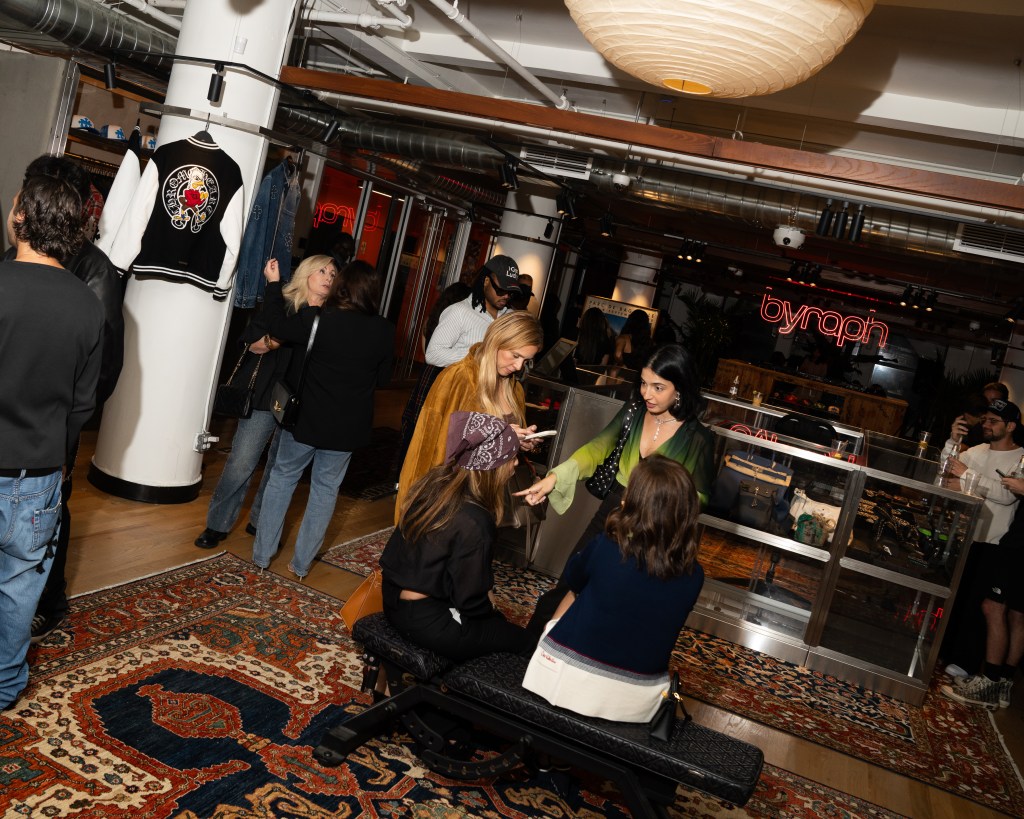
The layout follows the apartment idea closely. A display wall, a lounge, a bar and a rotating vitrine sit on Persian rugs Badalov sourced himself, a choice rooted in his upbringing in a Persian-Jewish household and a lifelong attachment to the form. “Rugs are warm, they’re homey, they’re playful,” he says. Warmth matters here because the whole premise depends on people staying long enough to ask questions. The bar sits with the rugs and the main lounge as one cohesive room, and a work by Matt DiGiacomo hangs in a VIP room closed to the public. At opening the vitrine holds around 30 belts—several of them one-of-ones—and more than 20 wallet chains, chosen for how they read under glass. Roughly 60 percent of what is in the store never appears on the website.
The client he has in mind is young, newly moneyed and excited, sometimes using clothes as an outlet, sometimes chasing whatever the latest rapper wore. “Our job is to help them make a decision that feels good in their heart, because that’s how you actually develop a client,” he says. “Popping out in something you genuinely like is a different thing, and that’s the mission.” A collection that holds value, in his view, is built one honest purchase at a time, and the room exists to slow that purchase down.
As for how high the category goes, he sees no ceiling. Chrome Hearts has put solid gold hardware on jeans that retail for $100,000, and he once handled a solid gold toilet plunger priced at $30,000. Some pieces have comps. Others come down to rarity, resale and desire. The risk he watches for is complacency, so his own wish list moves with his mood. Right now he wants to finish the city jeans set, with Hong Kong, Tokyo, Paris and St. Barths still missing. The larger ambition sits outside Chrome Hearts entirely: taking everything Byraph has learned about running an operation this strict and pointing it at vintage.
Badalov is betting that in a category built on things most people cannot read, trust is the scarcest piece in the room—and now it has an address.




What are your thoughts?