Apple HomeView Opens Up Before It Gets Personal
A countertop display with an iMac G4 silhouette flips Apple’s usual security model, serving everyone at home before it recognizes anyone in particular
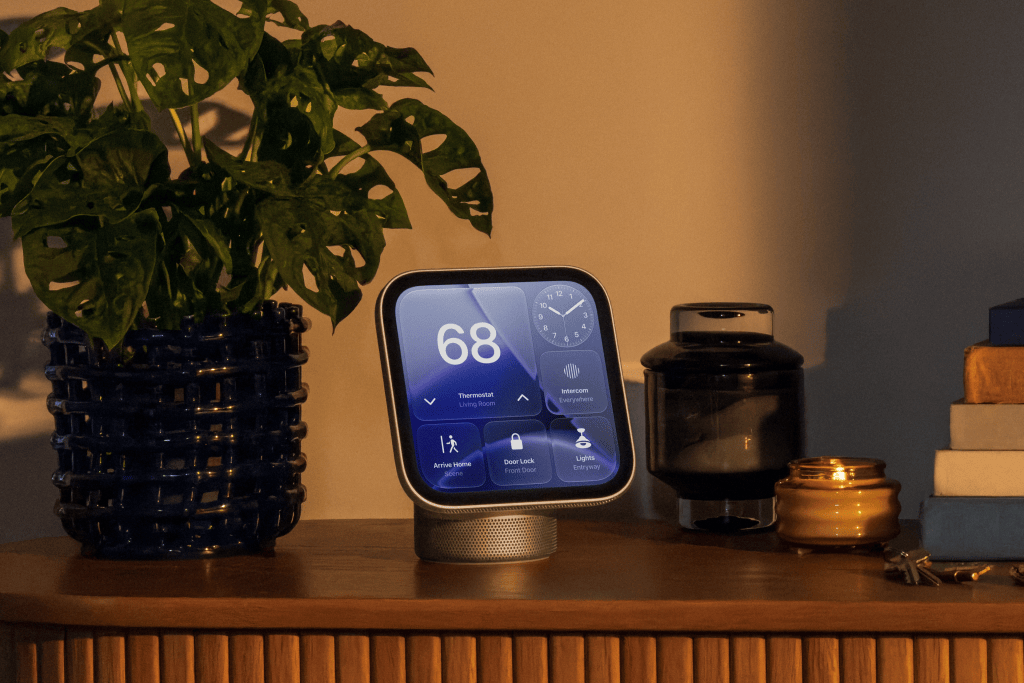
Apple‘s first smart display, HomeView, is available now for $299: a seven-inch screen on a stainless steel hinge above a domed speaker base, built to serve a household in common and each member in private. Its silhouette is a poetic reference to the 2002 iMac G4, whose flat panel floated on a polished arm above a white hemisphere. HomeView recognizes up to six faces, trading a shared clock face for a personal home screen when one of them comes close, and it brings Siri AI’s conversational skills to our kitchen counter where the household’s logistics tend to pile up. After some time with a review unit, we find it about as useful as a HomePod, with a screen as the added benefit.

The object distills Apple’s design vocabulary into something closer to an appliance than gadgetry. The Liquid Retina display tilts on its hinge above an aluminum base offered in silver, starlight, rose pink or space gray. Two full-range drivers sit in the display while a down-firing woofer and two force-cancelling passive radiators fill the dome, and brightness slides from 500 nits down to 0.3, a floor Apple told us is the dimmest it has engineered. On our kitchen counter it looks entirely at ease, and we love its audio quality—its room-filling presence feels impossible for such a small device. The display feels small, yet it suits our needs and the space where we keep it.
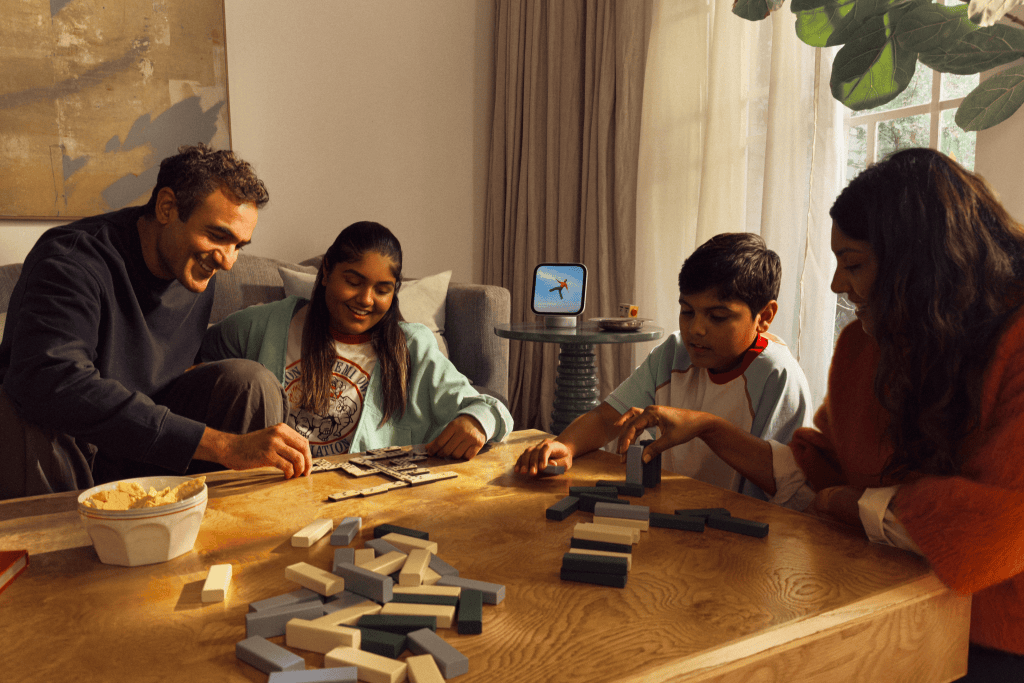
The most interesting idea inverts the logic of every other device Apple makes. An iPhone, iPad or Mac stays locked until it authenticates its owner, then belongs to that one person. HomeView is open by design: anyone in the room can set a timer, check the weather, queue music or dim the lights, and authentication steps in only when things get personal. Messages, Calendar and Reminders appear once an enrolled member’s face is recognized and their iPhone is nearby and recently unlocked. Camera and microphone data behind that recognition are processed in Secure Exclaves on the A18 chip, which Apple says neither HomeView’s software nor the company itself can access.
Siri AI carries most of the experience. It follows multi-step questions without making you repeat yourself, draws context from a paired Apple Intelligence iPhone and turns a recipe found in Safari into step-by-step instructions with hands-free timers. The Home Camera face streams up to nine feeds at once, and HomeKit and Matter accessories answer to a tap or a voice command. In practice, we lean most on the on-screen buttons for our go-to HomeKit lighting scenes and on having recipes and conversions right where we cook. Among the home screens, Snoopy is our obvious favorite.
A wall-mounted HomeView, also $299 in space gray and silver, installs on three Schneider Home mounts starting at $59.95, with a Power over Ethernet option arriving in early 2027. Each tabletop model comes with a cable finished to match its base, a small courtesy that keeps the cord from reading as an afterthought on a kitchen counter.








What are your thoughts?