La Cabra Coffee Opens at Lantern House In Chelsea
The Danish coffee company widens their New York City footprint
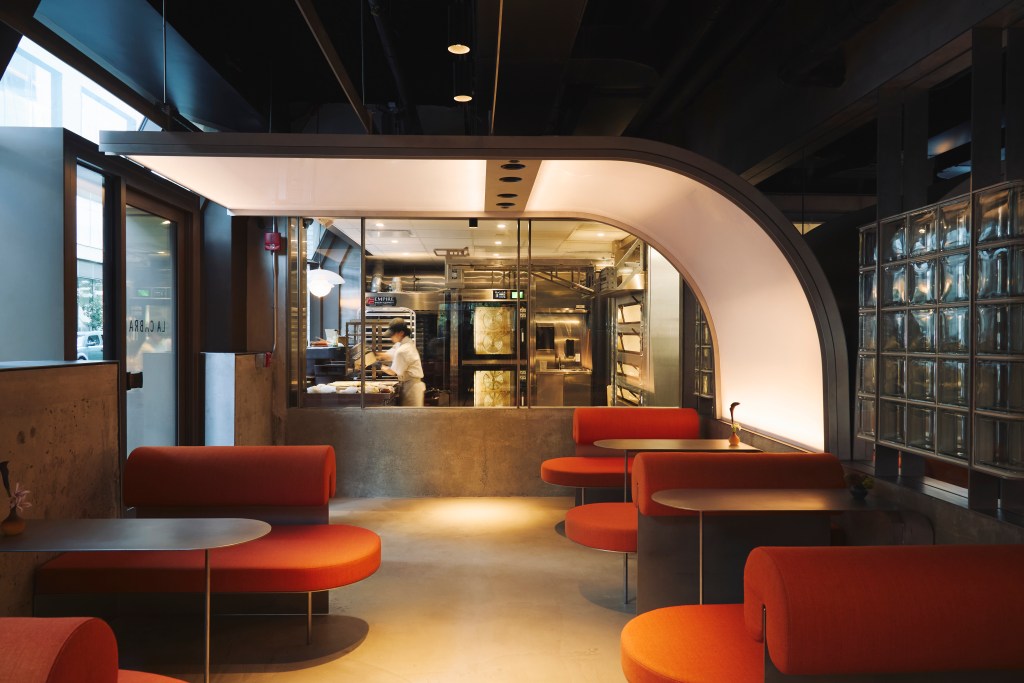
Last month, La Cabra Coffee debuted its New York flagship café at Lantern House, under The High Line, a residential development in Chelsea. Led by founder Esben Piper, the award-winning Danish coffee company brings a taste of Scandinavian coffee culture to New York. The company opened its first New York café on 2nd Avenue in the East Village in 2021, later adding a café on Lafayette in Soho and a roastery in Bushwick. COOL HUNTING spoke with Piper and La Cabra’s in-house architect Mikkel Selmer about how they envisioned the newest café and why La Cabra remains committed to being part of New York’s coffee scene.
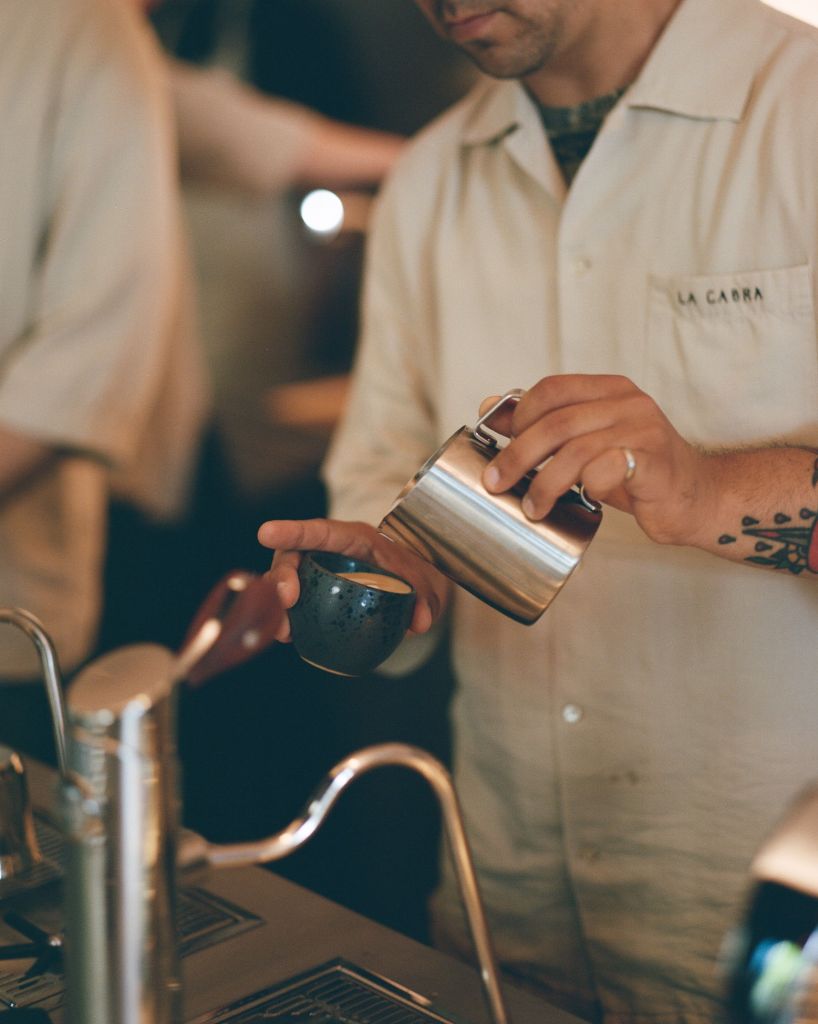
Piper first visited New York 12 years ago. He remembers walking around and imagining opening a café in the city, even though it felt far away from the company’s origins in Arhuus and Copenhagen. “In New York, there is always something that makes me reconsider my own approach,” says Piper. “Having lived here and built a team here, it has now become much more personal. Each new location is an opportunity to explore another side of the city and develop what we do. With the backdrop of so many cultures and great colleges it feels like a dream to continue to grow here.”
Piper was intrigued by the opportunity to open a flagship in the Lantern Building, even though it felt different from what he believed people might expect from La Cabra. “The interesting question was how we could create something that belonged in this building while still feeling like us,” he says. “Our Scandinavian roots are still there, but we are increasingly also becoming more open to the influences we encounter through working in other cultures.”
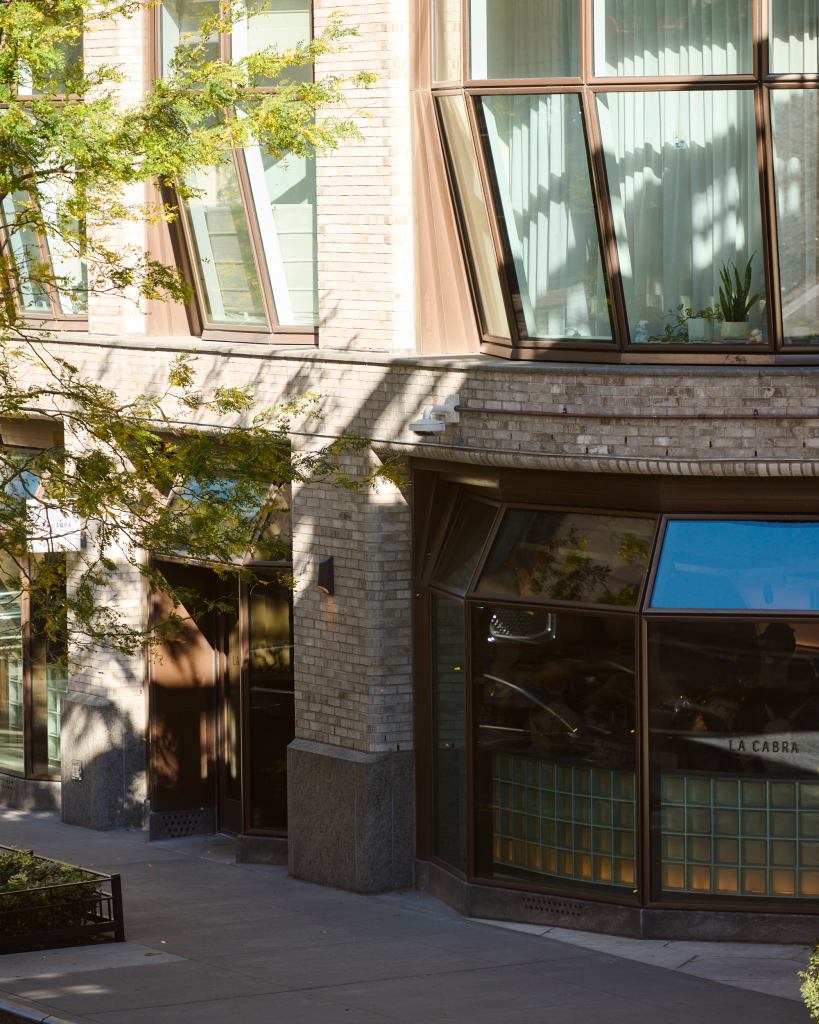
Lantern House’s two towers, designed by Heatherwick Studio in 2021, flank The High Line. The facades feature glass panes, vertical metal mullions and brick that evokes the Chelsea neighborhood’s industrial heritage. The lobby is slung between east and west, pierced by massive railway columns with the retail spaces at street level. Being by The High Line means that many people may discover La Cabra for the first time. “We strive to become part of people’s everyday lives in the neighborhood,” says Piper. “Someone coming back for their morning coffee will always matter a lot to me.” Now that the new café is open, Piper says he feels a mixture of relief and excitement.
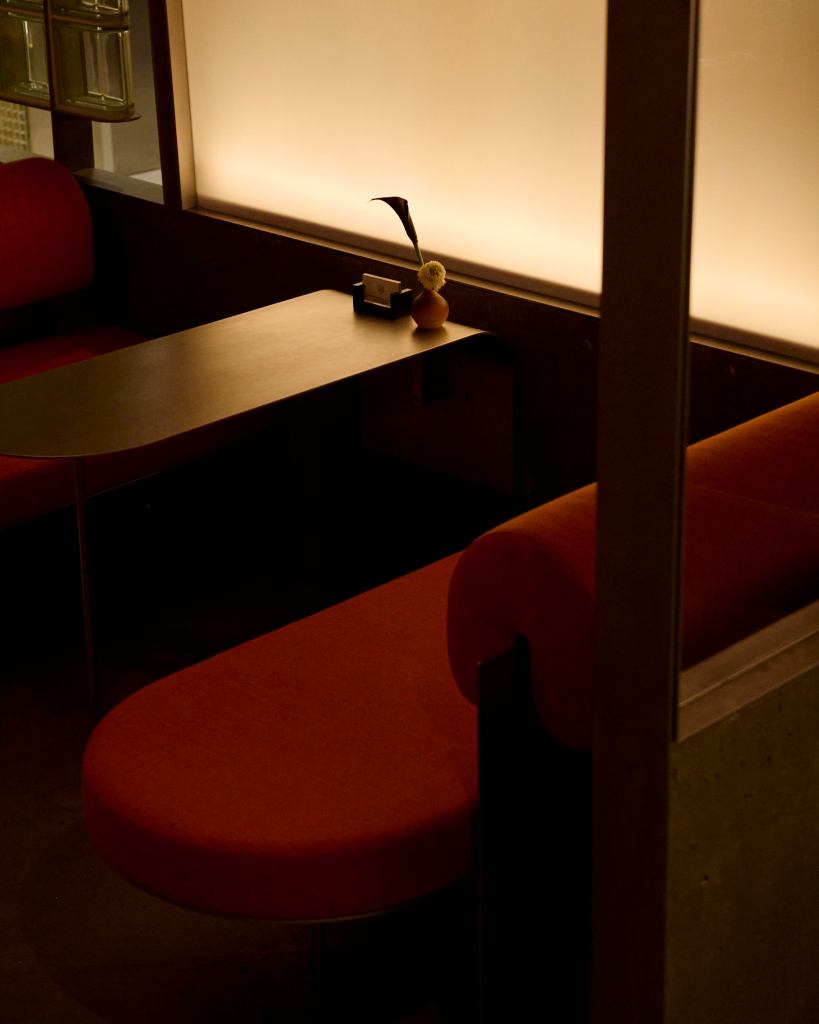
With Lantern House directly beneath the High Line, being able to see the tracks and the railway became an important reference for the project. Walking into the café reveals a variety of materials from wood and stone to metal and fabric. References to renowned Danish designer Nanna Ditzel’s textile work became an important reference for Selmer and the design team’s project. “I made the first sketches on a Danish IC3 train,” says Selmer, “and somewhere in that process the train found its way into the design. You can see it in the curves, the furniture and even the upholstery, which references a textile originally designed by Nanna Ditzel for the same train.”
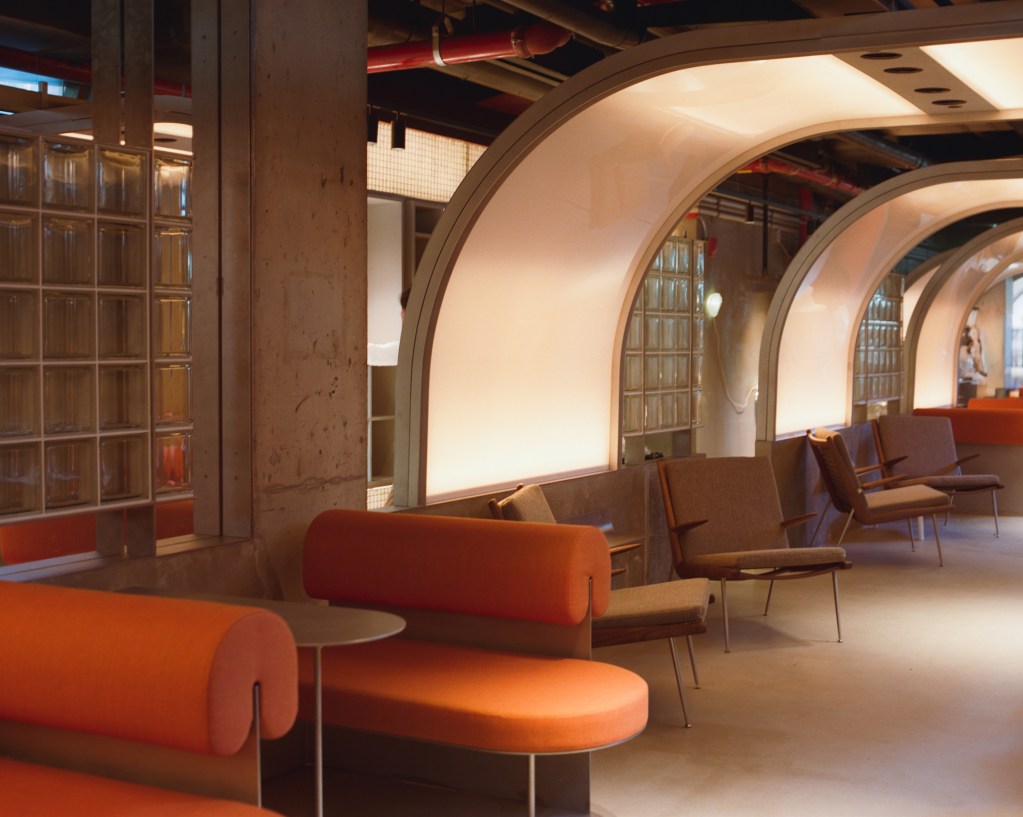
Some of the unusual details of the space include a large flood wall and exposed ductwork. Rather than hiding these elements, Selmer focused on design elements reacting to the space. The flood wall now carries the furniture, creating a room within a room, while the pipes and ducts became part of the composition. “I’ve always found Heatherwick’s work interesting, particularly his ability to create places that invite people to explore,” says Selmer. His design team found inspiration during a visit to Little Island, a section of the Hudson River park also designed by Heatherwick Studios.
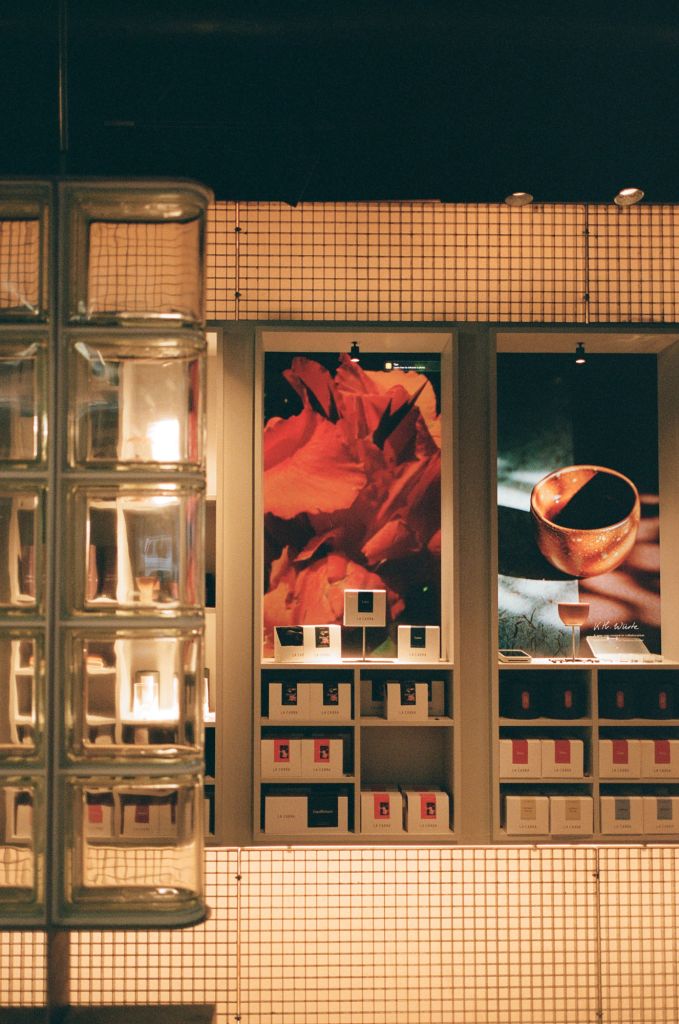
“For Lantern House, we talked about adding light to the lantern,” says Selmer. Planning the lighting design became an important part of the café experience. “We worked with layers of light and shadow, allowing certain elements to stand out while others almost disappear.”
While their cafés in Denmark and around the world—locations include Oman, Bangkok, Madrid and soon to open in CDMX—do not look the same, Selmer and Piper feel strongly that they should all still feel like La Cabra. Each project starts with identifying a location, studying the history of the space and considering practical conditions.
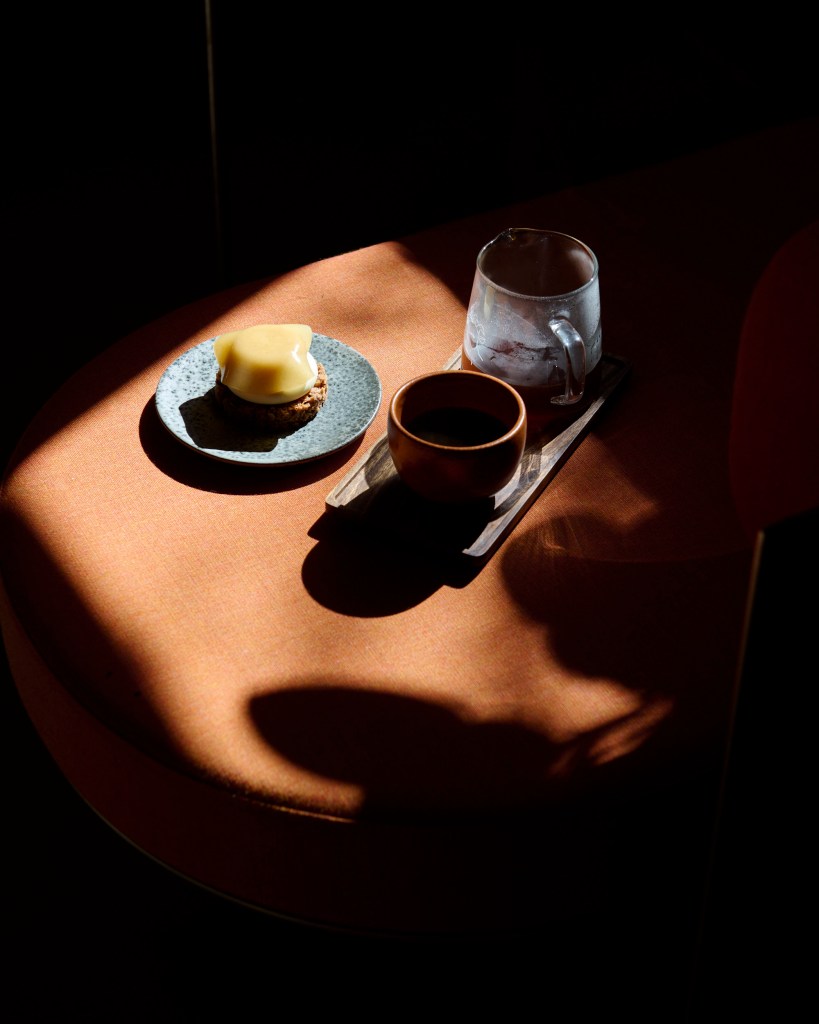
“We work with those through our own architectural language,” says Selmer. “What remains consistent is the attention we give to the experience. Light, acoustics, materials and proportions all influence how you experience a space and ultimately, the coffee,” explains Selmer. “We try to create an environment where people feel comfortable and where the architecture supports the experience rather than competing with it.”
Selmer is excited about the new addition to the La Cabra cafés, saying “I’m quite proud that everyone at La Cabra is willing to push the boundaries of what a café can look like. Lantern House is probably our most unusual space so far, but it came out of the same process as our other cafés.” Looking at the result, the visual elements remind Selmer of Blade Runner, a surprising association to make with a Scandinavian coffee shop. “I really like that,” he says. “We didn’t know exactly what the space would look like when we started. We worked with what was there, followed the ideas that came out of it, and ended up somewhere quite unexpected.”

In each café, pour-over coffees, espresso drinks and Kettl matcha are served alongside their house made cardamom buns, viennoiserie and sourdough bread. Current rare coffee offerings include a washed and a natural Geisha from Jose Luis Chevas in Panama and seasonal exclusive microlots. The new space’s retail area sells a special Lantern House Cup, made in collaboration with K.H. Würtz in Denmark.
Reflecting on the experience, Piper feels hopeful. “There’s something very special about seeing people settle into a space you have spent so long thinking about,” he says. “Until then, you are imagining how it might feel, which I have done a lot over the past year. Once the team is working and people are sitting together over coffee, you can finally begin to experience it. That’s usually when I can step back a little and enjoy what we’ve made.”







What are your thoughts?