PARKSEOBO MUSEUM Opens in Seoul, Where Legacy is Drawn in a Line
The new museum, next to the Yeonhui-dong studio where Seo-Bo lived and worked, incorporates nature and honors his artistic values with its first exhibition
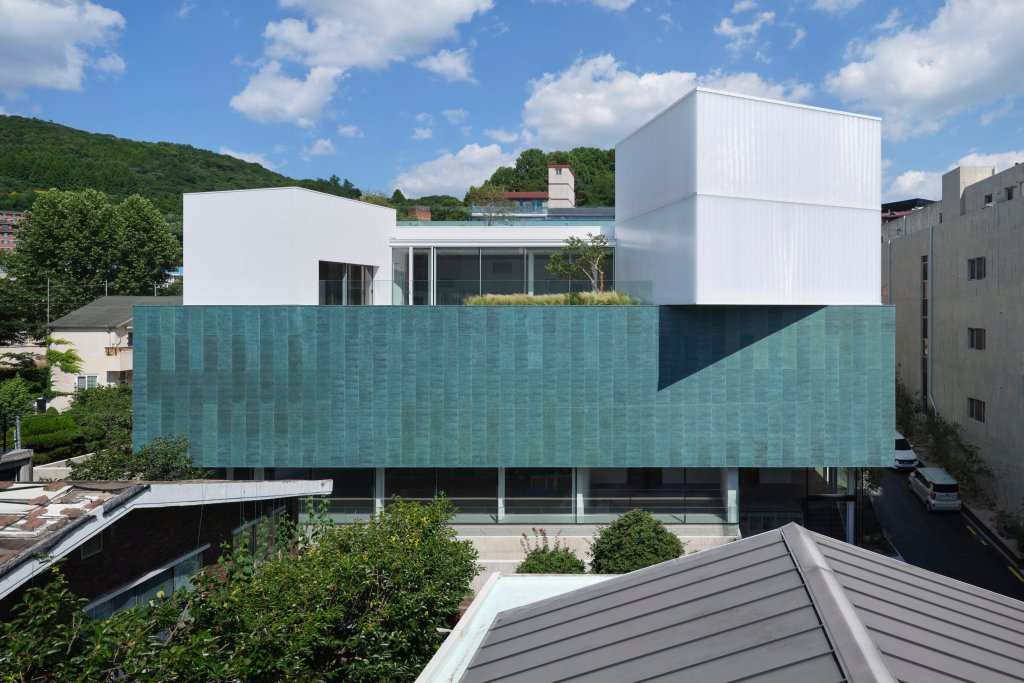
For months, a line was drawn, followed by the next, each gesture slowly gathering thickness as time settled upon the surface. Somewhere along its course, artist Park Seo-Bo would stop. A moment to breathe, before continuing.
These interruptions were considered before the work began. Small openings were left between the marks, what came to be understood as breathing holes, intervals in which the continuity of the hand surrendered itself briefly to absence, for Seo-Bo would hold his breath through the movement and release it upon reaching the place he had reserved for himself. What appeared to contain nothing was therefore never without purpose; the pause made continuation possible.
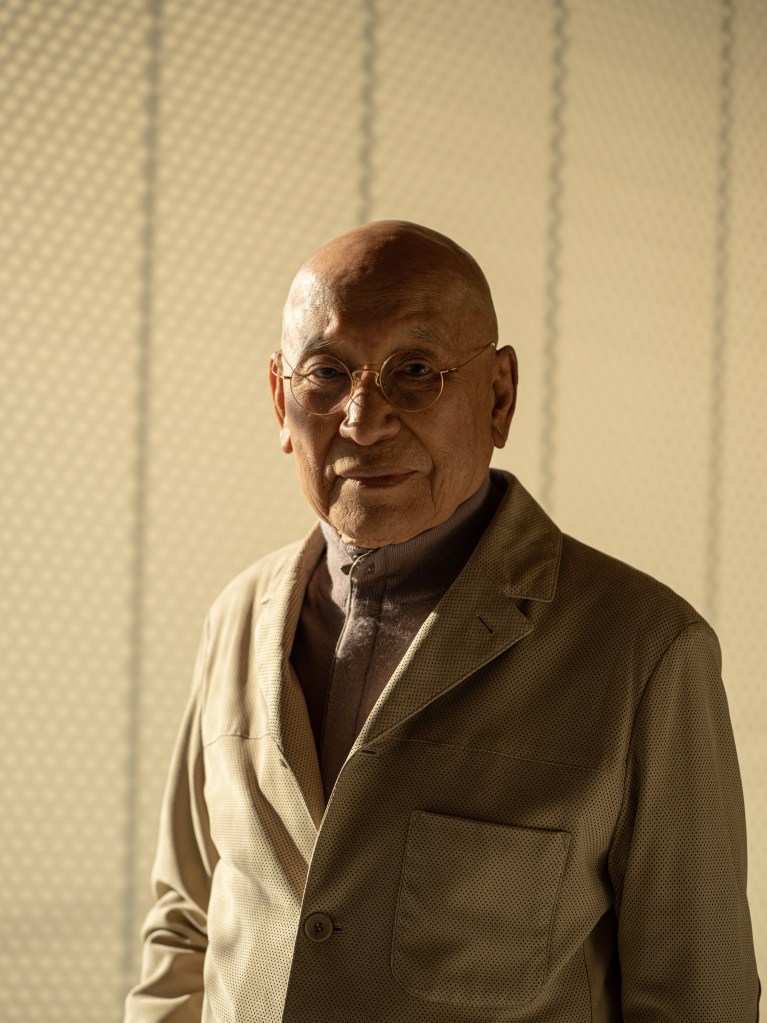
It was difficult not to think of this while walking through the newly opened PARKSEOBO MUSEUM in Yeonhui-dong, Korea, where interruption seemed to have moved beyond the canvas.
A wall ended and a garden appeared; a passage narrowed before releasing itself towards daylight; windows and doorways arrived with peculiar precision between moments of density, until it became difficult to know whether the architecture had been built around the works or whether something that had existed quietly within them for decades had simply travelled beyond their edges and entered the building. There was, everywhere, room left to breathe. Perhaps this was intentional.
Perhaps intentionality was precisely the point, because Seo-Bo’s practice, despite the deceptive regularity of its appearance, was never mechanical. Months existed within those surfaces, together with the body that produced them, its discipline, fatigue, restraint and knowledge of when to stop. The interval between two gestures carried as much consideration as either side of it.
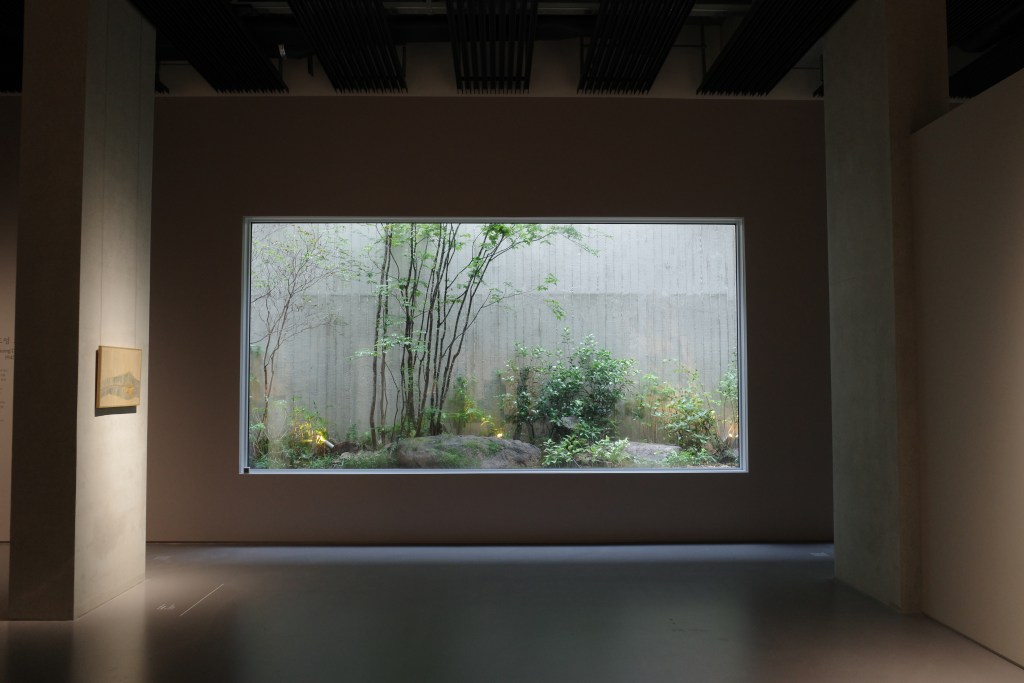
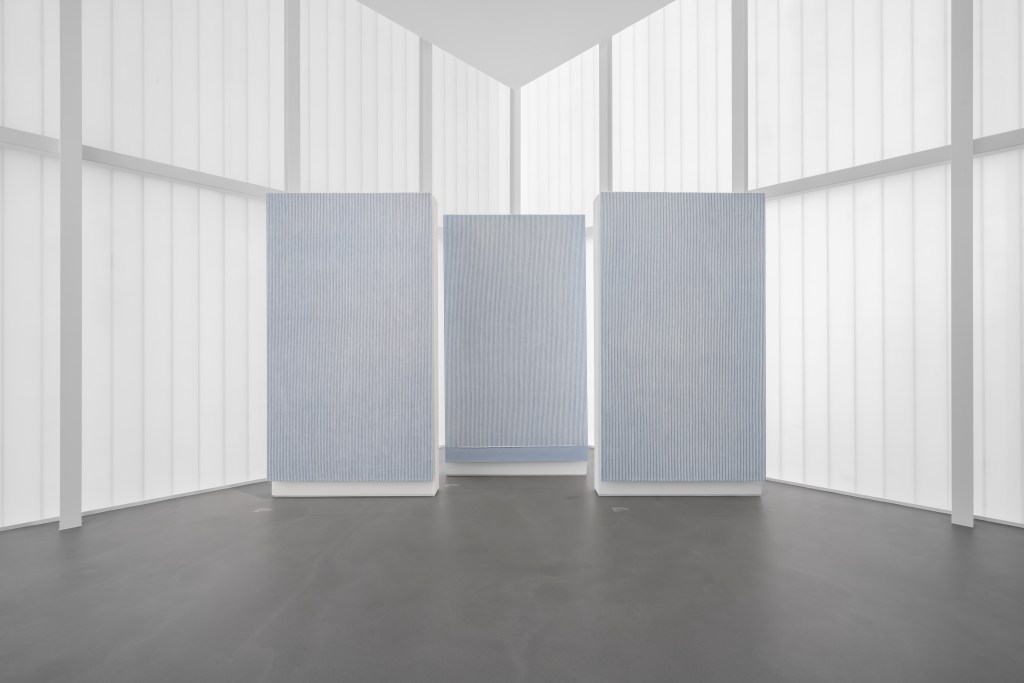
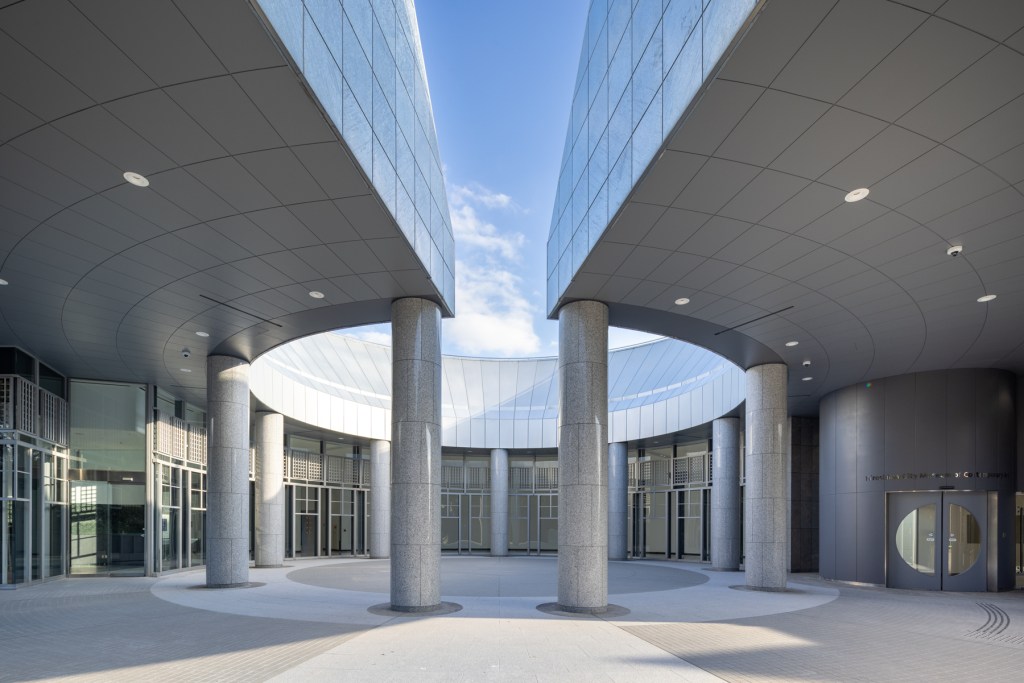
Designed by Choi Moongyu and completed after approximately three years of construction, the museum occupies five levels beside the Yeonhui-dong studio where Seo-Bo lived and worked. Small gardens accompany its different floors, interrupting the interior with glimpses of nature, while above them the third-floor CUBE rises eight metres beneath translucent glass, drawing daylight into a volume whose scale might otherwise have suggested enclosure. Artwork, architecture and the world outside are brought close without being asked to dissolve into one another. Standing there, between the studio where his hands once worked and the institution that now carries his name, another absence inevitably enters the room: that of the artist himself.
What does one place inside the void left by an artist? A museum could easy fill it with objects, photographs, letters and chronology until almost nothing remained of the person’s departure at all. Yet PARKSEOBO MUSEUM resists this direction. The Foundation does not describe it as a memorial dedicated to the conservation and display of a single body of work, but as a cultural platform so Seo-Bo’s artistic values and educational spirit may continue through exhibitions, research, education and encounters between younger generations and the wider world.
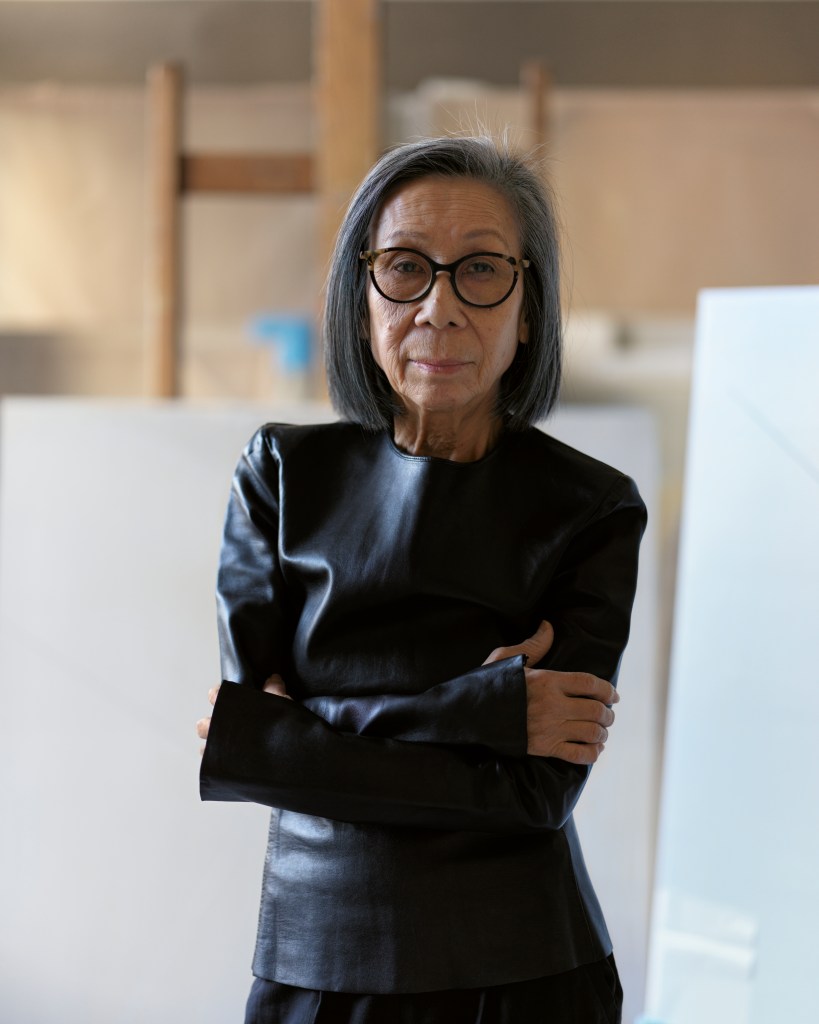
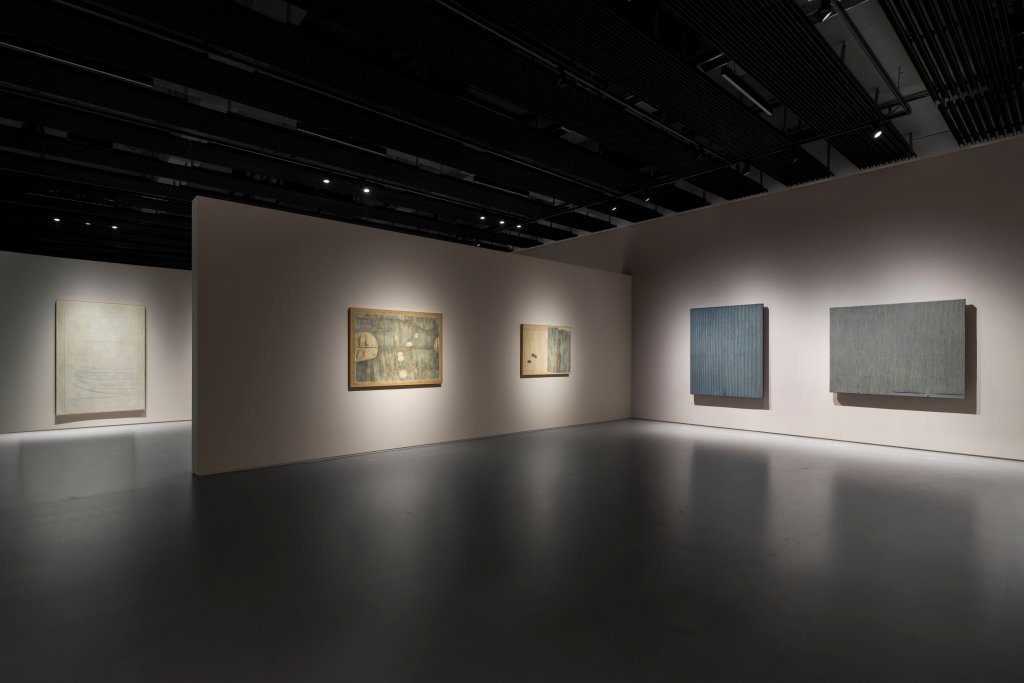
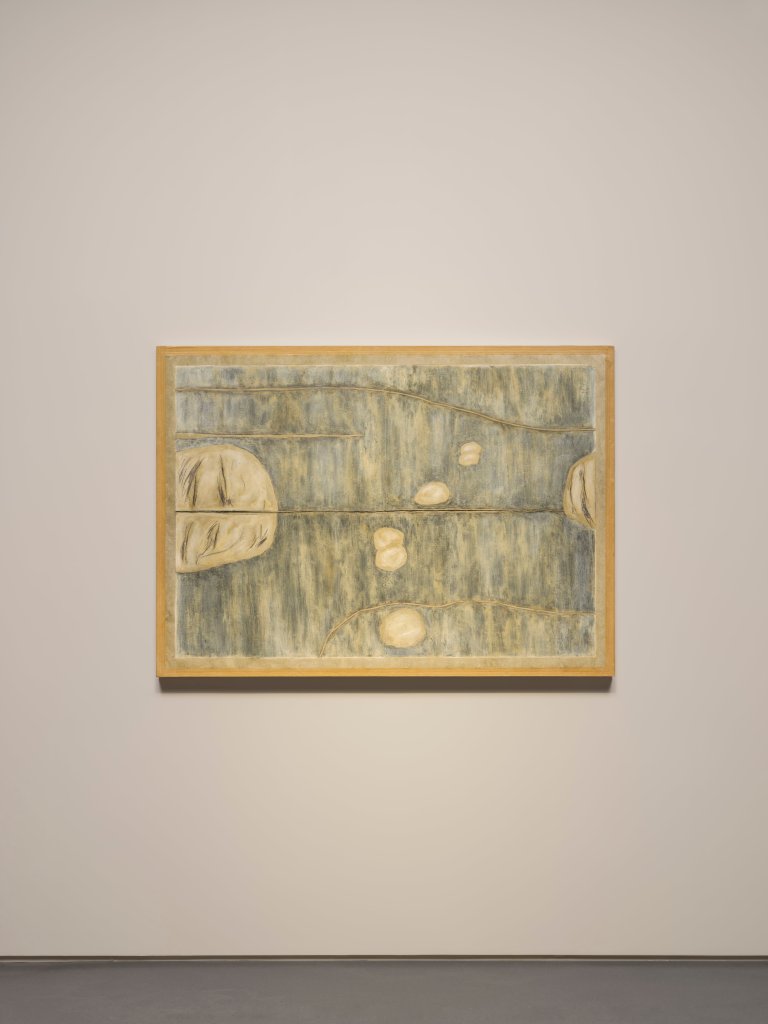
Its first exhibition makes that position immediately visible. Rather than opening with Seo-Bo’s work alone, Park Seo-Bo & Huong Dodinh: Emptiness Fullness places 25 of his works beside 17 by Huong Dodinh, the Vietnamese-born artist who has spent most of her career in France. Their histories, cultures and materials originate at considerable distances from one another, yet somewhere between them lies a shared pursuit: the possibility that fullness might be reached not through addition, but through the gradual removal of what is unnecessary.
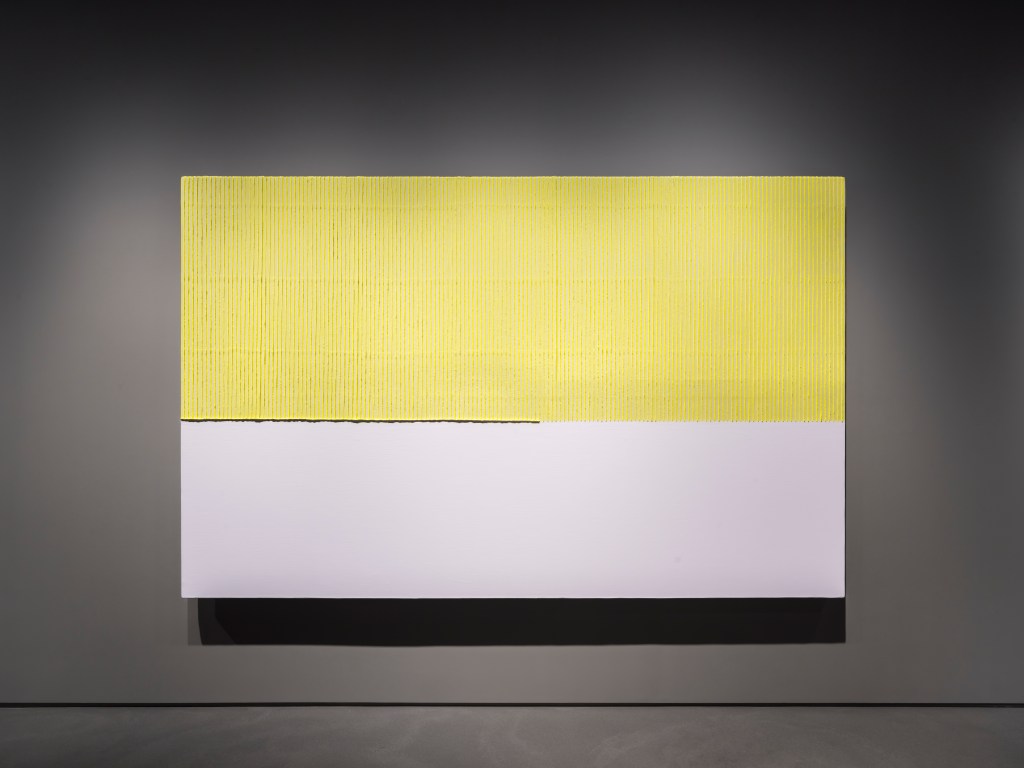
Seo-Bo drew and pushed repeated marks across water-soaked hanji; Dodinh built her surfaces through dozens of applications of mineral pigment until light appeared almost to emerge from within. One proceeded through gesture, the other through layering, though both arrived at a peculiar contradiction in which accumulation became a means of reduction, and restraint produced a density greater than excess could have offered.
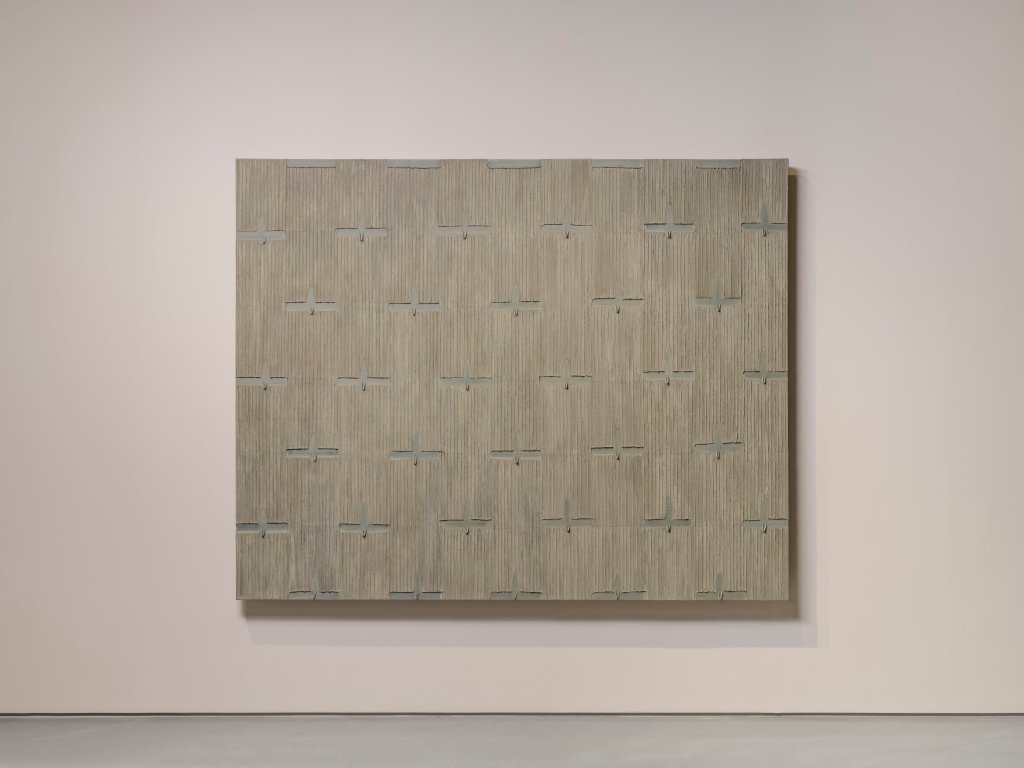
The exhibition carries this dialogue vertically through the building. It begins underground in SPACE Ø, where works from the 1990s alternate between the two practices. Concrete representation has largely disappeared, yet sensations of mist, earth, water, wind and light remain. Neither attempts to imitate the other, and it is perhaps because of this distance that their visual languages are able to meet, forming what the museum describes as a single tranquil landscape.
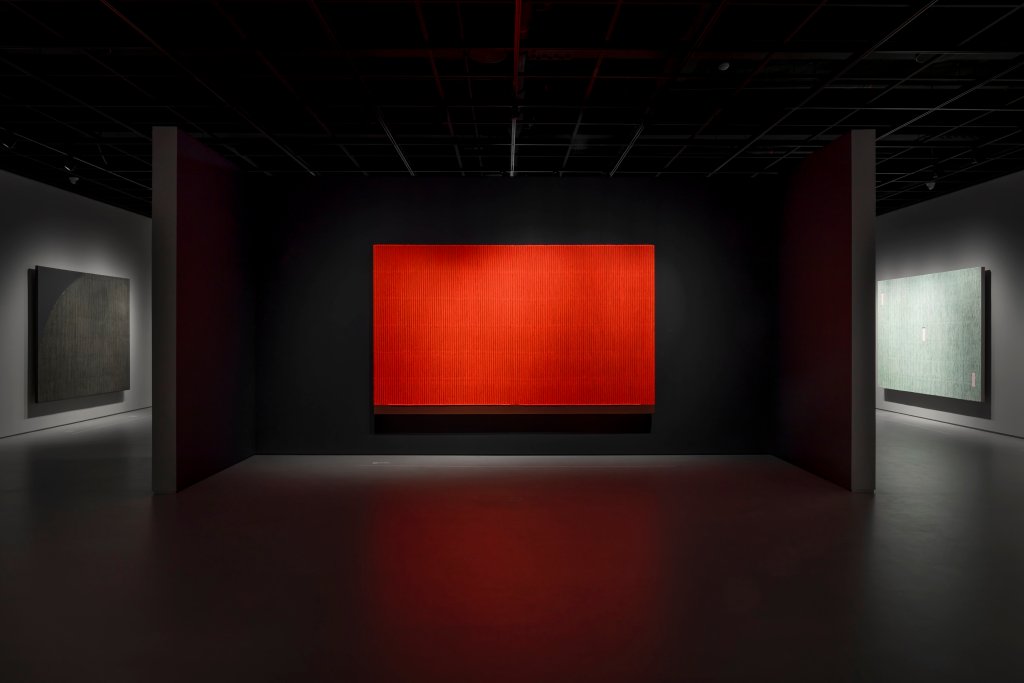
Ascending into SPACE 2, Ecriture begins to transform. Deep black gradually yields to the vivid tones of Seo-Bo’s later Color Hanji works, and with this change another part of his life enters the room. The darker pieces carry memories of his mother’s love and sacrifice, while the chromatic works grew from his hope that those living through the acceleration of contemporary life might find some degree of comfort and healing in nature.
By SPACE 3, almost everything has turned white. Form has been reduced, colour approaches silence and what remains is encountered through slight variations of material and illumination. Daylight grazes the canvases differently as the viewer changes position, making perception dependent on movement and time until the object on the wall appears less isolated from its surroundings. Among them is Dodinh’s “X.K.N.31,” painted in 2025 and 2026 in remembrance of her meeting with Seo-Bo three years earlier, a brief encounter surviving his death through someone else’s act of making. Emptiness, then, was never quite empty.
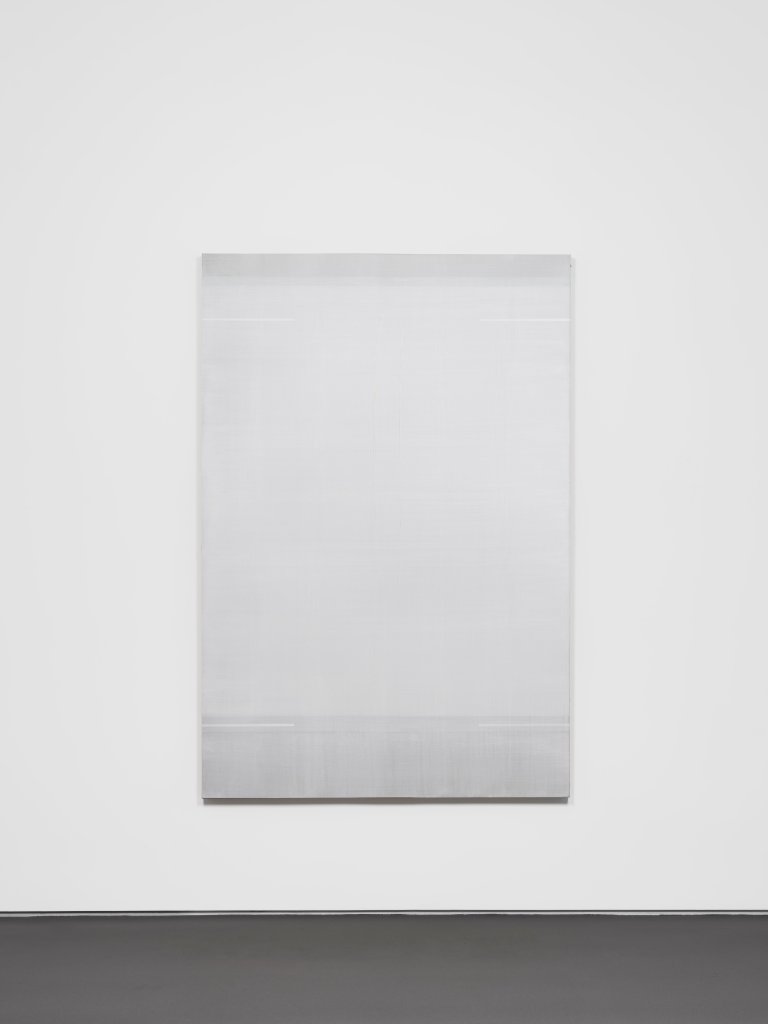
This contradiction had long existed within Seo-Bo’s work: as excess disappeared, what remained seemed to acquire greater weight. The inaugural exhibition carries the same proposition beyond the picture plane, understanding emptiness not as a lack, but as the condition through which fullness may eventually emerge.
Seo-Bo’s position within Korean contemporary art hardly requires another monument to establish it. From the postwar Primordialis series to the development of Ecriture from 1967 onward, his practice became inseparable from the history through which Dansaekhwa would later be understood internationally. Yet alongside the work for which he became known, Seo-Bo was helping construct an environment beyond his own studio, organising and directing initiatives such as École de Séoul and Independants, and contributing to the institutional foundations from which a new generation of Korean contemporary art could emerge.
That part of an artist’s life is more difficult to preserve because it cannot simply be hung upon a wall.
Throughout his career, Seo-Bo recognised younger artists and helped create opportunities to encounter a world larger than the one immediately surrounding them. The museum statement places this principle at the centre of what should follow him: not the reproduction of authority or obedience to convention, but an attention to possibility, talent and an environment in which others might develop freely and form connections with an international community.
The Foundation had already begun giving structure to this idea before the museum opened. Established in 2019 as GIZI FOUNDATION and renamed PARKSEOBO FOUNDATION in 2023, it preserves and develops the archive while producing exhibitions, publications and research; it supports emerging artists and scholars, operates PARK SEO-BO LODGE in Jeju as a place for study and reflection, and runs an annual thesis programme for graduate students in Korea and abroad whose work concerns Seo-Bo and Dansaekhwa.
The new building gives these intentions a physical home. Its community area will host writing workshops drawn from Seo-Bo’s diaries and letters, while other programmes introduce meditation, ambient music, drawing and conversation into the experience of the exhibition. Such activities might at first appear secondary beside the works themselves, yet perhaps they disclose the institution most clearly. What has been inherited is protected, but protection is not permitted to become its final purpose.
Which brings us back to that narrow interval between two marks. A breathing hole occupies almost nothing, yet everything that follows depends upon it. Seo-Bo might have closed the opening and completed the surface, but completion and continuation are not the same thing. Something had to remain unfilled for the next breath, and whatever came after it.
Perhaps this is what PARKSEOBO MUSEUM understands most beautifully. Seo-Bo is no longer there, but the absence he left has not been hurriedly sealed. It has been opened towards architecture and nature, towards Huong Dodinh, researchers and younger artists, towards people he never knew and works he will never see.
A legacy remains alive not simply through what is preserved, but through what it allows to begin. And maybe this was already there, quietly, between his lines.
For more information on the PARKSEOBO MUSEUM and the Park Seo-Bo and Huong Dodinh exhibition, visit parkseobomuseum.org.

What are your thoughts?