Highlights from the 2026 Detroit Month of Design
The Motor City’s design community is thriving more than ever, with over 100 events happening all over the city, all September long
We love the energy and creativity of a Design Week—Milan, Mexico City and London are among our favorites. But Detroit, the only UNESCO City of Design in the United States, devotes an entire month to design. Now in its 16th edition, Detroit Month of Design hosts over 100 events every September, from artist talks and open studios to film screenings, exhibitions, fashion shows and more community-oriented programming.
Design Core Detroit, an arts non-profit that supports local design’s economic development and growth within the community, produces the entire Month of Design. It’s a small but mighty team that works towards the collective goal of championing Detroit’s creativity on both a local and global scale. “Design is inherently collaborative,” says Kiana Wenzell, Detroit Month of Design Director and Design Core Detroit Co-Executive Director. “Our festival is co-curated with the community through our open call,” and it’s also the only U.S. design festival produced by a member of the UNESCO Creative Cities Network (UCCN). “We have members of the UCCN participate in the festival regularly. This year we have representation from Kortrijk, Belgium and Toronto,” she says, adding that it’s “a wide-reaching, electric and beautifully diffuse festival, held together by a shared belief in the real-world value of creativity.”
We visited Detroit to check out the Month of Design for ourselves, unsure of what to expect. It ended up being an amazing experience and we met countless talented designers and design aficionados along the way. “I love volunteering here because it opens my mind to so many creatives in Detroit,” a festival volunteer told us at Michigan Central’s Friday at the Station. “All I can say is make sure you learn something new this year.”
Learn something we did. By the end of our trip, we left with not only a newfound knowledge about Detroit’s design scene, but also felt inspired by the creativity and passion embedded in this community of innovative creators. Here’s some of our favorite things we saw at the 2026 Detroit Month of Design. Events are happening through the end of September, and we encourage you to go if you can.
Shinola Presents: Designing for the Future | Time & Craft
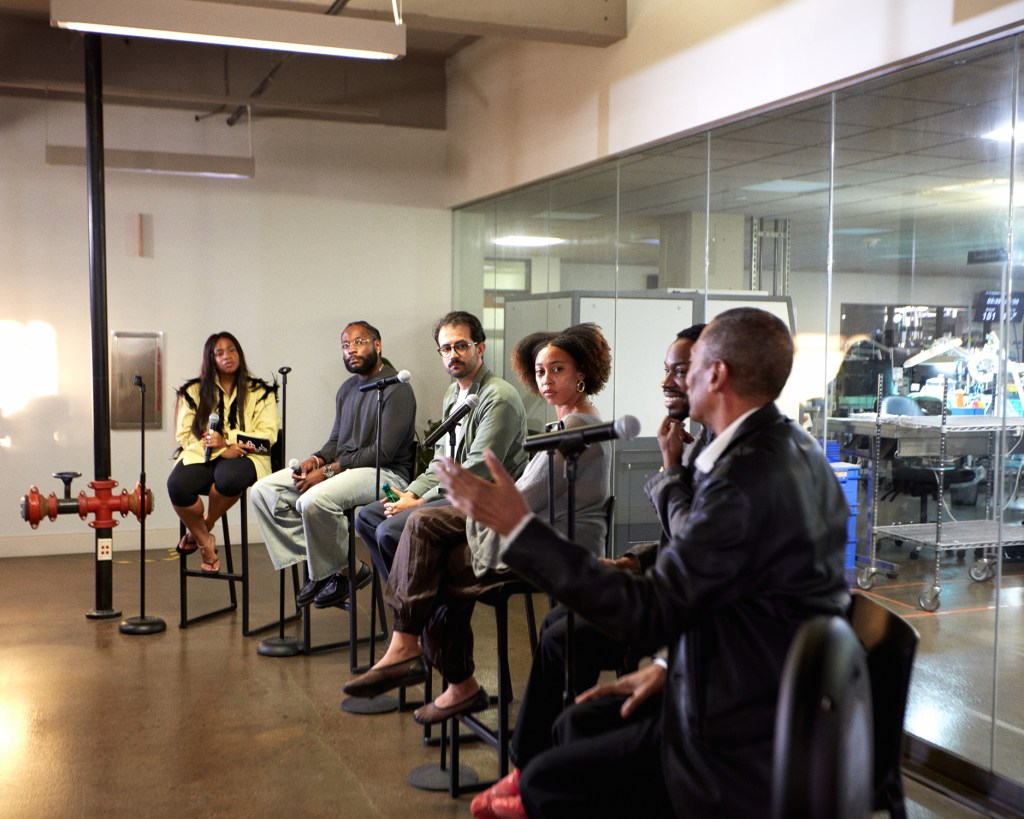
Shinola’s headquarters—along with the College for Creative Studies and Design Core Detroit’s office—are located in the previous GM Argonaut building in midtown Detroit. The space also includes its 30,000-square foot watch factory, a firm nod to Detroit’s manufacturing heritage. As part of its Detroit Month of Design programming, the brand planned three artist panels to discuss the concept of time through several different lenses. Its first talk, Time & Craft, took place in front of the Shinola factory floor. Aleiya Lindsey Olu, owner of beloved local magazine shop Periodicals, moderated the talk that featured Detroit techno legend Jeff Mills, interdisciplinary artist Akea Brionne, Michelin Star- and James Beard Award-winning executive chef Charlie Mitchell of New York-based Saga, skateboarder-turned-documentary photographer Maen Hammal and furniture designer Dozie Kanu.
After a buzzing crowd settled into their seats, the group talked about what inspires their creativity. They also discussed the concepts of time and place, how their diverse backgrounds inform their craft, collaboration and technology—including an interesting dissection about using machines to create. “I think more in theory and concepts,” Mills said. “The idea is the most important thing in my studio.” Whether it’s a live performance exploring classical and electronic music, furniture made of discarded materials or incorporating familial history into a fine-dining meal, the cohort concluded that art can be found everywhere. “There’s art in literally every aspect of life, even if it’s not framed that way,” Brionne said, adding that “putting anything out there is an act of creativity.”
Shinola is hosting two more talks as part of its Designing for the Future Series: Time & Systems on 23 September on Time & Space on 30 September.



Art + Cars at GM Entrance One
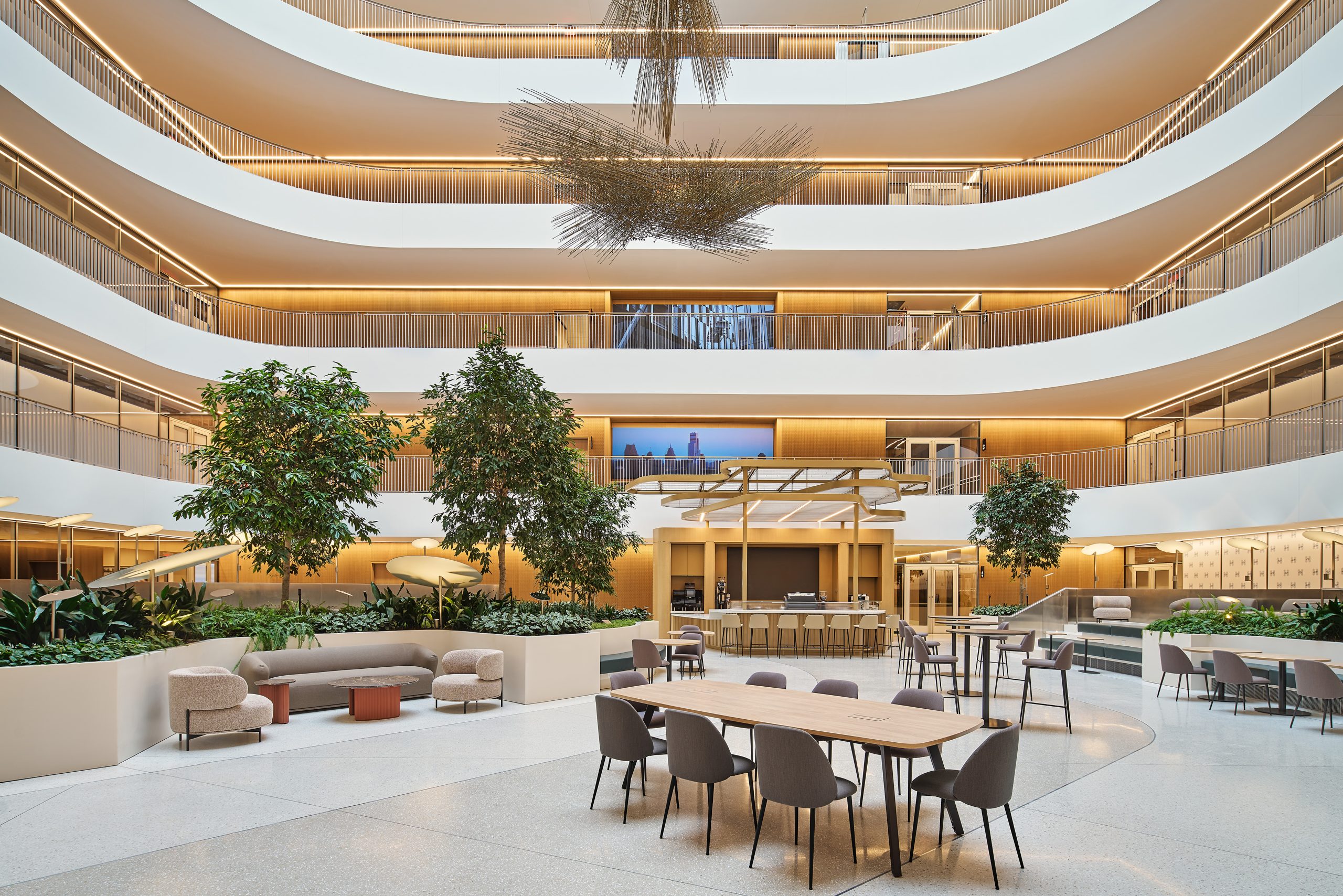
They don’t call it Motor City for just any reason. Detroit was—and still is—an industrial city, and GM’s new global headquarters at the Hudson’s Detroit is a perfect example of how the automotive industry is moving forward with design and innovation. Designed by SHoP Architects, Kendall/Heaton Associates and Pophouse for some interior spaces, the building features a multi-floor atrium in its core (complete with a huge hanging Bertoia sculpture in its center), while GM’s space on the top four floors occupies over 200,000 square feet. Its open-to-the-public ground floor space, Entrance One, boasts an immersive room designed for showcasing new cars, interactive exhibits and starting 11 September, Art + Cars.
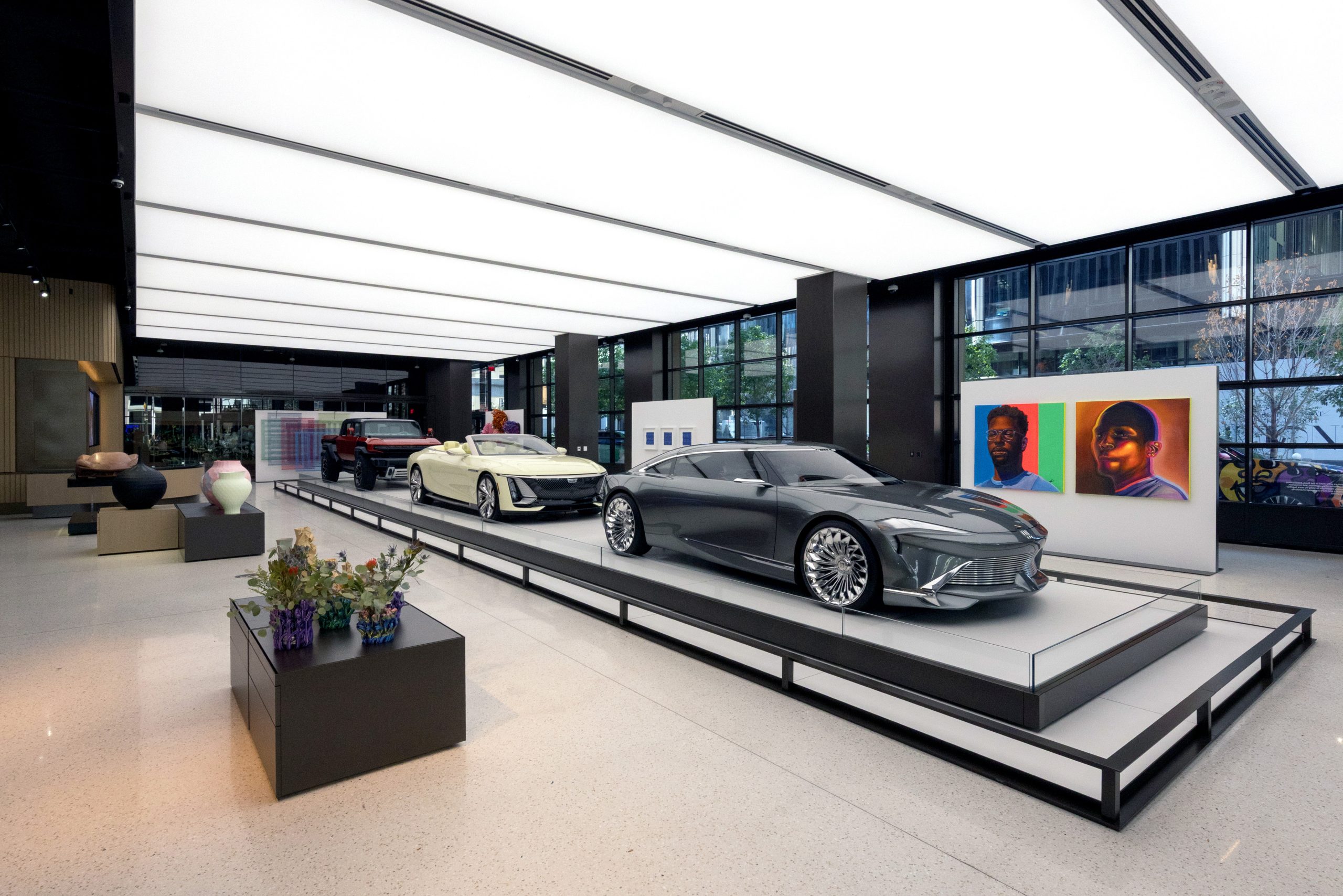
The auto-forward visual exhibition includes paintings, hand-built pottery, light installations, dimensional sculptures and weaving made from painted aluminum mesh. Three concept cars were on display—a sleek gunmetal gray Buick Wildcat, a butter yellow Cadillac Sollei, and a maroon GMC Hummer X—and three painted artist cars were parked outside, while a duo of car clay modelers put their finishing touches on a scaled model. Panels and pedestals were installed around the perimeter of the space, highlighting works by Ijania Cortez, Patrick Ethan, Cathy Jacobs, KACEYKAL, Blythe McCaig, Sandra Osip, Bilge Nur Saltik, Matthew Shlian, Phillip Simpson, India Solomon and Vaughn Taormina.
GM’s Entrance One is open everyday to the public, 11 am to 7 pm. Art + Cars will be displayed through 1 November.
Fridays at the Station: Detroit Month of Design Takeover
Michigan Central, now officially reopened for two years, is proving to be a true community hub. The historic train station, built in 1913 by the same architects who designed New York‘s Grand Central Terminal, went from a busy travel hub to closing in 1988 due to declining train popularity, and it proceeded to sit vacant for decades. Several people we talked to remembered the old station as the city’s playground, a haven for graffiti writers and a cool space for adventurous urban explorers and partygoers. After a six-year renovation—involving a team of 3,000 dedicated people and a staggering 1.7 million hours of labor—the station, and its 30-acre campus, has been reimagined as a community and innovation space. It’s also the site of the forthcoming NoMad Hotel, slated to open in 2027, in the building’s top floors.
Its monthly Friday evening cultural series has become popular with the community, and as part of the Month of Design, some special design-forward activations were planned. Rick Williams, a sneaker designer-tap dancer performed his percussion album Introducing Metal Feet, produced by JRGottheHits, and screened the accompanying making-of-the album documentary film.
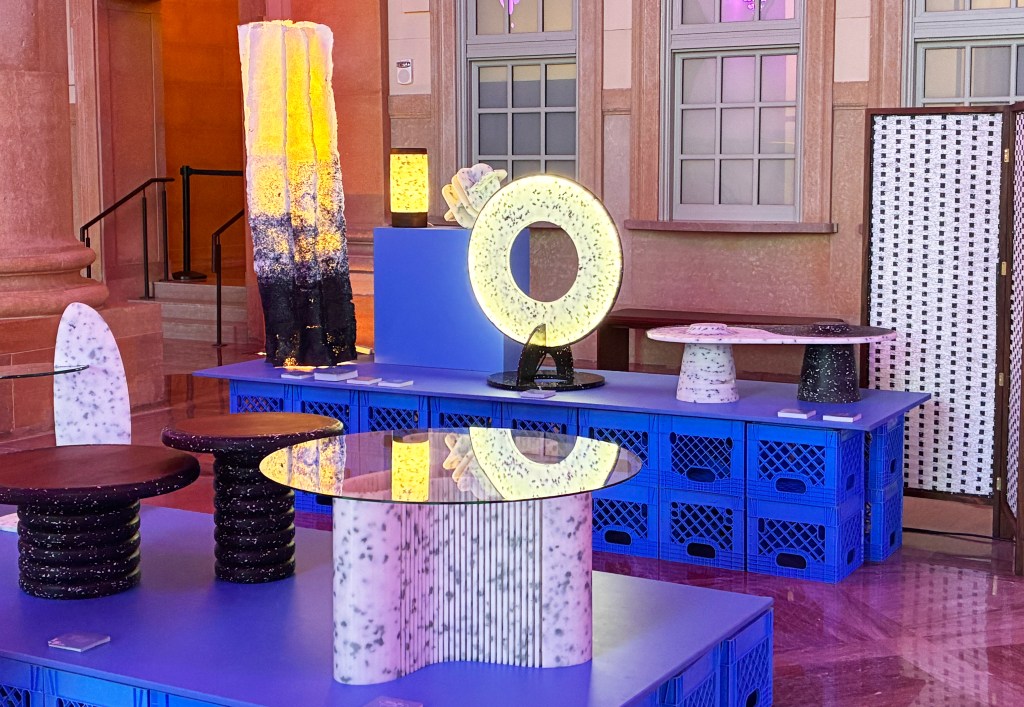
We also were impressed by the student work displayed in the rose marble Grand Hall. Lawrence Technological University‘s College of Architecture and Design held an exhibition of works by product design students who created furniture and lighting from Design Declassified‘s recycled HDPE sheets. Their high-end works prove how design can be used to eliminate waste (in this case, almost 1,300 pounds of it) in a functional way. The collection of works was officially recognized at the 2026 ICFF with LTU’s College of Architecture and Design winning the ICFF WANTED Best of Schools award. Later in the month, LTU will host From Waste to WANTED: LTU’s Award-Winning Product Design, a talk with participating students and faculty to further explore the process behind this collection.
Fridays at the Station occurs monthly at Michigan Central starting around 6 pm.





Cars at the Station
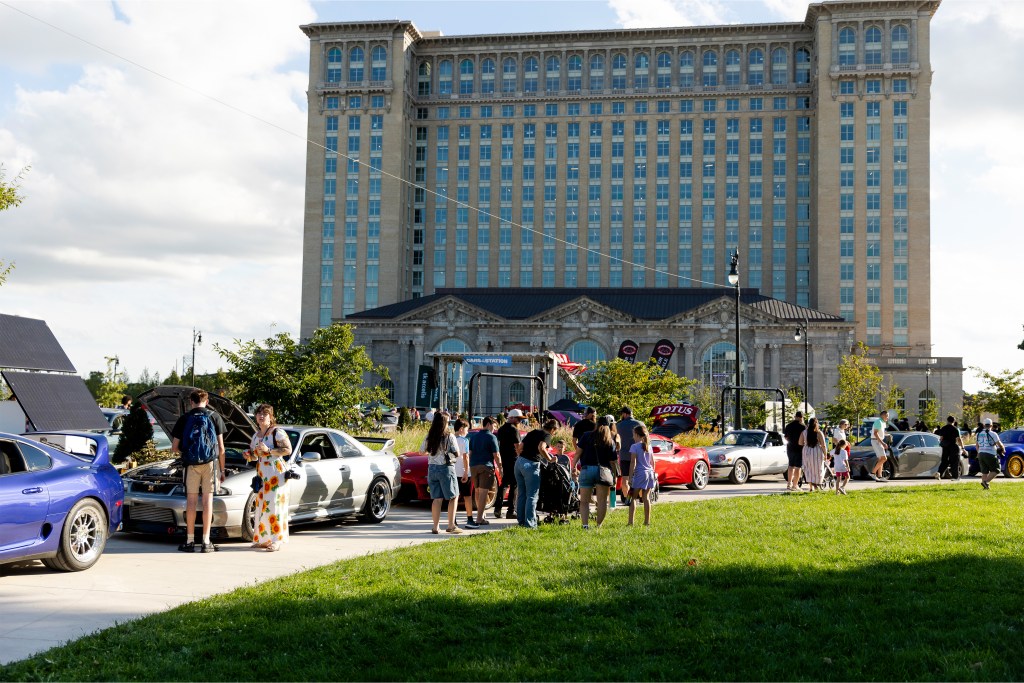
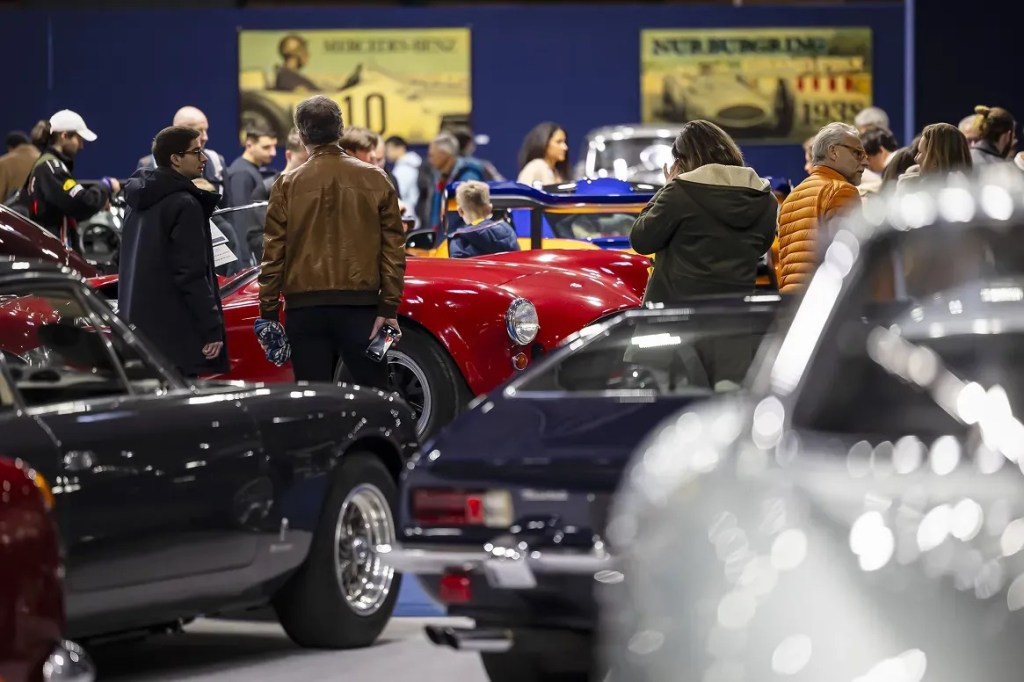
The weekend of 11 September also marked the third edition of Cars at the Station, a fun, family-friendly annual car show right in front of Michigan Central. The annual auto exhibit, billed as “Detroit’s most inclusive and community-focused event that just happens to have cars,” featured something for everyone: Red Bull DJs, guest speakers, test drive opportunities and ogle-worthy car designs, old and new. About 19,000 visitors attended this year, a new record for the show.
Next year’s show will take place 10-11 September, 2027.
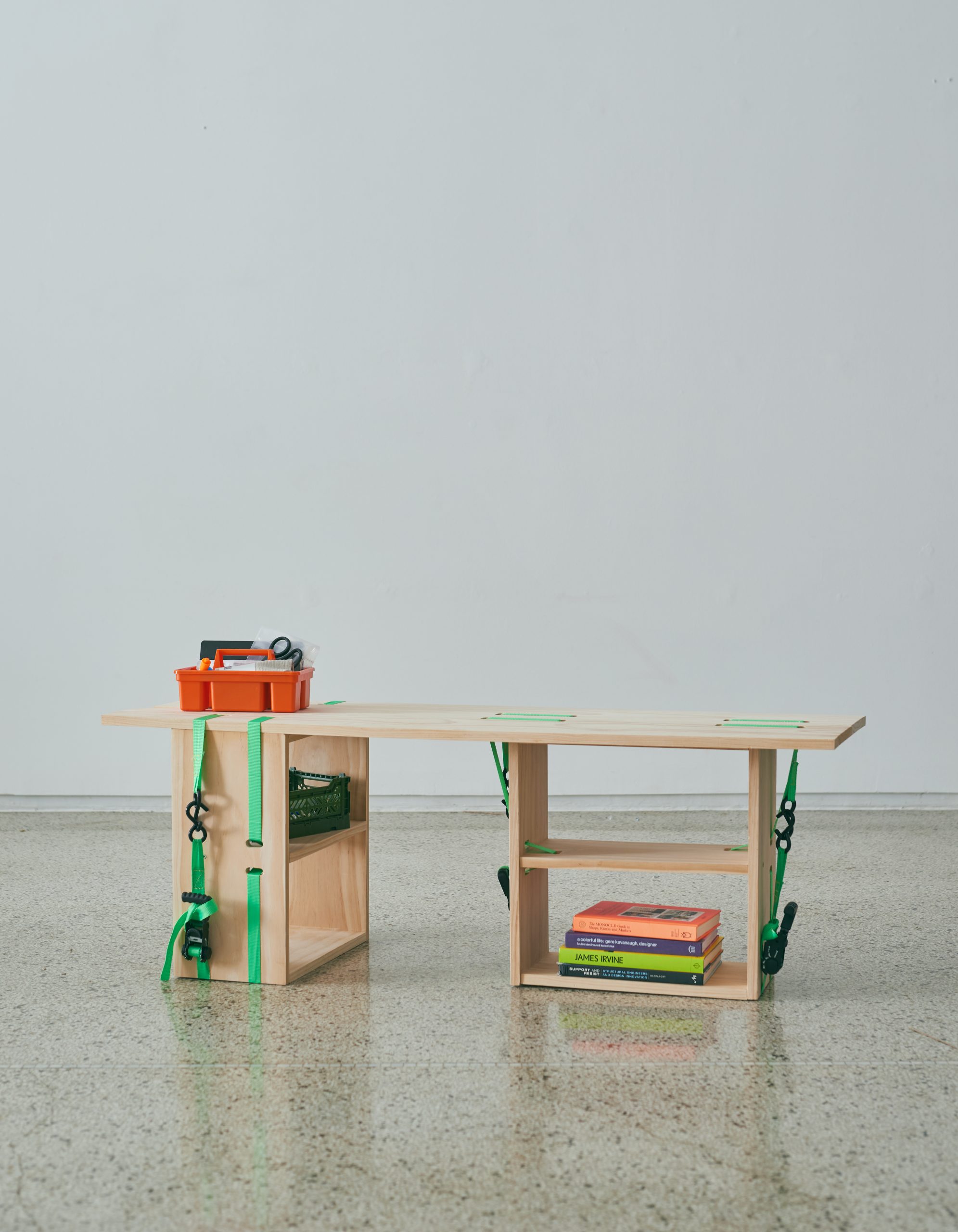
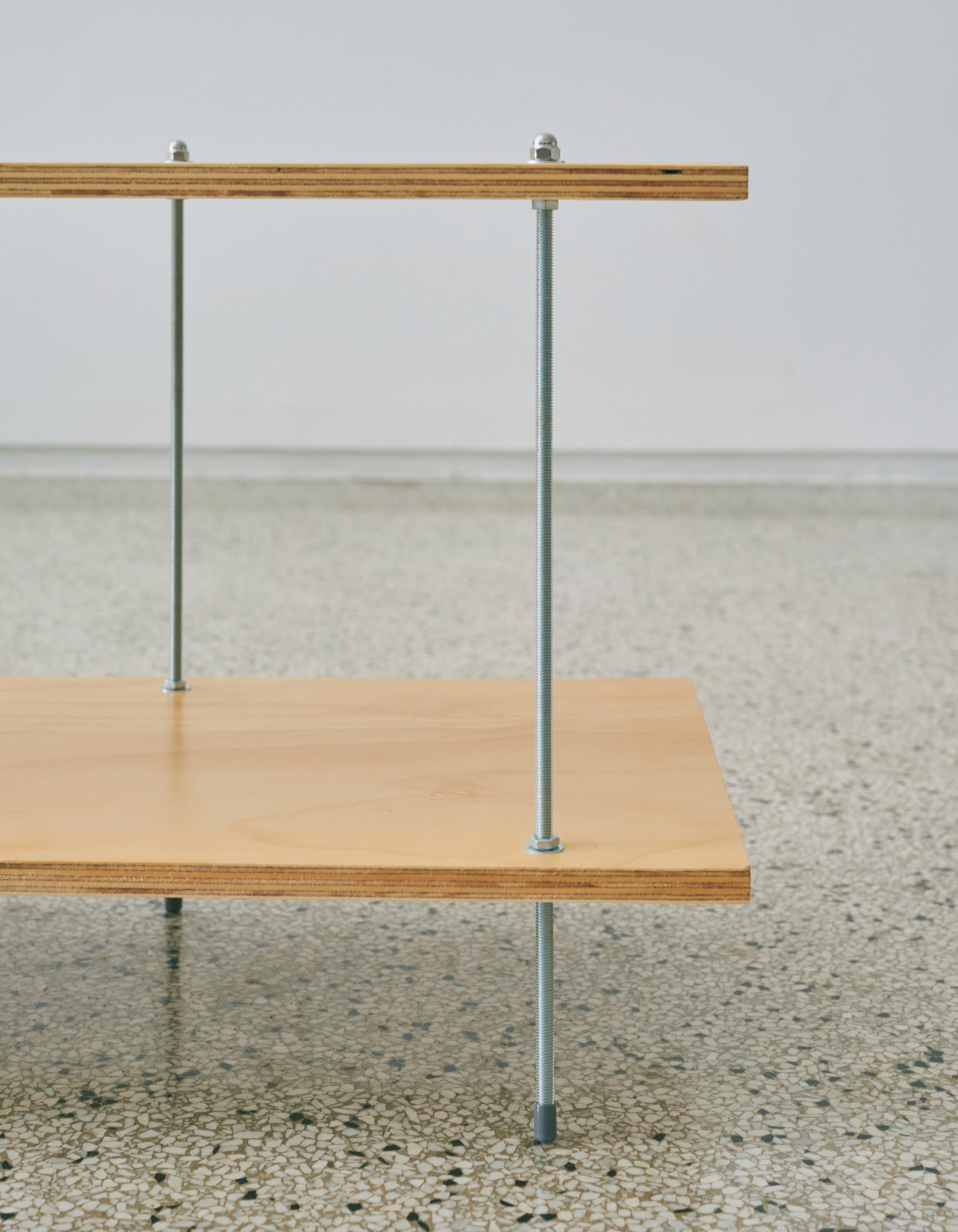
Wild.Form: Domestic Survival at Floyd Detroit
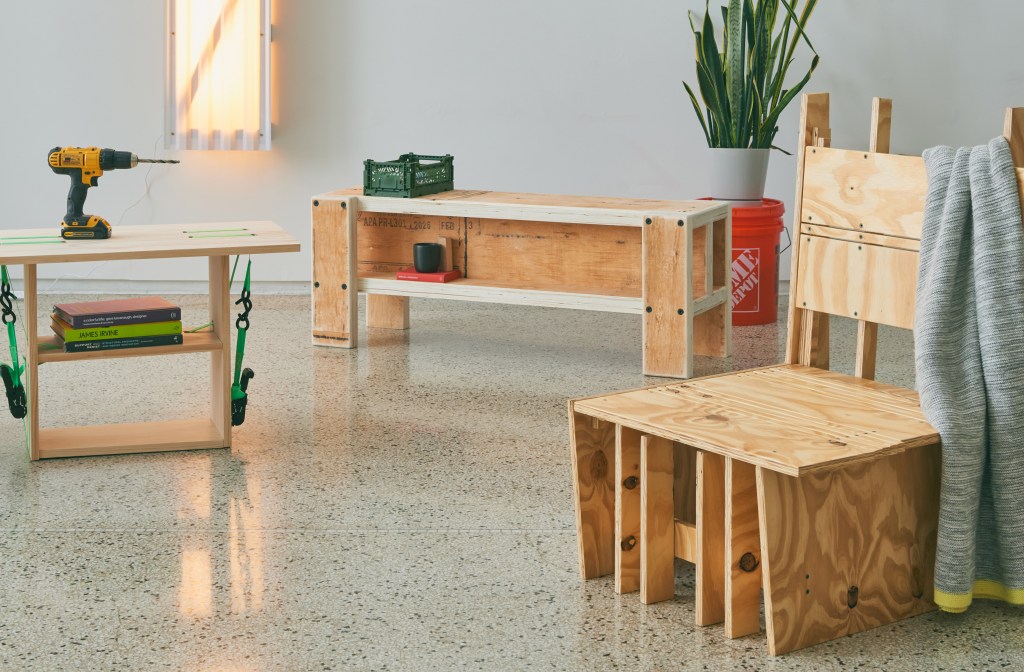
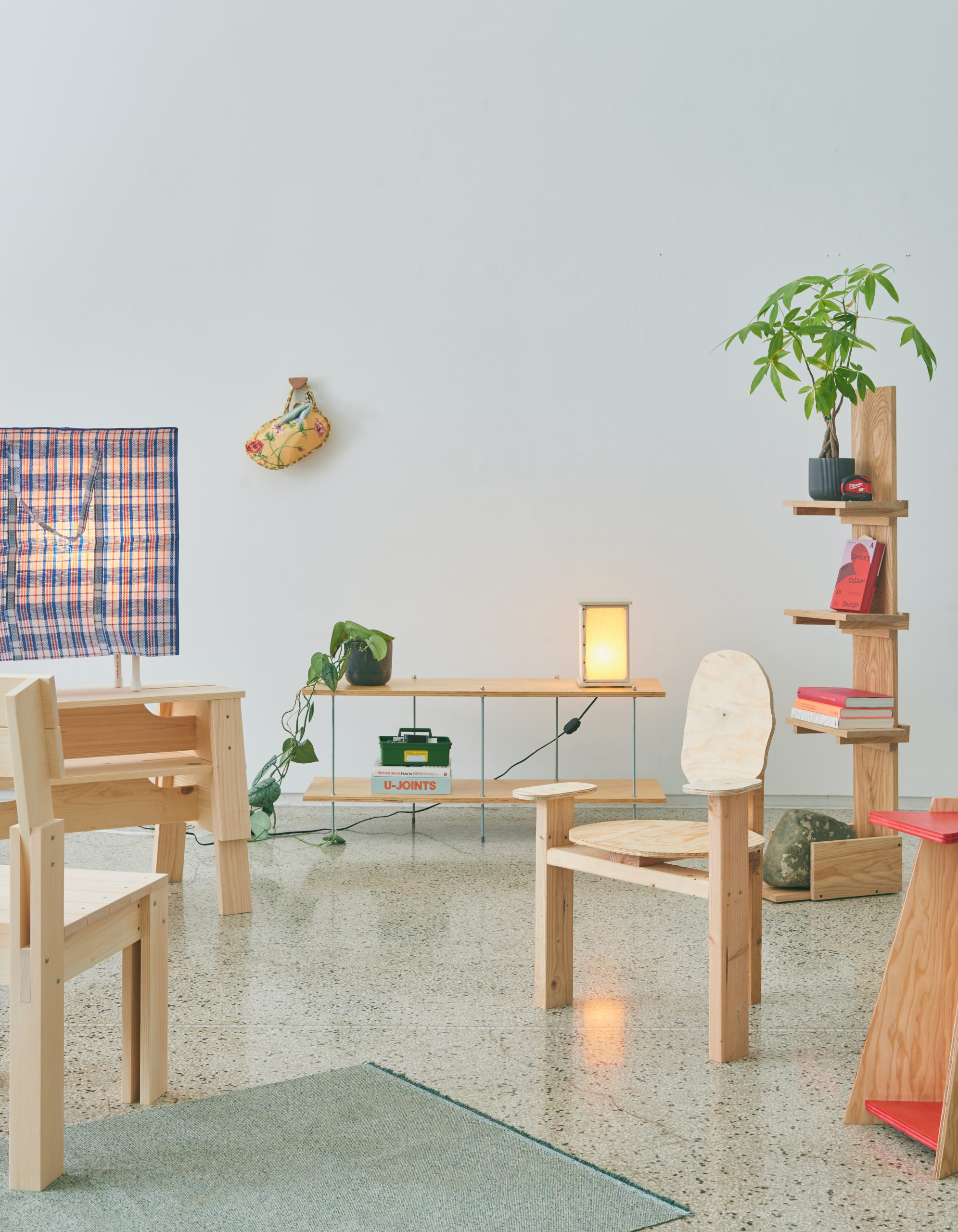
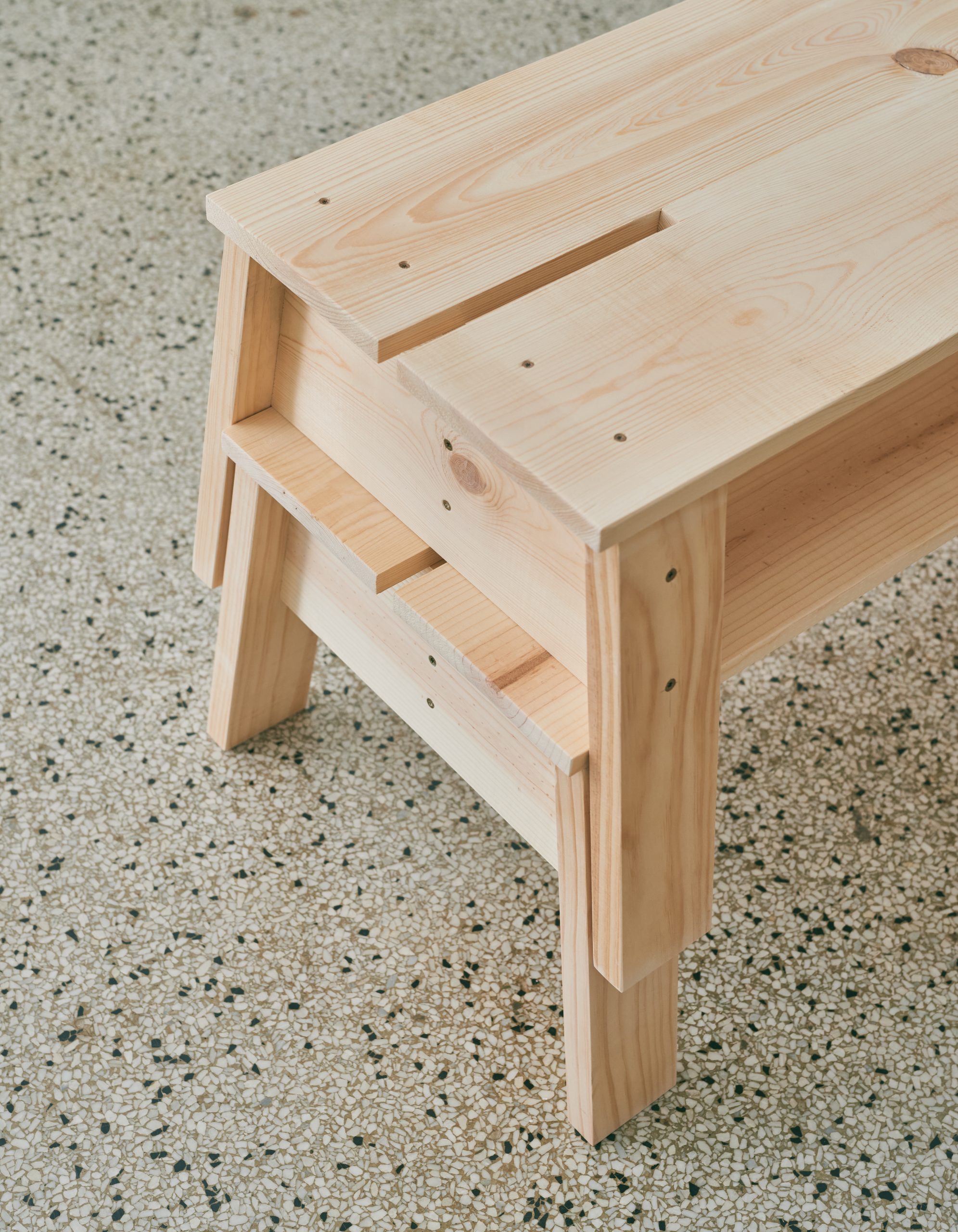
Friends Sophie Yan and Valeria de Jongh joined forces in the fight against low-quality, throwaway furniture with Wild.Form. With a combined background in design and architecture, the duo curated a tactile show of hand-built furniture by 21 designers. The pieces are intentionally meant to be sat on, used and even replicated. DIY instructions to build your own version of the pieces are part of the experience with their book Wild.Form: Recipes for Domestic Survival, available for purchase. Think of it like a minimal furniture cookbook: each project is its own recipe, teaching readers how accessible hardware staples like plywood, bolts and ratchet straps can be used to make simple furniture. The goal is to enable others to move away from cheap junk and feel emboldened to make (and repair) their own furniture, showing that perhaps all it takes to survive in your home is a drill and a little ingenuity.
WildForm: Domestic Survival is open for viewing at Floyd Detroit on 19 and 20 September, from 11 am to 5 pm.
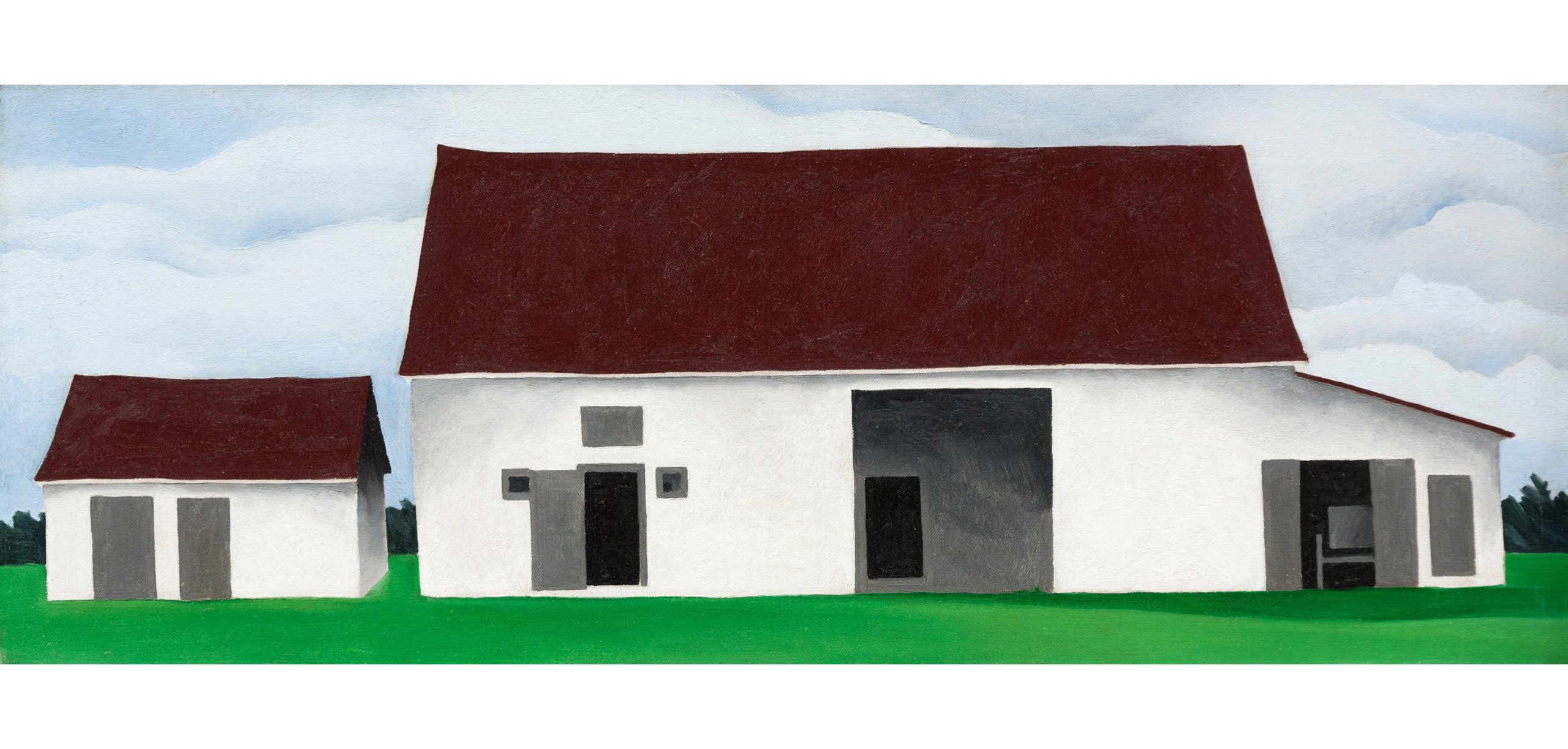
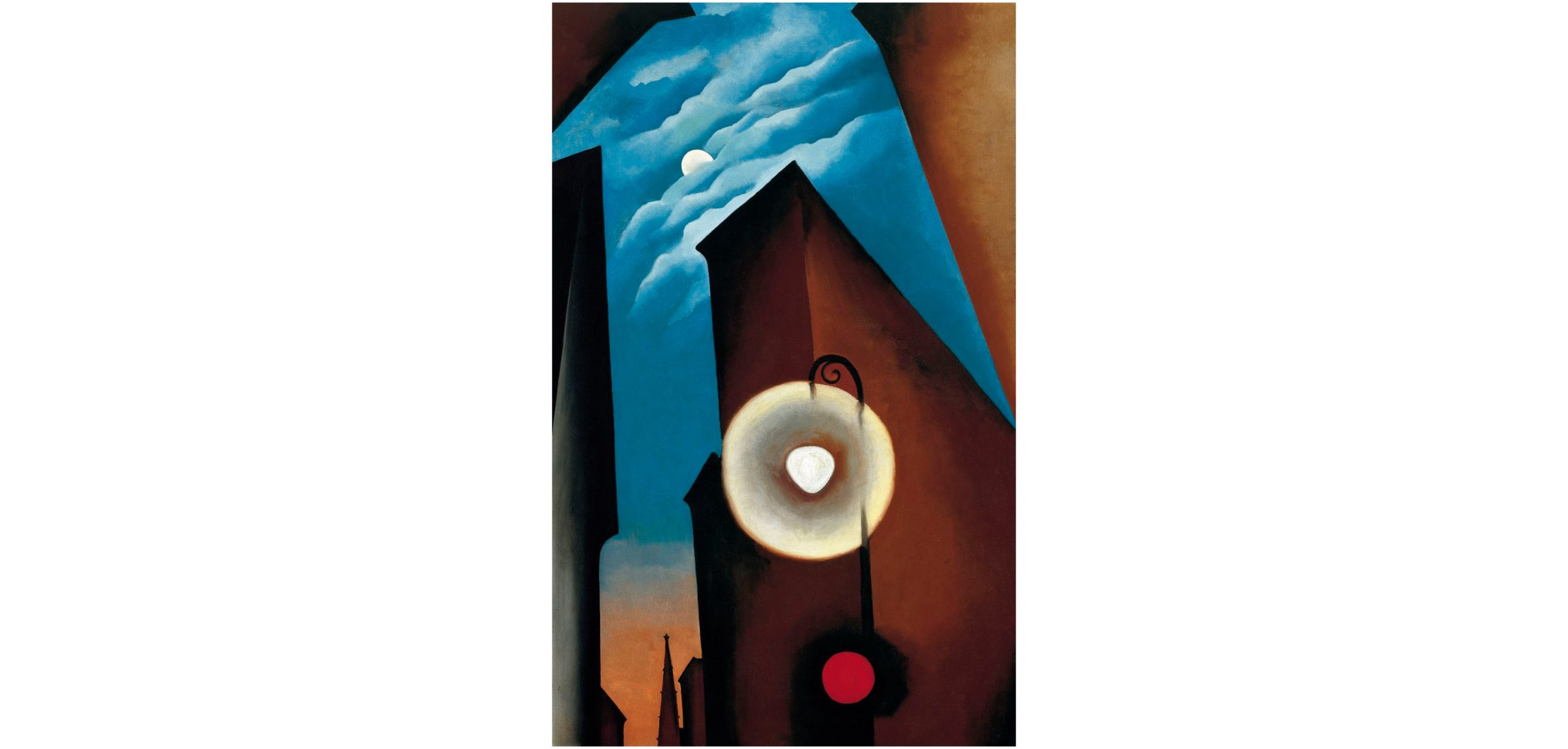
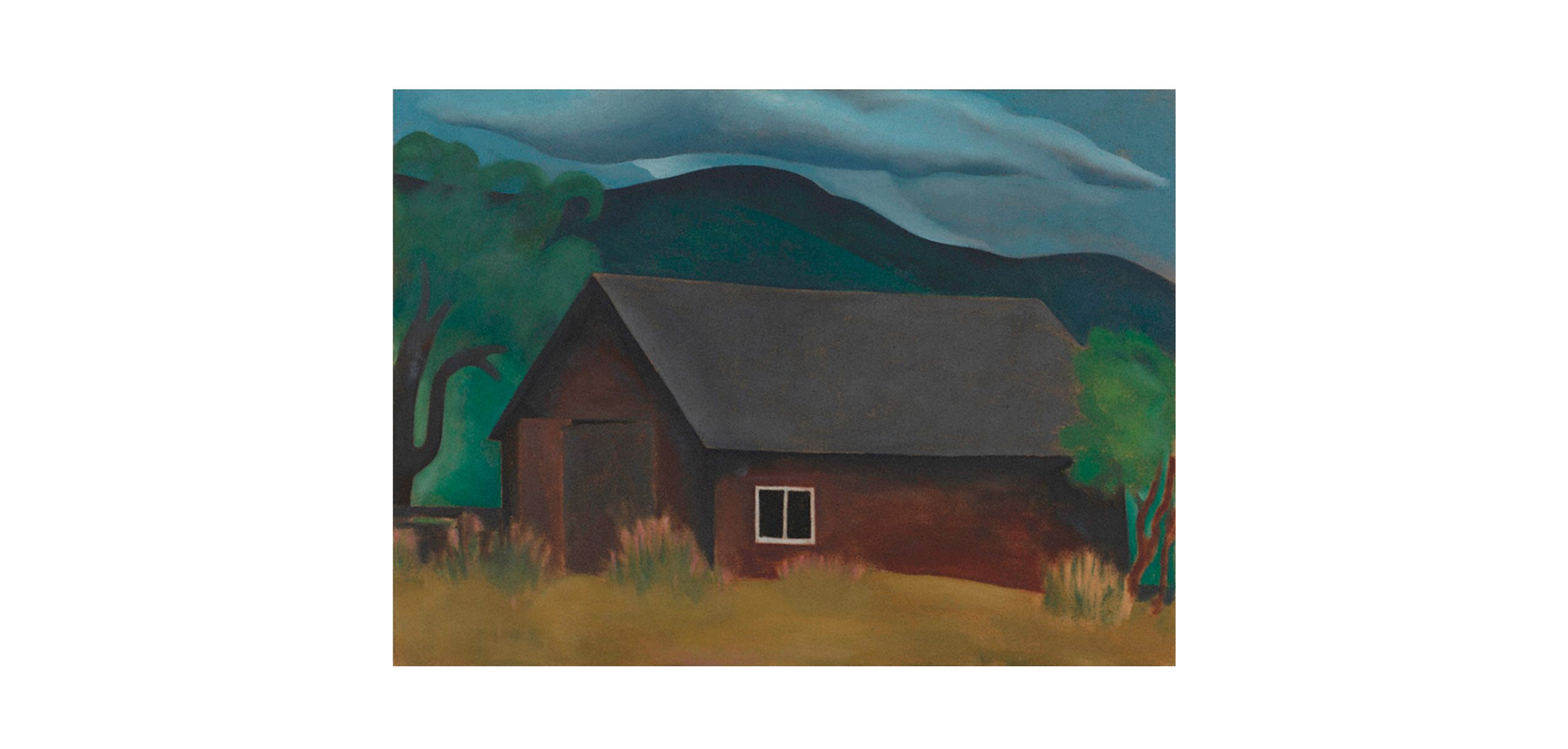
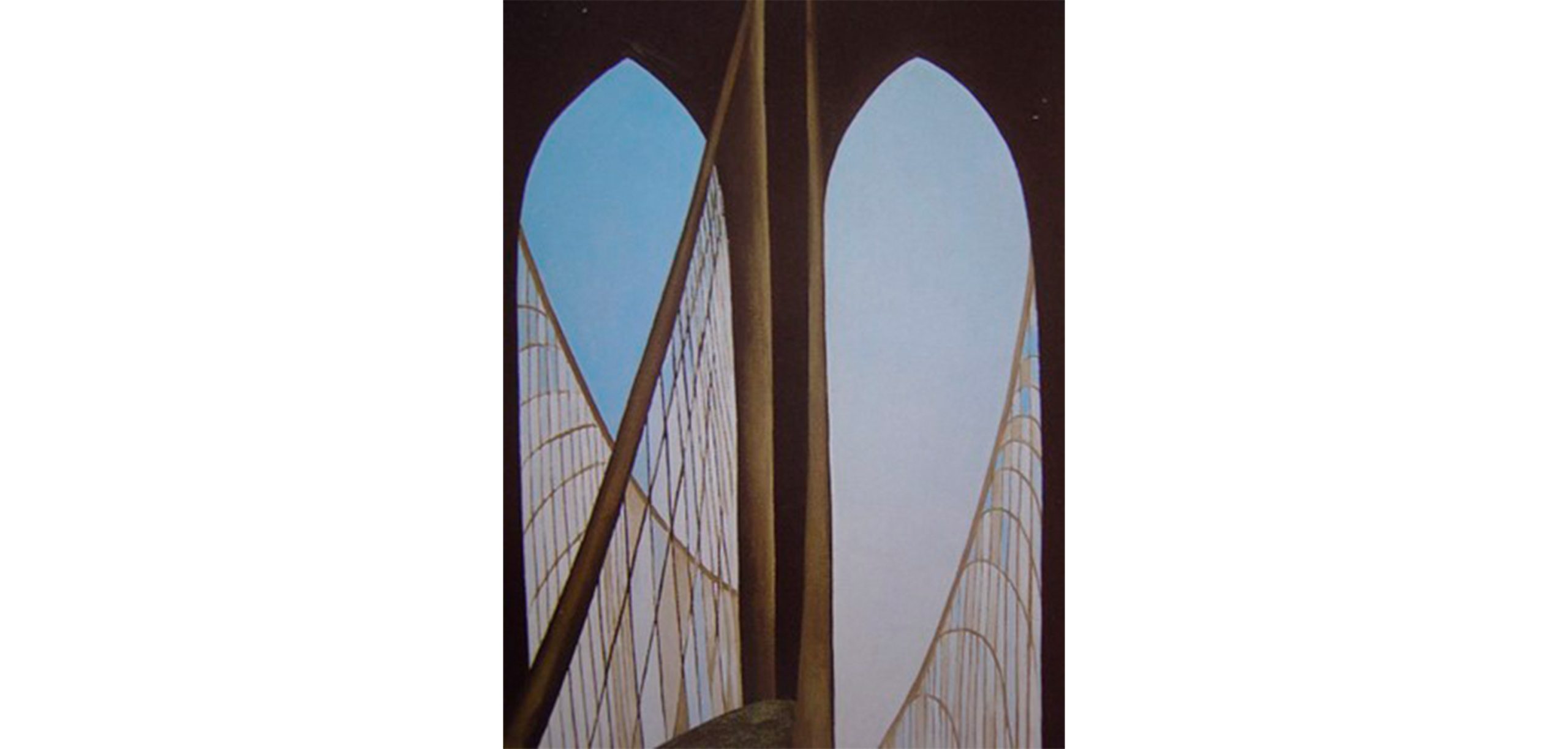
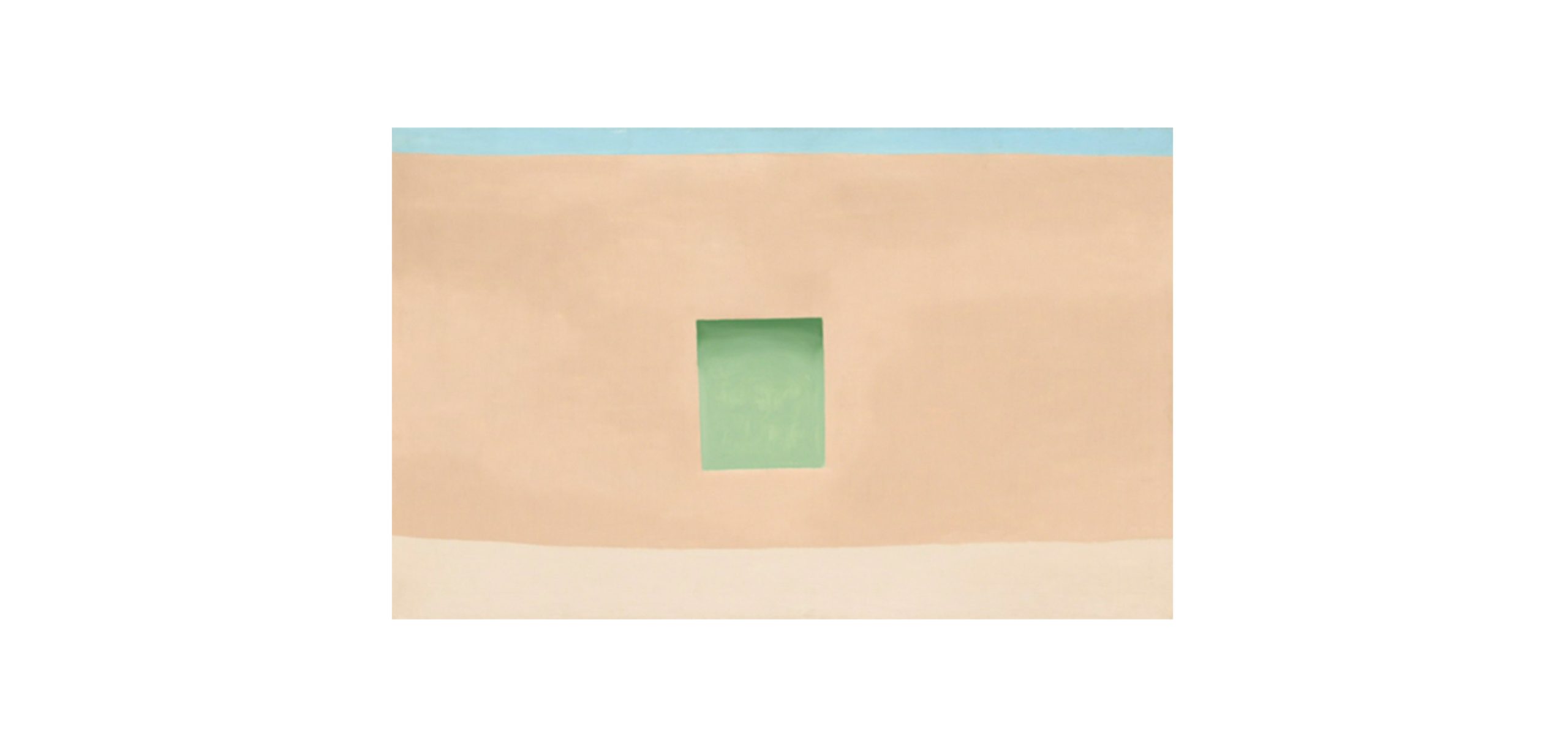
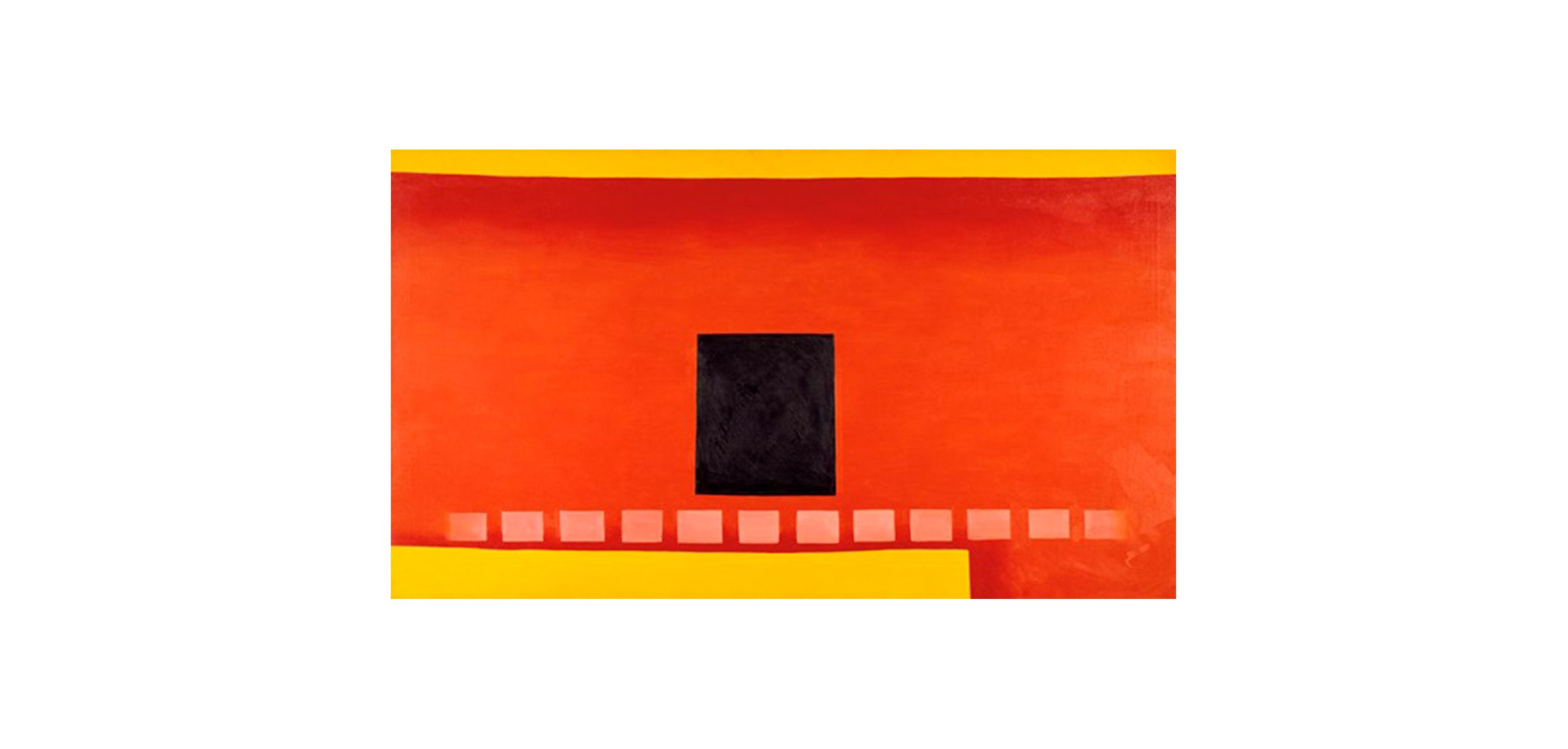
Georgia O’Keeffe: Architecture at DIA
We all know the flowers and New Mexican landscapes that are practically synonymous with Georgia O’Keeffe, but what about her paintings of midtown Manhattan? “Stables,” DIA’s sole O’Keeffe work in its permanent collection, entranced Ben Colman, Detroit Institute of Arts Museum Curator of American Art, who subsequently spent 10 years researching her architecture-forward works. The end result is Georgia O’Keeffe: Architecture, a collection that highlights structures like the Brooklyn Bridge and her New York City apartment building, barns from upstate new York and a collection of paintings focused on her pueblo home’s front door—a favorite subject of hers. “O’Keeffe spent her career looking closely at the world around her and finding new meaning in it,” Colman says. “When you step back and consider all her architectural paintings together, you realize she was asking remarkably consistent questions about place and identity across decades. This exhibition is an invitation to discover that vision with a fresh perspective, and I think visitors will come away seeing both O’Keeffe and the built world around them a little differently.” We certainly did.
Georgia O’Keeffe: Architecture is on view at DIA through 3 January, 2027.

On Air Off Grid Music Tour
If we were in Detroit longer, seeing a solar-powered live DJ set on a bio-diesel party bus sounds like a no-brainer. Hosted by Solar Party Detroit and Underground Music Academy, the bus stops by some of the most iconic music sites in the city. Stops include the Motown Museum—which is undergoing a massive expansion designed by Perkins&Will and HamiltonAnderston—and Apex Bar, where John Lee Hooker got his start. Celebrate and learn about Detroit’s musical legacy that includes countless icons (among many others) like Diana Ross, J Dilla, Stevie Wonder, Eminem, Moodymann, Marvin Gaye, Jack White and the Queen of Soul herself, Aretha Franklin.
Tour begins at Underground Music Academy on 27 September at 1 pm.
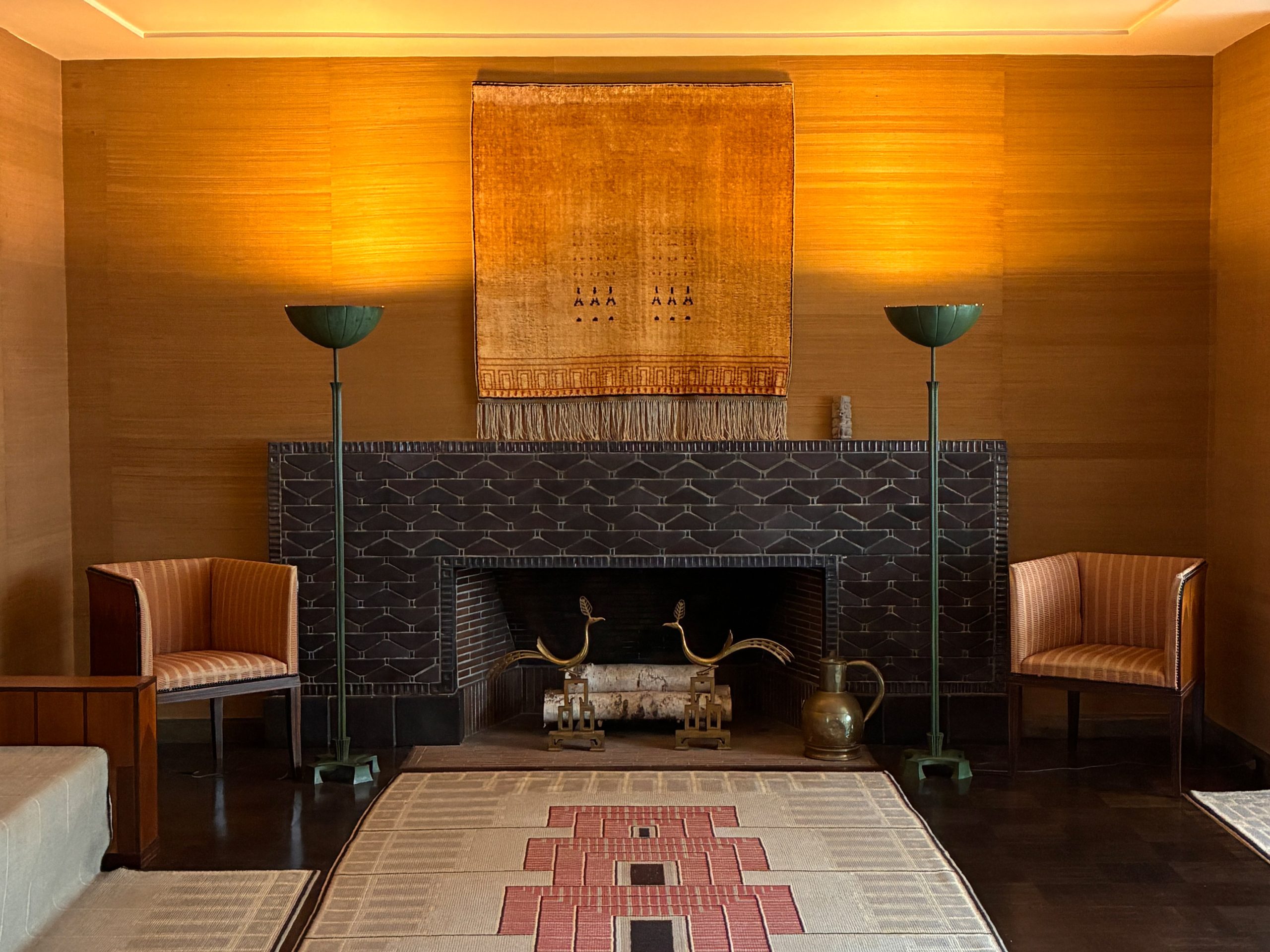
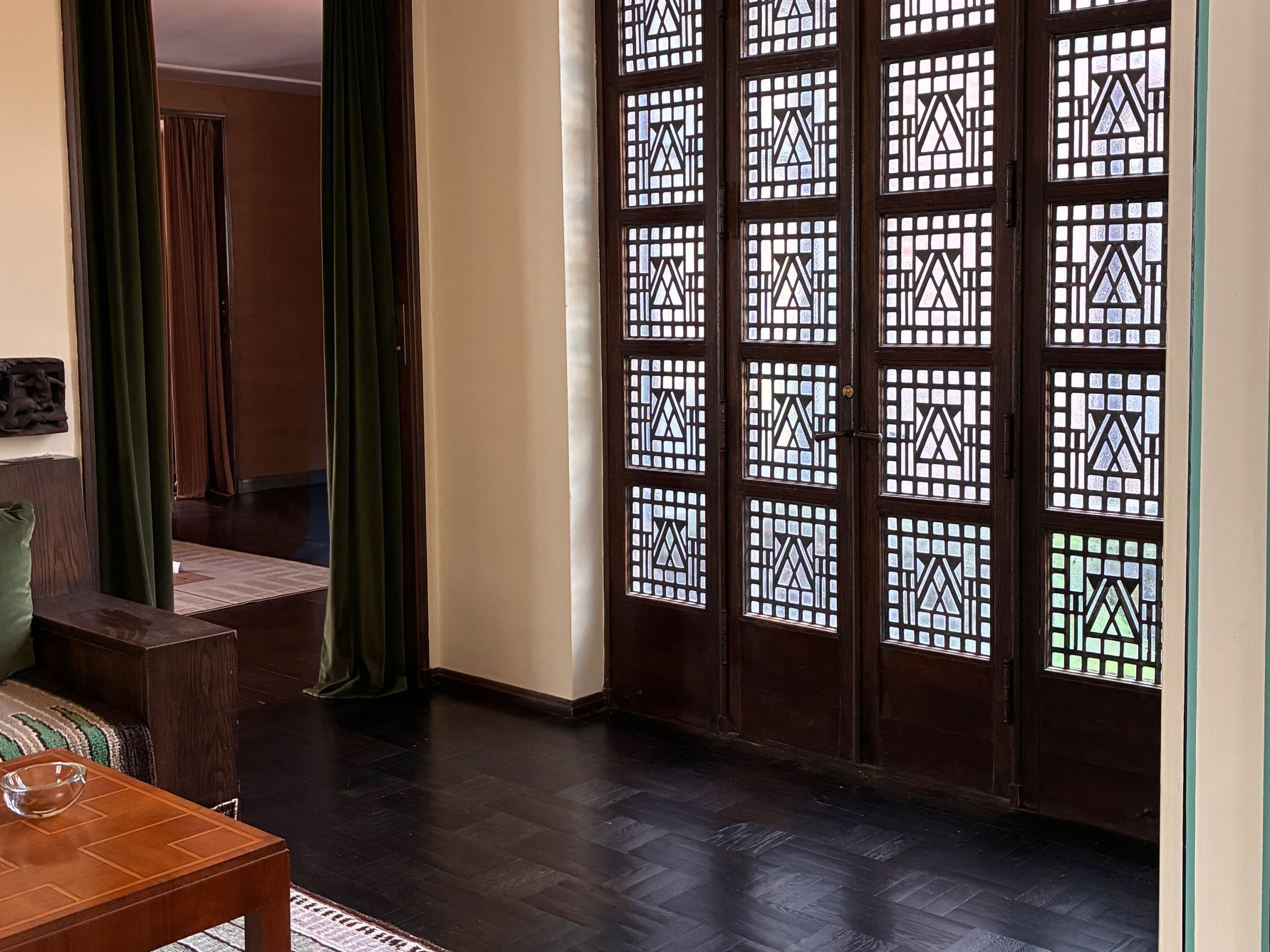
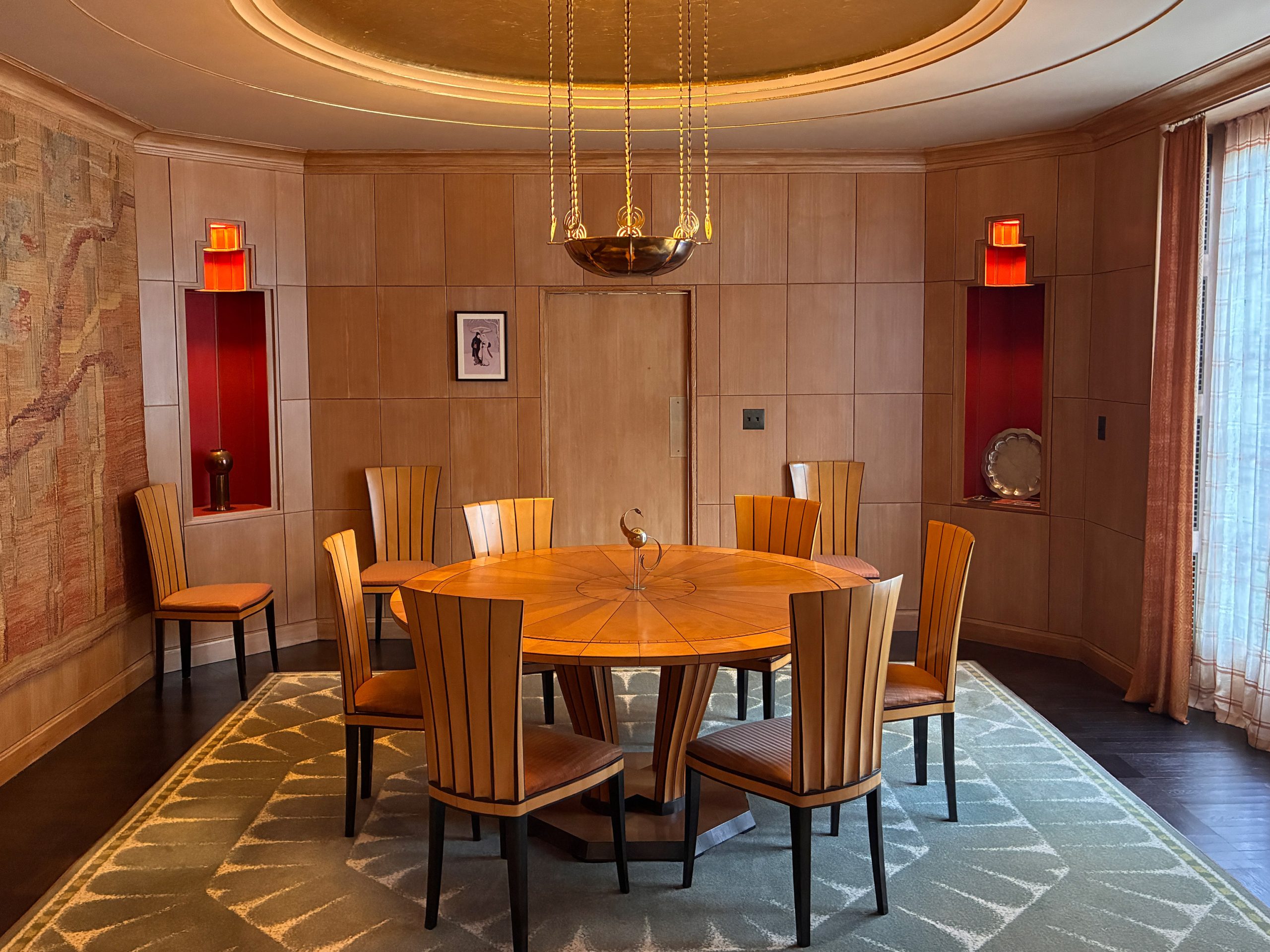


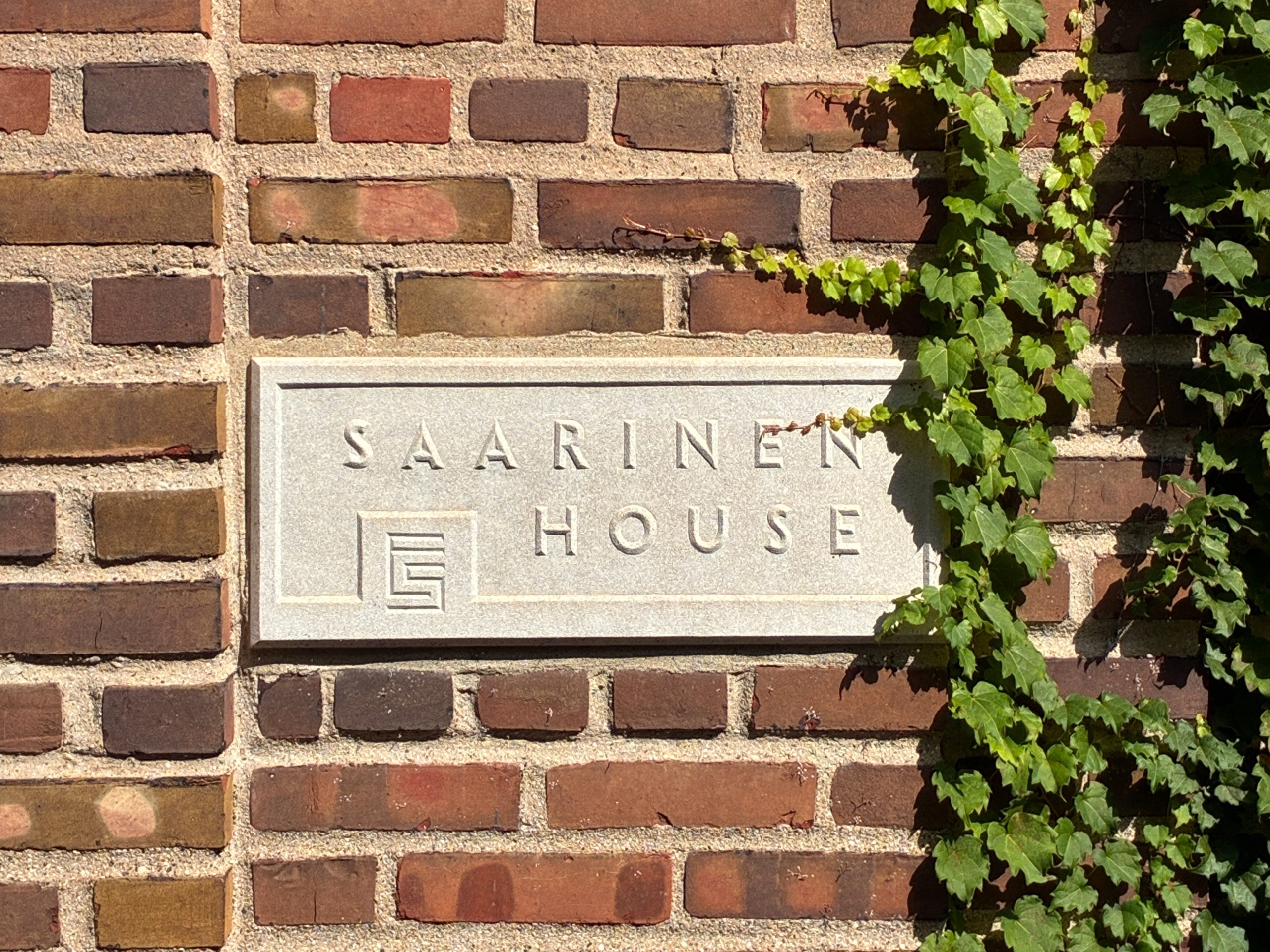
Saarinen House at Cranbrook Academy of Art
While this legendary art institute and museum aren’t technically in Detroit, it’s an easy drive north to Bloomfield Hills to escape the hustle and bustle of the Month of Design for a couple hours. It was there, at Cranbrook, that we saw the most perfectly restored Saarinen House. Architect Eliel Saarinen—Eero was his son—designed the property in 1928 after moving to Michigan from Finland. What started out as artist craft studios expanded into the art academy, museum, grade schools, a library and more over the sprawling 319-acre campus. A walk through the many brick buildings reveals the architect’s sneakily smart design details: decorative arches, proportional optical illusions and slate shingles that gradually change in size and color. And that’s just outside.
Head through the home’s front door and enter the perfectly restored Art Deco space where Saarinen lived with his wife Loja and their kids. He became the first Academy of Art President in 1932, and lived there on campus until his 1950 death. Everything in the house was designed by Saarinen and Loja, from the furniture, gold leaf dining room ceiling, wood flooring pattern, seriously ahead-of-their-time hand-woven textiles and inventive furniture custom-built for its space. For vintage tile fans, the primary bathroom upstairs is worth the visit alone.
Tours are Thursday through Sunday at 3 pm, through the end of the November when Saarinen House closes for winter.








What are your thoughts?