Jim Henson’s Creature Shop, Now Open for Weekend Tours
The Queens NYC studio that returned the Fraggles to Doozer-built glory—and built the Muppets, The Dark Crystal and Labyrinth before them—opens its workshop to the public for the first time
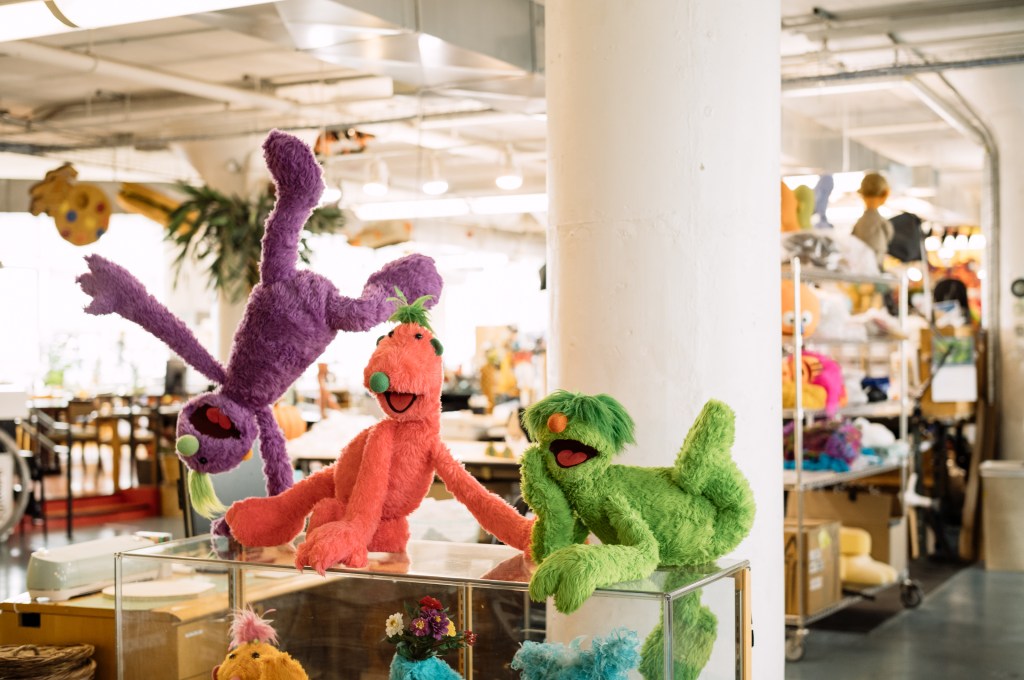
On a recent Saturday we found ourselves in a Queens NYC workshop where a builder was dyeing felt by hand to match a shade no industrial supplier could hit, an artist was molding foam fish and a tailor was sewing the cuff on a very small jacket—all a few steps from the drawers that hold excess noses, eyes, glasses and mustaches. This is Jim Henson’s Creature Shop, decades out of public view and now opening on weekends for guided tours that offer rare passage into the studio where felt and foam are coaxed into creatures with unmistakable inner lives—the birthplace of some of the most beloved characters ever to blink, sing or shuffle across a screen. Open to visitors eight and older—puppetry devotees, entertainment insiders and curious families alike—the tour trades spectacle for something more revealing: how these characters are conceived, sculpted and set in motion.

For years the shop has shaped live performance, television and film. To walk in is to enter the birthplace of the original Muppets and the residents of Sesame Street, the workshop where the creatures of Labyrinth and Dinosaurs first drew breath. That work continues, most visibly in the Emmy-winning revival that brought Gobo, Mokey, Wembley, Boober and Red back to Fraggle Rock, and across a slate that spans the Netflix series The Dark Crystal: Age of Resistance, animatronics for the Five Nights at Freddy’s franchise and stage work including the Royal Shakespeare Company’s My Neighbour Totoro. The studio’s craft has drawn an Academy Award for visual effects on Babe and multiple Emmys for Sesame Street.


Inside, puppet-making reveals itself as an exacting, highly engineered discipline. The builders think of their puppets as “functional sculptures”—objects as pleasing to regard as they are to operate, made to perform seamlessly, or “like butter.” Because industrial dyes rarely match the exact colors set by a character’s style guide, we watched an artisan dye materials by hand in small batches until the shade came out precise. Walk-around puppets, the kind a performer wears, demand structural engineering as much as artistry; builders weigh comfort and airflow so no one overheats or struggles into a suit. Elsewhere the work turns granular. We saw foam cast and left to expand, fragile vintage props such as classic rubber duckies recreated, and fur made from thousands of tiny feather plugs glued one by one. Whole drawers are given over to noses, others to eyes and then there’s a maze of prop shelves.

The weekend tours lean interactive and communal—guests sometimes arrive with puppets of their own—and the shop has begun developing proprietary toys made to be sold only to those who visit. Production design and performance run on notoriously long hours and exacting standards, yet the people who work here carry the pressure lightly. The makers we met were quick with a joke and plainly delighted by the strangeness of their own materials, ready to treat a drawer of spare mustaches or a half-molded foam fish as reason enough to laugh. The rigor is real and so is the play, and the two seem to feed each other. To wander the Jim Henson Company’s workspace, talk with the builders drawing this hidden craft into the open and watch animatronics and soft puppets take shape is among the more quietly extraordinary ways to spend a weekend in New York City. Tickets are available here.






What are your thoughts?