The WAVY App Turns Antique Singing Bowls into an Ever-Changing Composition
Composer Aska Matsumiya recorded centuries-old Tibetan and crystal bowls in spatial detail then routed them through a generative engine so the sound never loops
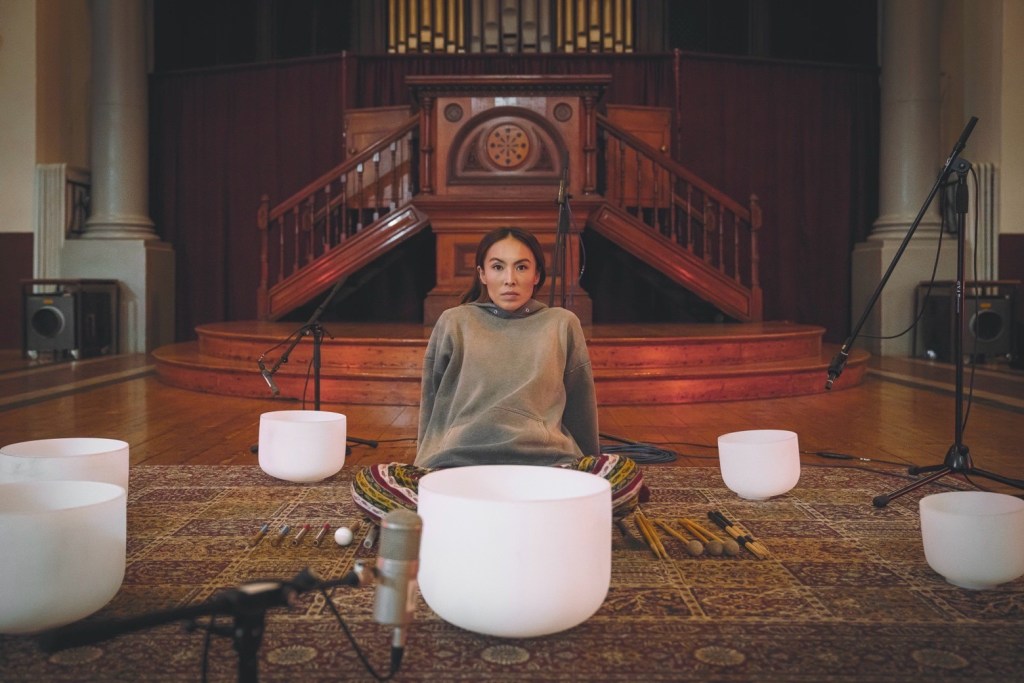
The wellness market is crowded with apps promising calm, focus and better sleep, and most blur together the moment you open them. WAVY does not. Built by composer Aska Matsumiya, it draws on her own recordings of real instruments—crystal bowls and antique Tibetan bowls among them—and runs them through a generative engine so the soundscape shifts continuously and never repeats. We found it shortly after it reached Apple’s iOS App Store, played it during meditation, through days of work and on a recent flight, and it lands somewhere the synthesized apps never quite do.
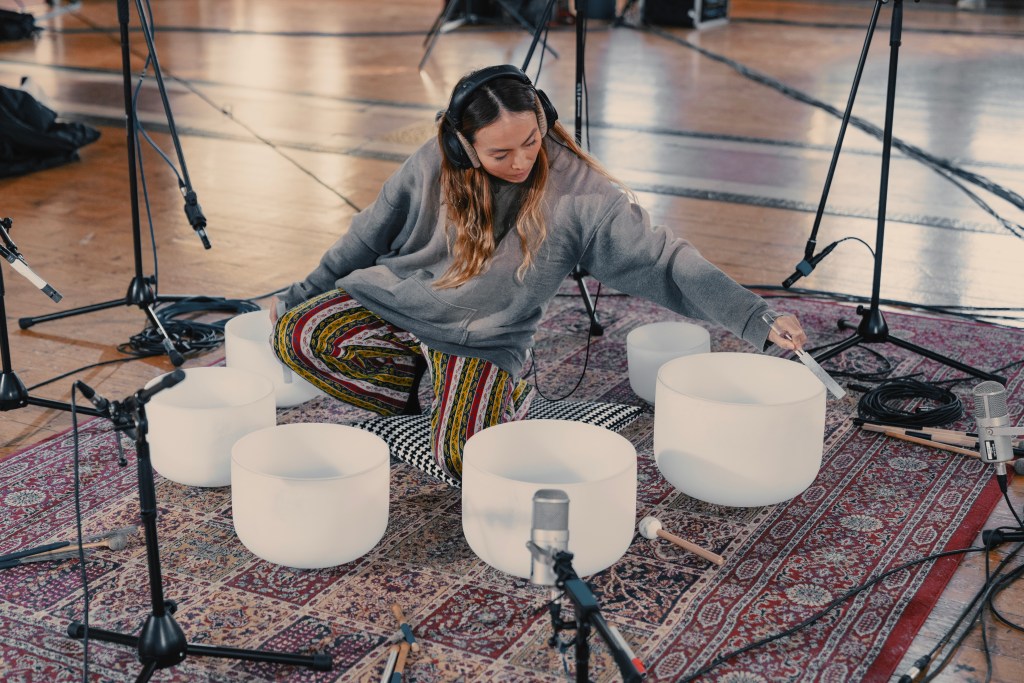
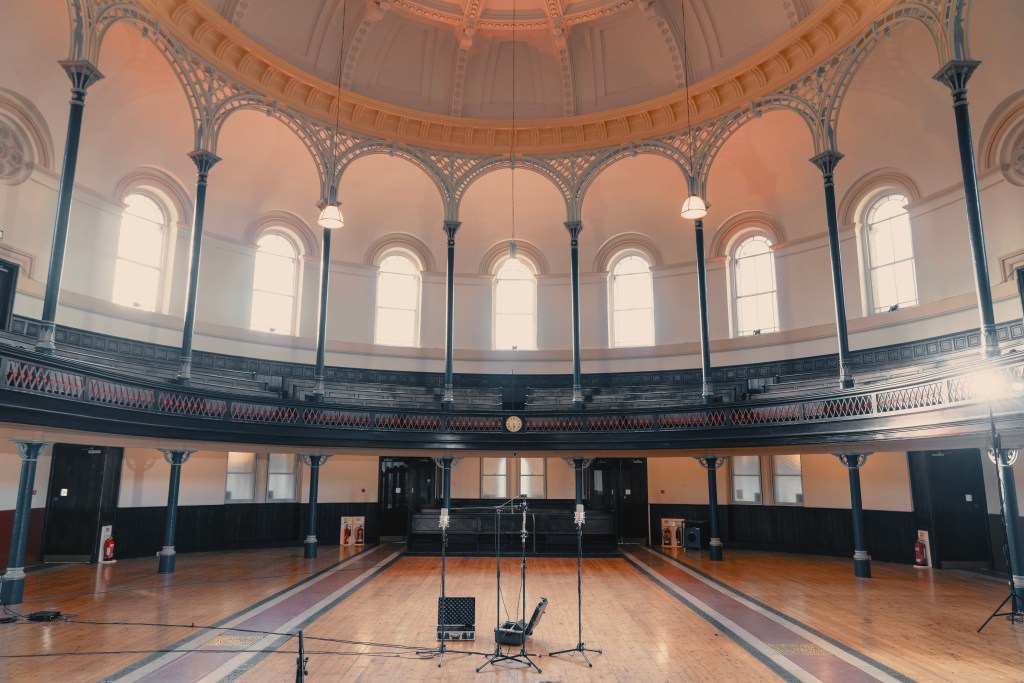
Matsumiya is an Emmy-winning composer and classically trained pianist who has been at the keyboard since the age of three. WAVY began almost incidentally, when she recorded crystal bowls in Hackney’s Round Chapel and, rather than press them into a fixed track, fed the recordings into an engine built by the London studio Bronze, which spins source into infinite non-repeating patterns. She made the first version for herself, to approximate the way sound moves in nature—present, shifting, never the same twice.
Others soon wanted it. Someone close to her, mid-panic-attack, tried it and reported back: “Oh, I don’t believe in sound therapy, but this works.” Matsumiya had arrived at a form of help that asks nothing of the user. “For most young people, and for most people in the world, something passive, like passive practice, could be really powerful,” she says—no sitting, no discipline, no learning curve.
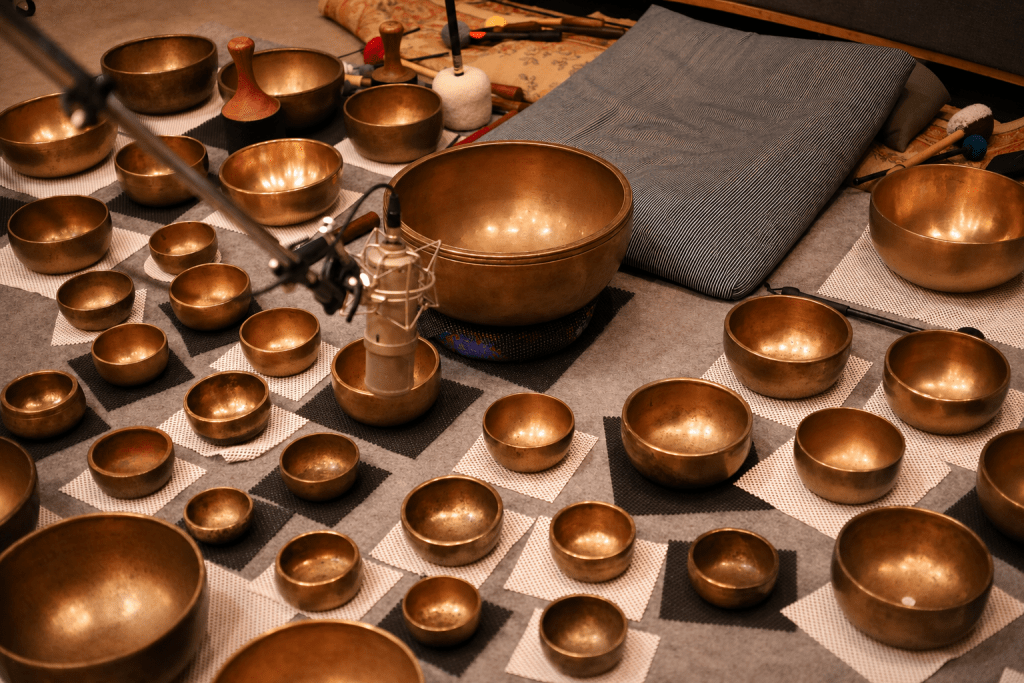
What sets WAVY apart is its refusal to synthesize. “There’s other apps that generate synthesized version of sound, I can’t allow myself to do that because I’m just too much of a purist,” she says. The instruments carry provenance. One contributor owns some fifty antique Tibetan bowls between 200 and 500 years old, and those sit in the library beside gongs, ocean drums, handpan and monochord, each recorded so its overtones arrive as they would in a room.
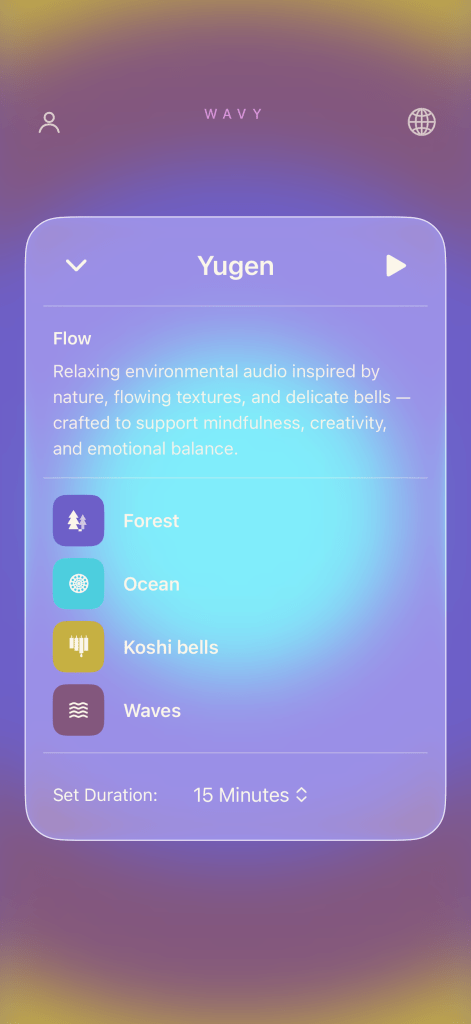
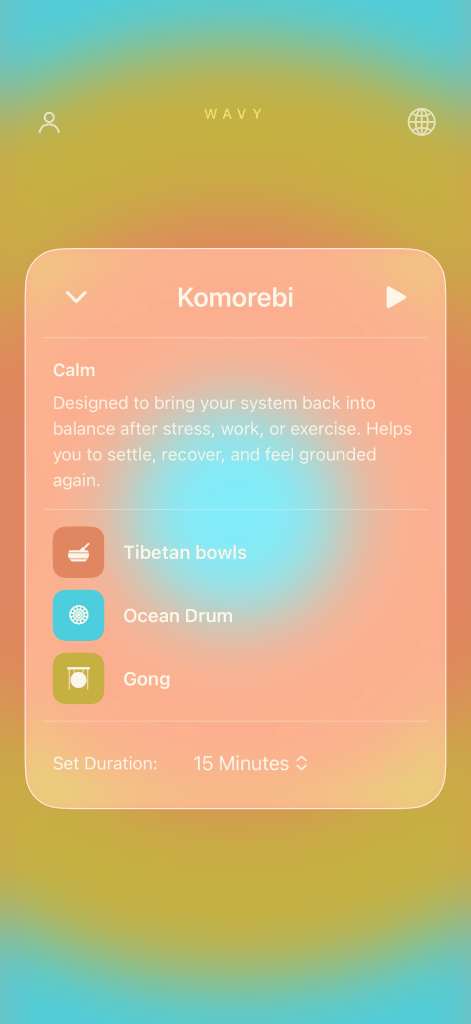
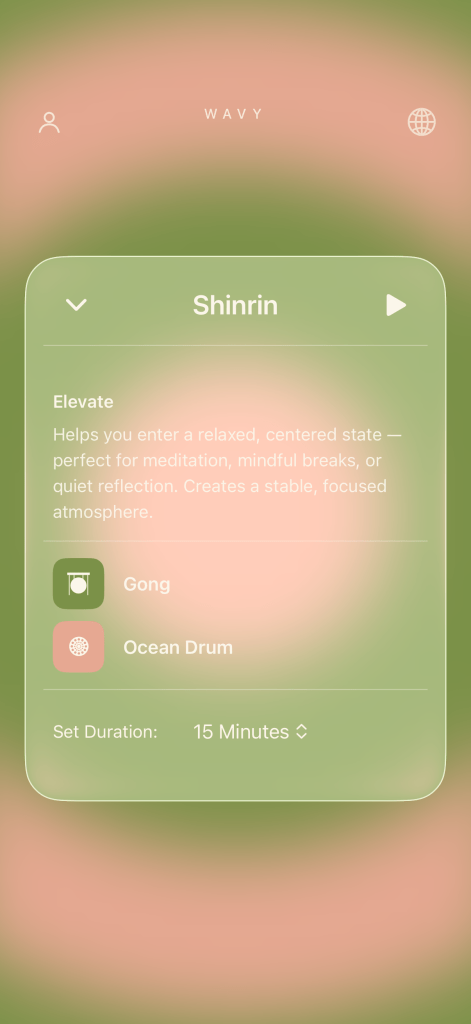
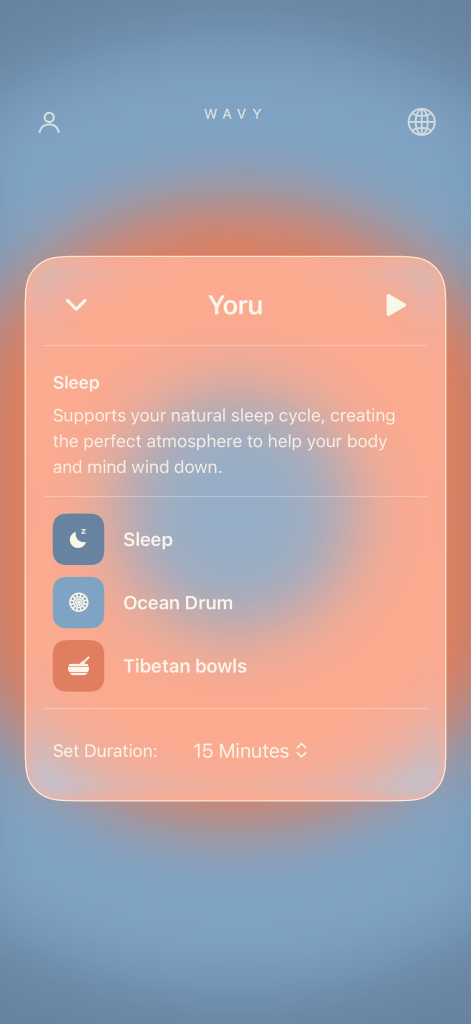
Four listening experiences are on offer at launch, tuned to flow, calm, elevate and sleep, each built from its own set of instruments. Through AirPods or another spatial device—and, as we recently discovered, through in-car surround sound as well—those sources resolve into distinct positions around the listener rather than pressing flat against the ears. A dedicated interface lets you reposition each one by hand, reshaping the bath into something you tune yourself.
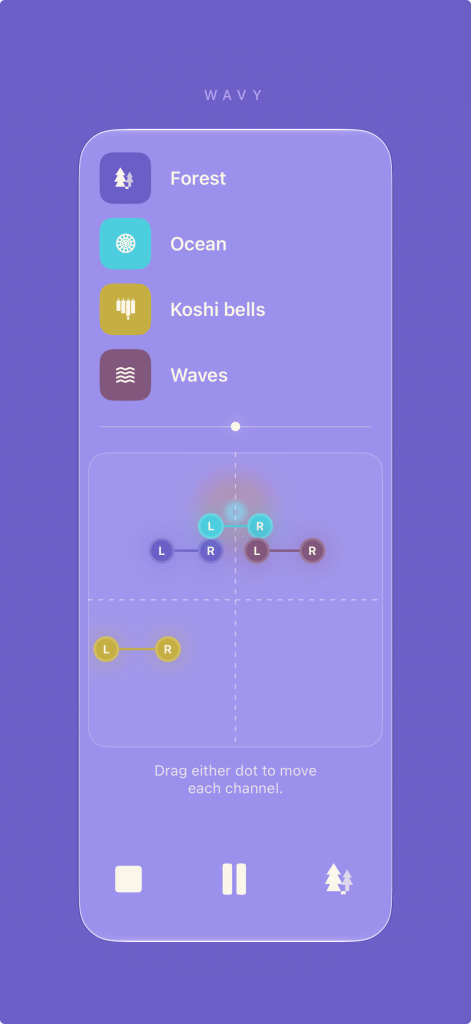
The visual language is as deliberate as the sound. Working with Japanese artist Yoshirotten, Matsumiya held the design to a spare, exacting standard. “I wanted to keep it really minimal, but like very elevated experience. I wanted to feel Japanese,” she says.
Beneath the restraint sits a conviction about where technology and spirit are heading together, which Matsumiya traces to Hilma af Klint and reads in the present moment. It comes paired with a pull toward proof: the platform takes scientific guidance from Luke Fischbeck, a researcher working where health, AI and biometric analysis meet. The library is fixed for now, though the team is looking deeply toward updates that would respond to signals such as heart rate, heart rate variability and sleep patterns, tuning a session to the body in real time.
More than a way to quiet anxiety, WAVY is an argument for closer listening. “I noticed how unaware people are to the sounds around them,” she says, an effort to open a sense most of us leave on autopilot.









What are your thoughts?