FAT International’s Ice Race in Montana
The third edition of FAT’s Ice Race in Big Sky, Montana featured serious talent, a diversity of vehicles and a lot of fun on a frozen course
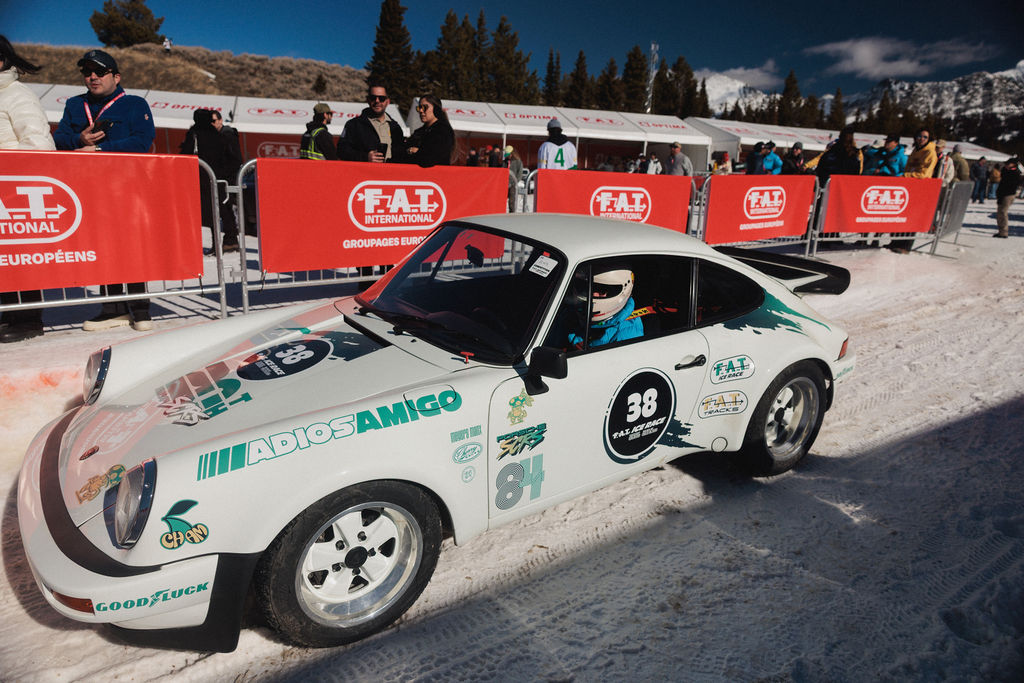
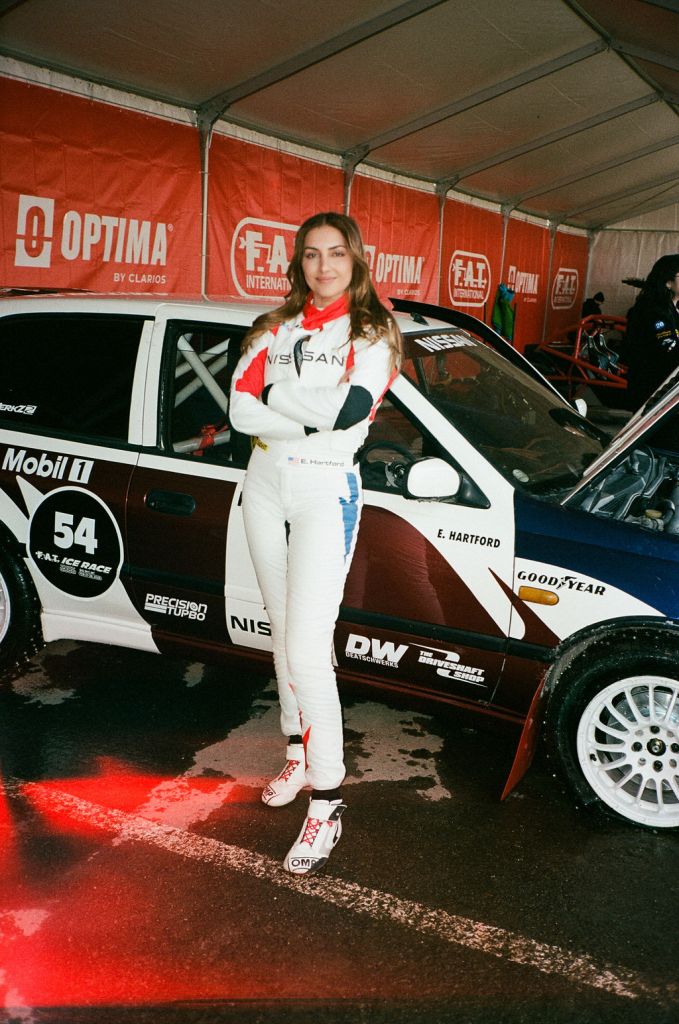
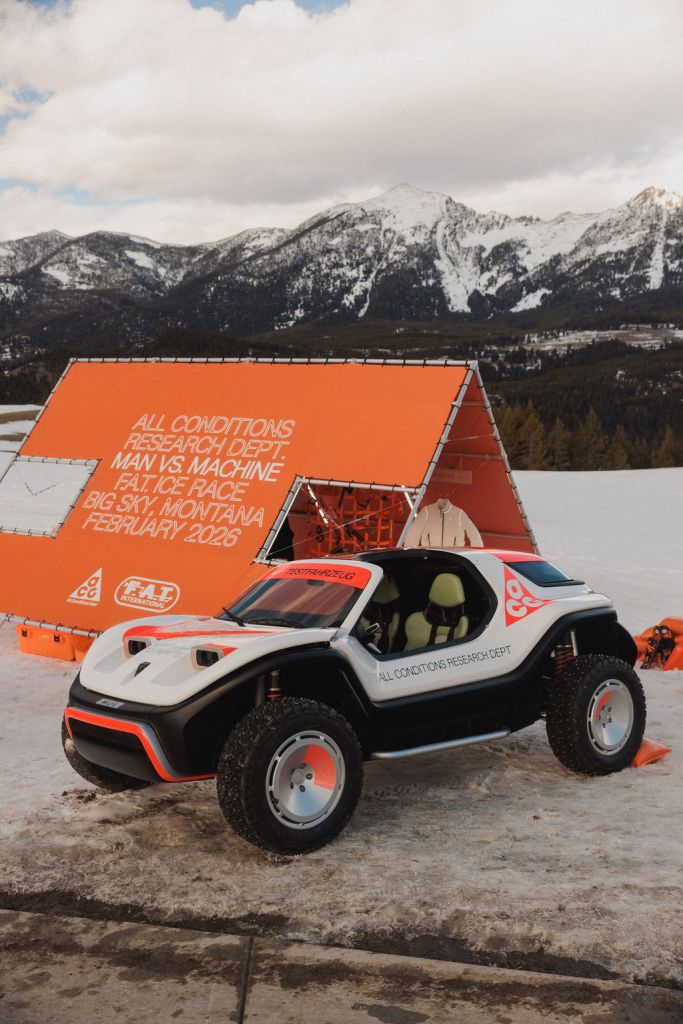
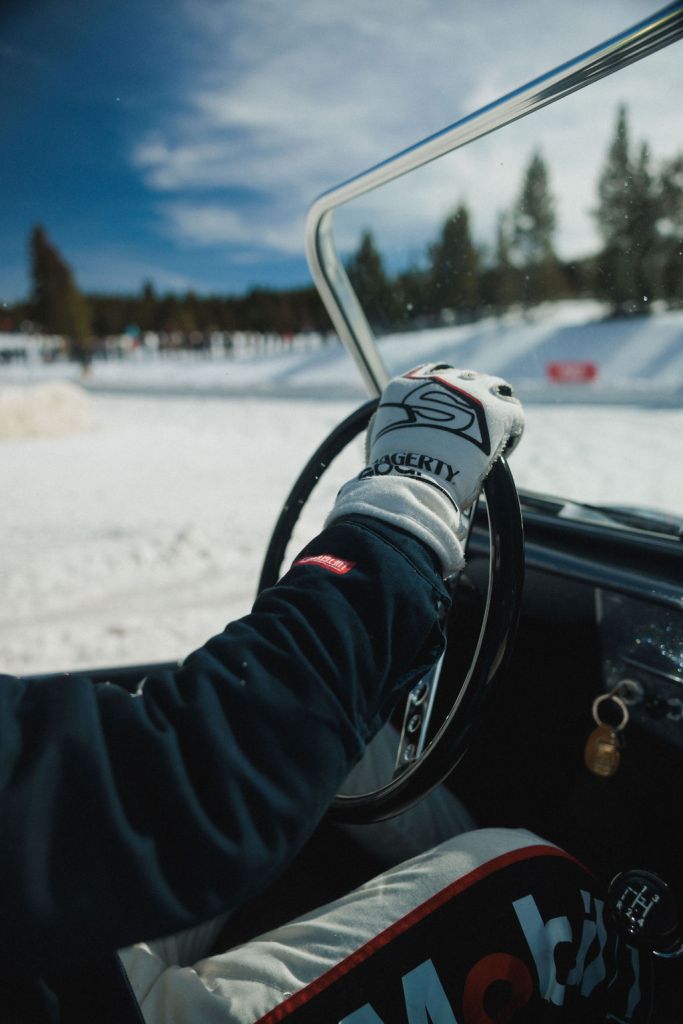
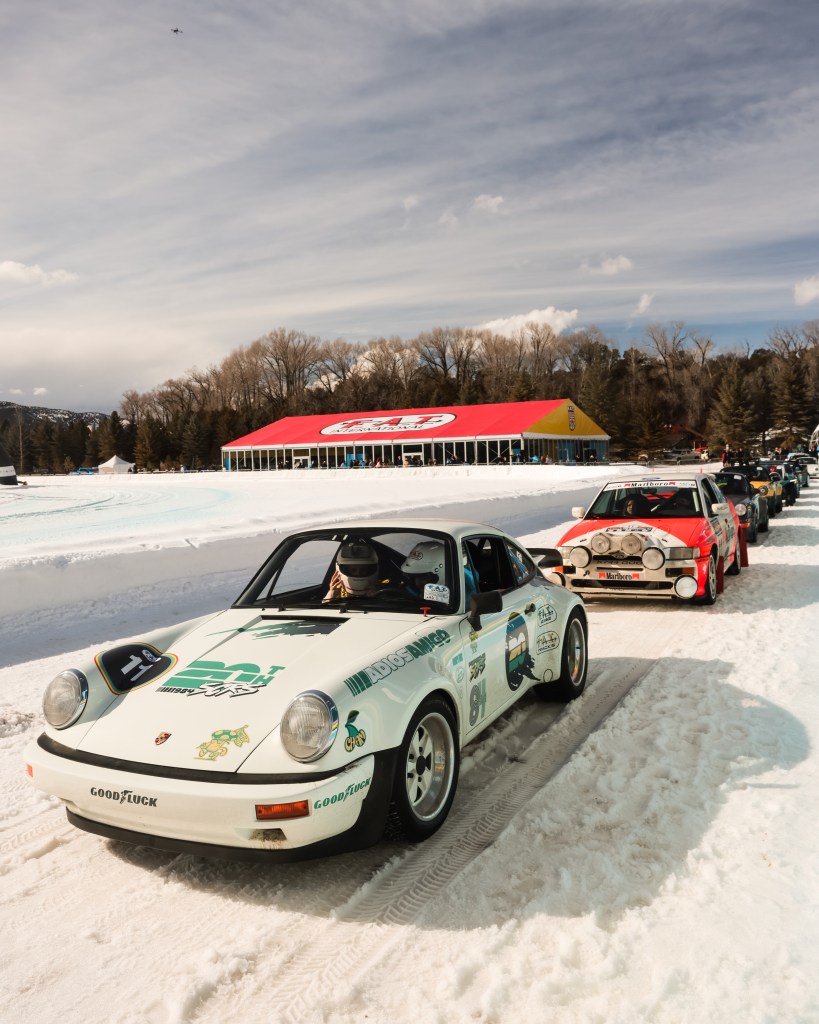
Having enjoyed attending the inaugural edition of the FAT Ice Race in North America two years ago in Aspen, we were eager to experience the next iteration in Big Sky, Montana. Bigger, louder, more dramatic, FAT Big Sky raised the bar for motorsports events in America by bringing in serious vehicles, serious talent, while crucially, not taking itself too seriously. Over the course of the two-day event we enjoyed watching professionals and amateurs alike as both figured out how best to navigate the frozen course. Certainly some were gunning for the top time, while others were simply out there to give the fans a show by throwing up huge roosts of snow. Despite an uncharacteristically warm and dry winter, we left feeling like Big Sky is a natural fit for FAT Ice Race and should be home to the event for years to come. Of course it’s not up to us, so we got in touch with Ferdi Porsche to find out how he felt the event went and what else is on the horizon for FAT International in the near future.
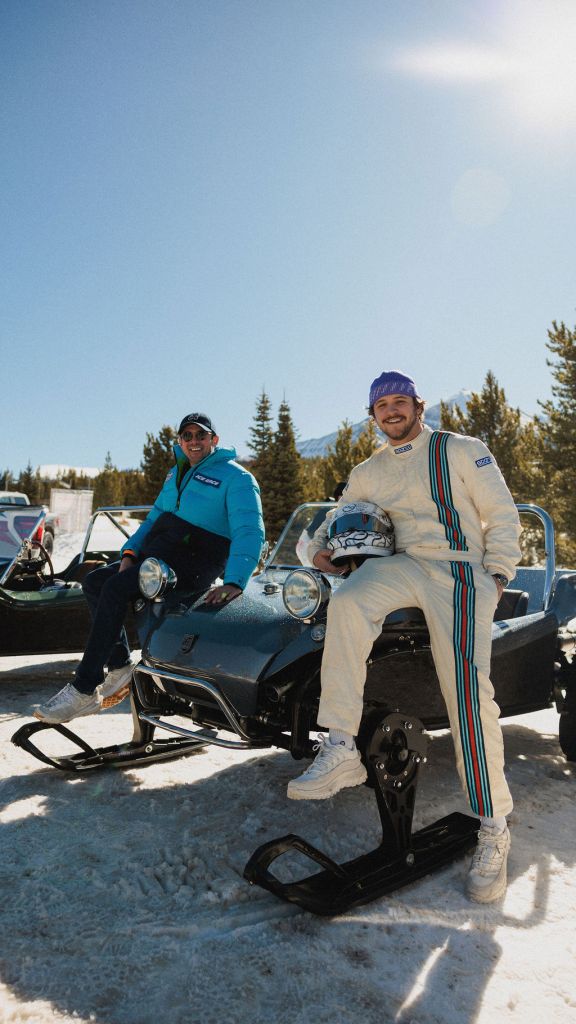
COOL HUNTING: How do you feel the first edition of FAT Ice Race Montana went overall?
Ferdi Porsche: It’s been a few nice weeks since Big Sky where I could reflect on what happened and collect all the learnings and the things I want to do differently next year. In general, I think it was a super successful first edition in Montana. People had the best time. We were able to transport the vibe that we always wanted FAT events to have to the US. Everybody had a smile, even though we did not have the best conditions in terms of ice and cold. Of course, it was perfect in terms of sun and the track holding up both days. So yeah, it was a very good first edition, and I’m back with the team cooking the next one.
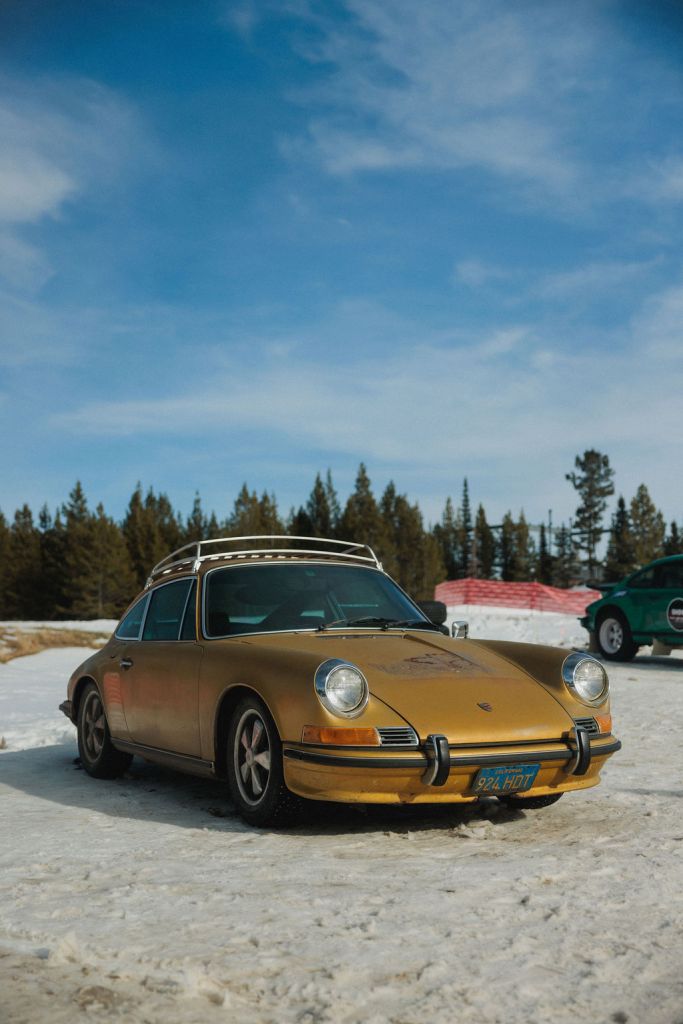
CH: One of the highlights from my viewpoint was the diversity of cars, which felt like a step up from Aspen. How involved are you personally in selecting which cars attend?
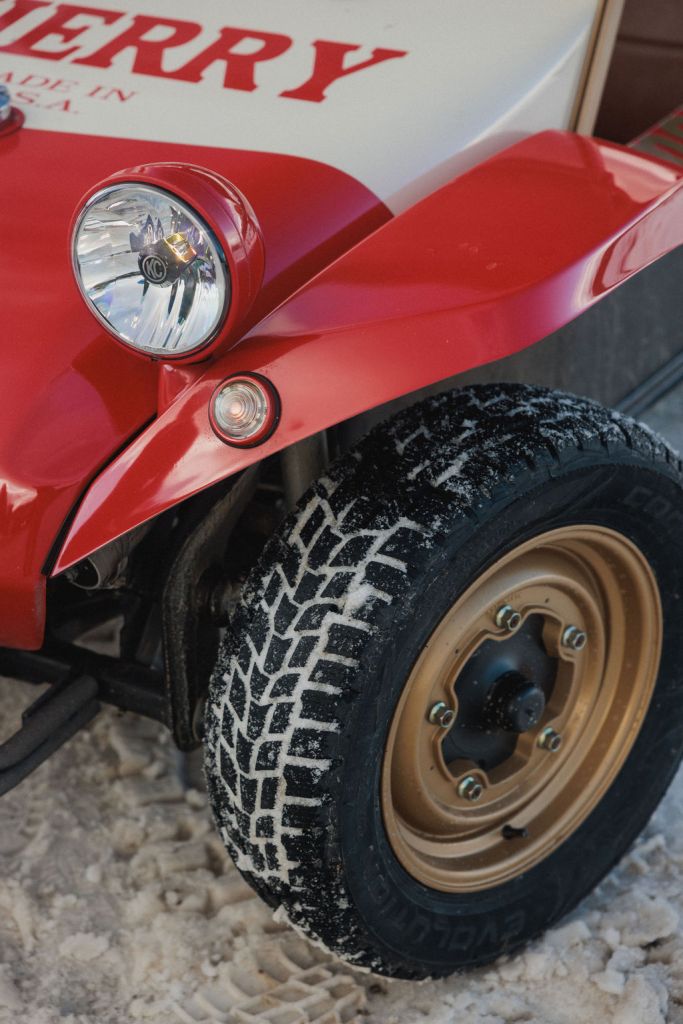
Porsche: We compiled a list of applicants and then we picked them. Simple! One thing that made Montana very different from Aspen was the use of spikes. I think we need to double down on that even more; there were still a few cars that didn’t run proper spikes and that’s going to change next year so everybody has long spikes and can go faster. In general the diversity of cars is something unique to FAT events. The ice and snow make everything look fun because you’re not used to seeing these cars in this environment. Also the snow has the advantage that you can literally put any car on there, whether it’s a race car or a rally car. It somewhat levels the playing field, so you can have everything from a home-built rally car to a proper factory race car on the same circuit.
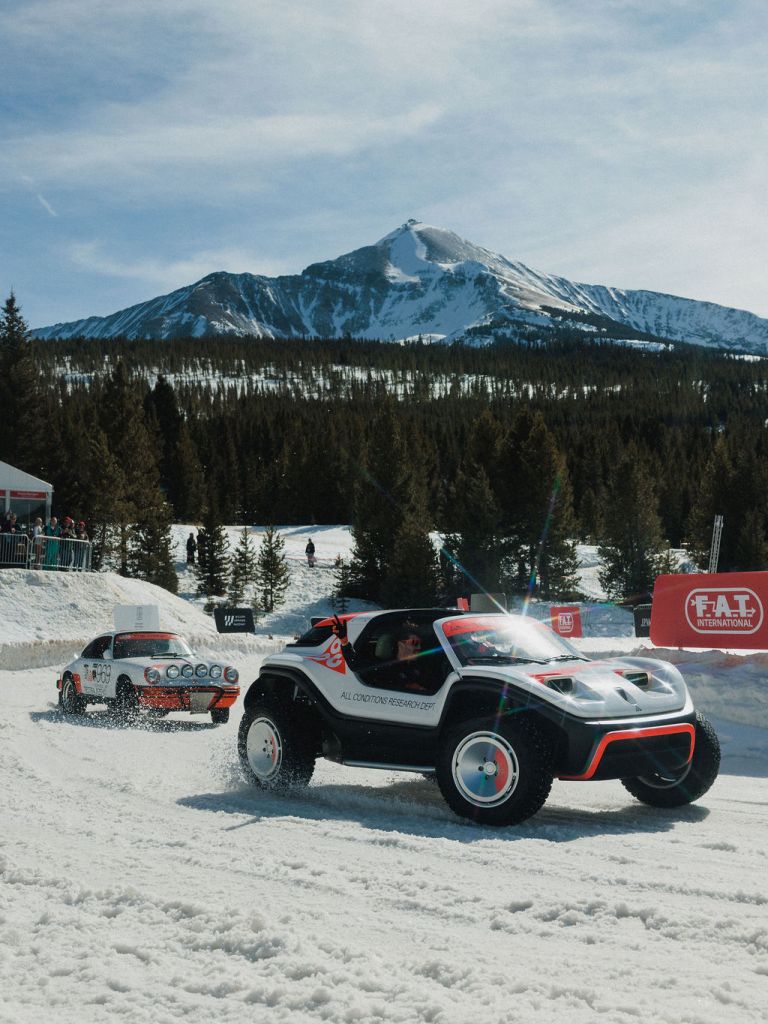
CH: Was there a vehicle or driver that surprised you or was there something you didn’t see coming that was particularly exciting?
Porsche: Good question. There were a bunch of really cool moments and some great combos of cars on the ice. The trophy trucks, I thought, were really fun. I didn’t expect them to be that fast with the big tires, because usually you need skinnier tires for ice racing to really be fast. That was something I found surprising. The whole Mobil 1 squad was really cool. Ryan Turek in his Corolla was mega, a very good-sounding car. I wasn’t really surprised by the cars because I knew what was coming, but I was very happy to see everything come together. You talk about and work on this for such a long time, and then finally seeing it all click and it feels like the most normal thing in the world that you have an F50 next to some ’60s-era rally car on the same track.
CH How many different cars did you personally drive over the weekend?
Porsche: I only drove Ken Block’s 911. That was it. But if you’re going to drive one, that’s a pretty good one.
CH: On the experiential side, you had some great new partners Nike ACG being a standout. As you think about next year, how do you hope the sponsor village and paddock experience evolves?
Porsche: This was the first edition, so my list of things I want to improve and make cooler and more visually pleasing and more seamless for spectators is long. Basically every single spot on the event side has a note from our team on what we’re going to improve or change. The excitement from all the partners who were there and believed in us for the first year was huge, and everybody wants to come back and think bigger with us, which is a plus.
But more broadly, FAT has a very holistic approach to how we think about this. With the Karting League at the very bottom for kids, all the way up through Ice Race and the experiences and the parties. All of that binds together and becomes a place where you can—while standing by the side having a beer—support this bigger mission: to democratize, revolutionize and bring a younger angle to motorsport. Ideally that was already being transported in this first edition, but as an architect of it, I see an enormous amount of room in every single piece of Ice Race to tell that story in more depth, with more creativity, better visuals and so on. It’s cool that we were able to show all of the partners, spectators and competitors where we want to take this and ideally next year we surprise them again with a much better experience.
CH: How is the FAT Karting League shaping up for this year?
Porsche: We’re expanding. When we partnered up with Rob and his team about a year and a half ago, the clear goal was to make this a global league. Last year we opened two hubs in the States, and this year we have another four hubs planned: three in the States and one in the Dach region (meaning Germany and Austria). After just this first year of expanding, we are already the biggest karting league on the planet, if you count all the kids who sit in a kart at some point.
We get a lot of attendance from existing karting communities, people who were racing elsewhere and either couldn’t afford to continue or were attracted by our proposition. It’s data-driven, and if you win, you get a fully funded season in our professional racing team, which we’re now building out through F4 and F3. But my bigger goal is to get more people into karting altogether. Racing right now is almost entirely a spectator sport—1.5 billion people watch it and hardly anyone is actually doing it. In the UK, for example, you have around 2,000 kids karting, but the addressable market, kids in that age range who could afford our price point, is somewhere around 15 to 80 million. It’s a sport that almost nobody does.
So my goal is that parents who are thinking about yoga class, piano lessons or other activities for their kids start to see karting as a real option through FAT Karting League. And if your kid is good at it, we’re going to find them and make sure they get a proper seat. That’s where we stand. It’s about expanding and getting the word out.
COOL HUNTING: You recently announced your first FAT Racing driver coming out of the Karting League. Can you tell us about that?
Porsche: Yes, we just announced our driver for this year’s F4 season. We had four winners from the Karting League finals, did a shootout with those four kids, tested them in karts, physiologically, psychologically, in the sim and in an actual F4 car. It was really tight, but we picked the one we believed was the strongest overall package and showed the most progression. That’s Jackson Wolny. He’s our first FAT race driver, our first FAT athlete. His first race is 17 and 18 April at Donington Park in England. Ideally, this also drives a lot of attention to the karting league itself: we have this halo story of a kid who came through the league earning a fully funded seat in British F4, and hopefully also being great at it.
CH: Someone who saw FAT for the first time in Montana asked me, “What is FAT?” How do you answer that?
Porsche: There’s the elevator pitch and there’s a more business-oriented answer, I’ll try to combine both. The elevator pitch is: we’re going to get a million people racing. We want to do that with fun events and experiences on one side, and with proper karting and racing on the other. All of it carries an element of youth culture and a rebellious attitude. On the events side, it’s a party, it’s beer, it’s fun, it’s the people around you. And with the racing side, it’s the same rebellious attitude, because we’re basically messing with a system that hasn’t been touched in a very long time and trying to change that.
Ultimately, I want to see FAT become like a proper racing team, building this culture to a point where we show up at some of the big race classes, whether that’s F1 or WRC or whatever, and we bring exactly this fashion and lifestyle behind the pits. And in front of the pits, we have our own talent racing against the existing pool of people. That’s the idea.
CH: Are there marquee events in car culture like Goodwood, Monterey Car Week, and other concours events where you’d like FAT to show up and make its presence felt?
Porsche: I think it goes two ways. First, you can do a FAT Ice Race without the word “ice” in it—it doesn’t always have to be on the ice. There’s more coming on that side, and that’s an official-unofficial teaser. Second, I actually don’t feel like we have to literally kick the door in somewhere and mess with something that’s already cool on its own. I enjoy attending some of those other car events, a concours now and then, Monterey, Goodwood, but before I’d try to attach FAT to something that is already its own thing, I’d much rather go out and keep building the FAT world in unexpected ways, not so closely tied to existing car events. By 2027, there will be another FAT race, one without the word “ice” attached to it.
CH: I’ll look forward to the announcement on FAT Rally or whatever you’re dreaming up. Congrats on Montana—it was a really great time. The town loves having you there, and everyone’s excited for it to come back.
Porsche: Thank you. It’s cool that something with such deep heritage in Zell am See and Austria now exists on the other side of the world, and people are just as hyped about it.

What are your thoughts?