The Luxury and Exotic Car Worlds are Evolving—are You Paying Attention?
There’s no better barometer of brands and the future of ultra-luxury cars than Monterey Car Week

By the time a Duesenberg SSJ, originally owned by Clark Gable, rolled across the stage as the Best of Show winner at the Pebble Beach Concours d’Elegance, the grass around the area seemed less crowded than usual. There were plenty of famous collectors strolling about, but it was easy to pick a path through the 218 cars parked around the pristine golf course.
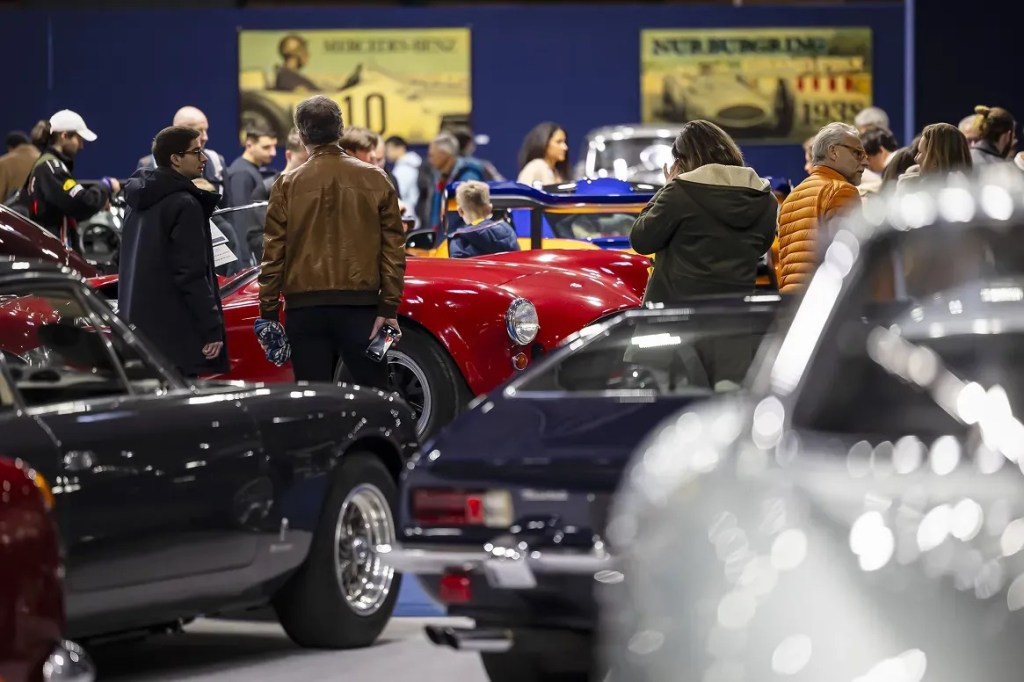
There’s a steady cultural shift playing out on Carmel’s streets and along the area’s iconic 17-Mile Drive, with fewer white-haired, Duesenberg-besotted collectors, and many more 20-somethings piloting super exotics. We’ve never seen so many Koenigseggs and Paganis lined up in parking lots with bros clapping each other on the back.
Those younger crowds may prefer events like the invite-only Saturday night parties thrown by Lamborghini and Bentley, or their own super-private events at rented villas. Lately, the cultural divide is skewered by AI-created parody videos on Instagram contrasting the old money with the influencers. The ultra-wealthy driving Czingers cleave a clear divide between themselves and those driving mere Porsche 911 GT3s or modern Lamborghinis.
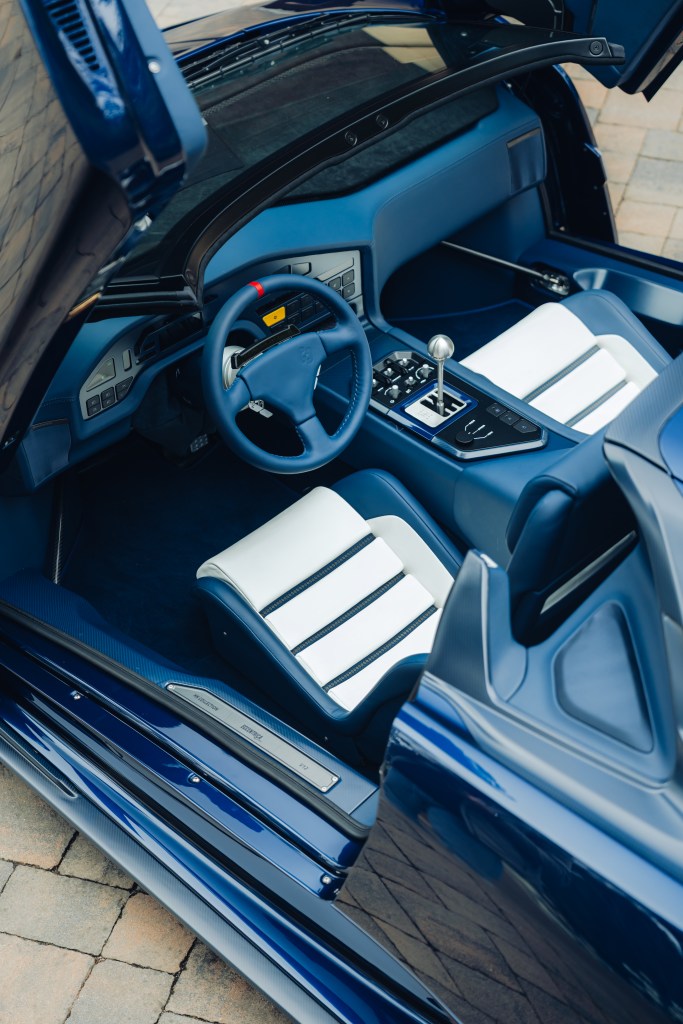
Few here seem to be feeling the pinch of oil prices: the 2026 auctions made history, according to Hagerty, with total sales reaching an all-time record of $755.6 million. Modern supercars made up more than half of all sales, whereas prewar cars’ share of sales has continued to shrink. The prices of Ferrari F40s and Enzos have skyrocketed, and even more proletarian models like a 2010 Murcielago LP640 went for $3.1 million.
McKeel Hagerty, Chief Executive Officer and Chairman of the Board of Hagerty, said that the market has been rotating to newer cars for a few years now. “The supercar and hypercar portion of this dynamic is increasingly visible during events like Monterey Car Week, which has really become the Art Basel of car culture, with the Pebble Beach Concours d’Elegance at its core,” he said. While making the point that Ferrari remains a constant, he added, “What’s new is the level of choice from amazing luxury brands and tastemakers like Bugatti, Koenigsegg, McLaren, Pagani, RUF, Singer and more.”
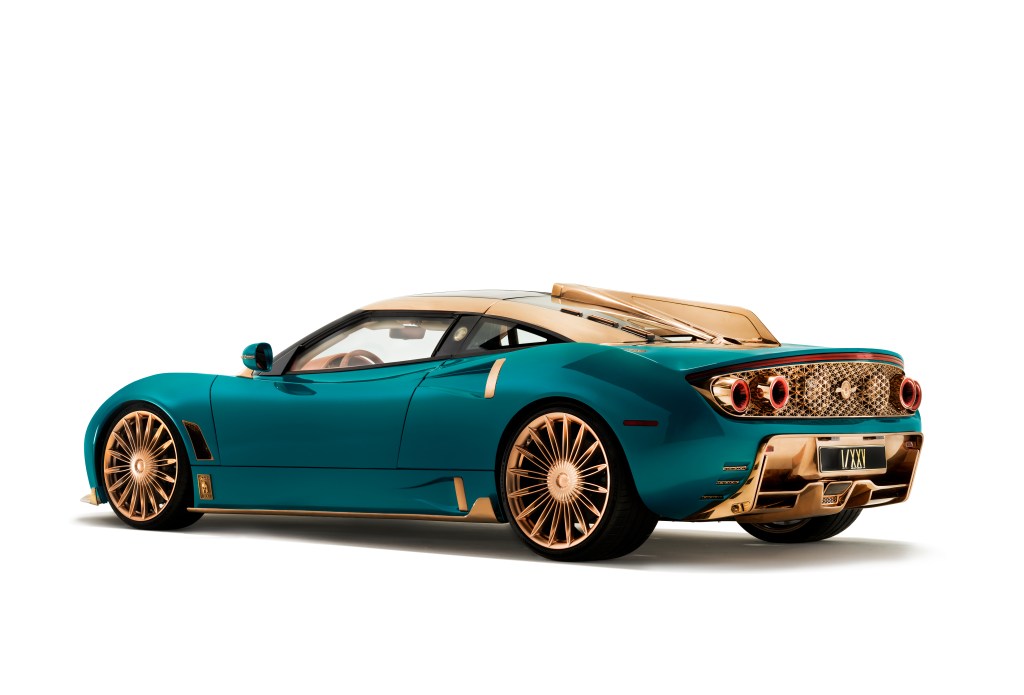
“This industry has changed so radically that it’s hard to recognize if you have been away for a little while,” said Spyker CEO Victor Muller, who was showing a new model at The Quail, the C8 Preliator XXV.
“When I started making our hand-built cars in 2000, we were selling them for 25% more than the comparable Ferrari, like $250,000. Everybody said they were very expensive, Muller said. “Now we’re selling a 1.6 million euro car—let’s say $1.9 million dollars—and nobody finds it odd at all.” Indeed, by the end of the weekend, all 25 yet-to-be-built Preliators were spoken for.

What does this mean for less stratospheric luxury brands? Whereas the OEM presence at Friday’s big event, The Quail, was once somewhat modest, now the entirety of the big lawn is ringed by stands from brands like Audi, Cadillac, Lamborghini and Porsche. Marketing dollars go here rather than to traditional auto shows like Detroit, Los Angeles and New York.
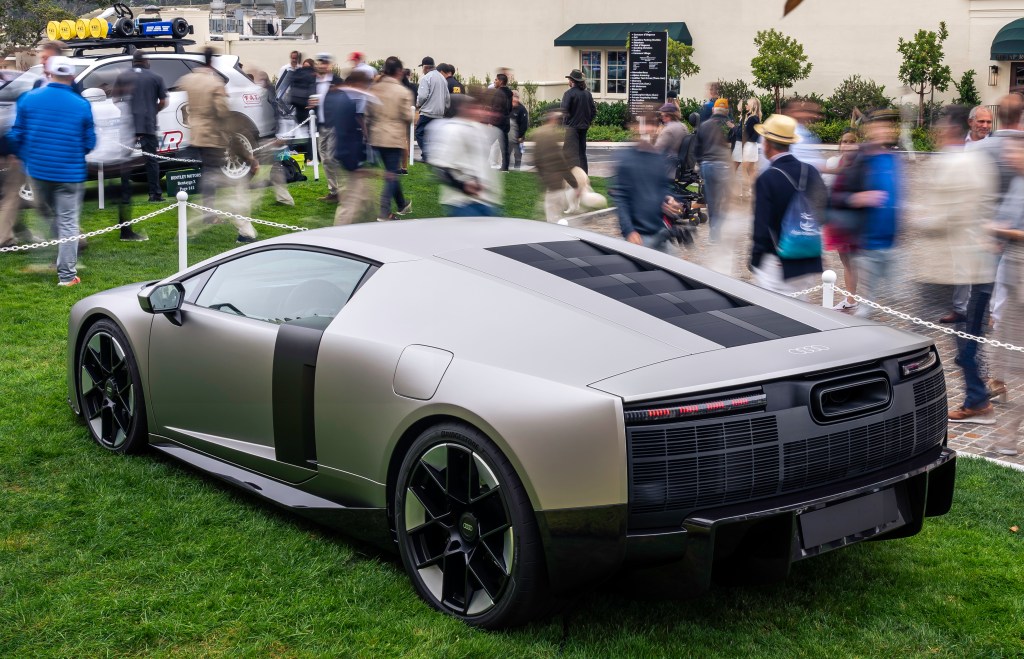
Audi showed the Nuvolari, a mid-engine plug-in supercar limited to 499 units and priced around $700,000. “Simplicity of design and intelligence have always been part of Audi,” said Massimo Frascella, Audi’s Chief Creative Officer, as he showed us details on the Nuvolari like a rear logo milled out of aluminum and set flush into the top rear panel. “This is a supercar, not like any other supercars, as it’s done differently. It shows Audi values like clarity, technicality and intelligence, coming together in a very strong emotion.”

Meanwhile, the Cadillac stand was right next door, having revealed its V-One concept car, which, if it goes into production, will likely be in extremely low numbers and with a very high price tag.
Dominic Najafi, Executive Director of Design, Global Cadillac, said that Cadillac’s unique market positioning synthesizes credible racing performance with ultra-luxury aesthetics across the entire portfolio. “I think we surprised people with the V-One, as you see the authenticity with how materials are used, and you see the technology,” he said. “When you think of the best of American design, technology is a major part of that. Our goal is to define American luxury.”
The brand’s other ultra-luxury offering, the CELESTIQ, was also in full view during the week, with rides being offered out of the Cadillac House. We drove a rich chocolate version, with an as-driven cost of around $500,000, and came away incredibly impressed by the seamless and surging electric powertrain, and the way the rear-wheel steering allowed it to cruise through tight curves.
With both VW Group’s and GM’s luxury marques going for sky’s-the-limit prices and rarity, what exactly feels special and surprising these days?
The answer may be old-school, analog cars. Muller’s Preliator is a hyperventilating steampunk design with not a single digital screen and a gorgeous open-linkage manual gearbox. “Fifteen years ago, everybody said F1 technology is the future, right? But we kept on making manual gearboxes at a time when it was hard to explain why you would go for a manual gearbox, not zero to 60 times. Now the manual gearbox is back in fashion,” he said.

Our favorite new car that we saw at The Quail both exemplified this analog notion and wasn’t really new at all: the Eccentrica roadster, a fever dream of a vehicle that marries the glorious excesses of the 1990s with the attention to build we expect today. It comes from a resto-mod company based in San Marino (the mountainous European microstate surrounded by Italy) that bases its cars on first-series Lamborghini Diablos.
Emanuel Colombini, founder and president of Eccentrica, brought in famed Lamborghini engineer Maurizio Reggiani, who retired from Lamborghini in 2023, as an advisor to the company. We’ve spent many hours on race tracks around the globe with Reggiani, and he’s a consummate pro and gentleman.
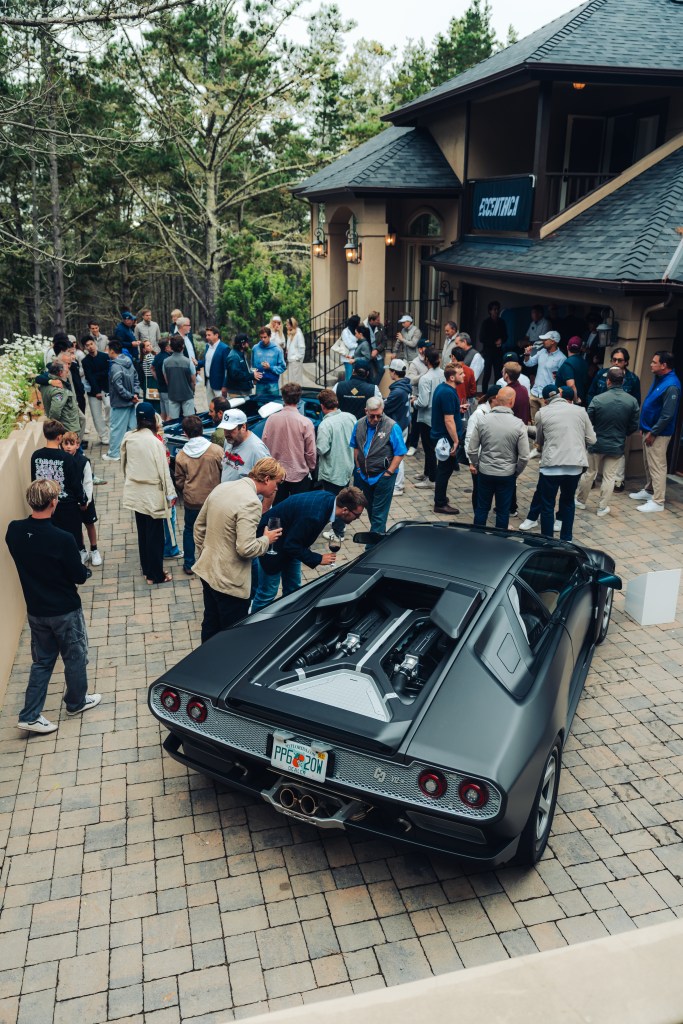
The Diablo’s eccentric original wedge shape remains, but it’s wrapped in modern materials and built with a meticulousness that never came out of the factory in the 1990s. “The idea is to have an analog car you can drive every day,” Colombini said. “The old car was a bit of a handful, a bull, no?”
“Our target was to improve what was not available in the ‘90s, and leaving the same DNA of the car,” Reggiani added. “This for me is the motto that you need to have in a resto mod. It cannot just be the car of today, otherwise what’s the point?”
The gravity toward these supercars, hypercars and resto mods is driven by mostly younger enthusiasts and collectors who lack interest in the traditional classics, and are rapidly transforming the cultural implications of automotive design and desire alongside the economic transformation.






What are your thoughts?