Dotdotdot: Narrative is Better Than Immersive
Co-founder Laura Dellamotta on the invisible digital architecture that makes museums, hospitals and castles speak
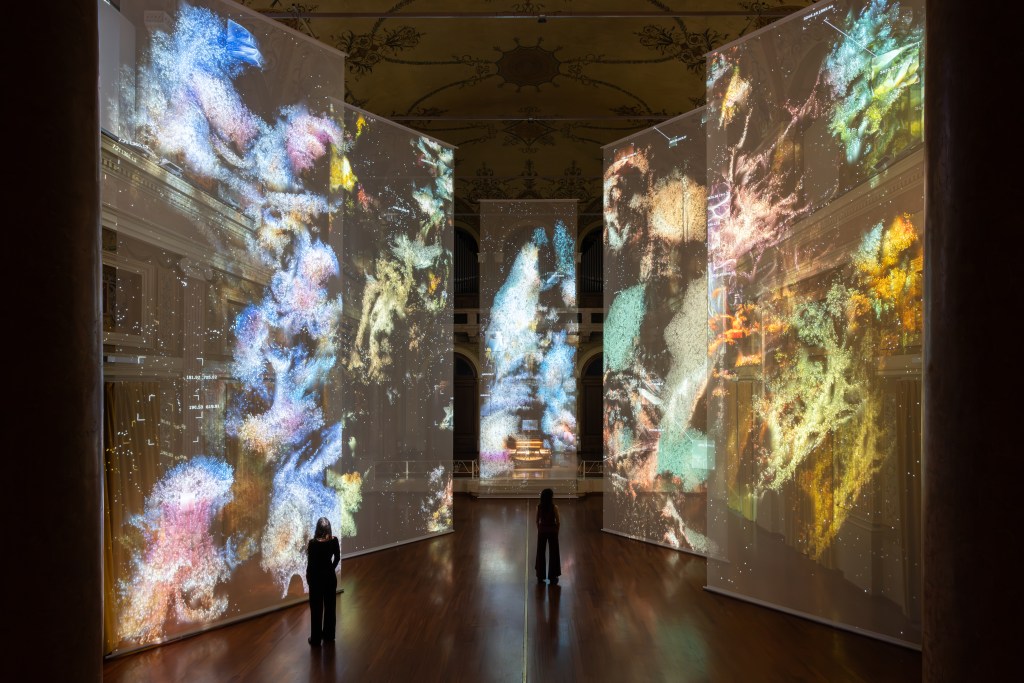
When it comes to experiencing physical space, today more than ever “immersive” is a keyword. The Milanese studio Dotdotdot has created installations since 2004, always on the ridge between physical and digital. But the word they prefer is “narrative.”
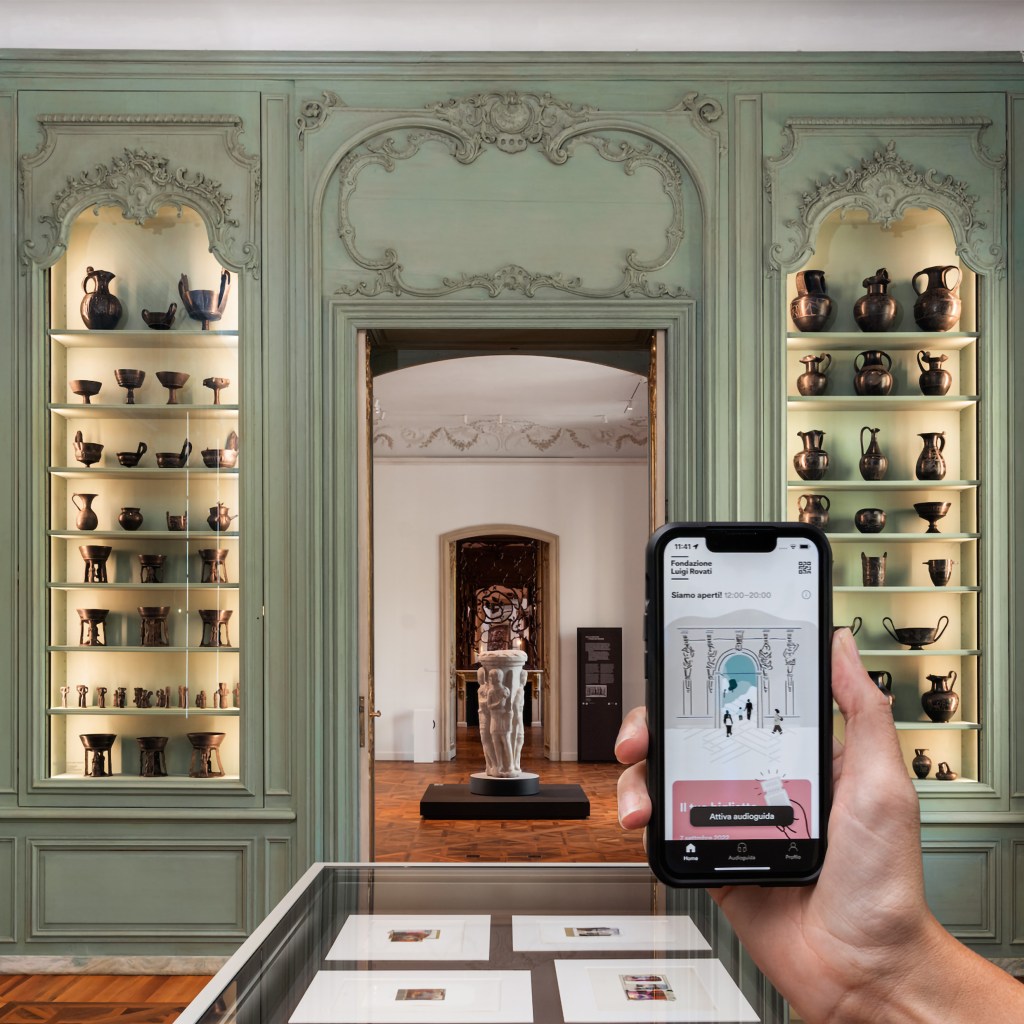
Digital infrastructure makes up the least visible part of the work, yet the one with the greatest impact in terms of innovation: the digital woven into spaces to enable experiences and services built around the user and visitor. The studio does this in public places such as hospitals, libraries and museums, and in private showrooms. Examples include the Fondazione Luigi Rovati in Milan, the Brescia Hospitals, the BEIC library and cultural center, opening in 2027, and the historic QC Terme Spa in Salsomaggiore.
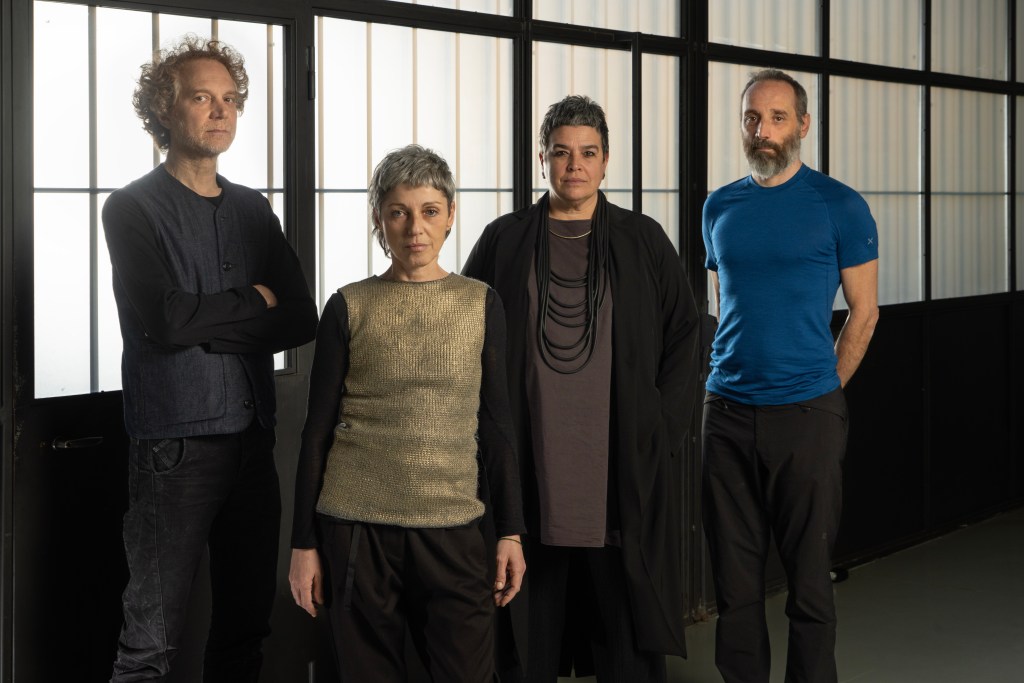
We discuss this with Laura Dellamotta, architect, general manager and co-founder of Dotdotdot together with Giovanna Gardi, Alessandro Masserdotti and Fabrizio Pignoloni. Since its inception, the studio’s staff includes architects, designers and interaction designers, along with experts in graphics, storytelling and digital fabrication. This points to a broad, wide-ranging vision that goes beyond mere interactivity and shifts over time.
Since 2004 Laura has lived through several social and technological changes, such as the arrival of social media and the massive spread of smartphones. We ask her whether, for her, this kind of technology amounts to a useful tool or a necessary evil.
“I can tell you one thing: from the very beginning, from when we were born and still today, [technology] is our strength. The main theme we always put on the table is the culture of the project,” she says. “From the very start, we were fascinated by this meeting point between the material and the immaterial. Everything we have brought into our work comes from studying the behaviors of people and environments, and from trying to understand how they could coexist and lead to experiences of value. In this reasoning, technology has always been a very useful tool for us. Our research is continuous and moves across several planes: cultural, technical, experiential and narrative.”
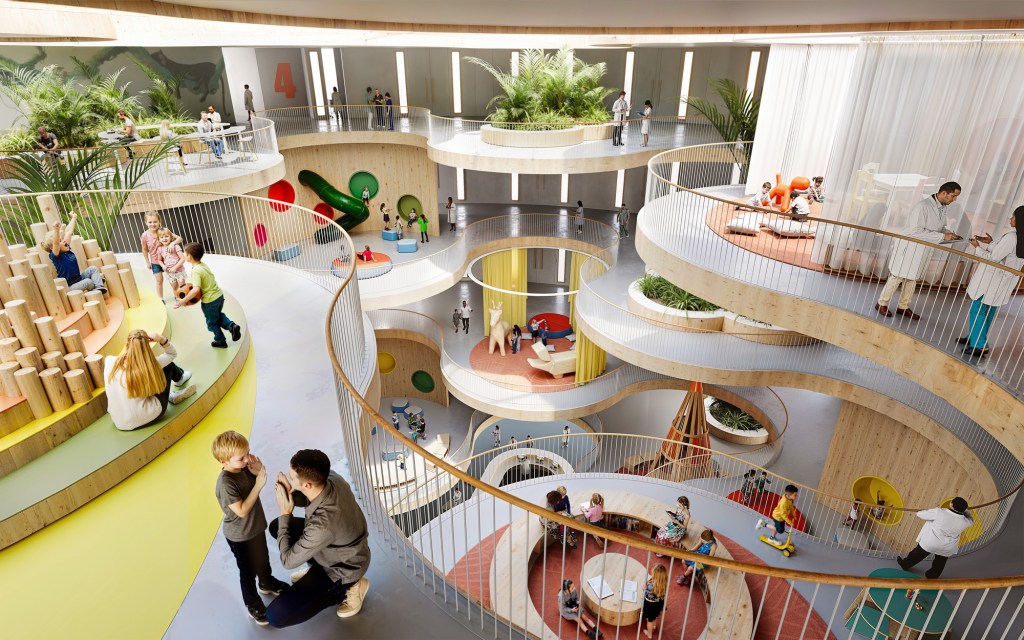
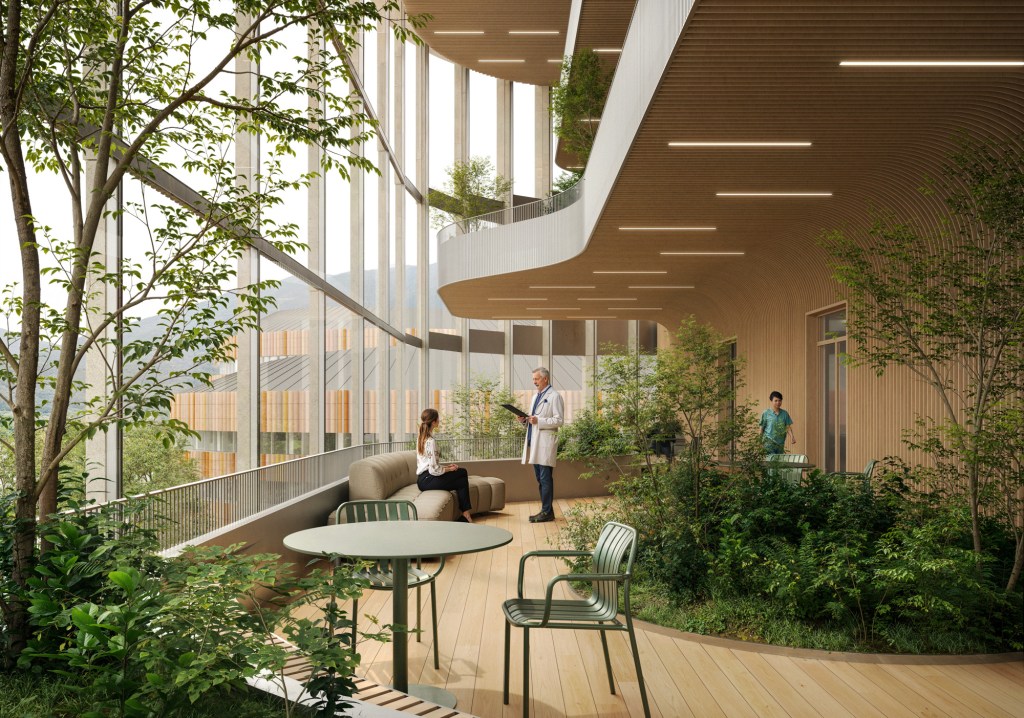
The work has obviously changed a great deal, as shown in the Brescia main & children’s Hospital, a visionary project where construction will begin in 2028. The planning includes Park Associati, Carlo Ratti Associati, Politecnica, Openfabric, Studio Mattioli and Eckersley O’Callaghan, while Dotdotdot is taking care of digital architecture, wayfinding and user experience. “Unlike the early days,” Dellamotta says, “when we only made interactive installations and exhibition designs, we made a leap in scale and started working on digital architectures. So in buildings like the Brescia hospital, our role is precisely to design the experience, both physical and digital, in this hybridization,” she says. “Rethinking the routes inside a hospital is complex—every visitor arrives with an emotional load, perhaps of stress, and cannot orient themselves because the routes are not clear. We have to consider the various components: human, spatial, digital. Our role is to ask ourselves: the hospital of the future, in 2030, what can it be? What can I improve? Technology plays an important role, but without knowing it you cannot design these experiences well.”
In concrete terms, then, what happens for users? “On the cultural theme, we developed a system called Experience Guide: a management platform, both for the governance and for the visitor. This platform also includes a system for accompanying the visit: an app you download onto your phone, based on a system of beacons that you hide in the space and that locates you, guiding you toward the story, both inside a museum and in a physical place,” Dellamotta says.
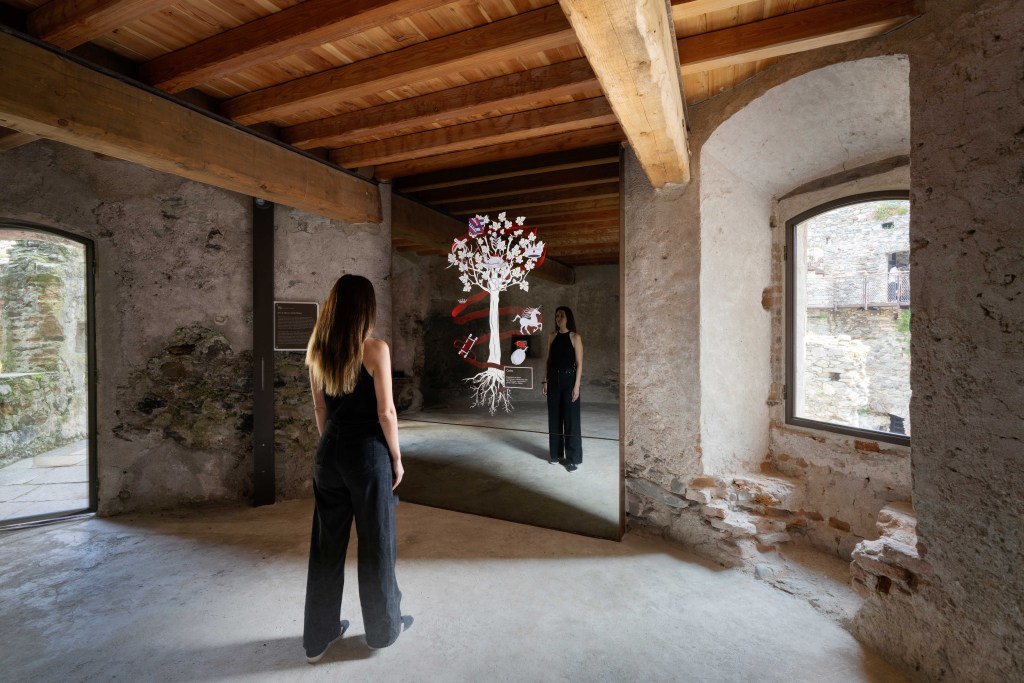
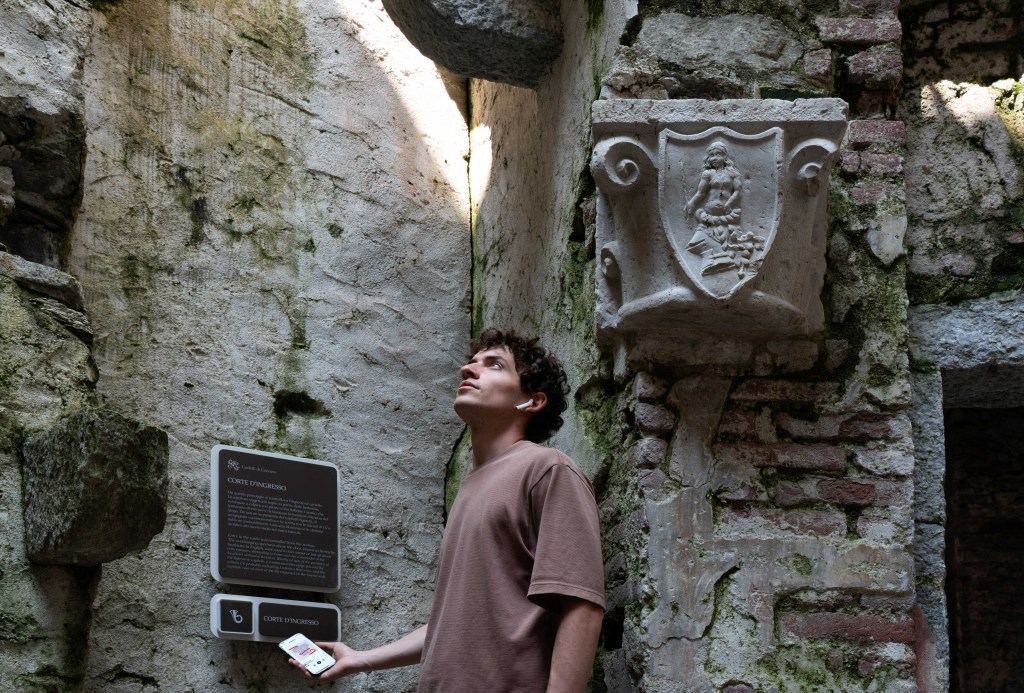
“At the Castelli di Cannero, for example, we developed a narrative like an audiobook: as you move through the spaces, it is the castle itself that tells you a story. All of this hands-free, only with headphones. For us the phone is a tool that you keep in your pocket, but that is used as an asset to let you live a different experience, integrated into the space. Thanks to this device, which however becomes ephemeral, you have a support and not an obstacle: you do not have to read the instructions to understand how it works. It is the technology that adapts to you.”
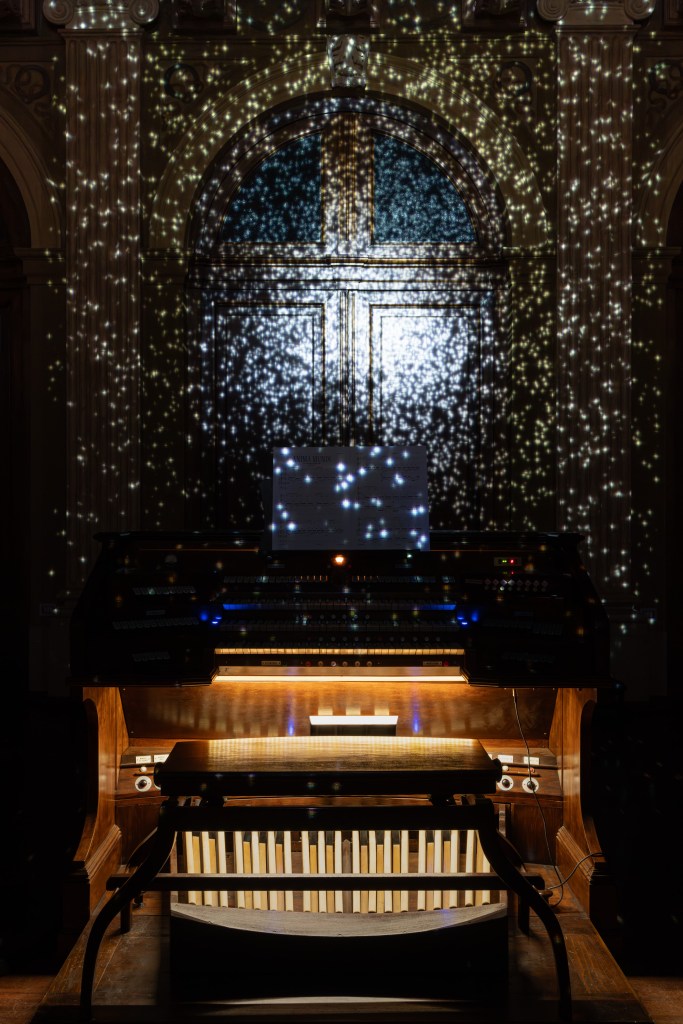
The Dotdotdot team acts as an interpreter of stories, reworking them through historical, scientific and anthropological research, giving them form and making them accessible from an emotional and cognitive standpoint. Among these is Anima Mundi. A Visionary Impulse for Geely at Milan Design Week 2026. An AI tool generated the projections automatically, reacting to the presence of people in the room. A real organ, played by an algorithm, produced the soundtrack. The installation won a Special Mention for Technology & Innovation at the Fuorisalone Award.
Among its future projects, Dotdotdot is involved in creating the new home of the Museo Nazionale della Resistenza in Milan. It will stand in the Porta Volta area, and Herzog & de Meuron signed the design. “We are designing brand identity, museum experience and multimedia installations,” Dellamotta says. “We are working both with the curators and with Herzog & de Meuron to integrate the installations, the visit route, what to put into audio, what to tell, what to make visual. There is always great attention to the theme of accessibility: not only cognitive, visual or auditory, but also of audience, in order to give a visit that is as complete as possible to different audiences.”
Because culture must remain at the center, together with accessibility. “We were born precisely as a studio that deals with the dissemination of culture. In addition, with OpenDot—the innovation hub we founded in 2014 which is now a Foundation—the theme of health, care and accessibility has always been very important for us.”
But does the public trust these technologies, or find them suspect? “People do trust, yes, but if they are not well designed, they get bored,” says Dellamotta. “Observing the behaviors of people inside our installations has always been our main interest. We have always said that the project is finished by the visitor, the end user: you can design, but the experience is completed by whoever enjoys our projects.”




What are your thoughts?