Western Sicily’s Matriarchal Luxury
At Rocco Forte properties Verdura Resort and Villa Igiea, Irene Forte and Olga Polizzi have built a hospitality model where wellness, design and place are inseparable
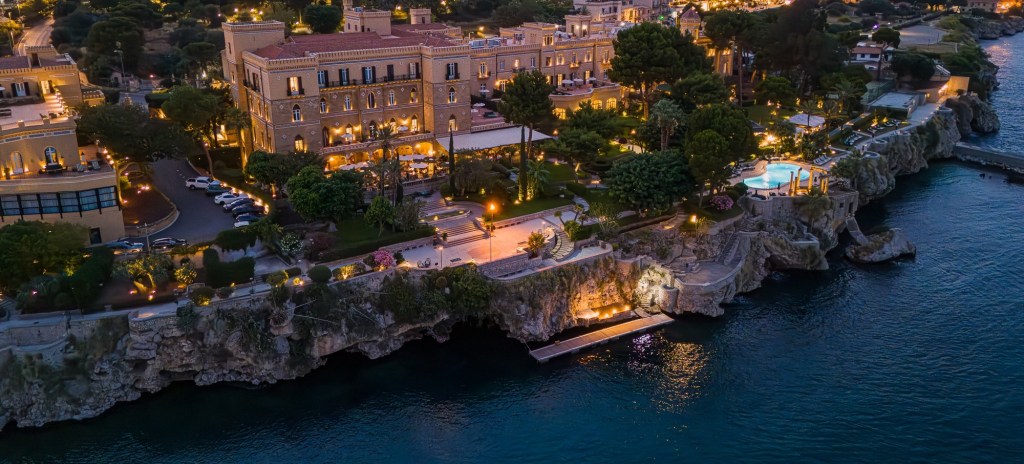
Southern Italy, and especially Sicily, is often cast as patriarchal, yet women have long been central to its history and are now leading entrepreneurs. Take two diverse and captivating Rocco Forte Sicilian sites, with their surrounding territory and culture as an example. From Verdura Resort‘s wellness and design leadership to Villa Igiea‘s Belle Époque hostess and contemporary craft ventures, Western Sicily reveals a surprisingly matriarchal society.
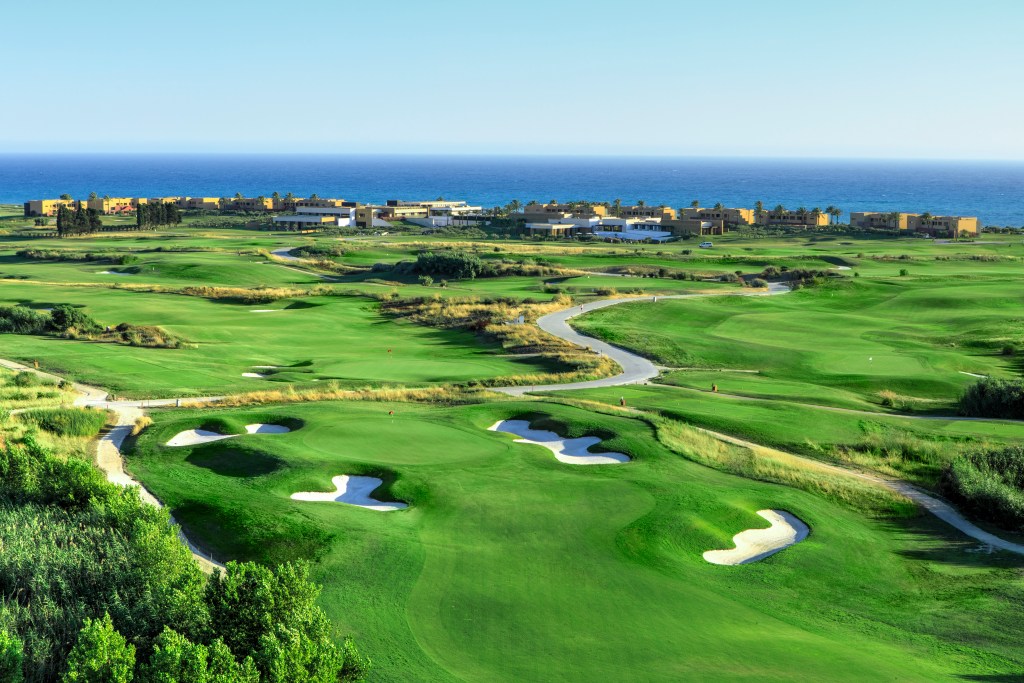
On the shore near Agrigento, Verdura Resort is redefining Mediterranean luxury through a design‑led renovation that marries coastal modernism with local roots. Spanning a sprawling estate with two kilometers of private shoreline—a scale rare in densely built Italy but reminiscent of America’s great coastal retreats—the property balances openness with intimacy. Two Kyle Phillips–designed golf courses, favored by Roger Federer and host to corporate retreats for companies like Google, complete a destination where architecture, landscape and lifestyle converge.
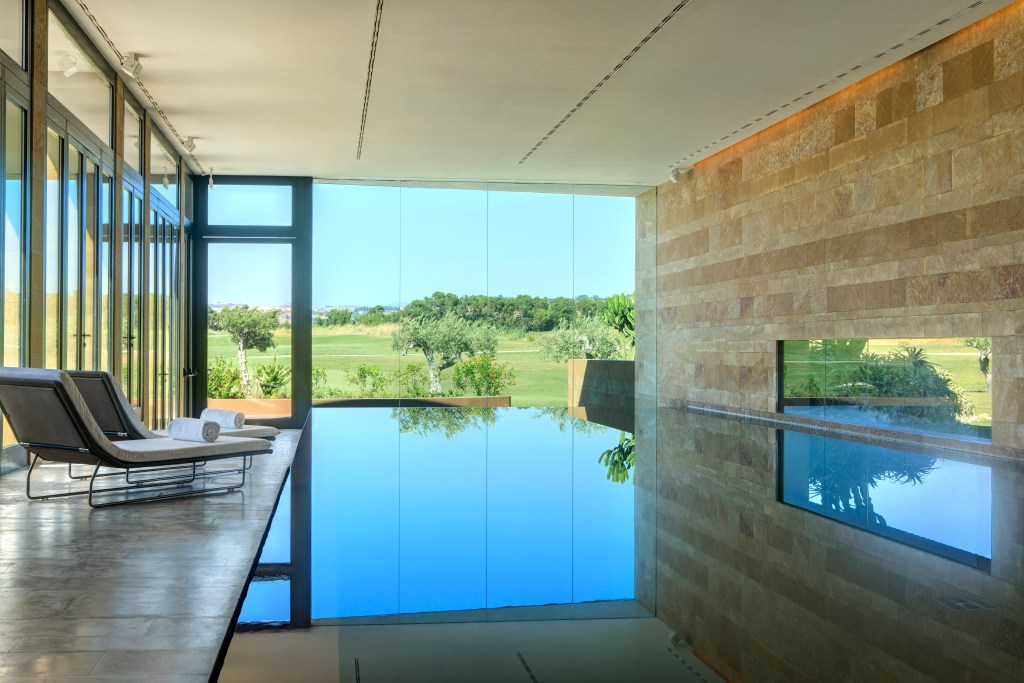
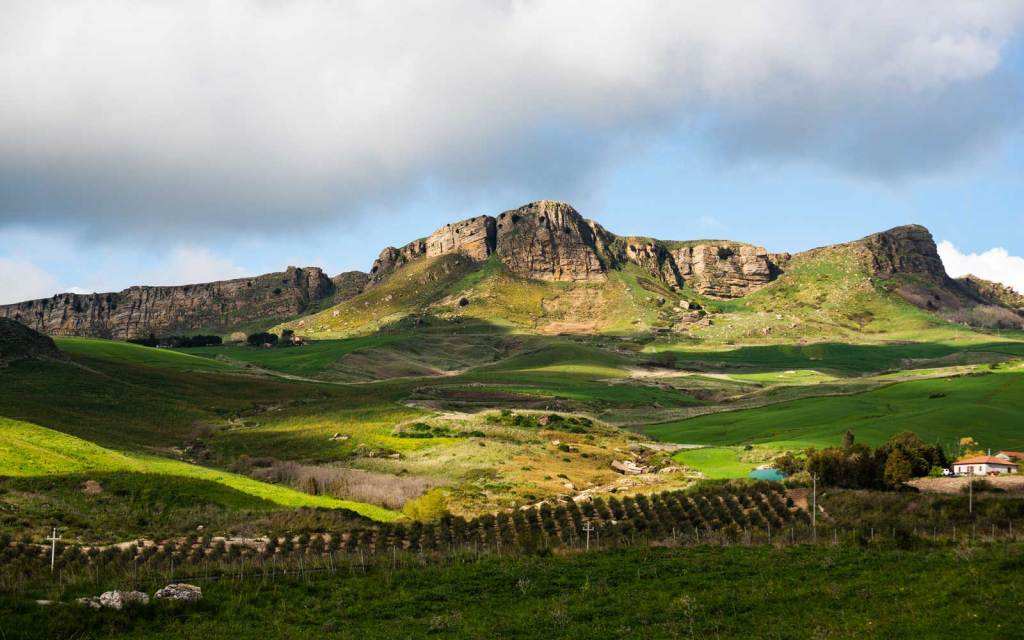
Irene Forte, Rocco’s daughter and the brand’s wellness director, permeates the property: her spa, anchored by treatments and products derived from the resort’s organic farm, shapes a wellness narrative that is both scientific and sensory. Verdura Resort recently founded a blue zone research project for the nearby historic village of Caltabellotta, impressively placed atop a high mountain just behind the resort. Several centenarians live there, moving through the village’s steep roads and working beyond retirement age—like the accomplished sculptor Salvatore Rizzuti, whose works recurrently explore motherhood, pregnancy and birth.
“I’ve been visiting this town for over a decade,” says Irene Forte. “I love it so much that I chose to get married here, and I’m proud to be an honorary citizen. To now see it recognized through such rigorous science is deeply moving. It confirms what we’ve always felt in our bones—this place has something special and is one of the reasons why Irene Forte Skincare is deeply rooted in Sicily.” The beauty products in the line use Sicilian botanicals and oversees the brand’s spas and holistic programs across Rocco Forte properties.
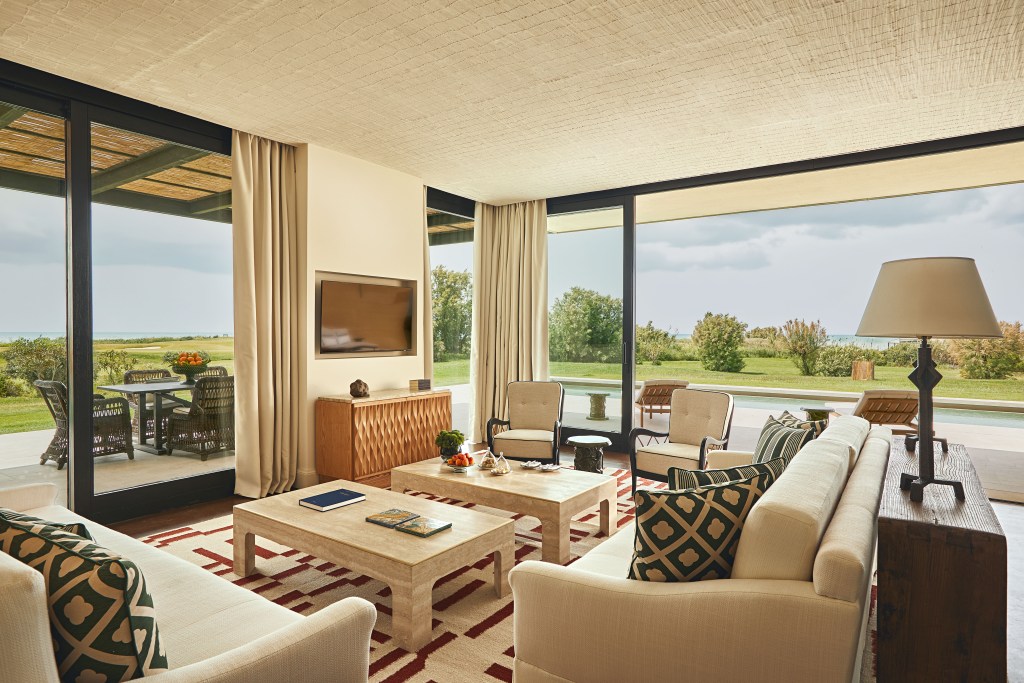
At Verdura and at Villa Igiea, the other pillar of this female leadership is Olga Polizzi, sister of Rocco Forte, Deputy Chairman and Director of Design for Rocco Forte Hotels. At Verdura, she oversaw the resort’s original development and has since guided successive design chapters. The 2026 renovation of 58 rooms developed with Studio Moschino, uses natural stone, warm woods, linen, rattan and bespoke ceramics to frame sea and golf‑course views. Beyond the guest rooms, the resort’s twenty private Rocco Forte Villas, perched on the hillside with individual pools and landscaped gardens, extend this language of privacy and refined minimalism. Polizzi co‑designed them with ASA Studio Albanese and she is now working on a new phase of 47 larger off‑plan homes, ensuring privacy, integration with the landscape and access to the resort’s facilities.
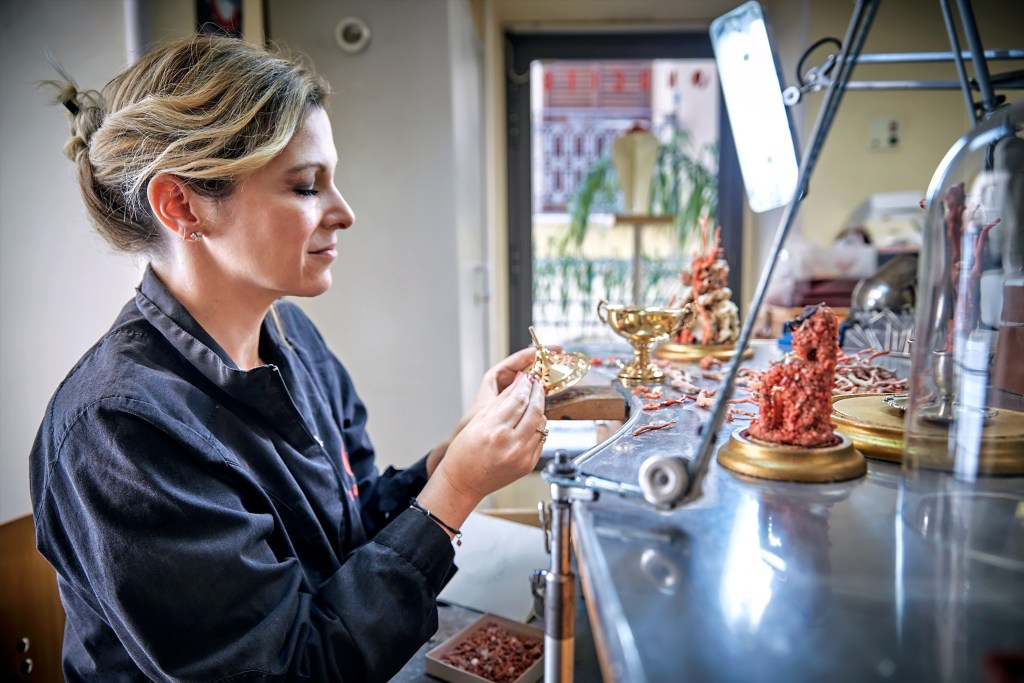
A short drive from Verdura, in Sciacca, the matriarchal thread continues with Laura Nocito Di Giovanna, a master goldsmith and coral sculptor, fourth‑generation heir to Nocito Gioielli, founded in 1905 by her great‑grandmother Concettina. Nocito blends antique Sicilian techniques with contemporary design, working with rare, environmentally sustainable subfossil Sciacca coral, gold and gemstones. In 2024, she received the title of Maestro d’Arte e Mestiere d’Italia from Fondazione Cologni and was selected for the Michelangelo Foundation’s Homo Faber Guide. She also runs the family atelier the Museo Nocito del Corallo. “Working coral is like a dance between you and nature,” Laura says. “Your hands want to sculpt something, but the coral will lead you to what can really be done. Each piece hides a surprise about colour, texture and strength. You can’t force your vision.”
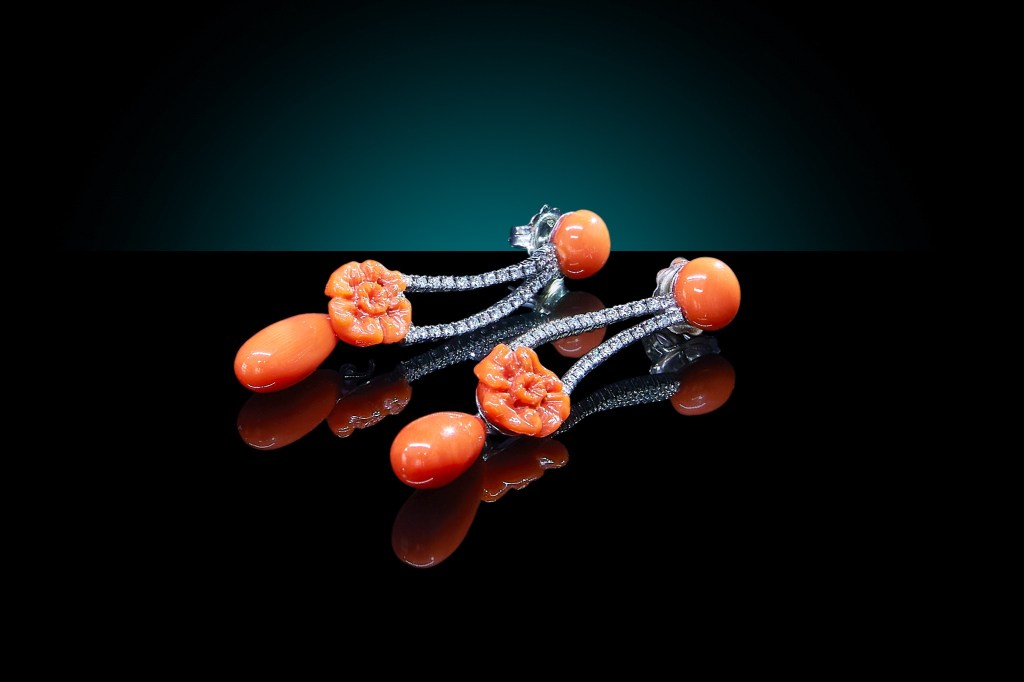
When the coral‑rich waters off Sciacca became, between 1875 and 1914, one of the world’s largest coral‑fishing areas, Concettina Venezia, married to the nobleman Giuseppe Nocito, opened a jewellery shop in the family palazzo, becoming an entrepreneur of the coral commerce, despite her husband’s wish that she stop working. The business was inherited by her daughter Rosa and granddaughter Lina, before closing in 1975. In the late 1990s, Laura decided to become a jeweller and then coral sculptor, restoring a female entrepreneurial tradition that encompasses not only working, polishing, designing and carving coral, but also preserving its history.
Just as her great‑grandmother did 120 years ago, Laura experienced male resistance to her vision when she decided to become a coral sculptor in the late 1990s, but talent prevailed. The female tradition in the family was not just about working the coral, but making business of it: trading, buying, polishing, designing, hand‑carving, marketing. While Laura’s children are still too young, she has budding future artists growing in her laboratory.
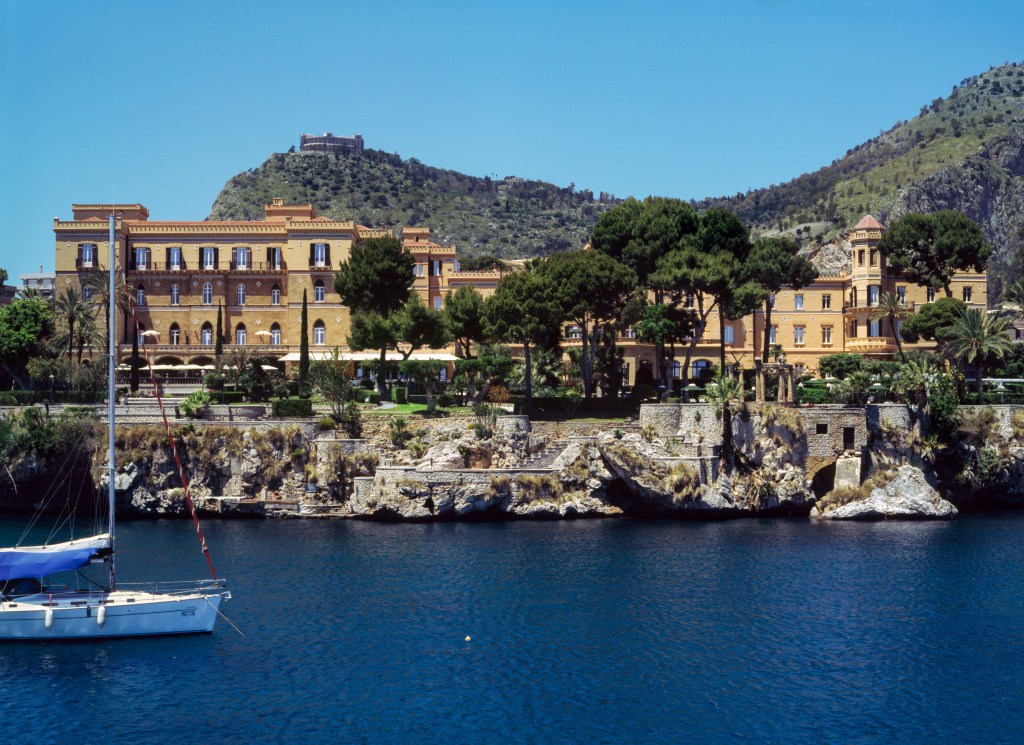
Just 90 miles north, perched above the Gulf of Palermo, Villa Igiea is less a hotel than a Belle Époque stage set reborn for contemporary luxury. Originally a private villa, it was transformed in 1900 by the Florio dynasty and architect Ernesto Basile into a Liberty‑style palace that quickly became Sicily’s most glamorous retreat. Back in the day, the “lady of the house” at Villa Igiea was Donna Franca Florio. The Florio family built one of Italy’s greatest fortunes between the mid‑19th and early‑20th centuries through shipping lines, Marsala wine, tuna fisheries, sulfur mines and financial ventures, becoming patrons of architecture, theater and the arts in Palermo. When they acquired the villa, they transformed it into the Grand Hotel Villa Igiea and Franca emerged as its true leader and social architect: she designed the program of balls and salons, curated the guest lists and staged the evenings that turned the hotel into a magnet for European aristocracy, politicians and artists during the Belle Époque. Celebrated for her beauty, charisma and cultural authority, she was nicknamed the “Queen of Palermo.” Today the hotel honors her legacy with a dedicated suite and the Palazzina Donna Franca.
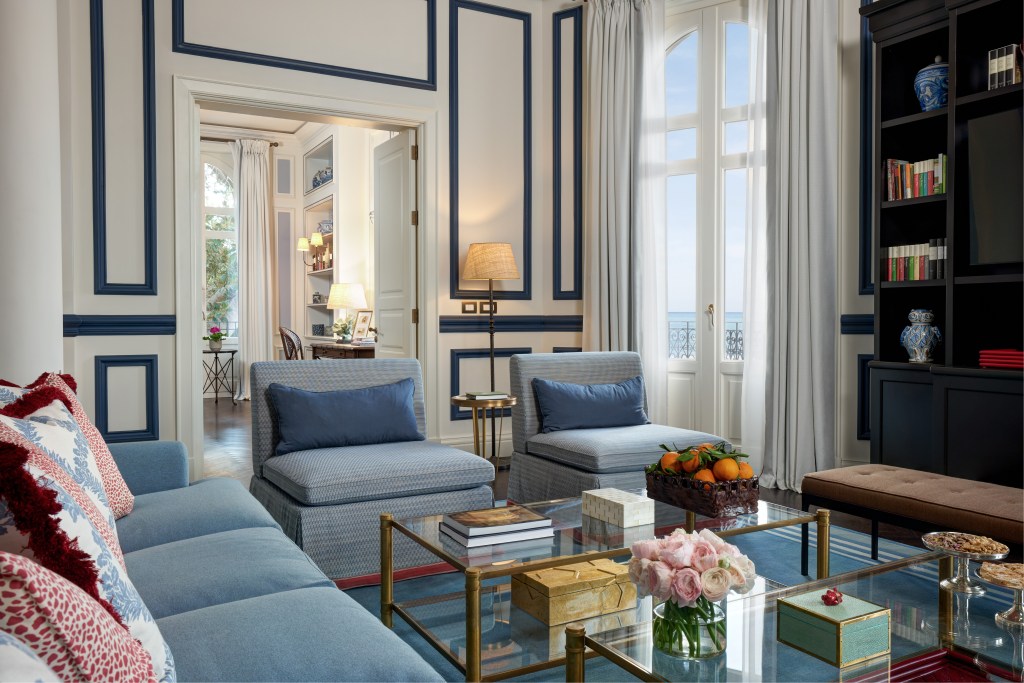
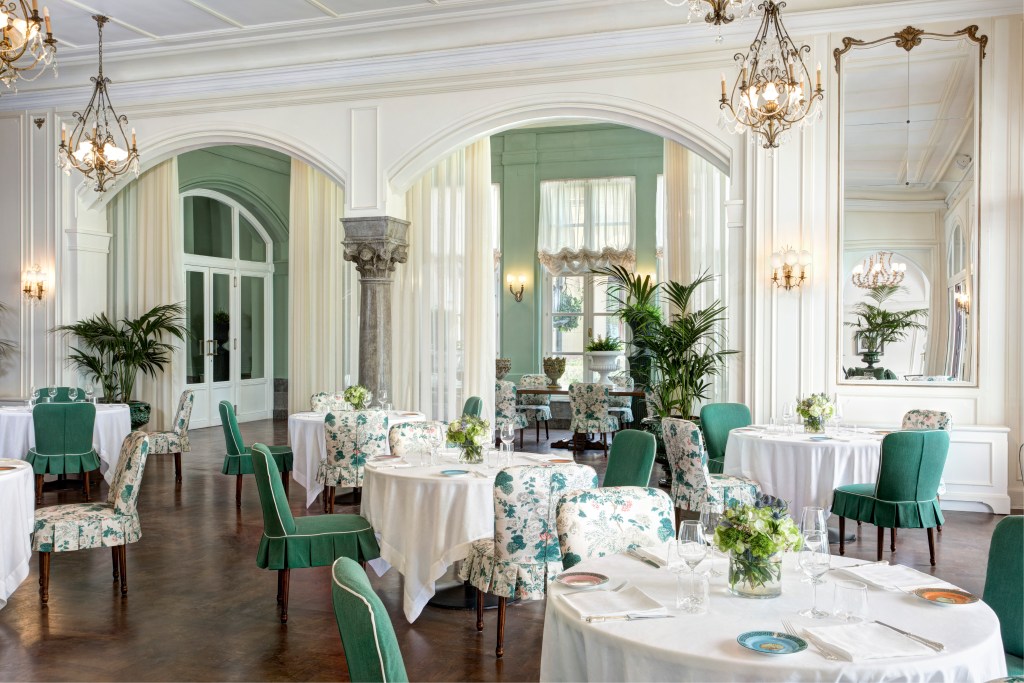
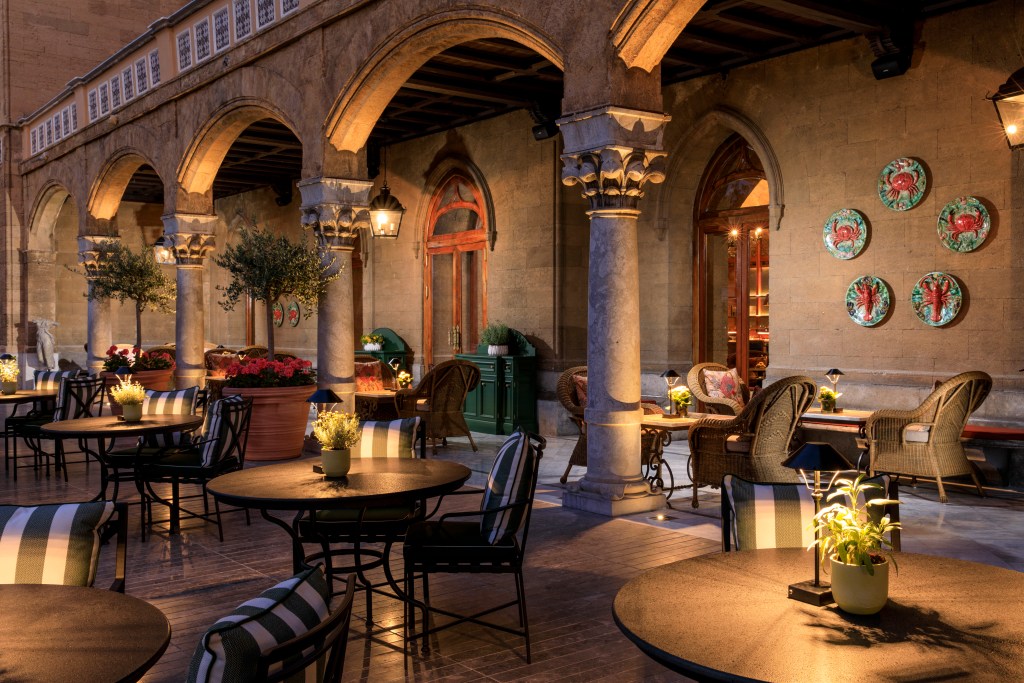
Just a couple of years ago, under Rocco Forte Hotels, the property was restructured. Olga Polizzi’s direction, with Paolo Moschino and Philip Vergeylen of Nicholas Haslam Ltd., has restored Basile’s frescoed Salon, the mirrored ballroom and vaulted bars while reimagining 100 rooms and suites as a Sicilian oasis of classic antiques, sumptuous fabrics and serene, sea‑inflected palettes. Public spaces pulse with layered history—Louis XVI dining rooms, sandstone terraces and metal pavilions modeled on Palazzo Butera—yet feel effortlessly current, from the Florio Restaurant‘s time‑travel elegance to the Igiea Terrazza Bar, now a White Lotus season two landmark. Gardens sweep toward the Tyrrhenian, framing yacht departures and sunset aperitivi in a rhythm that is at once aristocratic and relaxed. Suites pair high ceilings and period stucco with tailored contemporary pieces: linen sofas, walnut consoles, hand‑painted tiles and bespoke lighting. Art spans vintage Sicilian prints to abstract canvases, while deep‑toned velvets and marble baths anchor a refined, residential feel. Polizzi introduced contemporary comfort, local materials and Sicilian craftsmanship, using light, color palettes drawn from sea and stone, and locally sourced furnishings to create interiors that feel rooted in Sicily yet resolutely current.
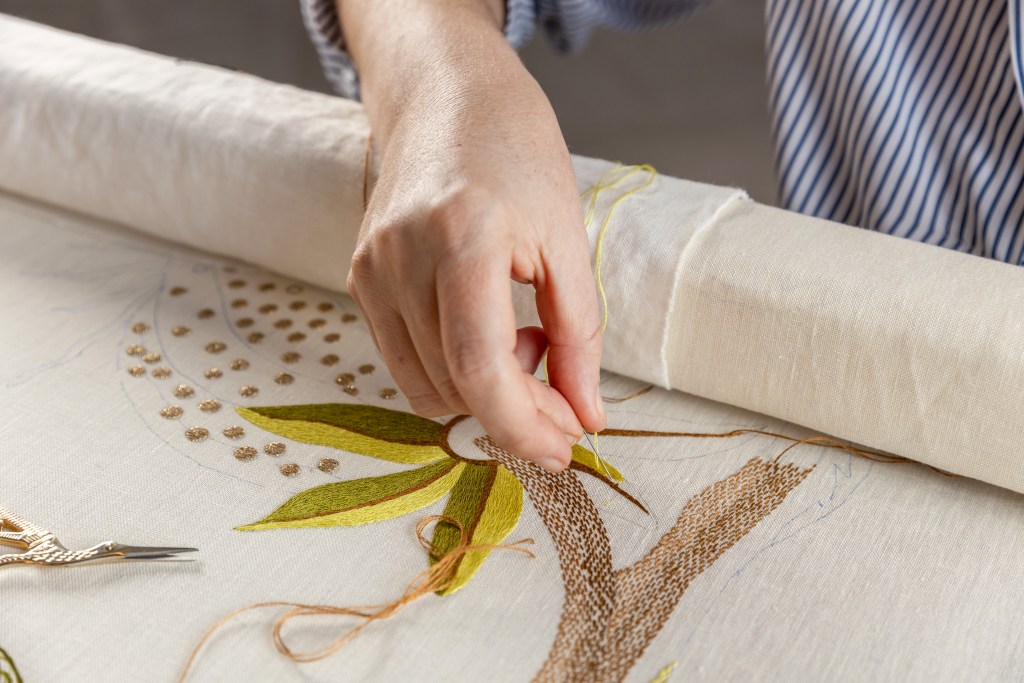
Inside Villa Igiea, the matriarchal narrative continues in a small boutique dedicated to MANIMA, a Palermo‑based luxury house that presents Sicilian hand embroidery as a living, contemporary heritage rather than nostalgia. At its heart is a matriarchal culture of women’s knowledge, patience and authorship: every piece bears the trace of the woman who made it, MANIMA creates skilled, dignified work for Sicilian women, including those from fragile economic or personal backgrounds, allowing them to work in the central Palermo atelier or remotely. Founded by Carolina Guthmann and husband Piero Di Pasquale, the house connects Sicily’s layered cultural heritage with refined design, natural materials and international relevance. Its objects transform embroidery into a language of memory, identity and transmission, offering a vision of Sicilian talent that is elegant, contemporary and deeply rooted in community. Collaborations with international partners such as Japanese designer Kazumi Yoshida, Jaipur Rugs and Ambra Durante place Sicilian craftsmanship in dialogue with global design.
Also in Palermo, the Giardino Duca di Serradifalco is a historic romantic garden in the heart of the city. Originally part of an aristocrat’s estate, the garden was designed as a landscaped park with tree‑lined paths, artificial hills, grottoes, a labyrinth, allegorical statues and small pavilions. After decades of abandonment, today the nearly two‑hectare garden, rich in century‑old trees such as magnolias and Livistona decora, functions as a cultural venue and event space in central Palermo. The project is led by the younger generation of the Licata di Baucina family: Amalia and her cousin Giuseppe run the property, curate the restoration and coordinate events and programming, while Giuseppe’ sisters Federica and Roberta have invented Ficus, a superb, unconventional ice cream formula that is served with alcoholic toppings. The four of them were grown by mothers running the family properties and encouraging their young daughters to be bold and adventurous.
In western Sicily, matriarchy isn’t an exception—it’s the operating system. Irene Forte and Olga Polizzi have built a hospitality model where wellness, design and place are inseparable, while local artisans and entrepreneurs turn female skill into enduring value. The result is a form of luxury and good taste that feels distinctly Sicilian: rooted, robust and strongly led by women.



What are your thoughts?